Exposed vs Hidden Fastener Metal Roofing
Deciding on a new metal roof for your home is a big step, and one of the most common questions that pops up, often after you've already fallen in love with the idea of a metal roof, is about the fasteners. You might wonder, "Do I want screws showing, or do I want them hidden?" This isn't just about aesthetics; it impacts durability, maintenance, and even the lifespan of your roof. This comprehensive guide will explore the ins and outs of exposed versus hidden fastener metal roofing systems, helping you understand the crucial differences so you can make an informed decision for your home.
Understanding Exposed Fastener Metal Roofing Systems
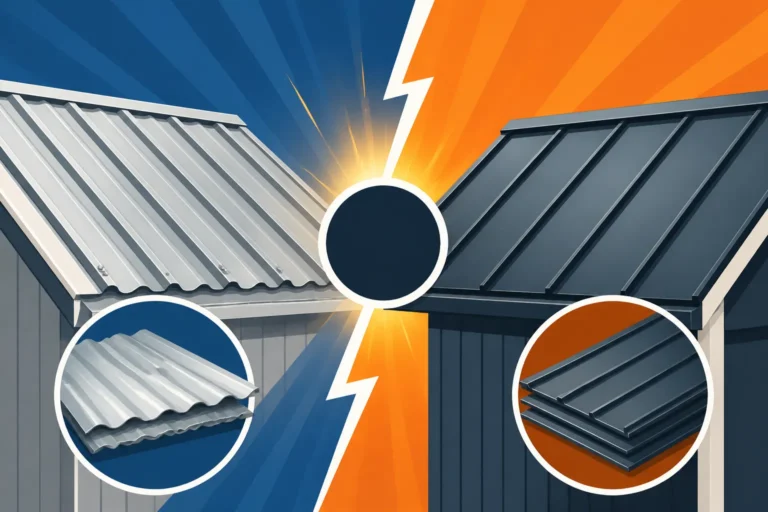
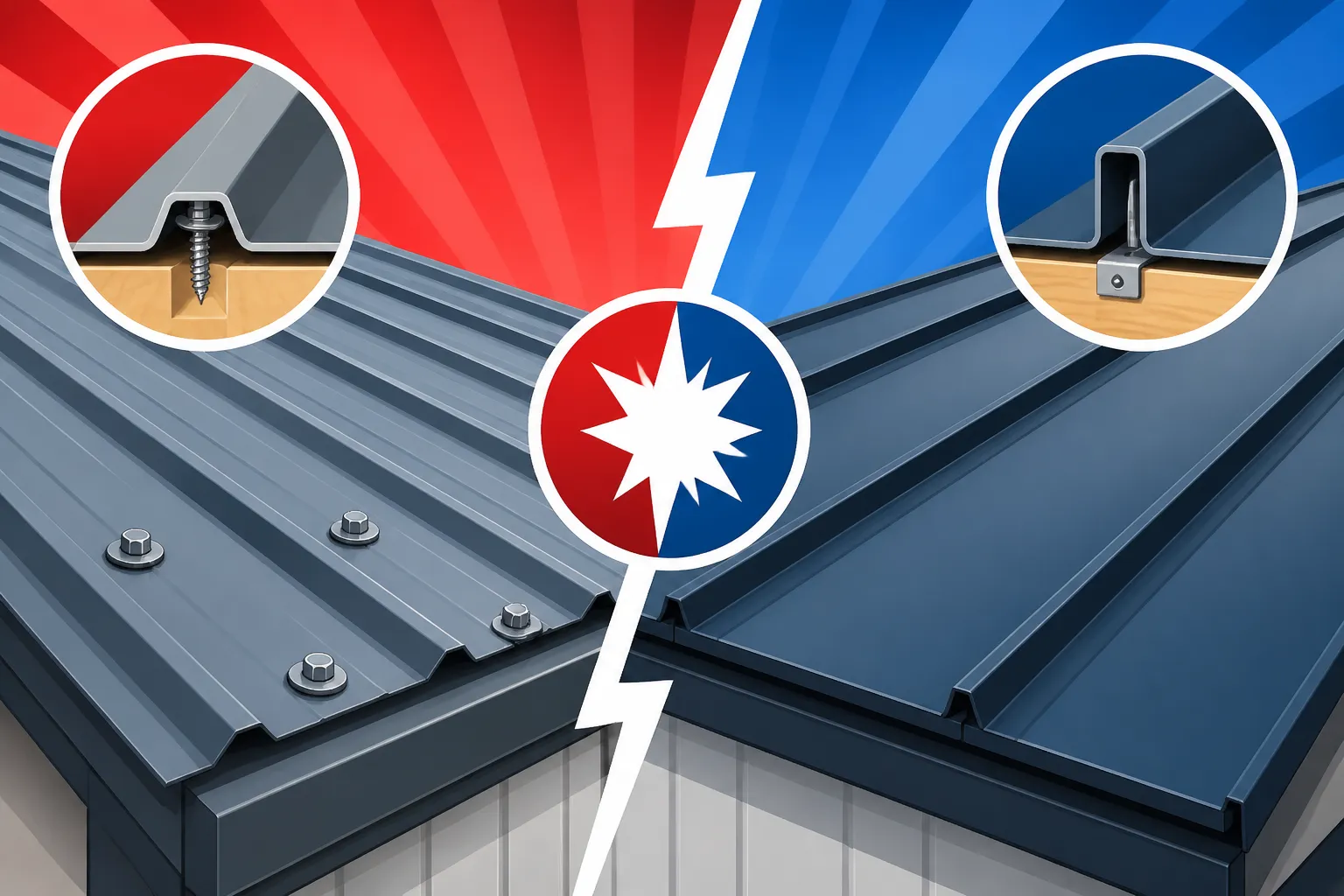
When you think of a classic metal barn roof or many commercial buildings, you're likely picturing an exposed fastener system. These roofs are characterized by metal panels that are directly screwed down to the roof decking or purlins, with the fasteners (screws) visible on the surface of the metal panels. It’s a straightforward, functional design that has been around for a long time.
What Exactly Are Exposed Fasteners?
Exposed fastener systems get their name from the way the metal panels are attached: the screws go right through the face of the metal panel and into the underlying structure. These aren't just any screws; they're specially designed with a durable washer, typically made of EPDM rubber, beneath the head. This washer creates a watertight seal around the penetration point, protecting against leaks. Over time, however, these washers are often the first component of the system to degrade due to UV exposure and weathering.
The panels themselves are usually corrugated, ribbed, or R-panel profiles, meaning they have raised ribs and flat valleys. The screws are strategically placed in the flat areas of these panels, or sometimes in the ribs, to secure them tightly. These panels are typically made of galvanized or Galvalume steel, often coated with a painted finish for added protection and aesthetic appeal.
Common Applications and Aesthetic Appeal
You'll see exposed fastener metal roofing everywhere, from residential garages and workshops to agricultural buildings, pole barns, and even many light commercial structures. Their industrial look lends itself well to rustic or modern industrial design aesthetics. For homeowners aiming for a more utilitarian or agricultural vibe, or those with outbuildings like sheds or detached garages, an exposed fastener system can be a perfect fit both visually and functionally.
While some homeowners might shy away from the visible screws on their primary residence, others embrace the look as part of the roof's character. The bold lines of the ribbed panels can create a distinct architectural statement. They can be a fantastic choice for a cabin in the woods or a contemporary home with a strong emphasis on clean, angular lines. When considering this option, it's worth looking at different panel profiles, such as What Is a Corrugated Metal Roof? or What Is a R-Panel Metal Roof?, to see how the specific design might influence the overall look of your home.
Advantages of Exposed Fastener Systems
One of the most significant advantages of exposed fastener metal roofing is its cost-effectiveness. The materials themselves are generally less expensive per square foot than hidden fastener systems, and the installation process is typically quicker and less labor-intensive. This translates to a lower overall Metal Roof Cost Per Square Foot for materials and installation. For budget-conscious homeowners, this can be a major draw, allowing them to get the benefits of a metal roof without the higher upfront investment of a hidden fastener system.
Another benefit is the relative ease of installation and repair. Because the fasteners are visible and accessible, it's often simpler for contractors to install and, should a panel become damaged or a leak occur around a screw, easier to pinpoint and repair. This can lead to lower repair costs over the roof's lifetime. Furthermore, the robust nature of many exposed fastener panels, especially those made from heavier gauge steel, makes them highly durable against impacts and heavy weather.
Disadvantages and Potential Concerns
Despite their advantages, exposed fastener systems come with a few notable drawbacks. The primary concern revolves around the exposed screws themselves. The rubber washers beneath the screw heads are constantly exposed to the sun's harsh UV rays, extreme temperatures, and general weathering. Over time, these washers can dry out, crack, or degrade, leading to potential leak points. While designed to last for a significant period, they will eventually require inspection and possible replacement, which is a key part of Metal Roof Maintenance Guide.
Another point of consideration is the aesthetic. While some appreciate the industrial look, others find the visible fasteners detract from their home's curb appeal, especially on more traditional or upscale residential properties. The screws can become an eyesore if not installed perfectly straight or if they begin to show signs of rust or paint chipping. Furthermore, exposed fasteners are more susceptible to backing out over time due to thermal expansion and contraction of the metal panels, which can loosen the seal and create new leak opportunities.
Diving into Hidden Fastener Metal Roofing Systems
Now, let's flip the coin and explore hidden fastener metal roofing. These systems are often seen as the premium choice in residential metal roofing, known for their sleek appearance, superior weather resistance, and longer lifespan. The magic lies in how they are attached, with no visible screws penetrating the surface of the metal panels.
The Design Behind Hidden Fasteners
The fundamental difference in hidden fastener systems is that the method of attachment is concealed beneath the surface of the panels. Instead of drilling through the panel's face, these systems use clips that attach the panels to the roof deck. The next panel then locks over these clips, completely hiding them from view. This creates a continuous, unbroken metal surface that is exceptionally clean and modern in appearance.
This ingenious design means that the primary roof surface is free from penetrations, drastically reducing the potential for leaks that can plague exposed fastener systems. The fasteners themselves, typically screws that secure the clips, are protected from UV rays and other environmental elements, significantly extending their effective lifespan. This design also allows the metal panels to expand and contract more freely with temperature changes, minimizing issues like oil canning and stress on the fasteners.
Types of Hidden Fastener Systems
When we talk about hidden fastener metal roofing, the first and most prominent type that comes to mind is the standing seam metal roof. Standing seam panels feature vertical legs that stand up from the flat part of the panel. These legs are then joined together, either by snapping into place (snap-lock systems) or by being mechanically seamed (mechanical seam systems), covering the attachment clips completely. This creates distinctive, raised seams running from the eave to the ridge of the roof.
Beyond traditional standing seam, other hidden fastener options include metal shingles, metal shakes, and metal tiles. These profiles are designed to mimic the appearance of traditional roofing materials like asphalt shingles, wood shakes, or clay tiles, but with the superior durability and longevity of metal. They interlock or overlap in a way that conceals the fasteners, offering a traditional aesthetic with modern performance. For example, What Is a Metal Shingle Metal Roof? can provide an elegant look without visible screws.
Benefits of Choosing Hidden Fasteners
The advantages of hidden fastener systems are compelling, especially for homeowners looking for a long-term, low-maintenance solution. The absence of exposed fasteners means a significantly reduced risk of leaks over the roof's lifespan. This is a huge peace of mind, knowing that your roof is a robust, watertight barrier. This enhanced protection contributes to the exceptional Metal Roof Lifespan: How Long Do They Last? of these systems, often exceeding 50-70 years.
The sleek, clean aesthetic of hidden fastener systems, particularly standing seam, is another major draw. It offers a contemporary, high-end look that can dramatically boost a home's curb appeal and even increase its resale value. Many modern architectural designs specifically call for standing seam metal roofs due to their sophisticated appearance. Furthermore, because the fasteners are protected, the risk of them backing out or loosening due to thermal movement is greatly reduced, contributing to the overall stability and longevity of the roof system.
Drawbacks and Considerations for Homeowners
While hidden fastener systems offer numerous benefits, they do come with a higher price tag. The materials themselves are generally more expensive, and the installation process is more specialized and labor-intensive, requiring skilled professionals. This translates to a higher Metal Roof Labor Cost and overall project cost. Homeowners need to weigh this upfront investment against the long-term benefits and lower maintenance. Finding a reliable contractor for these specialized installations is also crucial, and resources like Modernize can help connect you with experienced professionals.
Another consideration is that repairs, though less frequent, can be more complex and costly. If a single panel is damaged, it might be challenging to remove and replace without disturbing adjacent panels. While highly durable, these panels are not entirely impervious to all forms of damage. For instance, severe hail can still dent the surface, and significant impacts might require more intricate repair work compared to simply replacing a few screws or a section of an exposed fastener panel. The aesthetics, while generally praised, might not suit every traditional home, and some homeowners might prefer a more textured or conventional roofing appearance.
Key Differences and Performance Comparison
When it comes down to choosing between exposed and hidden fastener metal roofing, understanding their performance differences in critical areas is paramount. It’s not just about what they look like; it’s about how they stand up to the elements and how much care they’ll need over the decades.
Durability and Lifespan Expectations
Both types of metal roofs are inherently durable, far outlasting traditional asphalt shingles. However, their design differences lead to varying lifespan expectations and points of vulnerability. Exposed fastener systems, with their direct penetrations, are primarily limited by the lifespan of their rubber washers. While the metal panels themselves can last 40-60 years or more, the washers may need to be inspected and potentially replaced every 15-20 years. This maintenance ensures the integrity of the watertight seal at each screw. If ignored, these points can become sources of leaks long before the metal panels themselves reach the end of their life.
Hidden fastener systems, on the other hand, boast a longer effective lifespan, often exceeding 50-70 years, and sometimes even more depending on the material (like copper or zinc). Because the fasteners are protected from the elements, they are not subject to the same degradation as exposed washers. The metal panels are also allowed to expand and contract more freely, reducing stress on the material and coatings. This means the entire system tends to age more gracefully and consistently, without a single component acting as a common failure point that needs proactive replacement.
Weather Resistance and Leak Potential
When it comes to keeping water out, the design of the hidden fastener system gives it a significant edge. With no direct penetrations on the primary surface of the roof panels, the risk of leaks is dramatically reduced. The interlocking or seamed panels create a continuous, impenetrable barrier. This makes them an excellent choice for regions with heavy rainfall, strong winds, or significant snow loads, as they are less likely to allow water ingress even under extreme conditions.
Exposed fastener systems, while generally effective, inherently carry a higher leak potential due to the sheer number of perforations. Each screw is a potential entry point for water if its washer degrades, if it's over-torqued during installation, or if it backs out over time. While modern fasteners are designed for longevity, they are the weakest link in terms of long-term weather resistance. In areas prone to high winds, there's also a risk of the panel flexing around the screws, which can prematurely wear down the washers or even cause panels to lift if not adequately secured. It's crucial for these systems to have proper Metal Roof Underlayment and Ventilation Guide to manage any moisture that might bypass the primary barrier.
Installation Complexity and Labor Costs
The installation process differs considerably between the two systems, directly impacting labor costs. Exposed fastener systems, like corrugated or R-panels, are generally simpler and faster to install. The panels are typically wider, and the fastening method is direct and straightforward. This means less specialized equipment and fewer hours of labor are usually required. Consequently, the Metal Roof Labor Cost Per Square is often lower for these systems, making them an attractive option for homeowners or for larger, less architecturally complex roofs.
Hidden fastener systems, particularly standing seam, demand a higher level of skill and precision. The panels are often narrower, and the interlocking or seaming process requires specialized tools and expertise to ensure a perfectly watertight and aesthetically pleasing finish. This increased complexity means a longer installation time and necessitates highly experienced contractors. Therefore, the labor costs for hidden fastener systems will be notably higher, reflecting the specialized skill set required for a proper Metal Roof Installation Process: Step by Step.
Maintenance Requirements Over Time
Maintenance is a key factor in the long-term cost and ownership experience of any roof. Exposed fastener metal roofs generally require more proactive maintenance. Regular inspections are crucial, especially after severe weather events. Homeowners should look for signs of screw deterioration, loose screws, or visible damage to the washers. It's not uncommon to need to replace or re-seal screws every 15-20 years to prevent leaks. This can involve tightening fasteners, replacing washers, or applying specialized sealants.
Hidden fastener systems are often touted as "set it and forget it" roofs, and while no roof is entirely maintenance-free, they certainly come close. Their design eliminates the need for frequent fastener inspections and replacements. Routine maintenance for these systems typically involves general cleaning, checking gutters, and ensuring proper drainage. Any issues that arise are usually due to external damage (e.g., impact from a falling tree limb) rather than system failure, making their overall Metal Roof Maintenance Guide much simpler.
Aesthetic Impact and Design Choices
Beyond the technical performance, how a metal roof looks on your home is a huge part of the decision. The visual impact of exposed versus hidden fasteners can dramatically alter your home's curb appeal and overall architectural style.
Visual Appeal and Architectural Styles
Exposed fastener systems have a distinct, often rugged, and industrial aesthetic. The visible lines of the screws, combined with the bold ribs of panels like corrugated or R-panel, give a functional, no-nonsense look. This can be perfect for certain architectural styles, such as modern farmhouses, rustic cabins, industrial-chic homes, or even some contemporary designs where the "honest" exposure of materials is celebrated. It evokes a sense of strength and utility. However, for more traditional homes, a Victorian, or even a classic suburban ranch, the exposed fasteners might feel out of place or too utilitarian, detracting from the desired architectural harmony.
Hidden fastener systems, particularly standing seam, offer a sleek, clean, and sophisticated appearance. The absence of visible screws creates uninterrupted lines, emphasizing the metal's texture and color. This look is highly favored in modern, minimalist, and contemporary architecture, where clean lines and understated elegance are key. It also complements many transitional and even some traditional homes beautifully, providing a timeless appeal that can elevate the home's perceived value. The shadow lines created by the standing seams add depth and architectural interest without the visual clutter of exposed screws. Other hidden fastener types, like metal shingles, are designed to perfectly replicate conventional materials, offering a discreet metal roof solution that blends seamlessly with diverse architectural styles, from craftsman to colonial.
Color Fading and UV Resistance
Both exposed and hidden fastener metal roofs utilize durable paint finishes designed to resist fading and chalking from UV exposure. Manufacturers like Sherwin-Williams and AkzoNobel produce high-quality coatings, such as PVDF (Kynar 500 or Hylar 5000) or SMP (Siliconized Modified Polyester), which are excellent at maintaining their color and integrity for decades. However, there's a subtle difference in how these systems handle long-term exposure.
For exposed fastener systems, while the panel's paint typically holds up well, the heads of the screws are also painted to match. These small, individual points can sometimes show wear, chipping, or fading faster than the larger panel surface, especially if the paint quality on the screw heads isn't quite as robust as the panel coating. This localized fading or wear can become noticeable over time, particularly on darker roof colors. Hidden fastener systems avoid this issue entirely, as the entire exposed surface is the continuous, factory-coated metal panel, ensuring uniform aging and color retention across the roof.
Curb Appeal and Home Value
The choice between exposed and hidden fasteners can undeniably impact your home's curb appeal and, consequently, its resale value. A well-installed metal roof, in general, adds value due to its longevity, durability, and energy efficiency. However, the type of fastener system plays a role in the perceived value.
Hidden fastener systems, especially standing seam, are often considered a premium upgrade. Their sophisticated aesthetic and superior performance are highly valued by buyers, making them a significant asset when it comes to Does a Metal Roof Increase Home Value?. They convey a sense of quality, modern design, and long-term investment. Exposed fastener systems, while functional and durable, might be perceived as a more economical or utilitarian choice. While they still offer the benefits of metal roofing, the visible screws might not appeal to all potential buyers, particularly those looking for a higher-end finish. In some competitive housing markets, the difference in aesthetic between the two could influence a buyer's decision or the appraisal value.
Cost Implications: Upfront vs. Long-Term Value
One of the biggest factors in any home improvement project is cost. While metal roofs are a significant investment, understanding the financial implications of exposed versus hidden fastener systems, both upfront and over their lifespan, is crucial for smart budgeting.
Initial Material and Installation Costs
There's a noticeable difference in the initial cost between these two types of metal roofs. Exposed fastener systems are generally the more budget-friendly option. The materials, such as corrugated or R-panels, are typically less expensive to manufacture, and the direct fastening method makes for a quicker, less complex installation. This can result in a total installed cost that is significantly lower than a hidden fastener system. For instance, you might find exposed fastener roofs costing roughly $7 to $12 per square foot installed, depending on the material, gauge, and local labor rates.
Hidden fastener systems, particularly standing seam, represent a higher upfront investment. The specialized clips, the more intricate panel designs, and the skilled labor required for proper installation all contribute to a higher price point. You can expect hidden fastener systems to range from $12 to $20 per square foot or more, installed. This higher initial cost is often the primary hurdle for homeowners considering this premium option. It's always wise to get multiple quotes, and platforms like Modernize can help you gather bids from qualified metal roofing contractors in your area, providing a comprehensive Metal Roof Cost: Complete 2026 Guide.
Long-Term ROI and Resale Value
While the upfront costs differ, it's essential to consider the long-term return on investment (ROI). Exposed fastener systems offer a solid ROI due to their durability and efficiency over asphalt shingles, but their maintenance requirements and shorter effective lifespan (due to washers) might slightly diminish their long-term value compared to hidden fasteners. If you plan to sell your home within 15-20 years, the benefits are still substantial, but you might need to factor in potential fastener maintenance before listing.
Hidden fastener systems, despite their higher initial cost, often provide a superior long-term ROI. Their extended lifespan (50+ years), minimal maintenance needs, and premium aesthetic appeal can truly pay off over the decades. The enhanced curb appeal and perceived quality can translate into a higher appraisal value and a quicker sale when it's time to move. Many homeowners consider the higher upfront cost as an investment that will be recouped through energy savings, reduced maintenance, and increased property value. When evaluating Is a Metal Roof Worth It? ROI, Resale & Payback, hidden fastener systems often score very high due to their extensive longevity and aesthetic appeal.
Insurance and Warranty Considerations
Both exposed and hidden fastener metal roofs typically qualify for homeowner's insurance discounts because of their superior durability against fire, wind, and hail compared to traditional roofing materials. However, some insurance providers might offer slightly better rates or discounts for hidden fastener systems, particularly those with higher wind uplift ratings or Class 4 impact resistance, given their inherently stronger and more secure installation method. It's always worth checking with your insurance provider about potential Metal Roof Insurance Savings & Discounts for each type.
Warranty coverage is also an important distinction. Most metal roofing manufacturers offer comprehensive warranties covering defects in materials and finishes. For exposed fastener systems, the warranty might specifically exclude or limit coverage on fasteners after a certain period, or it might require periodic maintenance to keep the warranty valid. For hidden fastener systems, warranties tend to be more straightforward and cover the entire system for a longer duration, reflecting their design for extended, trouble-free performance. Always thoroughly review the Metal Roof Warranties: Workmanship vs Manufacturer for any system you consider.
Making the Right Choice for Your Home
Choosing between exposed and hidden fastener metal roofing boils down to balancing your priorities: budget, aesthetics, longevity, and maintenance. There’s no single "best" option; it’s about what fits your specific needs and situation.
Factors to Consider for Your Climate and Property
Your local climate plays a significant role in which system might be more advantageous. In regions with extremely heavy rain, strong winds, or frequent hail, the superior watertight integrity and impact resistance of hidden fastener systems could be a wise investment. The fewer penetration points mean less vulnerability to severe weather. For example, in coastal areas prone to hurricanes, a properly installed standing seam roof offers excellent wind uplift resistance.
For properties with outbuildings like sheds, barns, or detached garages, where pure functionality and cost-effectiveness are primary, an exposed fastener system is often a perfectly suitable and economical choice. If your home has a very simple roofline, either system can work well. However, for complex roof designs with multiple valleys, hips, dormers, and penetrations, the precision and aesthetic flexibility of hidden fastener systems may be preferred, as their seamless appearance handles these complexities more gracefully. It’s also important to consider if you'll be putting solar panels on your roof, as some systems integrate better with Can You Put Solar Panels on a Metal Roof?.
When Exposed Fasteners Might Be Best
An exposed fastener metal roof is likely your best bet if you are working with a tighter budget but still want the long-term benefits of metal roofing. For projects where cost is a primary driver, such as a large workshop, an agricultural building, or even a primary residence where the industrial aesthetic is desired, these systems offer excellent value. Their simpler installation also means a quicker project timeline, which can be advantageous if you're on a tight schedule.
They are also a good option if you’re comfortable with periodic roof maintenance, such as checking and potentially replacing screw washers every 15-20 years. If you appreciate the rugged, utilitarian look, or if your home's architecture naturally lends itself to this style, an exposed fastener roof can be a stylish and practical choice. Think of a modern shed or a converted barn home – the exposed fasteners would look right at home there.
When Hidden Fasteners Are the Superior Option
If your budget allows for a higher initial investment and you prioritize longevity, minimal maintenance, and a premium aesthetic, a hidden fastener metal roof is almost always the superior choice for a primary residence. These systems are ideal for homeowners who want to install a roof and essentially forget about it for 50-70 years. Their inherent resistance to leaks, exceptional durability, and sophisticated appearance make them a high-value upgrade.
Hidden fastener systems truly shine on homes where curb appeal and architectural integrity are paramount. If you have a modern, minimalist, or high-end traditional home, a standing seam roof will enhance its design and value. They are also preferred in harsh weather environments where ultimate protection against wind and water penetration is critical. When you desire the pinnacle of metal roofing performance and aesthetics, and are willing to invest in it, hidden fasteners are the way to go.
Comparison Table: Exposed vs. Hidden Fastener Metal Roofing
To help summarize the key differences, here's a quick comparison:
| Feature | Exposed Fastener Systems | Hidden Fastener Systems |
|---|---|---|
| Aesthetic | Industrial, rugged, utilitarian with visible screws | Sleek, clean, modern, sophisticated with no visible screws |
| Initial Cost | Lower (typically $7-$12/sq ft installed) | Higher (typically $12-$20+/sq ft installed) |
| Installation | Simpler, faster, less specialized labor | More complex, slower, requires specialized skill and tools |
| Lifespan | 40-60+ years (metal panels), but limited by washers (15-20 years) | 50-70+ years (entire system) |
| Leak Potential | Higher, due to exposed screw penetrations | Very low, due to concealed fasteners and interlocking design |
| Maintenance | Requires periodic inspection/replacement of screw washers | Minimal; general cleaning, no fastener maintenance required |
| Durability | Very good; robust panels, but washers are wear points | Excellent; robust panels, protected fasteners, handles expansion well |
| Curb Appeal | Good for specific styles (industrial, rustic) | Excellent; boosts home value, suits various high-end styles |
| Noise | Can be slightly louder during heavy rain, expansion/contraction | Quieter, less prone to noise from thermal movement |
Disclaimer
Please remember that the information provided in this guide is for general educational purposes only. Metal roofing costs, installation methods, local building codes, and material availability can vary significantly based on your specific location, contractor, and project requirements. Always consult with qualified and licensed metal roofing professionals for accurate estimates, tailored advice, and to ensure compliance with all local regulations before undertaking any roofing project.