What Is a R-Panel Metal Roof?
Choosing a new roof can feel overwhelming with all the different styles and materials out there, especially when you're trying to figure out what some of these technical terms even mean. If you've been hearing about R-panel metal roofs and wondering if they're a good fit for your home or project, you're not alone. This guide will cut through the jargon and explain exactly what an R-panel metal roof is, its advantages, potential drawbacks, and whether it’s the right choice for your needs.
Understanding R-Panel Metal Roofing
When people talk about metal roofing, they're often picturing sleek standing seam panels or rustic corrugated sheets. R-panel roofing sits in a unique space, offering a robust, industrial aesthetic that’s gaining traction in residential applications too. It's a type of exposed fastener panel, meaning the screws that secure the panels to your roof deck are visible.
What Defines an R-Panel Roof?
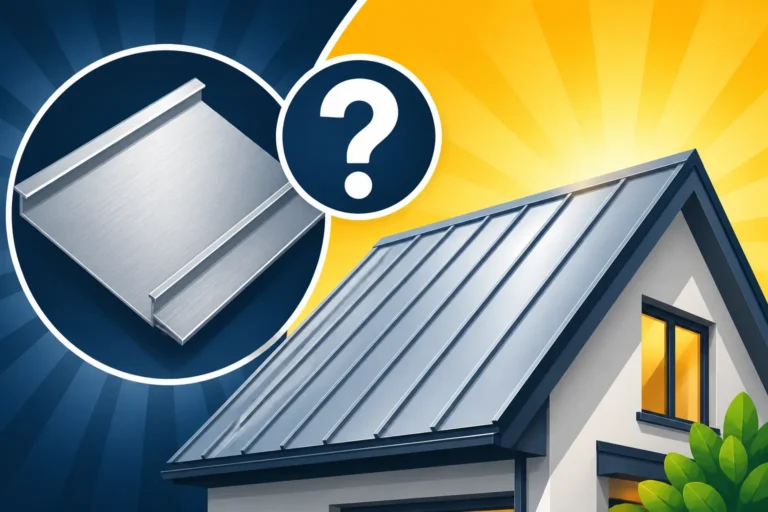
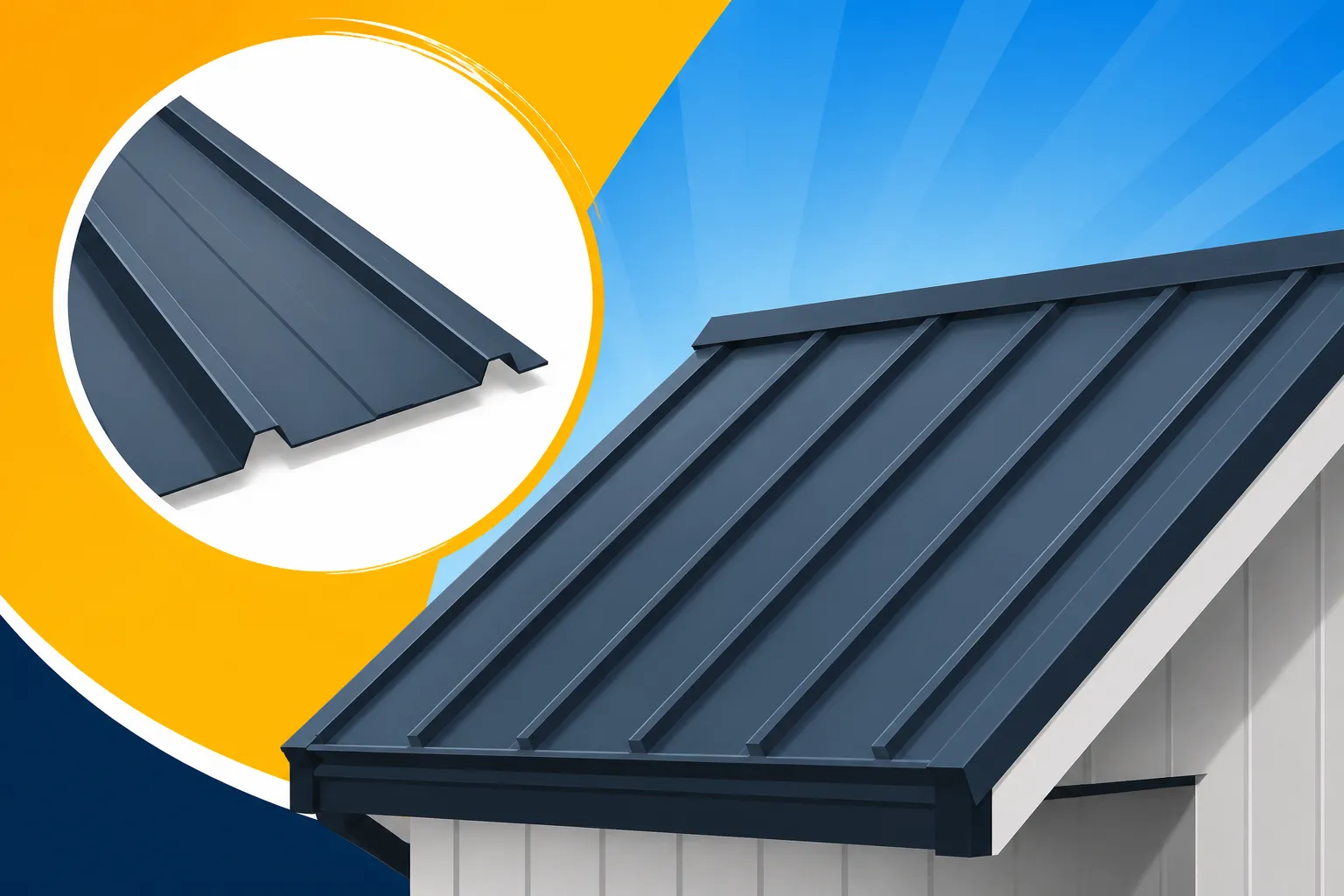
An R-panel metal roof is characterized by its specific profile: a series of trapezoidal ribs that run vertically along the panel. These ribs are typically about 1.25 inches high, offering significant structural strength and a distinct look. The panels usually come in standard widths, such as 36 inches, making for efficient installation. Unlike some more decorative metal roofing options, R-panel is primarily designed for functionality and durability, often seen on commercial buildings, agricultural structures, and now increasingly on modern residential homes and barndominiums.
The material commonly used for R-panels is steel, often coated with a Galvalume alloy for superior corrosion resistance. You might also find aluminum R-panels, especially in coastal areas where salt spray is a concern. The trapezoidal shape of the ribs provides excellent rigidity, which is crucial for handling snow loads and high winds, ensuring your roof can stand up to the elements for decades.
Key Characteristics and Construction
The construction of an R-panel roof involves long, continuous metal sheets with the distinctive trapezoidal rib profile. These panels are secured directly to the roof deck or purlins using screws with neoprene washers. The exposed nature of these fasteners is a defining characteristic, and while it simplifies installation, it's also a point of discussion regarding long-term maintenance. The panels typically overlap on the side laps, with fasteners going through both overlapping sheets into the roof structure.
Gauge is an important consideration when selecting an R-panel. Common gauges range from 29-gauge for lighter applications to 26-gauge for most residential and light commercial use, and even thicker 24-gauge for more demanding projects. A lower gauge number indicates a thicker, more durable metal. For example, a 26-gauge panel offers a good balance of strength and cost for many homeowners, providing significant protection without a dramatic increase in material cost. Understanding how to choose the right gauge is crucial for the longevity and performance of your roof, and you can learn more about this in guides like Metal Roof Gauges Explained: 22, 24, 26 & 29.
A Brief History and Evolution
R-panel roofing actually evolved from metal siding used on industrial and agricultural buildings. Its robust nature, ease of installation, and cost-effectiveness made it a go-to for barns, warehouses, and light commercial properties. Over time, as architects and homeowners embraced more modern and industrial design aesthetics, R-panel found its way onto residential rooftops. This shift has been accompanied by an expansion in color options and coatings, making it more appealing for diverse architectural styles.
Today, companies like McElroy Metal and Metal Sales offer a wide array of R-panel options, including those with advanced coatings that enhance durability and energy efficiency. The aesthetic, often described as "modern industrial," provides a clean, strong visual line that can complement minimalist designs, contemporary homes, or even blend seamlessly with rustic farmhouses. It's a testament to its versatile nature that a material once purely utilitarian is now a sought-after design element.
The Practical Advantages of R-Panel Roofing
Choosing an R-panel metal roof brings a host of benefits that go beyond just its unique look. For many homeowners, the practical advantages truly shine, offering long-term value and peace of mind.
Durability and Longevity
One of the primary reasons homeowners gravitate towards R-panel roofing is its incredible durability. Constructed from high-strength steel or aluminum, these panels are designed to withstand extreme weather conditions. They are highly resistant to impacts from hail, often earning Class 4 impact resistance ratings which can even lead to Metal Roof Insurance Savings & Discounts. They also excel in high-wind zones, thanks to their robust fastening system and rigid profile. Unlike asphalt shingles, which degrade and become brittle over time, R-panels maintain their integrity for decades.
A well-installed R-panel roof can last 40 to 60 years or even longer, significantly outperforming traditional asphalt shingles that typically need replacement every 15-20 years. This extended lifespan means less frequent roof replacements, saving you considerable money and hassle in the long run. If you're curious about how this compares to other options, exploring a guide like Metal Roof vs Asphalt Shingle Cost can provide a comprehensive overview of the long-term value.
Cost-Effectiveness and Installation
Compared to other premium metal roofing options like standing seam, R-panel roofs are often more budget-friendly. The material cost is generally lower, and the exposed fastener system can make installation quicker and less labor-intensive. This combination translates into a more attractive upfront cost for many homeowners, making durable metal roofing accessible to a wider audience. If you're looking for exact figures, a detailed article on How Much Does a R-Panel Metal Roof Cost can provide current pricing insights.
The straightforward installation process also contributes to its cost-effectiveness. The wider panels cover more area faster, and the exposed fasteners simplify the attachment process. This is particularly appealing for larger structures or for those looking to manage project costs without compromising on the benefits of metal roofing. However, even with simpler installation, choosing a reputable contractor is paramount to ensure proper sealing and longevity. Modernize, for example, can connect you with experienced local professionals who specialize in metal roofing, ensuring you get a quality installation.
Versatility in Application
While R-panel might have started in commercial and agricultural settings, its versatility is now recognized across many building types. It's an excellent choice for:
- Residential Homes: Especially those with modern, contemporary, or industrial-inspired architecture. It can provide a clean, bold look.
- Barndominiums and Pole Barns: Where its original strengths in durability and cost-efficiency shine.
- Commercial Buildings: From warehouses to retail spaces, its robustness and low maintenance make it ideal.
- Carports and Outbuildings: Providing durable protection with a consistent aesthetic.
This adaptability means that whether you're building a new dream home or renovating an existing structure, an R-panel roof can be a viable and attractive option. Its clean lines and variety of colors (from classic galvalume to rich grays, browns, and even vibrant hues) allow it to integrate seamlessly with various exterior palettes.
Energy Efficiency and Sustainability
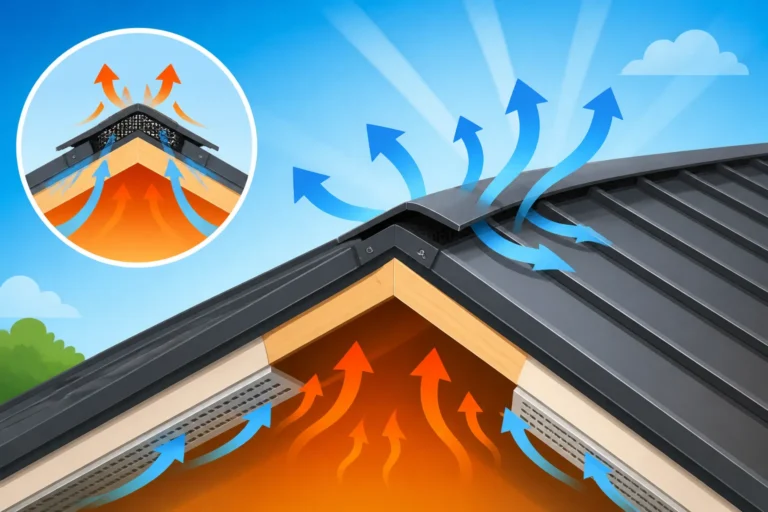
Metal roofs are renowned for their energy efficiency, and R-panels are no exception. Many R-panel products feature reflective coatings, often meeting "Cool Roof" standards. These coatings reflect a significant portion of the sun's radiant heat, preventing it from being absorbed into your attic and home. This can lead to substantial reductions in your air conditioning costs, especially in warmer climates.
Beyond energy savings, R-panels are an environmentally conscious choice. Metal roofing materials are often made with a high percentage of recycled content, and they are 100% recyclable at the end of their very long life. This reduces waste in landfills and conserves natural resources, making it a sustainable option for eco-minded homeowners.
Potential Considerations and Drawbacks
While R-panel metal roofing offers many benefits, it’s important to have a balanced view. Like any building material, there are certain characteristics that might be seen as drawbacks, depending on your priorities and specific project.
Aesthetics and Design Limitations
One of the most common points of consideration for homeowners is the aesthetic of R-panel roofing. Its distinctive trapezoidal ribs and exposed fasteners give it a decidedly industrial or utilitarian look. While this is precisely the appeal for modern, minimalist, or barndominium-style homes, it might clash with more traditional or historic architectural designs. If you're aiming for a classic colonial or Victorian look, an R-panel roof might feel out of place compared to options like metal shingles or standing seam panels that offer a more refined appearance.
The visible screws, while part of its character, also define its visual. Some homeowners prefer the clean, uninterrupted lines of a concealed fastener system, such as a standing seam roof, which hides all attachments underneath the panels. Ultimately, whether the R-panel aesthetic is a "pro" or a "con" is entirely subjective and depends on your personal taste and the architectural context of your property.
Exposed Fasteners and Maintenance
The exposed fastener system, while contributing to the lower installation cost, is also the primary maintenance concern for R-panel roofs. Each screw penetrates the metal panel and is sealed with a neoprene washer to prevent water intrusion. Over time, these washers can degrade due to UV exposure, temperature fluctuations, and general wear. When this happens, the screws can back out slightly or the washers can crack, creating potential leak points.
Regular inspection and maintenance are essential for exposed fastener roofs. This often involves periodic checks of the fasteners (every 5-10 years, depending on climate and material quality) to ensure they are tight and the washers are intact. If washers show signs of cracking or drying out, they may need to be replaced. While not a difficult task, it does add a layer of long-term maintenance that is generally not required for concealed fastener systems. For those considering this, it's worthwhile to understand the differences detailed in articles like Exposed vs Hidden Fastener Metal Roofing.
Noise and Thermal Expansion
Metal roofs, in general, can be perceived as noisier than asphalt shingles, particularly during heavy rain or hail. While modern insulation and proper underlayment can significantly mitigate this, some people are more sensitive to sound. The large, continuous panels of an R-panel roof have the potential to amplify these sounds if not installed correctly or if the attic space isn't adequately insulated.
Another characteristic of metal is its tendency to expand and contract with temperature changes. While R-panel systems are designed to accommodate this movement, it can sometimes lead to an aesthetic issue known as "oil canning" – a wavy or rippled appearance on the flat sections of the panels. While oil canning is generally a cosmetic issue and doesn't affect the roof's performance, it can be a concern for those seeking a perfectly flat, uniform surface. Proper installation techniques and panel design can minimize the likelihood of severe oil canning.
Is an R-Panel Roof Right for Your Home or Project?
Deciding on a roofing material is a significant investment, and for many, a metal roof offers compelling long-term value. When it comes to R-panel, its specific characteristics make it an excellent choice for certain situations, but perhaps less ideal for others.
Assessing Your Needs and Property Type
The first step in determining if an R-panel roof is right for you is to realistically assess your aesthetic preferences and the architectural style of your home. If you appreciate a modern, clean, or industrial look, and your home's design aligns with that, R-panel could be a fantastic choice. It complements contemporary designs, farmhouses, and barndominiums exceptionally well. Consider the surrounding environment too; in some rural or light commercial settings, an R-panel roof can look perfectly at home.
Beyond aesthetics, think about your long-term maintenance comfort level. Are you prepared for periodic fastener checks, or would you prefer a roof that requires virtually no attention for decades? If you're looking for a highly durable, cost-effective roofing solution that can stand up to harsh weather without breaking the bank, and you're comfortable with its industrial charm and exposed fastener maintenance, R-panel might just be your perfect match.
Comparing R-Panel to Other Metal Roof Types
It’s always a good idea to compare R-panel to other popular metal roofing options to ensure you're making the most informed decision.
| Feature | R-Panel Metal Roof | Standing Seam Metal Roof | Corrugated Metal Roof | Metal Shingle Roof |
|---|---|---|---|---|
| Fastener Type | Exposed | Concealed | Exposed | Concealed (often) |
| Appearance | Industrial, ribbed, bold | Sleek, modern, clean lines | Wavy, rustic | Traditional, tile/slate/shake look |
| Rib Height | Typically 1.25 inches | Varies, often 1.5 – 2 inches | Lower, rounded waves | Flat, dimensional |
| Cost (Installed) | Mid-range for metal roofing | High-end | Lower-end | Mid to High-end |
| Maintenance | Requires fastener inspection | Very low | Requires fastener inspection | Very low |
| Best For | Modern homes, barndominiums, commercial | Contemporary, luxury, any residential | Rustic, agricultural, DIY | Traditional homes, curb appeal |
As you can see, each type has its unique advantages. For instance, What Is a Standing Seam Metal Roof? offers a premium look and minimal maintenance due to its hidden fasteners, but comes at a higher price point. What Is a Corrugated Metal Roof? provides a classic, wavy profile and is generally the most budget-friendly exposed fastener option, often seen on smaller structures or for a very rustic aesthetic. Your choice will depend on your budget, desired look, and long-term maintenance expectations.
Hiring the Right Professional for R-Panel Installation
No matter how durable the material, the quality of your roof ultimately hinges on the quality of its installation. This is especially true for exposed fastener systems like R-panel, where proper fastener application and sealing are critical to prevent leaks. It's not a job you want to trust to just any contractor. You need someone with specific experience in metal roofing.
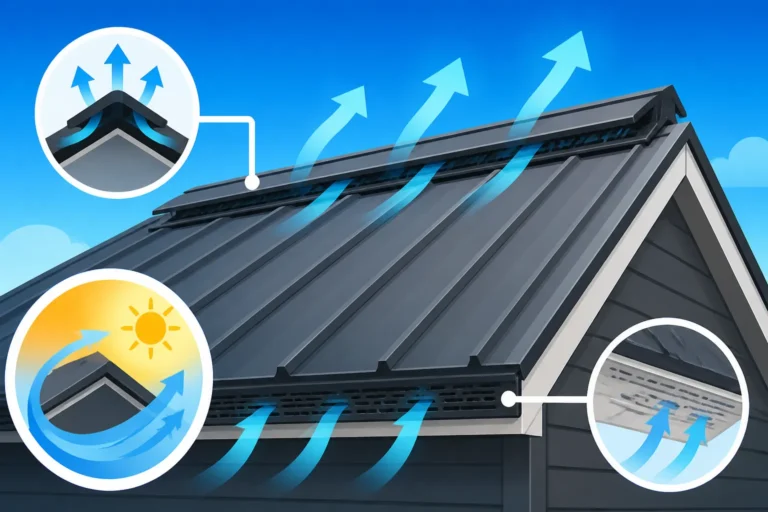
When looking for a contractor, ask specific questions about their experience with R-panel installations. Don't hesitate to ask for references or to see examples of their past work. Ensure they are properly licensed, insured, and can provide a strong warranty on their workmanship. Services like Modernize can help you connect with qualified metal roofing contractors in your area, making the search for a reliable professional much easier. A good installer will also ensure proper underlayment is used, which is critical for long-term performance and preventing condensation issues. You can learn more about this in our guide on Metal Roof Underlayment and Ventilation Guide.
Remember, a high-quality installation, even for a more "simple" system like R-panel, is the best way to ensure your roof lasts its full intended lifespan, provides optimal protection, and delivers the long-term value you're investing in.
Disclaimer
Please note that this guide provides general information about R-panel metal roofing. Building codes, product availability, and pricing can vary significantly by location and over time. Always consult with local roofing professionals and regulatory authorities for specific advice pertaining to your project.