How Much Does a R-Panel Metal Roof Cost
One of the biggest hurdles homeowners face when considering a new roof is figuring out the actual cost, especially with something as durable and long-lasting as a metal roof. It’s easy to get overwhelmed by conflicting information and vague estimates, leaving you wondering if an R-panel metal roof is even within your budget. This comprehensive guide is here to cut through the confusion, providing a clear, detailed breakdown of exactly how much an R-panel metal roof costs, what influences that price, and why it might be the perfect investment for your home.
Understanding R-Panel Metal Roofing
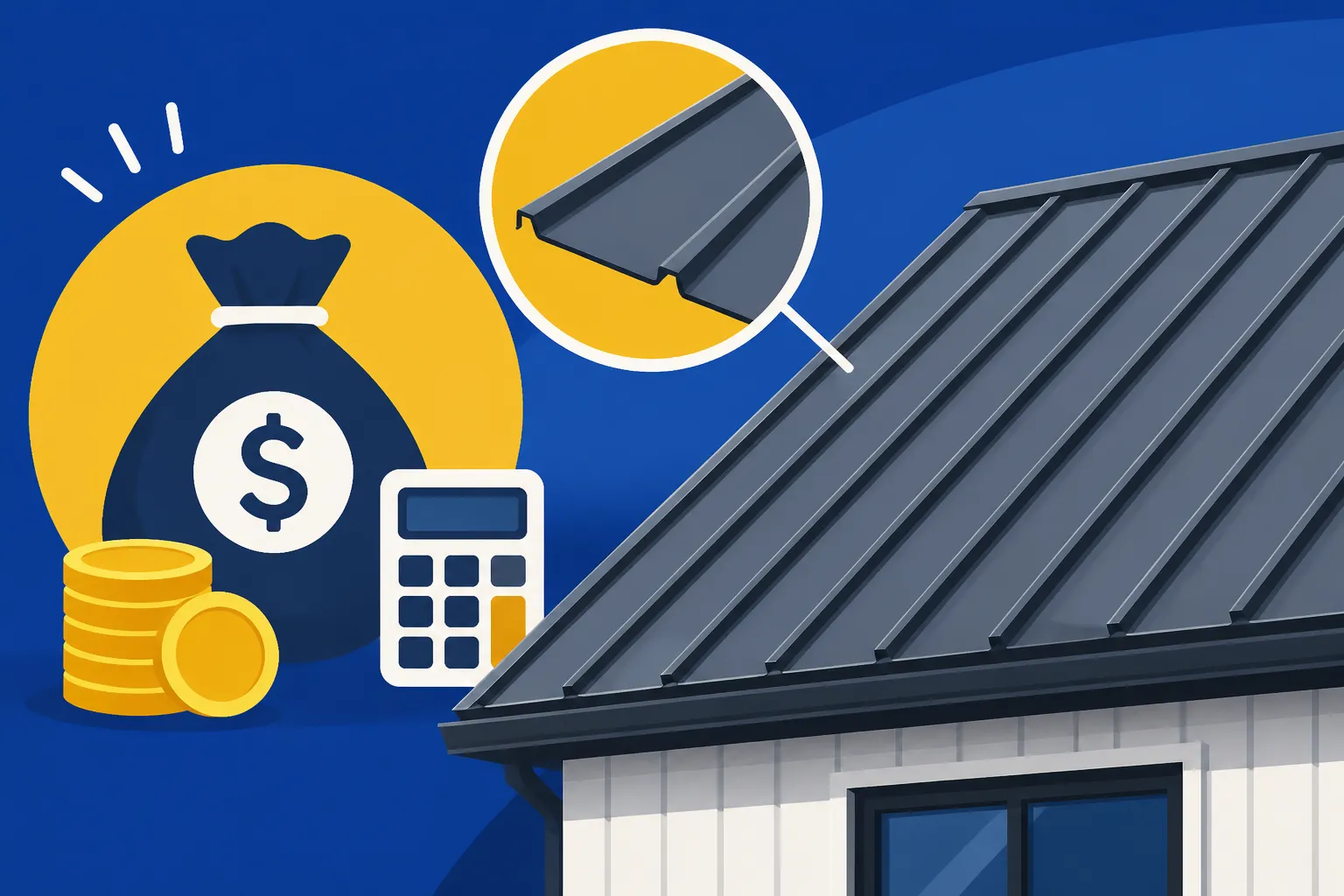
So, what exactly is R-panel metal roofing? In simple terms, it's a type of metal panel that has distinct, trapezoidal ribs running along its length. These ribs are what give the panel its characteristic "R" shape when viewed from the side. Unlike some other metal roof profiles, R-panel is known for its robust, industrial aesthetic, which has found increasing popularity in residential applications. Originally, these panels were more common in commercial and agricultural buildings – think warehouses, barns, and utility structures – where durability, ease of installation, and cost-effectiveness were top priorities. However, homeowners are now drawn to its modern, clean lines and exceptional performance.
The Appeal and Practicality of R-Panel
Choosing an R-panel roof means opting for a system that balances affordability with significant longevity and low maintenance. One of the biggest advantages is its strength; the ribbed design makes the panels incredibly rigid and resistant to impacts, which is fantastic news if you live in an area prone to hail or high winds. It’s also often easier and quicker to install than more complex standing seam systems, which can translate to lower labor costs for you. These panels typically use exposed fasteners, meaning the screws go directly through the panel and into the roof deck or purlins. This method is straightforward, secure, and contributes to the panel's overall structural integrity.
However, it's not without its considerations. While the exposed fasteners are great for installation speed, they are also a potential point of maintenance down the road. The rubber washers on these screws can degrade over many years due to UV exposure and temperature fluctuations, potentially leading to leaks if not periodically inspected and replaced. Another point of discussion is the aesthetic. While many love the industrial chic, it might not suit every home style or every homeowner's preference. Some find the visible screws less appealing than the sleek, hidden fasteners of a standing seam system. Despite these minor points, for sheer practicality, weather resistance, and budget-friendly long-term performance, R-panel is a stellar choice.
Factors Influencing R-Panel Metal Roof Cost
When you start digging into the cost of an R-panel metal roof, you'll quickly realize it's not a one-size-fits-all number. Several critical factors come into play, and understanding them will empower you to make informed decisions and get accurate quotes. It's like building a custom meal – every ingredient adds to the final price.
Material Type and Gauge
The type of metal and its thickness, or gauge, significantly impact the overall cost. For R-panel roofing, you're primarily looking at steel, often coated with a Galvalume finish.
- Steel (Galvalume Coated): This is the most common and cost-effective material for R-panel. Galvalume is a coating that combines zinc and aluminum, offering superior corrosion resistance compared to traditional galvanized steel, which only uses zinc. This means your roof will stand up better against rust, especially in humid or coastal environments.
- Gauge: This refers to the thickness of the metal. Counterintuitively, a lower gauge number means thicker metal. So, a 26-gauge panel is thicker and more rigid than a 29-gauge panel. Thicker gauges naturally cost more but offer enhanced durability, impact resistance, and a longer lifespan. Most residential R-panel installations utilize 26-gauge or 29-gauge steel. While 29-gauge is often cheaper and perfectly suitable for many climates and lighter structures like sheds or pole barns, 26-gauge provides a more robust, longer-lasting roof for primary residences. For a deeper dive into how different thicknesses compare, you might want to read about 24 vs 26 Gauge Metal Roof: Cost Difference.
Roof Size and Complexity
It probably goes without saying, but the bigger your roof, the more materials and labor it will require, pushing up the total cost. However, it’s not just about square footage. The complexity of your roofline plays a massive role.
- Pitch: A steeper roof pitch (how angled your roof is) means more challenging and time-consuming installation. Workers need specialized equipment, more safety precautions, and it just takes longer to maneuver materials, which translates to higher labor costs.
- Penetrations: Skylights, chimneys, vents, and dormers all create interruptions in the roof plane. Each one requires intricate flashing and sealing work to prevent leaks, adding both material and labor expenses. The more "things" sticking out of your roof, the more complex and costly the installation becomes.
- Architectural Features: Gables, valleys, hips, and multiple levels add complexity. Cutting panels precisely for these features, installing extra flashing, and ensuring watertight seals take skilled craftsmanship and time, increasing the overall project cost.
Labor Costs
Installation labor is a substantial portion of any roofing project, and it can fluctuate wildly based on your location, the season, and the specific contractor.
- Regional Differences: Labor rates vary significantly across the country. A metal roof installation in a major metropolitan area like Los Angeles or New York will likely have higher labor costs than in a rural part of, say, Oklahoma or Texas. Costs can even differ within the same state; for example, you might find that Metal Roof Labor Cost Per Square is higher in Miami than in Tallahassee.
- Contractor Experience and Reputation: Highly experienced metal roofing specialists, particularly those with a proven track record of quality R-panel installations, will often charge more than a general roofing contractor or a newer crew. This isn't necessarily a bad thing; investing in a reputable, skilled installer can prevent costly issues down the line. You can explore topics like How to Hire a Metal Roofing Contractor to ensure you find the right fit.
- Permits and Inspections: Local building codes often require permits for roof replacements, and these come with their own fees. Additionally, inspections at various stages of the project are necessary to ensure compliance, and these can add administrative time and cost.
Installation Type
Are you putting an R-panel roof on a brand-new house, or are you replacing an existing roof? This makes a big difference in the final price.
- New Construction: Generally the most straightforward and least expensive per square foot for installation because there's usually a clean, unobstructed roof deck to work with.
- Re-roofing Over Existing Shingles: In some cases, R-panel can be installed directly over existing asphalt shingles. This saves on tear-off costs and disposal fees, potentially making the project more affordable upfront. However, it does add weight to your structure, and you need to ensure proper ventilation and a level substrate. There are pros and cons to this approach, which you can learn more about in Cost to Put a Metal Roof Over Existing Shingles.
- Tear-off and Disposal: If your old roof needs to be removed – either due to damage, multiple existing layers, or building code requirements – this adds significant labor for demolition and disposal fees for the old materials. This can add anywhere from $1 to $5 per square foot to your total project cost, sometimes even more depending on the material and local landfill charges.
Coatings and Colors
The aesthetic appeal and performance of your R-panel roof are often tied to its finish. Most R-panel systems come with a factory-applied paint system.
- Paint Systems: The most common paint systems are polyester and PVDF (Kynar 500 or Hylar 5000). PVDF coatings are superior in terms of fade and chalk resistance, offering a longer-lasting, more vibrant finish, but they come at a higher cost. Polyester paints are more budget-friendly but might not hold their color as long.
- Energy Efficiency Ratings: Lighter colors and special reflective coatings can help deflect solar radiation, keeping your home cooler and potentially leading to energy savings. These "cool roof" technologies, while sometimes costing a little more upfront, can be a worthwhile investment in hot climates.
Additional Components
A complete R-panel roof system involves more than just the panels themselves. Each of these components adds to the material and labor cost.
- Underlayment: This protective layer goes between the roof deck and the metal panels. High-quality synthetic underlayments offer superior protection against moisture and are crucial for the longevity of your roof, often costing more than traditional felt. Understanding Metal Roof Underlayment Cost can help you budget appropriately.
- Flashing and Trim: These are the custom-bent metal pieces that seal off edges, valleys, ridges, and penetrations, ensuring a watertight system. They are essential but add to material and fabrication costs. Details on this can be found in Metal Roof Trim and Flashing Cost.
- Fasteners: While often included in panel packages, specialty screws or those with enhanced warranties can subtly increase the price.
- Snow Guards: If you live in a snowy region, snow guards prevent large sheets of snow and ice from suddenly sliding off your smooth metal roof, which can damage property or injure people. These are an additional, but often necessary, cost.
R-Panel Metal Roof Cost Breakdown: Materials vs. Labor
Now for the numbers! Getting a clear picture of the costs involved requires breaking down the material and labor components. Remember, these are national averages, and your local market conditions, choice of contractor, and specific project details will always influence the final figure.
Typically, you can expect an R-panel metal roof to cost between $4.00 and $9.00 per square foot installed. This range accounts for varying material gauges, roof complexity, and regional labor rates.
Material Costs for R-Panel Roofing
The R-panel itself, often made of Galvalume steel, typically ranges from $2.00 to $4.50 per square foot for the panels alone.
- 29-gauge Galvalume: This is generally the most economical option, falling on the lower end of the material cost spectrum, around $2.00 – $3.00 per square foot. It's lighter and slightly less rigid but still very durable for many applications.
- 26-gauge Galvalume: A thicker, more robust option, 26-gauge panels will be a bit more expensive, usually in the range of $3.00 – $4.50 per square foot. This extra thickness provides better dent resistance and a more substantial feel, making it a popular choice for residential homes.
- Accessories: Don't forget the supporting cast! Underlayment can add $0.50 to $1.50 per square foot, while trim, flashing, and fasteners might add another $0.50 to $1.00 per square foot on average. High-performance coatings like Kynar can also push material costs towards the higher end of the spectrum.
Labor Costs for R-Panel Roofing
Labor costs for installing an R-panel metal roof typically run from $2.00 to $4.50 per square foot.
- Standard Installation: For a straightforward roof with a moderate pitch and minimal penetrations, labor might be on the lower end of this range.
- Complex Installations: If your roof has a steep pitch, multiple dormers, skylights, or intricate valleys, the labor cost will undoubtedly climb. Installers need more time, more specialized cuts, and often more crew members for safety and efficiency.
- Tear-off: If your old roof needs to be removed, add an additional $1.00 to $3.00 per square foot for labor and disposal. This can vary based on the existing roofing material (asphalt shingles are easier than multiple layers or old cedar shakes) and local waste disposal fees.
Let’s look at a quick comparative table to put these numbers into perspective:
| Factor | Estimated Cost Range (per square foot) | Notes |
|---|---|---|
| Materials (Panels Only) | $2.00 – $4.50 | 29-gauge vs. 26-gauge Galvalume steel, coating quality |
| Accessories | $1.00 – $2.50 | Underlayment, fasteners, trim, flashing, sealants |
| Total Materials | $3.00 – $7.00 | Combined panel and accessory costs |
| Labor (Installation) | $2.00 – $4.50 | Roof complexity, pitch, regional rates, contractor experience |
| Tear-Off (Optional) | $1.00 – $3.00 | Removal and disposal of existing roof materials |
| Permits & Fees | $0.10 – $0.50 (on average) | Varies greatly by municipality |
| Total Installed Cost | $4.00 – $9.00+ | Without tear-off; can exceed $9.00 for very complex projects/premium materials |
Example Scenarios
To give you a better idea, let's consider some hypothetical homes:
- 1,500 Sq Ft Ranch House (Simple Design):
- Using 29-gauge R-panel, basic underlayment, and a relatively straightforward installation with no tear-off: You might see costs in the $6,000 – $7,500 range ($4.00 – $5.00/sq ft).
- With 26-gauge R-panel, higher quality underlayment, and moderate complexity, still no tear-off: Expect $7,500 – $10,500 ($5.00 – $7.00/sq ft).
- 2,000 Sq Ft House (Moderate Complexity with Tear-off):
- This size home, especially if it's a 2-story or has a few dormers, plus the need to remove old shingles, significantly increases the price.
- With 26-gauge R-panel, good underlayment, and including tear-off: You could be looking at $12,000 – $18,000 or more ($6.00 – $9.00/sq ft).
- For more specific breakdowns based on size, check out resources like Metal Roof Cost for a 2,000 Sq Ft House.
Remember, these are rough estimates. The best way to get an accurate figure is to obtain multiple quotes from local, reputable metal roofing contractors. This allows you to compare bids for the same scope of work.
Is an R-Panel Metal Roof a Good Investment?
Beyond the initial price tag, it's crucial to consider the long-term value of an R-panel metal roof. A roof isn't just an expense; it's a significant investment in your home's protection and value. So, is an R-panel metal roof truly worth it? For many homeowners, the answer is a resounding yes.
Longevity and Durability
One of the most compelling reasons to choose any metal roof, including R-panel, is its incredible lifespan. While asphalt shingle roofs typically last 15-30 years, an R-panel metal roof, especially one made of quality 26-gauge Galvalume steel, can easily last 40-60 years, or even longer. Think about that: you might never need to replace your roof again in your lifetime. This extended durability also means exceptional resistance to severe weather, including high winds, heavy rain, and hail. It won't rot, crack, or warp like organic materials.
Maintenance and Energy Efficiency
Compared to traditional asphalt shingle roofs, metal roofs require remarkably little maintenance. You won't be dealing with granular loss, curling, or frequent repairs. Regular inspections and keeping the roof clear of debris are usually all that’s needed. The exposed fasteners, while a minor point of consideration, are generally easy for a professional to inspect and maintain if needed after decades of service.
Furthermore, R-panel metal roofs can be surprisingly energy-efficient. Lighter-colored panels, particularly those with specialized reflective coatings, can significantly reflect solar radiant heat. This reduces heat gain in your attic and, consequently, your home, potentially lowering your air conditioning costs during hot summer months. This passive cooling effect can lead to tangible savings on your utility bills over the roof's long life.
Resale Value and Insurance Discounts
While the upfront cost of a metal roof is higher than asphalt shingles, it often pays dividends in the long run. Many homeowners find that a metal roof can increase their home's resale value, especially in areas where durability and energy efficiency are highly prized. Buyers appreciate the peace of mind that comes with a long-lasting, low-maintenance roof. You can delve into this topic further by reading Does a Metal Roof Increase Home Value?.
Additionally, due to their superior resistance to fire, wind, and hail, many insurance companies offer discounts on homeowners insurance premiums for properties with metal roofs. These savings can add up over the decades, further offsetting the initial investment. It’s always a good idea to check with your insurance provider to see what discounts might be available in your area. For more details, explore Metal Roof Insurance Savings & Discounts.
Disclaimer
Please remember that the cost estimates provided in this article are based on national averages and current market conditions. Material prices, labor rates, and local regulations can vary significantly by location and over time. For the most accurate pricing, it is always recommended to obtain multiple, detailed quotes from qualified and reputable local metal roofing contractors. This article is intended for informational purposes only and should not be considered professional financial or construction advice.