How Much Does a Stone-Coated Steel Metal Roof Cost
Oh, the roof! It’s one of those big-ticket home expenses that can send shivers down your spine, especially when you start dreaming of something truly special like a stone-coated steel roof. You've heard whispers about their incredible durability and stunning looks, but then the practical side kicks in: "How much is this going to set me back?" It's a valid, even urgent, question because investing in a new roof is a huge commitment. This guide is here to pull back the curtain on the cost of a stone-coated steel metal roof, helping you understand every penny and whether this fantastic option fits your budget and vision.
Understanding the Allure and Basics of Stone-Coated Steel Roofing
Before we dive into the nitty-gritty of costs, let's chat about why stone-coated steel roofing has become such a buzzword among savvy homeowners. It's not just another metal roof; it's a unique blend of strength and beauty that often leaves people wondering if it's even metal at all!
What Exactly is Stone-Coated Steel?
Imagine a robust steel core, usually 26-gauge or 24-gauge, that's then coated with an acrylic primer. On top of that, a layer of natural stone granules is applied, which is then sealed with another clear acrylic glaze. This isn't just a fancy paint job; those stone granules are what give the roof its incredible texture and diverse aesthetic options, mimicking everything from traditional shingles and shakes to Mediterranean tiles or even slate. When you see a home with a stone-coated steel roof, it often looks like a high-end tile or shingle roof, but with a sleek, modern edge. It’s truly the best of both worlds: the strength and longevity of steel, paired with the classic, appealing look of traditional roofing materials.
Why Homeowners Choose Stone-Coated Steel
There’s a reason this roofing material is gaining traction beyond just its unique appearance. Homeowners are increasingly choosing stone-coated steel for a host of practical, long-term benefits that make the initial investment incredibly worthwhile.
First off, there's the unparalleled durability. This isn't your grandma's flimsy tin roof. Stone-coated steel is designed to withstand extreme weather conditions that would send other roofing materials packing. We're talking about incredibly high winds, heavy hail, and even fire. Many manufacturers, like DECRA, Boral, and Gerard, engineer their panels to meet stringent impact resistance and wind uplift standards, often earning a Class 4 impact rating, which can sometimes even lead to insurance savings. The stone coating provides an extra layer of protection against the elements, as well as noise reduction during heavy rain.
Then there's the aesthetic appeal. Let's be honest, many people love the idea of a metal roof but shy away from the industrial look of traditional standing seam or corrugated panels. Stone-coated steel offers an elegant alternative, allowing you to achieve the appearance of clay tiles, wood shakes, or architectural shingles with the underlying strength of steel. This means you can get the beautiful curb appeal you desire without sacrificing the performance of a metal roof. Whether you're aiming for a rustic cabin feel or a modern Mediterranean villa, there's likely a stone-coated steel profile to match.
Beyond durability and looks, energy efficiency is another big win. The reflective properties of the stone granules, coupled with the air gap often created during installation (especially over existing shingles), can help reduce heat transfer into your attic, potentially lowering your cooling costs. Plus, the longevity of these roofs means less waste in landfills, which is a big deal for environmentally conscious homeowners. You can learn more about how a metal roof offers Metal Roof Insurance Savings & Discounts.
Breaking Down the Costs: Materials, Installation, and More
Alright, let's get down to brass tacks: the money. Figuring out how much a stone-coated steel metal roof costs isn't as simple as checking a single price tag. There are several components that make up the total bill, and understanding each one is key to budgeting effectively.
Material Costs Per Square Foot
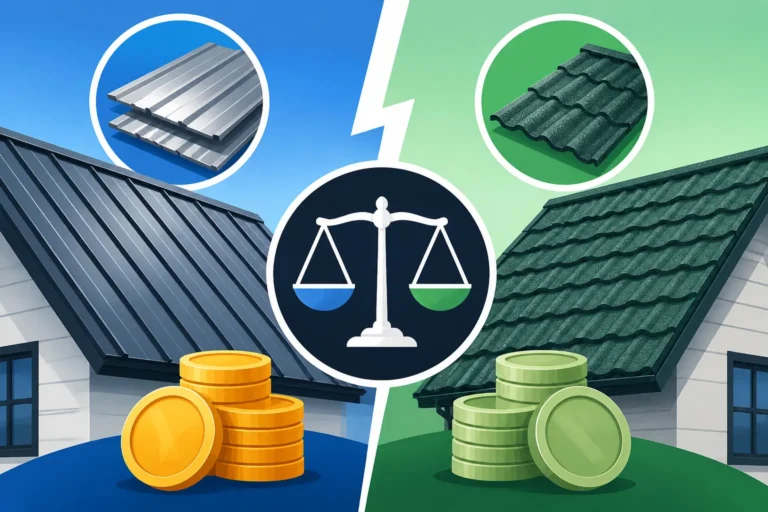
This is often the first number people look for, and it's a significant portion of your overall project. For stone-coated steel roofing, you can expect material costs to typically range from $4.00 to $12.00 per square foot. Now, that's a pretty wide range, right? This variance depends heavily on the specific manufacturer, the profile (tile, shake, shingle), the color, and even the finish. Higher-end profiles or specialized colors will naturally lean towards the upper end of that scale. For example, a basic shingle profile from a more budget-friendly brand might be closer to the $4-$6 mark, while a premium tile or slate look from a top-tier manufacturer like DECRA or Gerard could easily be $8-$12+ per square foot.
It's also important to remember that these are material-only costs. This price covers the panels themselves, but not all the necessary accessories like trim, flashing, fasteners, or underlayment, which also have their own costs. Thinking about a Standing Seam Metal Roof Cost or Stone-Coated Steel Roof Cost? It’s crucial to compare apples to apples when looking at material pricing, as some might include more components than others.
Installation Labor Costs
Ah, the labor – often the most unpredictable part of any home improvement project. Installing a stone-coated steel roof isn't like slapping on a few asphalt shingles. It requires specialized skills, experience, and attention to detail, which means the labor cost reflects that expertise. You can typically expect to pay anywhere from $4.00 to $10.00 per square foot for labor alone, and sometimes even more depending on where you live and the specific complexities of your roof.
Several factors drive this cost:
- Geographic Location: Labor rates vary significantly by region. A skilled roofing crew in, say, Los Angeles will command a higher rate than one in a smaller town in Oklahoma. For instance, Metal Roof Cost in California will likely have higher labor components than Metal Roof Cost in Oklahoma.
- Roof Complexity: A simple, low-pitch gable roof is far less labor-intensive than a multi-faceted roof with numerous dormers, valleys, hips, and skylights. Each cut, each bend, and each specialized flashing adds time and skill to the job.
- Contractor Experience and Reputation: Highly experienced contractors who specialize in metal roofing and have a proven track record (especially with stone-coated steel) will generally charge more, but their expertise can prevent costly mistakes down the line. It's often worth paying a bit more for a seasoned professional to ensure the job is done right.
Additional Cost Considerations
Beyond the main material and labor, there are several other elements that will factor into your final bill. Neglecting these can lead to nasty surprises when you get the final quote.
- Underlayment: A high-quality underlayment is crucial for metal roofs, providing an extra layer of protection against moisture and acting as a secondary water barrier. Synthetic underlayments are preferred for their durability and longevity, and their cost per square foot needs to be accounted for.
- Flashing and Trim: These are essential components that seal the edges of your roof, around chimneys, skylights, and valleys. Custom flashing work, especially for complex rooflines, can add significantly to the material and labor costs.
- Old Roof Tear-Off and Disposal: If you're replacing an existing roof, the old material needs to be removed and properly disposed of. This is often an additional charge, which can range from $1,000 to $3,000+ depending on the size of your roof and the type of material being removed. Some contractors might include this in their overall bid, while others list it as a separate line item. Understanding the Cost to Replace Shingles With a Metal Roof or the difference between Tear-Off vs Metal Over Shingles: Cost Difference is important here.
- Permits and Inspections: Most municipalities require permits for roof replacements to ensure the work adheres to local building codes. Permit costs vary widely by location but are a necessary part of the process.
- Drip Edge, Vents, and Other Accessories: Don't forget the smaller, yet critical, components like drip edges, ridge caps, and various ventilation accessories. These all contribute to the material cost and proper functioning of your roof system.
Here’s a quick overview of potential costs for a stone-coated steel roof:
| Cost Component | Typical Range (Per Square Foot) | Notes |
|---|---|---|
| Materials | $4.00 – $12.00+ | Varies by manufacturer, profile, and finish |
| Labor | $4.00 – $10.00+ | Varies by location, roof complexity, and contractor experience |
| Underlayment | $0.50 – $1.50 | High-quality synthetic recommended |
| Tear-off & Disposal | $0.50 – $1.50 | If existing roof needs removal; based on complexity/volume |
| Permits & Fees | $0.05 – $0.20 (or flat fee) | Highly variable by municipality; flat fee common for permits |
| Total Installed Cost | $9.00 – $25.00+ | General range, can be higher for very complex or premium jobs |
Factors That Heavily Influence Your Final Stone-Coated Steel Roof Bill
As you can see, the price tag for a stone-coated steel roof isn't fixed. It's a dynamic number influenced by a multitude of factors, each playing a role in the final estimate you receive. Understanding these can help you better interpret quotes and make informed decisions.
Roof Size and Pitch
This might seem obvious, but it bears repeating: the larger your roof, the more materials and labor it will require. But it's not just square footage. The pitch, or steepness, of your roof also significantly impacts the cost.
- Roof Size: A 1,500 sq ft home doesn't necessarily mean a 1,500 sq ft roof. Due to overhangs and roof design, the actual roof surface area can be 1.2 to 1.5 times the footprint of your home. So, a 1,500 sq ft house might have a 1,800 to 2,250 sq ft roof. Contractors measure by "squares," where one square equals 100 square feet. So, a 2,000 sq ft roof is 20 squares. The larger the number of squares, the more panels are needed, increasing material costs and installation time. If you're curious about a Metal Roof Cost for a 1,500 Sq Ft House or a Metal Roof Cost for a 2,000 Sq Ft House, remember that the actual roof area will be larger.
- Roof Pitch: A steep roof (anything over a 6/12 pitch) requires more safety precautions, specialized equipment like scaffolding, and often slower installation times. Workers move more carefully, making cuts and securing panels on a steep incline, which translates to higher labor costs. Imagine trying to precisely install large metal panels on a very steep slope compared to a gently sloping roof – it's a completely different ballgame.
Roof Complexity and Features
Beyond size and pitch, the architectural intricacies of your roof can add considerable expense. Every angle, every interruption, and every unique feature requires additional materials and precise labor.
- Valleys, Hips, and Ridges: These transitions require specialized flashing and capping, increasing both material and labor. A roof with many valleys or intersecting planes is inherently more complex to roof with stone-coated steel than a simple two-plane roof.
- Dormers, Chimneys, and Skylights: These penetrations demand custom flashing and careful sealing to prevent leaks. Each one adds a measurable amount of work and specialized materials to the project.
- Ventilation Systems: Proper ventilation is crucial for any roof, especially metal. If your current system is inadequate or needs upgrading to accommodate the new metal roof, that's another cost to consider.
- Existing Conditions: If your current roof deck is rotted, damaged, or uneven, it will need repair or replacement before the new metal roof can be installed. This hidden cost can sometimes only be discovered after the old roof is torn off.
Location, Contractor, and Market Conditions
These external factors can dramatically swing your final price, often independently of the roof itself.
- Geographic Location: As mentioned before, the cost of living and prevailing labor rates in your specific city or state will directly affect installation costs. Expect higher prices in major metropolitan areas or regions with higher demand for skilled labor. For instance, Metal Roof Cost in Florida or Metal Roof Cost in Texas might vary significantly due to local regulations, hurricane requirements, and labor markets.
- Contractor Choice: The quality and reputation of your roofing contractor play a huge role. Highly experienced, reputable companies with certified installers might charge more, but they often provide superior workmanship, better warranties, and peace of mind. Getting multiple quotes is always wise, but don't just pick the cheapest bid – sometimes a lower price can signal cut corners or inexperience. It's vital to know How to Read and Compare Metal Roof Quotes.
- Material Supply and Demand: Global steel prices and supply chain issues can affect the cost of stone-coated steel panels. If there's high demand or limited supply, prices can fluctuate. Fuel costs also impact transportation expenses, which can trickle down to the consumer.
Brand and Product Specifics
Just like cars or appliances, there are different brands and tiers of quality within stone-coated steel roofing.
- Manufacturer Reputation: Leading manufacturers such as DECRA, Boral, and Gerard are well-known for their high-quality products, extensive warranties, and diverse aesthetic options. Their materials might be on the higher end of the price spectrum, but they come with a track record of performance and reliability. You might be interested in comparing DECRA vs Boral Metal Roofing or [Gerard vs Metro Metal Roofing].
- Profile Style: The specific profile you choose (e.g., tile, shake, shingle, slate) affects not only the look but also the manufacturing complexity and, thus, the cost. More intricate or realistic designs often cost more.
- Coatings and Finishes: The quality of the acrylic base coat and glaze can impact durability and UV resistance. Premium finishes or specialized colors might carry a higher price tag.
Is the Investment Worth It? Long-Term Value and ROI
At this point, you might be thinking, "Wow, that's a lot of money upfront!" And you're right, a stone-coated steel roof is a significant investment. However, it's crucial to look beyond the initial cost and consider the long-term value and return on investment (ROI) that this type of roofing provides.
Longevity and Durability
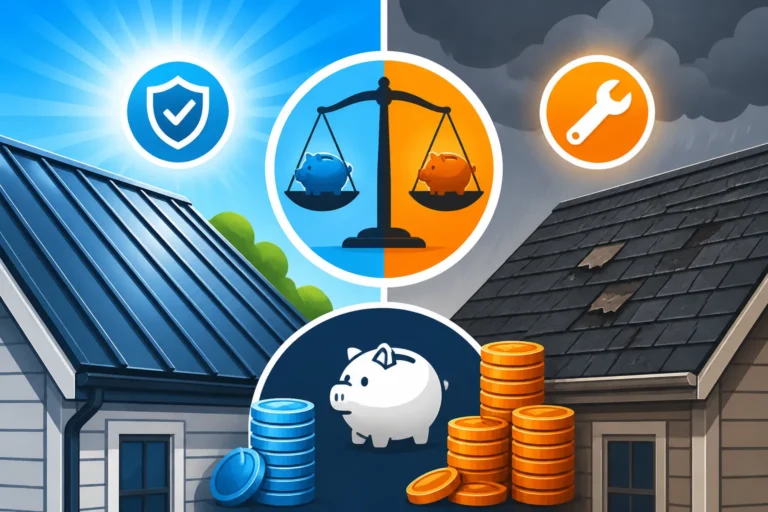
This is arguably the biggest selling point. Stone-coated steel roofs are built to last, often coming with warranties ranging from 30 to 50 years, and sometimes even lifetime transferable warranties. This means you're unlikely to ever need to replace your roof again in your lifetime, saving you the future expense and headache of another major roofing project. Compared to asphalt shingles, which typically last 15-30 years, the extended lifespan of stone-coated steel is a huge financial advantage over the decades. This directly relates to the concept of Metal Roof Cost vs Lifespan Value.
They are incredibly resilient against:
- High Winds: With interlocking panels and robust fastening systems, many stone-coated steel roofs can withstand winds up to 120 mph or even higher, reducing the risk of storm damage.
- Hail: The Class 4 impact resistance rating common to these roofs means they can shrug off even large hailstones, protecting your home and potentially saving you from costly insurance claims.
- Fire: Steel is non-combustible, earning these roofs a Class A fire rating, which offers superior protection against fire hazards.
Energy Efficiency and Insurance Savings
Believe it or not, your roof can actually save you money on your utility bills and potentially your home insurance.
- Energy Efficiency: The reflective surface of stone-coated steel can reflect a significant portion of the sun's radiant heat, keeping your attic and home cooler in warm climates. When installed with an underlying air gap, this effect is amplified, acting as a thermal break. This can lead to noticeable reductions in air conditioning costs during those sweltering summer months.
- Insurance Discounts: Due to their superior durability, especially against hail and high winds, many insurance companies offer discounts on homeowner's insurance premiums for homes with stone-coated steel roofs. These savings can add up over the decades, offsetting some of the initial investment. Always check with your insurance provider to see what discounts might be available in your area. This is a great point when considering Is a Metal Roof Worth It? ROI, Resale & Payback.
Resale Value and Curb Appeal
When it comes time to sell your home, a stone-coated steel roof is a significant asset that can enhance its value and appeal to potential buyers.
- Enhanced Curb Appeal: The diverse styles and attractive finishes of stone-coated steel roofs instantly boost a home's aesthetic appeal. Buyers appreciate a well-maintained, beautiful exterior, and a striking roof can make a strong first impression.
- Increased Resale Value: A durable, long-lasting roof is a major selling point. It removes a huge potential expense for the buyer, making your home more attractive and often justifying a higher asking price. Many homeowners report a strong return on investment, with a metal roof often recouping a significant portion of its cost in increased home value. This ties into the question of Does a Metal Roof Increase Home Value?. A new roof isn't just about protection; it's about smart home equity.
Disclaimer
Please remember that all cost estimates provided in this guide are general averages and can vary significantly based on your specific location, chosen materials, contractor, and the unique characteristics of your roofing project. It is always recommended to obtain multiple detailed quotes from local, reputable metal roofing contractors to get the most accurate pricing for your situation.