Does a Metal Roof Increase Home Value?
When you're looking at a big home improvement project like a new roof, especially something as significant as a metal roof, one of the first questions that pops into your head (right after "How much is this going to cost?!") is undoubtedly, "Will this actually add value to my home?" It’s a completely valid concern. You're not just looking for shelter; you're making an investment, and you want to know if that investment will pay off down the line, particularly if you ever decide to sell. This guide is going to dig deep into that very question, exploring how a metal roof can impact your home’s value, both immediately and for years to come.
Understanding the Initial Investment Versus Long-Term Value
Let's be real, the upfront cost of a metal roof can feel like a punch to the gut. Many homeowners shy away from metal roofing precisely because they're looking at that initial price tag and thinking it's simply too much. But savvy homeowners know that the true value of a home improvement isn't just about what you spend today, it's about what you gain tomorrow and over the entire lifespan of the product. This long-term perspective is where metal roofs truly shine.
The Upfront Cost Reality
It's no secret that installing a metal roof typically costs more than a traditional asphalt shingle roof. You might find yourself looking at estimates that are two to three times higher for metal, and that can be a real sticker shock. Factors like the type of metal you choose—whether it's steel, aluminum, copper, or zinc—and the specific profile, such as standing seam or corrugated, all play a huge role in the final price tag. For a detailed breakdown, you might want to check out our comprehensive guide on Metal Roof Cost: Complete 2026 Guide. This initial outlay covers not just the materials, but also the specialized labor required for proper installation, which is crucial for the roof’s performance and longevity.
Think about it: you're paying for premium materials designed to last decades, and you're paying for skilled craftsmen who know how to work with these materials. It’s not just slapping on shingles; it’s a more intricate process that demands precision. For example, a high-quality standing seam metal roof requires specialized equipment and expertise for seaming the panels together, which contributes to its higher cost compared to an exposed fastener system.
Beyond the Sticker Price: Lifetime Value
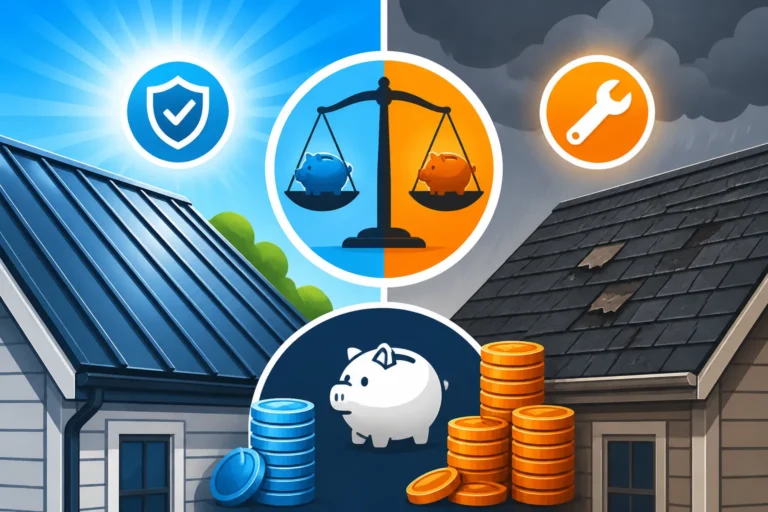
Now, let's pivot from that initial shock and look at the bigger picture: the lifetime value. While you're spending more upfront, you're essentially buying peace of mind and durability that can extend for 50 years or even longer. Traditional asphalt shingle roofs, by contrast, often need replacement every 15-30 years, depending on the climate and quality of materials. Over several decades, you could easily replace an asphalt roof two or three times while your metal roof is still going strong.
Consider the ongoing costs: repairs, cleaning, and eventual replacement. A metal roof drastically reduces these over time. Less maintenance means fewer unexpected bills and more time enjoying your home rather than worrying about its roof. This long-term cost-effectiveness is a massive part of a metal roof’s value proposition, even if it doesn't immediately show up on a resale appraisal. It's the kind of investment that pays dividends through avoided expenses.
Calculating Your Payback Period
Understanding the payback period for a metal roof is critical for assessing its value. This isn't just about when you "break even" on the initial investment, but rather when the cumulative savings and benefits outweigh the higher upfront cost. These savings primarily come from reduced energy bills due to better insulation and reflectivity, lower maintenance costs, and fewer replacement cycles.
For example, many metal roofs are considered "cool roofs" because they reflect solar radiant heat, which can significantly lower cooling costs in warmer climates. If you live in a scorching area like Phoenix, Arizona, or parts of Florida, those energy savings can add up quickly. While an exact payback period varies greatly depending on your location, local energy costs, and the specific roof system, many homeowners find that their metal roof effectively "pays for itself" within 20 to 30 years through these cumulative savings. And since the roof is likely to last 50-70 years, you're looking at decades of pure savings beyond that payback point. This long-term financial benefit is a key aspect of how a metal roof increases home value, even if it's not always explicitly listed as a line item on an appraisal. You can dive deeper into the financial aspects in our guide, Is a Metal Roof Worth It? ROI, Resale & Payback.
Key Factors Influencing Metal Roof ROI
When we talk about return on investment (ROI) for a metal roof, it's not just about dollars and cents in a simple spreadsheet. It's about a combination of tangible and intangible benefits that contribute to your home's overall appeal, functionality, and financial health. These factors work together to elevate the value proposition of a metal roof far beyond that initial installation cost.
Durability and Longevity
This is perhaps the most compelling argument for a metal roof's value. These roofs are built to last, plain and simple. We're talking lifespans of 40 to 70 years, sometimes even more, under normal conditions. Compare that to asphalt shingles, which often start showing significant wear and tear after 15-20 years. This incredible durability means fewer worries about storm damage, leaks, or the need for frequent repairs.
Metal roofs are highly resistant to fire, rot, mildew, and insects. They stand up exceptionally well to extreme weather, from heavy snow loads in the Northeast to hurricane-force winds in coastal regions. Think about the peace of mind that comes with knowing your home is protected by such a robust system. Homebuyers certainly do. A roof that won't need replacing for decades is a huge selling point, reducing a major future expense for the new owner. To understand just how long you can expect your roof to last, check out Metal Roof Lifespan: How Long Do They Last?.
Energy Efficiency Benefits
Metal roofs aren't just pretty; they're smart, especially when it comes to energy consumption. Many metal roofing products are designed with "cool roof" technology, featuring special coatings or pigments that reflect a significant portion of the sun's radiant energy. This reflection helps to reduce the amount of heat absorbed by your home, leading to lower attic temperatures and, consequently, reduced air conditioning costs.
In fact, studies have shown that cool metal roofs can reduce energy consumption for cooling by 10-25% compared to darker, more absorbent roofing materials. This isn't just a small drop in your monthly bill; over the course of a year, especially in hot climates, these savings can be substantial. For homeowners in colder regions, some metal roofing systems can also be designed with insulation in mind, helping to retain heat during winter months. These tangible savings directly contribute to the home's value, making it a more attractive and cost-effective property to own.
Curb Appeal and Aesthetics
Let's not underestimate the power of a stunning roof. A metal roof can dramatically enhance a home's curb appeal, giving it a distinctive and modern look. Gone are the days when metal roofs were solely associated with barns or industrial buildings. Today's metal roofing comes in a vast array of colors, finishes, and profiles that can mimic traditional materials like slate, tile, or wood shakes, or offer a sleek, contemporary aesthetic.
Imagine a beautiful standing seam roof with its clean lines, or a stone-coated steel roof that provides the look of tile with superior durability. These options can transform a home's exterior, making it stand out in the neighborhood. While beauty is in the eye of the beholder, a well-chosen and professionally installed metal roof often signals quality, modernity, and a homeowner who has invested wisely. This visual appeal can draw in potential buyers, making your home more marketable and potentially commanding a higher sale price. The aesthetic choices you have are wide-ranging, as detailed in Metal Roofing Types Explained: Profiles & Panels.
The Impact on Resale Value and Buyer Perception
When it comes time to sell your home, the roof is often one of the first things potential buyers notice, even if subconsciously. A well-maintained, high-quality roof sends a powerful message about the home's overall condition and the care its owners have taken. For metal roofs, this message is even stronger, influencing both appraisal values and how buyers perceive the property.
What Buyers Are Looking For
Today's homebuyers are savvier than ever. They're not just looking at the number of bedrooms and bathrooms; they're considering long-term costs, maintenance, and energy efficiency. A metal roof ticks all these boxes, making it a highly desirable feature. Buyers understand that a metal roof means they won't have to worry about a major roof replacement expense for decades, which is a massive financial relief. It removes a significant "future project" from their plate right from the start.
Furthermore, in areas prone to severe weather, such as coastal regions or states susceptible to hail and high winds, a metal roof is often seen as a significant protective upgrade. Homebuyers in Florida, for instance, are increasingly prioritizing metal roofs due to their superior hurricane resistance. This translates into tangible value because it means lower insurance premiums for them and a safer, more resilient home. It's a key selling point that can distinguish your property in a competitive market.
Appraisal Value Considerations
While it's difficult to pinpoint an exact percentage, appraisers do acknowledge the value a metal roof brings. They consider several factors: the age and condition of the roof, the quality of materials, and local market preferences. Because metal roofs have such a long lifespan and typically come with strong warranties, they are often given a higher value than other roofing materials, even if the direct return isn't 100% of the initial investment at the point of sale.
Appraisers also factor in the energy efficiency aspect, recognizing that a "cool roof" reduces operating costs for the homeowner. While an appraisal might not add the full replacement cost of a metal roof to your home's value, it will certainly contribute positively, often recovering a significant portion of the investment. It helps to elevate your home into a higher tier of quality and durability, which influences the overall valuation.
Market Trends and Demand
The demand for metal roofing has been steadily increasing, reflecting a broader market trend towards sustainable, durable, and energy-efficient building materials. As more homeowners become aware of the long-term benefits of metal roofs, their desirability grows. This rising demand means that homes with metal roofs are often viewed as more modern, responsible investments.
In some upscale or custom home markets, metal roofs are becoming an expectation rather than an exception. For instance, in an architectural community that values design and longevity, a standing seam metal roof might be seen as a standard feature that enhances the home's aesthetic and functional integrity. This trend can work in your favor, as a metal roof helps future-proof your home's appeal and keeps it competitive in evolving housing markets.
Insurance Savings and Other Financial Perks
Beyond the direct impact on resale value, a metal roof offers a suite of financial benefits that contribute significantly to its overall value proposition. These benefits, often overlooked during the initial cost analysis, can add up to substantial savings over the lifespan of the roof and make your home more attractive to insurers and potential buyers alike.
Homeowner's Insurance Reductions
This is a big one, especially if you live in an area prone to severe weather. Many insurance companies offer significant discounts on homeowner's insurance premiums for homes protected by metal roofs. Why? Because metal roofs are incredibly durable and resistant to hazards like fire, hail, and high winds. They're considered a much lower risk to insure than, say, an asphalt shingle roof.
For example, a metal roof with a Class 4 impact resistance rating can qualify for considerable discounts, particularly in hail-prone states. Similarly, their fire resistance can lead to lower premiums in wildfire-risk areas. In hurricane zones, metal roofs are often viewed favorably due to their ability to withstand powerful winds, leading to potentially lower rates. These savings aren't just a one-time thing; they compound year after year, effectively reducing your ongoing homeownership costs. We delve into this in more detail in our guide on Metal Roof Insurance Savings & Discounts.
Potential Tax Credits and Rebates
While federal tax credits for energy-efficient home improvements can fluctuate, metal roofs with specific "cool roof" coatings or energy-saving features have historically qualified for incentives. These credits or rebates can help offset a portion of the initial installation cost, making the investment even more appealing.
It's always a good idea to check with local utility companies, state energy programs, and federal resources for current offerings. Some states or municipalities might also have their own programs to encourage the installation of resilient or energy-efficient roofing materials. While these incentives may not cover the entire cost, every little bit helps in making a metal roof a more financially sound decision for increasing home value.
Lower Maintenance Costs
Let's face it, nobody enjoys climbing on a ladder to clean gutters or repair loose shingles. With a metal roof, those worries are significantly reduced. Metal roofs require far less maintenance than other roofing materials. They don't typically grow moss or algae, and their smooth, hard surfaces often shed debris more easily.
While an occasional inspection, especially after a major storm, is always a good idea, you won't be dealing with the constant shingle repairs or granule loss common with asphalt. This translates to direct savings on professional maintenance services and the cost of materials for DIY fixes. Over decades, these avoided maintenance costs add up, contributing to the roof's overall economic value. For guidance on how to keep your metal roof in top shape, you might find our Metal Roof Maintenance Guide useful.
Comparative Value: Metal Roofs Versus Other Materials
Understanding the value proposition of a metal roof really comes into focus when you compare it directly to other popular roofing materials. Each material has its pros and cons, but when it comes to long-term value, durability, and a positive impact on home value, metal often rises to the top.
Metal vs. Asphalt Shingles
This is the most common comparison homeowners make. Asphalt shingles are undeniably cheaper upfront. They are the go-to for many because of their low initial cost and relatively straightforward installation. However, that's often where their advantages end in a value comparison. Asphalt roofs have a significantly shorter lifespan, typically 15-30 years, and are more susceptible to damage from wind, hail, and extreme temperatures. They also absorb more heat, leading to higher cooling costs.
A metal roof, while more expensive initially, offers superior durability, a much longer lifespan (often two to three times that of asphalt), better energy efficiency, and lower maintenance. Over the lifetime of your home, the cumulative cost of replacing asphalt roofs multiple times, coupled with higher energy bills and potential repair costs, often far exceeds the initial investment in a metal roof. From a long-term value perspective, metal roofs almost always win out. If you're weighing your options, our detailed comparison Metal Roof vs Asphalt Shingle Cost is an excellent resource.
Metal vs. Tile and Wood Shakes
Tile and wood shake roofs can certainly offer a premium aesthetic, but they come with their own set of challenges that can impact long-term value. Clay or concrete tiles are heavy, requiring substantial roof decking support, and while durable, they can be brittle and prone to breaking from impacts like hail or falling branches. Wood shakes, while beautiful, require significant maintenance, are susceptible to rot, insects, and fire, and have a shorter lifespan than metal.
Metal roofs can often mimic the look of tile or wood shakes (think stone-coated steel or metal shingles) without the drawbacks. They are lighter, more durable against impacts, fire-resistant, and require far less maintenance. For homeowners seeking a high-end look with superior performance and longevity, metal often provides a more compelling value proposition, particularly when considering the reduced upkeep and increased resilience.
The "Green" Advantage
In today's environmentally conscious market, the "green" aspects of a metal roof significantly contribute to its value. Metal roofing is often made from a high percentage of recycled content, and at the end of its very long life, it is 100% recyclable. This drastically reduces landfill waste compared to asphalt shingles, which are a major contributor to construction and demolition debris.
Furthermore, the energy efficiency benefits, like those from cool roof coatings, reduce your home's carbon footprint by decreasing energy consumption. For buyers who prioritize sustainability and eco-friendly living, a metal roof is a powerful selling point. It signals a commitment to environmental responsibility and can appeal to a niche but growing market segment, thereby enhancing your home's value in a meaningful way beyond just financial metrics.
Here's a quick comparison of popular roofing materials:
| Feature | Metal Roof | Asphalt Shingles | Clay/Concrete Tile | Wood Shakes |
|---|---|---|---|---|
| Lifespan | 40-70+ years | 15-30 years | 50-100 years | 20-40 years |
| Upfront Cost | High | Low | High | Moderate to High |
| Durability | Excellent (fire, wind, hail) | Fair (prone to damage) | Good (brittle) | Fair (rot, fire, insects) |
| Energy Eff. | Excellent (cool roof opt.) | Poor (absorbs heat) | Good (insulating mass) | Fair |
| Maintenance | Low | Moderate to High | Moderate (cleaning, repairs) | High (cleaning, treating) |
| Recyclability | 100% | Poor (landfill waste) | Limited | Limited |
| Weight | Light | Moderate | Very Heavy | Moderate |
| Resale Impact | High | Low to Moderate | High | Moderate |
Maximizing Your Metal Roof's Value Proposition
So, you're convinced a metal roof is a great investment for your home's value. But how do you ensure you're getting the absolute most out of that investment? It's not just about picking any metal roof; it's about making smart choices in materials, installation, and ongoing care.
Choosing the Right Metal and Profile
The vast world of metal roofing offers diverse options, and your choice can significantly impact both the upfront cost and the long-term value. Different metals, like steel, aluminum, copper, or zinc, each have unique properties regarding durability, corrosion resistance, and aesthetic appeal, all of which influence their price point and suitability for different environments. For example, aluminum is often preferred in coastal areas due to its superior resistance to salt air corrosion, while steel is a robust and cost-effective choice for many inland homes. You can explore the cost differences in Metal Roof Cost by Material: Steel vs Aluminum vs Copper vs Zinc.
Beyond the material, the profile of the roof panels also plays a crucial role. Standing seam roofs, with their concealed fasteners and clean lines, are often considered the premium option, offering exceptional weather resistance and a modern aesthetic that appeals to discerning buyers. Corrugated or ribbed panels, while more budget-friendly, still offer excellent performance and a classic look that can be perfect for certain architectural styles. Think about your home's design and your local climate. A well-chosen metal type and profile will not only perform better but will also maximize curb appeal and buyer interest. Our guide on Metal Roof Cost by Profile: Standing Seam vs Corrugated vs Stone-Coated offers valuable insights.
Professional Installation Matters Most
This cannot be stressed enough: the quality of your metal roof installation is paramount to its longevity, performance, and ultimately, its value. Even the highest quality metal panels will fail prematurely if installed incorrectly. A shoddy installation can lead to leaks, premature corrosion, and an unsightly appearance, completely negating any potential value increase.
You need to hire a reputable, experienced metal roofing contractor who specializes in metal roofs. Don't just go with the cheapest bid; look for contractors with a proven track record, proper licensing and insurance, and excellent references. Ask about their experience with the specific type of metal and profile you're considering. A professional installer will ensure proper flashing, sealing, ventilation, and fastening techniques are used, which are critical for preventing issues like oil canning and ensuring your roof can withstand the elements for its intended lifespan. This is where researching How to Hire a Metal Roofing Contractor becomes invaluable. A top-notch installation guarantees that your metal roof will be an asset for decades, adding significant value to your home.
Ongoing Maintenance and Care
While metal roofs are famously low-maintenance, "low" doesn't mean "no." A little bit of attention goes a long way in preserving your investment and maximizing its value. Regular, simple maintenance can prevent minor issues from becoming major headaches.
This might involve periodically cleaning off debris, checking gutters for clogs, or gently rinsing the roof to remove any buildup of dirt or pollutants, especially in urban or high-pollen areas. Inspecting fasteners and seals every few years can catch any potential issues before they lead to leaks. In the rare event of a scratch or minor damage, prompt touch-up or repair can prevent rust or corrosion from spreading. By taking these small steps, you ensure your metal roof continues to perform optimally, maintain its aesthetic appeal, and uphold its long-term value, proving to any future buyer that your home has been meticulously cared for.
Disclaimer
The information provided in this guide is intended for general informational purposes only and does not constitute professional advice. Roofing costs, material performance, and local regulations can vary significantly. Always consult with a qualified and licensed metal roofing professional for specific advice regarding your home and local conditions. Always verify information with local building codes, insurance providers, and tax professionals.