Metal Roof Cost by Profile: Standing Seam vs Corrugated vs Stone-Coated
Choosing a metal roof can feel like navigating a maze, especially when you start diving into the different profiles and what each one means for your budget. I know that feeling of staring at a spreadsheet, trying to decipher if a "standing seam" is truly worth the hype or if "corrugated" is just a fancy word for barn roof. It's frustrating when you just want a straightforward answer about what you're actually paying for. This guide is here to untangle the complexities of metal roof costs by breaking down the pricing specifics of standing seam, corrugated, and stone-coated profiles.
Understanding Metal Roof Profiles and Their Impact on Cost
When you're considering a metal roof, it's easy to get caught up in the big picture of durability and longevity. But before you even get to the color swatches, you need to understand the fundamental difference in how various metal roof profiles are constructed, as this is one of the primary drivers of the overall Metal Roof Cost: Complete 2026 Guide. The profile isn't just about looks; it dictates the installation method, the labor required, the material thickness, and ultimately, the price tag.
What Defines a Metal Roof Profile?
A metal roof's profile refers to the shape and configuration of the individual metal panels or shingles. These shapes are engineered to interlock or overlap in specific ways, each with unique advantages and disadvantages in terms of weather resistance, aesthetic appeal, and structural integrity. For instance, some profiles have exposed fasteners, meaning the screws are visible on the surface, while others utilize hidden fasteners for a cleaner look. The intricacy of these interlocking systems, the number of bends, and the precision required in manufacturing all play a role in the material cost. Think of it like buying different cuts of wood; a custom-milled piece will always cost more than a standard dimensional lumber.
Beyond the visible design, the profile also influences crucial elements like drainage paths for water and snow, how the roof expands and contracts with temperature changes, and even the ease of walking on the roof for maintenance. A carefully chosen profile can significantly enhance the performance of your roof, especially in challenging climates. Understanding these nuances is key to appreciating why seemingly similar materials can have wildly different price points once they've been shaped and formed into a specific profile.
Why Profile Matters for Your Budget
The chosen profile directly correlates with the overall Metal Roof Cost Per Square Foot. Generally, more complex profiles, like standing seam, require greater manufacturing precision, thicker gauge metals, and more skilled labor for installation, all of which contribute to a higher upfront investment. Simpler profiles, such as corrugated panels, often use thinner metals and can be installed more quickly, leading to lower material and labor costs. However, these savings might come with trade-offs in terms of aesthetic longevity or fastener exposure.
Consider the long-term budget implications, too. While a cheaper profile might save you money initially, it might not offer the same level of durability or weather resistance as a more expensive, robust option. Factors like a longer lifespan, better energy efficiency, and lower maintenance needs can often make a higher-cost profile a more economical choice over the entire life of your home. It’s not just about the sticker price; it's about the total cost of ownership over decades.
Standing Seam Metal Roof Cost: The Premium Choice
When people envision a modern, sleek metal roof, they're often thinking of a standing seam system. This profile is renowned for its clean lines and superior performance, and as such, it usually represents the higher end of the Metal Roof Cost by Profile: Standing Seam vs Corrugated vs Stone-Coated spectrum. The interlocking panels create a series of raised seams that run vertically up the roof, effectively shedding water and minimizing leak points.
Factors Influencing Standing Seam Pricing
The cost of a standing seam metal roof is influenced by several key factors. First and foremost is the gauge of the metal, with thicker gauges like 24-gauge typically costing more than 26-gauge, but offering enhanced durability against hail and foot traffic. The specific metal, whether it's steel (Galvalume or Galvanized), aluminum, or even more exotic options like copper or zinc, will also dramatically impact the price. For instance, a Copper Roof Cost will be significantly higher than a standard steel standing seam. The complexity of your roof’s design, including dormers, valleys, and skylights, will necessitate more intricate panel fabrication and cutting, driving up both material and Metal Roof Labor Cost.
Another significant cost factor is the type of standing seam system itself. Mechanical seam systems, which require a specialized seaming tool to lock the panels together, often have higher labor costs due to the additional skill and time involved. Snap-lock systems, while still premium, can sometimes be a bit quicker to install, offering a slight edge in labor efficiency. The quality of the paint coating (e.g., PVDF/Kynar 500) also adds to the material cost but provides superior fade and chalk resistance, ensuring your roof looks great for decades.
Long-Term Value and ROI of Standing Seam
While the initial Standing Seam Metal Roof Cost might give some homeowners pause, it's crucial to look at the long-term value and return on investment (ROI). Standing seam roofs are engineered for exceptional durability, often lasting 50 years or more with minimal maintenance. This significantly outlasts traditional asphalt shingles, which typically require replacement every 15-30 years. Over its lifespan, a standing seam roof can effectively pay for itself in terms of avoided replacement costs and reduced maintenance.
Furthermore, a standing seam metal roof can increase your home's resale value and even lead to insurance savings. Many insurance companies offer discounts for metal roofs due to their superior resistance to fire, hail, and high winds. The energy efficiency benefits are also substantial; standing seam metal roofs, especially those with lighter colors or cool roof coatings, can reflect a significant portion of the sun's heat, leading to lower air conditioning bills in warmer climates. When considering Is a Metal Roof Worth It? ROI, Resale & Payback, the standing seam profile often shines as a smart, long-term investment.
Corrugated Metal Roof Cost: The Economical Workhorse
Steering to the other end of the spectrum, corrugated metal roofs are the long-standing, practical choice for many homeowners and businesses, prized for their strength, cost-effectiveness, and straightforward installation. You've likely seen them on barns, sheds, and commercial buildings, but modern corrugated options are increasingly popular for residential homes seeking a distinctive, industrial-chic aesthetic without breaking the bank.
Cost-Saving Aspects of Corrugated Panels
The primary reason for the lower Corrugated Metal Roof Cost compared to standing seam is its simpler manufacturing process and installation. Corrugated panels are typically exposed-fastener systems, meaning the screws are driven directly through the panel into the roof decking or purlins. This significantly reduces labor time and the need for specialized tools that are often required for hidden-fastener systems. The panels themselves are generally thinner gauge (26-gauge or 29-gauge are common residential choices) and less expensive to produce per square foot.
Another cost-saving aspect comes from the material itself. While corrugated panels can be made from various metals, the most common and budget-friendly options are galvanized or Galvalume steel. These materials offer excellent corrosion resistance at a fraction of the cost of aluminum or copper. The straightforward design also means less waste during installation, as panels can often be cut to size on-site with standard tools, further trimming material expenses.
Installation Considerations and Their Price Tag
While corrugated metal roofing is generally easier and faster to install than standing seam, there are still crucial installation considerations that impact the final price. Proper alignment of the corrugations and ensuring a watertight seal at overlaps are critical. This involves using specialized closure strips at the eaves and ridges to prevent pests and moisture intrusion, as well as high-quality fasteners with neoprene washers to seal each screw penetration. While the screws are exposed, they still need to be correctly driven to avoid leaks.
The skill of the installation crew, even for a "simpler" system, is paramount. An experienced team will work efficiently, minimize waste, and ensure all fasteners are correctly installed and sealed, preventing future issues. Poor installation can lead to leaks, premature rusting around fasteners, and panels detaching in high winds, ultimately costing more in repairs down the line. So, even when opting for a more economical profile, never skimp on the quality of your installer.
Stone-Coated Steel Roof Cost: Blending Aesthetics and Durability
If you love the classic look of asphalt shingles, clay tiles, or wood shakes but desire the unparalleled longevity and strength of metal, then a stone-coated steel roof might be your perfect match. These roofs offer a unique combination of aesthetic versatility and robust performance, but as with all specialized products, this blend comes with its own set of cost implications.
The Dual Benefit and Its Cost Implication
The core appeal of stone-coated steel roofing lies in its ability to mimic traditional roofing materials while delivering the benefits of metal. Each panel is typically formed from 24- or 26-gauge steel, then coated with an acrylic base and embedded with stone granules. This process creates a remarkably durable surface that is resistant to hail, fire, and high winds, often earning a Class 4 impact resistance rating. This dual benefit—the beauty of conventional materials with the resilience of steel—is a significant factor in the higher Stone-Coated Steel Roof Cost.
The multi-layered manufacturing process, which includes steel forming, zinc-aluminum coating (Galvalume is common for corrosion protection), acrylic primer, stone chip application, and a final acrylic glaze, adds complexity and material cost. You're essentially paying for engineered aesthetics that protect a high-performance metal substrate. This specialized manufacturing sets it apart from simple painted metal panels, pushing its price point closer to that of standing seam or even natural slate or tile roofing.
Installation Complexity and Labor Costs
Installing stone-coated steel roofing is a specialized skill that significantly impacts the overall Metal Roof Labor Cost. Unlike large, continuous standing seam or corrugated panels, stone-coated steel typically comes in smaller, modular shingles or tiles that interlock. This creates a more labor-intensive installation process, as each piece must be carefully aligned, fastened, and often trimmed to fit the roof's dimensions. The precise interlocking system, while excellent for weather resistance, demands a meticulous approach from the installation crew.
Moreover, the weight of stone-coated steel, though lighter than traditional tiles, requires installers to be mindful of proper handling to avoid damaging the stone granule finish. The detail work around eaves, gables, valleys, and penetrations is extensive, involving custom-cut pieces and careful flashing to maintain the roof's aesthetic integrity and watertight seal. This detailed, piece-by-piece installation contributes to higher labor costs, but the result is a stunning, highly durable roof that can dramatically enhance your home's curb appeal.
Comparing the Profiles: A Detailed Cost Analysis
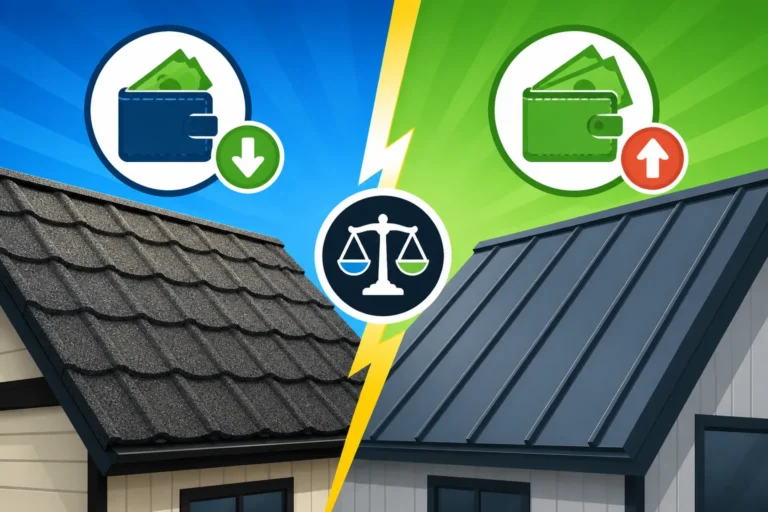
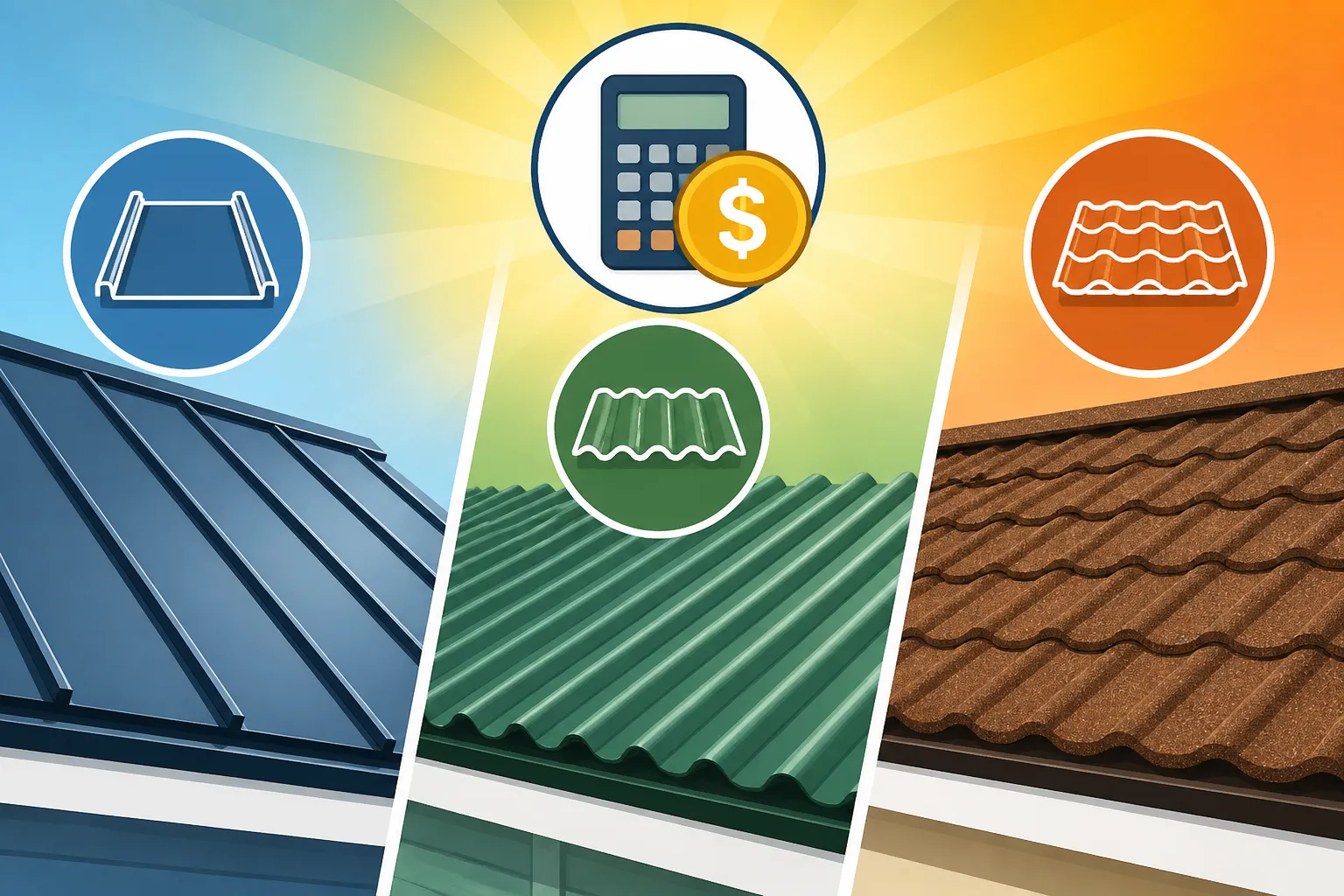
Now that we’ve delved into each profile individually, let's put them side-by-side to truly understand the Metal Roof Cost by Profile: Standing Seam vs Corrugated vs Stone-Coated. It's not just about the initial outlay; it's about the entire lifecycle of the roof. Understanding the differences in initial material and labor costs, as well as the long-term performance trade-offs, is crucial for making an informed decision.
Initial Material and Labor Cost Differences
The table below offers a general overview of the typical cost ranges for each profile, including both materials and installation. Keep in mind that these are averages and can fluctuate based on location, specific materials (e.g., steel vs. aluminum), roof complexity, and contractor rates.
| Profile Type | Material Cost Per Square Foot (Installed) | Labor Cost Per Square Foot (Installed) | Total Installed Cost Per Square Foot | Key Characteristics |
|---|---|---|---|---|
| Corrugated | $3.00 – $7.00 | $2.00 – $5.00 | $5.00 – $12.00 | Exposed fasteners, industrial look, highly economical, typically 26-29 gauge steel. |
| Stone-Coated Steel | $5.00 – $12.00 | $4.00 – $8.00 | $9.00 – $20.00 | Mimics traditional shingles/tiles, hidden fasteners, excellent impact resistance, 24-26 gauge steel. |
| Standing Seam | $6.00 – $15.00 | $5.00 – $10.00 | $11.00 – $25.00 | Hidden fasteners, sleek modern look, superior weather resistance, 24-26 gauge steel/aluminum. |
Note: These ranges are approximate for 2026 and can vary widely. For a precise estimate, always get multiple Metal Roof Cost Calculator: How to Estimate from local contractors.
As you can see, corrugated offers the lowest entry point, making it an attractive option for budget-conscious projects. Stone-coated steel and standing seam represent a higher initial investment, primarily due to their advanced manufacturing processes, higher-quality materials (often thicker gauge), and the specialized labor required for their installation. When considering the Cost to Replace Shingles With a Metal Roof, these initial cost differences become even more pronounced.
Lifecycle Costs and Performance Trade-offs
The initial cost is only one piece of the puzzle; understanding the lifecycle costs and performance trade-offs is where the true value becomes apparent.
-
Corrugated Metal: While inexpensive upfront, its exposed fasteners may require occasional maintenance or replacement of washers over its 25-45 year lifespan. The thinner gauges can be more susceptible to denting from heavy hail or falling debris. However, for utility buildings or homeowners who appreciate its utilitarian aesthetic, the value is undeniable.
-
Stone-Coated Steel: With a lifespan often exceeding 50 years, stone-coated steel offers exceptional durability and a low maintenance profile. The stone granules provide excellent sound dampening and a non-reflective finish, blending seamlessly into neighborhoods with strict aesthetic guidelines. Its Class 4 impact rating can also lead to significant Metal Roof Insurance Savings & Discounts. The primary trade-off is the higher initial cost and the fact that individual panels are smaller, which can mean more installation time.
-
Standing Seam: This profile truly shines in its longevity and minimal maintenance, often lasting 50-70 years or even longer, especially with high-quality materials like heavy-gauge aluminum. The hidden fasteners eliminate common leak points, and the continuous panels provide superior weather protection. While the initial How Much Does a Standing Seam Metal Roof Cost is higher, the virtually maintenance-free existence and exceptional durability often make it the most cost-effective choice over its extensive lifespan. The primary trade-off is its premium price and a potentially more industrial appearance, though modern standing seam comes in a wide array of colors and finishes.
Factors Beyond Profile That Affect Your Metal Roof's Price Tag
While the profile you choose is a major determinant of your metal roof's cost, it's far from the only factor. A myriad of other variables come into play, influencing everything from material sourcing to installation complexity. Overlooking these can lead to unexpected budget surprises, so it's wise to consider them holistically. This is where a deep dive into What Affects Metal Roof Cost: Gauge, Pitch, Complexity & Tear-Off becomes invaluable.
Material Type and Gauge Influence
The specific metal you select and its thickness (gauge) will significantly adjust your overall project cost. Steel, often in Galvalume (a zinc-aluminum alloy coating) or galvanized (zinc coating) forms, is the most common and generally most affordable option. However, even within steel, you have choices.
For instance, the Galvalume Roof Cost Per Square Foot will vary depending on the specific coating and finish. Aluminum, a lighter and naturally corrosion-resistant material, tends to be more expensive than steel, making it ideal for coastal environments where salt air is a concern. More premium metals like copper and zinc command substantially higher prices due to their inherent material value and aesthetic appeal. The Copper Roof Cost Per Square Foot alone can be several times that of steel.
Beyond the type of metal, the gauge also plays a critical role. Gauge refers to the thickness of the metal, with a lower gauge number indicating a thicker, stronger panel. For residential use, 24-gauge and 26-gauge are common for standing seam, while corrugated often comes in 26-gauge or 29-gauge. Thicker gauges provide greater resistance to dents, hail, and wind uplift, but they also cost more per square foot. The difference in 24 vs 26 Gauge Metal Roof: Cost Difference might seem small at first, but it adds up over an entire roof.
Roof Complexity and Regional Variations
Your roof's unique characteristics and your geographical location are powerful cost drivers. A simple, low-pitch gable roof with minimal penetrations will naturally be less expensive to install than a complex roof with multiple dormers, hips, valleys, and chimneys. Each angle, bend, and penetration requires meticulous cutting, flashing, and sealing, adding significant Metal Roof Labor Cost. A steep roof pitch also increases labor time and safety requirements, often leading to higher installation fees.
Regional variations in labor rates, material availability, and local building codes also create substantial price differences. For example, the Metal Roof Cost in Florida might be higher than in a state with less stringent hurricane-zone requirements due to the need for specific high-wind rated materials and installation techniques. Areas with a higher cost of living or a scarcity of skilled metal roofing contractors will also see elevated labor expenses. Furthermore, the need for permits, which varies by municipality, adds another layer to the overall project cost.
Making the Right Choice for Your Home and Wallet
Deciding on the perfect metal roof profile involves a delicate balance between your budget, your home’s architectural style, and the long-term performance you expect. It's a significant investment, and you want to be sure you're making a choice you'll be happy with for decades to come. Don't rush into it; take your time to weigh all the variables.
Assessing Your Budget and Aesthetic Goals
Before you even start looking at samples, have an honest conversation with yourself about your budget. Are you looking for the most economical option with good durability, or are you prepared for a premium investment that offers maximum longevity and curb appeal? If your budget is tighter, a well-installed corrugated metal roof can provide excellent protection and a distinct look. If you desire the modern, sleek aesthetic and are willing to invest more upfront for minimal future maintenance, standing seam is likely your go-to. For those who want the best of both worlds—the traditional look with metal’s benefits—stone-coated steel is a fantastic compromise, though it still comes with a higher price tag.
Beyond the numbers, consider your home's existing architecture and your personal aesthetic preferences. A standing seam roof might look out of place on a rustic farmhouse, just as a corrugated roof might not fit the aesthetic of a sprawling luxury home. Stone-coated steel offers incredible versatility, capable of mimicking everything from Spanish tiles to cedar shakes, making it suitable for a wide range of styles. Think about how the roof will complement your home and neighborhood for the next 50 years.
Seeking Professional Estimates and Warranties
Once you have a clearer idea of your preferred profile and budget, the next crucial step is to gather multiple, detailed estimates from reputable metal roofing contractors. Don't just get one quote; aim for at least three. This allows you to compare not only the bottom line but also the specifics of materials, labor, and included services. When you get these quotes, be sure to ask specific questions about the gauge of the metal, the type of coating (e.g., Kynar 500 for standing seam), the fastening system, and the underlayment that will be used. A thorough understanding of How to Read and Compare Metal Roof Quotes will save you headaches and money in the long run.
Equally important are the warranties. A metal roof is a long-term investment, and robust warranties protect that investment. You should look for two main types of warranties: the manufacturer's warranty on the materials (covering defects, fading, and chalking) and the contractor's warranty on their workmanship. Reputable manufacturers often offer 30-50 year material warranties, sometimes even lifetime. Workmanship warranties typically range from 5-20 years. Understanding the details of Metal Roof Warranties: Workmanship vs Manufacturer is critical. Never settle for a contractor who can't provide clear, written warranties for both aspects of your new roof.
Disclaimer
The cost estimates provided in this guide are general averages for 2026 and are intended for informational purposes only. Actual costs can vary significantly based on your specific location, chosen materials, roof complexity, contractor rates, and current market conditions. It is always recommended to obtain multiple detailed quotes from qualified local professionals for an accurate assessment of your project's cost.