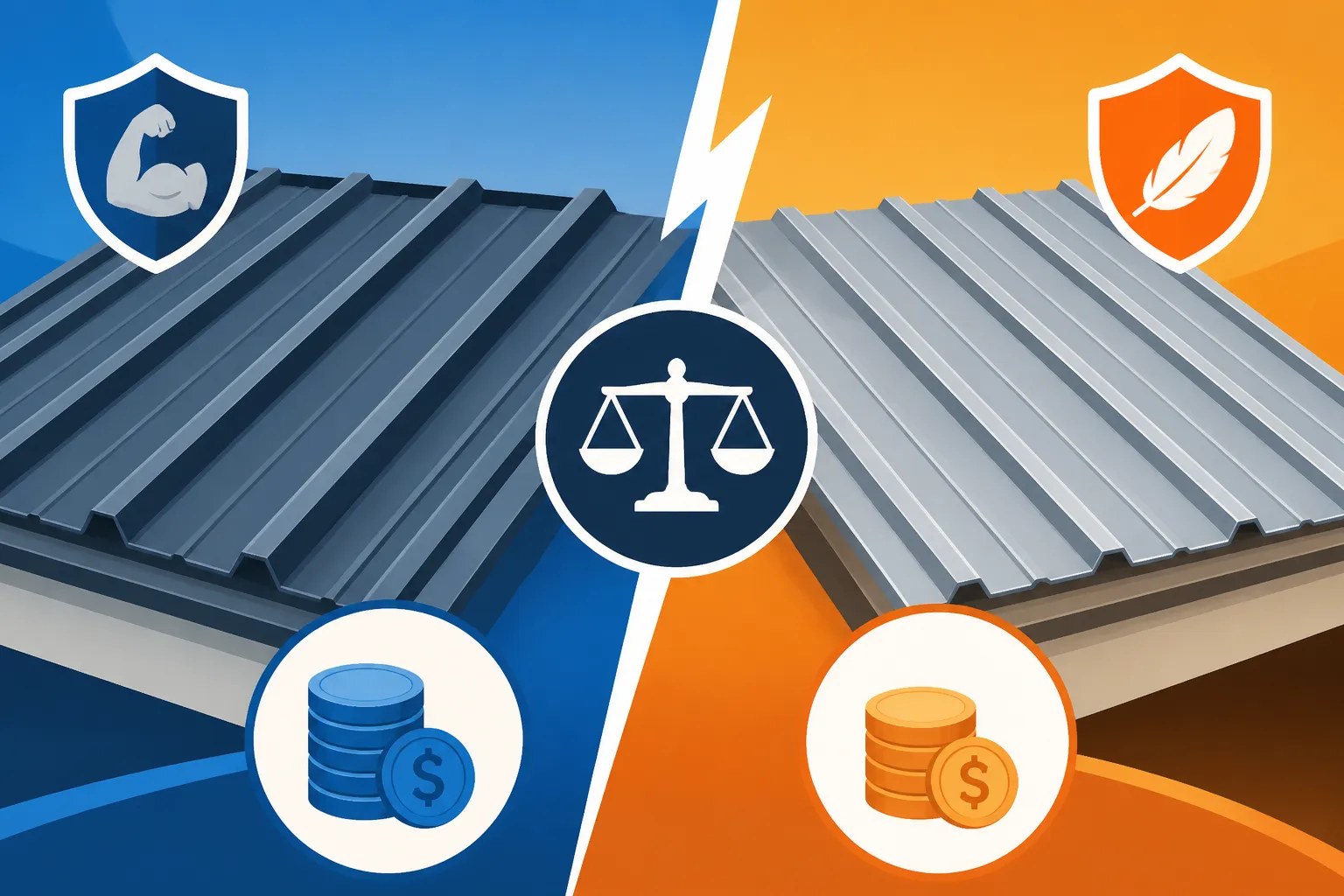
24 vs 26 Gauge Metal Roof: Cost Difference
Deciding on a new metal roof is a huge step, and it can feel like you're diving into a whole new language when you start looking at specifications like "gauge." It’s easy to get overwhelmed trying to figure out if a 24-gauge roof is really that much better than a 26-gauge, especially when the price tags are so different. You want to make a smart, informed investment for your home, not just throw money at the problem, and that’s exactly what we’re going to help you navigate here.
Understanding Metal Roof Gauges: It's Thicker Than You Think
When you start researching metal roofing, one of the first terms that pops up, and often causes immediate confusion, is "gauge." It sounds technical, and honestly, many contractors don't take the time to truly explain what it means and why it's so important for your home. But trust me, understanding gauge is fundamental to making a wise decision for your long-term roofing investment.
What is Metal Roof Gauge?
Think of "gauge" as a measurement of the metal's thickness. Here's where it gets a little counter-intuitive: the lower the gauge number, the thicker the metal. So, a 24-gauge metal panel is actually thicker than a 26-gauge panel, which in turn is thicker than a 29-gauge panel, and so on. This inverse relationship can be a bit of a head-scratcher at first, but once you get it, it makes perfect sense why certain gauges are favored for specific applications. For residential roofing, you'll typically encounter panels ranging from 24 to 29 gauge, with 24 and 26 gauge being the most common choices for homeowners looking for quality and durability.
This thickness isn't just a random number; it directly impacts the rigidity and overall material content of each panel. Thicker metal means more raw material, which naturally translates to a higher upfront cost. But it also means a more robust product, less prone to certain issues down the line. It's a trade-off that every homeowner needs to weigh carefully.
Why Gauge Matters for Your Roof
The gauge of your metal roofing directly influences several critical aspects of its performance, longevity, and even its appearance. It's not just about how much you pay today; it's about how well your roof will protect your home for decades to come. A thicker gauge, like 24-gauge, inherently offers greater strength and rigidity. This means it's better equipped to withstand impacts from hail, falling debris, or even just someone walking on the roof for maintenance.
Conversely, a thinner gauge, such as 26-gauge, while still incredibly durable compared to many traditional roofing materials, will have a bit more flexibility. This flexibility can make it more susceptible to things like "oil canning"—a visual distortion or waviness in the flat panels—which, while not affecting the structural integrity, can certainly impact the curb appeal. The gauge also plays a significant role in how panels handle expansion and contraction with temperature changes, and how well they resist buckling or warping over time. It’s a core specification that dictates much of the roof's behavior once it's installed.
24 Gauge Metal Roofing: The Premium Choice
When homeowners prioritize maximum durability, long-term performance, and a robust feel, 24-gauge metal roofing often comes out on top. It’s widely considered a premium option in the residential metal roofing market, and for good reason. It offers a level of strength and resilience that thinner gauges simply can't match, positioning itself as a top-tier investment for those looking for the utmost protection.
Characteristics and Durability
A 24-gauge metal roof is noticeably thicker and more rigid than its 26-gauge counterpart. This increased thickness, which is approximately 0.0236 inches for steel, provides exceptional structural integrity to each panel. Imagine the difference between a thin sheet of aluminum foil and a sturdy baking sheet; while a roof panel is far more robust than either, the principle of thickness translating to stiffness holds true. This rigidity makes 24-gauge panels far more resistant to denting from hail, falling branches, or accidental impacts during installation or maintenance.
In areas prone to severe weather, such as intense hailstorms or high winds, a 24-gauge roof offers superior peace of mind. Its robust nature means it's less likely to deform under stress, maintaining its aesthetic appeal and protective qualities for a longer period. This enhanced durability often leads to a longer effective lifespan for the roof, potentially pushing it beyond the typical 40-70 year range associated with many metal roofing systems. This choice can significantly influence your metal roof lifespan.
Advantages and Disadvantages
Choosing 24-gauge metal roofing comes with a compelling list of advantages. The primary benefit is its unparalleled durability and strength. It's an excellent choice for homes in regions with extreme weather, offering superior resistance to impact, uplift, and general wear and tear. Because of its stiffness, 24-gauge panels are also less prone to oil canning, ensuring a flatter, more pristine appearance over time. This can be a huge aesthetic plus for discerning homeowners. Furthermore, the robust nature of 24-gauge often correlates with stronger warranties from manufacturers, providing additional long-term assurance. Many installers find working with 24-gauge panels results in a more solid, high-quality finished product that looks fantastic.
However, these benefits come at a cost. The most significant disadvantage of 24-gauge metal roofing is its higher price point. Both the material cost itself and, sometimes, the labor cost can be higher due to the increased weight and rigidity of the panels, which may require more effort and specialized equipment during installation. If you're comparing a Standing Seam Metal Roof Cost for different gauges, you'll definitely see this price jump. The heavier panels might also add a little more stress to the roof's substructure, though modern framing can typically handle it without issue. For some homeowners, the added expense might not align with their budget or their specific home's needs, especially if they live in a mild climate where extreme durability isn't as critical.
26 Gauge Metal Roofing: The Cost-Effective Option
While 24-gauge often gets the spotlight for its premium features, 26-gauge metal roofing is a hugely popular and highly effective choice for many homeowners. It strikes an excellent balance between durability and affordability, making it a compelling option for those who want the benefits of a metal roof without the top-tier price tag.
Characteristics and Affordability
A 26-gauge metal roof panel is slightly thinner than a 24-gauge, typically measuring around 0.0179 inches for steel. This difference in thickness, while seemingly small, translates to a noticeable change in flexibility and weight. Because it uses less raw material per square foot, 26-gauge metal roofing is inherently more affordable than its thicker counterpart. This cost-effectiveness is often the driving factor for homeowners who are drawn to metal roofs but need to stay within a specific budget.
Despite being thinner, 26-gauge metal is still incredibly strong and durable, especially when compared to traditional asphalt shingles. It offers excellent resistance to wind, fire, and rot, providing a significantly longer lifespan than many conventional roofing materials. Its lighter weight can also make it easier to handle and install, which can sometimes translate into slightly lower labor costs, although this can vary significantly depending on the contractor and the complexity of the roof design. For homeowners interested in materials like Galvalume Roof Cost, 26-gauge is a very common and accessible option.
Advantages and Disadvantages
The primary advantage of 26-gauge metal roofing is its affordability. It allows more homeowners to invest in the long-term benefits of a metal roof, such as energy efficiency, low maintenance, and exceptional longevity, without the higher initial outlay of a 24-gauge system. Its lighter weight can also simplify the installation process, potentially reducing labor time and, consequently, labor costs. This can be a significant factor when considering your overall metal roof cost. In many climates, 26-gauge provides more than adequate protection and will easily outlast other roofing materials.
However, there are a few drawbacks to consider. Due to its thinner profile, 26-gauge metal is more susceptible to denting from severe hail or heavy impacts. While it’s certainly not fragile, it won't offer the same level of impact resistance as a 24-gauge panel. Another common concern is "oil canning," which, as mentioned before, is the visual distortion or waviness that can appear on flat panels. While often minor and purely aesthetic, it can be more pronounced on thinner gauges. Some homeowners also report a slightly increased noise level during heavy rain compared to thicker panels, though proper underlayment and insulation usually mitigate this significantly.
The Core Difference: Cost Comparison
Let's get down to the brass tacks: what's the actual cost difference between 24-gauge and 26-gauge metal roofing? This is often the question that pushes homeowners one way or the other, and it's important to understand that the difference isn't just in the material itself, but also how it impacts the entire installation process.
Material Cost Breakdown
Generally, 24-gauge metal roofing panels will be 10-25% more expensive than 26-gauge panels on a per-square-foot basis. This percentage can fluctuate based on the specific metal (steel, aluminum, etc.), the coating, and the panel profile (e.g., standing seam, corrugated). For instance, if a 26-gauge Corrugated Metal Roof Cost might be around $6-10 per square foot for materials, a comparable 24-gauge corrugated roof could range from $7-12 per square foot.
This difference adds up quickly, especially on larger roofs. For a typical 2,000 square foot roof, a 24-gauge material might cost an additional $2,000 to $4,000 or more compared to a 26-gauge option. This is solely for the raw material. It's why getting a detailed breakdown in your How to Read and Compare Metal Roof Quotes is so crucial, ensuring you understand exactly what gauge is being proposed and at what price. This material premium reflects the increased amount of metal used and its enhanced rigidity, which comes with benefits we've already discussed.
Installation Labor and Project Scope Impact
While the material cost is the most direct difference, the gauge can also subtly influence labor costs. Thicker, heavier 24-gauge panels can be more challenging for installers to handle, especially on complex rooflines or high roofs. This might require more crew members, specialized lifting equipment, or simply more time, which can translate to slightly higher labor charges. Conversely, lighter 26-gauge panels are generally easier to maneuver, potentially streamlining the installation process.
However, it's important to note that the impact of gauge on labor cost isn't always significant. Many experienced metal roofing contractors are proficient with both gauges, and other factors like the roof's pitch, complexity, the need for a tear-off of old materials, and the overall Metal Roof Installation Process: Step by Step usually have a much larger impact on labor costs than gauge alone. What truly affects labor is the type of installation, such as a standing seam system versus an exposed fastener system. When you're asking about Metal Roof Cost Per Square Foot, always get a quote that includes both materials and labor to get the full picture, and inquire if there's a specific upcharge for a higher gauge installation.
Here's a quick comparison of common factors:
| Feature | 24 Gauge Metal Roofing | 26 Gauge Metal Roofing |
|---|---|---|
| Material Thickness | Thicker (e.g., ~0.0236 inches for steel) | Thinner (e.g., ~0.0179 inches for steel) |
| Durability/Strength | Higher; very dent and impact resistant | Good; moderate dent and impact resistant |
| Cost | Higher upfront material cost | Lower upfront material cost |
| Oil Canning Risk | Lower | Higher |
| Weight | Heavier | Lighter |
| Typical Use | Premium residential, commercial, severe weather | Residential, commercial, general applications |
| Long-Term Value | Excellent, often longer lifespan | Very good, excellent lifespan |
Factors Influencing Gauge Choice Beyond Price
While the cost difference between 24 and 26 gauge is often a primary consideration, it's really just one piece of a much larger puzzle. Smart homeowners look beyond the immediate price tag to consider how the roof will perform over its entire lifespan in their specific environment. The "cheapest" option isn't always the most cost-effective in the long run, and sometimes paying a little more upfront can save you a lot of headaches and expenses later.
Climate and Environmental Conditions
Your local climate plays a huge role in determining the ideal metal roof gauge for your home. If you live in an area prone to harsh weather conditions, like frequent heavy hailstorms, high winds, or significant snowfall, a 24-gauge metal roof might be a superior investment. Its increased thickness provides greater resistance to impact damage from hail, making it a stronger choice for homes in hail-prone regions like parts of Texas or Oklahoma. The enhanced rigidity also helps panels resist uplift during strong winds, offering a more secure system against severe weather events.
On the other hand, if you live in a milder climate with less extreme weather, a 26-gauge roof might offer perfectly adequate protection without the need for the added expense of a thicker gauge. For example, a home in a temperate area of California might not face the same demands as a property in the Midwest. Considering factors like your specific regional weather patterns is key to matching the roof's durability to its environmental challenges. This is a critical factor when asking What Affects Metal Roof Cost: Gauge, Pitch, Complexity & Tear-Off.
Aesthetic Preferences and Oil Canning
The aesthetic appeal of your roof is also a significant, albeit subjective, consideration. While oil canning doesn't affect the structural integrity or performance of a metal roof, it can be a visual concern for some homeowners. Oil canning refers to the waviness or distortion that can appear on the flat areas of metal panels. It's more common with wider panels and thinner gauges, like 26-gauge, because they have less inherent rigidity.
If a perfectly flat, pristine appearance is a high priority for you, investing in 24-gauge standing seam panels might be worth the extra cost. The thicker metal provides better resistance to oil canning, leading to a smoother, more uniform roof surface. For those who choose 26-gauge, discussing strategies with your installer to minimize oil canning, such as using narrower panels or specific rib patterns, can be beneficial. Understanding What Is Oil Canning and How to Prevent It can help set realistic expectations for your chosen gauge.
Expected Lifespan and Warranty
One of the most appealing aspects of metal roofing is its incredible longevity. Metal roofs are renowned for lasting significantly longer than traditional asphalt shingles, often 40-70 years or more. While both 24-gauge and 26-gauge roofs offer exceptional lifespans, the thicker 24-gauge material typically promises a slightly longer expected service life due to its enhanced durability and resistance to wear.
When you're comparing Metal Roof Cost vs Lifespan Value, the initial investment in a 24-gauge roof might be higher, but its extended durability could mean it outlasts a 26-gauge roof by several years, further delaying replacement costs. Moreover, manufacturers often provide stronger and longer warranties for thicker gauges, especially for paint finishes and substrate protection. This can add an extra layer of peace of mind, knowing that your substantial investment is backed by a robust guarantee. Always review the specific warranty details for both the material and the installer's workmanship, regardless of the gauge you choose.
Final Considerations for Your Metal Roof Gauge Decision
Choosing between a 24-gauge and 26-gauge metal roof isn't about one being inherently "better" than the other in every single scenario. It’s about making the right choice for your specific home, your budget, and your priorities. Both options provide vastly superior performance and longevity compared to many conventional roofing materials. The key is to weigh the upfront cost against the long-term benefits, the unique demands of your local climate, and your personal aesthetic preferences.
Don't hesitate to have in-depth conversations with your potential roofing contractors. A reputable contractor will be able to explain the pros and cons of each gauge in the context of your home's design, your geographical location, and your budget. They should walk you through the Metal Roof Cost: Complete 2026 Guide for your specific project, breaking down material, labor, and other associated expenses. Gather multiple quotes, ask about the specific manufacturers and panel profiles they recommend for each gauge, and review their warranties carefully. Ultimately, the best gauge for you is the one that provides the optimal balance of durability, aesthetics, and value for your investment, ensuring your home is protected for decades to come.
Disclaimer
Please note that the information provided in this article is intended for general guidance and informational purposes only. Roofing costs, material availability, building codes, and recommended practices can vary significantly based on your specific location, local market conditions, chosen contractor, and the unique characteristics of your home. It is always recommended to consult with multiple qualified, licensed, and insured local metal roofing professionals to obtain accurate estimates and tailored advice for your particular project. Do not make roofing decisions based solely on the information presented here without professional consultation.