Aluminum Roof Cost
Trying to figure out the real cost of a new roof can feel like you're staring at a foreign language, especially when you're considering something as durable and long-lasting as an aluminum roof. I've been there, spreadsheets open, trying to make sense of all the numbers. This guide is here to break down the Aluminum Roof Cost, so you can make an informed decision without feeling completely overwhelmed.
Understanding Aluminum Roofing Costs: The Big Picture
When you're looking at a new roof, especially one as significant as aluminum, it's never just about the sticker price of the materials. There's a whole world of factors that go into the final figure, and understanding these from the outset can save you a lot of headaches and surprises down the line. It's about weighing the upfront investment against the remarkable long-term benefits and the potential challenges that come with such a premium product.
Why Aluminum Roofing? Benefits and Drawbacks that Affect Price
Aluminum roofing has really carved out a niche for itself, and for good reason. Its inherent qualities make it a standout choice, but these very qualities also influence its price point. For starters, aluminum is incredibly lightweight, which can sometimes reduce structural requirements and, in turn, installation complexity on certain homes. More importantly, it boasts exceptional corrosion resistance, making it an ideal choice for coastal areas where salt spray can wreak havoc on other metal types. This means it won't rust away like some steel options, offering a longevity that often exceeds 50-70 years, and sometimes even longer. This incredible durability and resistance to harsh elements naturally command a higher price upfront compared to materials like asphalt, but you're essentially buying decades of peace of mind.
However, it’s not all sunshine and no rain. Aluminum, while durable, is a softer metal compared to steel. This means it can be more susceptible to denting from heavy hail or falling debris, which can be a concern for some homeowners. While often minor and cosmetic, the potential for dents is a factor some consider, and specialized finishes or thicker gauges can help mitigate this, adding to the cost. Another phenomenon sometimes discussed is "oil canning," which refers to visible waviness or distortion in flat metal panels. While largely aesthetic and not affecting performance, it's something manufacturers and installers work to minimize with specific panel designs and installation techniques, all of which factor into the overall cost and quality of the finished product. These considerations mean that while you're getting a superior product, you might also be investing in methods and materials to overcome these inherent characteristics, further influencing the overall budget.
Key Factors Driving Aluminum Roof Prices
The price tag on an aluminum roof isn't a one-size-fits-all number; it's a dynamic figure influenced by several critical factors. One of the most significant is the material gauge. Just like with other metal roofs, a lower gauge number means a thicker, more robust panel, which naturally costs more but also offers greater durability and rigidity. For residential applications, you'll typically see aluminum roofing in gauges ranging from 22 to 26, with 24-gauge being a popular choice for its balance of strength and cost. Thicker gauges like 22-gauge aluminum are generally reserved for commercial applications or for homeowners seeking maximum impact resistance.
Another major driver is the specific panel profile you choose. Are you leaning towards sleek standing seam panels, more traditional corrugated sheets, or perhaps aluminum shingles designed to mimic the look of slate or wood shakes? Each profile has different manufacturing complexities, material usage, and installation requirements, all of which directly impact the price. For example, a standing seam aluminum roof will almost always be more expensive than a corrugated aluminum roof due to its hidden fasteners, custom panel fabrication, and more intricate installation process. Beyond the physical material, the type of protective coating also plays a crucial role. Premium coatings like Kynar 500 (also known as PVDF) offer superior color retention and fade resistance, coming with longer warranties but also a higher price tag than more standard polyester or SMP coatings. Lastly, factors like the complexity of your roofline (think multiple valleys, dormers, and skylights), your geographic location, and local labor rates will all significantly shape the final project cost.
Aluminum Roofing Materials: Breaking Down the Costs
Diving deeper into the actual materials, it becomes clear that the choices you make here have a monumental impact on your final aluminum roof cost. It's not just about picking "aluminum" – it's about the specific form it takes, its thickness, and what kind of protective armor it wears. Each decision fine-tunes the aesthetics, performance, and ultimately, the investment required.
Aluminum Panel Types and Their Price Points
The versatility of aluminum as a roofing material is truly impressive, offering a range of styles that cater to diverse architectural tastes and budgets. The most sought-after and often highest-priced option is the standing seam aluminum roof. These panels feature concealed fasteners and raised seams, creating a sleek, modern look with exceptional watertight integrity. The manufacturing process for standing seam is more precise, often requiring custom bending and sizing, and the installation demands highly skilled labor, contributing to its premium price. You can learn more about this in our guide on How Much Does a Standing Seam Metal Roof Cost.
On the other end of the spectrum, you have corrugated aluminum panels. These are typically more economical due to their simpler manufacturing process and exposed fastener installation, making them a popular choice for barns, sheds, or homes where a more rustic aesthetic is desired. They offer excellent durability but might not provide the same sleek finish or long-term leak protection as standing seam due to the exposed fasteners. In between these two, you'll find aluminum shingles or tiles, which are designed to replicate the appearance of traditional roofing materials like slate, wood shake, or clay tiles. These offer a sophisticated look with the benefits of metal but come with a moderate to high price tag, often requiring more intricate installation due to their smaller, overlapping nature. For instance, Metal Shingle Cost can vary greatly depending on the style and complexity of the shingle profile, with some mimicking high-end materials beautifully. The variety in panel types ensures there’s an aluminum option for nearly every design preference, but this also means a wide range in material and installation costs.
The Role of Gauge and Coatings in Material Cost
Understanding metal roof gauge can sometimes feel a bit counter-intuitive – the lower the number, the thicker the metal, and generally, the higher the cost. For aluminum roofing, this holds true. A 24-gauge aluminum panel, which is a common residential standard, will be thicker and more expensive per square foot than a 26-gauge panel, but it will also offer greater rigidity and improved dent resistance. While 29-gauge might be available for very light-duty applications or specific corrugated profiles, it's rarely recommended for primary residential roofing due to its susceptibility to damage. This trade-off between cost and durability is crucial when budgeting.
Beyond thickness, the protective coating applied to aluminum panels is a major cost differentiator. Most residential aluminum roofing comes with high-performance paint systems. The gold standard for longevity and fade resistance is often a Kynar 500 (or PVDF) coating. These fluoropolymer finishes are renowned for their ability to withstand harsh UV rays and environmental pollutants, maintaining their color and sheen for decades, which is why they come with impressive warranties, typically 30-40 years against chalking and fading. Because of their superior performance and extended lifespan, Kynar 500/PVDF coated panels will be more expensive than those with Silicone Modified Polyester (SMP) coatings. SMP coatings are a good, more economical option, offering decent durability and color retention, usually with a 20-30 year warranty, but they won't quite match the premium performance of Kynar 500. This choice of coating is a significant decision point, influencing not only the initial outlay but also the long-term aesthetic appeal and maintenance of your roof.
Installation and Labor Costs for Aluminum Roofs
It’s easy to focus solely on the material costs when planning a new roof, but the installation and labor portion of the bill is often a significant, if not dominant, chunk of the total. And with aluminum roofing, this isn't just about slapping panels on; it's a skilled craft that requires precision and expertise, all of which contribute to the final price.
The Intricacies of Aluminum Roof Installation
Installing an aluminum roof is a specialized job, quite different from laying asphalt shingles, and this specialization directly impacts labor costs. Unlike shingles, which are relatively forgiving, aluminum panels, especially standing seam, require careful handling to prevent damage like scratches or dents. The panels are often custom-cut on-site or ordered to precise lengths, minimizing seams but demanding accurate measurements and careful placement. The installation process for standing seam involves mechanically seaming or snapping panels together, creating a watertight barrier with hidden fasteners. This methodical, detail-oriented work takes more time and demands a higher level of craftsmanship than exposed fastener systems.
Consider the precision needed for flashing around chimneys, skylights, and vent pipes, or the meticulous installation of trim pieces along eaves and gables. These aren't areas where you want a novice working, as improper installation can lead to leaks and costly repairs down the line. Moreover, specialized tools, such as mechanical seamers for standing seam roofs, and specific cutting tools for aluminum, are often required, representing an investment for the contractor that can be reflected in labor rates. The learning curve for aluminum roofing is steeper, meaning contractors with extensive experience in this material command higher wages, which ultimately factors into your project's bottom line. For more on the process, you might find our guide on the Metal Roof Installation Process: Step by Step helpful.
Regional Differences and Project Complexity
Just like real estate, roofing labor costs are heavily influenced by location. What you'd pay for a skilled aluminum roof installer in a major metropolitan area like Los Angeles or New York City will be considerably higher than in a rural town in the Midwest. Areas with a higher cost of living generally see higher labor rates across all trades, roofing included. Additionally, regions prone to severe weather, such as coastal Florida or parts of Texas that experience hurricanes, often have more stringent building codes and higher demand for durable roofing materials, which can also drive up labor prices due to specialized certifications and techniques required. Our article on Metal Roof Cost by State and City provides a deeper dive into these geographical variations.
Beyond geography, the inherent complexity of your home's roofline will dramatically impact labor hours. A simple gable roof on a ranch house is much faster and easier to roof than a two-story home with multiple dormers, valleys, hips, and varying pitches. Each angle, valley, or penetration (like chimneys, skylights, or even elaborate ventilation systems) requires custom cutting, flashing, and sealing, adding significant time and material waste. Even the roof's pitch plays a role; a very steep roof requires more safety equipment, slower work, and potentially specialized scaffolding, all of which accrue to higher labor costs. It's a careful dance between skill, time, and the unique challenges your home presents.
Total Project Cost: Beyond Materials and Labor
When you're gathering estimates for your new aluminum roof, it's crucial to look beyond just the raw material and installation figures. There's a whole host of other line items that contribute to the final tally, some obvious, others less so, that can significantly impact your total project cost. Skipping over these can lead to unpleasant surprises later on.
Hidden Costs and Unexpected Expenses
One of the first "hidden" costs, particularly for a roof replacement, is the tear-off and disposal of your old roof. If you currently have asphalt shingles, they'll need to be removed, which involves labor, dumpster rentals, and disposal fees. This cost can vary widely depending on the number of existing layers and the type of material. You might find our resource on Tear-Off vs Metal Over Shingles: Cost Difference quite useful here. Then there’s the underlayment – a critical layer installed between your roof deck and the new aluminum panels. While some metal roofs can technically be installed directly over existing shingles, a proper underlayment, often a high-quality synthetic felt or ice and water shield, is essential for optimal performance, secondary water resistance, and often, for warranty validation. This material and its installation add to the overall cost.
Beyond the main panels, you'll need various accessories. This includes flashing (for sealing joints and transitions around chimneys, vents, and valleys), trim pieces (like rake, gable, and eave trim for a finished look), and specialized fasteners. While individually these might seem small, collectively they can add several hundred to several thousand dollars to the project. Don't forget about permits! Most localities require a building permit for roof replacement projects, which comes with a fee. Lastly, during tear-off, there's always a possibility of discovering damaged roof decking that needs to be repaired or replaced. While a good contractor will inspect your roof thoroughly beforehand, some issues are only revealed once the old roofing is off. These unexpected repairs, though hopefully minor, are worth having a contingency budget for.
Long-Term Value and ROI: Is an Aluminum Roof Worth the Investment?
While the upfront cost of an aluminum roof might be higher than traditional asphalt, its long-term value and return on investment (ROI) are where it truly shines. Aluminum roofs are renowned for their exceptional lifespan, often lasting 50 to 70 years or more, easily outperforming asphalt shingles by two to three times. This means you’re likely to install only one aluminum roof in your lifetime, saving you the cost and hassle of multiple replacements. Over several decades, the cumulative cost of replacing an asphalt roof multiple times can often surpass the initial investment in aluminum.
Beyond longevity, aluminum roofs offer significant energy efficiency benefits. Their reflective surfaces can significantly reduce heat absorption, leading to lower air conditioning costs in warmer climates. Many aluminum panels come with "cool roof" coatings that reflect a high percentage of solar radiation, which can even qualify for tax credits or rebates in some areas. Homeowners with metal roofs often see a decrease in their energy bills by 10% to 25%. Furthermore, metal roofs, including aluminum, are increasingly recognized by insurance companies for their durability against high winds, hail, and fire, potentially leading to Metal Roof Insurance Savings & Discounts. All these factors—extended lifespan, energy savings, reduced maintenance, and potential insurance benefits—contribute to a strong long-term ROI, making an aluminum roof a wise financial decision for many homeowners looking for lasting value. This also positively impacts Does a Metal Roof Increase Home Value?.
Comparing Aluminum Roof Costs with Other Materials
Making the decision for a new roof often involves a thorough comparison of materials, and aluminum sits in a unique position within the roofing landscape. It’s important to see how its cost stacks up, not just against other metals, but against the more traditional options too, to truly grasp its value proposition.
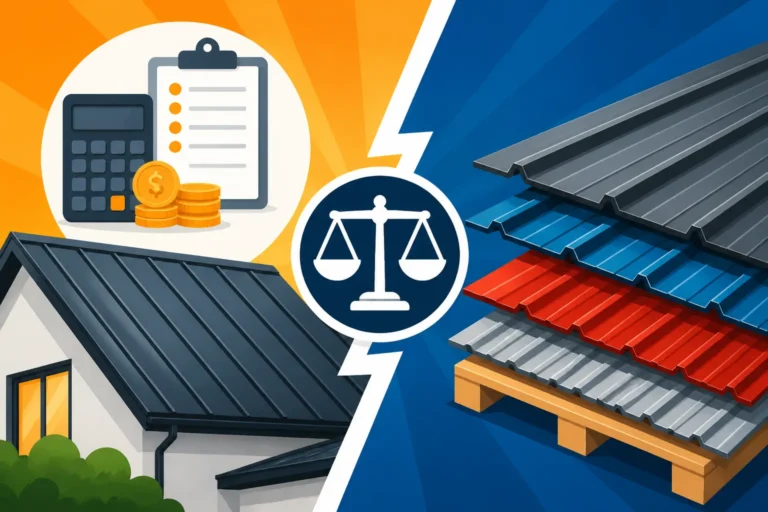
Aluminum vs. Other Metal Roofing Materials
When you compare aluminum to other popular metal roofing materials, you start to see its relative positioning in terms of cost and performance. Generally, Steel Roof Cost Per Square Foot for a galvanized or Galvalume steel roof will be less expensive than aluminum. Steel offers excellent strength and durability, but it requires careful coatings to prevent rust, especially if the coating is compromised. Aluminum, on the other hand, is inherently rust-proof, making it a superior choice in coastal or highly corrosive environments.
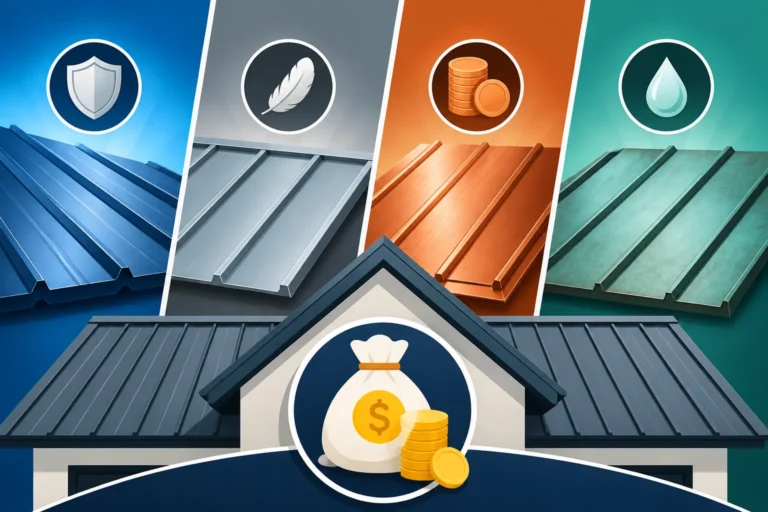
Moving up the cost ladder, you'll find metals like Copper Roof Cost and Zinc Roof Cost. Copper and zinc are significantly more expensive than aluminum, often by a factor of two or three. They are prized for their unique aesthetic aging process (patina), extreme longevity, and self-healing properties in the case of zinc. While they offer unparalleled performance and beauty, their high price point makes them a luxury item. Aluminum typically falls in the middle-to-upper-middle range of metal roofing costs—more expensive than basic steel but considerably more affordable than copper or zinc, striking a balance between cost, performance, and corrosion resistance. This makes it an attractive option for those who want the benefits of a premium metal roof without the top-tier price tag of the exotic metals.
Aluminum vs. Asphalt Shingles and Other Traditional Materials
Here's where the initial sticker shock for an aluminum roof can really hit. When you compare Metal Roof vs Asphalt Shingle Cost, aluminum is almost always a significantly higher upfront investment. A typical asphalt shingle roof might cost anywhere from $4.00 to $8.00 per square foot installed, while an aluminum roof, especially a standing seam system, can range from $10.00 to $20.00 per square foot or even higher. This difference is substantial, and it’s a primary reason why many homeowners initially shy away from metal.
However, it's crucial to look beyond the immediate cost and consider the total cost of ownership over the lifespan of your home. Asphalt shingles typically last 15-30 years, meaning you'll likely replace them at least two or three times over a 60-year period. Each replacement comes with its own costs for materials, labor, and disposal. An aluminum roof, with its 50-70+ year lifespan, will likely be the last roof you ever install. When you factor in the energy savings, minimal maintenance, and potential insurance discounts, the long-term cost comparison can dramatically shift in favor of aluminum. While the initial outlay is greater, the absence of future replacement costs, coupled with ongoing savings, often makes aluminum the more economical choice over the long haul. This comprehensive perspective is key to understanding Metal Roof Cost vs Lifespan Value.
Here's a table summarizing the typical installed cost ranges for various aluminum roof types:
| Aluminum Roof Profile | Typical Installed Cost Per Square Foot (Material & Labor) | Key Characteristics |
|---|---|---|
| Corrugated | $8.00 – $15.00 | Exposed fasteners, classic wavy profile, often used for more rustic or agricultural aesthetics. Generally the most economical aluminum option. |
| Aluminum Shingles/Tiles | $10.00 – $18.00 | Mimics traditional materials like slate, wood shake, or clay tile. Offers diverse aesthetics with the benefits of metal. Installation can be more labor-intensive than panels. |
| Standing Seam | $12.00 – $22.00+ | Concealed fasteners, sleek modern look, excellent weather resistance. Premium option due to precise manufacturing and specialized installation. |
Note: These ranges are estimates and can fluctuate based on location, roof complexity, specific material gauge, coating, and contractor rates. Always get multiple quotes for your specific project.
Important Disclaimer
Please remember that the information provided in this article is intended for general guidance and informational purposes only. Roofing costs and requirements can vary significantly based on your specific location, local building codes, chosen materials, contractor rates, and the unique characteristics of your home. It is always recommended to consult with multiple qualified, local roofing professionals to obtain accurate estimates and personalized advice for your metal roofing project. Do not make purchasing or installation decisions solely based on the information presented here without professional consultation.