Metal Roof Cost Calculator by Zip Code
Trying to figure out what a new metal roof will actually cost you can feel like a guessing game, especially when online estimates swing wildly from one extreme to the other. The truth is, roofing costs aren't uniform across the country; what you pay in one city can be drastically different from another, even just a few towns over. This guide will demystify how your specific location, down to your zip code, plays a massive role in your metal roof investment and how to use a metal roof cost calculator effectively to get a more realistic picture.
Why Metal Roof Costs Vary So Much by Location
It might seem strange that the price of a metal roof changes so much depending on where you live, but when you peel back the layers, it makes perfect sense. From the availability of skilled labor to the local demand for materials, every region has its unique economic ecosystem that directly impacts what you’ll pay. It’s not just about the big states, but often the specific cities and even neighborhoods within them that dictate the final figures.
Local Labor Rates
One of the biggest drivers of cost variation, often tied directly to your zip code, is the local labor market. Just like any other skilled trade, roofing contractors and their crews command different wages based on the cost of living and demand in their area.
Imagine you're in a bustling metropolitan area like Los Angeles or Miami. The cost of living is high, and the demand for skilled tradespeople, including experienced metal roof installers, is constant. This drives up hourly rates for labor significantly. A roofer in these high-cost areas needs to charge more to cover their own expenses and maintain a viable business. Now, compare that to a smaller, more rural town in, say, Oklahoma or Kansas. The cost of living is typically lower, and while demand might still be steady, the overall economic environment allows for more competitive, often lower, labor rates. This isn't to say the quality of work is any different, but the economic realities are. These differences in labor costs can easily account for thousands of dollars in the total project price, even for the exact same roof size and material. It's why two neighbors, one just across a county line with a different zip code, could see substantially different labor quotes for their metal roof installation. You'd be surprised at how much your Metal Roof Labor Cost Per Square can fluctuate based on this factor alone.
Material Availability and Shipping
Another critical factor influencing pricing by zip code is the proximity to material manufacturers and suppliers, coupled with the associated shipping costs. Metal roofing panels are bulky and heavy, which means transporting them across long distances can quickly add up.
If you live near a major manufacturing hub for metal roofing, like some areas in the Midwest or parts of the Southeast where steel mills are prevalent, you might benefit from lower material costs simply because the logistical chain is shorter and less expensive. Suppliers can get materials to contractors more efficiently, reducing their overhead. However, if you're in a more remote area, or a state without many local manufacturers, like parts of Montana or New England, the panels often have to travel hundreds or even thousands of miles. That shipping cost, whether it's for steel, aluminum, or even more specialized materials like copper, gets passed down to the consumer. This can make a significant difference, especially for larger projects where many panels are required. Furthermore, the sheer volume and weight mean that freight charges can be substantial, and these are directly impacted by fuel prices and transportation networks accessible to your specific zip code. For instance, getting specialized Copper Roof Cost panels might involve intricate logistics, leading to higher costs if you're far from a distribution point.
Local Building Codes and Permit Fees
Every city, county, and state has its own set of building codes and regulations, and these are very specific to your zip code. These codes dictate everything from the required wind uplift resistance to specific fastening methods and the type of underlayment you must use. Adhering to these codes directly impacts the complexity and cost of your metal roof installation.
For example, homeowners in hurricane-prone regions like Florida or coastal areas of Texas will face much stricter building codes. These might require thicker gauge metal, more robust fastening systems, or specialized wind mitigation techniques that add to both material and labor costs. These requirements are in place for your safety and the longevity of your roof, but they certainly affect the budget. Additionally, permit fees themselves vary wildly from one municipality to another. In some smaller towns, a permit might be a couple of hundred dollars, while in larger cities or counties with more stringent inspection processes, it could run well over a thousand dollars. Contractors in these areas must factor in the time and expense of navigating the local permitting process, which is a non-negotiable part of any compliant roof installation. It's wise to understand the Do You Need a Permit for a Metal Roof requirements specific to your location before starting any project.
How a Metal Roof Cost Calculator by Zip Code Works
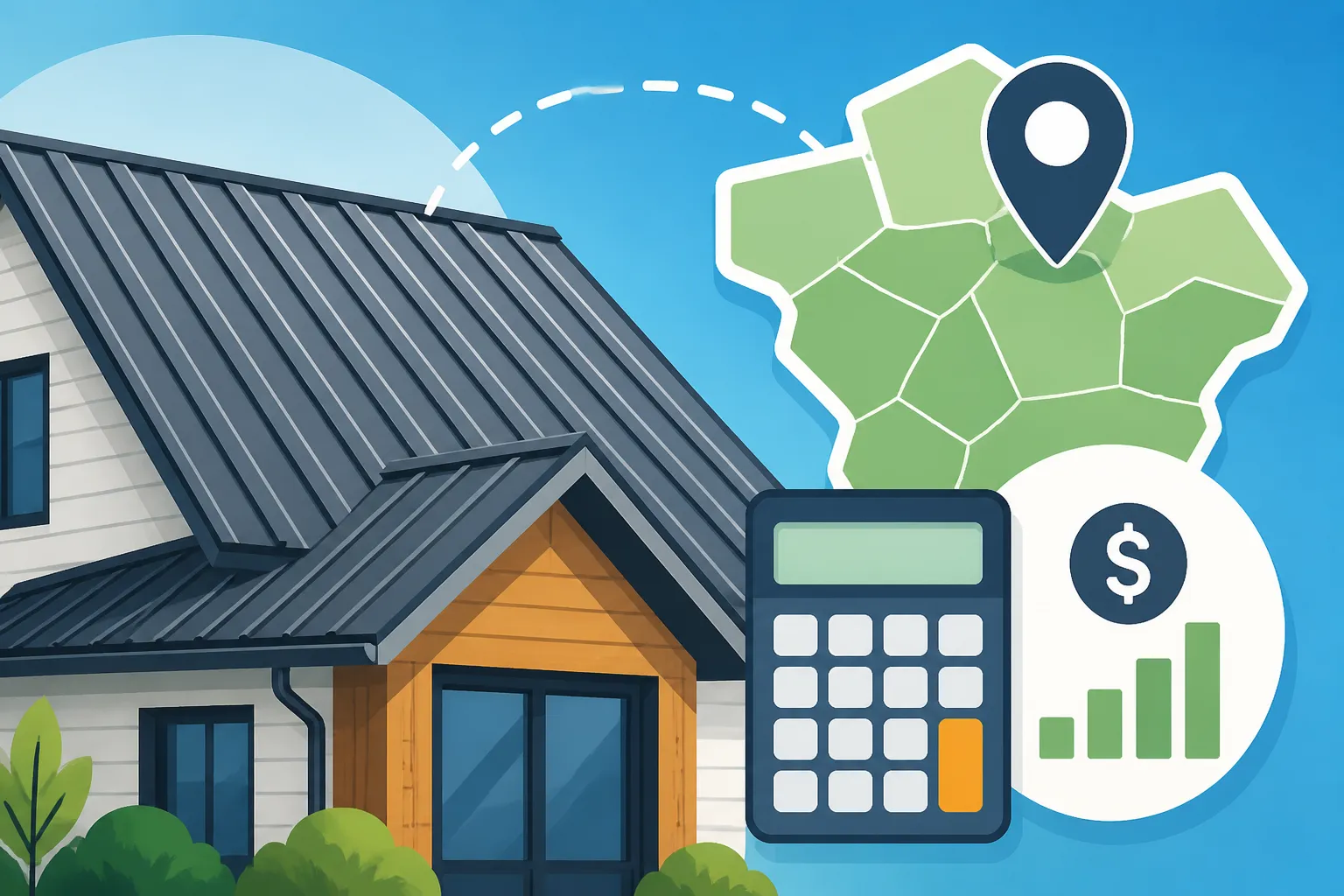
Online metal roof cost calculators, especially those that incorporate your zip code, aim to give you a more personalized estimate than a generic national average. They function by taking a few key pieces of information from you and then cross-referencing that with localized data on material costs, labor rates, and sometimes even permit fees. While they are incredibly helpful for initial budgeting, it's crucial to understand what they do and don't do.
Key Data Inputs
To give you a useful estimate, a metal roof cost calculator usually needs some basic information about your home and your preferences. Don't worry, it's nothing too personal, but the more accurate you are, the better the estimate.
Typically, you'll be asked for your home's zip code, which is the cornerstone for localizing the data. Then, you'll usually input your roof's approximate square footage. If you don't know the exact number, most calculators provide ways to estimate it, often based on your home's living area. You'll also likely specify the type of metal roofing material you're considering – like steel, aluminum, or even a more niche option like zinc – and the profile, such as standing seam, corrugated, or metal shingles. The roof pitch (how steep it is) is another common input, as steeper roofs require more labor and sometimes specialized equipment. Some calculators might even ask about the existing roof material, as a tear-off adds to the cost, as explained in articles like Cost to Replace Shingles With a Metal Roof. By providing these details, the calculator can begin to narrow down the cost range that applies specifically to your situation, moving beyond vague national averages to something a bit more tangible for your local market.
What the Calculator Estimates
Once you've plugged in all your information, the calculator processes it against its database of localized cost data. The output is usually an estimated cost range for your metal roof project.
This estimate typically breaks down the cost into a few main components: materials and labor. For materials, it will factor in the type of metal you selected, the gauge (thickness), and the estimated quantity needed for your roof's square footage. For labor, it applies average hourly rates for your zip code, taking into account the complexity of your roof (pitch, number of valleys, etc.) and the chosen profile. Some advanced calculators might also include estimates for things like underlayment, fasteners, flashing, and even a rough figure for permit fees based on typical charges in your area. For instance, you might see an estimate for a Standing Seam Metal Roof Cost that includes both material and installation, giving you a comprehensive, though still approximate, figure. Remember, these are usually ranges (e.g., $25,000 – $35,000) to account for variations in contractor pricing and specific project nuances.
Limitations of Online Calculators
While metal roof cost calculators are fantastic starting points, it's vital to approach them with realistic expectations. They offer a general idea, not a definitive quote.
The main limitation is that they operate on averages and generalized data. They can't account for every unique aspect of your specific home. For example, they might not factor in the accessibility of your roof (is it easy for a crew to get equipment up there?), the number of complex architectural features like dormers or skylights, or unforeseen issues like extensive decking repair once the old roof is removed. They also won't know the exact pricing of every single roofing contractor in your area or special discounts they might be offering. Furthermore, material prices can fluctuate rapidly due to supply chain issues or raw material costs, and a calculator's database might not always be updated in real-time. Think of it as a good baseline, like looking up the average price of a car model, but knowing the final price will depend on the dealership, specific options, and your negotiation skills. For truly precise figures, you'll always need to gather direct quotes.
Here's a simplified look at how zip codes can influence the average installed cost of a mid-range steel metal roof on a typical 2,000 sq ft home:
| State | Sample Zip Code | Estimated Material Cost (per sq ft) | Estimated Labor Cost (per sq ft) | Total Installed Cost Range (2,000 sq ft) |
|---|---|---|---|---|
| California (Los Angeles) | 90210 | $5.00 – $7.00 | $6.00 – $9.00 | $22,000 – $32,000 |
| Texas (Houston) | 77002 | $4.50 – $6.50 | $5.00 – $8.00 | $19,000 – $29,000 |
| Florida (Orlando) | 32801 | $4.80 – $6.80 | $5.50 – $8.50 | $20,600 – $30,600 |
| Ohio (Columbus) | 43215 | $4.00 – $6.00 | $4.50 – $7.50 | $17,000 – $27,000 |
| Colorado (Denver) | 80202 | $4.70 – $6.70 | $5.80 – $8.80 | $21,000 – $31,000 |
Note: These are illustrative figures and actual costs will vary based on specific materials, roof complexity, and contractor. They are meant to show the potential range of variation across different regions.
Getting the Most Accurate Metal Roof Cost for Your Home
While online calculators are great for initial estimates, they can only take you so far. To get a truly accurate understanding of what you'll pay for a metal roof, you need to engage with local professionals and consider all the nuances of your specific project. This next step is crucial for informed decision-making and avoiding budget surprises.
Gathering Multiple Quotes
This is perhaps the single most important piece of advice anyone can give you when planning a significant home improvement project like a new roof. Never settle for just one estimate, no matter how good it seems. You should ideally gather at least three to five detailed quotes from reputable, local metal roofing contractors.
Why so many? Because even within the same zip code, different contractors have different overheads, relationships with suppliers, and business models. One contractor might specialize in Standing Seam Metal Roof Cost and offer competitive pricing due to their expertise and bulk material purchases, while another might be newer to the market and offer slightly lower rates to build their portfolio. Comparing multiple bids allows you to see the range of pricing in your specific market, understand what's included in each quote, and negotiate effectively. It's not just about the lowest price; it's about getting the best value for your investment. Make sure each quote is itemized, clearly detailing material costs, labor, disposal fees, and any other charges. This way, you're truly comparing apples to apples and can ask informed questions. An article like How to Read and Compare Metal Roof Quotes can guide you through this process.
Considering All Cost Factors
Beyond the basic material and labor costs, there's a whole host of other factors that can influence the final price of your metal roof. Many of these are often overlooked in initial estimates but can add up significantly.
Think about the roof's complexity: a simple gable roof will be much less expensive to install than a roof with multiple valleys, hips, dormers, and intricate flashing requirements. Each of these features adds time and specialized labor. The gauge of the metal also plays a role; a thicker 24-gauge panel will cost more than a 26-gauge, but also offer greater durability. You should also consider accessories like snow guards if you live in a snowy climate, specialized ventilation systems, or even the cost of a crane if access to your roof is difficult. Don't forget the tear-off and disposal costs for your old roof, which can vary based on local landfill fees. Every detail matters, and a thorough contractor will include these in their quote. Diving deeper into What Affects Metal Roof Cost: Gauge, Pitch, Complexity & Tear-Off can help you understand these variables.
Understanding Local Market Dynamics
Being a savvy homeowner means doing a little homework on your local market, beyond just running a calculator. Local market dynamics can swing prices even within the same geographic region.
For instance, if there's been a recent hailstorm in your area, demand for roofing contractors might surge, potentially leading to higher prices due to limited availability. Conversely, during slower periods, contractors might offer more competitive rates or promotions. Researching local contractor reputations, checking their licensing and insurance, and reading reviews (like those you might find for Metal Roofing Contractors in Houston or Metal Roofing Contractors in Dallas) can give you an edge. You might also find that certain metal roofing brands or profiles are more commonly stocked by local suppliers, which could affect both availability and price. Engaging with local professionals and understanding these subtle market shifts will help you pinpoint the best time and resources for your metal roof project, ensuring you get the most accurate cost assessment possible.
Disclaimer
Please remember that the information provided in this guide is for general informational purposes only and should not be considered professional financial or construction advice. Metal roofing costs are subject to numerous variables, including but not limited to material fluctuations, labor rates, regional economic conditions, specific project requirements, and individual contractor pricing. Always consult with multiple qualified, licensed, and insured metal roofing professionals in your area for accurate, personalized quotes and expert guidance tailored to your specific situation.