Is a Metal Roof Cheaper Than Shingles in the Long Run
Deciding on a new roof is one of those big homeownership decisions that can keep you up at night, especially when you're weighing the pros and cons of materials like metal versus traditional asphalt shingles. It’s a common frustration to hear conflicting advice, with some swearing by the immediate savings of shingles and others championing the long-term value of metal. This guide is here to cut through the noise and explore whether a metal roof truly becomes cheaper than shingles when you look at the big picture, far beyond just the initial sticker price.
The Upfront Reality: Initial Costs of Metal vs. Shingles
Let's be honest, the first thing most homeowners look at is the price tag, and that's where the comparison between metal and asphalt shingles often starts—and sometimes stops prematurely. It's a significant factor, but it's only one piece of a much larger financial puzzle.
Metal Roofing: A Higher Entry Point
There’s no getting around it: a metal roof typically comes with a higher upfront cost than an asphalt shingle roof. This isn't just a slight bump; it can be a substantial difference per square foot, often two to three times more expensive initially. For example, a basic standing seam metal roof might run you anywhere from $10 to $18 per square foot installed, depending on the material (steel, aluminum) and complexity of your roof. More specialized options like copper or zinc, or even some intricate metal shingle profiles, can push those numbers even higher. This higher cost is due to several factors: the raw materials themselves are more expensive, the manufacturing process for durable metal panels is more involved, and the installation requires specialized skills and tools. A reputable metal roofing contractor needs to be precise with measurements, cuts, and seaming, which all adds to the labor cost. When you're looking at a 2,000 square foot home, that initial difference can easily be tens of thousands of dollars, making many homeowners understandably hesitant. It's a big investment, and seeing that larger number on the quote can feel daunting, especially if you're not planning to stay in the home for decades.
Asphalt Shingles: The Budget-Friendly Start
On the flip side, asphalt shingles are undeniably the most common and often the most affordable roofing material in North America for a reason. Their initial cost is significantly lower, typically ranging from $4 to $8 per square foot installed for a standard architectural shingle. This accessibility is a major draw for many homeowners, whether they're on a tight budget, planning to sell in the near future, or simply prefer the traditional look. The materials are mass-produced, widely available, and relatively easy for a general roofing crew to install, which keeps labor costs down. You'll find a vast array of colors and styles, allowing for quick aesthetic customization without breaking the bank. For a modest home, getting a new asphalt shingle roof might set you back $8,000 to $16,000, while a metal roof for the same home could easily be $20,000 to $36,000 or more. This initial savings makes asphalt shingles a very attractive option for many, and it often feels like the most practical choice in the moment. However, focusing solely on this immediate cost can lead to overlooking the true financial picture over the lifespan of your home.
Digging Deeper: Long-Term Cost Advantages of Metal Roofing
When we talk about whether a metal roof is cheaper in the long run, this is where metal really starts to shine. The "long run" is where its intrinsic qualities begin to translate into tangible savings and benefits that asphalt shingles simply can't match.
Unmatched Longevity and Durability
Perhaps the most compelling argument for a metal roof’s long-term value is its incredible lifespan. While a typical asphalt shingle roof might last you 15 to 30 years, a properly installed metal roof can easily last 40 to 70 years, and sometimes even longer. We're talking about a roofing material that, in many cases, will outlast the homeowners themselves! Imagine buying a home in your 30s and knowing you'll likely never have to replace the roof again. That’s the reality with metal. Consider a scenario where you install a metal roof today. Over the next 50 years, you might install one metal roof, while your neighbor with asphalt shingles could go through two, or even three, roof replacements. Each replacement isn't just the cost of new shingles; it includes labor, disposal fees for the old roof (which are only increasing), and potential unexpected repairs during the roofing process.
Beyond just sheer years, metal roofs boast superior durability. They are highly resistant to fire, rot, mildew, and insect infestations – issues that can plague asphalt roofs over time. They handle extreme weather conditions much better, too. Think about those brutal hailstorms that can shred shingles, or high winds that rip them off like they're nothing. Metal roofs, especially those with thicker gauges or standing seam profiles, are often rated for very high winds, sometimes exceeding 140 mph, and are incredibly resistant to impact damage from hail. This robust performance means fewer unexpected repair bills and less stress after a major storm. You can learn more about how long different types of metal roofs last by checking out this guide on Metal Roof Lifespan: How Long Do They Last?.
Energy Efficiency and Savings
Another significant long-term benefit of metal roofing is its potential for substantial energy savings. Metal roofs reflect solar radiant heat much more effectively than asphalt shingles, especially lighter-colored metal roofs with specialized coatings. This means less heat is absorbed into your attic and, consequently, into your living space, particularly during the hot summer months. It's like putting a reflective shield on your home.
Studies have shown that homeowners with metal roofs can see their cooling costs reduced by 10% to 25%, and sometimes even more, compared to traditional asphalt roofs. Over decades, these small monthly savings really add up. Consider a homeowner in a hot climate like Florida or Texas. A metal roof can make a noticeable difference in their utility bills year after year. Even in cooler climates, certain metal roofs can also help retain heat in winter, contributing to overall energy efficiency. This energy-saving aspect is a consistent, passive benefit that chips away at the initial investment over time, making your home more comfortable and your wallet happier. To understand more about this, delve into What Is the Best Metal Roof for Hot Climates and Heat Reflection.
Reduced Maintenance and Repair Costs
While no roof is truly maintenance-free, metal roofs generally require far less attention and fewer repairs than asphalt shingles. Shingles can curl, crack, blister, and lose their granules over time, leading to leaks and the need for frequent patching or even premature replacement. They are also prone to moss and algae growth, which requires cleaning and treatment.
Metal roofs, on the other hand, are designed to withstand the elements without constant intervention. Their smooth, hard surfaces shed snow and ice efficiently and resist organic growth. When issues do arise, they are often easier to identify and address. For instance, a loose screw on an exposed fastener system is typically a straightforward fix. While you should still conduct annual inspections, the chances of major, costly repairs due to material degradation are significantly lower with metal. This means you’re spending less time worrying about your roof and less money on recurring maintenance tasks, freeing up your budget for other home improvements or simply to enjoy.
Insurance Benefits and Home Value Boost
Let’s not forget about the financial incentives that come with owning a metal roof. Many insurance companies offer discounts on homeowners’ premiums for properties protected by metal roofs. This is because metal roofs are considered highly resistant to fire, hail, and high winds—risks that insurance companies factor heavily into their rates. For example, a Class 4 impact-resistant metal roof can qualify you for significant savings in hail-prone regions. These discounts can shave hundreds of dollars off your annual premium, a savings that, much like energy efficiency, compounds over time. Exploring Metal Roof Insurance Savings & Discounts can give you a clearer picture.
Furthermore, a metal roof can significantly increase your home’s resale value. Homebuyers are increasingly aware of the benefits of durable, low-maintenance, and energy-efficient roofing. A new metal roof is a major selling point, signaling to potential buyers that they won't have to worry about a costly roof replacement for decades. This added value can help you recoup a substantial portion of your initial investment when it's time to sell, potentially making your home stand out in a competitive market. It's an investment that pays dividends, both in daily savings and future equity.
The Hidden Costs of Asphalt Shingles Over Time
While the low upfront cost of asphalt shingles is tempting, it's crucial to understand the accumulating costs that can make them more expensive in the long run. These aren't always obvious at first glance but become clear over the decades.
Frequent Replacements Drive Up Lifetime Costs
The biggest long-term cost burden of asphalt shingles is their relatively short lifespan. As mentioned, most asphalt roofs need replacement every 15 to 30 years. If you own your home for 50 years, you're looking at least two, possibly three, full roof replacements. Each replacement involves not just the material and labor costs of a new roof, but also the often-overlooked expenses of tearing off and disposing of the old shingles. Landfill fees for roofing materials are on the rise, and these add to the overall project cost.
Consider this: if your first asphalt roof costs $10,000 and lasts 20 years, you'll need another one in 20 years. Assuming a modest 3% inflation rate for construction costs, that next roof might cost closer to $18,000. And if you need a third one after another 20 years, that could easily be $32,000. Suddenly, your initial $10,000 "savings" has ballooned into a lifetime cost of over $60,000 for asphalt, compared to a single $25,000-$35,000 metal roof installation that would have lasted the entire period. This compounding cost of repeated replacements is a critical factor in the long-run comparison. You can gain more insight by reading about the Cost to Replace Shingles With a Metal Roof.
Higher Maintenance and Repair Needs
Asphalt shingles, despite their initial robustness, are more susceptible to wear and tear from weather and environmental factors. Granules erode over time, exposing the asphalt layer to UV damage. High winds can lift and tear off shingles, especially on older roofs. Hail can create divots and compromise the shingle's protective layer. Tree branches can easily scuff or crack them. Each of these issues can lead to leaks, requiring timely and often costly repairs.
Homeowners with asphalt roofs frequently find themselves calling roofers for patch jobs, sealing minor leaks, or replacing damaged sections. These individual repair costs might seem small, but they add up over the decades. Furthermore, issues like moss and algae growth, common in damp or shaded areas, require periodic cleaning or chemical treatments to prevent moisture retention and premature degradation of the shingles. This ongoing maintenance and the higher likelihood of needing repairs contribute significantly to the overall lifetime cost of an asphalt roof, making that initial saving seem less impactful over time.
Less Energy Efficient Performance
Unlike reflective metal roofs, darker asphalt shingles absorb a significant amount of solar radiation, especially on sunny days. This absorbed heat transfers directly into your attic space, effectively turning it into an oven. Even with good attic insulation, some of that heat inevitably makes its way into your home's conditioned living areas, forcing your air conditioning system to work harder and longer to maintain a comfortable temperature.
This constant battle against heat absorption translates directly into higher electricity bills, particularly in warmer climates or during extended summer months. While advancements in "cool roof" asphalt shingles exist, they typically come at a higher cost than standard options and still don't match the reflectivity of many metal roofing materials. Over decades of homeownership, the cumulative impact of these higher cooling costs can easily amount to thousands of dollars, eating into any upfront savings you might have enjoyed.
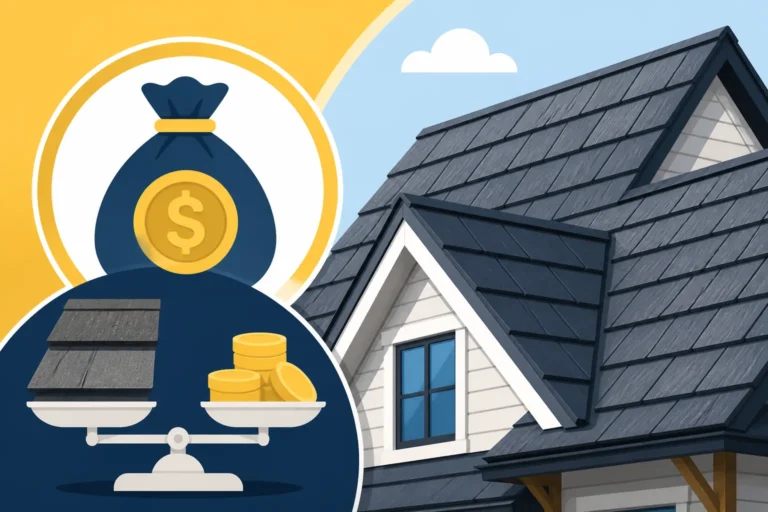
Crunching the Numbers: A Long-Run Cost Comparison
Let's really dig into the numbers to see how these costs play out over several decades. This isn't just about what you pay today, but what you pay over the entire useful life of your roof.
Total Cost of Ownership Over Decades
To truly compare, we need to look at the total cost of ownership. Let's imagine a 2,000 sq ft roof over a 50-year period.
Scenario A: Asphalt Shingles
- Initial Cost (Year 0): $12,000 ($6/sq ft)
- First Replacement (Year 25): $22,000 (factoring 3% annual inflation, removal, and disposal)
- Total Cost over 50 years: $12,000 + $22,000 = $34,000 (and you might need a third roof after 40-50 years, adding another significant cost).
- Annual Energy Savings: Negligible compared to metal.
- Annual Insurance Savings: Potentially none.
- Repairs: Budget an average of $100-$300 per year for minor repairs and maintenance, totaling $5,000 – $15,000 over 50 years.
- True Total Estimated Cost: $34,000 + $5,000 (minimum repairs) = $39,000+ (likely much higher with multiple replacements and increasing disposal costs).
Scenario B: Metal Roofing (e.g., Standing Seam Steel)
- Initial Cost (Year 0): $30,000 ($15/sq ft)
- Replacement (Year 50+): Likely none needed within the 50-year window, or only a single replacement after a very long time.
- Annual Energy Savings: Let's conservatively estimate $200 per year (for a 10-15% reduction in cooling costs). Over 50 years: $200 x 50 = $10,000.
- Annual Insurance Savings: Conservatively estimate $100 per year (for hail/wind resistance). Over 50 years: $100 x 50 = $5,000.
- Repairs: Minimal, perhaps an average of $50 per year for inspections or minor seal checks, totaling $2,500 over 50 years.
- True Total Estimated Cost: $30,000 (initial) – $10,000 (energy savings) – $5,000 (insurance savings) + $2,500 (minimal repairs) = $17,500.
As you can see, in this hypothetical, but realistic, long-term scenario, the metal roof comes out significantly cheaper, even with its higher initial investment. The key is that it avoids those multiple, expensive replacement cycles and generates continuous savings.
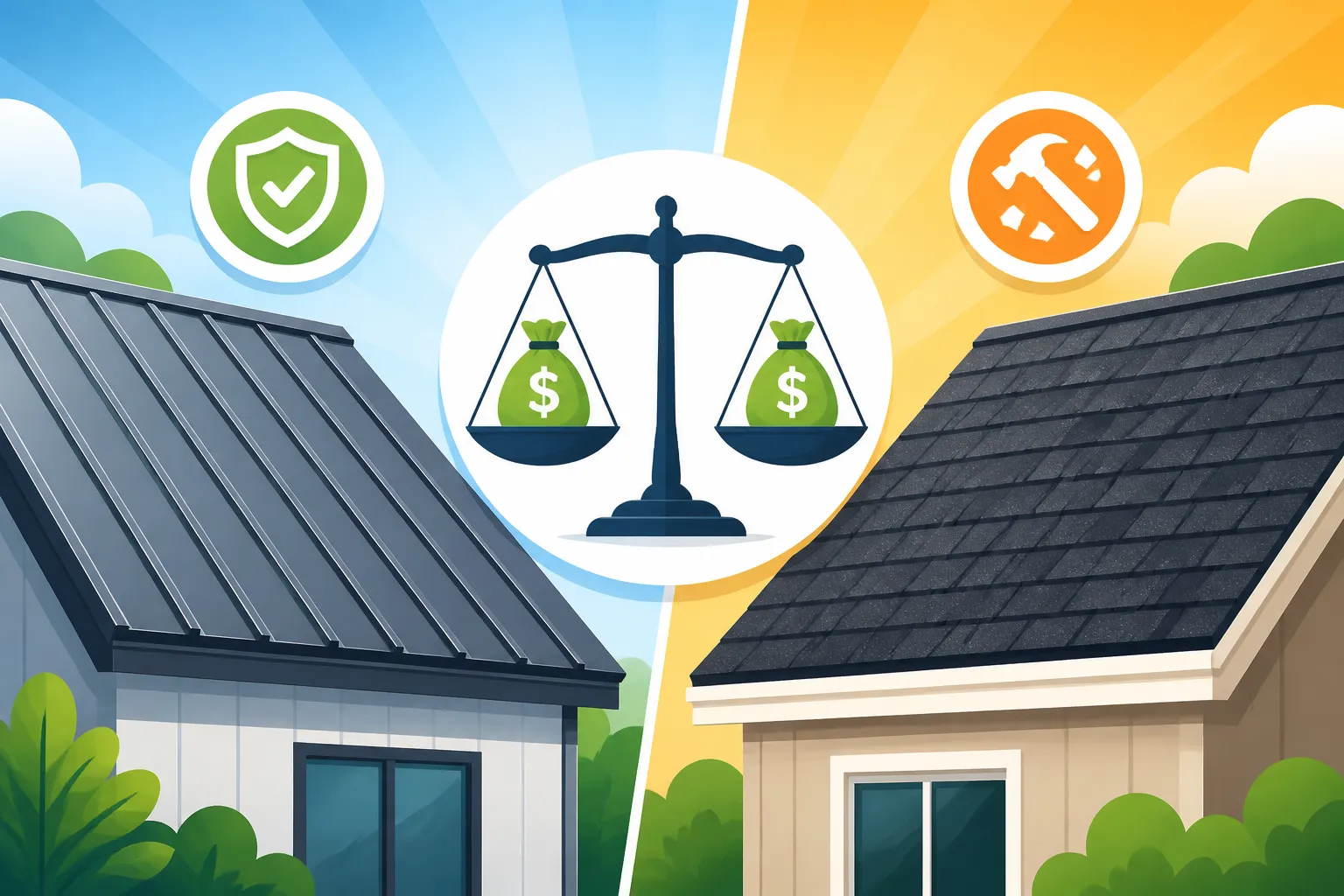
Here's a simple table to illustrate the dramatic long-term difference:
| Cost Factor | Asphalt Shingle Roof (50-year period) | Metal Roof (50-year period) |
|---|---|---|
| Initial Installation | $12,000 | $30,000 |
| Replacements (est.) | $22,000 (at Year 25, inflated) | $0 (likely lasts 50+ years) |
| Energy Savings | $0 | -$10,000 (cumulative) |
| Insurance Savings | $0 | -$5,000 (cumulative) |
| Maintenance/Minor Repairs | $5,000 | $2,500 |
| Total Estimated Cost | $39,000 | $17,500 |
This table really highlights how the initial cost, while significant, gets dwarfed by recurring expenses for asphalt shingles over several decades. For a more detailed look into overall costs, refer to Metal Roof Cost: Complete 2026 Guide.
When Does a Metal Roof "Pay For Itself"?
This is the million-dollar question for many homeowners. While the exact payback period will vary greatly depending on your specific roof size, metal material chosen, local energy costs, insurance rates, and climate, we can estimate.
Based on the cumulative savings from energy efficiency and insurance discounts, combined with avoiding a major asphalt shingle replacement, a metal roof typically "pays for itself" within 15 to 25 years. For instance, if you save $300 a year ($200 energy, $100 insurance) and the initial cost difference was $18,000 (e.g., $30,000 for metal vs. $12,000 for asphalt), then your savings alone would offset the difference in 60 years ($18,000 / $300 per year).
However, the bigger "payback" comes when you factor in the cost of a full asphalt roof replacement. If an asphalt roof needs replacing at the 20-year mark, and that replacement costs $20,000, then the metal roof would have paid for itself by avoiding that single, massive expense. So, by the time your asphalt shingle roof needs its first replacement, your metal roof has almost certainly justified its initial investment. After that point, every year your metal roof continues to perform while asphalt roofs cycle through their expensive replacements, you're firmly in the "cheaper in the long run" territory. This makes Is a Metal Roof Worth It? ROI, Resale & Payback an important read.
Making Your Decision: Factors Beyond the Dollar Sign
While the long-term financial benefits of a metal roof are clear, the decision isn't purely about dollars and cents. There are other important considerations that factor into whether a metal roof is the right choice for your home and lifestyle.
Climate, Aesthetics, and Resale Value
Your local climate plays a huge role. If you live in an area prone to severe weather like hurricanes, heavy snowfall, or large hail (think parts of Florida, Texas, or Colorado), the superior durability and protective qualities of a metal roof become even more valuable, potentially offsetting the cost difference even faster. In such regions, the peace of mind knowing your roof can withstand extreme conditions is often priceless. For instance, a Metal Roof Wind Rating: How Many MPH? is a key factor in coastal zones.
Aesthetics are also deeply personal. While early metal roofs were often associated with agricultural buildings or industrial sites, modern metal roofing offers an incredible array of styles, colors, and profiles that can complement almost any architectural design. You can find metal shingles that mimic the look of slate, wood shakes, or tile, and standing seam panels come in sleek, contemporary finishes. It's not just about a corrugated tin roof anymore! If you have a historic home or a specific architectural vision, you can certainly find a metal roof to match, though these specialized options might push the cost higher. However, for many, the clean lines and modern appeal of a standing seam roof are a major draw. For homeowners in areas with high aesthetic demands, the importance of HOA rules and metal roofs: what's allowed is also a key consideration.
Finally, as touched upon, the resale value is a significant, if less immediate, factor. A metal roof is a premium upgrade that can make your home more attractive and valuable on the market. It's a tangible asset that tells prospective buyers they're investing in a home that's built to last and won't require a major roofing expense anytime soon. This can be a huge differentiator in a competitive housing market.
Understanding Your Financial Horizon
Ultimately, the question of whether a metal roof is cheaper in the long run largely depends on your "financial horizon"—how long you plan to own your home.
- Short-term (less than 10-15 years): If you're planning to move within this timeframe, the higher upfront cost of a metal roof might not fully "pay back" in terms of direct savings or a significantly higher sale price, especially if the real estate market in your area doesn't highly value such upgrades. In this scenario, the immediate savings of asphalt shingles might feel more financially prudent.
- Mid-term (15-30 years): This is where the balance starts to shift. Over this period, you'll likely see a metal roof start to recoup its initial investment through energy and insurance savings, and you'll definitely avoid at least one major asphalt roof replacement. The long-term durability and lower maintenance will also become increasingly apparent.
- Long-term (30+ years): If you're buying your "forever home" or plan to stay put for several decades, a metal roof becomes an undeniable financial winner. The cumulative savings, avoidance of multiple costly replacements, and peace of mind make it the far more economical and stress-free choice.
It’s about weighing your immediate financial situation against your future plans and desired level of commitment to your home. There's no single right answer for everyone, but by understanding the full cost spectrum, you can make the best decision for your unique circumstances.
Disclaimer
Please remember that all cost estimates and timelines provided in this article are general guidelines. Actual costs, savings, and lifespans can vary significantly based on your specific location, chosen materials, roof complexity, local labor rates, energy prices, insurance policies, and market conditions. Always consult with multiple qualified local roofing professionals to get precise quotes and assessments for your individual project.