Best Metal Roof for Hot Climates and Heat Reflection
Living in a hot climate often means wrestling with sky-high energy bills and an uncomfortably warm home, even with the AC blasting at full tilt. It’s frustrating to feel like you’re constantly fighting the sun, trying to keep your living space comfortable without breaking the bank. But what if your roof could be a proactive partner in this battle? This comprehensive guide will dive deep into how metal roofs can be your ultimate ally in the fight against scorching temperatures, focusing on the materials, coatings, and designs that offer superior heat reflection and keep your home refreshingly cooler.
Understanding Heat Reflection and Emissivity in Roofing
When the sun beats down relentlessly, your roof is the first line of defense against that intense heat. Traditional roofing materials, like dark asphalt shingles, can absorb a huge amount of solar radiation, transferring that heat directly into your attic and, consequently, your living spaces. This is where metal roofing truly shines, especially those designed with heat reflection in mind. It's not just about the material; it's about the science of how that material interacts with the sun's energy.
What is Solar Reflectance SR and Thermal Emittance TE?
To truly grasp how a metal roof keeps your home cool, we need to talk about two key scientific terms: Solar Reflectance (SR) and Thermal Emittance (TE). Think of them as your roof's personal defense stats against the sun.
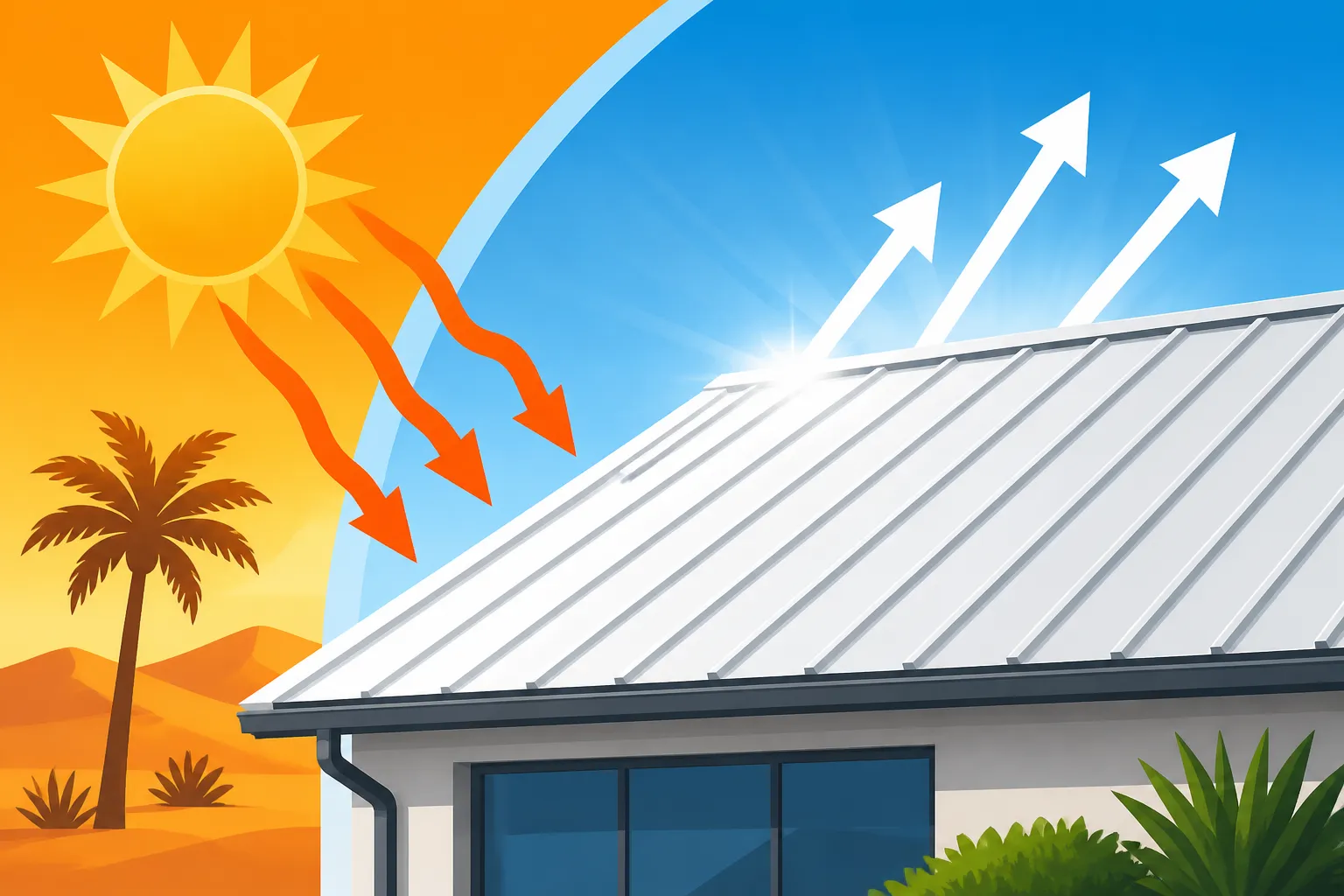
Solar Reflectance, or SR, measures how much solar energy (including visible light, infrared, and ultraviolet wavelengths) is immediately reflected away from the roof surface. It’s a number between 0 and 1.0. A roof with an SR of 0.80, for instance, reflects 80% of the sun's energy, meaning only 20% is absorbed. The higher the SR value, the better the roof is at bouncing sunlight back into the atmosphere before it even has a chance to turn into heat. This is crucial for keeping the surface temperature of your roof much lower.
Thermal Emittance, or TE, is equally important. Once your roof does absorb some heat, TE measures how effectively that absorbed heat is then re-radiated back into the atmosphere rather than being transferred down into your home. Like SR, TE is also a number between 0 and 1.0, with higher values indicating better performance. A roof with a high TE value means that any heat it does absorb doesn't stick around long; it's quickly released back out, preventing it from migrating indoors. Both high SR and high TE are hallmarks of an excellent "cool roof" system.
Why are These Metrics Crucial for Hot Climates?
In places like Phoenix, Arizona, or Miami, Florida, where summers are long and intense, minimizing heat gain is paramount. High SR and TE values directly translate into significant energy savings and a more comfortable indoor environment. When your roof reflects more sunlight and quickly emits any absorbed heat, your attic stays cooler. This means your air conditioning system doesn't have to work nearly as hard to maintain your desired indoor temperature. It runs less frequently, or at a lower intensity, leading to a noticeable drop in your electricity bills.
Beyond the immediate financial benefits, a cooler roof reduces the "heat island effect" in urban areas, contributing to a more sustainable community. The long-term impact on your HVAC system is also considerable. Less strain means a longer lifespan for your expensive air conditioner, delaying the need for costly repairs or replacements. Essentially, optimizing for SR and TE isn't just a smart choice for your wallet; it's a smart choice for your home's longevity and the environment.
Top Metal Roofing Materials for Heat Reflection
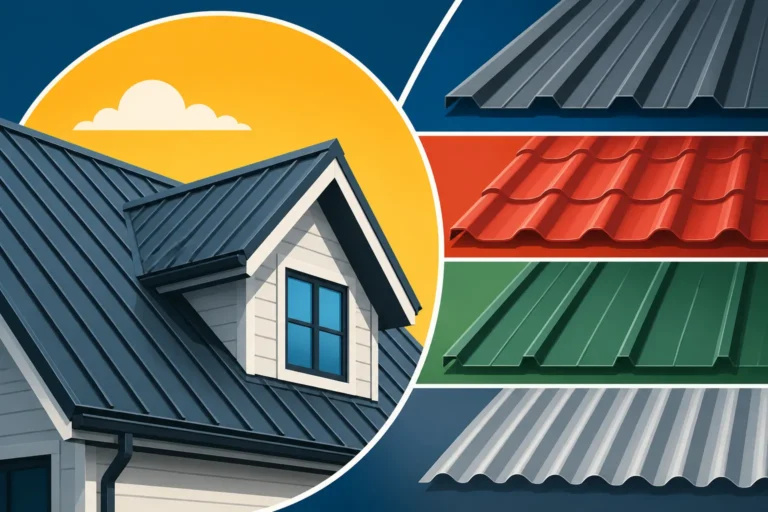
While most metal roofs inherently have better reflective properties than asphalt shingles, some materials stand out more than others, especially when combined with advanced coatings. The choice of material is a foundational decision that impacts not just cost and appearance, but also thermal performance. If you're comparing your options, understanding the nuances of different types of panels can be incredibly helpful; you can dive deeper into topics like Metal Roofing Types Explained: Profiles & Panels to learn more.
Aluminum Roofing: Lightweight and Naturally Reflective
Aluminum is arguably the king of naturally reflective metal roofing materials. Its inherent properties make it an excellent choice for hot climates, even before specialized coatings are applied. Aluminum is naturally dull and has a high reflectivity, which means it doesn't absorb as much solar radiation as other metals might. This natural characteristic gives it a head start in the "cool roof" race.
Moreover, aluminum is incredibly lightweight, reducing the structural load on your home, which can be an advantage for older homes or certain architectural designs. It's also exceptionally resistant to corrosion, making it a fantastic option for coastal regions where salt air would quickly degrade other metals. While the initial Aluminum Roof Cost might be higher than some steel options, its longevity and superior thermal performance often justify the investment, especially when energy savings are factored in over decades. Companies like Classic Metal Roofing Systems offer aluminum products specifically engineered for residential applications, often with intricate finishes that mimic other roofing styles while retaining excellent reflective properties.
Galvalume and Galvanized Steel: Durable and Coated for Performance
Steel is a workhorse in the metal roofing industry, known for its strength and durability. However, raw steel isn't as naturally reflective as aluminum. This is where coatings come into play, transforming steel into a highly efficient cool roof material.
Galvanized steel is coated with a layer of zinc, which protects it from rust. Galvalume steel, a more common choice for modern metal roofs, is coated with a mixture of aluminum and zinc. This combination offers superior corrosion resistance and a more aesthetic, spangled finish. For both galvanized and Galvalume steel, their heat-reflecting prowess comes primarily from the factory-applied paint finishes. These finishes often incorporate specialized pigments designed to reflect infrared radiation, even in darker colors. High-performance coatings, such as those made with Kynar 500® (PVDF resin) or Hylar 5000®, are paramount. These coatings not only provide vibrant, long-lasting colors but also offer exceptional SR and TE values, meeting and often exceeding ENERGY STAR cool roof criteria. Manufacturers like McElroy Metal and Metal Sales are leaders in producing coated steel panels that perform wonderfully in hot environments, offering a robust and long-lasting roofing solution.
Copper and Zinc: Premium Options with Unique Thermal Properties
While copper and zinc are considered premium, luxury metal roofing materials, their primary appeal often lies in their aesthetic beauty and extreme longevity, rather than their initial heat reflection properties. Both metals develop a unique patination over time – a beautiful, protective layer that changes their appearance.
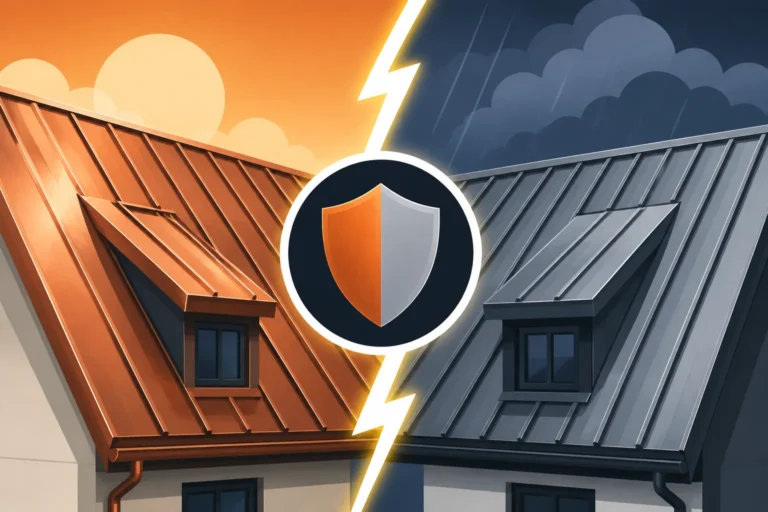
Copper, for example, starts as a shiny, reddish-brown and gradually shifts through darker browns, blues, and finally to a distinctive verdigris green. While the initial shine can be quite reflective, the aged patina is typically less so. However, copper and zinc's exceptional durability means they can last for a century or more with minimal maintenance. Their thermal properties aren't usually the primary driver for selection in hot climates, but they still outperform asphalt shingles in terms of overall heat absorption and durability. If aesthetics and unparalleled lifespan are your top priorities, and you're curious about the investment, exploring the Copper Roof Cost can provide some insight into this high-end option. These materials are often chosen for their natural beauty and the prestige they add to a home, and while they may not be "cool roofs" in the same vein as highly coated steel or aluminum, they still contribute to a long-lasting, resilient building envelope.
The Role of Coatings and Colors in Heat Reflection
You might think that any metal roof will be naturally cooler than a shingle roof, and while that's generally true, the real magic for maximizing heat reflection often lies in the coatings and colors applied to the metal. This is where engineering and aesthetics meet, providing both beauty and superior thermal performance.
Cool Roof Coatings: The Science Behind Energy Savings
This isn't just paint; it's advanced thermal technology in a can! Cool roof coatings are specially formulated to maximize both solar reflectance (SR) and thermal emittance (TE). They achieve this through special reflective pigments that are designed to bounce a significant portion of the sun's infrared (heat-producing) and ultraviolet (UV) radiation back into the atmosphere. Even darker colors, which traditionally absorb a lot of heat, can be engineered with "cool pigment" technology to have surprisingly high SR values.
The most common and effective cool roof coatings are based on Kynar 500® or Hylar 5000® resins, which are fluoropolymer paints (often referred to as PVDF). These coatings are incredibly durable, resistant to fading, chalking, and dirt accumulation, and maintain their reflective properties for decades. Another popular coating is Silicone Modified Polyester (SMP), which offers good performance at a slightly lower cost point. When you choose a metal roof with a high-performance cool roof coating, you're investing in a system that actively works to reduce the heat load on your home, leading to tangible energy savings and a more comfortable interior. It’s a vital component to consider when looking for the best metal roof for hot climates.
Light vs. Dark Colors: Dispelling Myths and Highlighting Best Choices
It’s a common misconception that only white or very light-colored roofs can be "cool roofs." While it's true that lighter colors naturally have higher solar reflectance, advancements in cool pigment technology mean that many darker hues can now achieve impressive cool roof ratings. For instance, a light gray roof will almost always reflect more heat than a dark charcoal roof of the same material and coating type. However, a charcoal metal roof with a high-performance cool coating might still reflect more heat than a standard light gray asphalt shingle roof.
The key takeaway is that while lighter colors generally offer the best heat reflection, you don't necessarily have to sacrifice your desired aesthetic. Many manufacturers, like Sheffield Metals and Englert, offer an array of beautiful, darker "cool colors" that meet ENERGY STAR requirements. When selecting your metal roof, pay attention to the SR and TE ratings for the specific color you're considering, not just the general material. A bright white or light beige will give you the highest reflection, but if you prefer a darker look, ask for options with cool pigment technology. You can delve into more detail on how to choose the right shade in guides like Best Metal Roof Colors and How to Choose.
ENERGY STAR and Cool Roof Rating Council CRRC Ratings
When evaluating cool roof performance, you’ll frequently encounter references to ENERGY STAR and the Cool Roof Rating Council (CRRC). These organizations provide crucial, standardized metrics that help consumers make informed decisions.
ENERGY STAR is a government-backed symbol for energy efficiency. For roofing, an ENERGY STAR certified roof must meet specific solar reflectance and thermal emittance criteria. For low-slope roofs (pitches less than 2:12), the initial SR must be at least 0.65 and aged SR at least 0.50, with an initial TE of 0.75. For steep-slope roofs (pitches 2:12 or greater), the initial SR must be at least 0.25 and aged SR at least 0.15, with an initial TE of 0.75. These benchmarks ensure that products carrying the ENERGY STAR label contribute meaningfully to reducing cooling loads.
The CRRC is an independent, non-profit organization that develops accurate and credible methods for evaluating and labeling the solar radiative properties (SR and TE) of roofing products. Products listed on the CRRC website have undergone rigorous, standardized testing, providing homeowners with reliable data. When you see a CRRC rating, you'll typically see both initial and aged values for SR and TE. The "aged" values are particularly important because they account for the effects of weathering, dirt, and pollution over three years, giving you a more realistic expectation of long-term performance. Always look for CRRC-rated products, and use their database or the ENERGY STAR website to compare specific metal roofing options.
Here's a simplified table illustrating typical SR and TE ranges for common metal roof types and colors, with an emphasis on "cool roof" considerations:
| Metal Roof Material & Color | Typical Initial Solar Reflectance (SR) | Typical Initial Thermal Emittance (TE) | Notes for Hot Climates |
|---|---|---|---|
| Aluminum (Uncoated) | 0.50 – 0.70 | 0.80 – 0.90 | Naturally reflective, excellent for coastal areas due to corrosion resistance. |
| Galvalume/Steel (White) | 0.70 – 0.85 | 0.85 – 0.95 | Top performer, highly reflective, significant energy savings. |
| Galvalume/Steel (Light Gray) | 0.50 – 0.70 | 0.80 – 0.90 | Good reflection, popular aesthetic, often ENERGY STAR compliant. |
| Galvalume/Steel (Dark Gray/Bronze w/ Cool Pigments) | 0.30 – 0.50 | 0.80 – 0.90 | Modern tech allows darker colors to still be "cool," look for specific product ratings. |
| Copper (New, Bright) | 0.40 – 0.60 | 0.10 – 0.30 | Initial reflection good, but low emittance and patinas over time, reducing SR/TE. |
| Copper (Aged Patina) | 0.10 – 0.25 | 0.70 – 0.85 | Less reflective, chosen for aesthetics and longevity. |
| Zinc (New) | 0.35 – 0.50 | 0.10 – 0.30 | Similar to copper in initial low emittance and eventual patination. |
| Zinc (Aged Patina) | 0.10 – 0.20 | 0.70 – 0.85 | Less reflective once aged, valued for durability and unique look. |
Note: These are typical ranges. Actual SR/TE values vary significantly by specific product, manufacturer, and coating. Always consult manufacturer specifications and CRRC ratings.
Metal Roof Profiles and Their Impact on Heat Management
When we talk about metal roofing, it's not just about the material and color. The profile or shape of the metal panels also plays a subtle yet important role in how your roof handles heat. Different profiles offer varying benefits, particularly concerning airflow and how heat dissipates.
Standing Seam vs. Corrugated: Airflow and Thermal Benefits
Two of the most popular metal roof profiles are standing seam and corrugated (or ribbed panel). Each has distinct characteristics that can influence thermal performance.
Standing Seam Metal Roofs feature panels with raised, interlocked seams that run vertically up the roof. These seams create a clean, modern aesthetic and hide the fasteners, leading to a highly durable and low-maintenance system. From a thermal perspective, the raised seams themselves can contribute to a slightly better cooling effect. They create small air gaps between the panel surface and the roof deck, allowing for a degree of passive ventilation. This slight elevation can prevent heat from directly conducting into the decking as quickly. Furthermore, the smooth, flat surface of standing seam panels is ideal for highly reflective coatings, ensuring that the solar energy is bounced away efficiently. Many homeowners consider Is a Standing Seam Roof Worth the Extra Cost for its sleek look and superior long-term performance, which includes thermal benefits.
Corrugated Metal Roofs (including R-Panel, 5V Crimp, and other exposed fastener systems) have a wavy or ribbed profile. While often more budget-friendly, their thermal performance can also be quite good, especially with the right coatings. The corrugations themselves create a series of small air channels across the roof surface. This increased surface area and inherent air pockets can help in dissipating heat. However, exposed fasteners, while sealed with washers, can be tiny thermal bridges, though their impact is generally negligible compared to the overall reflective properties of the panel. For agricultural buildings or garages, corrugated metal is a common choice, but for residential applications, with appropriate cool coatings, it can be a very effective and economical cool roof option. The choice between these profiles often comes down to aesthetic preference, budget, and the specific performance goals for your home.
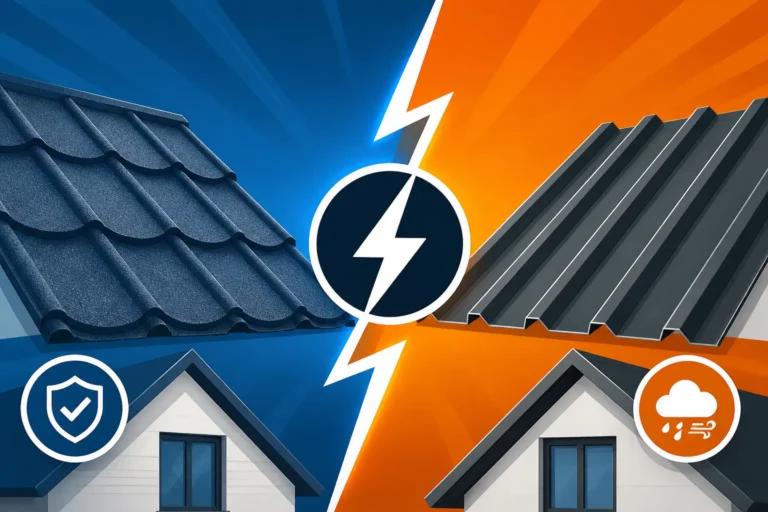
Metal Shingles and Tiles: Aesthetic Appeal with Reflective Capabilities
If the industrial look of standing seam or corrugated metal isn't quite your style, don't worry! Metal shingles, shakes, and tiles offer the classic aesthetics of traditional roofing materials (like asphalt shingles, wood shakes, or clay tiles) but with the superior performance of metal, including excellent heat reflection.
These products are often made from steel or aluminum, stamped and formed to mimic the appearance of other materials. Because they are metal, they can be treated with the same high-performance cool roof coatings (PVDF or SMP) as their standing seam counterparts. This means you can achieve the beautiful, varied texture of a tile or shake roof, but with significantly higher solar reflectance and thermal emittance than their traditional material inspirations. For instance, a stone-coated steel roof, while appearing like heavy tile or slate, can still have fantastic cool roof properties due to its granular coating infused with reflective pigments. Brands like DECRA and Boral are renowned for their stone-coated steel products that marry aesthetic appeal with robust performance, including excellent heat reflection. This offers a fantastic compromise for homeowners who want the energy efficiency of metal but prefer a more traditional or unique look.
Beyond the Panels: Enhancing Thermal Performance
While choosing the right metal panels with high SR and TE values is crucial, the roof system is more than just the panels themselves. The elements underneath your metal roof play an equally vital role in optimizing your home's thermal performance and ensuring that heat stays out and comfort stays in.
The Importance of Proper Underlayment and Ventilation
No matter how reflective your metal roof panels are, if your attic is poorly insulated or inadequately ventilated, you'll still experience heat transfer into your home. This is where a holistic approach to your roof system becomes critical.
Underlayment: Modern synthetic underlayments are a must for metal roofs, especially in hot climates. Unlike traditional felt paper, synthetic underlayments are highly resistant to moisture, tears, and high temperatures. Some advanced underlayments even include a radiant barrier or reflective layer that can further reduce heat transfer into the attic. This extra layer of reflectivity beneath your metal panels acts as a secondary defense, bouncing back any heat that might penetrate the metal itself. Properly installed underlayment ensures your roof deck is protected and adds an additional thermal break. You can find more information about these critical layers in a Metal Roof Underlayment and Ventilation Guide.
Ventilation: This is arguably one of the most overlooked, yet vital, components of a thermally efficient roof in hot climates. A well-designed attic ventilation system creates a continuous flow of air, allowing hot, stagnant air to escape and drawing in cooler air from outside. This prevents heat buildup in the attic, which can negate many of the benefits of a reflective metal roof. Ridge vents, soffit vents, and sometimes even static or powered vents work together to keep the attic temperature closer to the outside air temperature. Without adequate ventilation, even the coolest metal roof can’t prevent a superheated attic from radiating heat down into your living space.
Substrate and Insulation Considerations
The layers directly beneath your underlayment and within your attic space also significantly influence your home's ability to resist heat gain.
Roof Decking/Substrate: The material your metal roof is installed over, typically plywood or OSB decking, forms the primary barrier. While not directly reflective, the integrity and condition of this substrate are important. For very high-performance applications, some systems might incorporate thermal breaks directly above the decking or use specialized insulated panels. For example, some homeowners consider Do You Need Furring Strips for a Metal Roof? to create an air gap that can improve ventilation and thermal performance.
Attic Insulation: This is the ultimate heat transfer stopper. Even with a perfectly reflective metal roof and excellent ventilation, a poorly insulated attic will still allow heat to seep into your home. The recommended R-value (a measure of thermal resistance) for attic insulation varies significantly by climate zone. In hot climates, maximizing attic insulation with materials like blown-in cellulose, fiberglass batts, or spray foam is essential. Spray foam, in particular, can offer both insulation and an air seal, preventing hot air from infiltrating your conditioned space. When all these components – reflective panels, high-quality underlayment, ample ventilation, and robust insulation – work in concert, your home becomes a fortress against the summer heat.
Real-World Benefits and Long-Term Savings
Making the switch to a metal roof designed for heat reflection isn't just a technical upgrade; it's a lifestyle improvement and a smart financial decision that pays dividends over time. The impact goes far beyond just curb appeal. Platforms like Modernize can help you connect with contractors to get estimates and truly understand these long-term benefits.
Lowering Energy Bills and Reducing HVAC Strain
One of the most immediate and tangible benefits you'll experience with a high-performance, heat-reflective metal roof is a noticeable reduction in your monthly energy bills. When your roof is actively reflecting solar radiation and emitting absorbed heat efficiently, your air conditioning system simply doesn't have to work as hard. Think about it: if your attic temperature is significantly lower, less heat is transferring into your home, meaning your thermostat settings can stay higher, or your AC unit can cycle off more frequently.
This reduction in workload translates directly into kilowatt-hour savings. Homeowners in hot climates can often see a 10-25% reduction in their cooling costs, sometimes even more depending on the existing roof's condition and the new metal roof's efficiency. Over the typical 40-70 year lifespan of a metal roof, these savings really add up, essentially helping your roof pay for itself over time. Furthermore, reducing the strain on your HVAC system means less wear and tear, extending the life of your expensive equipment and delaying the need for costly repairs or premature replacement.
Increased Comfort and Sustainability
Beyond the financial savings, there’s an undeniable improvement in indoor comfort. No one enjoys feeling hot spots or struggling to cool their home on a blistering summer afternoon. A cool metal roof helps maintain a more consistent and comfortable indoor temperature, even during peak heat hours. You might find yourself setting your thermostat a few degrees higher than usual and still feeling perfectly comfortable, which further contributes to energy savings.
From a sustainability standpoint, choosing a reflective metal roof is a responsible environmental decision. By reflecting more solar energy, your home contributes less to the "urban heat island effect," where cities become significantly warmer than surrounding rural areas due to heat absorbed by buildings and pavement. This helps to reduce overall energy demand in your community and lessen carbon emissions from power plants. Additionally, most metal roofing materials, like steel and aluminum, are made from recycled content and are 100% recyclable at the end of their exceptionally long lifespan, making them a very eco-friendly choice.
Potential Rebates and Incentives for Cool Roofs
The push for energy efficiency and sustainable building practices has led to various incentives that can make a cool metal roof even more attractive financially. Many federal, state, and local governments, as well as utility companies, offer programs designed to encourage homeowners to install energy-efficient improvements, including cool roofs.
For example, homeowners might qualify for tax credits through federal programs for certain energy-efficient home improvements. Many utility companies offer rebates for installing ENERGY STAR-certified roofing materials, as it reduces the strain on the power grid during peak demand. In specific regions or states, like California, there might be additional local incentives for meeting stringent cool roof requirements. It's always worth checking with your local utility provider, state energy office, and IRS website for the most up-to-date information on available programs. These incentives can significantly offset the initial metal roof cost and accelerate your return on investment, making a high-performance metal roof an even smarter financial decision. You can also explore how your new roof might impact your homeowners insurance premiums by looking into Metal Roof Insurance Savings & Discounts.
Choosing the Right Metal Roof for Your Hot Climate Home
Deciding on a new roof is a big step, and for those of us in hot climates, it's an opportunity to make a choice that profoundly impacts our home's comfort, efficiency, and longevity. The "best" metal roof isn't a one-size-fits-all solution; it’s the one that perfectly aligns with your specific needs, budget, and local conditions.
Assessing Your Specific Climate and Home Needs
Before you commit to a particular type of metal roof, take a moment to really consider your unique situation. Are you in an intensely sunny region with little shade, like Central Florida or the desert Southwest? Do you experience extreme temperature swings, or is it consistently hot and humid? These factors will influence how much emphasis you place on solar reflectance versus other features.
Think about your current home's construction. Do you have a well-insulated attic already, or is that something you might need to address in conjunction with your new roof? What's your roof pitch? A steep-slope roof will benefit differently from a low-slope roof. Consider your aesthetic preferences: do you want a sleek, modern look with standing seam, or something more traditional like metal shingles? Also, what's your budget for a new roof? While metal roofs have a higher upfront cost than asphalt, their longevity and energy savings provide excellent Metal Roof Cost vs Lifespan Value. Don't hesitate to ask prospective contractors detailed questions about their recommendations for your specific home and climate; after all, they're the experts on the ground.
Finding a Reputable Installer
Even the most technologically advanced, heat-reflective metal roof panels won't perform as expected if they're not installed correctly. The quality of installation is paramount to achieving optimal thermal performance, ensuring weather resistance, and validating your warranty.
Start by seeking out contractors who specialize in metal roofing, particularly those with experience installing cool roof systems in hot climates. A general roofer might be able to put on an asphalt roof, but metal roofing requires specialized tools, techniques, and expertise. Look for contractors who are manufacturer-certified for the specific products they install, as this often means they've undergone specialized training and can offer enhanced warranties. Ask for references and check their online reviews on platforms like Modernize.
When you're gathering quotes, make sure each includes a detailed breakdown of the materials, coatings (specifying SR/TE values for your chosen color), underlayment, ventilation plan, and warranty information. Don't be afraid to ask about their crew's experience with metal roofing, how long the installation will take, and what steps they take to protect your property during the process. Getting multiple, itemized quotes will help you compare options fairly. You can find more comprehensive advice on selecting the right professionals in our guide on How to Hire a Metal Roofing Contractor. A skilled, experienced installer will ensure your investment in a heat-reflective metal roof truly pays off for decades to come.
Disclaimer
Please remember that this article provides general informational guidance based on current industry knowledge and research. While we strive for accuracy and offer helpful insights into metal roofing for hot climates, specific performance metrics, material recommendations, and local regulations can vary. We strongly advise consulting with licensed and experienced metal roofing professionals in your area for personalized advice, detailed estimates, and to ensure compliance with all local building codes and standards. Always verify product specifications with manufacturers and installers.