Best Metal Roof Colors and How to Choose
Choosing a new roof for your home is a huge investment, and when you’re looking at a durable, long-lasting metal roof, the decision on color can feel overwhelming. It’s not just about what looks good today; you’re selecting a shade that will impact your home's curb appeal, energy efficiency, and even its value for decades to come. This comprehensive guide is here to demystify the process, helping you confidently pick the best metal roof colors that perfectly complement your home and lifestyle.
Understanding the Broad Impact of Your Roof Color Choice
It’s easy to think of roof color as purely aesthetic, but with metal roofing, the hue you select plays a much larger role. From how your home feels inside to how much you pay on your utility bills, the implications are far-reaching. Let’s dive into these crucial aspects so you can appreciate the gravity and opportunity of this decision.
Aesthetics and Curb Appeal
Your roof is a huge part of your home’s visual footprint, often making up 30-40% of what people see from the street. Because of this, the color you choose for your metal roof instantly dictates a significant portion of your home’s curb appeal. A well-chosen color can dramatically enhance your property's exterior, making it look more modern, traditional, or cohesive with its surroundings. Think about how a crisp white metal roof can brighten a coastal home, or how a deep charcoal gray can add sophistication to a contemporary design.
Conversely, a poor color choice can make your home look dated, out of place, or simply uninviting. This isn’t just about personal taste; it’s about creating harmony with your home's existing brick, siding, trim, and landscaping. The goal is to select a color that blends seamlessly or creates an intentional, pleasing contrast, adding visual interest without clashing. Before making a final decision, it's always a good idea to consider the overall aesthetic you're aiming for and how the roof color contributes to that vision.
Energy Efficiency and Heat Absorption
One of the most practical and often overlooked impacts of metal roof color is its effect on your home’s energy efficiency. Lighter colors, particularly whites and light grays, are renowned for their high solar reflectance. This means they bounce a significant portion of the sun's radiant heat away from your home, rather than absorbing it. In warmer climates, or during hot summer months, this can lead to a noticeable reduction in your attic temperature and, consequently, lower air conditioning costs. Imagine the relief of your AC unit not having to work overtime just to combat a scorching hot roof.
On the flip side, darker metal roof colors like black, dark bronze, or deep blues tend to absorb more solar radiation. While this might sound like a drawback, advancements in paint technology have led to "cool pigment" coatings. These special pigments allow darker colors to reflect more infrared light, thereby reducing heat absorption compared to traditional dark coatings. In colder climates, some homeowners might even prefer a darker roof to help absorb heat and reduce heating costs during winter, though this effect is generally less pronounced than the cooling benefits of lighter roofs in hot weather. It's a balance, and understanding your local climate is key.
Impact on Home Value
Believe it or not, your metal roof color can also play a role in your home's resale value. A roof that is aesthetically pleasing and complements the home's style can make a property more attractive to potential buyers. Think about a house with a classic red brick exterior and a complementary bronze metal roof; it just looks "right" and well-maintained. A mismatched or jarring roof color, on the other hand, might deter buyers or necessitate a lower asking price as they factor in potential future expenses to change it.
Beyond aesthetics, the energy efficiency benefits of a lighter, reflective metal roof can also be a selling point, particularly in regions with high energy costs. Buyers are increasingly aware of utility expenses, and a home that promises lower cooling bills due to its cool roof can be highly appealing. Furthermore, the inherent durability and longevity of metal roofs already contribute positively to home value, and a thoughtfully chosen color simply enhances that appeal. When you're considering Does a Metal Roof Increase Home Value?, remember that color is a subtle but significant piece of that puzzle.
Essential Factors to Consider When Choosing Your Metal Roof Color
With so many shades available, narrowing down the perfect metal roof color can feel like a big undertaking. It's not just about picking your favorite hue from a swatch. You need to consider several practical and aesthetic factors that will ensure your choice stands the test of time and truly enhances your property.
Architectural Style of Your Home
The architectural style of your home is arguably the most critical factor in guiding your metal roof color decision. Certain roof colors historically and aesthetically align better with specific architectural periods and designs. For instance, a Victorian-style home might look best with a rich, dark bronze or a classic deep red metal roof, enhancing its traditional charm. A modern farmhouse, however, could shine under a clean, crisp white or light gray standing seam metal roof, emphasizing its contemporary rustic appeal.
If you have a Craftsman-style home, earthy greens, browns, or even a subtle copper might complement its natural materials and exposed rafter tails beautifully. For Mediterranean or Spanish-style homes, a terra cotta red or a warm brown can evoke that classic, sun-drenched aesthetic. Stepping outside these conventional pairings can sometimes work, but it requires a very intentional design eye. It's about respecting the existing lines and character of your home, allowing the roof to be a natural extension, not a conflicting element.
Climate and Environment
As we touched on earlier, your local climate plays a substantial role in the functional performance of your metal roof color. In sun-ddrenched areas like Florida or Arizona, a light-colored metal roof can be a game-changer for energy efficiency. The high solar reflectance of colors like white, light gray, or even a pale blue can dramatically reduce heat gain, keeping your home cooler and lowering your air conditioning costs. These "cool roofs" are often Energy Star rated and can even qualify for certain rebates or incentives in some regions.
Conversely, in colder northern climates, some homeowners might lean towards darker colors with cool pigment technology, hoping to leverage some solar absorption to help with winter heating. However, the insulating properties of your attic and overall home are often more impactful on heating costs than roof color alone. Beyond temperature, consider the general environment: homes in heavily wooded areas might benefit from colors that hide pollen or tree sap better, while coastal homes exposed to salt air might prioritize highly durable, corrosion-resistant coatings, regardless of color. Exploring Best Metal Roof for Hot Climates and Heat Reflection or Best Metal Roof for Snow and Cold Climates can provide deeper insights specific to your region.
HOA and Local Regulations
This is a critical, often frustrating, but absolutely non-negotiable factor: your homeowners' association (HOA) and local building codes. Many HOAs have strict guidelines regarding exterior home improvements, and roof color is frequently on that list. They might specify a limited palette of approved colors, certain material types (which can implicitly limit color options), or even mandate specific finishes to maintain neighborhood uniformity. Failing to get HOA approval can lead to costly fines or, even worse, being forced to replace your newly installed roof.
Before you even fall in love with a specific shade, reach out to your HOA to understand their rules. Obtain a copy of their architectural guidelines and ensure your chosen color is explicitly permitted. Similarly, local building codes in some municipalities might have requirements related to solar reflectance for new roof installations, especially in areas striving for greater energy efficiency. Always verify these regulations. A good contractor, particularly one you find through a service like Modernize, should be familiar with local codes and HOA requirements, but it's always wise for you as the homeowner to double-check.
Personal Preference and Neighborhood Harmony
After all the practical considerations, your personal preference still matters tremendously – after all, it's your home! You'll be looking at this roof for decades, so you should genuinely love the color you choose. However, it's also important to strike a balance between your personal taste and maintaining neighborhood harmony. A vibrant, unconventional color might stand out, but if it clashes dramatically with every other home on the street, it could inadvertently become a detractor.
Walk around your neighborhood and observe what colors are prevalent. Do most homes feature muted tones, or is there a variety of bolder choices? While you don't need to perfectly match your neighbors, choosing a color that complements the general aesthetic of your street can be beneficial, especially if resale value is a long-term consideration. Ultimately, the best choice often combines a color you adore with one that makes your home feel like a natural, yet distinguished, part of its community.
Popular Metal Roof Colors and Their Benefits
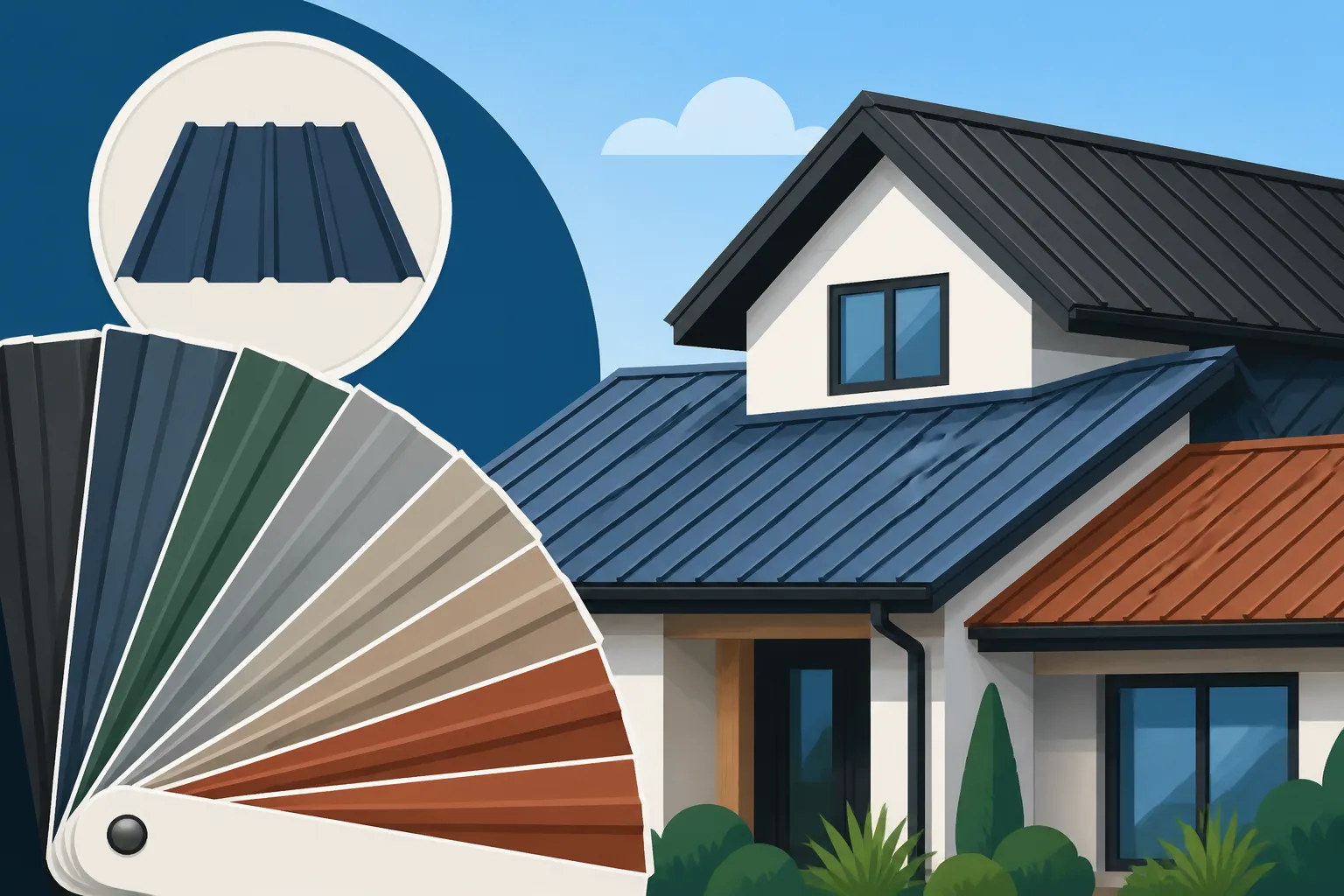
The world of metal roof colors is far more diverse than many people imagine. Beyond the standard grays and browns, you can find vibrant hues and nuanced metallics that truly make a statement. Each color family offers its own unique set of aesthetic and practical benefits.
Classic Neutrals: Grays, Whites, Blacks
The neutral palette remains incredibly popular for metal roofs, and for good reason. These colors are versatile, timeless, and offer various benefits depending on the specific shade.
Whites and Light Grays: These are the champions of energy efficiency, particularly in warm climates. Their high solar reflectance means they absorb very little heat, translating to lower cooling costs. Aesthetically, white and light gray metal roofs offer a crisp, clean look that can brighten a home's exterior. They work exceptionally well on modern, coastal, or farmhouse-style homes, providing a sense of spaciousness and modernity. They can make a smaller home appear larger and more open. While they show dirt more readily than darker colors, they also highlight the clean lines and precision of a well-installed metal roof.
Medium Grays and Silvers: These colors offer a fantastic middle ground. They still provide decent solar reflectance, though not as high as pure white, offering a good balance for many climates. Aesthetically, medium grays and silvers (like galvalume with a clear finish) are incredibly versatile. They complement a wide range of siding colors, from cool blues and greens to warm browns and reds. They convey a sophisticated, contemporary feel without being overly stark. A Galvalume Roof Cost might be slightly different than a painted steel roof, but the aesthetic appeal of its natural, muted silver is undeniable for many.
Blacks and Dark Grays (Charcoal): These bold choices create a dramatic, striking contrast, particularly against lighter-colored homes. They impart a sense of permanence and sophistication, often seen on modern, minimalist, or industrial-style homes. While traditionally associated with heat absorption, many dark metal roof panels today feature "cool pigment" technology. These special coatings allow them to reflect more infrared light, significantly reducing heat gain compared to older, non-coated dark roofs. If you love the aesthetic of a dark roof but live in a warmer climate, specifying a cool pigment black or charcoal is crucial for energy performance. These colors also tend to hide streaks and stains better than lighter options.
Earth Tones: Bronzes, Browns, Greens
For homes that aim to blend harmoniously with nature or evoke a classic, grounded feel, earth tones are an excellent choice. These colors often pair beautifully with natural building materials like stone, brick, and wood siding.
Bronzes and Coppers: While genuine copper roofing (Copper Roof Cost) is a premium, living metal that develops a stunning patina over time, many manufacturers offer steel or aluminum panels coated to mimic the look of bronze or aged copper. These colors provide a rich, warm, and luxurious aesthetic. They are particularly well-suited for traditional, Craftsman, or rustic-style homes, adding an element of timeless elegance. Bronze hues can also pair beautifully with dark green or cream-colored siding, creating a sophisticated and inviting exterior. They offer a good balance of warmth and understated color.
Browns (Chocolate, Terra Cotta): Brown metal roofs are fantastic for homes with brick or stone facades, or those surrounded by mature trees and natural landscapes. They create a comforting, earthy foundation for your home. Lighter browns can mimic the look of natural wood shakes, while deeper chocolate browns offer a rich, grounding presence. Terra cotta hues are perfect for Mediterranean or Spanish-style architecture, providing that classic sun-baked tile look without the weight and maintenance of actual tiles. Browns are generally moderate in terms of solar reflectance, offering a versatile option for various climates and designs.
Greens (Forest, Moss, Evergreen): Green metal roofs, especially deeper forest or moss greens, are a beautiful choice for homes nestled in natural settings. They complement homes with natural wood siding, stone accents, or those surrounded by abundant foliage. A green metal roof can evoke a sense of tranquility and connection to the environment. They often lend a cottage-like charm or a rugged, sophisticated appeal. While perhaps less common than grays or browns, a well-chosen green can make a home truly stand out in a tasteful, organic way. Their solar reflectance can vary, but generally, darker greens will absorb more heat.
Vibrant Hues: Blues, Reds, Metallics
For homeowners looking to inject more personality or make a bold statement, vibrant metal roof colors offer an exciting array of options. These colors can transform a home's appearance and become a defining feature.
Blues (Slate Blue, Navy, Ocean Blue): Blue metal roofs can range from subtle slate grays with a hint of blue to deeper, more pronounced navy or ocean tones. A slate blue can add a touch of sophistication and coolness, pairing well with light gray or white siding. Navy blue can create a striking contrast, particularly on a white or cream-colored house, giving it a nautical or classic American feel. Brighter ocean blues are less common for residential roofs but can be seen in some unique, modern designs. These colors are usually coated with high-performance paints to ensure longevity and color stability.
Reds (Barn Red, Colonial Red, Brick Red): Red metal roofs are iconic in certain architectural styles, especially those with a rustic or traditional American farmhouse aesthetic. A classic barn red metal roof can be incredibly charming and evoke a sense of history and warmth. Colonial red or brick red shades can complement homes with white siding or light-colored brick, creating a patriotic or inviting look. These bold colors make a strong statement and are definitely for homeowners who aren't afraid of their roof being a focal point. They tend to absorb more heat, so cool pigment technology is important here, especially in sunnier regions.
Metallics (Copper, Zinc, Stainless Steel): Beyond painted finishes, some homeowners opt for true metallic roofs that showcase the natural beauty and evolving character of the metal itself. While genuine Copper Roof Cost and Zinc Roof Cost are significantly higher, their unique aesthetic and extreme longevity are unparalleled. Copper famously patinas from a shiny reddish-brown to a distinctive verdigris green over time. Zinc has a beautiful matte gray finish that develops its own unique patina. Stainless steel offers a sleek, modern, and highly durable option. These natural metal roofs are often chosen for their architectural significance, durability, and the way their appearance changes and deepens with age, adding unique character to a home. They are investments that deliver unparalleled elegance and longevity.
Here's a quick comparison of common metal roof color families:
| Color Family | Common Shades | Energy Efficiency (Heat Reflection) | Aesthetic Impact | Maintenance Considerations |
|---|---|---|---|---|
| Cool Neutrals | White, Light Gray | Excellent (lower AC costs) | Modern, Clean, Expansive | Shows dirt/streaks more easily |
| Medium Neutrals | Medium Gray, Silver | Good | Versatile, Sophisticated, Contemporary | Good at concealing minor dirt |
| Dark Neutrals | Black, Charcoal | Moderate (with cool pigments) | Dramatic, Bold, Timeless | Excellent at concealing dirt; ensure cool pigments for warm climates |
| Earth Tones | Bronze, Brown, Green | Good to Moderate | Natural, Traditional, Harmonious | Varies; can blend well with natural debris, some greens may show pollen |
| Vibrant Hues | Blue, Red | Variable (cool pigments recommended) | Bold, Unique, Statement-making | Requires quality coatings for fade resistance; may need more frequent cleaning to maintain vibrancy |
| Natural Metals | Copper, Zinc, Mill Finish | Variable, often good | Living finish, Patinas, Luxurious | Patina is part of the appeal; genuine metals have higher initial cost but minimal upkeep |
Addressing Common Metal Roof Color Concerns
Choosing a metal roof color isn't just about picking a pretty shade; it's about making a long-term commitment. Many homeowners have legitimate concerns about how their chosen color will hold up over time and what implications it has beyond the initial installation. Let's tackle some of those worries head-on.
Fading and Weathering
One of the biggest concerns for homeowners is how their chosen metal roof color will look in five, ten, or even twenty years. Nobody wants a beautiful, vibrant roof to fade into a dull, washed-out version of itself. Thankfully, modern metal roofing has come a long way in terms of paint technology. High-quality metal roof panels are typically coated with advanced paint systems that offer exceptional resistance to fading, chalking, and weathering.
The most common and highly regarded coatings are Kynar 500® (PVDF) and SMP (Silicone Modified Polyester). PVDF coatings are widely considered the gold standard for color retention and gloss integrity, offering superior protection against UV radiation, acid rain, and pollution. They come with robust warranties, often guaranteeing color retention for 30 years or more. SMP coatings are a good, more economical alternative, providing good durability and color retention, though typically for a shorter warranty period than PVDF. When you're comparing PVDF vs SMP Paint Coatings for Metal Roofs, prioritize the one that offers the best long-term fade resistance, especially if you're choosing a vibrant or dark color. Reputable manufacturers like McElroy Metal, Metal Sales, and Englert invest heavily in these advanced coating systems to ensure your roof color stays true for decades.
Matching Existing Elements
Your roof doesn’t exist in a vacuum. It's an integral part of your home's exterior ensemble, which includes siding, brick or stone, trim, windows, and even your garage door. One of the most common pitfalls in color selection is choosing a roof color that clashes with these existing elements, creating a disjointed or unappealing look. It’s a bit like trying to put on an outfit where nothing quite matches – it just doesn’t feel right.
To avoid this, gather samples of your existing exterior materials. Take photos of your home in different lighting conditions – morning, afternoon, and cloudy days – as colors can appear vastly different depending on the light. Then, get actual metal roof color samples from your contractor. Place these samples directly against your home's siding or brick. Stand back and view them from the street. Consider not just the primary color, but also any undertones. Does a "cool" gray roof complement a "warm" beige siding, or does it make the siding look dingy? Does a dark bronze roof make your brick pop or blend too much? Don't rush this step. It's a critical part of ensuring your new metal roof looks like it was always meant to be there. This thoughtful approach can prevent expensive regrets down the line.
Resale Implications
While you're choosing a roof for your enjoyment, it's always wise to consider its potential impact on future resale. A highly unique or unconventional color might perfectly express your personality, but it could limit your pool of potential buyers if you decide to sell your home down the road. Most buyers prefer neutral, classic, or universally appealing colors that don't require them to undertake another major exterior renovation shortly after moving in.
This doesn't mean you have to pick the most boring color available, but it does suggest leaning towards timeless rather than trendy. Colors that harmonize with your home's architectural style and the general aesthetic of your neighborhood tend to have better resale appeal. If you're torn between a very bold color and a more subdued one, and resale is a factor, the more moderate option might be the safer bet. A metal roof is already a significant selling point due to its longevity and durability; ensuring its color enhances rather than detracts from its appeal can maximize its return on investment. Thinking about Is a Metal Roof Worth It? ROI, Resale & Payback involves considering both the practical and aesthetic components.
Maintenance and Longevity of Metal Roof Colors
Beyond the initial "wow" factor, the long-term performance and maintenance of your metal roof color are crucial. Metal roofs are celebrated for their longevity, often lasting 50 years or more, and you want your chosen color to look good for that entire lifespan. Understanding the role of cleaning, coatings, and potential repainting will help you manage expectations and ensure your investment stays beautiful.
Cleaning and Upkeep for Color Longevity
Even the most fade-resistant metal roof can benefit from occasional cleaning, especially if you want its color to truly shine over the decades. Over time, pollen, dirt, mildew, tree sap, and environmental pollutants can accumulate on your roof's surface, dulling its appearance and sometimes even impacting the integrity of the coating if left unchecked. A simple annual or bi-annual cleaning can do wonders for maintaining your roof's vibrant color and preventing premature degradation.
Typically, this involves a soft-bristle brush, a garden hose, and a mild, non-abrasive detergent (often just dish soap mixed with water). Avoid harsh pressure washing, as it can damage the paint finish and potentially void warranties. Always work from the top down, rinsing thoroughly. For areas prone to excessive pollen or mildew, more frequent light cleaning might be necessary. Keeping your gutters clean is also vital, as overflowing gutters can cause water to consistently stream over certain sections of your roof, leaving streaks and stains that can be difficult to remove. Regular maintenance, as detailed in a Metal Roof Maintenance Guide, helps keep the color looking as fresh as possible.
Paint Technology and Coatings Explained
The incredible longevity of modern metal roof colors isn't magic; it's the result of advanced paint technology and protective coatings. As mentioned, PVDF (Kynar 500® or Hylar 5000®) and SMP are the leading coil-coating systems for residential metal roofing. These are not just thin layers of paint; they are multi-layered systems applied in a controlled factory setting, baked onto the metal panels before installation.
- Primer: The first layer, applied directly to the metal (like Galvalume or galvanized steel), ensures excellent adhesion for subsequent coats and provides corrosion resistance.
- Color Coat: This is the pigment layer, formulated with highly stable, fade-resistant inorganic pigments. For "cool colors," special infrared-reflective pigments are incorporated here.
- Clear Coat/Top Coat: A final, transparent layer that adds gloss, enhances scratch resistance, and provides an additional barrier against UV radiation and environmental elements.
These high-performance coatings are what enable manufacturers to offer extensive warranties against chalking and fading, sometimes up to 40 years. Understanding these technologies helps you appreciate why a premium metal roof maintains its color so well and why choosing panels with these specific coatings is crucial for long-term satisfaction.
When to Repaint a Metal Roof
While modern metal roofs boast incredible color retention, nothing lasts forever. Eventually, after many decades, even the best coatings might start to show signs of chalking (a powdery residue) or noticeable fading. When this happens, you might wonder if repainting is an option. The good news is, yes, metal roofs can be repainted! Repainting can breathe new life into an aging roof, restoring its color and protective qualities, and potentially extending its functional lifespan.
The process typically involves thorough cleaning, surface preparation (which might include light sanding or chemical treatment to ensure adhesion), priming, and then applying a high-quality elastomeric or acrylic paint specifically designed for metal roofing. This isn't a DIY job for most homeowners; it requires specialized equipment, safety measures, and expertise in paint application for large metal surfaces. Companies like Modernize can help you find experienced painters who specialize in metal roof restoration. While an expensive endeavor, repainting is generally less costly than a full roof replacement and can be a viable option if the underlying metal panels are still structurally sound but the aesthetic coating has deteriorated. Consider Repainting and Recoating a Metal Roof as a future option if your panels begin to lose their luster after a very long service life.
Working with Professionals for Color Selection
Choosing a metal roof color can be a surprisingly complex decision, especially given its long-term impact on your home's aesthetics and performance. This is where the expertise of professionals becomes invaluable. Don't feel like you have to navigate this alone; there are resources and experts ready to guide you.
Utilizing Design Tools and Visualizers
Many metal roofing manufacturers and even some home improvement platforms offer online design tools and visualizers. These tools allow you to upload a photo of your home and virtually "try on" different metal roof styles and colors. It's a fantastic way to get a realistic preview of how a particular color might look on your specific house, accounting for its architectural features, siding, and surrounding landscape. You can experiment with various shades of gray, brown, red, or even a bold blue without any commitment.
While these digital tools are incredibly helpful for initial exploration, remember that screen colors can vary. What looks perfect on your computer might appear slightly different in real life. Use them as a starting point to narrow down your options, but always follow up with physical samples for final evaluation. The visualizers help you quickly rule out colors that clearly don't work and highlight those that show promise, saving you time and effort.
Contractor Expertise and Recommendations
Your metal roofing contractor isn't just there to install the roof; they should be a valuable partner in the entire decision-making process, including color selection. Experienced contractors have seen countless metal roofs installed on various homes and in different environments. They can offer insights into what colors are popular in your area, what typically works well with your home's architectural style, and how certain colors perform under local climate conditions.
A good contractor will bring actual physical samples of the metal panels in your preferred colors. They might even have addresses of past projects with similar colors that you can drive by and see in person. They can advise on the pros and cons of specific coatings (like PVDF vs. SMP) for different colors and climates. They should also be able to explain the nuances of color selection, such as how the finish (e.g., matte, semi-gloss) can affect the overall look. Don’t hesitate to ask your contractor for their recommendations and insights – they are the experts who do this every day. Learning How to Hire a Metal Roofing Contractor and asking Questions to Ask a Metal Roofing Contractor Before You Hire will ensure you find a professional who can offer this level of guidance.
Getting Physical Samples and Site Visits
This cannot be stressed enough: always obtain physical samples of your top 2-3 color choices. Digital images are helpful, but nothing compares to seeing the actual material under natural light conditions at your home. Colors can look dramatically different under the fluorescent lights of a showroom versus the bright sun or a cloudy sky in your yard.
Once you have the samples, take them outside and place them directly against your home's siding, brick, or other exterior elements. Observe them throughout the day – in direct sunlight, in shade, and on an overcast day. This will give you the most accurate representation of how the color will truly appear once installed. Don't be shy about requesting large samples if available, as a small swatch can be misleading for such a large surface area. Some contractors may even arrange for you to view a nearby home they've completed with a similar color, which is an excellent way to see the color on a full roof. This crucial step ensures that the color you envision is the color you get, preventing any post-installation surprises.
Disclaimer
Please remember that the information provided in this article is intended for general guidance and informational purposes only. While we strive to offer accurate and up-to-date content, individual circumstances and local regulations can vary significantly. Always consult with qualified metal roofing professionals, contractors, and your local authorities or HOA before making any decisions related to your metal roof installation or color selection. Energy efficiency benefits, product availability, and warranty details can differ by manufacturer, product line, and geographic location. We recommend obtaining multiple detailed quotes and professional advice tailored to your specific project needs.