Best Metal Roof for High Wind Areas
Living in an area prone to high winds can be a constant source of anxiety for homeowners, especially when every gust and storm makes you worry about the integrity of your roof. It’s frustrating to feel vulnerable, constantly checking weather alerts and wondering if your current roofing material is truly up to the task. This comprehensive guide is here to shed light on how metal roofing stands up to severe weather and help you understand what makes a metal roof the best choice for protecting your home against high winds.
Understanding Wind Resistance in Metal Roofing
When it comes to protecting your home from the sheer force of high winds, not all roofing materials are created equal. You need a roof that can stand firm, not just against a strong breeze, but against the kind of sustained pressure and uplift that can tear less robust materials right off your home. Metal roofing has earned its reputation as a formidable opponent against wind, but understanding why it performs so well requires a look at how wind interacts with roofs and the specific metrics used to evaluate resistance.
How Wind Interacts with Roofs
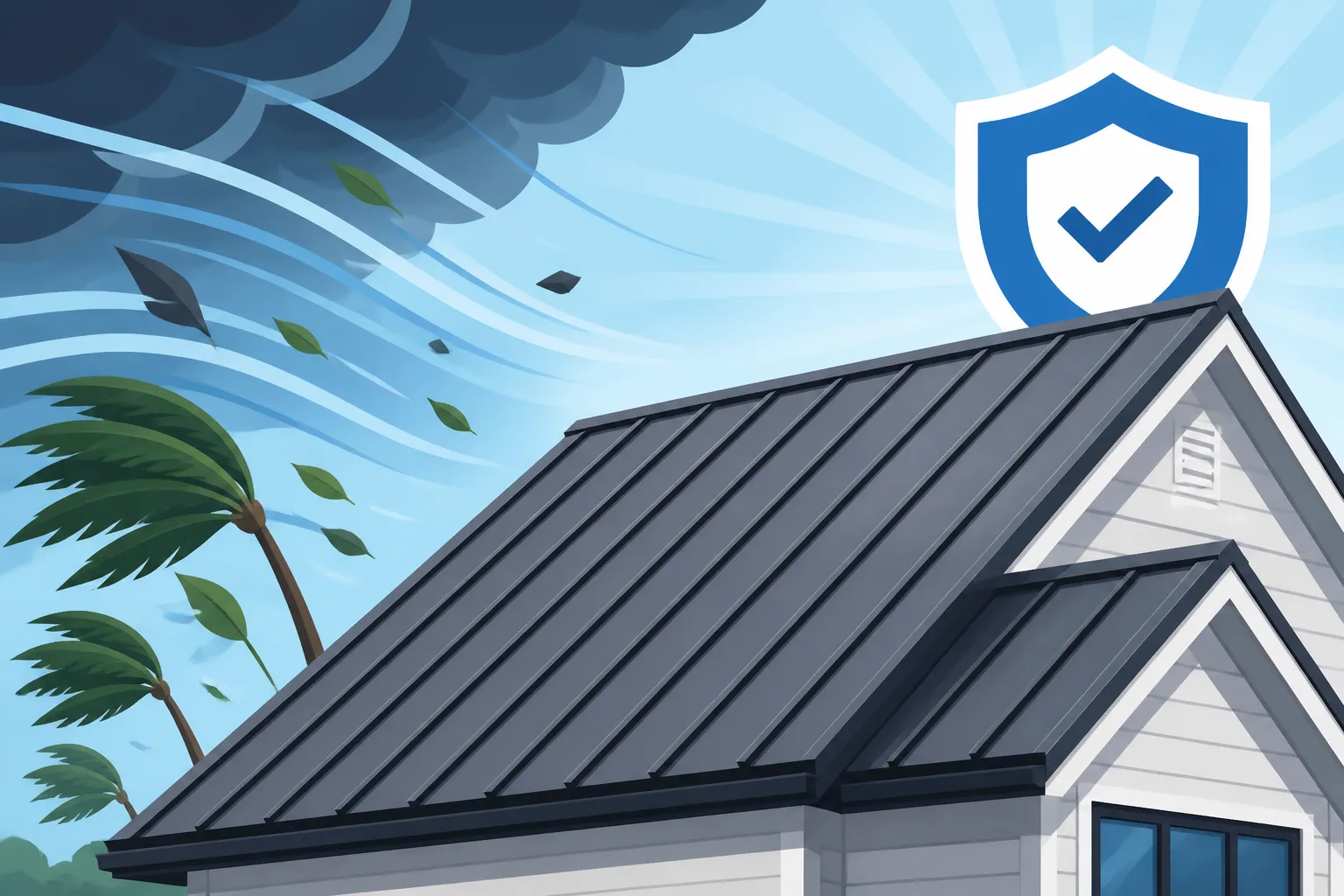
Imagine wind not just as a straight-line push, but as a complex force that creates both positive pressure (pushing down or sideways) and negative pressure (pulling upwards). When wind flows over your roof, especially around the edges, corners, and ridges, it creates a vacuum-like suction known as uplift. This uplift force is often what causes shingles to peel back or entire roof sections to be ripped away. Metal roofs, due to their interlocking panels and robust fastening systems, are designed to counteract these powerful forces.
The aerodynamics of different metal roof profiles also play a significant role. Smooth, low-profile panels can allow wind to glide over them more easily, reducing the direct impact and turbulence that can destabilize other roofing types. However, proper installation is paramount; even the best material can fail if it’s not secured correctly, allowing wind to get underneath and exploit weak points. That's why considering the full system, not just the panels, is essential for true wind resilience.
Key Metrics: Wind Uplift and Impact Ratings
When evaluating a metal roof for high wind areas, you’ll often encounter terms like wind uplift ratings and impact resistance classifications. Wind uplift tests, such as those prescribed by UL (Underwriters Laboratories) or FM Approvals (Factory Mutual), measure how much force a roof system can withstand before failing. For example, a UL 2218 Class 4 rating indicates excellent impact resistance, meaning the roof can withstand the impact of large hail without significant damage, which is often a precursor to wind damage. Similarly, specific wind uplift standards measure the pounds per square foot (PSF) a roof can endure.
These ratings are not just numbers; they represent rigorous testing conditions designed to simulate real-world storm scenarios. A metal roof with a high wind uplift rating, often exceeding 110-150 mph, means it has been engineered and tested to remain intact under extreme pressure. Understanding these ratings can help you compare different products and ensure you’re choosing a system that meets or exceeds the demands of your local climate. You can explore topics like Metal Roof Wind and Fire Ratings Explained for more in-depth information.
The Role of Local Building Codes
Before you even start looking at specific metal roof options, it's critical to understand your local building codes. These codes are in place for a reason – to ensure structures can withstand the typical (and sometimes extreme) weather conditions in your area. Coastal regions, for instance, often have much stricter requirements for wind resistance than inland areas, sometimes mandating specific fastener types, spacing, and panel engagement to meet High-Velocity Hurricane Zone (HVHZ) standards, such as those found in Florida.
Ignoring these codes isn't just risky; it can lead to costly fines, insurance claim denials, and, most importantly, a roof that simply isn't safe. Always consult with a reputable local contractor who is intimately familiar with your area's regulations. They can guide you through the necessary permits and ensure that your chosen metal roof system not only looks great but also complies with all local requirements. For those in hurricane-prone states, delving into Florida Metal Roof Codes: FBC, HVHZ & Approvals can be particularly enlightening.
Top Metal Roof Profiles for High Wind Areas
When you think about the "best" metal roof for high winds, you're primarily thinking about the profile or panel type. These profiles dictate how the panels interlock, how they're fastened, and ultimately, how well they resist the relentless pulling and pushing forces of a storm. Each offers unique advantages in terms of performance and aesthetics, but some clearly stand out when wind resistance is the top priority.
Standing Seam: The Champion of Wind Resistance
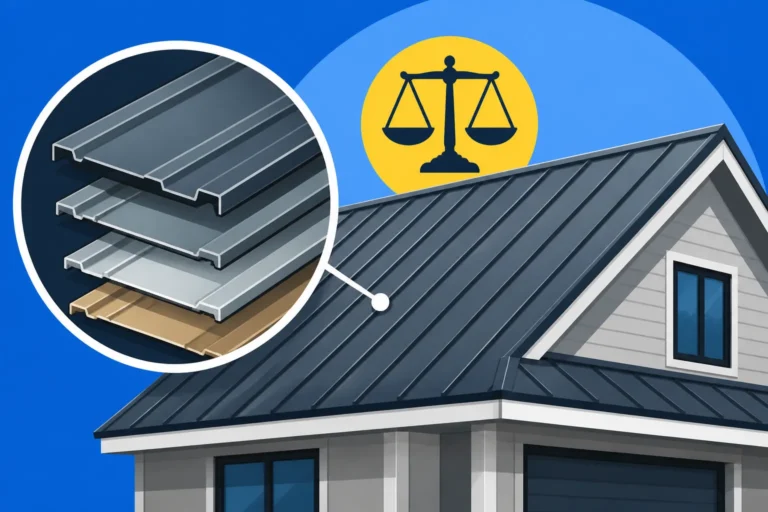
Without a doubt, standing seam metal roofing is often considered the gold standard for high wind performance. Its design features panels with raised, interlocked seams that run from the eave to the ridge, creating a continuous, monolithic surface. These seams are typically mechanically seamed together or snap-locked, effectively concealing the fasteners beneath the panels. This hidden fastener system is a game-changer because it eliminates hundreds, if not thousands, of potential leak points and weak spots where wind could get a purchase.
The strength of a standing seam roof also comes from its attachment method. Panels are secured to the roof deck using clips that allow for thermal expansion and contraction, preventing stress on the fasteners while keeping the panels firmly in place. This combination of concealed fasteners, robust seams, and flexible attachment mechanisms gives standing seam roofs exceptional uplift resistance. If you’re living in an area known for severe storms, hurricanes, or high winds, investing in a standing seam roof is one of the smartest decisions you can make. It's truly built to perform when it matters most, and you can learn more about its specific advantages and costs by looking into Standing Seam Metal Roof Cost.
R-Panel and PBR-Panel: Robust and Reliable
While standing seam often takes the crown, R-panel and PBR-panel metal roofing are also excellent choices, especially for those seeking a balance of wind resistance and cost-effectiveness. These are exposed fastener systems, meaning the screws that secure the panels to the roof deck are visible. However, don't let "exposed fasteners" make you think they're weak; modern R-panels and PBR-panels are designed with overlapping ribs and strong screws that feature neoprene washers to create a tight, weather-resistant seal.
The difference between an R-panel and a PBR-panel often lies in an extra leg or rib on the PBR-panel, which provides a wider fastening surface and a stronger overlap, enhancing its structural integrity and wind resistance. These panels are incredibly durable and are commonly used on commercial buildings, which are held to very high wind resistance standards, but they are also increasingly popular for residential applications in high wind zones. While not quite as seamless as standing seam, their robust construction and proper installation can provide excellent protection.
Stone-Coated Steel: Aesthetic and Durable
For homeowners who love the traditional look of shingles, tile, or cedar shakes but require the superior performance of metal in high winds, stone-coated steel roofing is an outstanding option. These panels are typically stamped into various profiles (like shakes, shingles, or tiles) and then coated with an acrylic film and ceramic-coated stone granules. The result is a roof that beautifully mimics conventional materials while offering the strength and longevity of steel.
In high wind scenarios, stone-coated steel excels due to its interlocking design and robust fastening. Each panel is typically interlocked on all sides and securely fastened to the roof deck, creating a diaphragm effect that helps distribute wind uplift forces across the entire roof structure. This system effectively prevents individual tiles or shakes from lifting or detaching, making it significantly more wind-resistant than traditional asphalt shingles or clay tiles. Plus, the stone coating adds an extra layer of impact resistance against hail and flying debris, which often accompany high winds. If you're looking for that perfect blend of beauty and brawn, exploring Stone-Coated Steel Roof Cost can provide valuable insights.
Material Matters: Choosing the Right Metal for Wind Resilience
Beyond the profile of the panels, the actual metal material itself plays a crucial role in your roof's overall durability and ability to withstand high winds. Different metals offer varying levels of strength, weight, and resistance to corrosion, all of which contribute to how effectively your roof will protect your home over decades.
Steel: Strength and Durability
Steel is perhaps the most common and widely used material for metal roofing, and for good reason: it offers exceptional strength and durability. Typically, steel roofing panels are made from galvanized steel (coated with zinc) or Galvalume steel (coated with a mixture of zinc and aluminum) to protect against rust and corrosion. These coatings are vital, as raw steel would quickly succumb to the elements. The robust nature of steel means it can resist denting from impacts, making it a good choice in areas where high winds might whip up debris.
The gauge (thickness) of the steel also significantly impacts its wind resistance. Thicker gauges (lower numbers, like 24-gauge) provide superior rigidity and strength, which directly translates to better performance under extreme wind uplift pressures. Steel's inherent stiffness means panels are less likely to deform or flutter, maintaining their integrity even when buffeted by powerful gusts. When properly installed, a steel roof can be an incredibly resilient barrier against the fiercest storms. To understand more about the costs associated with different materials, consider reading our guide on Metal Roof Cost by Material: Steel vs Aluminum vs Copper vs Zinc.
Aluminum: Lightweight and Corrosion-Resistant
Aluminum roofing offers a compelling combination of features that make it an excellent choice for high wind areas, especially those near coastal regions. While not as inherently rigid as steel, aluminum is remarkably lightweight and incredibly resistant to corrosion, particularly from saltwater spray. This corrosion resistance is a huge advantage in coastal communities where salty air can quickly degrade other metals. The lighter weight can also be beneficial for older homes or structures where the roof framing might not be designed to support the heavier loads of some other roofing materials.
Despite its lighter weight, aluminum panels are designed and engineered to provide excellent wind resistance. They are often thicker than steel panels (e.g., .032 or .040 inch compared to 24-gauge steel) to compensate for the material's inherent flexibility. When coupled with robust fastening systems, aluminum roofing can easily meet high wind uplift requirements. Its ability to stand up to the corrosive effects of sea air, combined with its high wind ratings, makes it a top contender for homeowners in coastal, hurricane-prone zones.
Zinc and Copper: Long-Term Performance
For those looking for the absolute pinnacle of longevity and aesthetic appeal in high wind areas, zinc and copper roofing materials are exceptional, albeit more premium, choices. Both zinc and copper are incredibly durable, naturally corrosion-resistant, and possess impressive lifespans that can often exceed 100 years. Their inherent malleability also allows for intricate architectural details and superior seaming capabilities, which further enhance their ability to resist wind infiltration.
Copper, with its iconic patina that develops over time, is incredibly tough and dense, offering fantastic wind and impact resistance. Zinc, while lighter, forms a protective patina that is self-healing and extremely resistant to environmental stressors, including strong winds. While the initial investment for zinc or copper roofing is significantly higher, their unparalleled durability, minimal maintenance requirements, and ability to withstand extreme weather events for generations make them a worthwhile consideration for discerning homeowners in severe wind zones.
Crucial Installation Practices for Wind-Resistant Metal Roofs
Choosing the right metal and panel profile is only half the battle. The other, equally critical, half is ensuring your metal roof is installed flawlessly. Even the most wind-resistant materials can fail if the installation isn't up to par. In high-wind areas, every detail, from the fasteners to the underlying deck, matters immensely. This is where the expertise of your roofing contractor truly comes into play.
Fastener Selection and Spacing
Fasteners are the unsung heroes of a wind-resistant metal roof. For exposed fastener systems, like R-panels, the type of screw, its length, and the quality of its washer are paramount. High-quality fasteners designed for metal roofing will typically be made of stainless steel or carbon steel with a durable coating, and feature an EPDM (ethylene propylene diene monomer) washer that creates a watertight seal and helps absorb thermal movement. The spacing of these fasteners is also critical. In high-wind zones, building codes often dictate closer fastener spacing, especially at the eaves, gables, and ridges, to prevent wind uplift from peeling panels away.
For hidden fastener systems, such as standing seam, clips are used to secure the panels, and these clips are, in turn, fastened to the roof deck. The number of fasteners used per clip and the clip spacing along the panel are crucial for resisting uplift. A skilled installer will adhere strictly to manufacturer specifications and local building codes, often using specialized equipment to ensure consistent and secure fastening. You don't want to cut corners here; a few extra fasteners can be the difference between your roof standing strong and flying away in a storm. Proper installation is key, and discussing these specifics with your contractor is a must. Many homeowners find excellent contractors through services like Modernize, who can help connect them with experienced local roofers.
Substrate and Decking Requirements
The integrity of your entire roof system, especially in high winds, begins with a solid foundation: the roof deck. The decking material (usually plywood or OSB) and its attachment to the rafters or trusses are fundamental to the roof's ability to resist uplift. In high-wind regions, local codes often specify minimum plywood thickness and enhanced fastening schedules for the decking itself, such as using ring-shank nails or screws at closer intervals. This prevents the deck from delaminating or detaching from the framing under extreme pressure.
Furthermore, some metal roofing systems require specific substrates or purlins underneath the metal panels, especially for standing seam applications that might be installed over open framing. Ensuring that these components are properly sized, spaced, and secured is non-negotiable for achieving maximum wind resistance. A thorough contractor will always inspect your existing decking or specify appropriate new decking as part of their Metal Roof Installation Process: Step by Step, making sure every layer contributes to the roof's overall strength.
The Importance of Professional Installation
This might sound obvious, but hiring a truly professional and experienced metal roofing contractor is the single most important factor in achieving a wind-resistant roof. Installing metal roofing, especially complex systems like standing seam, requires specialized tools, training, and a deep understanding of flashing, seaming, and fastening techniques. A DIY approach or an inexperienced crew can lead to critical flaws that compromise the roof's ability to withstand high winds.
A reputable contractor will be licensed, insured, and able to provide references for past metal roofing projects. They will also be familiar with local building codes, permit requirements (you’ll definitely want to know Do You Need a Permit for a Metal Roof?), and manufacturer installation guidelines, which are often tied to your warranty. They understand how crucial every detail is – from proper panel alignment to sealing all penetrations – to prevent wind and water intrusion. Don't underestimate the value of expertise when it comes to safeguarding your home against severe weather; skimping on installation can turn a premium material into a critical vulnerability.
Beyond the Roof: Other Factors for High Wind Preparedness
While the metal panels themselves are central to wind resistance, a truly resilient roof system considers more than just the visible surface. Several underlying components and complementary elements work together to ensure your home remains secure when the winds howl. Overlooking these crucial details can create weak points that compromise even the toughest metal roof.
Underlayment and Water Barriers
Beneath your shiny new metal roof panels lies another critical layer of defense: the underlayment and secondary water barrier. In high-wind situations, it's not just about keeping the panels attached, but also about protecting your home if water does manage to get past the primary roofing material. While metal roofs are designed to be extremely watertight, extreme winds can sometimes drive rain horizontally, or even cause minor damage that allows moisture in. A high-quality synthetic underlayment or a self-adhering ice and water shield acts as a crucial secondary barrier, preventing water from reaching your roof deck and attic.
For homes in hurricane-prone zones, many building codes specifically require a fully adhered synthetic underlayment or a complete ice and water shield membrane across the entire roof deck. This creates a "sealed roof deck" that can prevent catastrophic water damage even if some of the primary roofing material is compromised during an extreme weather event. This is definitely not an area to cut costs, as a superior underlayment can provide peace of mind and significantly reduce potential storm damage. To dive deeper into this topic, check out our guide on Metal Roof Underlayment and Ventilation Guide.
Edge Details: Drip Edge and Flashing
The edges and penetrations of your roof are particularly vulnerable to wind uplift. Proper installation of drip edge, gable trim, and flashing is absolutely essential for maximum wind resistance. Drip edge, typically installed along the eaves and gables, guides water away from the fascia and prevents wind from getting underneath the roof edge and initiating uplift. It must be securely fastened and integrated correctly with the underlayment and roof panels.
Flashing around chimneys, skylights, vents, and wall intersections seals these vulnerable areas against water intrusion and provides a smooth transition that reduces wind turbulence. In high-wind applications, robust flashing techniques and heavier gauge materials are often employed to ensure these critical junctions don't become weak points. A knowledgeable installer will pay meticulous attention to these details, knowing that a strong roof is only as strong as its weakest edge or penetration.
Integrated Home Protection (Hurricane Straps, etc.)
While your roof is a primary defense, its effectiveness in extreme wind events is part of a larger system – your entire home. For comprehensive high-wind protection, particularly in hurricane zones, integrating your roof with the rest of your home's structural integrity is vital. This often involves hurricane straps or clips that connect the roof trusses or rafters directly to the wall framing, creating a continuous load path that can resist extreme uplift forces. Without these connections, even the most robust metal roof could be ripped away along with the entire roof structure if the framing itself isn't adequately secured.
Many states offer incentives or require these types of wind mitigation features. A wind mitigation inspection can assess your home's readiness and potentially qualify you for significant homeowners insurance discounts. Discussing these structural reinforcements with your builder or a qualified engineer can provide an added layer of security, complementing your metal roof's inherent wind resistance. You might also want to learn about Wind Mitigation and Roof Premium Credits for potential savings.
Real-World Considerations and Costs
Deciding on the best metal roof for high wind areas isn't just about technical specifications; it also involves practical considerations like cost, long-term value, and how to navigate the process of selecting a contractor. Making an informed decision means looking at the complete picture.
Evaluating Quotes and Contractors
When you're ready to get quotes for a metal roof, especially one designed for high winds, don't settle for the first estimate you receive. It’s crucial to get multiple bids from reputable contractors to ensure you're getting a fair price and a comprehensive scope of work. Use services like Modernize to find qualified professionals in your area. When reviewing quotes, pay close attention to the details:
- Material and Gauge: Is the quote specifying the exact metal material, profile, and gauge you discussed? (e.g., 24-gauge standing seam Galvalume steel). What Affects Metal Roof Cost: Gauge, Pitch, Complexity & Tear-Off.
- Fastening System: Are the fastener types, spacing, and clip details (for standing seam) clearly outlined?
- Underlayment: What type of underlayment is included, and does it meet local high-wind code requirements?
- Edge Details and Flashing: Is there a clear explanation of how eaves, gables, and penetrations will be handled?
- Warranty: What kind of Metal Roof Warranties: Workmanship vs Manufacturer are offered? Is it transferable?
- Labor and Permits: Are labor costs transparent, and does the quote include pulling all necessary permits?
Remember, the lowest bid isn't always the best. A significantly lower price could indicate shortcuts in materials, less experienced labor, or a lack of proper permits and insurance. Ask thorough questions about their experience with high-wind installations and verify their licensing and insurance. You want a contractor who prioritizes quality and safety over just speed or cost.
Long-Term Value and Insurance Benefits
While the initial Metal Roof Cost Per Square Foot can be higher than traditional asphalt shingles, the long-term value of a metal roof in a high-wind area often far outweighs the upfront expense. Metal roofs boast significantly longer lifespans, often 40-70 years or more, compared to shingles that may only last 15-30 years. This means fewer roof replacements over the lifetime of your home, saving you money and stress in the long run.
Beyond longevity, the enhanced wind resistance of a metal roof can lead to substantial savings on your homeowners insurance premiums. Many insurance companies offer discounts for Class 4 impact-resistant roofs and those with high wind ratings, particularly in hurricane-prone regions. These savings, combined with the reduced likelihood of costly repairs after a storm, contribute to a compelling return on investment.
Geographic-Specific Considerations
The best metal roof for high wind areas can also depend heavily on your specific geographic location and its unique weather challenges. For example, homes along the Gulf Coast or Atlantic seaboard need roofing systems that can withstand sustained hurricane-force winds and torrential rain, often dictating specific panel types, fastening methods, and secondary water barriers that meet stringent HVHZ (High-Velocity Hurricane Zone) standards.
In contrast, homes in Tornado Alley might prioritize extreme impact resistance to flying debris, which often accompanies severe thunderstorms and tornadoes. While wind uplift is still a concern, the ability of the roof to withstand puncture and perforation from airborne objects becomes paramount. Always factor in the precise nature of the severe weather in your locale when making your selection, and rely on contractors who have proven experience with these specific conditions. What works best in Miami, Florida, might have slightly different requirements than what's optimal for Oklahoma City, Oklahoma.
Disclaimer
Please remember that the information provided in this article is intended for general guidance and informational purposes only. While we strive to offer accurate and up-to-date content, building codes, material specifications, and installation techniques can vary significantly by location and may change over time. Always consult with a qualified, licensed, and insured local metal roofing contractor and your local building authority before making any decisions regarding your roofing project. They can provide personalized advice and ensure your project complies with all local regulations and safety standards.