How Long Do Metal Roofs Last?
There’s nothing quite like the nagging feeling that your roof is nearing its end, especially after hearing countless stories of homeowners having to replace their asphalt shingles every 15-20 years. It’s a huge investment, often unexpected, and the thought of doing it repeatedly can be daunting. This guide is here to shed light on one of the most durable roofing options available: metal roofs. We'll dive deep into just how long these robust systems truly last, what factors play a role in their longevity, and how you can ensure yours stands the test of time for decades to come.
The Remarkable Durability of Metal Roofs
When you start researching roofing options, you'll quickly discover that metal roofs consistently stand out for their incredible longevity. Unlike their asphalt counterparts that begin degrading the moment they're installed, metal roofs are built to withstand the elements with minimal fuss for a significantly longer period. This extended lifespan is one of the primary reasons many homeowners consider the initial higher cost a worthwhile investment, knowing they likely won't have to worry about roof replacement again in their lifetime.
Setting Expectations for Longevity
So, how long exactly are we talking? While a definitive single number is tough to give, most high-quality metal roofs, when properly installed and maintained, can easily last 40 to 70 years, and some even longer. Imagine: your kids, maybe even your grandkids, might still be living under the same sturdy roof you installed! This isn't just a marketing claim; it's a testament to the inherent strength and resilience of the materials used in metal roofing systems. This kind of long-term performance directly impacts the overall value and peace of mind a homeowner experiences. If you're wondering, "Is a Metal Roof Worth It? ROI, Resale & Payback", the answer often leans heavily on this incredible durability.
Comparing Metal to Other Roofing Materials
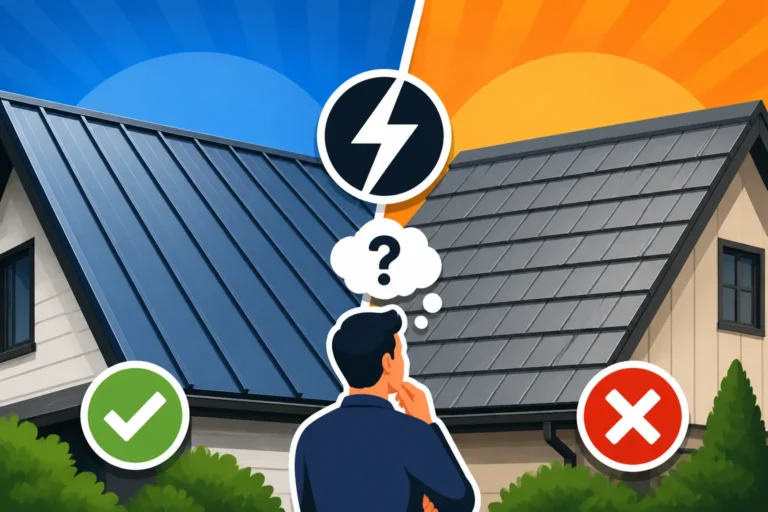
To truly appreciate the longevity of metal roofing, it helps to put it into perspective against other popular materials. Traditional asphalt shingles, for instance, typically offer a lifespan of 15-30 years. Even architectural shingles, which are more robust, rarely exceed 30 years before they start showing significant wear, curling, or granule loss. Wood shakes might give you 30-40 years, while tile roofs can last 50 years or more, but they come with their own set of considerations like weight and brittleness.
Metal roofs consistently outpace most of these options, often doubling or even tripling the lifespan of a conventional asphalt roof. This means fewer replacements, less waste sent to landfills, and significant long-term savings. While the upfront cost might seem higher when looking at the Metal Roof Cost vs Asphalt Shingle Cost, the long-term value proposition often shifts dramatically in favor of metal. This durability isn't just about avoiding leaks; it’s about having a strong, reliable shield over your home that performs consistently year after year, through all kinds of weather, without needing constant attention or repair.
Primary Factors Determining a Metal Roof's Lifespan
The impressive lifespan of a metal roof isn't just a stroke of luck; it's a culmination of several critical factors working in concert. From the raw material itself to how it's installed and cared for, each element plays a significant role in determining whether your roof will last 40 years or push past the 70-year mark. Understanding these factors can help you make informed decisions when investing in a new metal roof.
The Foundation: Material Type and Gauge
The type of metal used is arguably the most fundamental factor influencing its longevity. Different metals have different inherent properties, affecting their resistance to corrosion, dents, and wear.
- Steel: Often galvanized (zinc-coated) or Galvalume (zinc-aluminum alloy coated), steel is a very common and affordable option. Its lifespan typically ranges from 40 to 60 years. The quality of the coating is paramount here, as it protects the steel from rust.
- Aluminum: Naturally resistant to rust, aluminum is lighter than steel and an excellent choice for coastal areas. Aluminum roofs can last 50 to 70 years or more, particularly if they feature high-quality paint finishes.
- Copper: Known for its distinctive patina and exceptional durability, copper roofs can last 100 years or even longer. They are virtually maintenance-free once installed but come at a premium price.
- Zinc: Similar to copper in its self-healing properties and long lifespan, zinc roofs also develop a beautiful patina over time and can last 80-100+ years. They are also a high-end option.
Beyond the material, the gauge (thickness) of the metal is crucial. Metal roofing is typically available in gauges like 22, 24, 26, and 29. A lower gauge number indicates a thicker panel. Thicker gauges (like 22 or 24 gauge) offer greater resistance to denting, impacts, and general wear, naturally contributing to a longer lifespan, especially in areas prone to hail or heavy foot traffic. A 24 vs 26 Gauge Metal Roof: Cost Difference is often justified by the enhanced durability and longevity provided by the thicker material.
The Protective Shield: Coatings and Finishes
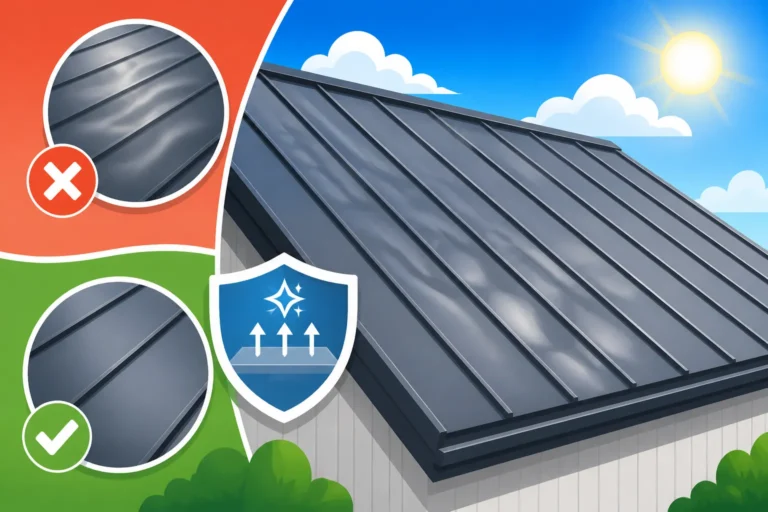
Even the most durable metal needs an extra layer of protection, and this comes in the form of high-performance coatings and finishes. These coatings do more than just add color; they provide a vital barrier against UV radiation, moisture, and chemical degradation, which are all significant contributors to premature aging and breakdown.
The most common and highest-performing coatings are Kynar 500® (PVDF) and SMP (Silicone Modified Polyester).
- PVDF (Kynar 500®) coatings are considered the gold standard for metal roofing. They offer superior color retention, chalk resistance, and fade resistance. A roof with a quality PVDF coating can look vibrant and new for decades, protecting the underlying metal from environmental wear. These coatings often come with warranties for 30 years or more against fading and chalking.
- SMP coatings are a good, more economical alternative, offering good performance with a typical warranty against fade and chalk for 20-30 years.
Without a high-quality coating, even a robust metal roof can show signs of fading, chalking, or even premature corrosion, compromising its aesthetic appeal and shortening its effective lifespan.
The Art of Installation: Quality Matters
You could have the best metal and the best coating money can buy, but if the installation is shoddy, your roof won't last. A metal roof installation is a highly specialized skill, requiring precision, attention to detail, and a deep understanding of how metal interacts with the elements. Proper fastening, correct flashing, and precise panel alignment are all critical to preventing leaks and ensuring the system functions as intended.
For example, inadequate fastening can lead to panels lifting in high winds, while improperly installed flashing around chimneys or vents is a prime source of leaks. An experienced, manufacturer-certified installer understands the nuances of metal roofing, including thermal expansion and contraction, which is vital for long-term performance. Trying to cut corners with an inexperienced crew or attempting a complex DIY installation without the right skills can drastically reduce your roof's lifespan and void warranties. This is why it’s critical to ask Questions to Ask a Metal Roofing Contractor Before You Hire and ensure you're working with true professionals. Services like Modernize can help connect you with vetted professionals who understand the intricacies of metal roof installation.
Environmental Conditions and Ongoing Care
Even with the perfect material, coating, and installation, your roof's environment and how you maintain it will have a say in its ultimate lifespan.
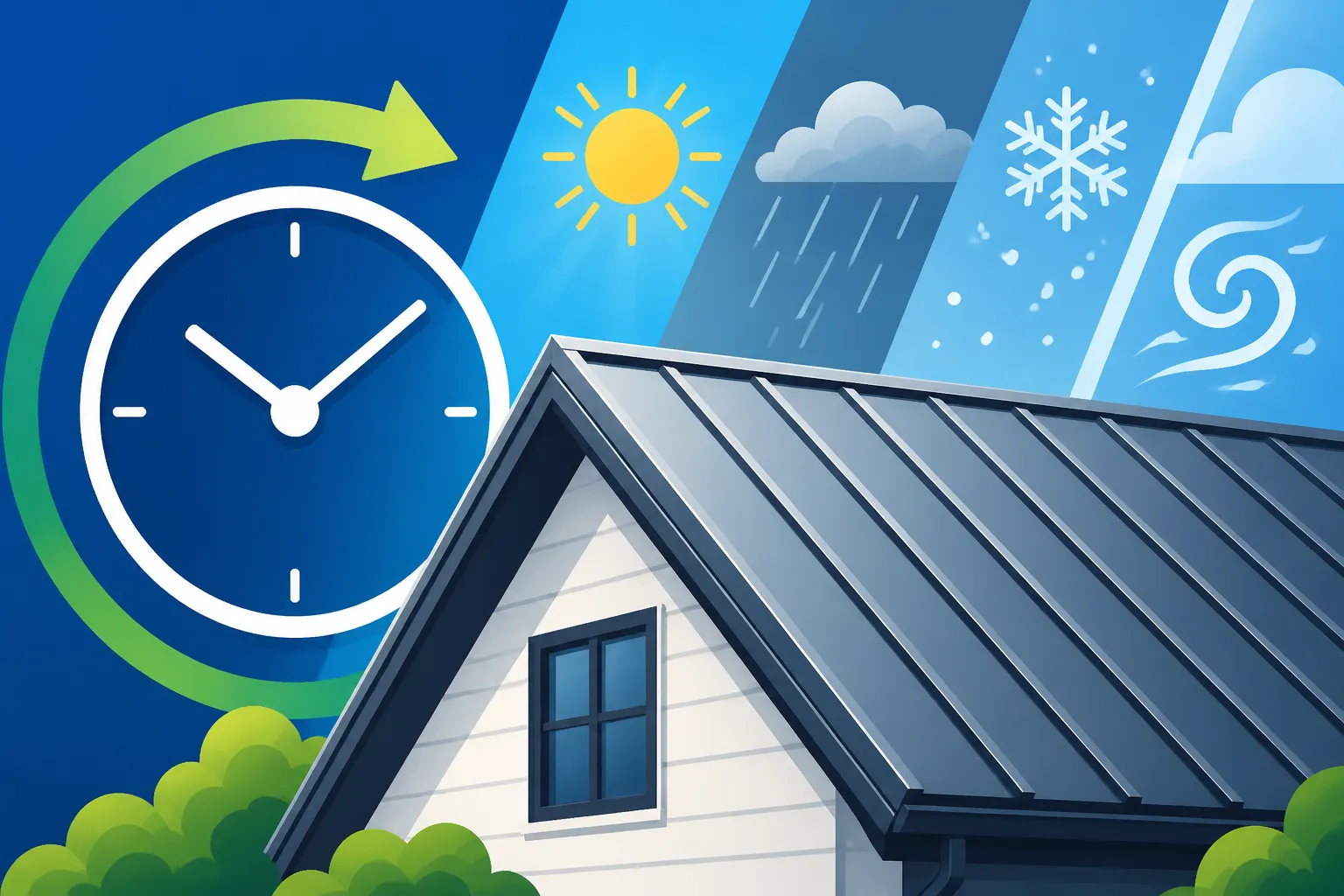
- Climate: Extreme weather conditions, such as relentless sun, heavy snowfall, frequent hail, or strong winds, can accelerate wear and tear. Coastal environments with salt spray also demand specific materials (like aluminum) and coatings to prevent corrosion.
- Maintenance: While metal roofs are often touted as low-maintenance, they're not no-maintenance. Regular inspections, clearing debris, cleaning gutters, and addressing minor issues like loose fasteners or damaged sealants promptly can significantly extend its life. Ignoring small problems can allow them to escalate into larger, more costly repairs down the line. A proactive approach to Metal Roof Maintenance Guide will save you headaches and expense.
Typical Lifespan Ranges for Different Metal Roofing Types
When considering a metal roof, one of the first questions homeowners ask is about its longevity. While the specific lifespan can vary based on all the factors we just discussed, there are general ranges you can expect from different types of metal roofing materials. This breakdown can help you gauge which option aligns best with your long-term investment goals and property needs.
Steel and Aluminum: Everyday Endurance
These are two of the most popular choices for residential metal roofing due to their balance of cost, performance, and aesthetic versatility.
- Steel Roofs: When properly coated (Galvanized or Galvalume), steel roofs are incredibly resilient. They typically last 40 to 60 years. Their strength makes them highly resistant to impact damage from hail or falling debris. However, the integrity of their protective coating is paramount; if it’s compromised, the underlying steel can be susceptible to rust. This is why paying attention to the quality of the paint finish, such as PVDF, is so important for Galvalume Roof Cost Per Square Foot and its long-term performance. They are often available in various profiles, from standing seam to corrugated, and even metal shingles.
- Aluminum Roofs: Aluminum is naturally resistant to rust and corrosion, making it an excellent choice for coastal regions or areas with high humidity. Aluminum roofs generally boast a lifespan of 50 to 70 years, with some pushing beyond. They are lighter than steel, which can be an advantage for some roof structures, but they can be more prone to denting from heavy impacts if a thinner gauge is used. The protective paint finish on aluminum panels also plays a crucial role in maintaining their appearance and extending their overall life. When considering a premium option like Aluminum Roof Cost, you're investing in superior corrosion resistance.
Copper and Zinc: The Long-Haul Champions
If you’re looking for a roofing material that could literally outlast your home, copper and zinc are the contenders. These precious metals are renowned for their exceptional longevity and unique aesthetic evolution.
- Copper Roofs: Copper is the ultimate longevity champion. Known for its beautiful patina that develops over time, a copper roof can last for 100 years or even more. It's incredibly durable, requires virtually no maintenance, and is naturally resistant to corrosion, fire, and biological growth. The initial investment for a Copper Roof Cost is significantly higher than other metals, but for historic homes or those seeking a truly generational roof, copper is an unparalleled choice. Its self-healing properties—where the patina forms a protective layer—contribute immensely to its extreme lifespan.
- Zinc Roofs: Zinc shares many of copper's remarkable qualities. It’s highly durable, self-healing, and develops a beautiful, sophisticated patina. Zinc roofs typically last between 80 and 100 years, with many examples exceeding this. Like copper, the Zinc Roof Cost is a substantial upfront investment, but it's an investment in enduring quality and minimal long-term hassle. Zinc's ability to "heal" minor scratches and imperfections by forming a new protective layer is a key factor in its extended lifespan.
Specialty Options: Stone-Coated Steel and Metal Shingles
Beyond the continuous panels of standing seam or corrugated metal, there are also modular metal roofing options that offer specific benefits and longevity.
- Stone-Coated Steel Roofs: These roofs consist of steel panels coated with an acrylic base and then embedded with natural stone granules, creating a look that mimics traditional shingles, tiles, or shakes. While they have an attractive aesthetic, the stone coating provides an additional layer of protection, which helps extend the lifespan of the underlying steel. A high-quality Stone-Coated Steel Roof Cost typically lasts 40 to 70 years. The granular surface is tough, resistant to hail and fire, and generally maintains its appearance well over decades.
- Metal Shingles: Designed to replicate the look of asphalt, wood shake, or slate, metal shingles are typically made from steel or aluminum. They offer the durability of metal in a more traditional form factor. Depending on the base metal and coating, metal shingles usually last 40 to 60 years. They are an excellent option for homeowners who want the benefits of metal roofing—like longevity and energy efficiency—but prefer a more classic aesthetic for their home. Understanding What Is a Metal Shingle Metal Roof? helps in appreciating their unique blend of form and function.
Here's a quick comparison of average lifespans for common metal roofing materials:
| Metal Roofing Material | Average Lifespan (Years) | Key Characteristics Affecting Longevity |
|---|---|---|
| Steel (Galvanized/Galvalume) | 40-60 | Coating quality, gauge, environmental factors |
| Aluminum | 50-70 | Natural rust resistance, coating quality, gauge |
| Copper | 100+ | Self-healing patina, natural corrosion resistance |
| Zinc | 80-100+ | Self-healing patina, natural corrosion resistance |
| Stone-Coated Steel | 40-70 | Granular coating protection, steel base durability |
| Metal Shingles | 40-60 | Base metal (steel/aluminum), coating quality |
Strategies to Extend Your Metal Roof's Life Even Further
Even though metal roofs are built for the long haul, taking a proactive approach to their care can help you squeeze every last year out of that impressive lifespan. Think of it like a fine automobile; with proper maintenance, it runs smoothly and lasts longer. While a metal roof won't need an oil change, there are definitely things you can do to ensure it continues to protect your home for decades beyond its typical expected life.
Proactive Inspections and Preventative Maintenance
You know the old saying, an ounce of prevention is worth a pound of cure? It absolutely applies to your metal roof. Regular, proactive inspections are crucial, even if everything looks fine from the ground.
- Annual Visual Checks: At least once a year, preferably after major storm seasons (like spring or fall), do a visual check of your roof from the ground. Look for any obvious signs of damage: bent panels, loose fasteners, excessive debris, or anything that looks out of place. Pay particular attention around flashing, vents, and chimneys.
- Professional Inspections: Every 3-5 years, it’s a smart idea to hire a qualified metal roofing contractor to perform a more thorough inspection. They have the training and safety equipment to get up close, identify subtle issues you might miss, and catch potential problems before they escalate. A professional can spot minor sealant failures, check the integrity of fasteners, and assess the condition of coatings. They can even advise on specific Metal Roof Maintenance Guide for your roof type and local climate. Modernize can connect you with experienced roofers who specialize in metal roofing and offer maintenance services.
- Debris Removal: Leaves, twigs, and other organic matter can accumulate on your roof, especially in valleys or behind chimneys. Over time, this debris can trap moisture, leading to staining or even localized corrosion. It's important to keep your roof surface clear and ensure gutters are clean and free-flowing.
Addressing Repairs Promptly
One of the biggest mistakes homeowners make is ignoring small problems, thinking they'll just go away. With a metal roof, a small issue can quickly become a big one if left unaddressed.
- Minor Scratches and Scuffs: If you notice minor scratches that penetrate the coating but not the metal itself, these can often be touched up with manufacturer-approved paint kits to prevent future issues. Prompt attention prevents the underlying metal from being exposed to the elements.
- Loose Fasteners: Exposed fastener metal roofs, particularly, can sometimes have screws that back out slightly over time due to thermal expansion and contraction. These can often be simply tightened or, if the washer is degraded, replaced with a new screw and EPDM washer. Ignoring a loose fastener can lead to leaks around the penetration point. Understanding Why Is My Metal Roof Leaking Where the Screws Are can help you recognize and address these issues.
- Sealant or Flashing Issues: Around roof penetrations like pipes, vents, or skylights, sealants can degrade over many years, and flashing can become bent or compromised. These are critical areas for preventing leaks. If you notice cracking sealant or bent flashing, have a professional address it immediately. These repairs are usually straightforward and inexpensive when caught early.
Smart Design and Ventilation Choices
The design of your roof system and attic ventilation can also significantly impact how well your metal roof performs over time.
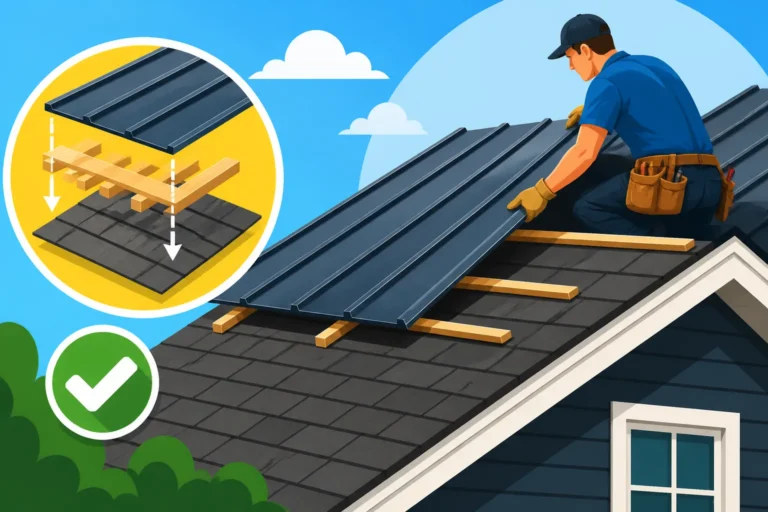
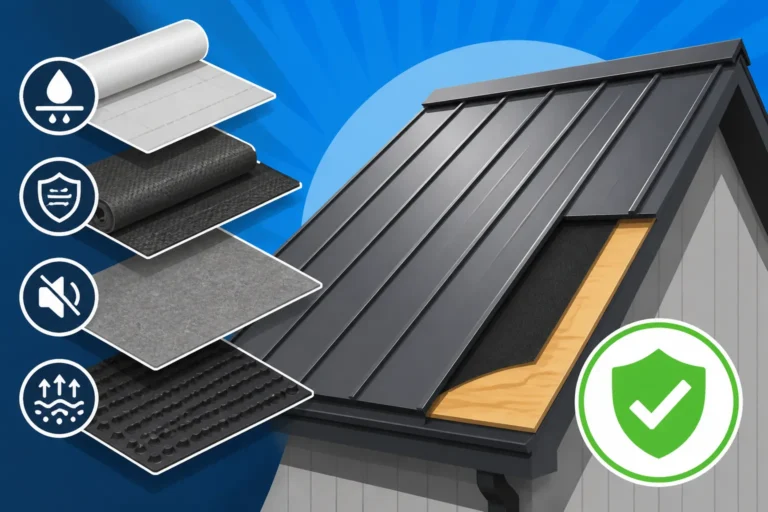
- Proper Underlayment: The layer directly beneath your metal panels, known as underlayment, plays a crucial role. A high-quality synthetic underlayment provides an extra barrier against moisture and helps protect the underside of the metal panels from condensation. For areas prone to ice dams or heavy rain, secondary water barriers like ice and water shield offer exceptional protection. This is a topic thoroughly explored in our guide on Metal Roof Underlayment and Ventilation Guide.
- Adequate Ventilation: Proper attic ventilation is paramount for any roof, including metal. Good ventilation helps regulate attic temperature, reducing heat buildup in the summer and preventing condensation in the winter. Excessive heat can stress the roof materials, while condensation can lead to moisture problems that, over many decades, could potentially affect the underside of panels or the roof deck. A well-ventilated attic also contributes to your home's energy efficiency.
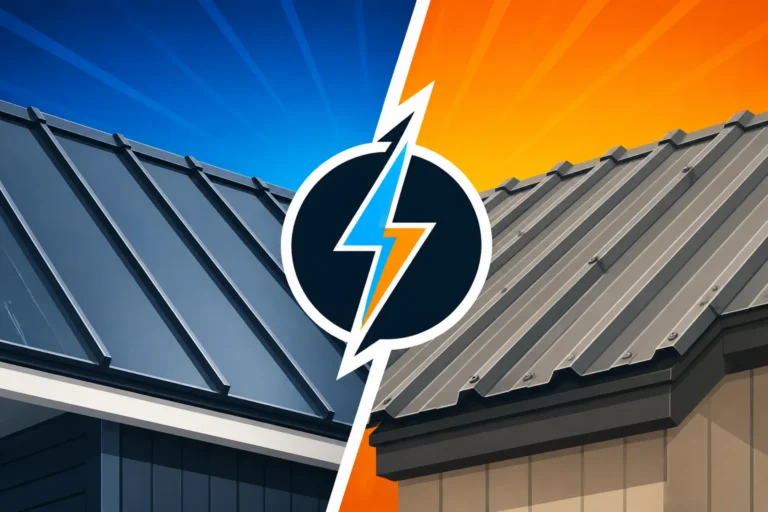
- Pitch and Panel Type: While metal roofs can perform well on low-slope roofs, steeper pitches naturally shed water and debris more effectively, potentially reducing wear over time. The choice between Standing Seam vs Corrugated Metal Roof also has an impact; standing seam, with its concealed fasteners, often experiences less wear on its fastening points compared to exposed fastener systems.
By embracing these strategies, you’re not just hoping your metal roof lasts a long time; you’re actively participating in ensuring its maximum longevity and performance, solidifying it as a truly lasting investment for your home.
Disclaimer
The information provided in this guide is intended for general informational purposes only and does not constitute professional advice. Roofing projects can be complex and dangerous. Always consult with a qualified and licensed metal roofing contractor or engineer before making any decisions related to your roof. Local building codes, environmental factors, and specific product specifications can vary, and professional assessment is essential for accurate guidance.