What Is a Metal Shingle Metal Roof?
That feeling when you look up at your roof and see those cracked, curling asphalt shingles, knowing another storm season is just around the corner and you're already bracing for potential leaks. It's a common frustration, and many homeowners are tired of the constant cycle of repair and replacement. If you're yearning for a roofing solution that offers superior protection, remarkable longevity, and an aesthetic appeal that can truly elevate your home's curb appeal, then you're in the right place. This comprehensive guide will meticulously break down everything you need to know about metal shingle metal roofs, explaining what they are, their benefits, and important considerations to help you decide if they're the perfect fit for your home.
Understanding Metal Shingle Roofing
When most people think of a metal roof, their minds often jump to the ribbed panels on a barn or the sleek, contemporary lines of a standing seam system. While those are certainly valid forms of metal roofing, metal shingles offer a distinctly different approach. They bring all the robust benefits of metal into a form factor that beautifully mimics traditional roofing materials, allowing you to achieve a classic or architectural look without compromise.
Beyond the Traditional Sheet
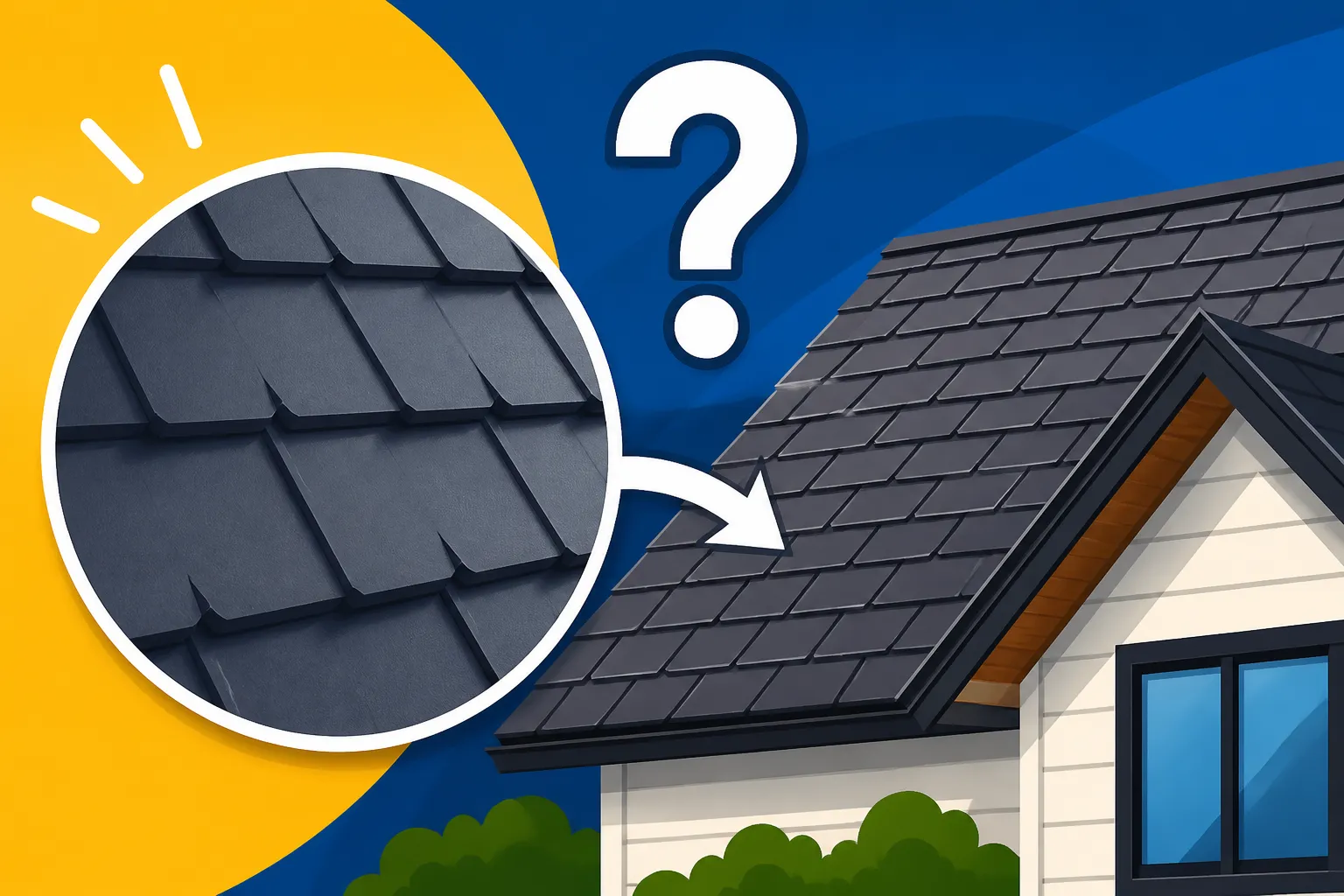
Unlike continuous panels like those found in What Is a Standing Seam Metal Roof? or corrugated roofs, metal shingles are individual roofing units, designed to interlock or overlap much like traditional asphalt shingles, slate, or wood shakes. This modular design is key to their aesthetic flexibility. Instead of large, imposing sheets, you get smaller, more manageable pieces that can be shaped and colored to replicate virtually any roofing style you desire. They offer a sophisticated blend of time-honored appearances with cutting-edge durability.
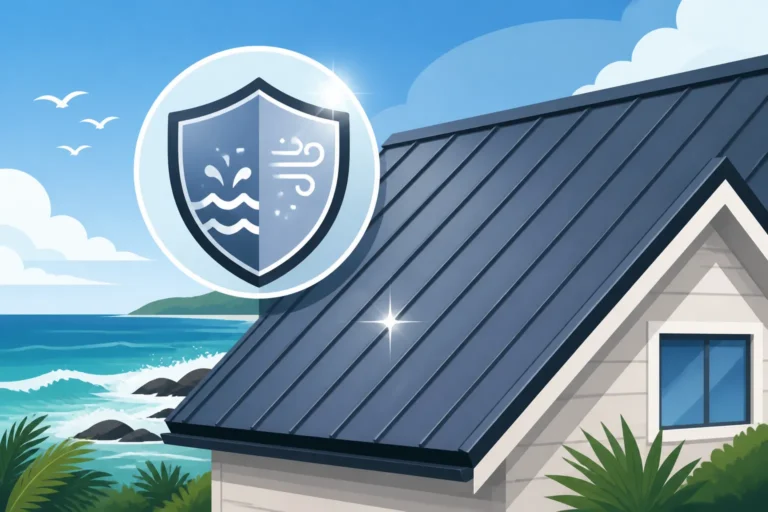
These shingles are primarily crafted from high-quality metals such as steel (often galvanized or Galvalume for enhanced corrosion resistance) and aluminum. Less common, but still available for those seeking premium options, are copper and zinc. Each material brings its own unique characteristics in terms of weight, longevity, and natural patina. For instance, steel offers strength and cost-effectiveness, while aluminum is lighter and incredibly resistant to rust, making it ideal for coastal environments. The choice of material will significantly influence both the cost and the long-term performance, a topic we dive deeper into in our guide on Metal Roof Cost by Material: Steel vs Aluminum vs Copper vs Zinc.
The Anatomy of a Metal Shingle
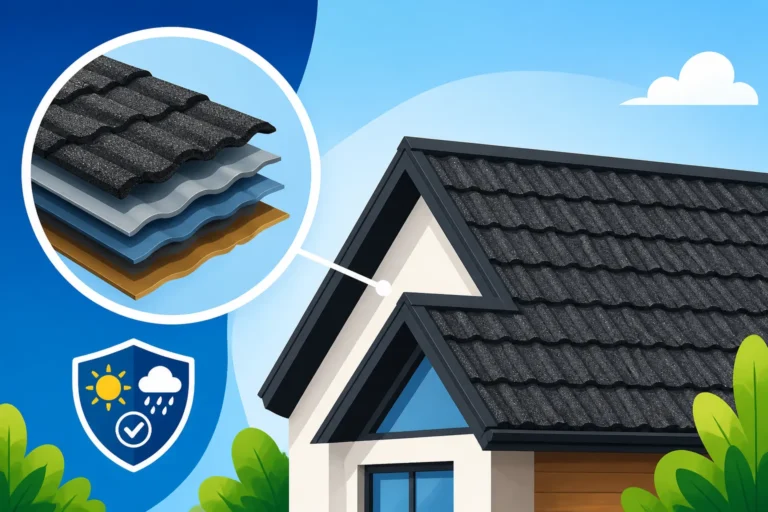
A metal shingle isn't just a simple piece of stamped metal. Modern metal shingles are engineered systems, often composed of several layers that work in concert to provide exceptional protection and aesthetics. At its core, you have the metal substrate – typically steel or aluminum. This foundational layer provides the strength and form of the shingle.
Adhered to this substrate are various protective coatings. These often include a metallic coating (like zinc or aluminum-zinc alloy in the case of Galvalume steel) for corrosion resistance, followed by a primer coat. The outermost layer is where the magic happens visually: the paint finish. High-performance coatings, such as PVDF (polyvinylidene fluoride, often known by brand names like Kynar 500 or Hylar 5000) or SMP (silicone modified polyester), are applied. These coatings are incredibly resistant to fading, chalking, and UV degradation, ensuring your roof's color stays vibrant for decades. They also contribute to the roof's energy efficiency, often featuring "cool roof" pigments that reflect solar radiation, helping to reduce your home's cooling costs.
Many metal shingles feature an interlocking design, creating a robust, weather-tight seal that stands up against fierce winds and driving rain. This design not only enhances their structural integrity but also contributes to their clean, uniform appearance. You’ll find styles that meticulously mimic natural slate, rustic wood shake, or even elegant Mediterranean tile, allowing homeowners to achieve a specific architectural vision without the maintenance hassles or weight concerns of the natural materials.
Key Benefits and Advantages of Metal Shingle Roofs
Choosing a metal shingle roof is more than just selecting a durable material; it's an investment in peace of mind, enhanced home value, and often, a significant upgrade in curb appeal. These systems bring a wealth of advantages that truly set them apart from traditional roofing options.
Unmatched Durability and Longevity
One of the most compelling reasons homeowners turn to metal shingles is their incredible resilience. Unlike asphalt shingles that can crack and degrade under harsh weather, metal shingles are built to withstand extreme conditions. They are highly resistant to hail, often achieving a Class 4 impact resistance rating – the highest possible, which can even lead to Class 4 Impact-Resistant Roof Insurance Discount in many areas. This means dents are far less likely than with standard roofing materials. Imagine a hailstorm rolling through your neighborhood, and while your neighbors are scrambling for emergency repairs, your metal roof remains largely unfazed.
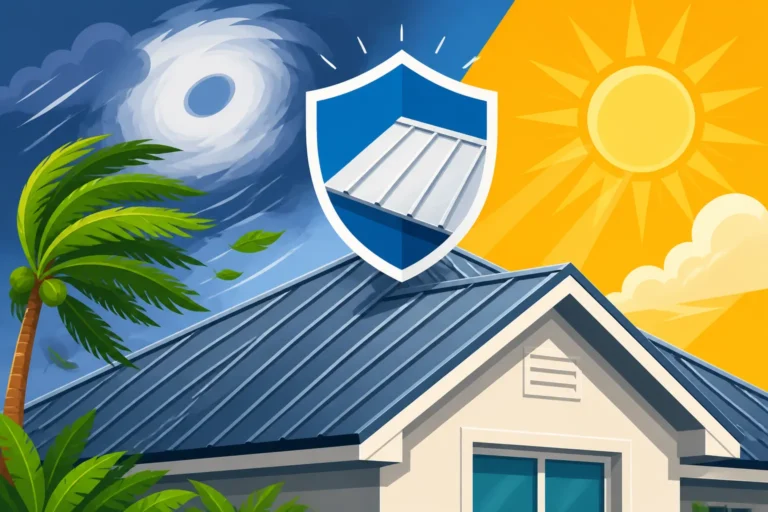
Beyond hail, metal shingles excel in wind resistance, often rated to withstand sustained winds of 110-160 mph, far surpassing the capabilities of many asphalt shingle products. This is especially vital in regions prone to severe weather, like the Gulf Coast or tornado alley. They are also non-combustible, earning a Class A fire rating, which offers crucial protection against airborne embers during wildfires or house fires. Furthermore, metal is impervious to rot, mold, mildew, and insect infestations, issues that commonly plague wood shakes or even composite materials. This inherent durability translates into a roof that can easily last 50 years or more, significantly outperforming asphalt shingles by decades, making the discussion on Metal Roof Lifespan: How Long Do They Last? particularly relevant here.
Aesthetic Versatility and Curb Appeal
For many, the initial hesitation about metal roofing stemmed from concerns about its appearance. "Will it look like a factory?" is a question I've heard countless times. With metal shingles, those worries are completely unfounded. These systems are specifically designed to replicate the beautiful, classic aesthetics of premium roofing materials.
You can find metal shingles that perfectly mimic the textured grain and deep shadows of natural wood shakes, providing a rustic charm without the fire risk or maintenance of real wood. Others are crafted to emulate the sophisticated, timeless look of slate, complete with subtle color variations and a robust appearance, but without the extreme weight or brittleness of genuine slate tiles. There are also profiles designed to replicate clay tiles, offering a Mediterranean or Spanish flair that adds character and elegance to any home.
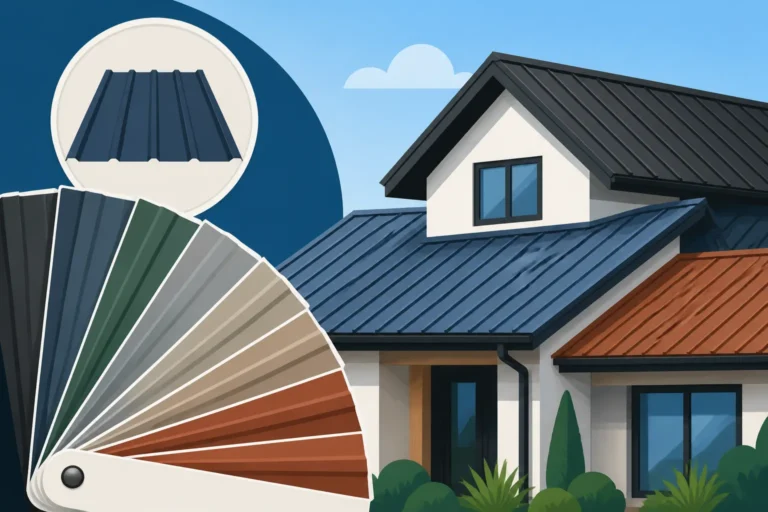
The color palette available is also incredibly vast, ranging from earthy tones and deep reds to cool grays and vibrant blues. With advanced paint systems, these colors remain true for decades, resisting fading and chalking. This aesthetic flexibility means you don't have to sacrifice your home's architectural style to gain the benefits of metal. Whether your home is a traditional colonial, a contemporary ranch, or a charming craftsman bungalow, there's a metal shingle profile and color that will enhance its unique character and boost its curb appeal significantly.
Energy Efficiency and Sustainability
In an era where energy costs and environmental impact are major concerns, metal shingle roofs offer compelling solutions. Their highly reflective paint finishes, especially lighter colors or cool pigment technologies, are designed to reflect a significant portion of the sun's radiant heat away from your home. This can drastically reduce the amount of heat absorbed into your attic and, consequently, your home's interior, leading to lower air conditioning demands and measurable savings on your utility bills during warmer months. This makes them an excellent choice for homes in sun-drenched regions like Florida or Arizona.
Beyond energy efficiency, metal shingles also boast strong sustainability credentials. The vast majority of metal roofing materials, particularly steel and aluminum, are manufactured with a significant percentage of recycled content. For instance, steel can often contain 25-30% recycled material. Even better, at the end of their exceptionally long lifespan, metal roofs are 100% recyclable, preventing them from ending up in landfills, a common fate for traditional asphalt shingles. This closed-loop lifecycle makes them a far more environmentally responsible choice.
Furthermore, some homeowners may qualify for Metal Roof Insurance Savings & Discounts due to the enhanced durability and fire resistance of metal shingles. Always check with your insurance provider, as these savings can add another layer of long-term financial benefit to your investment.
Common Concerns and Considerations
While the advantages of metal shingle roofs are compelling, it's completely natural to have questions and concerns, especially when considering such a significant home improvement project. Addressing these head-on helps you make an informed decision.
Initial Investment vs. Long-Term Value
Let's be real: the upfront cost of a metal shingle roof is typically higher than a basic asphalt shingle roof. This can be a sticking point for many homeowners. For a standard 2,000 square foot home, you might see installation costs ranging from $10,000 to $25,000 or more, depending on the material, profile complexity, and your location. This is a significant investment compared to asphalt, which might run $7,000-$12,000 for the same size. However, it's crucial to look beyond the immediate sticker price and consider the long-term value. Our detailed guide on Metal Roof Cost: Complete 2026 Guide provides a thorough breakdown.
Think of it this way: an asphalt roof typically lasts 15-20 years, meaning you'll likely replace it two or even three times over the lifespan of a single metal roof, which can endure 50-70 years. When you factor in the cumulative cost of materials, labor, and potential disposal fees for multiple asphalt roof replacements, the metal shingle roof often becomes the more cost-effective choice over its lifetime. Additionally, a metal roof can significantly increase your home's resale value and reduce ongoing maintenance expenses, further justifying the initial outlay. It's a classic case of paying more now to save much more later.
Installation Complexity and Expertise
While installing asphalt shingles is a relatively common task for many roofing crews, metal shingle installation demands a higher level of precision and specialized expertise. These aren't just slapped on with a nail gun; each shingle often interlocks with its neighbors, requiring careful alignment and fastening to ensure a watertight seal and proper aesthetic. The flashings around chimneys, vents, and valleys also require meticulous attention to detail to prevent future leaks.
An inexperienced contractor can quickly turn a premium metal roof into a nightmare of issues. This is why it's absolutely vital to hire a roofing contractor who specializes in metal roofing. Look for professionals with extensive experience specifically with metal shingles, not just corrugated or standing seam panels. Don't be afraid to ask for references, portfolios of past metal shingle projects, and proof of proper licensing and insurance. Services like Modernize can help connect you with vetted contractors who understand the nuances of metal roof installation. You'll want to review our guide on How to Hire a Metal Roofing Contractor to ensure you're asking all the right questions. Proper underlayment, often synthetic, is also critical for performance and sound dampening, which is covered in depth in our Metal Roof Underlayment and Ventilation Guide.
Noise and Denting Perceptions
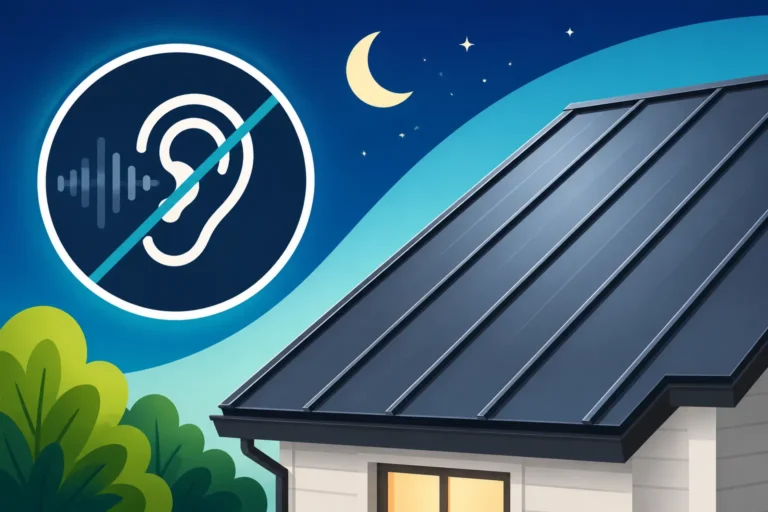
Many homeowners express concern about metal roofs being excessively noisy during rain or hail, or easily dented by falling branches or severe weather. These are common misconceptions, largely stemming from experiences with older, less sophisticated metal roofing materials or improperly installed systems.
Modern metal shingle roofs, when installed correctly over solid decking and with appropriate underlayment and insulation, are typically no louder than an asphalt shingle roof. The multiple layers of material, combined with the underlying roof structure, effectively dampen sound. If you're building new or re-decking, adding extra insulation in the attic can further reduce any ambient noise. For existing homes, often a proper underlayment is enough.
Regarding denting, as mentioned earlier, most quality metal shingles are designed with high impact resistance. While a direct hit from a very large, heavy object (like a massive tree limb) could potentially cause a dent, the Class 4 impact resistance rating means they are exceptionally resilient against typical hail and minor debris, often outperforming asphalt shingles which can lose granules or crack under similar impacts. Remember, the gauge of the metal also plays a role in its durability; a thicker 24-gauge steel shingle will be more rigid than a 29-gauge panel. For more on this, check out Metal Roof Gauges Explained: 22, 24, 26 & 29.
Is a Metal Shingle Roof Right for Your Home?
Deciding on a new roof is a big deal, and it's essential to weigh all the factors to determine if a metal shingle roof truly aligns with your needs, budget, and long-term vision for your home.
Weighing the Pros and Cons
To help you visualize the decision, here’s a quick summary of the key pros and cons of metal shingle roofing:
| Feature | Pros of Metal Shingle Roofs | Cons of Metal Shingle Roofs |
|---|---|---|
| Durability & Longevity | Exceptional lifespan (50-70+ years), Class A fire rating, Class 4 impact resistance, impervious to rot/pests, high wind resistance. | Can be susceptible to minor surface scratches if not handled properly during installation or maintenance. |
| Aesthetics | Wide range of styles mimicking slate, shake, tile; diverse color options; enhances curb appeal; long-lasting color. | May not appeal to purists who prefer the look of natural materials despite the excellent replication. |
| Energy Efficiency | Reflective coatings reduce cooling costs, leading to energy savings. | Less impact on heating costs in colder climates, though good insulation is always key. |
| Sustainability | High recycled content, 100% recyclable at end of life, reduces landfill waste. | Initial production process can be more energy-intensive than asphalt. |
| Cost | Excellent long-term value, potential insurance discounts, high ROI, increased home resale value, minimal maintenance. | Higher upfront installation cost compared to asphalt shingles. |
| Installation | Robust, interlocking systems once installed correctly. | Requires specialized knowledge and experienced installers; not a typical DIY project. |
| Performance | Quiet with proper installation, excellent weather protection, no moss/algae growth. | Potential for minor oil canning (slight wavy appearance) in larger panels if not handled correctly, though less common with shingles. |
Situations Where Metal Shingles Shine
Metal shingle roofs truly come into their own in several scenarios, making them an ideal choice for particular homeowners and properties:
- Long-Term Homeowners: If you plan to live in your home for many years, the long-term value and minimal maintenance of a metal shingle roof will undoubtedly pay off, eliminating the need for costly re-roofs every couple of decades.
- Homes in Extreme Climates: For properties in areas prone to severe weather, whether it's intense sun, heavy snow, high winds, or frequent hail, the superior durability and resilience of metal shingles offer unmatched protection and peace of mind. Think coastal homes needing strong wind resistance or mountain cabins needing snow shed capability.
- Aesthetic-Conscious Homeowners: If you desire the elegant look of natural slate, charming wood shakes, or classic tiles but without the associated weight, maintenance, or high cost, metal shingles provide a fantastic alternative. They allow you to achieve a premium aesthetic with the performance benefits of metal.
- Environmentally Minded Individuals: For those prioritizing sustainability, the recycled content and recyclability of metal roofs align perfectly with eco-friendly values.
- Homeowners Seeking Value and ROI: While the upfront cost is higher, the extended lifespan, energy savings, reduced maintenance, and potential increase in home value mean a metal shingle roof offers a strong return on investment over time. This makes them a smart financial move for savvy homeowners. If you are comparing Metal Roof vs Asphalt Shingles: Full Comparison from an ROI perspective, metal shingles usually come out on top.
Ultimately, a metal shingle metal roof offers a fantastic blend of robust protection, lasting beauty, and smart investment. It’s a decision that secures your home for decades to come.
Disclaimer
Please remember that the information provided in this guide is intended for general informational purposes only. While we strive to provide accurate and up-to-date content, roofing costs, building codes, and product availability can vary significantly by location, material, and installer. Always consult with qualified local metal roofing professionals and review your specific local building codes and HOA regulations before making any decisions about your roofing project.