What Is the Best Metal Roof for Florida Weather
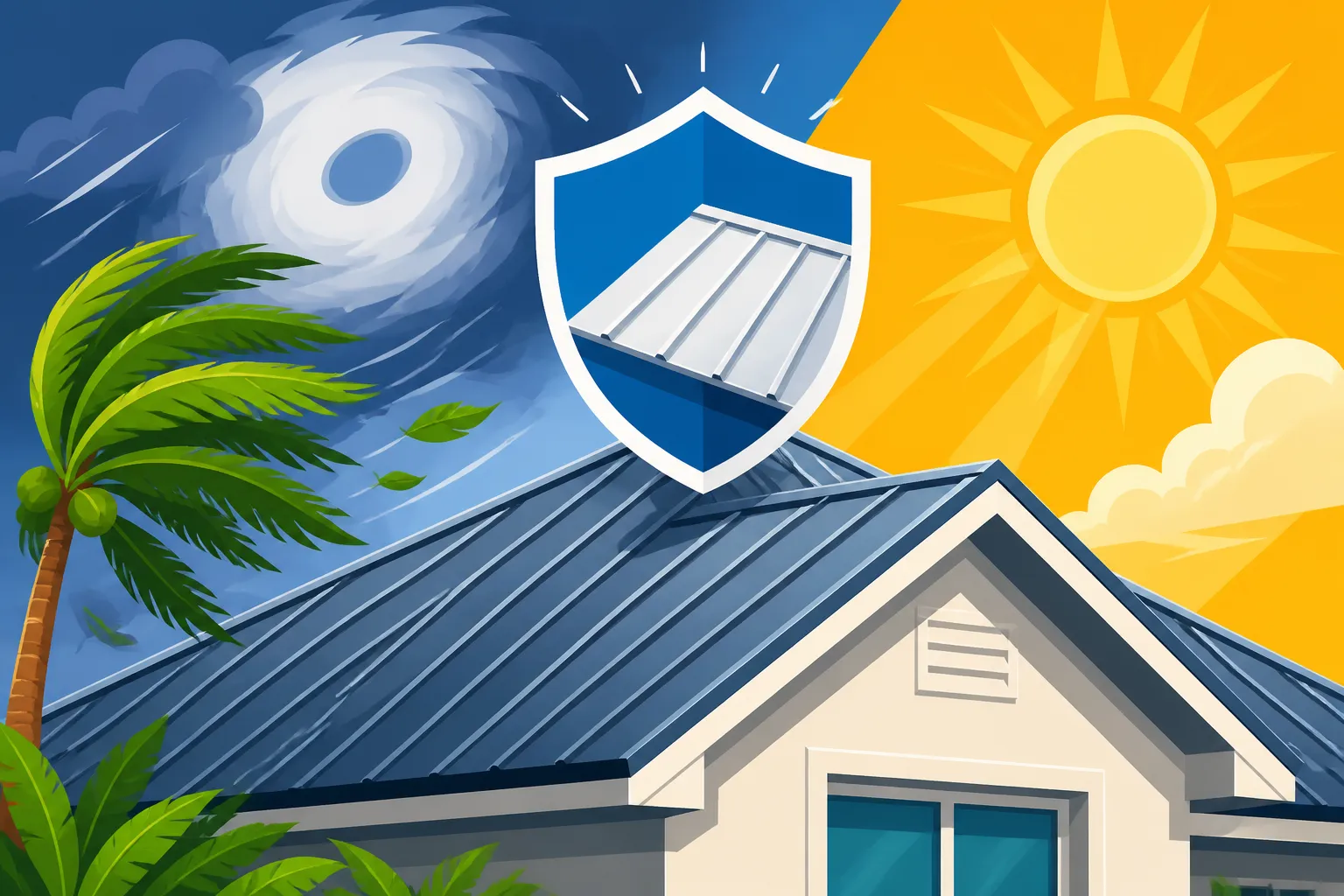
Living in Florida means constantly battling the elements, and finding a roof that can truly stand up to the state's relentless sun, brutal humidity, and ferocious storms can feel like an impossible quest. It’s frustrating to invest in a roof only to see it degrade quickly or fail under pressure. This comprehensive guide is here to cut through the confusion, helping you understand the specific challenges Florida weather poses and, more importantly, revealing what is the best metal roof for Florida weather to protect your home for decades to come.
The Unique Challenges of Florida Weather for Roofing
Florida isn't just a place to live; it's a force of nature. Our roofs here face a gauntlet that few other regions in the country experience with such intensity. It's not just one factor, but a combination of extremes that demand a truly resilient roofing solution.
Unrelenting Heat and UV Radiation
Let's start with the obvious: the sun. Florida's sunshine, while beautiful for beach days, is incredibly harsh on building materials. Day in and day out, your roof is bombarded with intense ultraviolet (UV) radiation and soaring temperatures. Traditional asphalt shingles, for example, can bake and curl, losing their protective granules and becoming brittle long before their advertised lifespan. This constant thermal expansion and contraction can also put immense stress on all roofing components, leading to premature cracking and failure.
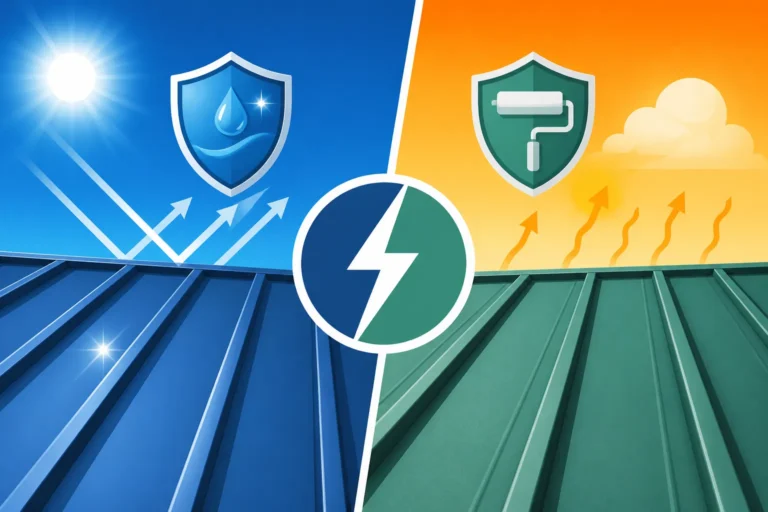
Imagine the surface temperature of your roof reaching 150-180°F on a sweltering July afternoon. This isn't an exaggeration; it's a daily reality. This relentless heat accelerates the degradation of almost any material, breaking down sealants, coatings, and even the structural integrity of lesser roofing options. When evaluating a metal roof for Florida, its ability to reflect UV rays and withstand extreme heat cycles without warping or fading is paramount. This isn't just about durability; it's also about keeping your home cooler and your energy bills lower, which is a big win in our climate.
Hurricane Force Winds and Tropical Storms
Then there are the winds. Oh, the winds! Florida is ground zero for hurricanes and tropical storms, and these events bring sustained high winds that can peel roofs right off homes, turn everyday objects into airborne missiles, and expose vulnerabilities you never knew existed. The wind uplift forces exerted on a roof during a major storm are immense, trying to pry every edge and corner away from the structure. It’s not just the direct force of the wind; it’s also the differential pressure that creates a vacuum, sucking the roof upwards.
Homeowners frequently worry about their roof's ability to withstand these punishing gusts. This is why building codes in Florida, especially in high-velocity hurricane zones (HVHZ) like Miami-Dade and Broward counties, are among the strictest in the nation. Any roofing material considered for Florida must have superior wind uplift resistance, often backed by rigorous testing and certifications like Miami-Dade NOA (Notice of Acceptance) or Florida Product Approval. This involves not just the material itself, but also the fastening system, as a poorly attached roof, regardless of material, is an open invitation for disaster. If you're looking into Hurricane and Coastal Metal Roof Requirements, you'll quickly see why strong wind ratings are non-negotiable.
Persistent Humidity and Moisture
Beyond the sun and wind, Florida's almost constant humidity and abundant rainfall pose another significant threat: moisture. This isn't just about leaks, though those are certainly a concern. High humidity promotes the growth of mold, mildew, and algae on roofing surfaces, which can degrade materials and make your roof look unsightly. More critically, persistent moisture can lead to corrosion in metal roofs if the wrong materials or coatings are chosen, especially in coastal areas where salt spray is a factor.
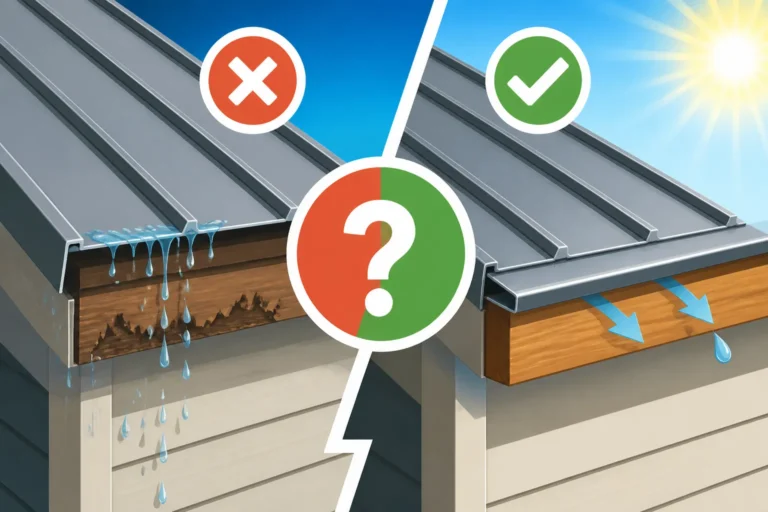
The warm, moist air also creates a perfect environment for condensation to form underneath the roofing material, especially if proper ventilation and underlayment are neglected. This can lead to wood rot in the decking or rafters over time, compromising the entire roof system. When considering a metal roof, you need materials and installation practices that actively combat these moisture-related issues, ensuring your roof stays dry, clean, and structurally sound from the inside out. Understanding Metal Roof Underlayment and Ventilation Guide is crucial here.
Top Metal Roofing Materials for Florida's Climate
Given Florida's challenging environment, not all metal roofs are created equal. Certain materials and profiles are simply better suited to handle the specific onslaught of heat, wind, and moisture we experience.
Aluminum Roofing: The Coastal Champion
When it comes to the salty, humid air of Florida's coastal regions, aluminum roofing is often the undisputed champion. Unlike steel, aluminum does not rust or corrode, making it incredibly resilient against the constant salt spray and high humidity that can quickly degrade other metals. This inherent corrosion resistance means it maintains its integrity and appearance much longer, even in the harshest marine environments.
Aluminum is also remarkably lightweight, which can be an advantage in terms of structural load on your home, and it’s excellent at reflecting solar radiation, helping to keep your attic and home cooler. This contributes significantly to energy efficiency, which is a major bonus in Florida's sweltering summers. While the initial Aluminum Roof Cost can be higher than some steel options, its longevity and low maintenance in coastal areas often provide a superior return on investment. It's available in various profiles, including standing seam panels and metal shingles, allowing for both modern and traditional aesthetics. Many homeowners along the Gulf Coast and Atlantic shores choose aluminum specifically for this reason, finding peace of mind knowing their roof won't succumb to rust in a few years.
Galvalume Steel: Strength and Corrosion Resistance
For homeowners not directly on the coastline but still contending with high humidity and occasional heavy rains, Galvalume steel offers an exceptional balance of strength, durability, and corrosion resistance. Galvalume is a steel substrate coated with an alloy of 55% aluminum, 43.4% zinc, and 1.6% silicon. This unique coating combines the barrier protection of aluminum with the galvanic protection of zinc, providing excellent defense against rust and corrosion. It performs significantly better than standard galvanized steel in corrosive environments.
Galvalume is incredibly strong and offers fantastic impact resistance, making it a robust choice against flying debris during storms. It also comes in a wide array of colors, many of which feature cool-pigment technology to enhance solar reflectivity and reduce heat absorption. While it's not quite as impervious to salt spray as pure aluminum, it's a phenomenal performer in most inland Florida environments, especially when protected by high-quality paint coatings like Kynar 500 or Hylar 5000. You can explore different options for Galvalume Roof Cost and discover why many contractors recommend it for its blend of performance and value. It's a popular choice for both standing seam and corrugated metal roof profiles across the state.
Stone-Coated Steel: Aesthetic Appeal with Resilience
If you love the look of traditional tile, slate, or shake but want the superior durability and storm resistance of metal, stone-coated steel is a fantastic option for Florida. These panels are typically made from 26-gauge or 24-gauge steel, hot-dipped in Galvalume, and then coated with an acrylic film embedded with ceramic-coated stone granules. This creates a highly durable, visually appealing surface that mimics conventional roofing materials while delivering the benefits of metal.
One of the biggest advantages of stone-coated steel in Florida is its incredible impact resistance. It often achieves a Class 4 impact rating, the highest available, which can be a huge benefit for homeowners in hail-prone areas and can even qualify you for Metal Roof Insurance Savings & Discounts. The granular surface also provides excellent sound dampening, reducing noise from heavy rain, a common concern for metal roofs. Furthermore, the stone coating helps to diffuse sunlight and offers additional insulation properties, contributing to energy efficiency. Brands like DECRA and Metro are well-known for their stone-coated steel products, which are engineered to withstand extreme weather conditions, including hurricane-force winds. When you're looking for both beauty and brawn, stone-coated steel fits the bill perfectly for Florida homes.
Crucial Features and Considerations for Florida Metal Roofs
Choosing the right material is just the first step. For a metal roof to truly excel in Florida, several other critical features and installation considerations must be addressed.
Wind Resistance Ratings and Fastening Systems
In Florida, a roof's ability to stay put during a hurricane is paramount. This isn't just about the material; it's about the entire system. You need a metal roof that carries strong wind resistance ratings, often demonstrated by compliance with the rigorous Florida Building Code (FBC) and, specifically for coastal and HVHZ areas, Miami-Dade County's Notice of Acceptance (NOA). These certifications involve intense testing to simulate hurricane conditions, including dynamic wind uplift and large missile impact.
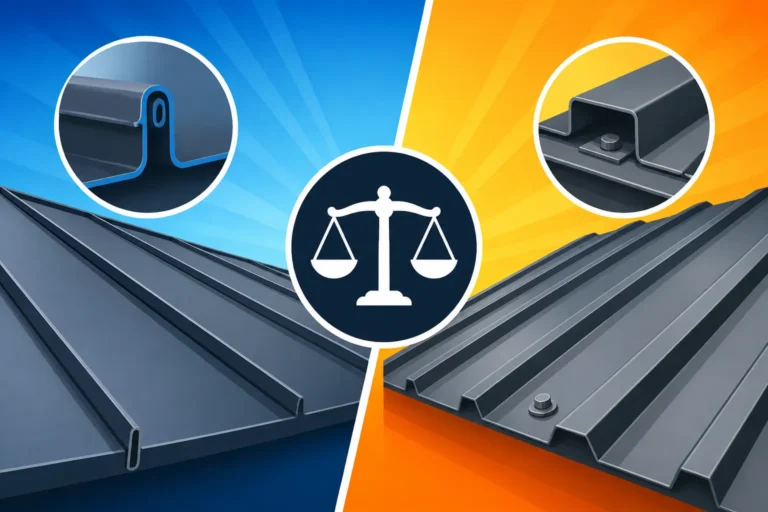
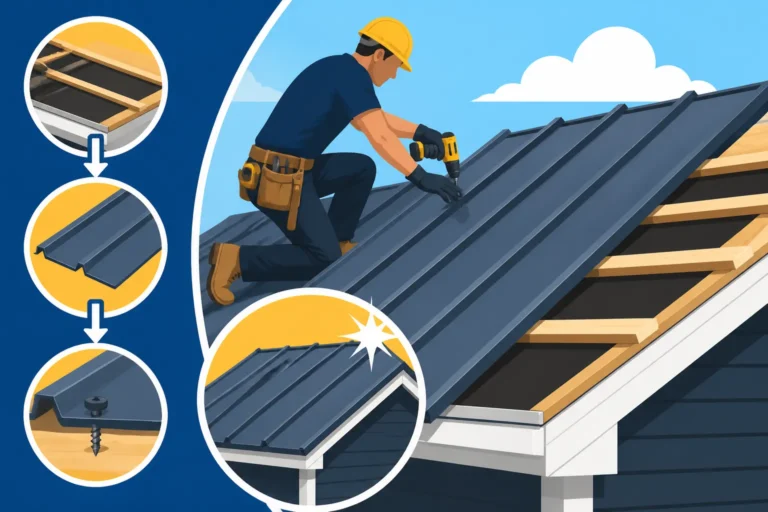
The fastening system plays an enormous role here. For standing seam metal roofs, concealed fasteners are preferred as they are protected from direct wind forces and UV degradation. Each panel interlocks or mechanically fastens, creating a continuous, robust surface. For exposed fastener systems, using high-quality screws with durable washers and ensuring the correct number of fasteners per panel, as per manufacturer specifications, is absolutely critical. Over-fastening or under-fastening can compromise the roof's integrity. Always ask your contractor about the specific wind ratings of the system they propose and how the fastening will be executed. It’s a key factor in how long your roof will last through our storm seasons.
Energy Efficiency and Cool Roof Technology
With Florida's scorching temperatures, anything that can reduce your home's cooling load is a godsend. Metal roofs are inherently more reflective than traditional asphalt shingles, meaning they absorb less solar radiation and transfer less heat into your attic. However, "cool roof" technology takes this a step further. Many metal roofing products come with specialized coatings, often containing reflective pigments, that enhance their solar reflectivity and thermal emissivity.
These cool coatings are designed to send more of the sun's energy back into the atmosphere and release absorbed heat quickly. Look for ENERGY STAR rated metal roofing products, as these have been independently verified to meet strict energy efficiency guidelines. A cool metal roof can significantly lower your attic temperature, which in turn reduces the workload on your air conditioning system, leading to noticeable savings on your utility bills. It's not uncommon for homeowners to see a 10-25% reduction in cooling costs, making the slightly higher initial investment even more appealing in the long run.
Proper Installation is Non-Negotiable
Even the best metal roofing materials in the world will fail prematurely if they're not installed correctly. In Florida, where building codes are strict and the weather is unforgiving, proper installation is absolutely non-negotiable. This means hiring a contractor with proven experience in metal roofing, especially the specific type you're choosing (e.g., standing seam, metal shingles). They need to understand Florida's unique installation requirements, including proper underlayment, flashing details, and adherence to local wind codes.
An experienced installer will know how to manage thermal expansion and contraction, ensure proper panel alignment, and apply sealants correctly to prevent leaks. They will also be well-versed in local permitting processes and inspections. Don't hesitate to ask about their experience installing metal roofs in your specific area and request references. Services like Modernize can be incredibly helpful in connecting you with reputable, qualified local professionals who understand the nuances of Florida roofing. The quality of installation is just as important as the quality of the materials for a truly durable and long-lasting metal roof in our challenging climate. You can learn more about finding the right people in our guide on How to Hire a Metal Roofing Contractor.
Comparing Top Metal Roofing Options for Florida
To help you visualize the differences, here's a quick comparison of the top metal roofing materials suitable for Florida, based on key performance indicators for our climate.
| Feature | Aluminum Roofing | Galvalume Steel Roofing | Stone-Coated Steel Roofing |
|---|---|---|---|
| Corrosion Resistance | Excellent (No rust, ideal for salt air) | Very Good (Aluminum-zinc coating, resists rust) | Excellent (Galvalume base, granular coating) |
| Wind Resistance | Very High (Dependent on profile & fastening) | Very High (Dependent on profile & fastening) | Very High (Often Class 4, excellent uplift resistance) |
| Impact Resistance | Good (Can dent from severe hail, but won't shatter) | Very Good (Strong steel base, resists puncturing) | Excellent (Class 4 rating, granular surface diffuses impact) |
| Energy Efficiency | Excellent (Highly reflective, easily cool-rated) | Excellent (With cool-pigment coatings) | Very Good (Granular surface adds insulation, reflective) |
| Weight | Very Lightweight | Medium Weight | Medium Weight |
| Typical Lifespan | 50-70+ years | 40-60 years | 40-70 years |
| Aesthetic Options | Standing seam, shingles, tiles | Standing seam, corrugated, R-panel | Shingles, tiles, shakes (mimics traditional) |
| Coastal Suitability | Excellent (Recommended for direct coastlines) | Good (Excellent for inland, less ideal for direct salt) | Very Good (Galvalume base protects, less direct salt exposure) |
Making the Right Choice for Your Florida Home
Deciding on a new roof is a big deal, especially in Florida. It's about protecting your biggest investment and ensuring comfort for your family. By understanding the unique demands of our climate and the strengths of different metal roofing options, you're already well on your way to making an informed decision.
Balancing Budget and Long-Term Value
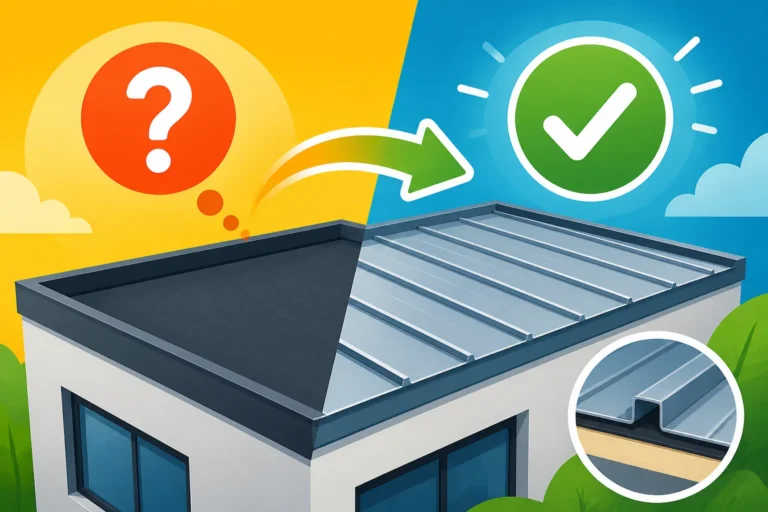
While the initial cost of a metal roof can be higher than traditional asphalt shingles, it's crucial to look beyond the upfront price tag. Consider the long-term value, which is where metal roofs truly shine in Florida. With lifespans often exceeding 50 years, you'll likely never have to replace your roof again, unlike asphalt shingles that may need replacement every 15-20 years. This longevity alone offers significant savings over the lifetime of your home. Additionally, the energy efficiency benefits of a cool metal roof will translate into lower monthly utility bills. Don't forget potential insurance savings, as many metal roofs qualify for discounts due to their superior wind and impact resistance.
It's an investment that pays off not just in durability and peace of mind, but financially too. A well-installed metal roof can even increase your home's resale value, making it a smart upgrade for any Florida homeowner. Thinking about the full picture, including Metal Roof Cost vs Lifespan Value and future savings, will reveal the true economic advantage of metal roofing.
Working with the Right Professionals
No matter how great the material, a metal roof is only as good as its installation. This is especially true in Florida, where building codes are complex and the consequences of poor workmanship are severe. You need a contractor who is not only licensed and insured but also specializes in metal roofing and has a deep understanding of Florida's specific climate and regulations. Ask for references, check their certifications (especially manufacturer-certified installers), and ensure they provide a detailed quote that includes materials, labor, permits, and warranties.
Look for a contractor who clearly explains the different metal types, fastening systems, and underlayment options best suited for your home's location and your personal preferences. Don't be afraid to ask tough questions about their experience with hurricane-rated systems and how they handle proper flashing and ventilation. Platforms like Modernize can help streamline the process of finding and vetting multiple reputable contractors in your area, ensuring you get competitive bids and experienced professionals who know how to install a metal roof that will truly last in Florida. A thorough Metal Roof Warranties: Workmanship vs Manufacturer discussion should also be part of your contractor selection process.
Disclaimer
Please note that this article provides general information and recommendations regarding metal roofing for Florida weather. Specific requirements, building codes, and product availability may vary by location, local jurisdiction, and individual home characteristics. Always consult with a qualified, licensed, and insured local metal roofing contractor to assess your specific needs, obtain detailed estimates, and ensure compliance with all applicable local codes and regulations.