Is Snap-Lock or Mechanical Seam Better?
Deciding on a new metal roof is exciting, but let's be honest, it can also feel like navigating a maze of technical jargon. One of the biggest head-scratchers for homeowners often comes down to the panel system itself: snap-lock versus mechanical seam. It's not just a minor detail; this choice impacts everything from your roof's durability and cost to its very appearance. This guide will cut through the confusion, helping you understand the real differences so you can make an informed decision for your home.
Understanding Snap-Lock Metal Roofing
When people first start researching metal roofs, the idea of a "snap-lock" system often sounds incredibly convenient, and in many ways, it is. This is a popular option, especially in residential settings, largely due to its straightforward installation method and clean aesthetic. But there's more to it than just "snapping" panels together.
How Snap-Lock Panels Work
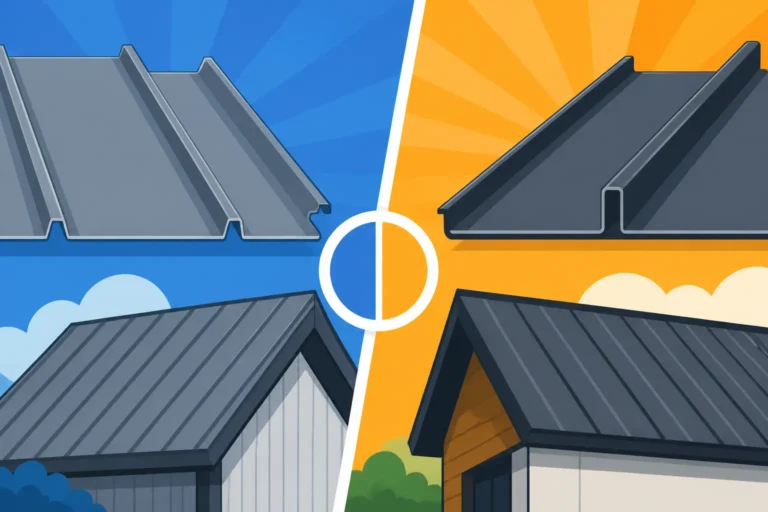
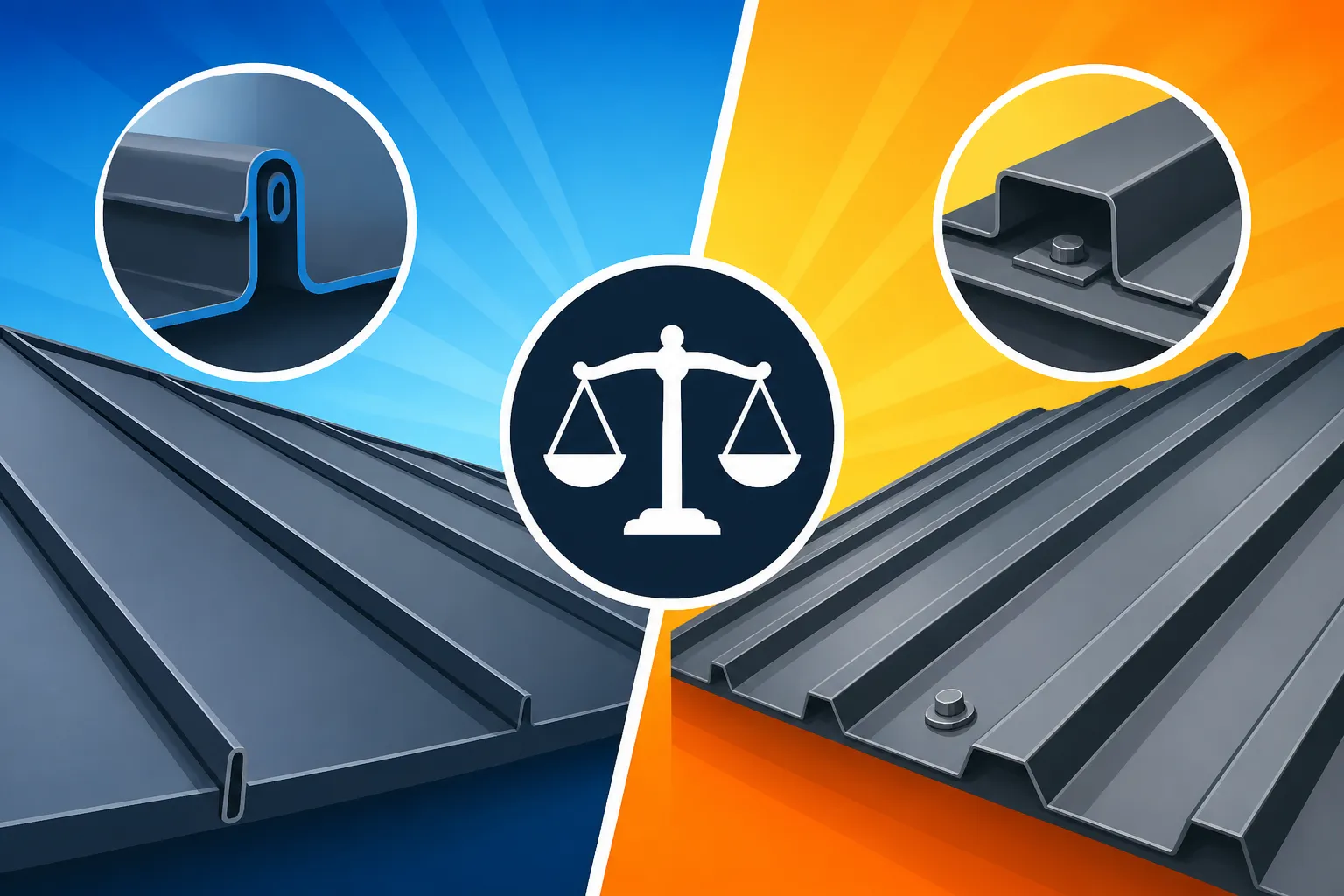
Imagine interlocking puzzle pieces that fit together securely without needing a special tool to fold or crimp them. That's essentially how snap-lock metal roofing panels function. Each panel is designed with a male and female leg. The male leg of one panel simply "snaps" or locks into the female leg of the adjacent panel. This creates a secure, yet flexible, connection along the seam.
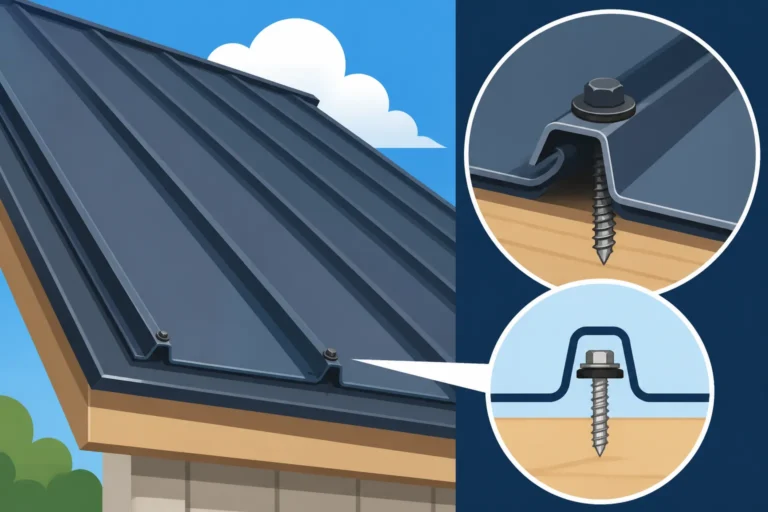
The beauty of this system lies in its hidden fasteners. The screws or clips used to attach the panels to your roof deck are completely concealed beneath the next panel. This means no exposed screws that can back out or degrade over time, which is a common point of failure for some other types of metal roofing. This also contributes to the roof's sleek, modern appearance, as the fasteners don't interrupt the smooth lines of the panels. Because of this simpler interlocking mechanism, snap-lock systems can often be installed more quickly than their mechanical seam counterparts, potentially reducing labor time on the job site. This ease of installation also means that while professional installation is always recommended for something as critical as your roof, the specialized tools required are generally fewer and less complex compared to mechanical seam systems.
Pros and Cons of Snap-Lock Panels
Like any roofing material, snap-lock metal panels come with their own set of advantages and considerations. Weighing these against your specific needs and priorities is crucial.
On the positive side, one of the most compelling advantages is the installation efficiency. Because panels simply snap together, the process can be faster, which translates to lower labor costs for you. This speed doesn't compromise the aesthetic; the hidden fasteners give a very clean, contemporary look that many homeowners desire. This visual appeal is often a significant factor in choosing this profile. Furthermore, the absence of exposed fasteners means fewer points for potential water intrusion and less maintenance over the long term, as you won't need to routinely check or replace screws with degrading washers. It's a great choice for homeowners looking for a low-maintenance, attractive, and relatively swift installation. For those wondering about the initial investment, you can learn more about specific costs in our guide on How Much Does a Standing Seam Metal Roof Cost.
However, snap-lock systems aren't without their drawbacks. While very durable, they typically offer slightly less resistance to extreme uplift forces (like those experienced in severe windstorms) compared to mechanically seamed panels. The "snap" is secure, but it doesn't create the same airtight, watertight seal that a mechanically crimped seam does. This means they are often recommended for roof pitches above a certain minimum slope, generally 3:12 or higher, to ensure proper water shedding. If your roof has a very low pitch, a snap-lock system might not be the most suitable choice. The material cost for snap-lock panels can also sometimes be a bit higher than other metal roof profiles, although this can often be offset by the reduced labor costs during installation.
Delving into Mechanical Seam Metal Roofing
Now, let's turn our attention to mechanical seam metal roofing, which represents a different approach to panel connection, one that prioritizes an incredibly robust and impenetrable seal. This system is often the go-to for commercial buildings or residential properties in particularly harsh climates due to its unparalleled strength and weather resistance.
The Mechanical Seaming Process
Unlike snap-lock systems that rely on a factory-formed interlock, mechanical seam panels are literally crimped together on-site. The process involves two panels with opposing vertical legs. Once these panels are laid out and fastened to the roof deck with concealed clips, a specialized seaming machine or tool is used to fold and crimp these legs together, creating a double-lock or single-lock seam. A double-lock seam involves two full 180-degree folds, creating an exceptionally tight, watertight, and wind-resistant bond. A single-lock seam, while still very strong, involves a single 180-degree fold.
This seaming process is far more labor-intensive and requires highly skilled technicians who are proficient in operating the specialized seaming equipment. It’s not a job for just any roofing crew; it demands precision and expertise. The resulting seam is essentially a continuous, monolithic barrier that is incredibly resistant to water penetration and wind uplift. This method creates a permanent, structural connection between panels, making the entire roof system exceptionally rigid and robust. The meticulous nature of this installation means it takes longer than a snap-lock system, and the tools involved are specifically designed for this precise task, adding to the overall cost but significantly enhancing performance. If you're considering this option, understanding How Long Does Metal Roof Installation Take? can help manage your expectations.
Advantages and Disadvantages of Mechanical Seam
The robust nature of mechanical seam roofing brings significant advantages, especially when extreme durability is a top priority. However, these benefits come with their own set of considerations.
The primary advantage of mechanical seam roofing is its superior strength and weather resistance. The double-locked seams create an almost impenetrable barrier against water, making it an excellent choice for homes in areas prone to heavy rain, snow, or high winds, including hurricane zones. It's also exceptionally well-suited for very low-slope roofs, where water shedding is critical and even minor leaks can cause significant damage. The mechanical seam provides a robust, watertight solution where snap-lock systems might struggle with minimal pitch. Furthermore, the longevity of a mechanically seamed roof is often unparalleled; these systems can last 50-70 years or even longer with proper maintenance, showcasing an impressive return on investment. This robust installation provides structural integrity that can withstand significant environmental stress over decades. For homeowners in challenging climates, this peace of mind is invaluable.
However, the downsides typically revolve around cost and installation complexity. Mechanical seam systems almost always have higher labor costs than snap-lock panels. This is due to the specialized equipment required and the need for installers with a deep level of expertise in operating seaming machines. The installation process itself takes longer, which further contributes to the overall expense. Finding a contractor specifically experienced in mechanical seam installation is crucial, and platforms like Modernize can help connect you with qualified professionals. Because the panels are seamed on-site, there's less room for error, and any mistakes can be costly to rectify. While the material cost of the panels themselves might be comparable to snap-lock, the installation component significantly drives up the final price. You'll want to review How to Read and Compare Metal Roof Quotes carefully to understand the breakdown.
Key Differences and Performance Factors
When it comes down to choosing between snap-lock and mechanical seam, understanding the core distinctions in their performance, installation, and visual impact is key. It's not just about one being "better" than the other, but rather which system is "better for your home and your needs."
Installation Complexity and Cost Implications
This is perhaps the most significant divergence between the two systems. Snap-lock panels, by design, are simpler to install. The interlocking mechanism means fewer specialized tools and a faster overall installation time. This directly translates to lower labor costs. A typical roofing crew with experience in metal roofing can usually install snap-lock panels efficiently. This makes snap-lock a more budget-friendly option upfront, as the installation component often represents a substantial portion of the total Metal Roof Cost: Complete 2026 Guide.
Conversely, mechanical seam roofing demands a higher level of skill and specialized equipment. Seaming machines, which essentially crimp the panels together, are complex tools that require trained operators. The process is slower and more meticulous. This added complexity and time directly increase labor costs. You’re not just paying for panels; you're paying for precision engineering on your roof. When getting quotes, ensure you understand the specific experience of the crew with mechanical seam systems. A reputable contractor will be transparent about these details. It’s also wise to get multiple estimates and compare them thoroughly. Modernize is a great resource to find and compare local contractors who specialize in metal roof installations.
Durability, Weather Resistance, and Lifespan
When we talk about durability and weather resistance, mechanical seam systems generally hold the edge, particularly in extreme conditions. The double-lock seam creates an incredibly strong, monolithic barrier that is exceptionally resistant to water intrusion and wind uplift. This makes them the preferred choice for hurricane-prone areas, homes in regions with heavy snowfall, or structures with very low roof pitches where positive drainage is paramount. The integrity of the seam itself minimizes the chances of leaks, even under pooling water or extreme wind suction. This robust construction contributes significantly to the overall Metal Roof Lifespan: How Long Do They Last?, which often extends well beyond 50 years.
Snap-lock systems are still incredibly durable and offer excellent performance, far outlasting traditional asphalt shingles. However, their reliance on a simpler "snap" connection means they may not provide the same level of extreme weather protection as a mechanically seamed roof. They are generally not recommended for pitches below 3:12 (or even 4:12 by some manufacturers) because the interlocking mechanism, while secure, isn't as absolutely watertight as a crimped seam. In conditions with significant ice damming or prolonged standing water, a mechanical seam might perform better. For most residential applications in moderate climates, a high-quality snap-lock roof offers outstanding protection and longevity.
Aesthetic Considerations and Oil Canning
Both snap-lock and mechanical seam systems fall under the umbrella of standing seam roofing, which is characterized by its clean lines and hidden fasteners. This aesthetic is a major draw for homeowners looking for a sleek, modern, or even traditional look that doesn't show unsightly screws.
However, there can be subtle differences. Snap-lock panels often have slightly less pronounced ribs or seams, contributing to a very smooth, uninterrupted appearance. The hidden fasteners ensure a uniformly clean surface. With mechanical seam, the crimped seam can sometimes appear slightly more substantial, though it still maintains that characteristic standing seam look. One important factor to consider with wider metal panels, regardless of seam type, is oil canning. This is a visual phenomenon where flat areas of metal panels appear wavy or buckle due to stress or imperfections. While it's largely an aesthetic issue and doesn't typically affect the roof's performance, it can be a concern for some homeowners. How to Prevent Oil Canning on a Metal Roof is a common question, and choosing narrower panels or panels with striations can help mitigate its appearance. Both snap-lock and mechanical seam systems are available in various widths, colors, and finishes, allowing for significant customization to match your home's architectural style.
Choosing the Right System for Your Home
Making the final decision between snap-lock and mechanical seam isn't about finding a universally "better" option, but rather determining which one aligns best with your home's unique characteristics, your local environment, and your personal priorities.
Matching Your Roof Pitch and Local Climate
Your roof's pitch is arguably one of the most critical factors in this decision. As mentioned, snap-lock systems perform optimally on roofs with a moderate to steep pitch – typically 3:12 or higher. This ensures that water sheds efficiently, minimizing any potential for water infiltration through the seams. If your home has a low-slope roof, let's say a 2:12 pitch, a snap-lock system might not provide the robust waterproofing you need. In such cases, a mechanical seam, with its tightly crimped, virtually impenetrable seams, becomes the far superior choice for preventing leaks and protecting your home.
Beyond pitch, consider your local climate. Do you live in an area known for intense hurricanes, frequent heavy snowfall, or extreme winds? If so, the superior wind uplift resistance and watertight seal of a mechanically seamed roof can offer invaluable protection and peace of mind. For instance, in coastal Florida, where hurricane winds are a serious concern, a double-lock mechanical seam roof would likely be recommended due to its ability to withstand higher forces. Conversely, if your home is in a more temperate region with moderate weather, a snap-lock system will likely provide more than adequate protection and durability, offering a fantastic balance of performance and cost.
Budget, Contractor Expertise, and Warranty
When it comes to your budget, remember that the initial cost of a metal roof isn't just about the material. While snap-lock panels might sometimes have a similar material cost to some mechanical seam options, the installation labor can significantly differentiate the total price. Because mechanical seam installation is more complex and time-consuming, it invariably carries higher labor costs. It's vital to get detailed quotes that break down material and labor expenses. You might find that the higher upfront cost of a mechanical seam is justified by its enhanced durability and longevity, but it's a financial calculation you need to make for your situation.
Another crucial consideration is contractor expertise. Installing a metal roof, especially a mechanical seam system, requires specialized skills. You absolutely want to work with a roofer who has demonstrable experience with the specific system you choose. Don't hesitate to ask for references, examples of past work, and proof of certifications. Platforms like Modernize can help you connect with qualified and reputable metal roofing contractors in your area. Asking Questions to Ask a Metal Roofing Contractor Before You Hire is paramount. A skilled contractor will not only install the roof correctly but also ensure that all manufacturer warranty requirements are met. Speaking of warranties, thoroughly understand both the material warranty from the manufacturer and the workmanship warranty from your installer. For mechanical seam systems, the quality of the installation directly impacts the long-term performance and warranty validity, making an experienced contractor even more critical. You can dive deeper into this topic by reading Metal Roof Warranties: Workmanship vs Manufacturer.
Ultimately, both snap-lock and mechanical seam standing seam metal roofs are excellent, long-lasting choices that offer superior protection compared to many other roofing materials. Your decision will hinge on balancing your specific needs for weather resistance, your aesthetic preferences, and your budget, all while relying on the expertise of a trusted metal roofing professional.
| Feature / Aspect | Snap-Lock Standing Seam | Mechanical Seam Standing Seam |
|---|---|---|
| Seam Mechanism | Panels "snap" or interlock together via factory-formed male/female legs. | Panels are mechanically folded/crimped together on-site with a specialized seamer tool (single or double-lock). |
| Fasteners | Concealed | Concealed (attached with clips, then seamed over) |
| Installation | Faster, less labor-intensive | Slower, more labor-intensive |
| Specialized Tools | Fewer, simpler tools | Requires specialized seaming machines/tools |
| Labor Cost | Generally lower | Generally higher |
| Overall Cost | More budget-friendly upfront | Higher upfront investment due to labor |
| Roof Pitch Suitability | Best for moderate to steeper slopes (3:12 or higher recommended). | Excellent for all pitches, especially low slopes (1:12 or lower) and flat roofs. |
| Weather Resistance | Very good, suitable for most climates | Superior, exceptional for extreme winds, heavy snow, coastal areas. |
| Wind Uplift | Good | Excellent, significantly higher resistance |
| Watertightness | Excellent | Unparalleled, virtually impenetrable |
| Contractor Skill | Experienced metal roofer required | Highly specialized and experienced metal roofer with seaming expertise. |
| Aesthetics | Very clean, sleek, minimal seam appearance | Clean, often slightly more robust seam appearance |
| Longevity | 40-60+ years | 50-70+ years |
Disclaimer
The information provided in this guide is intended for general informational purposes only and does not constitute professional advice. Roofing projects should always be undertaken by qualified and licensed professionals. Costs and recommendations can vary significantly based on location, specific materials, contractor rates, and individual project complexities. Always consult with a local metal roofing contractor for accurate estimates and tailored advice for your home.