Is a 5V Crimp Metal Roof Good for a House?
Choosing a new roof for your home can feel overwhelming, like sifting through a mountain of options when all you really want is a durable, attractive, and reliable shield over your head. Many homeowners struggle with balancing aesthetics, budget, and long-term performance, often hearing about metal roofs but feeling lost in the jargon of different profiles and styles. This comprehensive guide is here to shed light specifically on the 5V Crimp metal roof, helping you understand its unique characteristics and whether it's truly a good fit for your house.
What Exactly is a 5V Crimp Metal Roof?
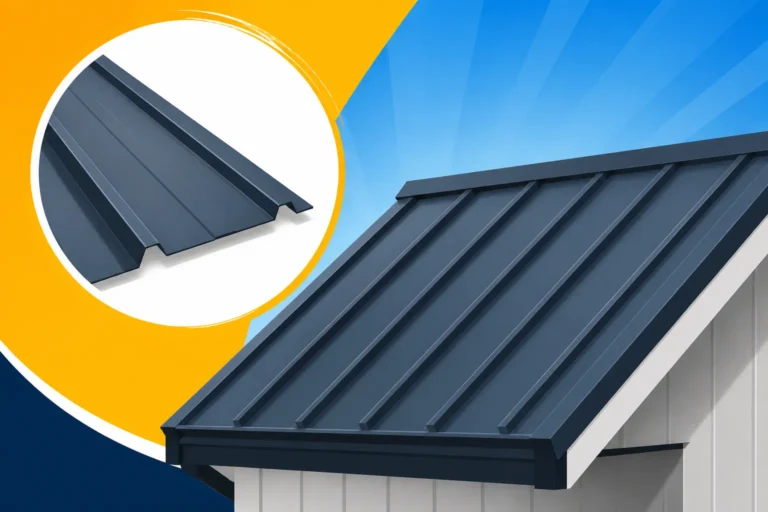
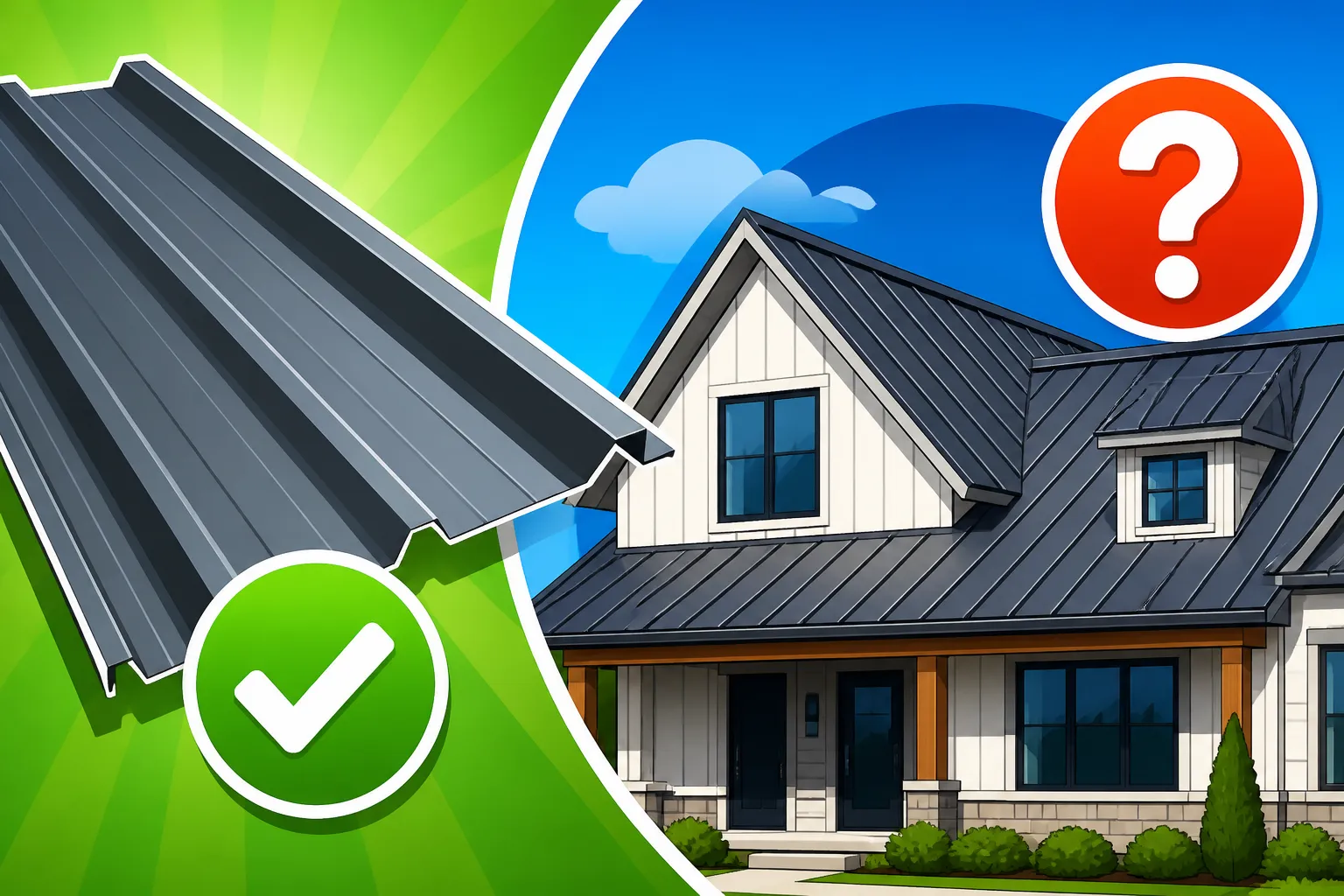
When you hear "metal roof," your mind might jump to the sleek, modern lines of a standing seam system, or perhaps the wavy, industrial look of corrugated panels. But the 5V Crimp is a classic, deeply rooted in American architecture, particularly in agricultural and rural settings. It gets its name from its distinctive profile: typically, a panel will have five "V" shaped crimps running lengthwise. These crimps aren't just for looks; they add rigidity and strength to the panel.
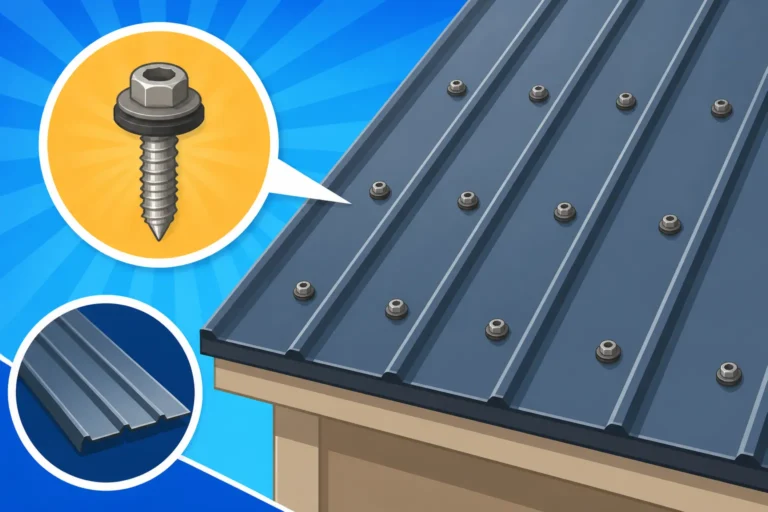
Historically, 5V Crimp panels were often made from tin-plated steel, hence the old "tin roof" moniker. Today, they're predominantly made from Galvalume steel, a fantastic material that's a blend of steel, aluminum, and zinc, offering superior corrosion resistance. Unlike standing seam roofs, which feature concealed fasteners, 5V Crimp panels use an exposed fastener system. This means the screws that attach the panels to your roof deck are visible, featuring specialized washers designed to create a watertight seal. This exposed fastener approach contributes to its straightforward installation process, which can be a significant draw for many homeowners and contractors alike. If you're curious about the various options beyond 5V Crimp, you might want to read our full breakdown on Metal Roofing Types Explained: Profiles & Panels.
The Distinctive Profile and Appearance
The aesthetic of a 5V Crimp roof is undeniably charming and rustic. It evokes a sense of tradition and durability, often seen on farmhouses, barns, and coastal cottages. The alternating high and low V-shaped ribs create a shadow line that adds texture and character, giving a home a very different feel than a flat, smooth panel. While it shares some functional similarities with a corrugated metal roof, its "V" crimps are sharper and more defined, giving it a slightly more refined, though still utilitarian, look.
Because the fasteners are visible, the choice of screw color often matters to homeowners looking for a cohesive look. Manufacturers offer screws with heads painted to match the panel color, allowing them to blend in more seamlessly. The classic look is often complemented by colors like Galvalume's natural metallic finish, barn red, or forest green, though a wider palette is available from many suppliers to suit various home styles.
Common Materials and Construction
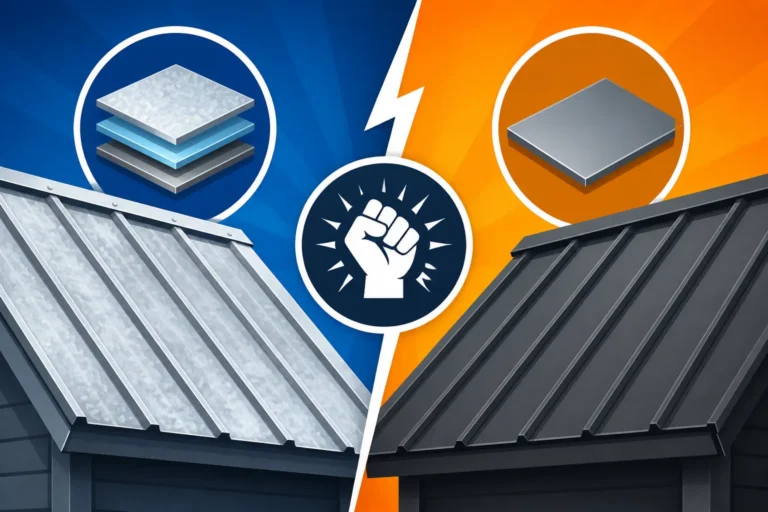
The most common material for modern 5V Crimp panels is Galvalume steel, typically ranging from 26 to 29 gauge. To understand what these numbers mean, a lower gauge number indicates thicker, more rigid steel. For residential applications, a 26-gauge panel is quite robust and offers excellent durability. The Galvalume coating is a true workhorse, providing a fantastic barrier against rust and corrosion, far outperforming older galvanized steel options. For more on how these materials stack up, check out our guide on Metal Roofing Materials Compared: Steel, Aluminum, Copper & Zinc.
Each panel is precision-formed, usually in a coil-forming machine, ensuring consistency in the crimp profile and panel width. The edges are designed to overlap, creating a weather-tight seam when properly fastened. The longevity and performance of a 5V Crimp roof depend heavily on both the quality of the material and the expertise of the installation, particularly regarding the fasteners.
Is a 5V Crimp Roof a Good Choice for Your Home?
So, you're eyeing that classic 5V Crimp look. But beyond aesthetics, how does it stack up as a practical roofing solution for a residential property? The answer isn't a simple yes or no; it really boils down to your priorities, your home's style, and your local climate. It offers distinct advantages that make it appealing to many, but it also comes with a set of considerations that you should be fully aware of before making a decision.
Many homeowners find themselves drawn to its blend of heritage appeal and modern durability, but it's crucial to weigh the full picture. If you're on the fence about metal roofing in general, a broader understanding of its long-term value might help, such as exploring Is a Metal Roof Worth It? ROI, Resale & Payback.
Advantages for Residential Use
One of the biggest draws of a 5V Crimp metal roof is its cost-effectiveness. Compared to standing seam systems, 5V Crimp is generally more budget-friendly both in terms of material and installation labor. The exposed fastener system, while requiring careful attention, simplifies the installation process for experienced crews. This can translate to lower upfront costs, which is a huge relief for many homeowners tackling a significant renovation.
Another significant advantage is its durability and longevity. Made from robust Galvalume steel, these roofs are incredibly resistant to fire, rot, and insects. They stand up remarkably well to severe weather, including high winds and heavy snow loads, provided they are properly installed. A well-maintained 5V Crimp roof can easily last 40-70 years, significantly outlasting traditional asphalt shingles.
The classic, rustic aesthetic is a major selling point for homes that suit this style, such as farmhouses, cabins, or homes in historical districts. Its unique profile adds character that can genuinely enhance curb appeal. Plus, metal roofs are inherently energy efficient. The reflective surface helps deflect solar radiation, reducing heat absorption and potentially lowering your cooling costs during hot summer months.
Potential Drawbacks and Considerations
While offering numerous benefits, 5V Crimp roofs do come with their own set of considerations. The primary concern for many is the exposed fastener system. Over time, the neoprene washers on these screws can degrade due to UV exposure and temperature fluctuations, potentially leading to leaks. This isn't a deal-breaker, but it means that periodic maintenance, such as checking and replacing screws, is necessary to ensure the roof remains watertight. Neglecting this maintenance can lead to frustrating and costly leaks down the line.
Another aspect to consider is the aesthetic preference. While many adore the rustic charm, some homeowners prefer the cleaner, uninterrupted lines of a concealed fastener system like standing seam. The visible fasteners of a 5V Crimp roof can sometimes detract from a highly modern or sleek architectural design. If you're unsure, it's worth seeing examples on different types of homes.
Finally, noise can be a factor. Metal roofs, including 5V Crimp, can be louder during heavy rain or hail compared to asphalt shingles, especially if not installed with proper underlayment and insulation. While often exaggerated, it's something to be aware of if your home's acoustics are a priority. For optimal performance, a solid roof deck and quality underlayment are crucial. You can find out more about the importance of these layers in our guide on Metal Roof Underlayment and Ventilation Guide.
Installation Process for a 5V Crimp Metal Roof
Installing a 5V Crimp metal roof, while generally simpler than some other metal roof profiles, still requires precision and expertise, especially given its exposed fastener design. A proper installation is absolutely critical to the roof's long-term performance and watertight integrity. Cutting corners during installation will almost certainly lead to headaches and repairs down the road. This isn't a job for just any roofing crew; you need professionals experienced with metal roofing. If you're wondering how to find such experts, our guide on How to Hire a Metal Roofing Contractor can be invaluable.
Preparing the Roof Deck
Before any metal panels go up, the roof deck needs to be meticulously prepared. This typically involves removing old roofing materials, often asphalt shingles, to ensure a clean, smooth, and solid surface. While sometimes metal roofs can be installed over existing shingles, it's generally recommended to do a full tear-off for best results and to inspect the underlying decking. If you're considering the "metal over shingles" route, be sure to understand the nuances and potential issues.
Once the old roof is gone, the decking is inspected for any rot, damage, or soft spots. Any compromised plywood or OSB needs to be replaced to provide a strong foundation for the new roof. Proper sealing and flashing around chimneys, skylights, and valleys are also critical steps during this preparatory phase, ensuring that these vulnerable areas are addressed before the main panels are laid.
Laying the Underlayment
After the deck is prepped, a high-quality underlayment is installed. This isn't just a suggestion; it's a vital component of any metal roofing system, acting as a secondary water barrier. Synthetic underlayments are generally preferred over traditional felt for metal roofs due to their durability, tear resistance, and ability to withstand temperature fluctuations without cracking or drying out. A good underlayment also provides an extra layer of protection against condensation and helps to dampen sound.
In regions prone to severe weather, like the coastal areas of Florida or the icy winters of the Northeast, an ice and water shield may be installed along eaves, valleys, and other vulnerable areas. This self-adhering membrane offers superior waterproofing, protecting against ice dams and wind-driven rain. Proper underlayment installation is non-negotiable for extending the life of your 5V Crimp roof and protecting your home.
Fastening the Panels
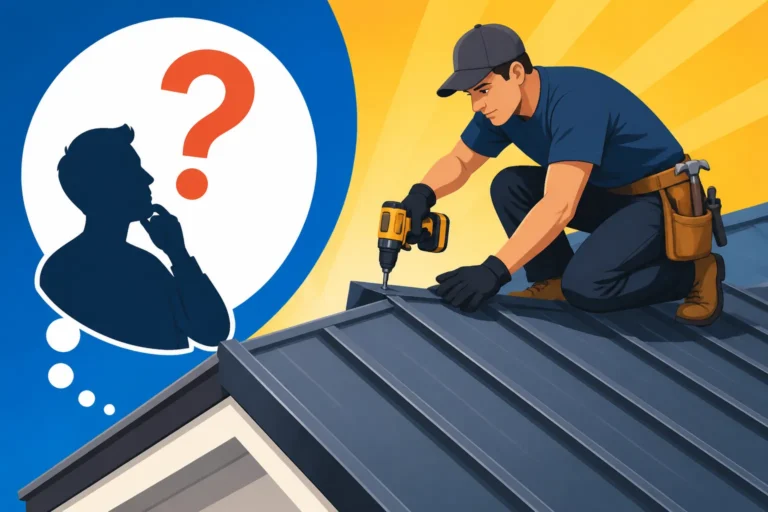
This is where the 5V Crimp roof's distinctive exposed fastener system comes into play. Panels are typically laid in a sequential manner, overlapping at the edges. Each panel is then secured directly to the roof deck (through the underlayment) using specialized, corrosion-resistant screws. These screws come with integrated EPDM washers, which are designed to compress and create a watertight seal around the penetration point.
The number of fasteners, their placement, and the torque applied are critical. Too few screws, or screws that are over-tightened or under-tightened, can lead to issues. Over-tightening can crack the washer, compromising the seal, while under-tightening won't create a proper seal at all. Experienced installers know precisely how to apply these fasteners to ensure maximum integrity. Brands like SFS Intec are well-known for producing high-quality metal roof fasteners that help ensure a durable and watertight installation. This meticulous process helps ensure that while the fasteners are visible, they are not a weak point in the roof's defense against the elements. You might also be interested in learning about other installation aspects in Metal Roof Installation Process: Step by Step.
Maintenance and Longevity of a 5V Crimp Roof
Investing in a metal roof is a long-term commitment, and a 5V Crimp roof is no exception. While metal roofs are known for their minimal maintenance compared to shingles, "minimal" doesn't mean "no" maintenance. Being proactive with routine checks and minor repairs can significantly extend the life of your roof, ensuring it performs optimally for decades. Ignoring these small tasks can lead to larger, more expensive problems down the road. This is especially true for exposed fastener systems.
If you're looking to understand the full commitment, reading up on Metal Roof Lifespan: How Long Do They Last? can give you a broader perspective on the expected longevity of various metal roofing types.
Routine Inspection and Fastener Checks
The most important maintenance task for a 5V Crimp roof is regularly inspecting its exposed fasteners. Ideally, these checks should be done annually, or after any significant storm. Look for:
- Loose or backed-out screws: Temperature changes cause metal to expand and contract. Over many cycles, screws can sometimes loosen or "back out" slightly. These need to be gently re-tightened.
- Cracked or degraded washers: The EPDM washers are your primary seal. UV radiation and extreme temperatures can cause them to become brittle, crack, or lose their elasticity. If you see signs of degradation, the screw and washer should be replaced.
- Rusting fasteners: While most fasteners are corrosion-resistant, some might eventually show signs of rust, especially if the protective coating is compromised. Rusty fasteners should be replaced to prevent staining on your panels and potential compromise of the seal.
A thorough inspection might involve carefully walking the roof (if you're comfortable and have the right safety gear, or hire a professional) to get an up-close look at each fastener. Many homeowners use platforms like Modernize to find experienced local roofers for these kinds of inspections.
Cleaning and Debris Removal
Like any roof, a 5V Crimp metal roof benefits from periodic cleaning. Accumulations of leaves, branches, and other organic debris can trap moisture, promote mildew growth, and potentially accelerate wear on your roof's finish. While metal roofs don't typically grow moss or algae as easily as shingles, keeping them clear of debris is still a good practice.
A soft broom, a garden hose, or a low-pressure power washer (used carefully, at a distance, and on a low setting) can effectively clean your metal roof. Avoid harsh abrasive cleaners or wire brushes, as these can damage the protective paint coating. Regular cleaning not only helps maintain the roof's aesthetic appeal but also prevents potential issues that arise from prolonged moisture contact.
Addressing Minor Issues Promptly
Should you spot a minor leak, a loose panel, or a heavily rusted area, addressing it promptly is key. For small penetrations or degraded washers, you might be able to replace individual fasteners. For minor scratches or areas of surface rust on the panels themselves, specialized touch-up paints and rust converters can be used to prevent further spread.
If you notice more significant issues, like a panel that has shifted or extensive rust, it's best to call in a professional. Ignoring these signs can lead to water infiltration, which can cause damage to your roof deck, insulation, and even the interior of your home. Taking care of small issues quickly prevents them from escalating into major, costly repairs. For a comprehensive guide on keeping your roof in top shape, check out our Metal Roof Maintenance Guide.
Comparing 5V Crimp to Other Metal Roof Options
When considering a metal roof for your home, the 5V Crimp isn't the only player in town. Understanding how it stacks up against other popular metal profiles can help solidify your decision. Each type has its own set of advantages, ideal applications, and aesthetic qualities. It's not about one being inherently "better" but rather about finding the best fit for your specific needs and preferences.
The choice often comes down to a balance of cost, desired aesthetics, and long-term maintenance expectations. For a broader view of metal roof cost factors, our Metal Roof Cost: Complete 2026 Guide provides excellent insights.
5V Crimp vs. Standing Seam
This is perhaps the most common comparison, as standing seam roofs represent the other end of the fastener spectrum.
| Feature | 5V Crimp Metal Roof | Standing Seam Metal Roof |
|---|---|---|
| Fastener Type | Exposed fasteners (screws visible) | Concealed fasteners (screws hidden beneath panels) |
| Aesthetics | Rustic, traditional, V-shaped ribs, textured look | Modern, sleek, clean lines, smooth appearance |
| Installation Cost | Generally lower | Generally higher (more specialized labor) |
| Maintenance | Regular fastener checks and potential replacement needed | Less fastener maintenance (concealed) |
| Leak Risk | Higher potential around fasteners if not maintained | Lower potential due to concealed fasteners |
| Profile | Distinct V-shaped ribs | Flat panels with raised seams |
| Typical Use | Farmhouses, barns, traditional homes, coastal areas | Contemporary homes, commercial buildings, any home desiring sleek look |
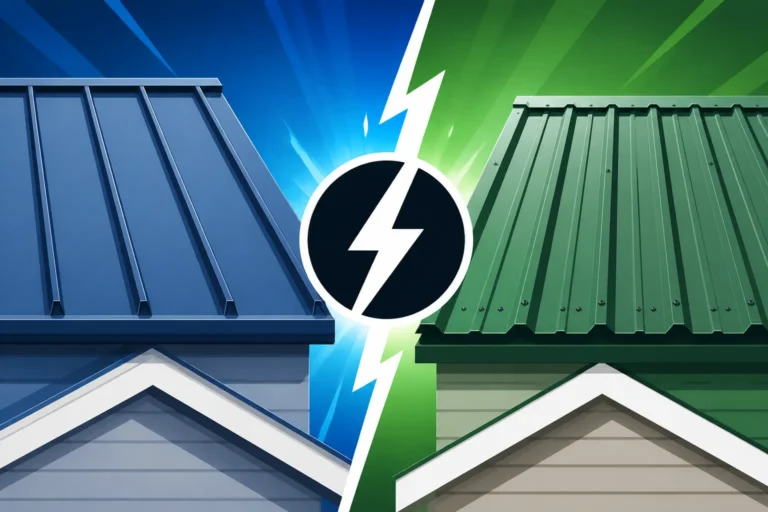
As you can see, the exposed versus concealed fastener system is the primary differentiator. Standing seam systems, while more expensive, often come with longer warranties and less frequent maintenance due to the hidden fasteners being less susceptible to weathering. However, for a homeowner who loves the classic look and is comfortable with periodic fastener checks, 5V Crimp offers a highly durable and more affordable alternative. Dive deeper into this comparison with Standing Seam vs Corrugated Metal Roof, which also touches on other profiles.
5V Crimp vs. Corrugated Metal Roof
Corrugated metal roofs are another exposed fastener option, sharing some similarities with 5V Crimp but having distinct differences in profile.
- Profile: Corrugated panels have a wavy, undulating profile (think of a series of repeating "U" or "S" shapes). 5V Crimp panels, as discussed, have sharp, V-shaped ribs. The aesthetic is still rustic but distinctly different.
- Rigidity: The V-crimped profile often provides slightly more rigidity and resistance to oil canning (a visual distortion of flat metal panels) compared to some corrugated profiles, though both are quite strong.
- Cost: Both are generally cost-effective exposed fastener options, often coming in at similar price points, though material thickness and specific coatings will influence the final price.
- Application: Both are popular for agricultural buildings, sheds, and homes aiming for a rustic or industrial aesthetic.
Many people use "corrugated" as a catch-all for any ribbed metal panel, but the specific 5V Crimp profile is quite unique and offers its own distinct charm and structural benefits.
Ultimately, whether a 5V Crimp metal roof is "good" for your house depends on your specific circumstances. If you appreciate its classic aesthetic, are looking for a durable and cost-effective metal roofing solution, and are prepared for the minimal but important maintenance of its exposed fasteners, then it could be an excellent choice for your home. However, if a sleek, modern look with virtually no fastener maintenance is your priority and budget allows, a standing seam roof might be more appealing.
Final Thoughts and Making Your Decision
Deciding on a new roof is a big deal, and it's normal to feel a bit overwhelmed by the choices. A 5V Crimp metal roof offers a compelling package for homeowners who appreciate its blend of traditional charm, robust durability, and more approachable cost compared to some other metal roofing options. It's a testament to timeless design and proven performance, capable of protecting your home for generations if properly installed and maintained.
The key to a successful 5V Crimp roof isn't just picking the right material; it's also about hiring the right professionals. An experienced metal roofing contractor understands the nuances of exposed fastener systems, from proper sealing techniques to ensuring optimal panel alignment and fastening. Don't be afraid to ask for references, check licenses, and get multiple detailed quotes. Services like Modernize can be a great resource for connecting with reputable, qualified contractors in your area who specialize in metal roofing.
Take your time, gather all the information you need, and visualize how this roof profile will look on your specific home. Consider your climate, your budget, and your willingness to commit to the minor maintenance required. With careful consideration, a 5V Crimp metal roof can be a beautiful, long-lasting, and smart investment for your home. Remember that even permits might be needed for a roof replacement, so make sure to check Do You Need a Permit for a Metal Roof? in your local area.
Disclaimer
Please note that the information provided in this article is intended for general guidance and informational purposes only. While we strive to offer accurate and up-to-date content, roofing projects can be complex and vary significantly based on location, specific building codes, material availability, and individual property conditions. We strongly recommend consulting with qualified, licensed, and insured metal roofing professionals for personalized advice, accurate estimates, and to ensure compliance with all local regulations and safety standards for your specific project.