Metal Roof Cost: Complete 2026 Guide
Most homeowners stare at a five-figure roofing quote and wonder if they are being taken for a ride. I remember when I first looked at the price to replace my old ranch house roof; the sticker shock was absolutely paralyzing and felt like a personal attack on my savings. This guide meticulously breaks down every line item, from material costs to labor, ensuring you know exactly where your money is going in 2026.
Breaking Down the Average Metal Roof Cost in 2026
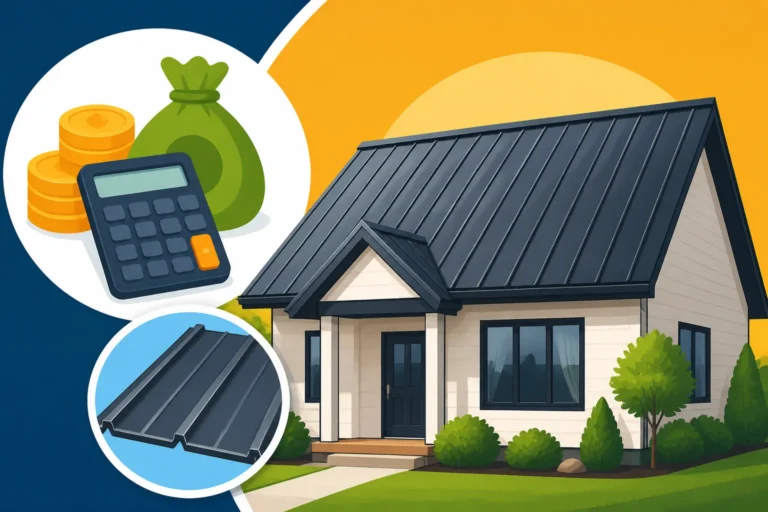
When you begin your journey into metal roofing, the first thing you will encounter is the "per square" pricing. In the roofing world, a square is a 10-foot by 10-foot area, or 100 square feet. As we move through 2026, the national average for a professionally installed metal roof typically ranges from $900 to $1,800 per square. For a standard 2,000-square-foot home, this means you are looking at a total investment between $18,000 and $36,000, though premium materials can easily push that figure north of $50,000. It is a significant range, but it reflects the massive diversity in materials and installation complexity.
Understanding the Metal Roof Cost Per Square Foot is the most effective way to start your budgeting process. You have to account for the fact that material prices have stabilized somewhat after the volatility of the early 2020s, but labor costs continue to rise due to a shortage of specialized metal roofing technicians. If you are living in a high-cost area like Seattle, Washington, or San Francisco, California, you should expect to pay at the higher end of the spectrum. Conversely, in regions like the Midwest or parts of the South, you might find competitive bids closer to the lower end.
The breakdown of your quote is usually split 40/60 between materials and labor. Unlike asphalt shingles, which are relatively easy to slap onto a roof deck, metal requires precision. One wrong cut on a standing seam panel can ruin an entire sheet, and those sheets aren't cheap. I have seen homeowners try to cut corners by hiring a general "jack-of-all-trades" contractor, only to end up paying double later to fix leaks caused by improper flashing. When looking at your Metal Roof Labor Cost, remember that you are paying for specialized equipment like roll-formers and seamers that ensure your home stays dry for the next fifty years.
Regional Price Fluctuations
Geography plays a massive role in what you will ultimately see on your estimate. For instance, the Metal Roof Cost in Florida is often higher than in other states because the building codes are incredibly strict due to hurricane requirements. Contractors in Miami or Tampa must use specific fastening patterns and high-velocity hurricane zone (HVHZ) approved materials. These requirements add both material cost and time to the installation, as inspectors are much more rigorous about checking every single screw and clip.
In contrast, if you are looking at the Metal Roof Cost in Texas, you might find more variability. In hail-prone areas like Dallas or Fort Worth, the focus isn't just on wind but on impact resistance. Many homeowners there opt for stone-coated steel to get the durability of metal with a more traditional look. The regional availability of crews also dictates the price; in areas where metal roofing is the norm, competition keeps prices fair. In areas where it is a niche product, you will pay a premium simply because the contractor has to travel further or order materials from a distant distributor.
Material vs Labor Ratios
One of the biggest surprises for homeowners is how much of the budget goes toward labor. For a basic corrugated roof, the material is relatively inexpensive, but the labor still requires a skilled hand to ensure the fasteners are driven in straight with the rubber washers properly seated. If the screws are too tight, the washer oring breaks; if they are too loose, you have a leak waiting to happen. This delicate balance is why the labor-to-material ratio stays consistently high across the board.
For high-end installs like a Standing Seam Metal Roof Cost, the labor can actually exceed the cost of the metal itself. This is because every panel is custom-cut and seamed together on-site using specialized tools. It is a slow, methodical process that cannot be rushed. When you look at your quote, don't be alarmed if the labor seems high—it is a direct reflection of the craftsman's time. A cheap labor quote is often a red flag that the crew might be using "exposed fastener" techniques on a roof that requires "hidden fasteners," which can lead to significant maintenance issues down the road.
Exploring Metal Roofing Materials: Steel, Aluminum, and Beyond
The type of metal you choose is the single largest variable in your total project cost. Not all metal is created equal, and the market offers everything from budget-friendly ribbed panels to architectural-grade zinc and copper. Most residential projects utilize steel, but even within that category, there are vast differences in quality and price. Understanding the Metal Roof Cost by Material: Steel vs Aluminum vs Copper vs Zinc is crucial because the material dictates how long the roof will last and how it will handle your specific climate.
For most suburban homes, G-90 galvanized steel or Galvalume (a mix of aluminum, zinc, and silicon) is the gold standard. Galvalume is particularly popular because it offers superior corrosion resistance at a price point that doesn't break the bank. However, if you live within a few miles of the ocean, steel is a risky choice. The salt air will eventually find its way through the coating and cause rust. In coastal cities like Charleston, South Carolina, or San Diego, California, aluminum is the better, albeit more expensive, choice because it simply doesn't rust.
Steel Roofing Varieties
Steel remains the most popular choice for a reason: it’s incredibly strong and highly customizable. You will typically choose between Galvanized and Galvalume. Galvanized steel is coated in a layer of zinc to prevent rusting, while Galvalume adds aluminum to that coating for even better longevity. When you are looking at Galvalume Roof Cost, you’ll notice it’s slightly higher than basic galvanized, but the consensus among experts is that the extra few hundred dollars are well worth the decades of extra life you get out of the panels.
The thickness of the steel, known as the gauge, also impacts the cost. In the residential market, you will mostly see 24-gauge and 26-gauge steel. The lower the number, the thicker the metal. A 24-gauge roof is much stiffer and more resistant to "oil canning" (that wavy look metal can sometimes get), but it costs more to produce and transport. I always recommend 24-gauge for standing seam roofs because it holds its shape better over long spans. If you are on a tight budget, 26-gauge is a perfectly acceptable alternative for most ranch-style homes.
Premium Metals: Copper and Zinc
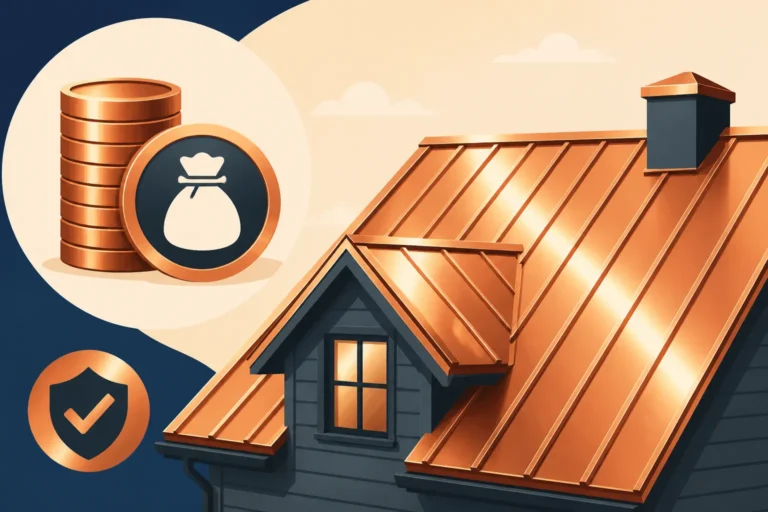
If you want the absolute best of the best, you are looking at copper or zinc. These are "lifetime" roofs in the truest sense, often lasting well over 100 years. The Copper Roof Cost is astronomical compared to steel—often four to five times the price. However, copper is a living material; it changes color from a bright penny-orange to a deep brown and eventually a beautiful green patina. It’s a favorite for historic homes in places like Boston or New Orleans where architectural integrity is paramount.
Zinc is another premium option that has gained traction. Like copper, it is self-healing, meaning if it gets a small scratch, the patina will eventually fill it back in. It has a very modern, slate-grey look that architects love for contemporary designs. The downside, of course, is the price and the extreme level of skill required for installation. You cannot just hire any roofer for a zinc project; you need a specialist who understands the thermal expansion properties of the metal, as zinc moves much more than steel does as temperatures change throughout the day.
Impact of Roof Profile and Installation Style on Budget
The "profile" refers to the shape and the way the panels are joined together. This is where aesthetics meets engineering, and it has a profound effect on your final bill. You could have two houses using the exact same grade of steel, but if one uses a corrugated profile and the other uses a standing seam profile, the price difference will be thousands of dollars. This is why it’s important to look at the Metal Roof Cost by Profile: Standing Seam vs Corrugated vs Stone-Coated before falling in love with a specific look.
Corrugated or "ribbed" panels are the most affordable. They are often called "exposed fastener" roofs because the screws go right through the face of the metal and are visible. While these are great for barns, sheds, or budget-conscious residential projects, they require more maintenance. Every ten years or so, you have to go up and check those thousands of screws to make sure the rubber washers haven't dry-rotted. If you are looking for a "set it and forget it" solution, you will likely want to move up to a hidden fastener system.
Standing Seam vs Exposed Fastener
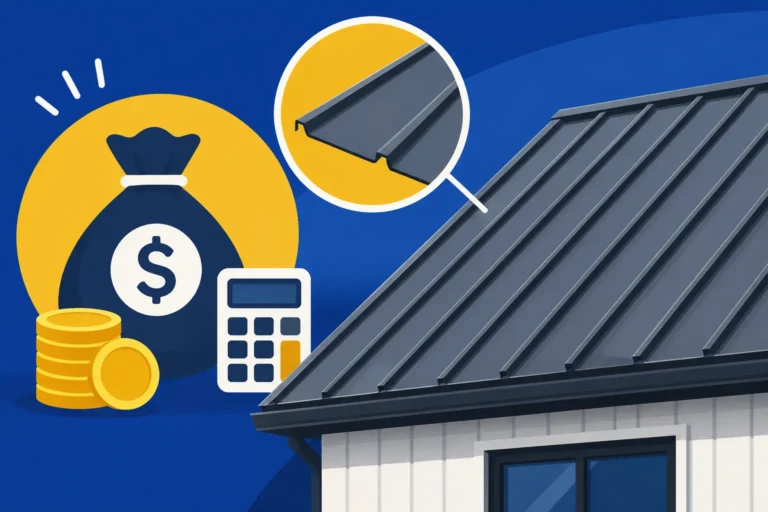
Standing seam is the "luxury" version of metal roofing. The fasteners are hidden beneath the panels, which are joined by a vertical leg or "seam." Because there are no holes punched through the metal, the risk of leaks is virtually zero. When you evaluate Standing Seam Metal Roof Cost, you are paying for both the extra metal required to form those seams and the significantly higher labor involved in the installation. It’s a sleek, modern look that significantly boosts curb appeal.
The Standing Seam vs Corrugated Cost Comparison is one of the most common dilemmas I see. Generally, a standing seam roof will cost 50% to 100% more than a corrugated roof. If you plan on staying in your home for the next 30 years, the standing seam is almost always the better investment because it avoids the fastener maintenance issues. However, if you are roofing a vacation cabin or a rental property where the upfront cost is the primary concern, a high-quality corrugated panel with modern SMP (Silicone Modified Polyester) paint can still look great and last a long time.
Metal Shingles and Tiles
For homeowners who want the benefits of metal but hate the "industrial" look of panels, metal shingles and tiles are a fantastic option. These are stamped to look like traditional asphalt shingles, wood shakes, or even Mediterranean clay tiles. They offer incredible durability and often come with the highest hail-resistance ratings. However, the labor for these is very high because they are installed piece-by-piece, much like a traditional roof, rather than in large sheets.
You will often see these branded as "stone-coated steel." The Stone-Coated Steel Roof Cost sits somewhere between high-end architectural shingles and standing seam metal. It’s a great middle-ground for neighborhoods with strict HOAs that might not allow the look of a traditional metal panel roof. I’ve seen these used to great effect on colonial-style homes where the owner wanted a "permanent" roof that didn't look like a pole barn.
| Roof Material / Profile | Estimated Cost Per Square (Installed) | Expected Lifespan | Maintenance Level |
|---|---|---|---|
| Exposed Fastener Steel | $700 – $1,100 | 30 – 40 Years | Moderate (Screw checks) |
| Standing Seam Steel | $1,200 – $1,800 | 50+ Years | Very Low |
| Aluminum (Standing Seam) | $1,500 – $2,200 | 50+ Years | Very Low |
| Stone-Coated Steel | $1,100 – $1,600 | 50+ Years | Low |
| Copper (Premium) | $2,500 – $4,500 | 100+ Years | Very Low |
Hidden Factors That Drive Up Your Quote
When you get an estimate that seems higher than the national average, it’s usually because of the specific "physics" of your house. Roofers don't just look at the square footage; they look at the "complexity" of the job. A simple "up and over" gable roof is a dream for installers, but a roof with multiple dormers, valleys, and chimneys requires an immense amount of custom flashing and detail work. This is why What Affects Metal Roof Cost: Gauge, Pitch, Complexity & Tear-Off is a critical read for anyone with a unique home design.
One of the biggest hidden costs is the "pitch" or the steepness of the roof. If a roof is too steep for a contractor to walk on without a harness and specialized scaffolding, the labor price will jump significantly. This is purely a safety and insurance issue. It takes longer to move around a steep roof, and the risk of materials sliding off is higher. If you have a two-story Victorian with a 12/12 pitch, be prepared for a "steep charge" on your final quote.
Pitch and Complexity
Complexity isn't just about how steep the roof is; it’s about how many "interruptions" there are. Every time a roof meets a wall, a chimney, or another roof plane (a valley), the contractor has to install specific trim and flashing to ensure it stays watertight. In a metal roof, these trims are often the most expensive parts per linear foot. A house with five gables and three chimneys will require significantly more labor and material than a ranch house of the same square footage.
I once worked with a homeowner in Denver who was shocked that his 1,500-square-foot roof cost more than his neighbor's 2,000-square-foot roof. The difference? The neighbor had a simple rectangular roof, while the first homeowner had a complex hip roof with three skylights and two solar tubes. Skylights, in particular, are a major cost driver in metal roofing because they require specialized "curb" flashing that must be perfectly integrated into the panels to prevent the expansion and contraction of the metal from breaking the seal.
Underlayment and Ventilation Needs
What goes under the metal is just as important as the metal itself. We have moved almost entirely away from traditional felt paper in favor of high-performance synthetic underlayments. These are more expensive, but they are essential for metal roofs because metal gets much hotter than shingles. A cheap underlayment can actually "bake" onto the bottom of the metal panels, causing issues later. Understanding Metal Roof Underlayment Cost is key to ensuring your contractor isn't cutting corners on the "invisible" parts of your roof.
Ventilation is another area where costs can creep up. Because metal is so efficient at reflecting heat, it can also trap moisture inside your attic if not properly ventilated. Most metal roofers will recommend a ridge vent system. If your home currently has "off-ridge" vents or just gable vents, the contractor will need to modify your roof deck to accommodate the new ventilation system. While this adds a few hundred dollars to the job, it’s the only way to prevent mold and wood rot in your attic space over the long term.
Long-Term ROI: Is the Initial Investment Worth It?
It is easy to get caught up in the high upfront price tag, but you have to look at a metal roof as a 50-year financial instrument rather than a 15-year repair. If you install an asphalt roof today, you will likely be doing it again in 2041. With metal, you are essentially "pre-paying" for your next two or three roofs at today’s prices. This is the core of the argument in Is a Metal Roof Worth It? ROI, Resale & Payback. When you factor in inflation and the rising cost of labor, the long-term math almost always favors metal.
There is also the matter of home value. In a competitive real estate market, a metal roof is a massive selling point. Buyers love the idea of never having to worry about a roof replacement during their tenure in the home. It gives them peace of mind, and that translates into a higher asking price. I have seen homes with new metal roofs sell for 5% to 10% more than comparable homes with aging shingle roofs, nearly recouping the entire cost of the upgrade upon sale.
Energy Savings and Resale Value
Metal roofs are often called "cool roofs" because they reflect solar radiant heat rather than absorbing it. In the peak of summer, this can reduce your cooling costs by 10% to 25%. If you live in a hot climate like Phoenix, Arizona, or Las Vegas, Nevada, those savings add up to thousands of dollars over the life of the roof. Some modern paint coatings even have "infrared reflective" pigments that make them even more efficient, though these come at a slightly higher price point.
When it comes to resale, the impact is undeniable. Check out Does a Metal Roof Increase Home Value? for a deeper dive, but the general consensus is that you can expect to recover about 60% to 85% of the roof's cost in added home value immediately. In some markets, particularly those prone to wildfires or heavy snow, that number can be even higher because the roof is seen as a vital safety feature rather than just an aesthetic choice.
Insurance Benefits and Longevity
One of my favorite "hidden" savings is the insurance discount. Because metal is fireproof and highly impact-resistant, many insurance companies offer significant discounts on your annual premiums. In states like Oklahoma or Kansas, where hail is a constant threat, having a Class 4 impact-rated metal roof can save you up to 30% on your homeowners' insurance. Be sure to look into Metal Roof Insurance Savings & Discounts and call your agent before you sign a contract; you might be surprised at how quickly that discount pays for the "metal upgrade."
Longevity is the final piece of the ROI puzzle. While a shingle roof is "sacrificial"—it's designed to wear away over time—metal is "permanent." A high-quality standing seam roof installed today will likely be the last roof you ever put on that house. When you consider that the Metal Roof Cost vs Asphalt Shingle Cost gap closes significantly after just one shingle replacement cycle, the value proposition becomes clear. You are trading a high upfront cost for decades of zero-maintenance protection.
Smart Ways to Save Without Sacrificing Quality
If the quotes you are getting are just slightly out of reach, there are strategic ways to bring the price down without compromising the integrity of the system. The most common mistake I see is homeowners choosing the cheapest contractor. A better way to save is by adjusting the material specs or the timing of the project. For example, if you were set on a premium color, switching to a standard "stock" color can often save you $500 to $1,000 because the contractor doesn't have to pay a "small batch" fee to the manufacturer.
Another option is to consider the Tear-Off vs Metal Over Shingles: Cost Difference. In some jurisdictions, building codes allow you to install a metal roof directly over one layer of existing asphalt shingles. This saves you the labor cost of the tear-off and the disposal fees at the local landfill. However, you must ensure the roof deck is in good condition first. If you have rotting wood underneath, "re-roofing" over shingles is a recipe for disaster. Always have a thorough inspection before choosing this route.
Timing Your Installation
Roofing is a seasonal business. Most people want their roofs replaced in the spring or late summer. If you can schedule your project for the "off-season"—typically late fall or early winter in many regions—you might be able to negotiate a better rate. Contractors are more likely to offer a discount when their schedules are thin and they need to keep their crews working. I've seen homeowners save 5% to 10% simply by being flexible with their start date.
Additionally, keep an eye on metal prices. Steel and aluminum are commodities, and their prices fluctuate based on global trade and supply chain issues. While you can't always predict the market, your contractor can give you a "lock-in" period. When you How to Get a Metal Roof Estimate, ask the contractor how long the quote is valid. If they tell you the price is only good for 7 days, it's a sign that the market is volatile and you should move quickly if the price is right.
Choosing the Right Contractor
The "cheapest" contractor often ends up being the most expensive. Metal roofing is a specialized trade. If a contractor mainly does shingles and says they can "figure out" a metal roof, run away. You want someone who specializes in metal. A specialist will have the right tools to do the job faster and more accurately, which actually saves you money on labor in the long run. They also have better relationships with manufacturers, which can lead to better material pricing.
Before you sign anything, look into Metal Roof Financing Options. Many reputable metal roofing companies offer "same as cash" or low-interest financing plans. This allows you to get the high-quality roof you want without draining your entire savings account at once. Sometimes, paying a little bit of interest to get a standing seam roof is a smarter financial move than paying cash for a cheap corrugated roof that will need maintenance in a decade.
Metal Roof Cost: Complete 2026 Guide Disclaimer
The information provided in this guide is for informational purposes only and represents general market trends. Actual roofing costs vary significantly based on local labor rates, material availability, roof complexity, and specific contractor overhead. Always obtain at least three written estimates from licensed and insured professional roofing contractors in your specific area before making a financial commitment. We do not guarantee the accuracy of pricing data as market conditions for steel, aluminum, and other commodities can change rapidly.