Metal Roof Cost Per Square Foot
One of the biggest headaches when considering a metal roof is trying to figure out the real cost. You hear "per square foot," but what does that even mean when one quote is wildly different from the next? I've been there, staring at numbers, trying to decipher what's included and what's just going to pop up as a surprise later. This guide will peel back the layers of metal roof pricing, specifically focusing on what goes into that per-square-foot figure, so you can approach your project with confidence and a clear understanding of your investment.
Understanding Metal Roof Pricing: Beyond the Sticker Shock
It's easy to get caught up in the initial "metal roof cost per square foot" number that contractors toss around. But, let's be honest, that single figure rarely tells the whole story. It's like asking the price of a car and only getting the engine cost – you know there's more to it, and understanding those nuances is key to budgeting effectively and avoiding unwelcome surprises down the road.
The "Square Foot" Deception: What Does It Really Include?
When a roofer quotes a price per square foot, they might be referring to just the material, or they might be rolling in the labor, or perhaps even a few basic accessories. The problem is, there's no universal standard for what that number encapsulates. Some contractors will give you a "bare bones" material cost, leaving you to wonder about installation, fasteners, trim, and even disposal of your old roof. Others might present an all-inclusive number that seems high but actually covers a great deal. This discrepancy is why comparing quotes solely on the per-square-foot figure can be misleading. You might think you're getting a great deal at $7 per square foot, only to find out that excludes tear-off, underlayment, and all the intricate flashing around chimneys and vents, which can easily add another $3-5 per square foot or more once everything is tallied.
Imagine you're getting quotes in Jacksonville, Florida, where hurricane preparedness is a big deal. A quote that seems cheap might not include the robust wind mitigation measures or specific fastening schedules required by local codes, which inevitably adds to the per-square-foot cost when done correctly. Or perhaps you're in a historic district in Charleston, South Carolina, where specific aesthetics might drive up material and labor for custom fabrication. The "square foot" price can be a starting point, but it's crucial to dig deeper into its components to understand the true scope of work and materials being covered.
Breaking Down the Core Cost Components
To truly understand the "metal roof cost per square foot," we need to dissect it into its primary elements. Generally, this figure is influenced by four main categories: materials, labor, accessories, and project-specific factors. The material itself, which includes the type of metal (steel, aluminum, copper, zinc), the profile (standing seam, corrugated, shingle), and the gauge (thickness), forms the largest portion. Then there's the labor, which encompasses the specialized skills required for metal roof installation, varying based on region, roof complexity, and contractor experience. Don't forget the accessories – underlayment, fasteners, flashing, trim, and sealants – which are essential for a watertight, durable system but are often itemized separately or calculated into a "total material" cost. Finally, project-specific factors like tear-off of an old roof, disposal fees, permits, and any unique architectural elements on your home will contribute to the overall per-square-foot investment. Overlooking any of these can lead to a budget blowout that no one wants.
Let's say you're looking at a standard 2,000 square foot home in Dallas, Texas. A basic corrugated metal roof might run you $5-8 per square foot for materials and simple installation. But if you opt for a premium standing seam system with a durable Kynar finish, that could easily jump to $12-20+ per square foot. This significant range highlights why a single "per square foot" number is just the tip of the iceberg. You also need to consider things like the Metal Roof Labor Cost Per Square and how it integrates into the overall pricing structure. It's not just about the metal; it's about the entire ecosystem of components and services that bring that metal roof to life on your home.
Material Matters: How Different Metals Impact Per-Square-Foot Costs
The type of metal you choose for your roof will be one of the biggest drivers of its per-square-foot cost. Each metal brings its own unique set of properties, from durability and weight to aesthetic appeal and, of course, price point. Understanding these differences is crucial for selecting a material that aligns with both your budget and your long-term goals for your home.
Steel Roofing: The Workhorse of Affordability
Steel is hands down the most popular and often the most budget-friendly option when it comes to metal roofing, making it an excellent choice for many homeowners. Its widespread availability and strength-to-cost ratio make it a practical selection. Within steel, you'll typically find galvanized steel (coated with zinc) and Galvalume steel (coated with aluminum and zinc), with Galvalume offering superior corrosion resistance for a slightly higher price. The average cost for steel roofing, including both materials and installation, can range from $5 to $15 per square foot, though specialized coatings or complex installations can push this higher.
For example, a standard 26-gauge Galvalume R-panel roof on a simple ranch-style home in Atlanta, Georgia, might fall on the lower end of that spectrum, perhaps $6-9 per square foot. This type of roof is durable, performs well in various climates, and offers a clean, modern look without breaking the bank. However, if you opt for a thicker 24-gauge standing seam steel roof with a premium PVDF (Kynar) paint finish, designed to resist fading and chalking for decades, you could be looking at $10-15 per square foot or more. This is because the material itself is more robust, and the hidden fastener system of standing seam requires more specialized installation, contributing to a higher Steel Roof Cost Per Square Foot. The longevity and minimal maintenance of a quality steel roof often make the initial investment worthwhile, providing excellent long-term value.
Aluminum Roofing: Lightweight, Durable, and a Price Jump
Aluminum is another fantastic option, particularly valued for its exceptional corrosion resistance and lightweight nature, making it ideal for coastal areas or regions with heavy rainfall. Unlike steel, aluminum won't rust, which is a huge benefit if you live near the ocean, like along the Florida coastline. Because of these advantages and the raw material cost, aluminum typically comes with a higher price tag than steel. You can expect to pay anywhere from $8 to $20 per square foot for an installed aluminum roof.
Consider a homeowner in Naples, Florida, who wants a roof that can stand up to the salty air and intense humidity for decades. An aluminum standing seam roof, perhaps with a textured finish to mimic wood shakes or slate, would be an excellent choice. While the initial Aluminum Roof Cost Per Square Foot might be $15-20, the peace of mind knowing it won't corrode and its potential to lower home insurance premiums through wind mitigation credits can offset that cost over time. The lighter weight of aluminum also means it places less stress on your home's structure and can sometimes be installed over an existing roof, potentially saving on tear-off costs, though this depends on local codes and the condition of the underlying roof. It’s a premium product that delivers premium performance, especially in challenging environments.
Copper and Zinc: The Premium Price Tags
Now we're talking about the creme de la creme of metal roofing. Copper and zinc are truly luxury materials, known for their incredible longevity, natural beauty, and distinct patina development over time. They are, however, significantly more expensive than steel or aluminum. For an installed copper or zinc roof, you're generally looking at $25 to $60+ per square foot. These materials are often chosen for custom homes, historic restorations, or architectural features where their unique aesthetic and extreme durability are paramount.
A custom home builder in Aspen, Colorado, for instance, might specify a copper roof for its elegant appearance and ability to withstand harsh mountain winters for 100 years or more. While the Copper Roof Cost Per Square Foot could easily be $40-50, the material becomes an integral part of the home's design, appreciating in beauty as it ages. Similarly, a homeowner looking for a roof with self-healing properties and an incredibly long lifespan might opt for zinc. Zinc develops a protective patina that can "heal" minor scratches, making it exceptionally low maintenance. Its soft, matte finish is highly sought after for modern and contemporary designs. These materials are investments, not just in a roof, but in a lasting architectural statement that adds significant value and prestige to a property.
Profile Power: How Panel Types Influence Your Square Foot Price
Beyond the material itself, the profile or style of your metal roofing panels plays a critical role in the overall cost per square foot. Different profiles require different manufacturing processes, installation techniques, and levels of detail, all of which directly affect the final price. Understanding these distinctions will help you choose a roof that fits both your aesthetic preferences and your budget.
Standing Seam vs. Exposed Fastener: A Cost Showdown
When people picture modern metal roofs, often the first thing that comes to mind is standing seam. This profile features raised, interlocking seams that run vertically up the roof, effectively hiding the fasteners beneath the panels. This concealed fastener system is a major reason for its popularity: it looks sleek, minimizes potential leak points, and offers exceptional durability. However, this superior design and specialized installation come at a higher per-square-foot cost, generally ranging from $10 to $20. The fabrication of these panels, often custom-cut to the exact length of your roof, and the precise installation techniques by skilled crews contribute to this price.
On the other hand, exposed fastener systems, like corrugated or R-panel roofs, are typically much more budget-friendly, often falling into the $5 to $12 per square foot range. As the name suggests, these panels are secured directly to the roof deck or purlins with screws that have exposed gaskets or washers. Installation is generally quicker and less labor-intensive, which translates to savings. While effective and very popular for barns, commercial buildings, and even some residential homes with a more utilitarian aesthetic, the exposed fasteners can be a potential point of failure over many decades as washers degrade, requiring periodic inspection and maintenance. A common example is a home in rural Oklahoma, where a durable yet affordable R-panel roof provides excellent protection against severe weather without the premium cost of standing seam. The choice often comes down to balancing aesthetic preference, long-term maintenance expectations, and, of course, budget. If you're pondering the details, you might want to look into How Much Does a Standing Seam Metal Roof Cost for a deeper dive.
Metal Shingles, Tiles, and Shakes: Aesthetic Appeal, Higher Price
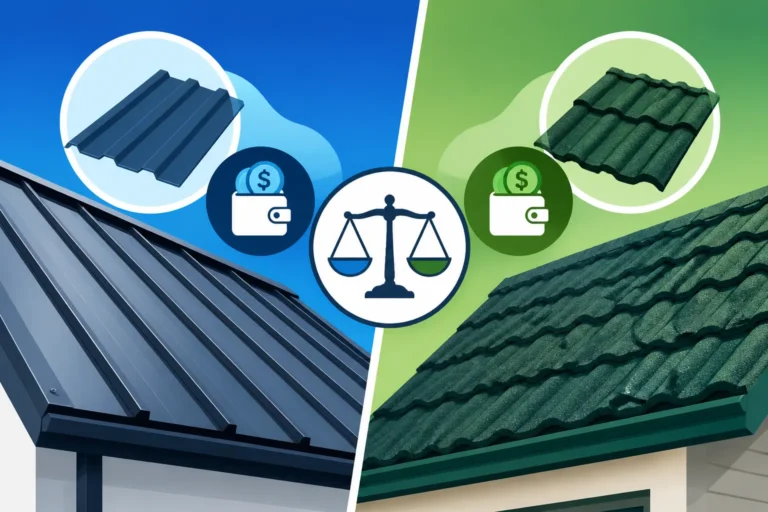
For homeowners who love the traditional look of asphalt shingles, clay tiles, or wood shakes but desire the unparalleled durability and longevity of metal, metal shingles, tiles, and shakes are a fantastic solution. These systems are designed to mimic the appearance of conventional roofing materials, often with incredibly realistic textures and finishes. However, achieving this aesthetic with metal involves more complex stamping and finishing processes, as well as a more intricate installation, which means a higher per-square-foot cost. Expect to pay anywhere from $8 to $25 per square foot for these options.
Take, for instance, a charming bungalow in the historic district of Savannah, Georgia. The homeowners might want the look of traditional slate tiles, but the weight and maintenance of real slate are prohibitive. A stone-coated steel tile roof can provide that elegant, historical aesthetic with the added benefits of metal – superior wind resistance, fire protection, and a lifespan of 50 years or more. While the Stone-Coated Steel Roof Cost is higher than a basic corrugated panel, the enhanced curb appeal and performance often justify the investment. These interlocking systems also tend to be lighter than their traditional counterparts, making them suitable for roofs that might not be able to bear the weight of genuine slate or clay. They offer a beautiful blend of classic design and modern roofing technology.
Corrugated and R-Panel: The Budget-Friendly Options
When cost-effectiveness and straightforward performance are top priorities, corrugated and R-panel metal roofs often come to the forefront. These exposed fastener systems are characterized by their ribbed designs, which provide strength and allow for efficient drainage. They are typically the most economical metal roofing options available, making them popular for a wide range of applications, from agricultural buildings to residential homes, especially in areas where a rustic or industrial look is embraced. Their installed cost generally falls between $5 to $12 per square foot.
A homeowner on a tighter budget in a suburb of Phoenix, Arizona, might find a galvanized or Galvalume corrugated metal roof to be an ideal choice. The installation is relatively quick, the materials are readily available, and the reflective properties of the metal can contribute to energy efficiency in a hot climate. Similarly, an R-panel roof, which has a more pronounced rib and often a slightly more industrial appearance, is frequently used for residential applications where durability and economy are key. While they require more maintenance over their lifespan to check and potentially replace exposed fasteners and their washers compared to a standing seam system, their initial low cost per square foot often makes them an attractive entry point into the world of metal roofing. For more specific details on this economic option, you might want to explore How Much Does a Corrugated Metal Roof Cost. These profiles offer a robust and long-lasting roof without the premium price tag of more complex systems.
Gauge and Coatings: The Unseen Factors Affecting Cost
It's easy to focus on the type of metal or the style of the panel, but two less obvious yet equally important factors that influence your metal roof's per-square-foot cost are its gauge (thickness) and the protective coatings applied to it. These elements directly impact the roof's durability, longevity, and overall performance, making them critical considerations in your budget.
Decoding Gauge: Thicker Metal, Higher Cost
When we talk about metal roofing, "gauge" refers to the thickness of the metal. Counterintuitively, the lower the gauge number, the thicker the metal. So, a 24-gauge steel panel is thicker and stronger than a 26-gauge panel, which in turn is thicker than a 29-gauge panel. Thicker metal is more rigid, resistant to denting and bending, and generally offers a longer lifespan. As you might expect, this increased robustness comes with a higher material cost per square foot.
For residential applications, you'll most commonly encounter 24-gauge, 26-gauge, and 29-gauge steel or aluminum. A 29-gauge panel is typically the thinnest and most affordable, often used for agricultural buildings or very budget-conscious residential projects. A 26-gauge panel offers a good balance of durability and cost, while 24-gauge is considered a premium residential thickness, especially for standing seam systems, providing superior impact resistance and structural integrity. For a 2,000 square foot home, upgrading from 26-gauge to 24-gauge steel could add an additional $0.50 to $1.50 per square foot to your material costs, which might seem small but can add up to a significant difference on a larger roof. If you're trying to weigh your options, our guide on 24 vs 26 Gauge Metal Roof Cost Difference provides a helpful comparison. Choosing the right gauge means balancing your budget with the expected lifespan and resilience you desire from your roof.
Paint Coatings and Finishes: Adding Value and Expense
Beyond the raw metal, almost all residential metal roofs receive a protective paint coating or finish. These coatings do more than just add color; they provide crucial protection against UV radiation, corrosion, and environmental degradation, significantly extending the life and maintaining the aesthetic appeal of your roof. The type and quality of these coatings directly impact the per-square-foot cost.
The two most common high-performance coatings are Siliconized Modified Polyester (SMP) and Polyvinylidene Fluoride (PVDF), often known by the brand name Kynar 500 or Hylar 5000. SMP coatings are a good, economical choice, offering decent color retention and chalk resistance for 20-30 years. PVDF coatings, however, are the gold standard for durability, providing exceptional resistance to fading, chalking, and dirt retention, often backed by warranties of 30-40 years or more. Choosing a PVDF finish can add an additional $0.50 to $2.00 per square foot compared to an SMP finish, but this investment often pays off in the long run by preserving your roof's appearance and performance for decades without needing recoating. Some manufacturers, like those using finishes from Sherwin-Williams or AkzoNobel, offer proprietary systems that rival or even exceed these standards. For instance, a homeowner in a sunny climate like Southern California would highly benefit from a PVDF-coated metal roof, as its superior UV resistance would prevent premature fading and chalking, maintaining curb appeal and performance for many decades.
Installation Labor: A Significant Piece of the Per-Square-Foot Puzzle
While materials are a big part of the equation, the cost of skilled labor is a substantial component of the overall metal roof cost per square foot. Installing a metal roof, especially a standing seam system, requires specialized knowledge, tools, and experience that go beyond what's needed for traditional asphalt shingles. This expertise directly impacts the labor portion of your per-square-foot price.
Regional Differences and Contractor Expertise
The cost of labor for metal roof installation can vary considerably based on your geographic location. In areas with a higher cost of living or strong demand for skilled trades, like in parts of California or the Northeast, labor rates will naturally be higher. Conversely, in regions with a lower cost of living or more competition among contractors, such as some areas in the South or Midwest, labor might be more affordable. For instance, you might find that metal roof labor cost in Houston is different from the cost in rural parts of Texas. Beyond geography, the expertise and reputation of your chosen contractor also play a significant role. A highly experienced contractor specializing in metal roofing, especially intricate standing seam systems, will likely command a higher rate than a general roofer who only occasionally installs metal. This premium, however, often translates into a superior installation, reducing the likelihood of future problems and ensuring your warranty remains valid.
For a standard metal roof, labor costs can range from $3 to $8 per square foot, but for highly complex projects or specialized materials like copper, it could go even higher. It’s important to remember that a cheaper labor rate often means less experience, which can lead to mistakes that cost more to fix in the long run. An improperly installed metal roof can lead to leaks, voided warranties, and premature failure, turning a supposed saving into a costly headache. Always vet your contractors thoroughly and ask for references.
Roof Complexity and Installation Challenges
Not all roofs are created equal, and the complexity of your roofline will directly influence the labor component of your metal roof's per-square-foot cost. A simple, low-pitch gable roof on a single-story ranch house will be far less labor-intensive to install than a steep-pitch roof with multiple dormers, valleys, skylights, and chimneys. Each cut, bend, and flashing detail on a complex roof takes additional time and skill, increasing labor hours and thus the per-square-foot price.
Consider a residential property in Seattle, Washington, known for its diverse architecture, from sleek modern homes to charming Craftsman bungalows. A modern home with a simple, expansive standing seam roof might be installed efficiently, keeping labor costs relatively stable. However, a Craftsman home with several gables, a complex hip-and-valley system, and custom flashing around a stone chimney will significantly increase labor. The roofer has to account for intricate measurements, custom panel cuts, careful sealing, and precise flashing techniques around every penetration. These additional challenges mean more time on the job, more specialized skills required, and ultimately, a higher overall cost per square foot for the installation. It’s also why getting a comprehensive estimate that breaks down labor and material is so important.
Hidden Costs and Unexpected Expenses Per Square Foot
When budgeting for a metal roof, it's easy to focus solely on the panels themselves and the direct installation. However, there are several "hidden" or often overlooked costs that, while seemingly small individually, can add up quickly and significantly impact your overall metal roof cost per square foot. Being aware of these will help you create a more accurate budget and avoid last-minute surprises.
Underlayment, Fasteners, and Trim
Beyond the primary metal panels, a metal roofing system requires a variety of essential components that are often not included in the raw "material cost per square foot." The underlayment, for example, is a crucial layer installed directly over your roof deck. It provides an additional barrier against moisture, protects your home during installation, and can contribute to sound dampening and energy efficiency. High-quality synthetic underlayments, which are superior to traditional felt paper for metal roofs, can add an extra $0.50 to $1.50 per square foot.
Then there are the fasteners – the screws, clips, and specialized anchors that secure your panels. For exposed fastener systems, these are visible, but even standing seam systems use clips and screws underneath. The quality and quantity of these fasteners matter for longevity and wind resistance, contributing to the overall cost. Finally, the trim and flashing pieces that go around the edges, eaves, gables, valleys, and wall junctures are absolutely critical for a watertight seal and a finished look. These custom-bent metal pieces can add $1 to $3 per linear foot, which, when calculated across your entire roof's perimeter and features, significantly adds to the total cost. A good contractor will detail these components in their quote, ensuring you understand the complete picture of your Metal Roof Underlayment Cost and other accessories.
Tear-Off and Disposal: Often Overlooked
One of the most frequently underestimated costs is the tear-off and disposal of your old roof. Unless you're installing a metal roof directly over existing shingles (which is sometimes possible but not always recommended or permitted), your old roof will need to be removed. This process involves labor, specialized equipment, and significant disposal fees, which can vary greatly by region and the type of material being removed.
For example, tearing off an old asphalt shingle roof can cost anywhere from $1 to $4 per square foot, sometimes more if there are multiple layers or hazardous materials like asbestos are present. In bustling metropolitan areas like Los Angeles, California, disposal fees are often higher due to landfill costs and environmental regulations. These costs are usually separate from the metal roof installation itself, and forgetting to factor them in can lead to a nasty surprise. Many contractors will itemize this as a separate line item, but if they give you an all-inclusive "per square foot" number, be sure to confirm if it includes the tear-off and debris removal. Not accounting for this can easily inflate your budget by several thousand dollars on a typical home. Getting an accurate understanding of the Cost to Replace Shingles With a Metal Roof involves understanding this significant component.
Permits and Inspections
Finally, never forget the administrative costs: permits and inspections. Almost any significant roofing project, especially a full replacement with a new material like metal, will require a building permit from your local municipality. This permit ensures that the work complies with local building codes and safety standards. The cost of a permit varies widely depending on your city and the scope of the project, typically ranging from a few hundred dollars to over a thousand.
For example, securing a metal roof permit in Houston, Texas, might cost a few hundred dollars, while a complex project in a stricter jurisdiction like Miami-Dade County, Florida, could involve higher fees and more rigorous inspection requirements due to hurricane codes. Beyond the permit fee itself, there's also the time and effort involved in applying for the permit, scheduling inspections, and potentially needing revisions if the initial plans aren't up to code. While these costs might seem like a small percentage of the total project, they are non-negotiable legal requirements. Reputable contractors will include permit fees in their bids or clearly advise you of this separate cost. Skipping this step can lead to fines, project delays, or even the requirement to remove and re-install work that wasn't approved.
Maximizing Value: Getting the Best Metal Roof for Your Budget
Investing in a metal roof is a significant decision, and while the "cost per square foot" is a crucial factor, true value goes beyond the initial price tag. It's about getting a roof that meets your needs, stands the test of time, and provides a solid return on investment. With careful planning and smart choices, you can maximize the value of your metal roofing project without necessarily breaking the bank.
Smart Material and Profile Choices
The key to getting the best metal roof for your budget lies in making informed decisions about materials and profiles. You don't always need the most expensive option to achieve excellent results. For many homeowners, a high-quality Galvalume steel standing seam roof with a durable PVDF coating offers an exceptional balance of longevity, performance, and aesthetic appeal at a more accessible price point than copper or zinc. It provides a long-lasting, low-maintenance solution that will protect your home for decades.
If budget is a primary concern, a well-installed 26-gauge Galvalume R-panel or corrugated roof can still deliver superior performance compared to asphalt shingles, especially in terms of wind resistance and longevity. While it might not have the sleek, hidden-fastener look of standing seam, its cost-effectiveness makes it a compelling option. For those who prioritize aesthetics but need to keep costs down, stone-coated steel shingles can offer the look of traditional materials like clay tile or slate at a fraction of their cost and weight. The trick is to identify your absolute priorities—whether it's extreme longevity, specific aesthetics, or a strict budget—and then select the material and profile that best align with those goals. This is where researching options like Cheapest Metal Roof Options can be incredibly helpful in narrowing down your choices.
The Long-Term ROI Perspective
When evaluating the "metal roof cost per square foot," it's vital to shift your perspective from just the upfront expense to the long-term return on investment (ROI). While metal roofs have a higher initial cost than asphalt shingles, their significantly longer lifespan (50-100 years or more), superior durability, and low maintenance requirements often make them more cost-effective over their lifetime. You might pay more upfront, but you'll likely never have to replace your roof again, saving tens of thousands of dollars in future replacement costs.
Furthermore, metal roofs can contribute to significant savings in other areas. Many insurance companies offer discounts for metal roofs due to their superior fire, wind, and impact resistance. For example, in hurricane-prone regions like Florida, a properly installed metal roof can lead to substantial reductions in homeowners insurance premiums. They are also energy-efficient, reflecting solar radiant heat and potentially reducing cooling costs in warmer climates. When it comes time to sell your home, a metal roof is a significant selling point, adding to its resale value and curb appeal. Therefore, while the metal roof cost per square foot might initially seem daunting, consider the decades of worry-free protection, energy savings, insurance benefits, and increased home value it brings. This holistic view reveals the true value proposition of a metal roof, making it a wise long-term investment for your property. Our article on Is a Metal Roof Worth It ROI Resale & Payback expands on these financial benefits.
Metal Roof Cost Comparison Per Square Foot
To give you a clearer picture, here's a general comparison of average installed costs per square foot for different types of metal roofs. Keep in mind these are averages, and actual costs can vary based on location, contractor, roof complexity, and specific material and coating choices.
| Metal Roof Type | Material | Profile | Typical Gauge | Est. Cost Per Sq. Ft. (Installed) | Key Benefit |
|---|---|---|---|---|---|
| Basic Steel | Galvanized/Galvalume | Corrugated/R-Panel | 29, 26 | $5 – $10 | Most affordable, durable |
| Standard Steel | Galvalume | Standing Seam | 26, 24 | $10 – $18 | Excellent value, hidden fasteners, sleek look |
| Premium Steel | Galvalume | Stone-Coated Shingle | 24, 26 | $8 – $25 | Mimics traditional styles, durable |
| Aluminum | Aluminum | Standing Seam | .032", .040" | $12 – $22 | Corrosion-resistant, lightweight, coastal areas |
| Copper | Copper | Standing Seam | 16 oz., 20 oz. | $30 – $60+ | Extreme longevity, unique patina, luxury |
| Zinc | Zinc | Standing Seam | .7mm, .8mm | $25 – $50+ | Self-healing patina, extreme longevity, modern |
Please note: These are estimated ranges and actual costs can differ significantly.
Disclaimer
The information provided in this guide regarding metal roof costs per square foot is for general informational purposes only. Prices are subject to change based on market fluctuations for materials, regional labor rates, specific contractor bids, roof complexity, and local building codes. It is highly recommended to obtain multiple detailed quotes from licensed and insured local metal roofing contractors for an accurate assessment of your specific project. Always confirm what is included in any per-square-foot pricing.