How Much to Replace a Mobile Home Roof With Metal
If you're a mobile homeowner, you know the struggle: that aging roof is constantly on your mind, especially when a storm rolls through or another repair bill lands in your lap. It feels like a never-ending battle against leaks, wear, and tear, and often, the thought of replacing it with something more durable seems like a distant dream. This guide is here to shed light on that very dream, diving deep into how much it truly costs to replace a mobile home roof with metal, giving you a realistic picture of what to expect and helping you plan your next big home improvement project.
Understanding Mobile Home Roof Replacement
Replacing a mobile home roof isn't just a simple facelift; it's an investment in your home's longevity, comfort, and protection. Unlike traditional stick-built homes, mobile homes often have unique roofing structures and considerations that influence the replacement process and, ultimately, the cost.
Why Consider Metal for Your Mobile Home?
Metal roofing has become incredibly popular for mobile homes, and for good reason. It offers a host of benefits that directly address many common mobile home roofing frustrations, but it's also important to be aware of any potential downsides.
Pros of Metal Roofing for Mobile Homes:
- Durability and Longevity: This is often the top draw. A properly installed metal roof can last 40 to 70 years, far outstripping the lifespan of traditional asphalt shingles or common mobile home roofing materials like TPO or EPDM. Imagine not having to worry about your roof for decades! This incredible lifespan means fewer worries about future replacements and repairs.
- Superior Protection: Metal roofs are fantastic at standing up to severe weather. They're highly resistant to wind, hail, and even fire. In areas prone to strong storms, like many parts of Florida or Texas, this can translate to significant peace of mind. Some metal roofing materials even boast Class 4 impact resistance, which might lead to Metal Roof Insurance Savings & Discounts.
- Energy Efficiency: Many metal roofs, especially those with lighter colors or specialized coatings, are highly reflective. This can significantly reduce heat absorption, keeping your mobile home cooler in hot climates and potentially lowering your air conditioning bills. This is particularly beneficial for mobile homes, which can sometimes struggle with insulation compared to site-built homes.
- Low Maintenance: Once installed, metal roofs require minimal maintenance. You won't be dealing with crumbling shingles or constant patching. Occasional cleaning and inspections are usually all that's needed to keep it in top shape.
- Lightweight: Metal is a surprisingly lightweight material, which is a big advantage for mobile home structures. It puts less stress on the existing framework compared to some other heavy roofing options.
Cons of Metal Roofing for Mobile Homes:
- Initial Cost: There's no sugarcoating it: the upfront cost of a metal roof is generally higher than traditional options. This is a significant factor for many homeowners, and it's why understanding the breakdown is so crucial. However, when you consider the Metal Roof vs Metal Roof Lifespan Value, the long-term savings often make it worthwhile.
- Noise: Some people worry about noise during heavy rain or hail. While older, uninsulated metal roofs might have been noisy, modern installation techniques and proper underlayment significantly mitigate this issue, making most metal roofs surprisingly quiet.
- Denting: While impact-resistant, very large hail or falling debris can cause dents, especially on thinner gauge metals. These are often cosmetic but can be a concern for some homeowners.
- Installation Complexity: Metal roof installation requires specialized skills and tools. It's not typically a DIY project for most mobile homeowners, and finding a qualified contractor is essential.
Key Factors Influencing Cost
The cost to replace a mobile home roof with metal isn isn't a single, fixed number. A lot of variables come into play, much like building a house from scratch. Understanding these factors will help you get a more accurate estimate when you start getting quotes.
- Mobile Home Size and Roof Area: This is probably the most obvious factor. The larger your mobile home, the more materials and labor will be required. Metal roofing is often priced by the square foot, so a bigger roof naturally means a higher overall cost. A single-wide mobile home will cost significantly less than a double-wide or triple-wide. For a rough idea, you can always check out a Metal Roof Cost Calculator: How to Estimate.
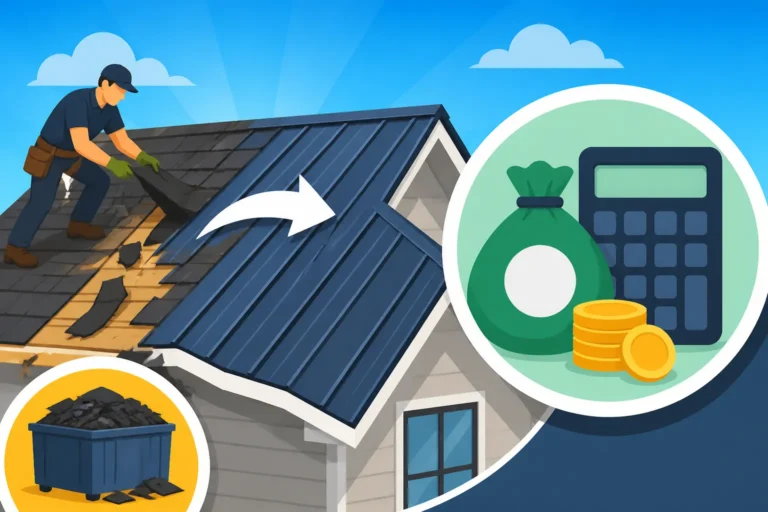
- Existing Roof Condition and Tear-Off: Does your current roof need to be completely removed, or can the metal panels be installed over it? If you have multiple layers of old shingles or significant damage that needs remediation, a tear-off will be necessary, adding to labor, disposal fees, and overall project time. Installing a Metal Roof Over Shingles can sometimes save on tear-off costs but requires careful assessment to ensure structural integrity and proper ventilation.
- Roof Pitch and Complexity: The slope of your mobile home roof—its pitch—plays a big role. A very low-slope roof might require specific types of metal panels (like standing seam) and more meticulous sealing, which can drive up costs. Complex rooflines with many valleys, dormers, or chimneys also increase labor and material waste, making the installation more challenging and expensive compared to a simple, flat-panel roof. This is a key part of What Affects Metal Roof Cost: Gauge, Pitch, Complexity & Tear-Off.
- Type of Metal and Profile: Not all metal roofs are created equal! Different materials (steel, aluminum) and profiles (corrugated, R-panel, standing seam, metal shingles) come with varying price tags. We'll delve into this more in the next section.
- Geographic Location: The cost of labor and materials can fluctuate significantly depending on where you live. For example, a Metal Roof Cost in Florida might differ from a Metal Roof Cost in Texas due to regional demand, labor rates, and local building codes, especially those related to hurricane resistance.
- Permits and Inspections: Most jurisdictions require permits for roof replacement projects, even for mobile homes. These costs vary by locality and are essential for ensuring your new roof meets safety and building codes. Neglecting permits can lead to fines and issues down the road. You can learn more about this in Do You Need a Permit for a Metal Roof?.
Breaking Down the Costs of a Metal Mobile Home Roof
Now let's get into the nitty-gritty of what makes up the total bill for a metal roof replacement on your mobile home. It's more than just the panels themselves; you've got materials, labor, and a few other bits and pieces that can add up.
Material Costs
The type of metal roofing you choose will have a huge impact on your budget. Each material and profile offers different aesthetics, durability, and price points suitable for various mobile home styles and budgets. Here’s a look at the common choices:
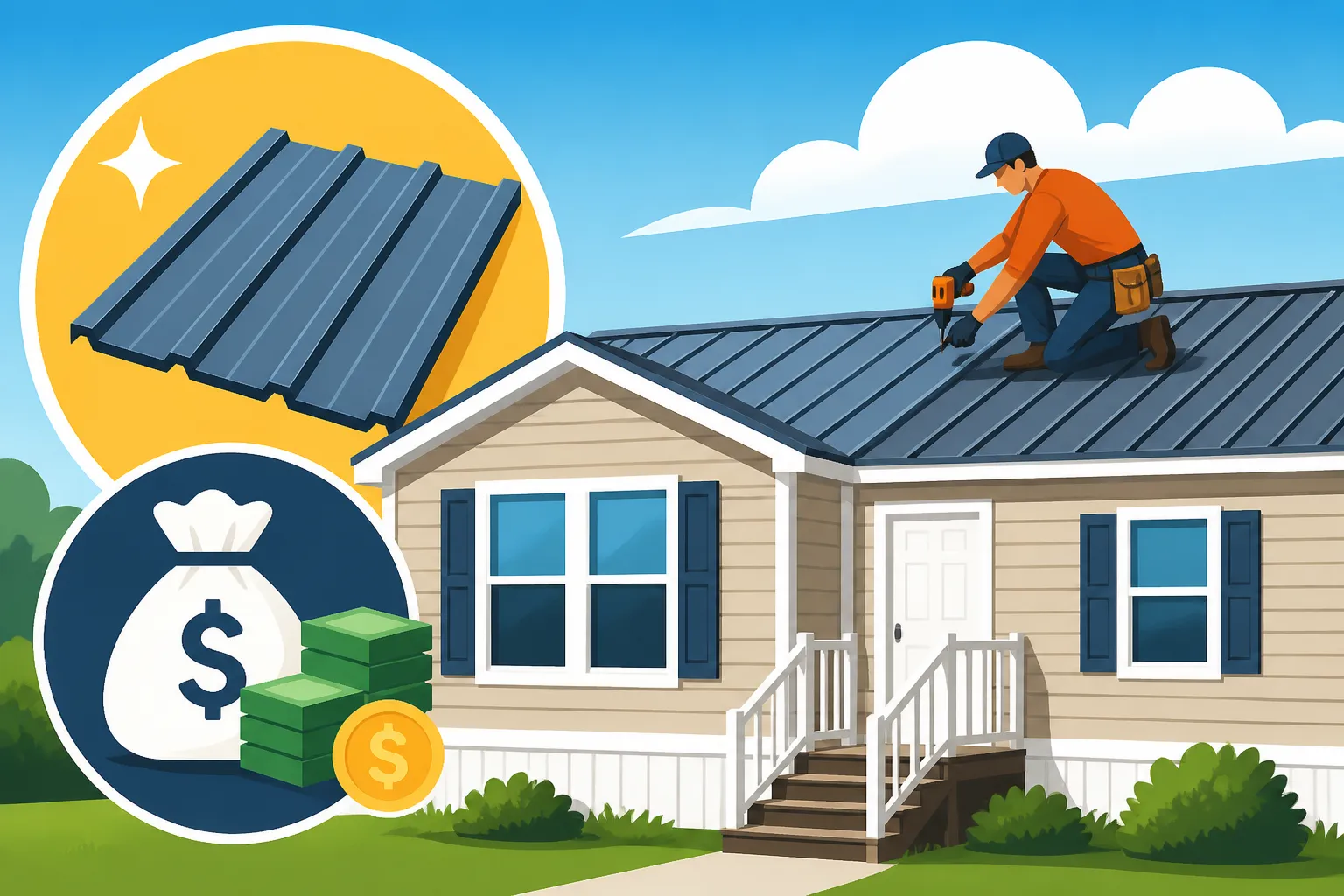
- Corrugated Metal Roofing (Exposed Fastener): This is often one of the most budget-friendly options, making it a popular choice for mobile homes. Corrugated panels feature waves or ribs and are installed with fasteners that go through the panel directly into the roof deck. They're robust and come in various finishes.
- Cost Range: Expect to pay around $3 to $8 per square foot for materials. For specific pricing, check out Corrugated Metal Roof Cost.
- Best For: Homeowners on a tighter budget who still want the benefits of metal and a classic, industrial look. Good for utility buildings, too.
- R-Panel or PBR-Panel (Exposed Fastener): Similar to corrugated but with more pronounced, structural ribs, R-panels are incredibly durable and often used in commercial or agricultural settings, but they’ve gained popularity in residential applications, including mobile homes. They also use exposed fasteners.
- Cost Range: Materials typically run $4 to $9 per square foot.
- Best For: Those seeking a very sturdy, long-lasting roof with a slightly more modern profile than corrugated, often seen on larger mobile homes or those in severe weather areas.
- Standing Seam Metal Roofing (Hidden Fastener): This is often considered the premium option for metal roofing. Standing seam panels feature raised seams where the panels interlock, completely concealing the fasteners. This creates a very clean, contemporary look and superior weather protection because there are no exposed screws to potentially back out or leak.
- Cost Range: Materials can range from $6 to $15 per square foot, or even more for certain metals. You can dive deeper into its specific pricing at Standing Seam Metal Roof Cost.
- Best For: Homeowners looking for the absolute best in durability, aesthetics, and long-term performance, and who have a larger budget.
- Metal Shingles, Shakes, or Tiles (Hidden Fastener): These options mimic the look of traditional asphalt shingles, wood shakes, or clay tiles but offer the benefits of metal. They are often made from steel or aluminum and come in various stamped profiles and colors. They typically have hidden fasteners, giving them a very traditional appearance.
- Cost Range: Materials can be on the higher end, from $7 to $18 per square foot, depending on the material and intricacy. For more information, see Metal Shingle Cost.
- Best For: Mobile homeowners who want the aesthetic of a traditional roof material but desire the superior longevity and performance of metal.
For a general idea of costs, consider the overall Metal Roof Cost Per Square Foot, which can help you approximate material expenses for your mobile home's roof area.
Labor and Installation Costs
The installation is where a significant chunk of your budget will go, and for good reason. Installing a metal roof, especially on a mobile home, requires specialized skills, attention to detail, and a good understanding of both metal roofing and mobile home construction.
- Complexity of Installation: A straightforward, rectangular mobile home roof will naturally cost less to install than one with many angles, vents, skylights, or additions. Each cut and custom flashing adds time and labor. The average Metal Roof Labor Cost can vary significantly based on these factors.
- Tear-Off and Disposal: If your existing roof needs to be removed, this adds substantial labor. Hauling away old asphalt shingles, tar paper, or other roofing materials requires time and often incurs disposal fees at a landfill. This is often an overlooked cost, but it's important to factor in.
- Specialized Equipment: Contractors for metal roofing often use specialized tools, such as panel crimpers for standing seam, sheet metal brakes for custom flashing, and appropriate safety equipment. These tools represent an investment by the contractor, which is reflected in the labor costs.
- Geographic Labor Rates: Just like material costs, labor rates vary widely by region. Contractors in high cost-of-living areas like Southern California or the Northeast will naturally charge more than those in less expensive regions.
- Crew Size and Efficiency: A professional metal roofing crew for a mobile home typically consists of several experienced installers. Their efficiency and expertise directly impact how long the project takes. While a typical mobile home metal roof installation can take anywhere from 2-5 days for a professional crew, complex projects might take longer. If you're wondering How Long Does Metal Roof Installation Take?, it really depends on these factors.
On average, labor and installation can account for 50-70% of the total project cost. For a mobile home, you might expect labor to range from $4 to $10+ per square foot, on top of material costs.
Additional and Hidden Costs
Beyond materials and core labor, there are several other elements that can add to the final price tag for your mobile home's metal roof replacement. Ignoring these can lead to unwelcome surprises.
- Underlayment: This crucial layer sits between your metal roof panels and the roof deck. It provides an extra barrier against moisture and can improve sound dampening and insulation. Options include synthetic felt or self-adhering ice and water shield. The choice impacts both performance and cost. For detailed information, see Metal Roof Underlayment Cost.
- Flashing and Trim: These are the metal components that seal the edges, valleys, eaves, and penetrations (like vents or chimneys) on your roof. They are vital for preventing leaks and giving the roof a finished look. Custom flashing for unique mobile home features can add to the cost.
- Fasteners and Sealants: High-quality screws with neoprene washers, specialized clips for standing seam, and durable sealants are essential for a long-lasting, watertight metal roof. These aren't usually a huge individual cost but contribute to the overall material expense.
- Permits: As mentioned, permits are often required. The cost varies, but typically ranges from a few hundred dollars to over a thousand, depending on your municipality.
- Dumpster Rental/Waste Disposal: If a tear-off is involved, you'll need a way to dispose of the old roofing materials. A roll-off dumpster rental is common, and the cost will vary by size and duration.
- Soffit and Fascia Repair/Replacement: While not strictly part of the roof panels, your soffit and fascia often get replaced or repaired during a roof project. If they are in poor condition, this will be an added expense.
- Structural Repairs: This is the big "hidden" cost. If the contractor discovers rotten decking, damaged rafters, or other structural issues once the old roof is removed, these repairs must be addressed before the new metal roof can be installed. These unexpected repairs can significantly increase the total cost, but they are critical for the integrity of your entire home.
Here's a simplified table comparing approximate material and labor costs for different metal roof types suitable for mobile homes:
| Metal Roof Type | Material Cost (per sq ft) | Installation/Labor Cost (per sq ft) | Total Est. Cost (per sq ft, installed) | Best for Mobile Home Budget |
|---|---|---|---|---|
| Corrugated (Exposed) | $3 – $8 | $4 – $8 | $7 – $16 | Budget-Friendly |
| R-Panel (Exposed) | $4 – $9 | $4 – $9 | $8 – $18 | Mid-Range / Durable |
| Standing Seam (Hidden) | $6 – $15 | $5 – $10 | $11 – $25 | Premium / Long-Term Value |
| Metal Shingles (Hidden) | $7 – $18 | $6 – $12 | $13 – $30 | Premium / Aesthetic Match |
Note: These are rough estimates. Actual costs will vary based on location, contractor, roof complexity, and specific material choices. Always get multiple quotes.
Cost Comparison and Value Proposition
Deciding to go with a metal roof for your mobile home is a big step, and naturally, you'll want to know how it stacks up against other options, not just in terms of upfront cost, but also for the long-term value it brings.
Metal Roof Cost vs. Other Mobile Home Roofing Options
Mobile homes have historically been roofed with various materials, each with its own lifespan and cost. Comparing these helps highlight why metal, despite its higher initial price, is often a smarter long-term investment.
- Asphalt Roll Roofing: This is one of the cheapest and most common options for mobile homes, especially older ones. It's essentially a roll of asphalt-infused felt.
- Cost: Roughly $1.50 – $3.00 per square foot installed.
- Lifespan: 5-15 years.
- Comparison: While incredibly cheap upfront, asphalt roll roofing has a very short lifespan and low durability, meaning frequent replacements and repairs. Over the life of your mobile home, you could replace it several times, easily surpassing the cost of one metal roof. You can explore a broader comparison in Metal Roof vs Asphalt Shingle Cost.
- TPO/EPDM (Rubber Roofing): These are synthetic rubber membranes often used on low-slope or flat mobile home roofs. They offer good waterproofing.
- Cost: Roughly $4.00 – $8.00 per square foot installed.
- Lifespan: 15-30 years.
- Comparison: TPO/EPDM offers better durability than roll roofing, but still falls short of metal's longevity. While initially cheaper than metal, its shorter lifespan means you'll likely face replacement costs sooner. Metal also typically offers better fire and wind resistance.
- Asphalt Shingles: Some mobile homes, particularly newer or double-wide models, can accommodate asphalt shingles.
- Cost: Roughly $4.00 – $7.00 per square foot installed.
- Lifespan: 15-30 years.
- Comparison: Asphalt shingles are a familiar option but share many of the drawbacks of TPO/EPDM when compared to metal: shorter lifespan, more prone to wind and hail damage, and less energy-efficient. A metal roof will outlast multiple asphalt shingle roofs. For a comprehensive look, consider Cost to Replace Shingles With a Metal Roof.
When you look at the total ownership cost over 30-50 years, a metal roof almost always comes out ahead due to its unparalleled durability and minimal maintenance needs.
Long-Term Value and ROI
Investing in a metal roof for your mobile home isn't just an expense; it's a significant upgrade that pays dividends over time. The Return on Investment (ROI) often goes beyond just dollars and cents, touching on comfort, safety, and future resale.
- Exceptional Durability and Lifespan: As we've discussed, a metal roof can last 40-70 years. This means you’re essentially installing a "forever roof" for your mobile home. You eliminate the recurring cost of replacing cheaper roofing materials every 10-20 years, saving you tens of thousands of dollars over the decades. This factor alone significantly boosts the Metal Roof Cost vs Lifespan Value.
- Energy Efficiency Savings: The reflective properties of many metal roofs, particularly lighter colors or those with cool-roof coatings, can drastically reduce your mobile home's cooling load. This translates directly to lower energy bills, especially in warmer climates where air conditioning runs constantly. Over years, these savings add up.
- Increased Home Value: A new metal roof is a major curb appeal booster and a tangible asset. It signals to potential buyers that the home is well-maintained and future-proofed against roofing issues. While mobile homes can sometimes be challenging to appraise for significant value increases, a new metal roof is undeniably a premium upgrade that sets your home apart and can fetch a higher resale price. For more on this, check out Does a Metal Roof Increase Home Value?.
- Insurance Benefits: Many insurance companies offer discounts for homes with metal roofs due to their superior resistance to wind, hail, and fire. These savings, year after year, contribute to the overall value proposition. In hurricane-prone regions, these discounts can be particularly substantial.
- Peace of Mind: Perhaps the most undervalued "return" on your investment is the peace of mind. No more worrying about leaks during a heavy downpour, hail damage, or needing another costly repair. Knowing your mobile home is protected by a robust, long-lasting metal roof allows you to enjoy your home more fully. This intangible benefit is priceless.
- Sustainability: Metal roofs are often made from recycled content and are 100% recyclable at the end of their very long life. If environmental impact is a concern for you, a metal roof offers a very green solution.
Considering all these factors, while the upfront cost of replacing your mobile home roof with metal might seem high, the long-term benefits in durability, energy savings, reduced maintenance, increased home value, and sheer peace of mind often make it one of the smartest investments you can make in your mobile home. It truly is a case of "buy once, cry once" when it comes to roofing. If you’re exploring whether the investment is truly worth it, our guide, Is a Metal Roof Worth It? ROI, Resale & Payback, offers a deeper dive into the financial advantages.
Disclaimer
Please remember that the cost estimates provided in this guide are general averages and can vary significantly based on your specific location, the complexity of your mobile home's roof, the particular materials chosen, and the contractor you select. Always obtain multiple detailed quotes from reputable, licensed, and insured local roofing professionals for the most accurate pricing for your project. This guide is intended for informational purposes only and should not be considered professional financial or construction advice.