Metal Roof Cost on a Low-Slope Roof
It's a common dilemma for homeowners and business owners alike: you've got a roof with a minimal pitch, and you're dreaming of the durability and modern aesthetic of a metal roof, but you're probably wondering, "Is this even possible, and how much is it going to set me back?" The truth is, low-slope roofs present a unique set of challenges that directly impact the cost and type of metal roofing you can realistically install. This guide is here to break down those complexities, reveal the specific factors that influence the price tag, and help you understand what to expect when considering a metal roof for your low-slope structure.
Understanding Low-Slope Roofs and Their Unique Challenges
Before we dive into the nitty-gritty of costs, it’s absolutely crucial to understand what a "low-slope" roof actually entails and why it demands special consideration, especially when it comes to materials like metal. It's not just about aesthetics; it's about water management, structural integrity, and long-term performance.
Defining "Low-Slope" and Why It Matters for Roofing Materials
In the roofing world, a low-slope roof, often incorrectly called a "flat roof" by many homeowners, typically refers to any roof with a pitch of less than 3:12. This means for every 12 horizontal inches, the roof rises 3 inches or less. While that might sound like a small difference compared to a steeply pitched gable roof, it's a monumental distinction for how water behaves. On a steep roof, gravity quickly pulls water down and off the surface. On a low-slope roof, water moves much slower, increasing the potential for ponding – where water collects and sits for extended periods. This ponding is the enemy of many roofing materials and a major reason why material selection for low-slope applications is so critical. Traditional shingles, for instance, are generally not recommended for pitches below 2:12 because their overlapping design isn't effective at shedding slow-moving water, leading to leaks and premature failure.
Common Issues with Low-Slope Roofs
Beyond water ponding, low-slope roofs face several other common problems. Because water lingers, it has more opportunity to find microscopic imperfections, failed seams, or deteriorated flashing. This makes sealing penetration points around chimneys, vents, and skylights particularly critical. Thermal expansion and contraction are also more pronounced on larger, less sloped surfaces, causing materials to stress and potentially crack over time. If the underlying structure isn't perfectly rigid, even minor deflections can create subtle dips where water will collect. And let's not forget the increased exposure to UV radiation and environmental debris, which can accelerate wear and tear. While a metal roof can offer significant advantages in terms of durability and weather resistance, it absolutely must be the right type of metal roof and installed with meticulous precision to overcome these inherent challenges.
Metal Roofing Options for Low-Slope Applications
When you're dealing with a low-slope roof, not all metal roofing is created equal. The profile and fastening method become incredibly important for preventing leaks and ensuring longevity. You can't just pick any metal panel you like; you need specific designs engineered for these conditions.
Standing Seam Metal Roofing for Low Slopes
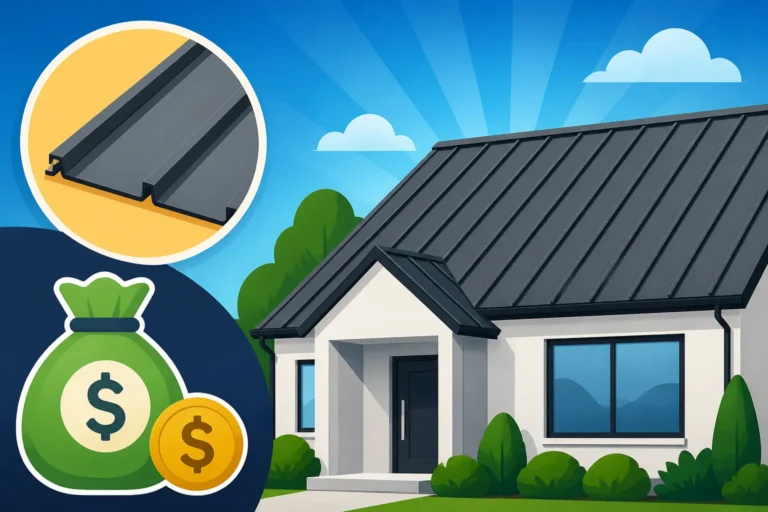
For most residential and many commercial low-slope applications, Standing Seam Metal Roof Cost is often the recommended, if not only, viable metal roofing solution. Why? Because standing seam panels feature raised seams that are mechanically seamed or snap-locked together, creating a continuous, watertight barrier with very few exposed fasteners. This design effectively elevates the critical seams above the water flow, greatly minimizing the chances of leaks that are so common with other roofing types on low slopes. The panels are typically attached to the roof deck with concealed clips, allowing the metal to expand and contract freely without stressing the fasteners or creating holes for water to enter. This hidden fastener system is a huge advantage, as exposed fasteners are notorious leak points on low-slope roofs as their rubber washers degrade over time. You might find different seam types, like mechanical seam or snap-lock, but the core principle of a raised, interlocked seam remains the same, offering superior water shedding.
Corrugated and R-Panel Metal Roofing on Low Slopes
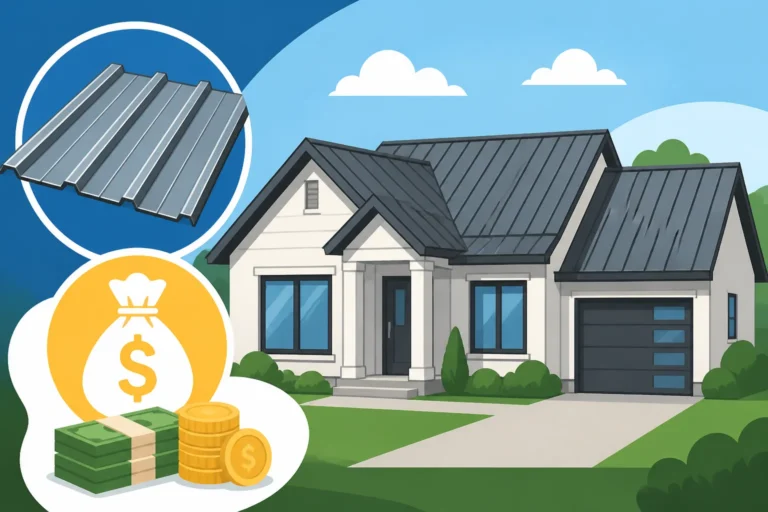
While more common on higher-pitched agricultural buildings or industrial structures, Corrugated Metal Roof Cost and R-panel profiles can sometimes be used on low-slope roofs, but with significant caveats and often only down to a minimum pitch of around 1:12 or 2:12 with enhanced sealing. These are typically exposed fastener systems, meaning the screws that attach the panels to the roof deck go directly through the metal. Each of these fasteners is a potential leak point. To mitigate this risk on a low slope, contractors must use high-quality screws with durable, oversized washers and apply liberal amounts of sealant at every single penetration. Overlapping seams also require meticulous sealing with butyl tape and sometimes additional sealant. The major advantage here is the Cheapest Metal Roof Options often include these types of panels, making them a budget-friendly choice upfront. However, the increased maintenance for checking and replacing fasteners and sealant over time, especially with slow-draining water, means the long-term cost-effectiveness can be questionable compared to standing seam. It's a trade-off that requires careful consideration.
Other Metal Roofing Types and Their Suitability
Other metal roofing types, like metal shingles, metal tiles, or metal shakes, are generally not suitable for low-slope applications. These systems are designed to mimic traditional roofing materials and rely on gravity to shed water effectively through their overlapping patterns. On a low-slope roof, water would have too much time to seep between the individual shingle pieces, leading to leaks and potential damage to the underlying structure. Even with specialized underlayments, these systems are simply not engineered for the slow water drainage inherent in low-pitch designs. If you have your heart set on the aesthetic of metal shingles, you'll likely need to ensure your roof has a minimum pitch, often 3:12 or higher, for proper performance.
Factors Influencing Metal Roof Cost on a Low-Slope Roof
The cost of a metal roof on a low-slope structure isn't just a flat rate; it's a complex equation influenced by several key factors. Understanding these elements will help you make an informed decision and prepare for the investment.
Material Type and Gauge
The most significant driver of cost is, unsurprisingly, the type of metal itself and its thickness, or "gauge."
- Steel (Galvalume or Galvanized): This is by far the most common and economical choice for low-slope metal roofs. Galvanized steel is coated with zinc for corrosion protection, while Galvalume adds aluminum to the zinc coating, offering even better corrosion resistance, especially in coastal or industrial areas. Steel typically comes in gauges from 29 (thinnest) to 22 (thickest). For low-slope standing seam, you'll often see 24-gauge or 22-gauge steel specified due to its durability and resistance to oil canning (a wavy appearance). Galvalume Roof Cost Per Square Foot is generally lower than other premium metals.
- Aluminum: A lightweight, highly corrosion-resistant option, aluminum is perfect for coastal areas or environments with high salt exposure. It doesn't rust, making it a favorite for properties near the ocean. However, it's softer than steel, so it can dent more easily and is typically more expensive. Common gauges for roofing are 0.032" to 0.040".
- Copper: The Cadillac of metal roofing, copper is renowned for its exceptional longevity (often lasting 100+ years) and distinctive patina that develops over time. It's incredibly durable and corrosion-resistant, but its premium status comes with a significantly higher price tag. Copper Roof Cost can be several times that of steel.
- Zinc: Similar to copper, zinc offers incredible durability and a unique aesthetic, developing a beautiful gray-blue patina. It's also self-healing against minor scratches. Like copper, it's a premium material with a high cost.
Here's a quick look at the typical material cost ranges for low-slope applications, recognizing that standing seam is the primary choice here:
| Metal Type | Typical Gauge/Thickness | Average Material Cost Per Square Foot (Installed) | Key Characteristics for Low-Slope |
|---|---|---|---|
| Steel (Galvalume) | 24-gauge, 22-gauge | $7 – $12 | Durable, cost-effective, good corrosion resistance |
| Aluminum | 0.032" – 0.040" | $10 – $16 | Lightweight, excellent corrosion resistance, softer |
| Zinc | 0.7mm – 1.0mm | $18 – $30 | Extremely long-lasting, self-healing, premium |
| Copper | 16 oz – 20 oz | $25 – $45+ | Iconic appearance, ultimate longevity, premium |
Note: These are average installed costs and can vary significantly based on location, complexity, and specific supplier. This table assumes standing seam profiles suitable for low-slope application.
Installation Complexity and Labor
This is where low-slope metal roofing can really see cost variations. The inherent challenges of low-slope roofs mean installation is often more intricate and time-consuming than for a steeply pitched roof.
- Meticulous Sealing: Every penetration point, flashing detail, and seam must be perfectly sealed to prevent water intrusion. This precision work requires highly skilled and experienced installers.
- Panel Lengths: On larger low-slope roofs, longer panel runs are common. While efficient, handling very long panels (sometimes 50+ feet) requires specialized equipment and more crew members, impacting Metal Roof Labor Cost.
- Specialized Fastening Systems: Standing seam panels, especially those mechanically seamed, require specialized tools and expertise. The labor for installing such a system is inherently higher than for simpler exposed fastener panels.
- Roof Deck Preparation: Any imperfections in the existing roof deck become more critical on a low-slope roof. Contractors might need to do more work to ensure a perfectly flat, smooth, and solid substrate, which can add to labor costs.
- Access and Safety: Difficult-to-access roofs or those requiring extensive safety measures (like fall protection on large, open low-slope areas) can increase labor hours and thus, cost.
Finding a contractor who specializes in How to Find a Standing Seam Roof Specialist is paramount, as their expertise will directly impact the quality and longevity of your low-slope metal roof, even if their initial bid seems higher. Remember, an improperly installed metal roof on a low slope will lead to leaks, expensive repairs, and a lot of headaches down the road.
Underlayment and Ventilation Considerations
The components underneath your metal roof are just as vital, especially on a low slope. These elements contribute to the overall cost but are non-negotiable for proper performance.
- High-Quality Underlayment: For low-slope metal roofs, a premium, self-adhering modified bitumen or synthetic underlayment is almost always recommended. Unlike basic felt paper, these underlayments create a secondary water barrier that protects the roof deck even if water somehow breaches the metal panels. They are more robust, provide better ice dam protection, and handle the slow drainage of low-slope roofs much better. Metal Roof Underlayment Cost for these high-performance options will be higher than standard felt but is a critical investment.
- Vapor Barrier: In some climates, particularly those with significant temperature fluctuations, a vapor barrier might be necessary to prevent condensation from forming underneath the metal panels, which can lead to moisture damage and mold. This adds another layer of material and installation complexity.
- Ventilation: Proper ventilation is crucial for all roofs, and low-slope roofs are no exception. Adequate airflow helps manage temperature, reduces condensation, and prolongs the life of the roof system. While ridge vents are common on pitched roofs, low-slope roofs might require specialized solutions like continuous soffit vents paired with low-profile static vents or even mechanical ventilation systems, all of which add to the overall project scope and cost.
Ignoring these underlying components to save money is a false economy. They are the unsung heroes that ensure your expensive metal roof performs as it should for decades to come.
Cost Comparison and Long-Term Value
When you're looking at the upfront cost of a metal roof on a low-slope structure, it can feel like a big number. But it's essential to zoom out and consider the bigger picture: the long-term value and how it stacks up against other roofing options.
Initial Investment vs. Lifespan Value
Yes, the initial metal roof cost for a low-slope application, especially a standing seam system, is likely going to be higher than installing a traditional TPO, EPDM, or even modified bitumen roof. For a 2,000 sq ft house, you might be looking at $14,000 to $32,000+ for a steel standing seam system, while a TPO roof might come in at $10,000 to $20,000. However, the lifespan of these traditional low-slope materials typically ranges from 15-30 years, requiring potential replacement or significant repairs within that timeframe. A well-installed standing seam metal roof, on the other hand, can easily last 40-70 years, and some even longer, especially for premium materials like copper or zinc.
This means that while your initial outlay for metal is higher, you might only install one metal roof in your lifetime compared to two or even three traditional roofs. Over several decades, the cumulative cost of repeated replacements for other materials can quickly surpass the initial investment in metal. This is where you really start to see the value shine, making it a compelling choice for those planning to stay in their property for the long haul. You can dive deeper into this comparison by looking at Metal Roof vs Asphalt Shingle Cost to understand the differences over time.
Potential Savings and ROI
Beyond sheer longevity, a metal roof on a low slope can offer several other financial benefits that contribute to its overall return on investment (ROI):
- Energy Efficiency: Many metal roofs come with cool pigment coatings that reflect solar radiation, reducing heat absorption. This can significantly lower your cooling costs, especially in hot climates. In fact, ENERGY STAR certified metal roofs can reduce surface temperatures by up to 50 degrees Fahrenheit, leading to tangible savings on your utility bills.
- Insurance Discounts: Due to their superior durability and resistance to fire, hail, and high winds, metal roofs often qualify for Metal Roof Insurance Savings & Discounts. Homeowners in hail-prone areas like Texas or tornado alley, or hurricane zones like Florida, can see noticeable reductions in their premiums. It's always a good idea to check with your insurance provider.
- Increased Home Value: A metal roof is a significant upgrade that is highly valued by prospective buyers. Its durability, modern aesthetic, and low maintenance requirements can substantially increase your home's resale value. Many sources suggest an ROI of 85% or more, particularly for standing seam systems.
- Low Maintenance: Once installed, metal roofs require very little ongoing maintenance beyond occasional cleaning and inspections. This saves you money on routine upkeep and avoids the frequent repairs or recoating often associated with other low-slope roofing materials. You might want to check out a comprehensive Metal Roof Maintenance Guide for more details.
Considering these long-term savings and benefits, the seemingly higher upfront cost of a metal roof for a low-slope application often proves to be a wise and cost-effective investment over the lifespan of your property.
Disclaimer
Please note that the information and cost estimates provided in this guide are for general informational purposes only and should not be considered a substitute for professional advice. Metal roofing costs can vary significantly based on location, material availability, labor rates, specific roof characteristics, and current market conditions. Always obtain multiple quotes from qualified and licensed metal roofing contractors in your area for an accurate estimate for your specific project.