Metal Roof Cost for a Ranch House
Figuring out the exact cost of a new metal roof for your beloved ranch house can feel like trying to hit a moving target – one minute you think you've got a handle on it, the next you're swimming in a sea of numbers and jargon. It's a significant investment, and you naturally want to make an informed decision without feeling overwhelmed or like you're being sold something you don't fully understand. This guide is here to cut through the confusion, offering a realistic, comprehensive breakdown of what goes into the cost of a metal roof specifically for ranch-style homes, so you can approach your project with confidence and clarity.
Understanding the Appeal of Metal Roofs for Ranch Houses
There's something uniquely charming about a ranch house, isn't there? They're often characterized by their single-story, open-concept living, and a low-pitched roofline that gives them that classic, sprawling silhouette. But when it comes to upgrading that roof, homeowners often wonder if a metal roof truly complements the ranch aesthetic and if it's a worthwhile investment. The good news is, metal roofs are an increasingly popular choice for ranch homes, and for very good reasons that extend far beyond just aesthetics.
Why Ranch Homes and Metal Roofs Are a Perfect Match
Ranch homes, with their typically broader, lower-sloping roofs, present a unique set of considerations for roofing materials. Traditional shingles can look perfectly fine, but they might not maximize the potential of the roof's expansive surface area. Metal roofing, however, often enhances the clean lines and modern-meets-classic vibe of a ranch house. The sleek panels of a standing seam roof, for instance, can provide a contemporary edge, while metal shingles or shakes can maintain a more traditional appearance without sacrificing the benefits of metal.
One of the biggest advantages for ranch homes, specifically, is how well metal roofing handles lower roof pitches. While some roofing materials struggle with very low slopes, leading to water pooling or improper drainage, many metal roofing profiles are designed to perform exceptionally well even on roofs with a minimal pitch. This means less worry about leaks and water intrusion, which can be a real headache in heavy rain or snow. Furthermore, the lighter weight of most metal roofing materials compared to tile or even some heavier asphalt shingles can be a structural benefit, especially for older ranch homes where the existing roof structure might not be designed for excessive loads.
Key Benefits That Justify the Investment
Let's be real, no one invests in a new roof without expecting a solid return, right? For ranch homeowners, a metal roof brings a host of benefits that often outweigh the initial sticker shock. First and foremost is longevity. While an asphalt shingle roof might give you 15-20 years, a properly installed metal roof can easily last 40-70 years or even longer. Imagine, installing a roof today and potentially never having to worry about it again in your lifetime. That's peace of mind right there. This incredible lifespan also significantly impacts the overall Metal Roof Cost vs Lifespan Value.
Beyond durability, metal roofs are remarkably energy efficient. Their reflective properties can reduce heat gain in warmer climates, keeping your ranch house cooler and potentially slashing your air conditioning bills. In colder areas, certain metal roofing systems can be designed with an air gap that provides additional insulation. They are also incredibly resilient against the elements – hail, high winds, and fire stand little chance against a robust metal roof. This often translates into Metal Roof Insurance Savings & Discounts, a tangible benefit that can offset some of the upfront cost. And let's not forget the aesthetic appeal; with a wide array of colors and profiles, a metal roof can significantly boost your ranch home's curb appeal and even its resale value. It’s no wonder homeowners often ask, Is a Metal Roof Worth It? ROI, Resale & Payback.
Breaking Down the Average Metal Roof Cost for a Ranch House
Alright, let's talk numbers. This is where it gets a bit granular, but stick with me, because understanding these averages and what drives them is key to managing your budget. When you’re looking at the total cost of a metal roof for a ranch house, you're not just buying materials; you're investing in a complex system that requires skilled labor and careful planning.
What You Can Expect to Pay
For a typical ranch house, which often ranges from 1,200 to 2,500 square feet, you can generally expect a metal roof to cost anywhere from $15,000 to $45,000 or more, fully installed. This is a broad range, I know, but it reflects the huge variety in materials, profiles, and regional labor rates. On average, you're looking at about $8 to $15 per square foot for materials and installation. For a Metal Roof Cost for a 1,500 Sq Ft House, you might be looking at roughly $12,000 to $22,500. Keep in mind, these are national averages, and local pricing in places like Dallas or Orlando might fluctuate quite a bit.
A smaller, simpler ranch house around 1,000 square feet with a basic corrugated metal roof might scrape in at the lower end, while a larger, more architecturally complex ranch home with a premium standing seam copper roof could easily exceed the higher end. The best way to get a precise figure is to get several detailed quotes from reputable local contractors, but these averages give you a solid starting point for budgeting.
Factors Influencing the Price Tag
So, what makes one metal roof project cost $15,000 and another $45,000? It comes down to several critical factors that interact with each other. Understanding these will empower you to make choices that align with both your budget and your vision.
- Material Type: This is perhaps the biggest differentiator. Steel, aluminum, copper, and zinc all have vastly different price points. Steel is generally the most economical, while copper and zinc sit at the luxury end of the spectrum.
- Roof Profile: Are you opting for simple exposed fastener panels like corrugated, or a sleek, high-end standing seam? Each has a distinct cost. We'll dive deeper into this soon!
- Roof Size and Complexity: A larger roof naturally requires more material and labor. But complexity, like multiple valleys, hips, dormers, or chimneys, also drives up costs. Ranch homes, while often single-story, can have very wide footprints, meaning more square footage, and sometimes L-shaped or U-shaped layouts that add to complexity with more valleys and hips.
- Geographic Location: Labor rates and material availability vary significantly across the country. A metal roof in California will likely cost more than one in Georgia, for example, due to differences in local economies, regulations, and demand.
- Installation Method: Are you tearing off the old roof (which adds to the Metal Roof Labor Cost), or can the metal roof be installed over existing shingles? The latter can save you on disposal fees and labor, but it's not always an option depending on local codes and the condition of your existing roof.
- Gauge and Coatings: Thicker metal (lower gauge numbers like 24-gauge) costs more than thinner metal (higher gauge numbers like 29-gauge). The type of paint coating (like PVDF vs. SMP) also impacts durability and price.
These factors combine to create a unique cost profile for every project. A ranch home in a high-cost-of-living area with a complex roof and premium materials will naturally be at the top end of the scale. You can learn more about these variables in our comprehensive guide, What Affects Metal Roof Cost: Gauge, Pitch, Complexity & Tear-Off.
Material Choices and Their Impact on Cost
When you decide on a metal roof, one of the most exciting, and sometimes daunting, choices you'll face is selecting the material. Each type of metal has its own set of characteristics, benefits, and, of course, price point. For a ranch home, the material choice will largely dictate the aesthetic and a significant portion of the overall cost.
Popular Metal Roofing Materials for Ranch Homes
- Galvanized Steel: This is steel coated with zinc, offering good corrosion resistance. It's often the most budget-friendly metal option. Common profiles include corrugated, R-panel, and some standing seam systems.
- Galvalume Steel: A step up from galvanized, Galvalume is steel coated with a mix of aluminum and zinc. This provides superior corrosion resistance, making it an excellent choice for many climates. It's highly durable and often used for standing seam and ribbed panel applications. What Is Galvalume Roofing Made Of?
- Aluminum: Lightweight and inherently rust-proof, aluminum is ideal for coastal areas where salt spray is a concern. It’s a fantastic option for ranch homes in Florida or other humid regions, though it typically costs more than steel. Aluminum can be formed into various profiles, including standing seam, shingles, and tiles.
- Copper: The crème de la crème of metal roofing, copper offers unparalleled longevity and develops a beautiful natural patina over time. It's significantly more expensive but provides a truly distinctive, luxurious look that can make any ranch home stand out. Often seen in accent roofing or standing seam applications on high-end homes.
- Zinc: Another premium metal, zinc is incredibly durable, self-healing against scratches, and environmentally friendly. Like copper, it develops a unique patina and comes with a substantial price tag, often used for architectural standing seam designs.
Cost Comparison by Material Type
To give you a clearer picture, here’s a general breakdown of material costs per square foot, installed. Remember, these are averages and can fluctuate based on market conditions, the specific gauge, and your location.
| Material Type | Average Installed Cost Per Square Foot | Typical Lifespan | Notes |
|---|---|---|---|
| Galvanized Steel | $8 – $14 | 30-50 years | Most economical, good for utilitarian or rustic looks. |
| Galvalume Steel | $9 – $16 | 40-60 years | Excellent all-rounder, popular for residential standing seam. |
| Aluminum | $11 – $22 | 50-70 years | Ideal for coastal, rust-proof, lightweight. |
| Copper | $25 – $60+ | 100+ years | Luxury, distinctive patina, very long lifespan. |
| Zinc | $20 – $50+ | 80-100+ years | Premium, self-healing, environmentally friendly. |
As you can see, the choice of material alone can cause a massive swing in your total Metal Roof Cost by Material: Steel vs Aluminum vs Copper vs Zinc. For a ranch home, many homeowners find a sweet spot with Galvalume steel or aluminum due to their balance of durability, aesthetics, and cost-effectiveness. However, if you’re looking for a truly unique, long-lasting statement piece, copper or zinc might be calling your name.
Profile and Fastener Systems: Design and Dollars
Beyond the raw material, the way your metal roof panels are designed and installed – specifically their profile and fastening system – plays a huge role in both the appearance and the cost of your ranch home’s new roof. This is where the technical details really start to influence both aesthetics and long-term performance.
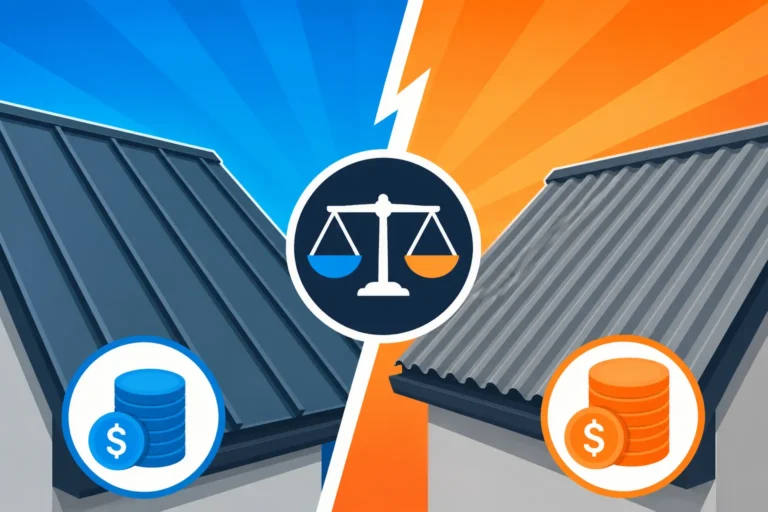
Standing Seam vs. Exposed Fastener Panels
When we talk about metal roof profiles, two main categories dominate the residential market:
- Standing Seam Metal Roofs: These are the sleek, modern-looking panels characterized by raised seams that run vertically up the roof. The fasteners are hidden beneath these seams, creating a clean, uninterrupted surface. This hidden fastener system is a huge advantage, as it protects the fasteners from UV degradation, moisture, and wear and tear, leading to a much longer lifespan and fewer maintenance issues. Standing seam panels come in various types, including mechanical seam (where panels are seamed together by a machine on site) and snap-lock (which simply "snap" into place). What Is a Standing Seam Metal Roof?
- Cost Implications: Standing seam is almost always more expensive upfront than exposed fastener systems. This is due to the more complex manufacturing process, higher material content (the seams add material), and the specialized labor required for installation. You're typically looking at higher material costs per square foot and higher Metal Roof Labor Cost for standing seam.
- Exposed Fastener Metal Roofs: These roofs, often seen on barns or more utilitarian structures, feature panels that are secured directly to the roof deck or purlins with screws that go through the metal panel and into the substrate. The screw heads are visible on the surface of the roof. Common examples include corrugated metal, R-panel, and 5V Crimp. What Is a Corrugated Metal Roof?
- Cost Implications: Exposed fastener systems are generally more affordable. The panels are simpler to manufacture, and installation can be less labor-intensive because the panels are directly screwed down. However, the exposed fasteners can be a long-term maintenance consideration, as the washers beneath the screws can degrade over time, potentially leading to leaks.
For a ranch house, many homeowners lean towards standing seam for its clean lines and superior longevity, especially with low-pitch roofs where water drainage is critical. However, if you're on a tighter budget or aiming for a more rustic aesthetic, an exposed fastener system can be a perfectly viable and durable option.
Aesthetics and Longevity vs. Upfront Cost
This is often the core dilemma when choosing between standing seam and exposed fastener systems for your ranch home.
If you prioritize aesthetics and longevity, standing seam is usually the winner. Its sleek, contemporary look complements modern ranch designs, and the hidden fasteners significantly extend the roof's life by protecting critical components from the elements. A standing seam roof just looks more refined and can instantly elevate your home's curb appeal, contributing positively to your Does a Metal Roof Increase Home Value? calculations. The longer lifespan also means you won't be thinking about roof replacement for many decades, making it a powerful long-term value proposition. While the initial Standing Seam Metal Roof Cost is higher, the reduced maintenance and extended life often make it more economical over the roof's entire lifecycle.
On the other hand, if your primary concern is upfront cost, exposed fastener panels like corrugated or R-panel can be very attractive. They are a robust, weather-resistant option that provides all the core benefits of metal roofing (durability, energy efficiency, fire resistance) at a lower price point. For a more traditional or agricultural-style ranch, an exposed fastener roof can even enhance the home's character. You might have to factor in the possibility of replacing screws or washers down the line, perhaps every 15-20 years, but the initial savings can be substantial. For many ranch homeowners, especially those on a budget or with specific aesthetic goals, the Corrugated Metal Roof Cost offers excellent value.
Installation Labor and Project Complexity
It’s easy to get fixated on material costs, but the truth is, labor can often make up a significant chunk of your total metal roof project cost – sometimes as much as 40-60%. Understanding what goes into that labor cost and how the specifics of your ranch home's roof can influence it is crucial for accurate budgeting.
The True Cost of Professional Installation
Hiring a professional, experienced metal roofing contractor isn't just about paying someone to put panels on your roof; it's about investing in expertise, safety, and proper installation that ensures your roof lasts its intended lifespan. How to Hire a Metal Roofing Contractor is one of the most important decisions you'll make for this project. The hourly rates for skilled roofers vary dramatically by region, but generally, you can expect labor to contribute anywhere from $3 to $8 per square foot of your total project cost.
This labor cost covers much more than just the act of fastening panels. It includes:
- Site Preparation: This might involve protecting landscaping, setting up scaffolding, and ensuring a safe work environment.
- Old Roof Tear-Off and Disposal: If your existing roof needs to be removed (and often it does, especially if it's multiple layers of shingles), this adds significant labor and disposal fees. A full tear-off adds roughly $1 to $3 per square foot to the overall project.
- Underlayment Installation: Proper Metal Roof Underlayment Cost and installation are critical for waterproofing and protecting your home. This takes time and precision.
- Panel Installation: Cutting, shaping, and securely fastening the metal panels, whether it's snapping standing seams or screwing down exposed fasteners.
- Trim and Flashing: The edges, valleys, hips, and penetrations (like chimneys, skylights, and vents) all require meticulous flashing and trim work to prevent leaks. This is highly skilled labor and often the most critical part of a leak-free roof.
- Clean-up: Removing all debris, nails, and packaging materials after the job is complete.
For a ranch home, especially with its often extensive roofline and potential for complex angles if it’s an L-shape or U-shape, these labor components can quickly add up. Attempting a DIY installation to save on Metal Roof Labor Cost is generally not recommended for anything but the simplest shed roofs, as improper installation can void warranties and lead to costly repairs down the road.
How Roof Pitch, Size, and Features Affect Labor
The characteristics of your ranch home's roof directly influence the labor hours required and, thus, the overall cost.
- Roof Pitch: While many ranch homes have low-slope roofs (which metal excels on), some can have a slightly steeper pitch. Steeper roofs are more dangerous to work on, require more safety equipment, and generally take longer to install, driving up labor costs. Conversely, very low pitches can also require specialized techniques to ensure proper water shedding.
- Total Square Footage: This is pretty straightforward: a bigger roof means more material to handle and more area to cover, hence more labor. A sprawling 2,500 sq ft ranch will incur significantly higher labor costs than a compact 1,200 sq ft ranch.
- Architectural Complexity: This is a big one. A simple gable roof (a single ridge, two slopes) is far easier and quicker to roof than a roof with multiple dormers, valleys, hips, skylights, chimneys, or other penetrations. Each of these features requires custom cutting, flashing, and sealing, which are labor-intensive and require a high degree of skill. Even if your ranch home is single-story, if it has a multi-faceted roof design, expect the labor portion of your Metal Roof Cost for a Ranch House to increase significantly. For example, a home with four dormers will require considerably more intricate work than one with a straightforward rectangular roof.
When comparing quotes, always ask contractors to itemize their labor and material costs. A detailed breakdown helps you understand where your money is going and allows for a more apples-to-apples comparison between bids. This is why learning How to Read and Compare Metal Roof Quotes is so valuable.
Beyond the Basics: Hidden Costs and Long-Term Value
You've got a handle on materials, profiles, and labor – but sometimes, it's the things you didn't anticipate that can throw your budget off track. Being prepared for these "hidden costs" is a mark of a savvy homeowner, and understanding the long-term value helps put that initial investment into perspective.
Unexpected Expenses to Budget For
While a good contractor will strive for transparency, some costs might not be immediately obvious in an initial estimate. It's smart to budget an extra 10-15% for contingencies.
- Plywood or Decking Replacement: When the old roof is torn off, the underlying roof deck might reveal rot, water damage, or structural issues, especially common in older ranch homes. These repairs can add several dollars per square foot. Replacing a section of plywood could cost $50-$100 per sheet, including labor.
- Permit Fees: Nearly every roofing project requires a permit from your local municipality. The cost varies widely by location, from a few hundred dollars to over a thousand. This is usually handled by your contractor, but the fee is passed on to you. You can find out more about this process in our guide, Do You Need a Permit for a Metal Roof?.
- Unexpected Flashing Needs: If your ranch home has unusual architectural features, or if existing flashing is non-standard or severely deteriorated, custom flashing work can add to the Metal Roof Trim and Flashing Cost. This is specialized work that commands a higher price.
- Varying Fastener Costs: While small in the grand scheme, different fastener types (e.g., specialized hurricane clips for high-wind areas) can add to the total, especially for larger roofs.
- Waste Disposal Fees: Tearing off an old roof generates a lot of debris. Landfill fees and dumpster rental costs are factored into the tear-off price, but if the volume of waste is higher than anticipated, these costs can increase.
- HVAC or Plumbing Disconnections/Reconnections: Sometimes, HVAC units or plumbing vents on the roof need to be temporarily disconnected and reconnected to properly install the metal panels and flashing. This often requires a separate licensed professional.
- Snow Guards: If you live in a region with heavy snowfall, you might want to consider How Much Does Snow Guard Installation Cost. These prevent large sheets of snow and ice from sliding off your slick metal roof, which can be dangerous.
By mentally preparing for these potential extras, you can avoid stress and ensure your project stays on track without unwelcome surprises.
Is a Metal Roof Worth It for a Ranch House?
After going through all these cost considerations, the big question remains: is a metal roof truly worth the investment for your ranch home? The overwhelming answer from homeowners and industry experts alike is a resounding yes.
While the initial Metal Roof Cost for a Ranch House might be higher than traditional asphalt shingles, the long-term benefits typically create a significantly better return on investment.
- Exceptional Durability: With a lifespan of 40-70 years or more, a metal roof outlasts asphalt shingles by two to four times. This means fewer roof replacements over your home’s lifetime, saving you tens of thousands of dollars in future expenses. The long-term savings often make the higher upfront cost palatable.
- Energy Efficiency: The reflective properties of metal roofs can significantly reduce cooling costs in warm climates. Some metal roofs can reflect up to 70% of solar energy, which means less heat absorbed by your home. This translates into tangible savings on your utility bills year after year.
- Low Maintenance: Metal roofs require very little maintenance beyond occasional inspections and cleaning. There are no granules to wash off, and they are highly resistant to moss, mildew, and insect infestations.
- Increased Home Value: A metal roof is a premium upgrade that significantly enhances your ranch home's curb appeal and can boost its resale value. Buyers appreciate the longevity and low maintenance, often willing to pay a premium for a home with a newer metal roof.
- Extreme Weather Resistance: Metal roofs are incredibly resilient against severe weather, including high winds (many are rated for winds up to 140 mph or more), hail, and fire. This translates to fewer repairs after storms and potentially lower homeowners' insurance premiums.
When you weigh the initial investment against the decades of protection, energy savings, enhanced curb appeal, and peace of mind, a metal roof for your ranch house is not just a purchase – it's a smart, long-term investment in your home's future. It's truly a testament to the idea that sometimes, paying a little more upfront can save you a whole lot more down the road.
Disclaimer
Please remember that the cost estimates and information provided in this guide are general averages. Actual costs for your metal roofing project can vary significantly based on your specific location, chosen materials, roof complexity, contractor rates, and market conditions at the time of installation. Always obtain multiple detailed quotes from licensed and insured local contractors for the most accurate pricing.