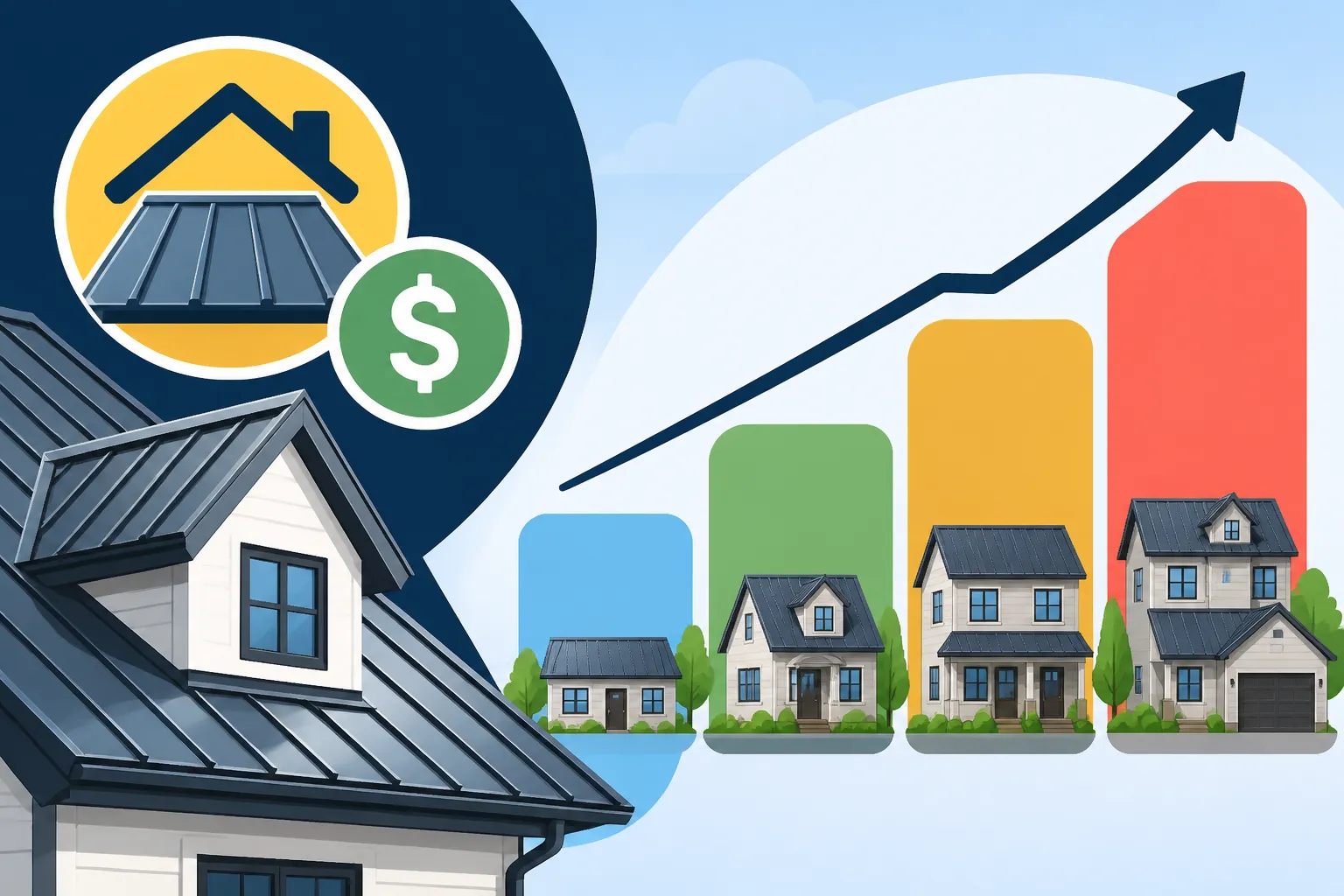
Average Metal Roof Cost by Home Size Chart
Oh, the age-old question that keeps so many homeowners up at night: "How much is this really going to cost me?" When you're considering a metal roof, it's easy to get lost in a sea of numbers, especially when trying to figure out what the "average" even means for your home. This guide is going to strip away the confusion and dive deep into what influences the cost of a metal roof, providing a realistic breakdown by home size and detailing all those crucial factors you need to know about.
Understanding the "Average" Metal Roof Cost by Home Size
Thinking about a metal roof, you've probably stumbled across all sorts of figures online, ranging from surprisingly low to jaw-droppingly high. It's enough to make your head spin! The truth is, there isn't one magic "average" number, because so many variables come into play. However, we can certainly give you a much clearer picture by looking at typical home sizes and then layering in the details.
Breaking Down the Basics: Square Footage and Price Ranges
When contractors talk about roof costs, they usually refer to the price per square foot or "per square" (a roofing square is 100 square feet). This gives you a baseline, but remember, this number is just for the materials and basic installation. For a metal roof, you're generally looking at a range of $7.50 to $16.00 per square foot installed, and sometimes even higher for premium materials like copper or zinc. So, a 1,500-square-foot roof isn't simply 1,500 times $7.50. You also have to consider the complexity of your roofline, the type of metal you choose, and the specific labor costs in your area.
For example, a modest 1,000 sq ft ranch house might have a fairly simple roof shape, meaning less labor and material waste. But if you have a sprawling 3,000 sq ft home with multiple dormers, gables, and valleys, the per-square-foot cost might actually trend higher due to the intricate work involved, even if the base material cost is the same. It’s like buying a custom-tailored suit versus off-the-rack; both are suits, but one requires far more specialized skill and time to fit perfectly. Understanding your actual roof area is crucial, and it’s often larger than your home's footprint because it accounts for overhangs and pitch.
Why Home Size Isn't the Only Factor
While your home's square footage is undoubtedly the starting point for any roof cost calculation, it’s far from the only determinant. Imagine two homes, both 2,000 square feet. One is a simple rectangular house with a low-slope gable roof, and the other is an elaborate Victorian with multiple peaks, turrets, and intricate valleys. Even with the same living area, the Victorian's roof could easily cost double or triple that of the simpler home. This is because complex roof designs require more specialized cutting, more flashing, more fasteners, and significantly more labor hours.
Beyond the shape, the specific type of metal and the chosen profile play a huge role. Are you dreaming of a sleek, modern standing seam roof, or leaning towards the rustic charm of corrugated panels? Each comes with its own price tag for materials and installation. The gauge (thickness) of the metal also matters; a heavier, more durable 24-gauge panel will naturally cost more than a thinner 29-gauge option. Don't forget geographical location, either! Labor rates, material availability, and even permitting requirements can vary wildly from one state to another, or even from city to city. What you pay for a metal roof in Florida, with its stringent hurricane codes, might be quite different from what you'd pay in, say, Nebraska.
Initial Cost vs. Long-Term Value
It’s easy to get fixated on the upfront cost of a metal roof, especially since it’s generally higher than a traditional asphalt shingle roof. This initial sticker shock can deter many homeowners, but it’s crucial to look beyond just the immediate expense and consider the long-term value. A metal roof isn't just a temporary fix; it's an investment that pays dividends over decades. While asphalt shingles typically last 15-30 years, a properly installed metal roof can last 40-70 years, sometimes even longer for materials like copper or zinc.
This incredible durability means fewer replacements over your home's lifetime, translating to significant savings in the long run. Think about it: if you replace an asphalt roof three times over 60 years, that’s three times the material cost, three times the labor, and three times the tear-off and disposal fees. A metal roof often outlasts the homeowner! Plus, metal roofs are incredibly energy efficient, reflecting solar radiant heat and potentially reducing your cooling costs by 10-25%. Many homeowners also find that a metal roof can increase their home's resale value and even lead to discounts on homeowners' insurance due to its superior fire, wind, and impact resistance. So, while the initial outlay might seem higher, the lifecycle cost often proves to be much lower, making it a smart financial move. If you're pondering the long-term perspective, you might want to read more about the Metal Roof Cost vs Metal Roof Lifespan ROI.
Key Factors Beyond Size That Drive Your Metal Roof Estimate
When you get that first quote, it might feel like you're looking at hieroglyphics. Understanding the key elements that contribute to the final price, beyond just the raw square footage, can help you decode those estimates and make informed decisions. It's not just about the size of your house; it's about what you put on it and how it gets there.
Material Matters: Steel, Aluminum, Copper, and Zinc
The material you choose is one of the biggest cost drivers. Each metal has its unique properties, aesthetic appeal, and, of course, price point.
- Steel: This is arguably the most common and budget-friendly option for residential metal roofing. Steel roofs, often coated with Galvalume or galvanized finishes, are durable and come in a wide array of colors and profiles. They're a fantastic balance of performance and affordability, typically ranging from $7.50 to $14.00 per square foot installed. You'll often see them in standing seam or corrugated panels. For a deeper dive, check out the Metal Roof Cost by Material: Steel vs Aluminum vs Copper vs Zinc.
- Aluminum: Lighter than steel and naturally resistant to rust and corrosion, aluminum is an excellent choice for coastal areas where salt spray is a concern. It's a bit pricier than steel, usually falling in the $10.00 to $18.00 per square foot range. Its natural resistance means it generally doesn't require the same heavy coatings as steel, which can be a plus for those seeking a more eco-conscious option.
- Copper: Ah, copper! The king of metal roofing materials, known for its stunning aesthetic and incredible longevity. Copper develops a beautiful patina over time, transitioning from a shiny penny color to a rich, verdant green. It's also virtually maintenance-free and can last for centuries. However, its premium qualities come with a premium price tag, often ranging from $25.00 to $60.00+ per square foot installed. This is definitely a high-end choice for those who prioritize aesthetics and ultimate durability. Interested in this material? You might find our guide on Copper Roof Cost fascinating.
- Zinc: Another high-performance, long-lasting, and aesthetically pleasing option, zinc is known for its self-healing properties (minor scratches can "heal" over time as the patina develops) and its soft, muted appearance. Like copper, it's incredibly durable and eco-friendly. Zinc roofs typically cost between $18.00 and $40.00 per square foot installed, making it a significant investment.
Choosing the right material isn't just about the initial cost; it’s about matching the material to your home's architectural style, your local climate, and your personal budget and longevity expectations.
Profile Prowess: Standing Seam, Corrugated, and Stone-Coated
Once you've settled on a material, the next big decision is the roof profile. This refers to the shape of the metal panels and how they are installed, which greatly impacts both appearance and cost.
- Standing Seam Metal Roof: This is perhaps the most popular choice for modern residential metal roofs. Standing seam panels feature concealed fasteners, which means the screws are hidden beneath raised seams. This creates a clean, sleek look and offers superior protection against leaks because the fasteners aren't exposed to the elements. These panels typically snap together or are mechanically seamed by the installer. Due to the specialized installation and often heavier gauge metal, standing seam roofs usually run on the higher end, from $10.00 to $18.00 per square foot installed. You can learn more about its specific costs in our Standing Seam Metal Roof Cost guide.
- Corrugated Metal Roof: Characterized by its wavy, ribbed appearance, corrugated metal is a classic choice, often associated with agricultural buildings or more industrial styles, but it's gaining popularity for residential use, particularly for rustic or modern farmhouse aesthetics. These are exposed fastener systems, meaning the screws are visible on the surface of the panels. Corrugated roofs are generally more affordable, ranging from $7.50 to $12.00 per square foot installed, largely due to simpler installation and less material per square foot. If you like this style, our guide on Corrugated Metal Roof Cost might be helpful.
- Stone-Coated Steel Roof: This option offers the durability of steel with the aesthetic of traditional roofing materials like asphalt shingles, clay tiles, or wood shakes. These steel panels are stamped into various profiles and then coated with acrylic and stone granules, giving them a textured, natural look. Stone-coated steel is excellent for homeowners who want the benefits of metal but prefer a more conventional appearance. They are typically installed as individual shingles or tiles. Costs usually range from $9.00 to $18.00 per square foot installed. Dive deeper into this option with our Stone-Coated Steel Roof Cost article.
Each profile offers a different balance of aesthetics, durability, and cost. It’s worth exploring samples and images of each to see what truly fits your vision for your home.
Roof Complexity: Pitch, Valleys, and Architectural Nuances
The actual structure of your roof dramatically influences installation costs. A simple, low-pitch gable roof is far less labor-intensive than a multi-faceted roof with steep pitches, numerous valleys, dormers, and skylights.
- Roof Pitch: The steepness of your roof is a major factor. A low-slope roof (anything less than 3/12 pitch) can sometimes be easier to work on, but it might require specific panel types or sealing methods to prevent water penetration. Very steep roofs (above 7/12 pitch) require more safety equipment, specialized staging, and slower, more deliberate work, all of which drive up labor costs. Roofing crews work slower and more cautiously on steep roofs to ensure their safety, and this extended labor time is reflected in the final bid.
- Valleys, Dormers, and Skylights: These architectural features, while adding character to your home, add significant complexity to a metal roof installation. Each valley, dormer, or skylight requires meticulous cutting of metal panels, precise flashing, and careful sealing to ensure water tightness. This isn't a job for the inexperienced! More penetrations mean more potential leak points if not installed perfectly, which is why skilled labor for these areas is critical and costly. Think of it as custom tailoring: the more intricate the design, the more time and expertise it demands.
- Overall Design: Beyond specific features, the sheer number of different planes and angles on your roof can inflate costs. A hip roof with four slopes will generally be more expensive to metal-roof than a simple gable roof of the same square footage because it involves more complex cuts and a greater number of ridge and hip caps. The architectural style of your home often dictates this complexity, and it’s something you’ll need to account for when budgeting for your metal roof.
Decoding the Numbers: Averages by Common Home Sizes
Alright, let's get down to some real-world numbers. While it's impossible to give you an exact price without a detailed quote, we can provide some solid averages based on common home sizes. Remember, these ranges include both material and installation, but they can still fluctuate based on all those factors we just discussed—material choice, profile, roof complexity, and local labor rates. These figures assume a reasonably standard roof pitch and complexity for each home size.
Small Homes (Under 1,500 Sq Ft)
For smaller homes, like cozy bungalows, townhouses, or starter homes, the overall cost of a metal roof can seem more manageable. A typical roof size for these homes might range from 1,000 to 1,500 square feet.
- Average Cost Range: You're generally looking at $7,500 to $24,000 for a metal roof on a smaller home.
- Scenario 1: Simple Corrugated Steel. Imagine a 1,200 sq ft single-story ranch with a straightforward gable roof, opting for a functional and cost-effective corrugated Galvalume steel. At the lower end of the spectrum, around $8.00 per square foot, you might be looking at approximately $9,600. This is an attractive option for those on a tighter budget who still want the longevity and benefits of metal.
- Scenario 2: Mid-Range Standing Seam Steel. Now, consider that same 1,200 sq ft home, but the homeowner decides on a sleek standing seam steel roof. At an average of $12.00 per square foot, the cost would be closer to $14,400. This provides a more modern aesthetic and often comes with a better warranty due to the hidden fasteners.
- Scenario 3: Higher-End Stone-Coated Steel. For a homeowner with a 1,400 sq ft house who wants the look of traditional shingles but the durability of metal, stone-coated steel might be the choice. At $15.00 per square foot, the cost could be around $21,000. This offers a premium look without jumping to the expense of true copper or zinc.
Even for smaller homes, the choice of material and profile can make a substantial difference in the final price, showcasing that the "average" is truly a starting point. If you're specifically curious about smaller homes, we have a detailed guide on Metal Roof Cost for a 1,000 Sq Ft House.
Medium Homes (1,500 – 2,500 Sq Ft)
This category covers a large percentage of suburban homes—your typical three-bedroom, two-bath houses, often with more complex rooflines than smaller dwellings. Roof sizes in this range typically fall between 1,800 and 2,500 square feet.
- Average Cost Range: For a medium-sized home, expect to pay anywhere from $13,500 to $45,000 for a metal roof.
- Scenario 1: Standard Steel Standing Seam. For a 2,000 sq ft home with a moderately complex roof, choosing a good quality 26-gauge standing seam steel roof might land you in the $13.00 per square foot range. This would put the total cost around $26,000. This is a very common choice for homeowners seeking a balance of durability, aesthetics, and value. For those considering this size, our guide on Metal Roof Cost for a 2,000 Sq Ft House provides even more specifics.
- Scenario 2: Aluminum Standing Seam. Let's say our 2,200 sq ft home is located near the coast in Florida, where corrosion resistance is paramount. Opting for an aluminum standing seam roof, which might average $16.00 per square foot, would bring the total to about $35,200. The added cost here is a direct investment in preventing rust and ensuring longevity in a harsh environment.
- Scenario 3: Designer Stone-Coated Steel. For a 2,400 sq ft home where the owner desires a specific aesthetic, perhaps a stone-coated steel roof mimicking slate. At $17.00 per square foot, the investment could be around $40,800. This higher price reflects the intricate profile and multi-layer finish of the stone-coated panels, which often includes a Class 4 impact resistance rating.
The sweet spot for many homeowners often falls into this mid-range, where higher-quality steel or aluminum standing seam roofs offer excellent performance and a sleek look without the significant jump to exotic metals.
Larger Homes (Over 2,500 Sq Ft)
Larger homes, often custom builds or homes with significant architectural detail, inherently require more materials and labor. Roof sizes for these properties often exceed 2,800 square feet, sometimes reaching well over 4,000 square feet.
- Average Cost Range: For homes over 2,500 sq ft, the price for a metal roof typically starts from $22,500 and can easily exceed $100,000, especially with premium materials.
- Scenario 1: Large Standing Seam Steel. Consider a 3,000 sq ft home with a complex roofline, utilizing a high-quality 24-gauge standing seam steel. At an average of $15.00 per square foot, the project could cost around $45,000. This larger footprint and more intricate design mean more time on the roof for the installation crew. We have a dedicated resource on Metal Roof Cost for a 3,000 Sq Ft House for more detailed information.
- Scenario 2: Premium Aluminum in a Complex Design. For a 3,500 sq ft custom home with many valleys and dormers, choosing a premium aluminum standing seam roof at $18.00 per square foot would lead to a cost of approximately $63,000. The complexity of the roofline on such a large house significantly increases labor, even with a lighter material like aluminum.
- Scenario 3: Architectural Copper or Zinc. If you're building a truly bespoke home that's 4,000 sq ft and specifying a full copper roof, you're entering the luxury segment. At $30.00 per square foot (a conservative estimate for copper), the cost could be a staggering $120,000. This investment is not just for protection but for a lifetime architectural statement, often seen on historic renovations or high-end estates.
It's clear that for larger homes, the combination of sheer scale and potential for intricate architectural details can lead to substantial investments in a metal roof.
Here's a general chart summarizing average metal roof costs by home size and material, keeping in mind these are estimates and actual costs will vary:
| Home Square Footage | Estimated Roof Square Footage | Corrugated Steel (Installed) | Standing Seam Steel (Installed) | Aluminum Standing Seam (Installed) | Stone-Coated Steel (Installed) | Copper (Installed) |
|---|---|---|---|---|---|---|
| 1,000 Sq Ft | 1,200 Sq Ft | $9,600 – $14,400 | $12,000 – $21,600 | $14,400 – $27,600 | $13,200 – $22,800 | $30,000 – $72,000 |
| 1,500 Sq Ft | 1,800 Sq Ft | $14,400 – $21,600 | $18,000 – $32,400 | $21,600 – $41,400 | $19,800 – $34,200 | $45,000 – $108,000 |
| 2,000 Sq Ft | 2,400 Sq Ft | $19,200 – $28,800 | $24,000 – $43,200 | $28,800 – $55,200 | $26,400 – $45,600 | $60,000 – $144,000 |
| 2,500 Sq Ft | 3,000 Sq Ft | $24,000 – $36,000 | $30,000 – $54,000 | $36,000 – $69,000 | $33,000 – $57,000 | $75,000 – $180,000 |
| 3,000 Sq Ft | 3,600 Sq Ft | $28,800 – $43,200 | $36,000 – $64,800 | $43,200 – $82,800 | $39,600 – $68,400 | $90,000 – $216,000 |
| 4,000 Sq Ft | 4,800 Sq Ft | $38,400 – $57,600 | $48,000 – $86,400 | $57,600 – $110,400 | $52,800 – $91,200 | $120,000 – $288,000 |
| Note: Estimated Roof Square Footage typically accounts for overhangs and pitch, often 20-30% more than living square footage. Prices are estimates and include labor and materials. Local conditions and specific roof complexity will cause variations. |
Beyond the Price Tag: The True Cost of Metal Roofing
While the material and installation are the big-ticket items, there are several other components that contribute to the overall "true" cost of your metal roof. It’s crucial to understand these additional expenses to avoid any unwelcome surprises down the line and to budget effectively.
Labor, Installation, and Contractor Expertise
The cost of labor can represent a significant portion, often 40-60%, of your total metal roof project. This isn't just about how many hours someone is on your roof; it encompasses the expertise, specialized tools, and safety equipment required for proper metal roof installation. Installing a metal roof, especially a standing seam system, is far more specialized than nailing down asphalt shingles.
Reputable contractors invest in training their crews, carrying proper licensing, bonding, and insurance, and owning the right machinery, like panel-forming machines for custom standing seam roofs. A highly skilled crew can install your roof efficiently and correctly, minimizing waste and ensuring a watertight, long-lasting system. Conversely, cutting corners on labor by choosing the cheapest bid can lead to disastrous results—leaks, oil canning, and a significantly shortened roof lifespan. This is why vetting your contractor and understanding their experience with metal roofs is paramount. A truly skilled metal roofer understands expansion and contraction, proper flashing details, and ventilation requirements. You can learn more about finding the right professionals in our guide on How to Hire a Metal Roofing Contractor.
Tear-Off, Underlayment, and Hidden Costs
These are the "extras" that often don't get highlighted in initial per-square-foot estimates but are essential for a successful project.
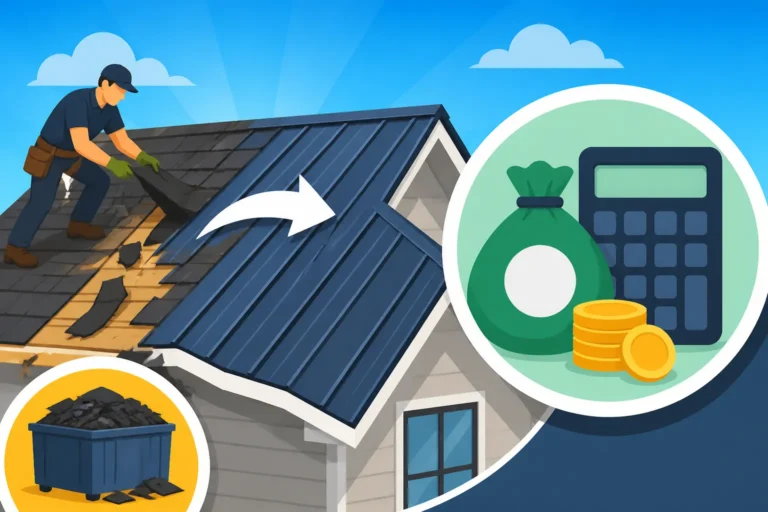
- Tear-Off and Disposal: If you currently have an old roof, it almost certainly needs to be removed before installing a metal roof, especially if you have multiple layers of shingles. This "tear-off" process involves labor, dumpster rental, and disposal fees. Depending on the size of your roof and the number of layers, this can add anywhere from $1,500 to $5,000 or more to your total project. While some metal roofs can be installed over a single layer of existing shingles, it's generally not recommended for optimal performance and warranty coverage. You'll want to review your options carefully when considering the Cost to Replace Shingles With a Metal Roof.
- Underlayment: A high-quality underlayment is critical for a metal roof. It provides an extra layer of protection against moisture, acts as a vapor barrier, and can help dampen noise. While felt underlayment is an option, synthetic underlayments or even self-adhering ice and water shield are often recommended for metal roofs due to their superior performance and longevity. These premium underlayments will add to the material cost, but they are a wise investment for protecting your home. Expect underlayment to add roughly $0.50 to $1.50 per square foot to your overall cost. You can explore this further in our Metal Roof Underlayment Cost article.
- Other Potential Hidden Costs: Don't forget items like new flashing around chimneys and vents, drip edge, ridge caps, and fasteners, which are all integral parts of a metal roof system. If you need new gutters or gutter guards, those are separate costs. Some roofs might require structural reinforcements to handle the slightly heavier load of metal, though this is rare for most residential applications. And, of course, always factor in local permit fees, which are a necessary part of ensuring your roof meets local building codes.
Financing Your Metal Roof Investment
Given the higher upfront cost of a metal roof, many homeowners explore financing options to make the investment more manageable. Thankfully, there are several avenues available to help you fund your new roof.
- Home Equity Loans or Lines of Credit (HELOCs): These are popular choices because they often offer lower interest rates, as your home serves as collateral. You can borrow against the equity you've built in your home, and the interest may even be tax-deductible (consult a tax professional). This is a great way to spread the cost over a longer period.
- Contractor Financing: Many reputable metal roofing contractors partner with financial institutions to offer their own financing plans. These can vary widely in terms, interest rates, and promotional periods (e.g., "no interest if paid in full within 12 months"). Always read the fine print carefully and compare these offers to what you might get from a bank.
- Personal Loans: While generally having higher interest rates than secured loans, personal loans offer flexibility and don't require collateral. They can be a quick way to get funding, but ensure the payments fit comfortably into your budget.
- PACE Programs (Property Assessed Clean Energy): In some states and municipalities, PACE programs offer financing for energy-efficient home improvements, including metal roofs. These loans are repaid through an assessment on your property tax bill. It's an excellent option, but availability is geographically limited, and there are specific program requirements. If you're looking for more ways to fund your project, check out our guide on Metal Roof Financing Options.
Taking the time to research and secure the right financing can make a significant difference in your ability to afford a high-quality metal roof without straining your immediate finances.
Making Sense of Your Metal Roof Investment
Alright, you've crunched the numbers, you understand the factors, and you're possibly still experiencing a bit of sticker shock. But let's bring it back to the big picture: a metal roof isn't just an expense; it's a profound investment in your home's future. It’s about more than just keeping the rain out; it’s about peace of mind, property value, and long-term savings.
Return on Investment and Resale Value
One of the most compelling arguments for a metal roof, despite its higher initial cost, is its impressive return on investment (ROI). Studies have shown that homeowners can recoup a significant portion of their metal roof investment when they sell their home. Depending on your location and the type of metal roof, you could see an ROI of 85% or more. A new, durable metal roof is a huge selling point for potential buyers. In many markets, it's considered a premium upgrade, signaling to buyers that the home is well-maintained and built to last.
Imagine two identical homes for sale: one with an asphalt shingle roof nearing the end of its life, and another with a gleaming new standing seam metal roof. Which one do you think buyers will perceive as having more value and fewer future headaches? The metal-roofed home will likely command a higher asking price and sell faster. This is especially true in regions prone to severe weather, where the resilience of metal is highly prized. If you're interested in the financial benefits, our article on Is a Metal Roof Worth It? ROI, Resale & Payback can offer more insights.
Insurance Savings and Energy Efficiency
Beyond resale value, metal roofs offer ongoing financial benefits that chip away at that initial investment over time.
- Insurance Discounts: Many insurance companies offer significant discounts on homeowners' premiums for metal roofs. Why? Because metal roofs are incredibly durable and resistant to common perils like fire, high winds, and hail. They often achieve Class 4 impact resistance ratings (the highest), which can lead to substantial savings, especially in hail-prone areas. For instance, in states like Texas and Florida, where severe weather is a constant threat, these discounts can be particularly impactful. Always check with your insurance provider to see what specific savings and incentives they offer for metal roofing. Our guide to Metal Roof Insurance Savings & Discounts has more details.
- Energy Efficiency: This is a big one for long-term savings. Metal roofs are fantastic at reflecting solar radiant heat, rather than absorbing it like traditional asphalt shingles. This means less heat is transferred into your attic and home, which can significantly reduce your air conditioning costs during hot summer months. Depending on the color and specific coating (like ENERGY STAR rated cool colors), you could see energy savings of 10-25% on your cooling bills. In regions like Arizona or Florida, these savings alone can add up to hundreds of dollars annually, year after year, further offsetting the initial cost.
Navigating Quotes and Avoiding Surprises
Getting multiple quotes is absolutely essential when planning your metal roof project. Don't just take the first number you hear! We recommend getting at least three, and ideally five, detailed quotes from different reputable contractors.
When comparing quotes, don't just look at the bottom line. Dig into the details:
- Materials: Are they specifying the same gauge and type of metal (e.g., 26-gauge Galvalume steel from a specific manufacturer like McElroy Metal or Metal Sales)? Are the coatings identical (e.g., PVDF vs. SMP)?
- Scope of Work: Does the quote include tear-off and disposal? What type of underlayment is specified? Are flashing details, snow guards (if needed), and ventilation included?
- Warranties: What kind of warranty is offered on the materials (manufacturer's warranty) and the workmanship (contractor's warranty)? How long do they last, and are they transferable?
- Permits: Is the contractor handling all necessary permits and inspections? This
Disclaimer
This article is for general informational purposes only and does not constitute professional advice. Laws, prices and regulations vary by location and change over time. Consult a qualified professional for guidance on your specific situation.