How Much Does a Metal Shake Metal Roof Cost
Deciding to replace your roof is a huge deal, and when you start looking into options beyond traditional asphalt shingles, the costs can feel like a complete mystery. You're probably picturing those beautiful, textured cedar shake roofs, but then you hear about metal shakes and wonder, "What on earth do those cost?" It's not just about the sticker price; it's about understanding what you're actually paying for. This guide will peel back the layers on how much a metal shake metal roof costs, exploring everything from the materials to the installation, so you can make an informed decision for your home without any surprises.
Understanding Metal Shake Roofing
When we talk about metal shake roofing, we're really diving into a specialty niche within the broader metal roofing world. It's not your grandpa's corrugated barn roof, that's for sure. This is about blending the timeless aesthetic of natural wood shakes with the unparalleled durability and longevity of metal.
What Exactly is Metal Shake Roofing?
Imagine the rustic charm of split cedar or real wood shakes – the deep textures, the varied profiles, the way they weather beautifully over time. Now, picture that same look, but crafted from durable, long-lasting metal. That, my friend, is metal shake roofing. These aren't flat panels; they're typically individual shingles or panels designed and stamped to mimic the exact appearance of traditional wood shakes, complete with grain patterns, knots, and varying thicknesses. They're engineered to replicate that natural, dimensional appeal, but without the inherent vulnerabilities of wood like rot, insects, or fire risk.
Metal shakes come in various materials, most commonly steel or aluminum, and are finished with advanced multi-layer coatings. These coatings not only provide a wide array of colors but also offer incredible protection against the elements, UV rays, and fading. The goal is to give you that classic, high-end look that complements many architectural styles, from rustic cabins to modern farmhouses, while delivering the performance benefits of a modern metal roof. It’s truly the best of both worlds.
Why Choose Metal Shakes?
So, why would someone opt for metal shakes when they could just go with traditional wood? Or even other metal profiles? The reasons are compelling, especially for homeowners who value both aesthetics and performance.
First off, durability is a huge draw. Unlike real wood shakes that can crack, rot, or become a feast for termites over time, metal shakes are practically impervious. They’re designed to withstand extreme weather—heavy snow, torrential rain, and high winds are often no match for a properly installed metal shake roof. Many carry impressive Class 4 impact resistance ratings, meaning they can stand up to hail better than many other roofing materials. This kind of resilience translates into less maintenance and fewer worries, particularly in areas prone to harsh weather.
Then there's the longevity factor. While a traditional wood shake roof might last 20-30 years with meticulous maintenance, a metal shake roof can easily last 50 years or even longer. Think about that: it could very well be the last roof you ever need to install on your home. This extended lifespan contributes significantly to the overall value proposition, even if the initial cost is higher. You might even find yourself asking, Is a Metal Roof Worth It? ROI, Resale & Payback? The answer, especially for metal shakes, is often a resounding yes.
Beyond toughness, there are significant aesthetic advantages. Metal shakes offer that sought-after, natural wood look without the downsides. They retain their color and integrity for decades, maintaining your home's curb appeal. Plus, many metal shake products are made from recycled content and are fully recyclable at the end of their very long life, making them a more environmentally friendly choice than some other roofing materials. Add in potential energy savings due to their reflective properties and often eligibility for insurance discounts, and the choice becomes even clearer for many.
Factors Influencing Metal Shake Roof Cost
When you're looking at the price tag for a metal shake roof, it’s rarely a one-size-fits-all number. Several critical factors come into play, each nudging the final cost up or down. Understanding these elements is key to getting a realistic estimate and knowing where your money is going.
Material Type
The type of metal used is perhaps the biggest determinant of cost. While most metal shakes are made from steel or aluminum, there's a significant price difference between them, and even higher-end options exist for those truly seeking luxury.
- Steel Shakes: These are the most common and generally the most affordable option within the metal shake family. They're incredibly strong and durable, often coated with a Galvalume finish (a mix of zinc and aluminum) for enhanced corrosion resistance, and then topped with a high-performance paint system. Steel shakes are robust and handle impacts well. The typical cost for steel shakes, material-wise, is often in the mid-range of metal roofing options. You might also want to explore more about a Galvalume Roof Cost.
- Aluminum Shakes: Lighter than steel and naturally rust-resistant, aluminum shakes are an excellent choice for coastal areas or regions with high humidity where corrosion is a major concern. Because aluminum itself doesn't rust, the paint coating primarily serves aesthetic and UV protection purposes. They're also often preferred for homes where minimizing roof load is important. However, aluminum is a more expensive raw material than steel, so you can expect to pay a premium for aluminum shakes.
- Other Metals (Copper, Zinc): While less common for the shake profile due to their higher cost and specific aesthetic, some manufacturers might offer custom options. Copper and zinc roofs are truly premium products, known for their incredible longevity and distinctive natural patinas that develop over time. If you're considering a truly custom, high-end look that will last a century, these might be on your radar, but expect the cost to be substantially higher. For a deep dive, check out Copper Roof Cost or Zinc Roof Cost.
Gauge and Coating
The thickness of the metal, known as its "gauge," and the quality of the protective coating applied to it are also significant cost drivers.
- Gauge: In metal roofing, a lower gauge number indicates thicker metal. For residential metal shakes, you'll typically see options like 26-gauge or 24-gauge steel, or slightly thicker aluminum. Thicker metal (lower gauge) is more rigid, more resistant to dents, and generally more durable, but it also costs more due to increased material usage and often a higher quality product. While a 26-gauge might be perfectly adequate for many homes, opting for a 24-gauge provides an extra layer of robustness. This difference is explored further in 24 vs 26 Gauge Metal Roof: Cost Difference.
- Coating Systems: This is where much of the magic happens for durability and aesthetics. High-quality paint systems, like Kynar 500 (also known as PVDF), offer superior resistance to fading, chalking, and corrosion compared to lower-cost silicone-modified polyester (SMP) coatings. These multi-layer coatings protect the metal from the elements, ensuring your roof looks fantastic for decades. A premium coating system adds to the material cost but pays dividends in longevity and sustained curb appeal. Cheap coatings fade, chalk, and break down much faster, leading to a prematurely aged-looking roof.
Roof Complexity and Size
It might sound obvious, but the more intricate your roof is, the more it's going to cost. This goes for any roofing material, but it's especially true for metal, which requires precision cutting and fitting.
- Roof Pitch: Steep roofs require more labor and safety equipment, driving up installation costs. Working on a 12/12 pitch is far more challenging and time-consuming than a low-slope roof.
- Roof Design: Homes with multiple dormers, valleys, hips, chimneys, skylights, and complex angles mean more cutting, more flashing, and more intricate installation work. Each cut and bend requires careful craftsmanship to ensure weather-tightness and a clean finish, increasing labor time and material waste. A simple gable roof will always be less expensive to roof than a multi-faceted Tudor or Victorian style home.
- Roof Size: This is measured in "squares," where one square equals 100 square feet. A larger roof naturally requires more materials and more labor, directly impacting the total project cost. You can learn more about how this scales in Metal Roof Cost by Roof Size.
Labor and Installation
Even with the best materials, a metal shake roof is only as good as its installation. This is a highly specialized skill, and labor costs reflect that expertise.
- Geographic Location: Labor rates vary significantly across different regions and cities. Installing a metal roof in, say, California or the Northeast will generally be more expensive than in the Midwest or certain Southern states due to differing costs of living, prevailing wages, and contractor demand. The Metal Roof Cost by State and City can give you a better idea of regional variations.
- Contractor Expertise: Installing metal shake roofing isn't a job for just any roofer. It requires specialized tools, training, and experience to ensure the panels are correctly aligned, fastened, and flashed for watertightness. Highly experienced and reputable metal roofing contractors, especially those certified by manufacturers like Drexel Metals or McElroy Metal, will typically charge more, but their quality of work often prevents costly future issues. This is why knowing How to Hire a Metal Roofing Contractor is so crucial.
- Tear-Off vs. Overlay: If your old roof needs to be completely removed (a "tear-off"), this adds significant labor and disposal costs. If the existing roof (usually just one layer of asphalt shingles) can be left in place and the metal shakes installed over it, you'll save on demolition. However, not all roofs are candidates for an overlay, and local building codes may have restrictions. The Cost to Replace Shingles With a Metal Roof often includes a tear-off, and you can see a more detailed comparison in Tear-Off vs Metal Over Shingles: Cost Difference.
Breaking Down the Costs: Materials and Installation
Alright, let's get down to brass tacks: what kind of numbers are we actually talking about for a metal shake roof? It’s important to remember that these are estimates, and your specific project costs will depend heavily on the factors we just discussed. However, I can give you some realistic ranges to help you budget.
Material Costs Per Square Foot
When you buy metal shakes, you're usually looking at prices per square foot or per "square" (which is 100 square feet). These prices reflect the metal type, gauge, and coating quality.
- Steel Metal Shakes: For materials alone, you can typically expect to pay anywhere from $3.50 to $7.00 per square foot. The lower end might be for a 26-gauge steel with a standard SMP coating, while the higher end would be for a thicker 24-gauge panel with a premium Kynar 500 finish. Brands like Metal Sales or Sheffield Metals offer excellent steel shake options in this range.
- Aluminum Metal Shakes: Because aluminum is a more expensive raw material and offers superior corrosion resistance, expect the material costs to be higher. For aluminum metal shakes, prices generally fall between $5.00 and $10.00 per square foot. Again, this range accounts for variations in gauge, design complexity of the shake, and the quality of the finish.
These prices are just for the main roofing panels. They don't include things like fasteners, underlayment, drip edge, flashing, or specialized trim pieces, which are all essential components that add to the overall material bill.
Installation Labor Costs
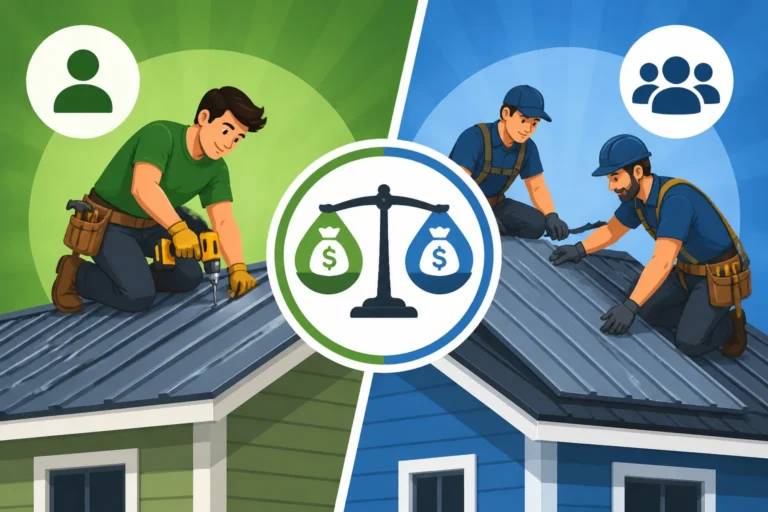
Installing a metal shake roof is a highly skilled job, and labor often accounts for a significant portion of the total project cost. This isn't a DIY kind of task for most homeowners, so expect to pay for professional expertise.
- Labor per Square Foot: Labor costs for metal shake installation can range from $4.00 to $9.00 per square foot. This wide range reflects the complexity of your roof, regional labor rates, and the experience level of the crew. A simple, low-pitch roof on a single-story home will be on the lower end, while a steep, multi-level roof with many valleys and dormers will be on the higher side. Remember, you're paying for expertise in precise cutting, meticulous flashing, and secure fastening—all critical for a watertight and long-lasting roof. You might find more details on Metal Roof Labor Cost.
- Additional Labor Factors: Don't forget about additional labor charges for things like tear-off and disposal of your old roof, necessary repairs to the roof deck, or the installation of new ventilation systems or complex flashing around chimneys or skylights. These can add several dollars per square foot to the total labor cost.
Total Project Cost Ranges
Combining materials, labor, and other necessary components gives us the full picture of the installed cost.
Generally, for a complete, professionally installed metal shake roof, you can expect to pay anywhere from $8.00 to $17.00 per square foot.
Let's put that into perspective for some common house sizes:
- 1,500 Sq Ft House: Total cost could range from $12,000 to $25,500.
- 2,000 Sq Ft House: Total cost could range from $16,000 to $34,000. If you have a 2,000 square foot home, you might want to specifically check out Metal Roof Cost for a 2,000 Sq Ft House.
- 2,500 Sq Ft House: Total cost could range from $20,000 to $42,500.
These figures include all materials (shakes, underlayment, fasteners, trim, flashing) and labor for a standard installation. Remember, extreme roof complexity, high-end custom finishes, or extensive structural repairs will push you toward the higher end of these ranges. Getting multiple quotes from reputable, local metal roofing contractors is the absolute best way to get an accurate estimate for your specific project.
Here's a quick table to summarize the typical cost ranges for different metal shake materials:
| Metal Shake Material | Material Cost (per sq ft) | Installed Cost (per sq ft) | Typical Lifespan | Key Benefit |
|---|---|---|---|---|
| Steel | $3.50 – $7.00 | $8.00 – $14.00 | 40-60+ years | Durability, Value |
| Aluminum | $5.00 – $10.00 | $10.00 – $17.00 | 50-70+ years | Rust-proof, Lightweight |
| Copper | $15.00 – $30.00+ | $25.00 – $50.00+ | 100+ years | Patina, Luxury |
| Zinc | $10.00 – $25.00+ | $20.00 – $45.00+ | 80-100+ years | Self-healing, Longevity |
Note: Copper and Zinc are less common for true "shake" profiles but are included for completeness as premium metal roofing options with varying installed costs.
Beyond the Initial Price Tag: Long-Term Value
While the upfront cost of a metal shake roof might seem substantial, it's really an investment. Smart homeowners understand that looking beyond the initial purchase price to consider the long-term value is where the true savings and benefits lie. This isn't just a roof; it's a home upgrade that pays you back in multiple ways.
Lifespan and Durability
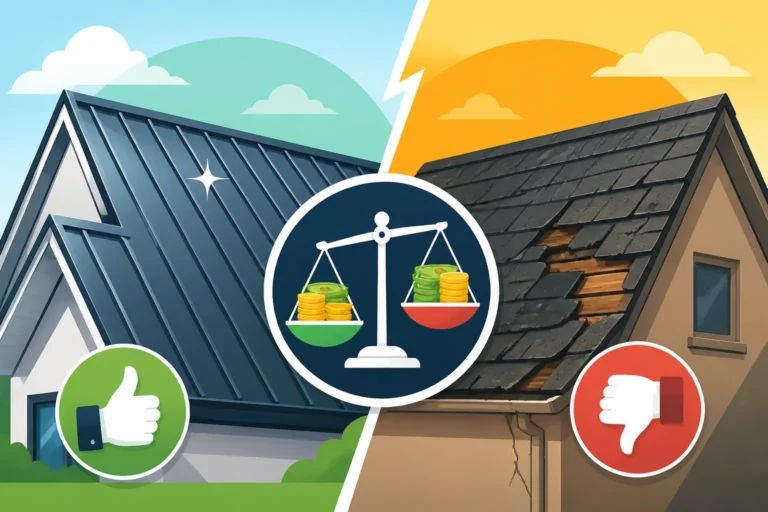
Let's be frank: you're installing a roof that's designed to last for generations. While asphalt shingles typically give you 15-30 years, a high-quality metal shake roof, particularly those made from steel or aluminum with robust coatings, can easily last 50 to 70 years, and often much longer. This incredible lifespan means you'll likely never have to replace your roof again, saving you the significant cost and hassle of future roof replacements. Think about it—over a 50-year period, you might replace an asphalt roof two or even three times. Each replacement comes with material, labor, and disposal costs, which quickly add up to far more than the initial investment in a metal roof. For more on this, check out Metal Roof vs Lifespan Value.
Beyond just how long it lasts, there's the durability factor. Metal shakes are incredibly resilient. They’re highly resistant to wind damage, fire, rot, mildew, and pests. Many systems carry a Class 4 impact resistance rating, the highest available, meaning they can stand up to severe hail storms that would utterly destroy traditional asphalt shingles. This robustness means fewer repairs and less stress during extreme weather events. The only repairs you might encounter are minor ones, but rarely a full replacement, making Metal Roof Repair vs Replacement: How to Decide an easy choice in favor of repair.
Energy Efficiency and Insurance Savings
One of the hidden financial benefits of a metal shake roof is its potential to save you money on your utility bills. Many metal roofing products, especially those with lighter colors and highly reflective coatings, are considered "cool roofs." They reflect solar radiant heat, preventing it from penetrating your attic and increasing your home's internal temperature. This can significantly reduce your air conditioning costs during hot summer months. Depending on your climate and energy habits, these savings can be substantial over the lifespan of the roof.
Furthermore, many insurance companies offer discounts for homes protected by metal roofs. Due to their superior durability and resistance to fire, wind, and hail, metal roofs are seen as a lower risk. This can translate into real savings on your annual homeowners insurance premiums. It's always a good idea to check with your insurance provider about potential Metal Roof Insurance Savings & Discounts before you commit to installation. Over decades, these small annual savings can really add up.
Resale Value
Thinking of selling your home down the line? A metal shake roof is a major selling point and a significant boost to your home's resale value. Homebuyers are increasingly aware of the long-term benefits of a durable, low-maintenance roof. A metal shake roof tells prospective buyers that they won't have to worry about replacing the roof for decades, removing a major expense from their minds.
In many cases, a new metal roof can recoup a significant portion, if not all, of its initial investment in terms of added home value. Its aesthetic appeal, coupled with its proven longevity and durability, sets your home apart in the market. This is particularly true in competitive real estate markets or areas prone to severe weather, where a robust roof is a highly valued asset. It's a key factor in Does a Metal Roof Increase Home Value? and can definitely be a deciding factor for potential buyers.
Disclaimer
Please remember that the cost estimates provided in this guide are general ranges and can fluctuate based on market conditions, material availability, labor rates in your specific area, and the unique characteristics of your roofing project. For the most accurate pricing, always obtain detailed quotes from several qualified, local metal roofing contractors.