How Long Does Metal Roof Installation Take?
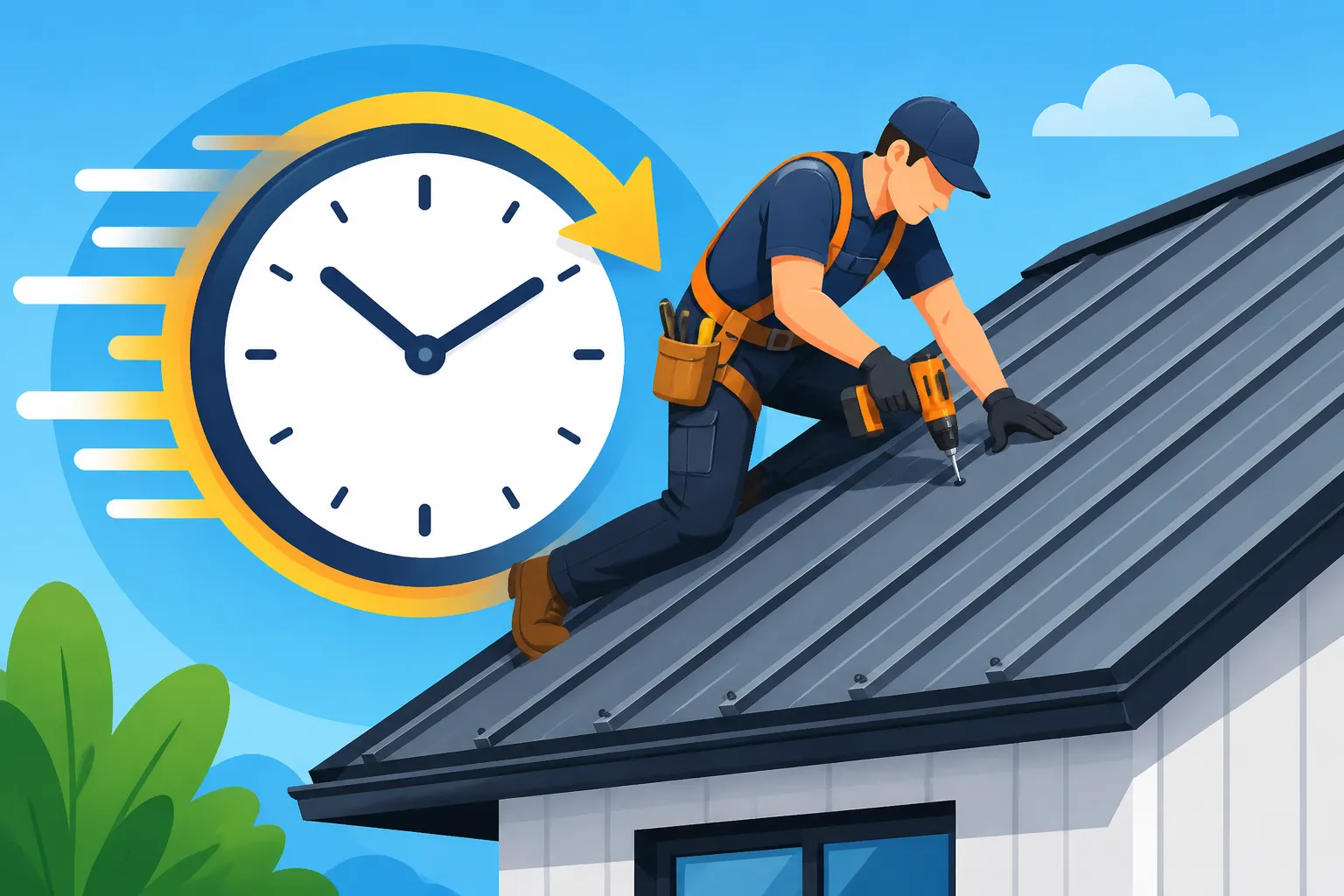
One of the biggest anxieties homeowners face when deciding on a new roof is the disruption it will cause, especially the big question: "How long will this take?" It's not just about the monetary investment; it's about managing expectations, scheduling your life around a major home renovation, and knowing when you can get back to normal. This guide will meticulously break down the typical duration for metal roof installations, exploring every factor that influences the timeline so you can approach your project with confidence and a clear understanding of what to expect.
Understanding the Factors Influencing Metal Roof Installation Time
Getting a new metal roof isn't like picking up groceries; there's a lot that goes into the process, and many variables can swing the timeline one way or another. It's not a "one size fits all" answer, which can be frustrating when you just want a simple estimate. However, understanding these key factors will help you make more informed decisions and prepare better for the project ahead.
Roof Size and Complexity
It probably goes without saying, but the larger your roof, the longer it's going to take. A sprawling ranch-style home in the suburbs of Phoenix with a simple gable roof will naturally be a quicker job than a multi-story Victorian in San Francisco with numerous dormers, valleys, and turrets. Every break in the roofline, every skylight, and every chimney adds complexity and time. These features require intricate flashing work, precise cutting of panels, and careful sealing, which are far more time-consuming than laying down straight, continuous panels on a simple, unobstructed roof plane. A very small roof, like a garage or a shed, might only take a day or two, while a large, complex residential roof could easily stretch into two weeks or more.
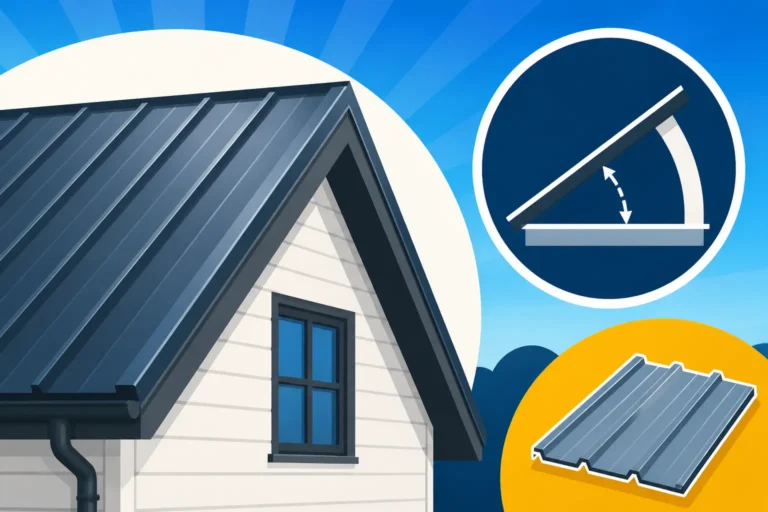
The pitch of your roof also plays a significant role. A low-slope roof, while seemingly simpler, can sometimes present its own challenges with drainage and specific panel requirements. On the other hand, a very steep roof requires more safety measures, specialized equipment, and a slower pace for the crew, all of which extend the overall project duration. Think about working on a ladder versus a relatively flat surface; the increased caution and slower movement on a steep incline are undeniable.
Type of Metal Roofing System
Not all metal roofs are created equal, and the type you choose has a direct impact on how long the installation will take. This is often one of the most significant variables. For example, a standing seam metal roof, with its sleek, modern look and hidden fasteners, involves a more meticulous installation process. Panels are often custom-fabricated on-site or delivered in long, continuous lengths, and then mechanically seamed together. This method minimizes visible fasteners and offers superior weather resistance, but it demands highly skilled installers and takes more time per square foot.
Conversely, an exposed fastener system, like corrugated metal or R-panel roofing, tends to be much quicker to install. These panels are typically screwed directly through the face into the roof deck or purlins. While still requiring precision, the process is less labor-intensive in terms of panel manipulation and seaming. Metal shingles, metal shakes, or metal tiles, which mimic the look of traditional roofing materials, fall somewhere in between. They are installed piece by piece, similar to asphalt shingles, but usually involve specific interlocking mechanisms or clips that add to the installation time compared to large, exposed fastener panels. When you're looking at quotes, pay close attention to the specific type of metal roofing system being proposed, as this will heavily influence the project timeline and the Metal Roof Labor Cost.
Condition of the Existing Roof
Before any new metal panels go up, the existing roof has to be addressed. This is where hidden surprises can sometimes cause delays. If you're replacing an old asphalt shingle roof, the first step is usually a "tear-off" – removing all the old shingles, felt, and debris. This can be a surprisingly time-consuming process, especially if there are multiple layers of old roofing material or if the decking underneath is in poor shape. A single layer of shingles might come off quickly, but two or three layers will extend the tear-off phase significantly.
What happens if the crew discovers rotted plywood or damaged rafters once the old roofing is removed? This necessitates unexpected repairs, which can bring the project to a grinding halt while materials are sourced and additional labor is scheduled. These unforeseen issues are why it's always a good idea to budget a little extra time and money for contingencies. Sometimes, if the existing roof structure is sound and local building codes allow it, a metal roof can be installed directly over existing shingles, which eliminates the tear-off process entirely and can shave a day or two off the project. This "metal over shingles" approach can be a significant time-saver, but it's not always an option. You can learn more about this in our guide on Installing a Metal Roof Over Shingles.
Typical Timelines for Different Metal Roofing Projects
While every project has its unique quirks, there are some general timelines you can expect depending on the nature and scale of your metal roofing installation. Understanding these averages can help you set realistic expectations for your own project and better communicate with your chosen contractor.
New Construction vs. Roof Replacement
The duration of a metal roof installation differs considerably between a brand-new build and a roof replacement on an existing home. With new construction, the "canvas" is clean. There’s no old roofing to tear off, no hidden damage to discover under layers of shingles, and often, the roof deck is perfectly smooth and ready for underlayment. The contractor can focus solely on the meticulous process of installing the new metal panels from scratch, which, while still detailed, can often proceed more smoothly without the preparatory demolition phase.
For a roof replacement project, on the other hand, the first critical step is always the tear-off of the old roof. This alone can take one to three days, depending on the size of your home, the number of existing layers, and how easily the old materials detach. Once the old roof is off, there's a crucial inspection of the existing decking and structure. Any necessary repairs to the sub-roof or sheathing will add time, sometimes unexpectedly. This initial phase, often overlooked in homeowner estimates, is a substantial part of the overall project timeline. When considering a full Metal Roof Repair vs Replacement: How to Decide, always factor in the tear-off process for replacements.
Standing Seam vs. Exposed Fastener Panels
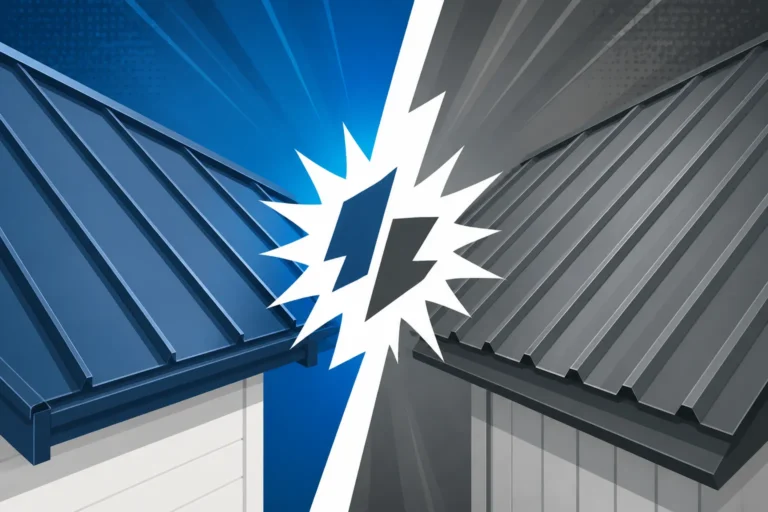
As we touched upon earlier, the type of metal panel itself is a major time determinant. Standing seam metal roofs, prized for their durability and sleek aesthetic, typically demand the longest installation times. Each panel needs to be perfectly aligned, fastened with hidden clips, and then mechanically seamed or snapped into place. This is a precision job that requires specialized tools and highly trained installers. For an average 2,000 square foot residential roof, a standing seam installation might take anywhere from 5 to 10 days, or even longer for more complex designs, depending on the crew size and weather conditions.
In contrast, exposed fastener systems, such as corrugated or R-panel roofs, are generally quicker to install. These panels are wider and are typically secured directly to the roof deck with screws that remain visible. The process is less labor-intensive per panel, leading to a faster overall completion. A similar 2,000 square foot roof might be completed in 3 to 7 days with an exposed fastener system. While these systems can be more economical and faster to install, it’s worth noting that the exposed fasteners eventually require maintenance. If you're comparing Standing Seam vs Corrugated Metal Roof, remember that the speed of installation is one key difference, often tied to the aesthetic and longevity benefits of the hidden fastener systems.
Small Residential vs. Large Commercial Projects
The scale of the project drastically impacts the timeline. A small residential roof, like that of a compact suburban home or a detached garage, might be completed in as little as 2-4 days. These projects typically have fewer complexities and a smaller square footage to cover, allowing for a quicker turnaround, especially if the weather cooperates and the existing roof is in decent shape.
Larger residential properties, perhaps a custom home with intricate rooflines or a multi-family dwelling, could easily span 1 to 3 weeks. These projects often involve more extensive material handling, a larger crew, and more complex coordination. Commercial metal roofing installations, on the other hand, are a whole different beast. From large warehouses to expansive retail spaces, these projects can range from several weeks to several months. They often involve massive square footage, specialized equipment, rigorous safety protocols, and a much larger crew. The scheduling for commercial projects is also often more complex, needing to coordinate around business operations and strict deadlines.
The Step-by-Step Installation Process and Its Duration
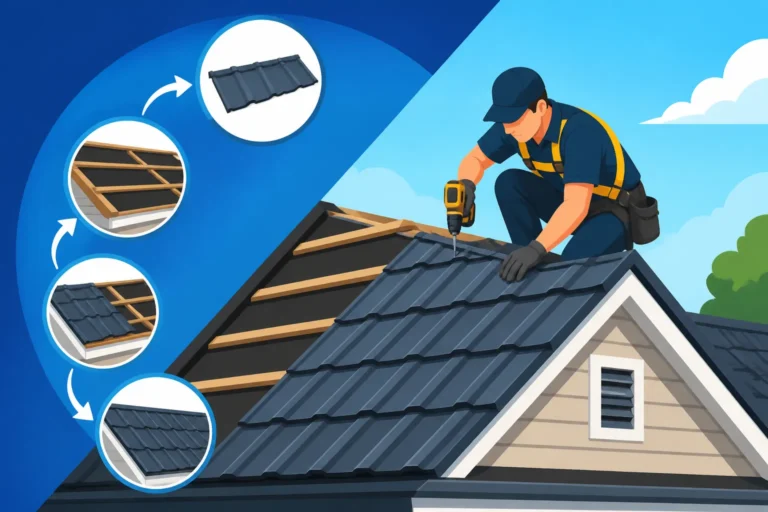
Understanding the individual steps involved in a metal roof installation can help you appreciate why the process takes the time it does. It's not just about slapping panels on; there's a methodical approach to ensure durability and weather tightness. Knowing what happens when can also help you track progress and anticipate when different phases will be completed.
Preparation and Tear-Off
The very first stage of almost any metal roof replacement project is preparation. This involves protecting your property: covering landscaping, securing anything that might be damaged by falling debris, and setting up staging areas for materials and waste. Then comes the tear-off. For many homeowners, this is the most visually dramatic and often the messiest part of the process. Every shingle, nail, and old underlayment layer needs to be systematically removed. This can expose the roof deck, and depending on what's found, lead to an immediate inspection.
The speed of the tear-off depends heavily on the existing roof material and its condition. A single layer of easily removable asphalt shingles might only take a day for an average-sized home. However, if there are multiple layers of shingles, or if the existing deck has dry rot or damage that makes removal difficult, this phase could easily extend to two or three days. Contractors also need to ensure proper disposal of all torn-off materials, which involves loading dumpsters and ensuring a safe work environment. This stage is crucial because a clean, sound surface is the foundation for a long-lasting metal roof.
Underlayment and Decking Inspection
Once the old roof is off, the underlying roof deck becomes fully visible. This is a critical juncture for inspection. The roofing crew will meticulously check the plywood or OSB decking for any signs of water damage, rot, sagging, or structural compromise. If issues are found, these repairs must be addressed before the new roof can go on. Replacing sections of damaged decking adds both time and cost to the project, but it's non-negotiable for the integrity of your new roof.
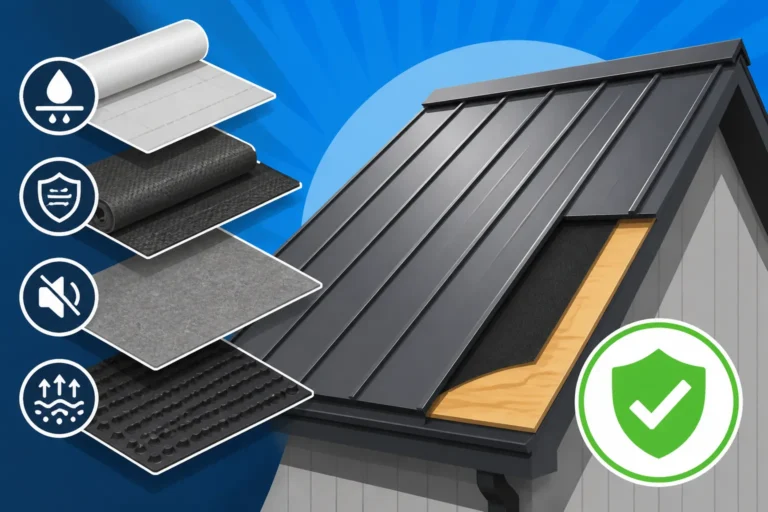
After any necessary repairs, the next step is installing the underlayment. This protective layer acts as a secondary barrier against moisture and is absolutely vital for a metal roof. Modern synthetic underlayments are common, offering superior tear resistance and water protection compared to traditional felt. In colder climates, or areas prone to heavy rain, an ice and water shield might be installed along eaves, valleys, and around penetrations like chimneys and skylights. This underlayment application usually takes a day or two, depending on the roof's size and complexity. For a comprehensive overview, see our guide on Metal Roof Underlayment and Ventilation Guide.
Panel Installation and Flashing
This is where your new metal roof truly starts to take shape! The panel installation phase is the longest and most labor-intensive part of the project. It begins with careful measurements and often the fabrication of custom panels on-site, especially for standing seam systems. Panels are then lifted, aligned, and fastened according to the specific roofing system. For standing seam, this involves securing clips and then seaming the panels together. For exposed fastener systems, panels are screwed down with specialized washers.
Simultaneously, the crew will be installing flashing around all roof penetrations—chimneys, skylights, vents, and wall intersections. Flashing is crucial for preventing leaks, and its installation is a highly skilled process that requires precision and attention to detail. Improper flashing is a common cause of roof leaks down the line. Because of the precision and specialized work involved, this phase can vary widely in duration. A simple, unobstructed roof might see panels go up quickly, perhaps 2-4 days for an average home, but a roof with many dormers, valleys, or other complex features can easily push this phase to a week or even longer. For an in-depth look at the sequence, check out our Metal Roof Installation Process: Step by Step.
External Factors That Can Affect Project Length
Even with the most meticulous planning, some things are simply out of a contractor's control. These external factors can throw a wrench into even the most tightly scheduled metal roof installation, often leading to unexpected delays. Understanding these potential roadblocks can help you remain patient and flexible throughout the process.
Weather Conditions
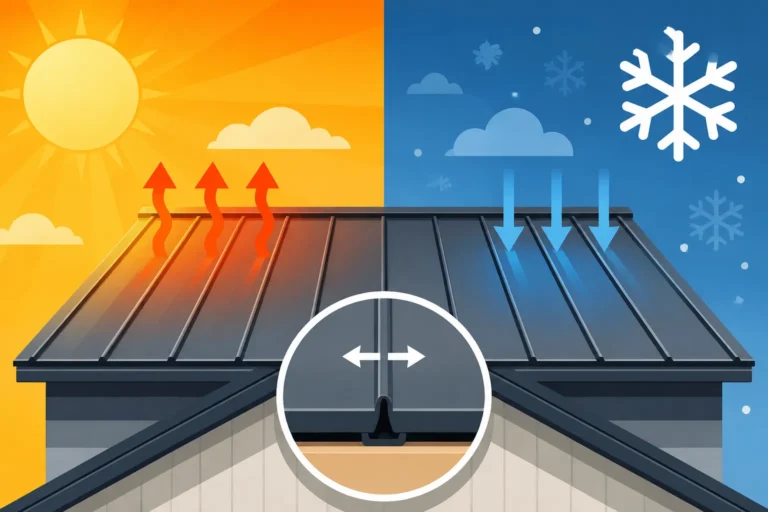
Perhaps the most unpredictable factor impacting roofing timelines is the weather. Metal roof installation cannot happen safely or effectively in heavy rain, strong winds, or extreme cold. Rain can make the roof surface incredibly slippery, posing a significant safety hazard for the crew. It also compromises the integrity of materials like underlayment and sealants during installation. High winds can make handling large metal panels extremely dangerous, potentially leading to injuries or damaged materials. Even intense heat can slow down a crew, as they need more breaks to stay hydrated and avoid heat-related illnesses.
In regions with volatile weather patterns, such as the Gulf Coast during hurricane season or the Northeast in winter, delays due to adverse conditions are almost inevitable. A day of rain can mean a day or more added to the schedule as the crew waits for conditions to improve and surfaces to dry. If you live in an area known for sudden storms, like Florida or Texas, your contractor will likely build in some buffer time, but unexpected weather can always push things back further. It's a common frustration, but safety and proper installation always take precedence over speed when Mother Nature isn't cooperating.
Crew Size and Expertise
The number of people working on your roof, and their collective experience, directly impacts how quickly the job gets done. A larger, well-coordinated crew can accomplish tasks much faster than a smaller team. For instance, a crew of 4-6 experienced metal roof installers will complete a project significantly faster than a crew of 2-3, especially on larger homes or complex roof designs. The ability to work efficiently, with each team member having a specific role and expertise, streamlines the entire process.
Moreover, the expertise of the crew is paramount for metal roofing, particularly for systems like standing seam. Metal roofing requires a different skill set than asphalt shingle installation. Highly experienced metal roof specialists are proficient with the materials, cutting techniques, seaming processes, and flashing details, which leads to fewer mistakes and a faster, higher-quality installation. Inexperienced crews, while potentially cheaper, might take longer, make errors that require rework, or compromise the long-term integrity of your roof. When you're talking to potential contractors, like those found through platforms such as Modernize, don't hesitate to ask about the size and experience level of their roofing crews, especially their specific experience with metal.
Material Availability and Delivery
Even if your contractor is top-notch and the weather is perfect, delays can still arise from issues with materials. Supply chain disruptions, which have become more common in recent years, can mean waiting weeks for specific metal panels, coatings, or accessories. Custom-colored or specialized metal panels often have longer lead times compared to standard stock items. If a particular component, like a specific type of flashing or a unique trim piece, is backordered, the entire project can grind to a halt until it arrives.
Delivery logistics also play a role. Scheduling large material deliveries to your home requires coordination and can be subject to trucking schedules, traffic, or unforeseen events. If a delivery is delayed, the crew might not have the materials needed to continue work, leading to downtime. Reputable contractors usually order materials well in advance and keep you informed about any potential delays, but it's still a factor to consider. Asking about material lead times when getting your How to Read and Compare Metal Roof Quotes can give you an early heads-up on potential delays.
What to Expect During the Installation Period
Having a metal roof installed is a significant undertaking that will inevitably cause some disruption to your daily life. Knowing what to expect during this period can help you manage the inconvenience and ensure a smoother experience for everyone involved.
Daily Progress and Communication
During the installation, you can expect to see daily progress, though sometimes it might feel slower than you anticipated, especially during the initial tear-off and preparation stages. A good contractor will keep you in the loop regarding the project's progression. This usually involves a project manager or lead foreman who can give you updates on what was accomplished each day and what the plan is for the next. Don't be shy about asking questions if you're unsure about something or want an update. Open communication is key to a stress-free project.
Many contractors will establish a primary point of contact for you. This person should be easily reachable during business hours to answer questions, address concerns, and provide regular progress reports. Some even use project management apps where you can see photos and daily logs. If you find yourself constantly guessing or struggling to get information, that's a red flag. A transparent contractor understands that this is a major investment for you and will make sure you feel informed every step of the way.
Noise and Disruption
Let's be realistic: installing a new roof, particularly a metal one, is not a quiet process. You'll hear plenty of hammering, sawing, drilling, and the general clamor of construction. If there's a tear-off involved, the noise of old shingles being removed and dropped into a dumpster can be considerable. Expect a significant increase in noise levels around your home during working hours. This might mean adjusting your work-from-home schedule, planning activities away from the house, or making arrangements for pets or young children who might be sensitive to loud sounds.
Beyond the noise, there will be a certain level of disruption to your property. Materials will be delivered and stored, dumpsters will be placed, and equipment will be moved around. The work area will be cordoned off for safety, and access to certain parts of your yard or driveway might be temporarily restricted. Most contractors, especially those like Modernize, will do their best to minimize inconvenience and keep the site tidy, but it's still a construction zone. Understanding and accepting this temporary disruption will help you mentally prepare for the installation period.
Post-Installation Cleanup and Inspection
Once the final panel is in place and the last piece of flashing is installed, the crew isn't quite done. A thorough cleanup is essential. This involves removing all debris, excess materials, nails, screws, and protective coverings from your property. A good contractor will use magnetic sweeps to catch any stray fasteners that could pose a hazard to tires or bare feet. They should leave your property as clean, if not cleaner, than they found it.
Following cleanup, a final inspection is crucial. This typically involves the project manager or foreman walking the roof and perimeter of your home to ensure that all aspects of the installation meet quality standards and local building codes. You should also be invited to walk around with them to point out any areas of concern or ask final questions. This is your opportunity to ensure everything looks satisfactory before final payment. A detailed inspection should cover proper panel alignment, secure fastening, watertight flashing, and overall aesthetic appeal. Don't forget to inquire about the Metal Roof Warranties: Workmanship vs Manufacturer at this stage, as it's vital to understand your coverage.
Tips for a Smooth and Efficient Installation
While some factors are out of your control, there's plenty you can do to contribute to a smooth and efficient metal roof installation. Being proactive and informed can save you headaches, time, and potentially money in the long run.
Choosing the Right Contractor
This cannot be stressed enough: the quality of your contractor is the single biggest determinant of a smooth installation. Don't just go with the first quote you get, or the cheapest one. Do your homework. Look for contractors who specialize in metal roofing, not just general roofers who occasionally install it. Ask for proof of licensing, bonding, and insurance. These are non-negotiable for your protection. Check their references, read online reviews, and look at their past projects.
A reputable contractor will provide a detailed, itemized quote, explain the process clearly, and have a strong track record of successful metal roof installations. They should also be transparent about potential challenges and how they plan to address them. If you're unsure where to start, platforms like Modernize can help connect you with vetted professionals in your area. Remember, a cheap contractor can end up costing you more in the long run if the work is shoddy and leads to premature repairs. Consider getting How Many Metal Roof Quotes Should You Get to compare thoroughly.
Proper Planning and Preparation
Your involvement in the planning phase can significantly impact the installation timeline. Before the project begins, have all your questions answered. Understand the schedule, material delivery dates, and payment schedule. Make sure the contractor has easy access to your property and sufficient space for staging materials and a dumpster. Clear your driveway of vehicles and move any patio furniture, grills, or potted plants away from the house perimeter to prevent damage and give the crew ample workspace.
It's also wise to discuss your daily routines with the contractor, especially if you have specific needs regarding noise or access. For example, if you have an important virtual meeting, you might ask the crew to focus on a quieter part of the roof during that hour if possible. Proactive preparation of your property and clear communication of your needs will help the crew work more efficiently without interruptions. Don't forget to secure valuable or delicate items inside your home, as vibrations from roofing work can sometimes cause things to shift.
Maintaining Open Communication
Once the project is underway, keeping lines of communication open with your contractor is vital. If you have concerns, see something you don't understand, or notice a potential issue, bring it up immediately. Don't let small issues fester into larger problems. A good contractor will appreciate your vigilance and will address concerns promptly. Similarly, be responsive to their questions or requests. If they need to reach you about a material delivery or an unexpected finding, being available will prevent delays.
Establish a preferred method of communication – phone, text, or email – and stick to it. Confirm daily progress and next steps, and don't hesitate to ask about specific aspects of the installation, such as the type of fasteners being used or details about the Metal Roof Gauges Explained: 22, 24, 26 & 29. The more informed and engaged you are, the smoother the process will likely be, and the more confident you'll feel in the final outcome of your metal roof project.
Disclaimer
Please note that this guide provides general information and estimates. The actual duration and cost of a metal roof installation can vary significantly based on your specific location, chosen materials, contractor's rates, and unforeseen circumstances. Always consult with qualified local metal roofing professionals for accurate assessments and quotes tailored to your unique project.