Metal Roof Repair vs Replacement: How to Decide
That moment when you spot a problem with your metal roof – a loose panel, a bit of rust, or even a tiny drip indoors – can be incredibly unsettling. You start wondering if it's a quick fix or if you're looking at a much larger, more expensive project. This guide is here to walk you through the often-confusing decision-making process of whether your metal roof needs a simple repair or a complete replacement, helping you assess the damage and weigh your options.
Understanding the Lifespan of a Metal Roof
One of the big reasons homeowners choose metal roofs is their incredible durability and longevity. We're not talking about a roof that lasts 15-20 years; we're talking decades, often 40-70 years, depending on the material and installation quality. But even the best metal roof won't last forever without a little care, and external factors can significantly impact its journey. Knowing what to expect regarding its lifespan is crucial when deciding between repair and replacement.
Factors Influencing Longevity
Several key elements play a role in how long your metal roof truly lasts. The material itself is a huge one – a copper or zinc roof might outlive you, while some steel or aluminum options, though still very long-lasting, might have a slightly shorter top-end estimate. The coating on your metal roof, like Kynar 500 or SMP, also makes a massive difference in its resistance to fading, chalking, and corrosion, acting as a protective shield against the elements. A well-applied, high-quality coating can extend the aesthetic and functional life of your roof by many years.
Beyond the material, the quality of installation is paramount. A perfectly manufactured panel can fail prematurely if it's not installed correctly, with proper flashing, fasteners, and sealing. Workmanship errors, such as overtightened screws, improper panel alignment, or insufficient sealing around penetrations, are common culprits for early issues. The climate your home experiences also weighs heavily on longevity. Homes in areas with extreme temperature fluctuations, heavy snow loads, frequent hail, or intense UV exposure will naturally put more stress on a roof than those in milder climates. Even something as seemingly minor as tree cover can impact longevity, with falling branches causing dents or leaves accumulating and retaining moisture.
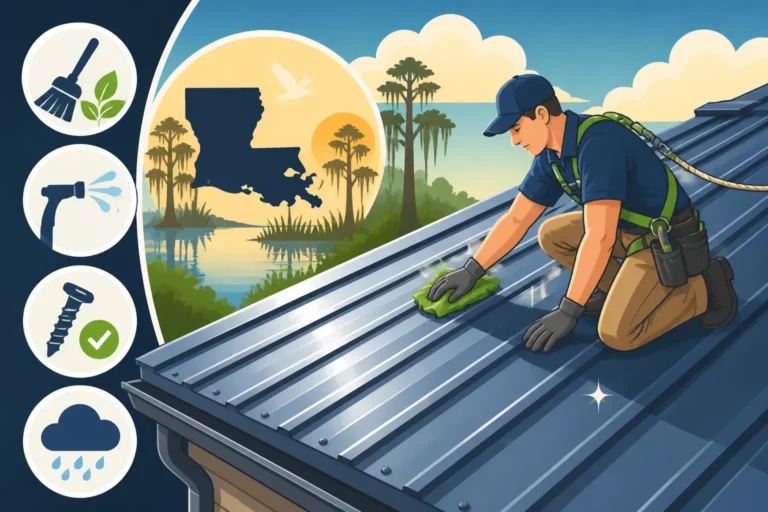
Lastly, consistent maintenance plays a huge, often underestimated, role. Regular inspections, cleaning debris, and addressing minor issues like loose fasteners or failing sealants proactively can significantly extend your roof's life. Think of it like a car; while it's built to last, regular oil changes and check-ups prevent small problems from becoming catastrophic failures. To truly understand the long-term prospects, it's worth exploring the article on Metal Roof Lifespan: How Long Do They Last?.
When to Expect Wear and Tear
Even with top-notch materials and perfect installation, time takes its toll. The first signs of wear often appear on the roof's coating, manifesting as fading or chalking, where the color dulls or a powdery residue forms. This is usually cosmetic but can indicate that the protective layer is breaking down, potentially exposing the metal underneath to faster degradation. After 15-25 years, depending on the coating and climate, you might start noticing these changes.
Mechanical failures like loose fasteners or compromised sealants around flashing often begin to surface after 20-30 years. The rubber washers on exposed fastener systems can degrade from UV exposure, allowing moisture to penetrate, or the fasteners themselves can back out slightly due to thermal expansion and contraction cycles. Seams on standing seam roofs, while incredibly durable, can sometimes develop issues if they weren't crimped perfectly or if they've been subjected to unusual stress over the decades. These issues are generally repairable but signal that the roof is maturing.
If you're seeing widespread rust, extensive panel damage, or consistent leaks across multiple areas after 30-40 years (for most steel/aluminum roofs), you're definitely entering the "consider replacement" zone. While some individual panels can be swapped out, extensive rust often points to a larger systemic issue with the coating or material, making piecemeal repairs less cost-effective in the long run. If your roof is approaching or beyond its expected maximum lifespan, even minor damage might tip the scales towards replacement.
Common Issues Signaling Metal Roof Problems
The beauty of a metal roof is its resilience, but even the toughest materials can face challenges. Being able to recognize the tell-tale signs of trouble early on can save you a lot of headaches and money down the line. It’s not always obvious, and sometimes what looks like a small issue can be an indicator of a much bigger problem brewing beneath the surface.
Obvious Damage: Dents, Punctures, and Loose Panels
Some problems hit you right in the face. Large dents, especially from fallen tree limbs or heavy hail, are clear indicators. While many metal roofs are remarkably resistant to hail damage (often carrying a Class 4 impact rating), extreme weather events can still cause issues. Even smaller dents, if deep enough, can compromise the protective coating, leading to accelerated wear or rust in those specific spots. Punctures, often caused by sharp debris or improper foot traffic, are serious as they create direct entry points for water. These usually require immediate attention to prevent interior water damage.
Loose panels or panels that have lifted, particularly along the edges or near the ridge, are also very clear signs. This often happens due to high winds, failed fasteners, or improper installation techniques. A loose panel isn't just a cosmetic issue; it can allow water to infiltrate beneath the roof, potentially leading to rot in the underlying decking or structural components. It also puts neighboring panels at risk of loosening, especially in strong winds, turning a minor issue into a rapidly escalating problem. You can learn more about identifying these problems by reading Warning Signs Your Metal Roof Needs Attention.
Subtler Signs: Rust, Fading, and Leaks
Then there are the more subtle, insidious problems. Rust, for instance, can start small. A few tiny orange spots might not seem like much, but if ignored, they can spread, compromising the integrity of the panel. Surface rust on the coating might be treated, but rust that has penetrated the metal itself is a serious concern. Fading, while often aesthetic, can indicate the protective coating is no longer performing its UV-blocking duty, leaving the underlying metal vulnerable. Over time, extensive fading can reduce the roof's energy efficiency and lead to faster material degradation.
Leaks are perhaps the most common and frustrating problem homeowners encounter, precisely because they can be so hard to pinpoint. Water takes the path of least resistance, and a leak that appears in your ceiling might originate several feet away on the roof. Common leak sources include compromised flashing around chimneys, skylights, or vents, degraded sealant around fasteners, or even tiny cracks that are hard to see from the ground. Sometimes, leaks only appear during heavy, wind-driven rain, making them even harder to diagnose. If you suspect a leak, it’s crucial to act quickly, and a professional can help you navigate the complexities of a Metal Roof Leak Repair Guide.
Fastener and Seam Failures
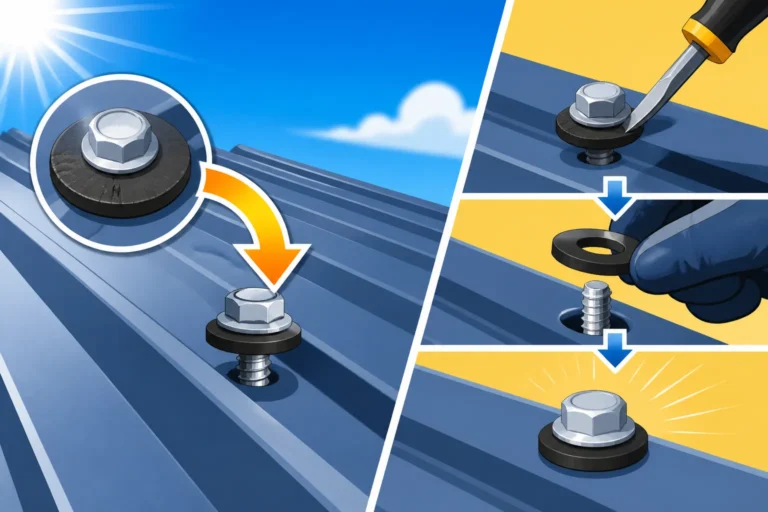
Fasteners are the unsung heroes of many metal roofing systems, particularly exposed fastener panels. However, their rubber washers, designed to create a watertight seal, don't last as long as the metal panels themselves. Over 15-20 years, these washers can dry out, crack, and lose their elasticity due to constant exposure to UV rays and temperature fluctuations. When this happens, water can seep past the screw head and into your roof deck, causing leaks that often manifest as dark stains on your ceiling. Replacing these fasteners is a common maintenance task, but if too many are failing, it points to widespread material degradation.
On standing seam roofs, which feature concealed fasteners, the seams themselves are the critical points. While incredibly durable, problems can arise from improper seaming during installation, or extreme thermal movement over many decades can eventually put stress on the seam interlocks. Even hairline cracks or slight separations in the seam can allow water to enter, especially during high winds. Similarly, issues with the sealant strips often found within the seam can lead to leaks. The benefit here is that these systems hide the fasteners, making them less prone to direct UV degradation, but when a seam fails, it typically requires specialized tools and expertise to repair properly.
Assessing the Extent of Damage: Repair vs. Replace Criteria
Deciding whether to repair or replace your metal roof is a balancing act, and it truly comes down to the nature and scope of the damage. There’s a sweet spot where a repair is perfectly viable and cost-effective, and then there’s a tipping point where throwing more money at repairs becomes a short-sighted solution. Understanding these criteria will help you make a smart, long-term decision for your home.
Minor, Localized Damage: The Case for Repair
If the damage to your metal roof is isolated and minor, repair is almost always the go-to solution. Think about a few scattered dents from a localized hailstorm, or a single tree branch falling and damaging just one or two panels. These are perfect scenarios for repair. Similarly, if you have a specific leak around a vent pipe, a chimney, or a skylight, a targeted repair involving flashing replacement or sealant application is usually sufficient. The key here is "localized" – the problem is contained to a small area and hasn't compromised the overall structural integrity of the roof.
Another common repair scenario involves the fasteners. If you have an exposed fastener metal roof and notice a handful of screws with worn-out rubber washers, replacing those individual fasteners is a straightforward and economical fix. The same goes for minor rust spots that are purely superficial and haven't deeply pitted the metal. These can often be treated and recoated to prevent further spread. The cost of these types of repairs is significantly less than a full replacement, making them highly attractive for extending the life of an otherwise sound roof.
It’s important to get a professional assessment, even for minor damage. A reputable metal roofing contractor can inspect the roof thoroughly, ensuring that what appears to be a small issue isn't a symptom of a larger, underlying problem. For example, a single loose panel might be repairable, but if many panels are loose due to widespread fastener failure or structural shifting, that moves the needle closer to replacement territory. A good contractor will provide an honest evaluation, helping you navigate these nuances.
Widespread or Structural Issues: When Replacement Becomes Necessary
The conversation shifts dramatically when the damage is widespread, severe, or indicative of structural compromise. If you're seeing extensive rust across a large percentage of your roof panels, especially rust that has eaten through the metal, spot repairs become impractical and financially irresponsible. Patching one rusted panel only to have another two develop issues next year is a losing battle. The goal is long-term protection, not a continuous cycle of temporary fixes.
Significant structural damage, such as warping or buckling panels that suggest underlying deck issues, or sagging sections of the roof, are clear indicators for replacement. These problems often point to issues with the roof deck or supporting rafters, which a simple panel repair won't address. Furthermore, if your roof has suffered severe, widespread damage from a major storm – multiple panels torn off, extensive punctures, or significant deformation across various sections – a full replacement is usually the safest and most practical course of action. Trying to piece-meal repair a severely compromised roof can lead to ongoing leaks, compromised integrity, and persistent headaches.
Another factor that pushes towards replacement is repeated, chronic issues. If you're constantly calling a contractor out for new leaks, fastener issues, or other problems, the cumulative cost of these repairs can quickly approach or even exceed the cost of a new roof. At some point, you need to consider the value of peace of mind and the long-term investment of a completely new, warrantied roofing system versus the ongoing expense and uncertainty of patching up an old, failing one.
Age of Your Metal Roof and Material Considerations
The age of your metal roof is arguably one of the most critical factors in the repair vs. replace debate. While metal roofs are known for their longevity, nothing lasts forever. If your metal roof is relatively young – say, under 20-25 years old – and experiences localized damage, a repair is almost always recommended. You still have many decades of life left in the system, and addressing a specific issue preserves that investment.
However, if your metal roof is approaching the end of its projected lifespan, typically 40-70 years for many materials, even seemingly minor damage should prompt a serious discussion about replacement. For example, if you have an older galvanized steel roof that's 50 years old and a section of flashing fails, repairing that flashing is possible. But you also need to consider that the rest of the roof is likely experiencing widespread coating degradation, potential hidden rust, and general material fatigue. Investing in a repair for a roof that's on its last legs might just be delaying the inevitable.
The type of metal also plays a role. A high-quality copper or zinc roof, known for lasting 100+ years, would almost certainly lean towards repair even at 60-70 years old, as it still has a significant lifespan ahead. Conversely, a thinner gauge, less durable steel or aluminum roof might be a candidate for replacement closer to the 40-year mark if issues are widespread. Always consult with a metal roofing specialist to evaluate the remaining life and integrity of your specific roof material. They can often provide a more objective perspective on when to replace a metal roof, helping you decide on the best course of action.
The Repair Process: What It Entails
When you’ve decided that repair is the right path for your metal roof, it's helpful to know what that process typically looks like. It’s not just about slapping a patch on a problem area; professional metal roof repair involves specific techniques and a thorough understanding of the material and system.
Common Metal Roof Repair Techniques
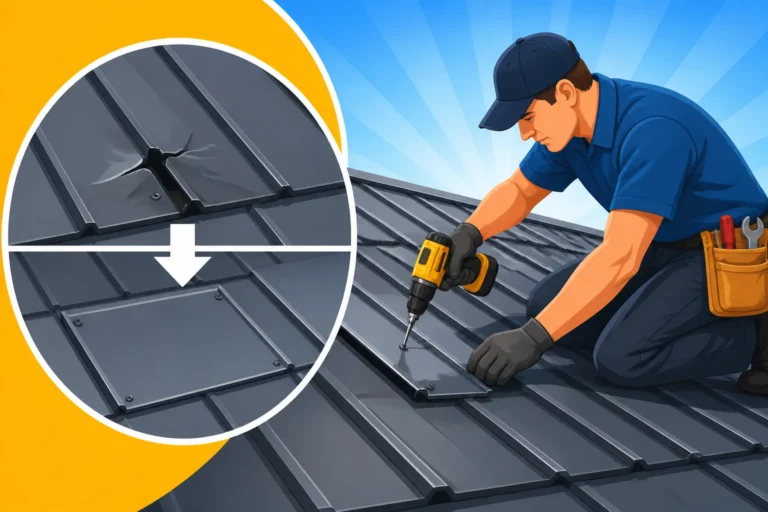
The specific repair technique will depend entirely on the type and extent of the damage. For small punctures or minor cracks, especially on low-slope roofs, a high-quality, durable sealant, often a specialized elastomeric or silicone-based product, can be applied. This creates a watertight seal over the damaged area. For slightly larger holes or tears, a metal patch, often made of the same material and color as your existing roof, might be cut and meticulously secured over the damage, then sealed around its edges to ensure no water ingress. This is a common fix for isolated damage on corrugated or R-panel roofs.
For loose or failing fasteners on exposed fastener systems, the repair often involves removing the old, compromised screw and washer, inspecting the decking beneath for any rot or damage, and then installing a new, larger screw with a fresh, durable EPDM rubber washer. Sometimes, if the hole is too large, a slightly off-center screw or a larger diameter fastener might be needed to achieve a secure seal. If an entire panel is severely damaged but the surrounding panels are sound, the damaged panel can be carefully removed and replaced with a new matching panel, ensuring all seams and fasteners are properly re-secured and sealed. This requires specialized tools and expertise to avoid damaging adjacent panels or the underlayment.
When dealing with leaks around flashing (e.g., chimneys, skylights, pipe boots), the repair typically involves assessing the existing flashing for cracks, separation, or improper installation. Sometimes, simply reapplying or replacing sealant along the edges is enough. Other times, the old flashing might need to be completely removed and new flashing installed, which can be a more involved process. This kind of work demands precision to ensure proper water diversion and a long-lasting seal. You can dive deeper into specific leak fixes by checking out the How to Fix a Leaking Metal Roof guide.
The Importance of Professional Assessment for Repairs
While some minor repairs, like sealing a tiny puncture, might seem straightforward, the complexities of metal roofing often necessitate a professional assessment. A trained eye can spot subtle issues that an untrained homeowner might miss, like hidden rust beneath a seam or compromised underlayment that's contributing to a leak. They have the experience to accurately diagnose the root cause of a problem, rather than just treating the symptom.
Professional metal roofers also have access to the right tools and materials. Specialized crimpers for standing seam roofs, exact color-matched sealants, and appropriate fasteners are all part of a quality repair. Trying to DIY a repair with generic hardware store products can often lead to further damage or temporary fixes that fail quickly, ultimately costing more in the long run. Plus, working on a roof, especially a metal one, can be dangerous, making it safer to leave it to experts who have the proper safety equipment and training.
Furthermore, a professional repair often comes with a warranty on the workmanship, providing you with peace of mind. If you’ve invested in a repair, you want it to last. A reputable contractor stands behind their work. When considering any repair, especially for metal roofs, it’s always best to get a detailed estimate and explanation of the proposed work from a qualified professional. They can even help you understand Metal Roof Labor Cost Per Square if you're trying to budget.
The Replacement Process: A Major Undertaking
When all signs point to a full metal roof replacement, you're looking at a significant investment and a substantial project. It's not a decision to take lightly, but understanding the process can help demystify it and prepare you for what's ahead. A full replacement isn't just a new roof; it's an opportunity to upgrade and ensure decades of worry-free protection.
Steps Involved in a Full Metal Roof Replacement
The process of a full metal roof replacement typically begins with a thorough inspection and detailed quote from a reputable contractor. They’ll assess your existing roof, measure accurately, and discuss material and profile options. Once you’ve chosen your material and signed the contract, the first physical step on site is usually the tear-off of the old roof. This involves carefully removing all existing roofing materials, including shingles, old metal panels, and any underlayment, down to the bare roof deck. This step allows for a complete inspection of the decking for rot, damage, or structural issues, which can then be addressed before the new roof goes on.
After the tear-off, the crew will prepare the roof deck. This involves making any necessary repairs to the plywood or OSB sheeting, ensuring it's smooth, sturdy, and ready for the new system. Next, a high-quality underlayment is installed. This is a crucial layer, providing an additional barrier against moisture and helping to protect your home even before the metal panels are laid. Often, an ice and water shield is applied to vulnerable areas like eaves, valleys, and around penetrations for enhanced protection. This layer is vital for the long-term performance of your metal roof.
Finally, the new metal panels or shingles are installed, starting from the eaves and working up to the ridge. This involves precise measurements, cutting, and fastening according to the manufacturer's specifications. Flashing is meticulously installed around all penetrations – chimneys, skylights, vents – to prevent leaks. The ridge cap, trim, and other accessories are also put in place to complete the weatherproof envelope. The entire process requires skilled labor and attention to detail to ensure proper sealing, structural integrity, and aesthetic appeal. You can get a detailed breakdown in our Metal Roof Installation Process: Step by Step guide.
Choosing the Right Metal Roofing System for Your Home
Replacing your roof offers a fantastic chance to choose a system that perfectly matches your home's aesthetic, your budget, and the local climate. There’s a wide variety of metal roofing types, each with its own benefits. Standing seam roofs, with their sleek lines and concealed fasteners, are incredibly popular for their modern look and superior weather resistance. They offer excellent durability and a long lifespan, making them a premium choice.
Alternatively, exposed fastener systems like corrugated, R-panel, or 5V Crimp offer a more utilitarian or industrial look, often at a lower initial cost. They are highly durable and popular for their robustness, especially in areas prone to hail or high winds. Stone-coated steel roofs mimic the look of traditional shingles, tile, or shake, but with the added benefits of metal’s durability and longevity. They offer excellent curb appeal without the weight or fragility of traditional materials.
Consider the material itself: steel (often galvanized or Galvalume coated) is the most common and cost-effective, offering great strength and durability. Aluminum is lighter, excellent for coastal areas due to its corrosion resistance, but generally costs more. Copper and zinc are premium, ultra-long-lasting options known for developing a beautiful patina over time, but they come with a significantly higher price tag. Evaluating these options involves thinking about your budget, desired aesthetic, and the specific environmental challenges your home faces. A good contractor, perhaps found through a service like Modernize, can help you compare Metal Roofing Materials Compared: Steel, Aluminum, Copper & Zinc and guide you to the best choice.
Cost Considerations: Repair vs. Replacement Economics
Let's be real, for most homeowners, the financial aspect is a huge driver in the repair versus replacement debate. It’s not just about the immediate outlay of cash, but also about the long-term investment, potential savings, and overall return on investment. Sometimes, what seems like a cheaper upfront repair can end up costing you more in the long run.
Estimating Repair Costs for Common Issues
The cost of metal roof repairs can vary wildly depending on the type of damage, the materials needed, the complexity of the job, and your location. Minor fixes, like reapplying sealant around a small pipe boot or replacing a handful of loose screws, might only run a few hundred dollars. This often involves a service call fee plus labor and material for a localized, straightforward fix. For instance, replacing 10-20 screws on an exposed fastener roof might cost around $200-$500, including labor.
More extensive repairs, such as replacing damaged flashing around a chimney or skylight, or swapping out several individual metal panels, will naturally be more expensive. Replacing a section of flashing could range from $500 to $1,500 or more, especially if custom fabrication is required. If multiple panels need to be removed and replaced, you could be looking at $1,000 to $3,000+, depending on the number of panels, the type of metal, and the complexity of accessing them. These costs typically cover materials, labor, and any specialized equipment needed. It's always best to get a detailed quote from a qualified metal roofing contractor who can accurately assess the damage. For a broader understanding, you can look into How Much Does Metal Roof Repair Cost?.
The key takeaway here is that repairs are most cost-effective when the damage is isolated and represents a small fraction of the roof's total area. If you're constantly making repairs or if the cumulative cost of fixes starts to approach 25-50% of the cost of a new roof, it's a strong indicator that replacement might be the more financially prudent decision.
Understanding the Investment of a Full Replacement
A full metal roof replacement is a significant investment, often ranging from $10,000 to $60,000+ for an average residential home, depending heavily on the roof size, pitch, complexity, and the chosen metal material and profile. While the sticker price can seem daunting compared to a simple repair, it’s crucial to view it as a long-term investment rather than just an expense. The initial cost for a metal roof is typically higher than asphalt shingles, but its lifespan is 2-3 times longer, significantly reducing the cost per year over its lifetime.
Factors that impact the cost include the type of metal (steel being most affordable, copper/zinc most expensive), the panel profile (standing seam costs more than corrugated), the gauge of the metal (thicker gauges cost more), and the complexity of your roof (multiple angles, valleys, dormers, and penetrations increase labor costs). The cost also includes tear-off of the old roof, new underlayment, and all necessary trim and flashing. It's an all-encompassing project. To get a comprehensive overview, check out our Metal Roof Cost: Complete 2026 Guide.
While the upfront cost is higher, a new metal roof brings numerous long-term benefits, including potential insurance discounts for its durability and fire resistance, lower energy bills due to its reflective properties, and enhanced curb appeal and resale value for your home. These financial benefits help offset the initial investment over time.
Long-Term Value and ROI
When comparing repair versus replacement, the concept of Return on Investment (ROI) is crucial. A repair is a short-term solution, extending the life of your existing roof by addressing a specific problem. While it's cheaper upfront, it doesn't reset the clock on your roof's overall age or address widespread aging or deterioration. If your roof is nearing the end of its life, repeated repairs become a money pit with diminishing returns.
A full metal roof replacement, on the other hand, is a long-term investment with a very strong ROI. Metal roofs typically have a higher resale value than other roofing materials, often recouping a significant percentage of their cost at the time of sale. For instance, homeowners can often recoup 85-95% of their metal roof investment through increased home value. This is especially true in regions prone to severe weather, where a durable, impact-resistant metal roof is a major selling point. They also provide significant energy savings, reducing cooling costs in hot climates by reflecting solar radiation, and can offer substantial savings on homeowners insurance premiums due to their superior fire, wind, and impact resistance. These factors contribute to a strong long-term value proposition that a series of repairs simply can't match. To dive deeper into this, read Is a Metal Roof Worth It? ROI, Resale & Payback.
Consider a scenario where you're facing $5,000 in repairs for a 35-year-old asphalt shingle roof versus a $25,000 metal roof replacement. The repair buys you maybe 5 more years. The metal roof gives you 50+ years of life, energy savings, insurance benefits, and increased home value. The initial outlay is higher, but the financial benefits compound over time, making replacement the more valuable decision in many cases.
| Factor | Metal Roof Repair | Metal Roof Replacement |
|---|---|---|
| Initial Cost | Low to moderate (hundreds to a few thousand dollars) | High (tens of thousands of dollars) |
| Longevity | Extends existing roof life, addresses specific issues | Resets roof lifespan, 40-70+ years expected |
| Scope | Localized, targeted fix for specific damage | Comprehensive overhaul, addresses all roof issues |
| Warranty | Typically limited to the repair work itself | Comprehensive manufacturer and workmanship warranties |
| ROI | Minimal direct increase in home value | Significant increase in home value, high resale value |
| Energy Savings | None directly from repair, relies on existing roof | Significant potential for reduced energy bills |
| Insurance | No direct impact | Potential for reduced premiums (wind, hail, fire) |
| Disruption | Minimal, shorter project timeline | Significant, longer project timeline (days to weeks) |
| Aesthetics | Maintains existing look, may have patched areas | Fresh, new look; ability to change style/color |
Navigating Warranties and Insurance Claims
Dealing with a damaged metal roof can be stressful enough without adding the confusion of warranties and insurance policies. Understanding what your existing warranties cover and how to file a successful insurance claim can significantly ease the financial burden and decision-making process for both repair and replacement.
Understanding Your Metal Roof Warranty
Most quality metal roofs come with two primary types of warranties: the manufacturer's warranty and the contractor's (or workmanship) warranty. The manufacturer's warranty covers the materials themselves – the metal panels, coatings, and finishes – against defects, excessive fading, chalking, or perforation (holes due to rust). These warranties are often very robust, ranging from 20 years for paint finishes to 50 years or even "lifetime" for the structural integrity of the metal panels. It's crucial to understand the specifics, including what constitutes a defect and any conditions for coverage. For example, some warranties might be voided by improper installation or certain types of damage not covered by the terms.
The contractor's or workmanship warranty covers the installation itself. This is incredibly important because even the best materials can fail if installed incorrectly. A reputable contractor will offer a warranty on their labor, typically ranging from 5 to 20 years, ensuring that if issues arise due to their installation errors, they will fix them at no additional cost. Before you hire anyone, always ask about their workmanship warranty and get it in writing. It's also wise to ensure the contractor is a certified installer for the specific metal roofing system you have, as this often plays into the validity of the manufacturer's warranty. Digging into Metal Roof Warranties: Workmanship vs Manufacturer can provide a deeper understanding of what to look for.
When considering a repair, check if the damage falls under warranty. If, for example, your metal panels are prematurely rusting due to a manufacturing defect, the manufacturer might cover the cost of replacement panels. If a leak is caused by improper flashing installed by your contractor a few years ago, their workmanship warranty should cover the repair. However, damage from acts of nature (like a tree falling) or normal wear and tear are typically not covered by either warranty but fall under your homeowner's insurance.
Filing an Insurance Claim for Roof Damage
If your metal roof damage is due to an unexpected event, like a severe hailstorm, high winds, or a fallen tree, your homeowner's insurance policy is usually your first line of defense. The process typically starts by documenting the damage thoroughly with photos and videos, then contacting your insurance provider to open a claim. They will then send an adjuster to inspect the damage and determine the scope of covered repairs or replacement. It’s important to understand your policy’s deductible and any specific clauses related to roof damage, such as cosmetic damage exclusions for metal roofs, which some policies have.
When working with your insurance company, it's highly recommended to also get an independent assessment and quote from a qualified metal roofing contractor. This ensures you have an expert opinion on the damage and the necessary repairs or replacement, which you can then present to your insurance adjuster. A reputable contractor can act as your advocate, ensuring that all damage, even the less obvious parts, is identified and accounted for in the claim. Services like Modernize can help connect you with vetted professionals who are experienced in dealing with insurance claims.
Be prepared for potential negotiations. Insurance adjusters are looking to assess the damage based on your policy, and sometimes their initial assessment might differ from your contractor's. Having detailed documentation and a strong quote from a trusted roofer can be invaluable in this process. Remember, the goal is to restore your roof to its pre-damage condition, or better if codes require upgrades. Understanding how your policy handles Metal Roof Storm, Hail & Wind Damage is crucial here.
Finding the Right Professional for Your Project
Whether you're looking at a minor repair or a complete replacement, the success of your metal roofing project hinges significantly on the expertise of the contractor you choose. Finding the right professional isn't just about getting a good price; it’s about ensuring quality workmanship, durable materials, and peace of mind for years to come.
Vetting Metal Roofing Contractors
Choosing a metal roofing contractor requires careful due diligence. Start by gathering recommendations from friends, family, or online resources like Modernize, which can help you find reputable contractors in your area. Once you have a shortlist, the real vetting begins. Always check their licensing and insurance. A legitimate contractor should be fully licensed in your state or locality, and they must carry both liability insurance and worker's compensation insurance. This protects you from financial responsibility if there's an accident on your property or damage to your home during the project. It's incredibly important, as an unlicensed or uninsured contractor can leave you exposed to significant risks. You can get more details on How to Hire a Metal Roofing Contractor.
Next, look at their experience specifically with metal roofs. Installing metal roofing is a specialized skill, different from asphalt shingles. Ask how many metal roofing projects they complete annually, and inquire about the specific type of metal roof you have or are considering (e.g., standing seam, corrugated). Request references from past clients and, if possible, drive by some of their completed projects to assess the quality of their work firsthand. A good contractor will be transparent and proud to show off their portfolio.
Finally, scrutinize their proposals. Get at least three detailed quotes that clearly outline the scope of work, materials to be used (including brand and gauge), estimated timelines, payment schedules, and warranty information for both materials and labor. Be wary of quotes that are significantly lower than others, as this can often indicate corners being cut or hidden costs. A reliable contractor will take the time to answer all your questions and explain their process thoroughly.
The Benefits of Expert Consultation
Engaging with a specialist metal roofing contractor offers invaluable benefits, far beyond just swinging a hammer. Their expertise is crucial for accurately diagnosing roof problems. What might look like a simple leak to you could be a complex issue stemming from improper ventilation, underlayment failure, or even a subtle defect that only an experienced eye can spot. They can conduct thorough inspections, often using specialized tools, to pinpoint the exact cause and extent of the damage, guiding you towards the most appropriate and cost-effective solution – be it repair or replacement.
An expert consultation also means you benefit from their in-depth knowledge of different metal roofing systems, materials, and local building codes. They can advise you on the best material for your climate, recommend specific panel profiles that suit your home’s architecture, and ensure that any work performed complies with all necessary regulations and secures any required permits. This level of informed guidance is essential, especially when considering a full replacement, as it ensures your new roof is not only beautiful but also compliant and durable.
Ultimately, a seasoned metal roofing professional provides peace of mind. They stand behind their work with robust warranties, ensuring that your investment is protected. They manage the project from start to finish, handle material procurement, coordinate crews, and ensure safety standards are met. This means less stress for you and a higher likelihood of a successful, long-lasting outcome for your metal roof project.
Disclaimer
Please remember that the information provided in this article is intended for general guidance and informational purposes only. Every roofing situation is unique, and local building codes, material availability, and specific damage types can vary significantly. Always consult with a qualified, licensed, and insured metal roofing professional in your area for a thorough inspection and personalized recommendations before making any decisions regarding your metal roof repair or replacement. This article does not constitute professional advice.