Metal Roof Lifespan: How Long Do They Last?
Deciding to invest in a metal roof for your home is a huge decision, and one of the biggest questions on everyone's mind is always, "How long will this thing really last?" It's a valid concern, especially with the higher upfront cost compared to traditional asphalt shingles. You want to make sure you're getting value for your money and avoiding the headache of frequent roof replacements. This guide will walk you through everything that impacts a metal roof's longevity, what to expect from different types, and how to make yours last as long as possible.
Understanding Metal Roof Lifespan: The Basics
When you start looking into metal roofing, you'll often see impressive numbers thrown around – 40, 50, even 70 years! While these figures are indeed achievable, it's crucial to understand what goes into that longevity and what "lifespan" truly means for a roofing system. It's not just about the raw material but a complex interplay of design, installation, and ongoing care.
What "Lifespan" Really Means for Your Roof
The term "lifespan" in roofing isn't just about how long the physical material remains on your home. It refers to the period during which the roof effectively performs its primary function: protecting your home from the elements, remaining watertight, and maintaining its structural integrity and aesthetic appeal. For a metal roof, this means panels don't corrode, fasteners stay secure, seams remain sealed, and the protective coating continues to do its job. A roof might still be "there" after 50 years, but if it's constantly leaking, heavily rusted, or losing its protective coating, it's not truly performing its function.
For instance, a homeowner in a coastal area like Galveston, Texas, might find their roof's lifespan shortened if the chosen material isn't highly resistant to salt spray, leading to premature corrosion. Conversely, a robust Standing Seam Metal Roof Cost installation in a mild climate might easily exceed expectations. The key is that real-world performance depends heavily on mitigating various environmental and installation-related stresses over time. It’s an investment that pays off when all components work together seamlessly for decades.
Why Metal Roofs Outlast Traditional Materials
The primary reason metal roofs boast such an extended lifespan compared to conventional roofing materials like asphalt shingles is inherent material strength and design. Asphalt shingles, for example, are petroleum-based products that degrade over time due to UV exposure, thermal cycling (repeated heating and cooling), and physical wear from wind and hail. They become brittle, crack, and shed granules, eventually losing their protective qualities. Most asphalt roofs need replacement every 15-30 years.
Metal, on the other hand, is significantly more durable. It doesn't absorb water, is largely unaffected by UV rays, and can withstand much harsher weather conditions, including high winds and heavy snow loads. The way metal panels are engineered and installed, often with interlocking systems and robust fasteners, also contributes to their superior resilience. This inherent strength means less deterioration and fewer issues over time, making it clear why many homeowners consider a metal roof to be a wise, long-term investment. To truly understand the long-term benefit, you might want to look into the specifics of Metal Roof vs Asphalt Shingle Cost to see the financial differences over decades.
Factors Influencing Metal Roof Longevity
While metal roofs are champions of durability, they're not indestructible. Several critical factors play a significant role in determining whether your metal roof reaches its maximum potential lifespan or falls short. Understanding these elements can empower you to make informed decisions and ensure your investment truly goes the distance.
Material Type and Quality
Not all metal is created equal, and the type of metal chosen significantly impacts its lifespan. Steel, by far the most common, offers excellent durability, especially when treated with coatings like Galvalume or Galvanized. These coatings provide a robust barrier against rust and corrosion. Aluminum is lighter and naturally corrosion-resistant, making it ideal for coastal environments, but it can be softer. Copper and zinc are premium metals known for their exceptional longevity, often lasting 100 years or more, and developing beautiful patinas over time, though their initial cost is substantially higher.
The gauge (thickness) of the metal also matters. A lower gauge number, like 24-gauge, indicates thicker, more rigid metal panels, which are more resistant to dents, impact, and warping than thinner 29-gauge panels. The quality of the protective coating, such as PVDF (Kynar 500) or SMP, is equally crucial. High-quality coatings resist fading, chalking, and corrosion for decades, maintaining both the roof's aesthetic and its protective capabilities. Without these advanced coatings, even steel can begin to show signs of wear and rust much sooner than expected.
Installation Quality and Expertise
This might be the single most important factor. A metal roof, regardless of its material quality, will underperform if not installed correctly. Poor installation can lead to a host of problems that significantly reduce its lifespan. Issues like improperly sealed seams, incorrectly installed fasteners, inadequate flashing around penetrations (chimneys, vents, skylights), or panels not correctly aligned can all create pathways for water intrusion. Water is the enemy of any roof, and persistent leaks will lead to premature rust, wood rot, and internal damage to your home.
Think of it this way: even the most expensive, high-quality car won't run well if the engine is assembled by an amateur. The same applies to your roof. A reputable contractor with specific expertise in metal roofing understands the nuances of thermal expansion and contraction, proper fastening techniques, and intricate flashing details. They know how to account for your local climate and building codes. Taking the time to find a certified and experienced How to Hire a Metal Roofing Contractor is an investment that directly translates into a longer-lasting, trouble-free roof. You might even want to check out services like Modernize to connect with pre-screened professionals in your area who specialize in metal roof installations, ensuring you get someone with the right expertise.
Environmental Conditions and Climate
Your home's location and the specific climate it endures play a significant role in how long your metal roof will last. Roofs in harsh environments are subjected to more stress, which can accelerate wear and tear.
- UV Exposure: Intense sunlight can degrade paint coatings over many decades, leading to fading and chalking, though modern coatings are highly resistant. This is especially true in sunny regions like Arizona or Florida.
- Thermal Cycling: The repeated expansion and contraction of metal panels due as temperatures fluctuate between hot days and cool nights can stress fasteners and seams. While metal roofing systems are designed to accommodate this movement, extreme daily temperature swings can still contribute to long-term fatigue.
- Precipitation: Heavy rain, snow, and ice can challenge a roof's watertight integrity. Constant moisture, especially when combined with poor drainage, can foster corrosion in areas where coatings are compromised. Metal Roof Snow Load Requirements are important to consider in colder regions.
- Hail and Wind: While metal roofs are remarkably resistant to hail and high winds, severe storms can cause dents (especially in thinner gauges) or lift panels if fasteners fail. In hurricane-prone areas, robust Metal Roof Wind and Fire Ratings Explained are essential for maximum protection and longevity.
- Salt Air: Coastal regions present a unique challenge due to corrosive salt spray. Aluminum and specific types of pre-painted steel (like Galvalume with a robust PVDF coating) are often recommended here for their superior corrosion resistance.
Regular inspections are even more critical in these challenging environments to catch minor issues before they escalate.
Maintenance and Care
Just like any major component of your home, your metal roof benefits from routine maintenance. While metal roofs are often touted as "low maintenance," this doesn't mean "no maintenance."
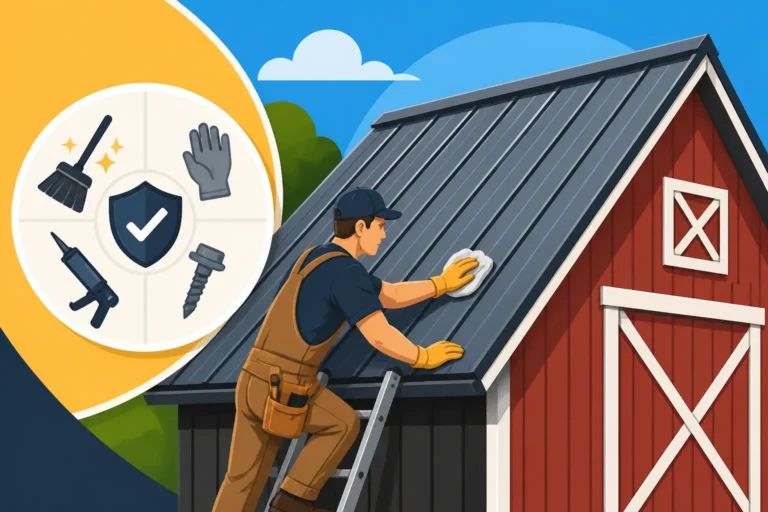
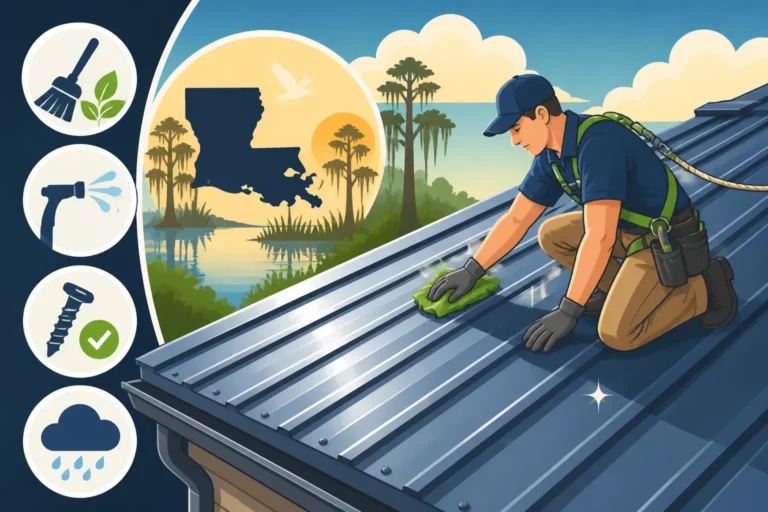
- Regular Cleaning: Keeping your roof free of debris like leaves, branches, and dirt prevents moisture from pooling, which can lead to localized corrosion or staining. It also keeps gutters clear, ensuring proper drainage.
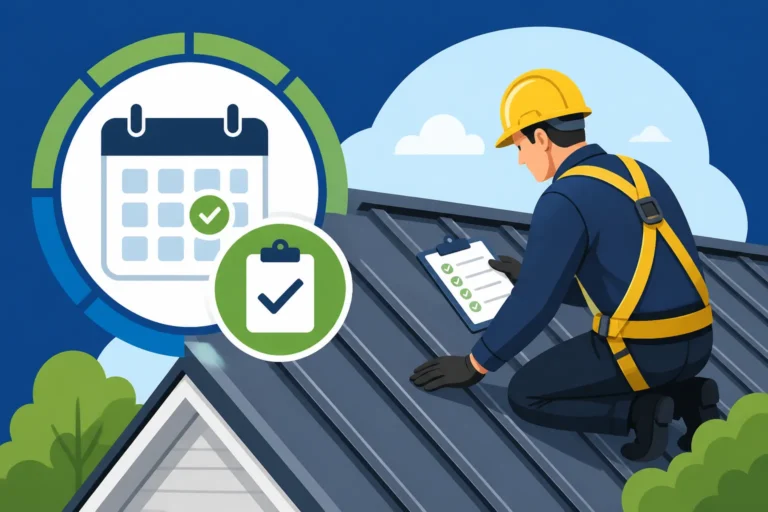
- Inspections: Annual or bi-annual inspections (more often after severe storms) are vital. Look for loose or damaged fasteners, compromised sealants, signs of rust, or damage to coatings. Catching these small issues early can prevent them from becoming costly repairs. You can learn more about what to look for in a Metal Roof Maintenance Guide.
- Prompt Repairs: If you notice any issues – a loose screw, a small rust spot, or a minor leak – address them immediately. Ignoring these can lead to cascading problems. For example, a single loose fastener can allow water under a panel, which might not show up inside your home until significant damage has occurred. Dealing with these swiftly ensures the overall system remains intact and protected. Small Metal Roof Leak Repair Guide interventions can prevent major Metal Roof Repair vs Replacement: How to Decide expenses down the line.
By diligently addressing these factors, you can significantly extend the life of your metal roof and protect your home for decades to come.
Lifespan by Metal Roof Material Type
The material chosen for your metal roof is perhaps the most defining characteristic when it comes to predicting its longevity. Each metal boasts its own inherent strengths and weaknesses, which directly translate into how many decades of service you can realistically expect.
Steel Roofing: The Workhorse
Steel is the most popular choice for residential metal roofing due largely to its excellent balance of strength, durability, and cost-effectiveness. However, plain steel would rust quickly, which is why it's always coated. The two main types of coated steel are:
- Galvanized Steel: This type of steel is coated with a layer of zinc. The zinc acts as a sacrificial anode, corroding before the steel beneath it, offering good protection against rust. Modern galvanized steel roofs with good paint finishes can last anywhere from 40 to 60 years, depending on the coating thickness and environmental conditions. Over many decades, the zinc layer can eventually deplete, especially in highly acidic or coastal environments, at which point the steel becomes vulnerable.
- Galvalume Steel: A step up from galvanized, Galvalume steel is coated with a mixture of aluminum and zinc (typically 55% aluminum, 43.4% zinc, and 1.6% silicon). This combination provides superior corrosion resistance compared to pure zinc. The aluminum component offers barrier protection, while the zinc still provides some sacrificial protection. Galvalume roofs, especially with high-quality paint systems (like PVDF), are often rated to last 50 to 70 years, with many installations exceeding that. They are particularly robust against rust and are a popular choice in various climates. You can explore Metal Roof Cost by Material: Steel vs Aluminum vs Copper vs Zinc for more detailed cost breakdowns.
Beyond the coating, the gauge of the steel (e.g., 24-gauge vs. 26-gauge) also plays a role. Thicker steel resists denting and structural fatigue better, contributing to overall longevity.
Aluminum Roofing: The Lightweight Champion
Aluminum is renowned for its natural resistance to corrosion, thanks to the passive oxide layer that forms on its surface. This makes it an excellent choice for homes in coastal regions or areas with high humidity where rust is a major concern. Because it doesn't rust, aluminum roofs can easily last 50 to 70 years, and often even longer.
One key advantage is that aluminum is much lighter than steel, which can be beneficial for older homes where roof deck loading is a consideration. However, aluminum is also softer than steel, making it more susceptible to denting from significant impacts, such as large hail. Despite this, its inherent corrosion resistance means that even if the paint coating is scratched, the underlying metal won't rust. This inherent resilience contributes significantly to its impressive lifespan, making it a truly long-lasting investment, though typically at a higher initial cost than steel.
Copper and Zinc Roofing: The Legacy Materials
When we talk about the ultimate in metal roof longevity, copper and zinc are in a league of their own. These are premium, high-end materials that offer not just exceptional performance but also a unique aesthetic that evolves over time.
- Copper Roofing: Known for its stunning visual appeal, copper develops a beautiful, distinctive green or blue-green patina over time as it reacts with the environment. This patina is not corrosion; it's a protective layer that actually enhances the metal's durability. Copper roofs are incredibly long-lasting, with an expected lifespan of 100 years or more, often outliving the homes they protect. They are virtually maintenance-free and impervious to rust and most forms of environmental degradation. However, this superior longevity and aesthetic come with a significant upfront cost, making them one of the most expensive roofing options available. For those interested in the investment, diving into Copper Roof Cost would be a good next step.
- Zinc Roofing: Like copper, zinc is a self-healing metal. When scratched or damaged, it forms a protective patina that seals the surface, preventing further degradation. Zinc roofs are incredibly durable and flexible, allowing them to be formed into intricate architectural designs. They are highly resistant to corrosion and environmental pollutants. The expected lifespan for a zinc roof is also typically 80 to 100 years or more. They possess a unique matte finish that gradually lightens over time. While still a premium material with a high initial cost, zinc offers exceptional longevity and a distinct aesthetic appeal that makes it a favorite for custom homes and modern designs.
Choosing between these materials depends heavily on your budget, aesthetic preferences, and the specific environmental challenges of your location. Each offers a distinct path to decades of reliable roof protection.
Here's a quick comparison of average lifespans by material:
| Metal Roof Material | Average Lifespan (Years) | Key Characteristics Affecting Lifespan |
|---|---|---|
| Galvanized Steel | 40-60 | Zinc coating prevents rust; coating thickness matters. |
| Galvalume Steel | 50-70 | Aluminum-zinc alloy coating for superior corrosion resistance. |
| Aluminum | 50-70+ | Naturally corrosion-resistant; lighter; softer. |
| Copper | 100+ | Forms protective patina; impervious to rust; high initial cost. |
| Zinc | 80-100+ | Self-healing patina; highly flexible; resistant to corrosion. |
Lifespan by Metal Roof Profile Type
Beyond the base material, the way a metal roof is designed and assembled also plays a significant role in its overall lifespan. Different panel profiles and fastening methods can influence durability, weather resistance, and how easily a roof can be maintained or repaired over the decades.
Standing Seam Roofing: The Premium Performer
Standing seam metal roofs are often considered the gold standard for residential and commercial applications, and for good reason. They are characterized by vertical panels with raised interlocking seams that stand above the flat surface of the roof.
- Hidden Fasteners: One of the most critical aspects of standing seam roofs is their concealed fastening system. The panels are attached to the roof deck with clips or clamps that are hidden beneath the raised seams. This means no fasteners are exposed to the elements, eliminating common points of failure like washer degradation or screw back-out, which are prevalent with exposed fastener systems. This significantly reduces maintenance needs and potential leak points over the roof's lifetime.
- Thermal Movement Accommodation: The clips used in standing seam systems often allow for the natural thermal expansion and contraction of the metal panels. This flexibility prevents stress on the panels and fasteners, which can otherwise lead to warping, oil canning (visible distortion), or fastener fatigue over many cycles of heating and cooling. This design feature is key to their long-term structural integrity.
- Superior Weather Resistance: The raised seams effectively shed water, and the interlocking design creates a highly watertight barrier. This makes standing seam roofs exceptionally resistant to heavy rains, high winds, and snow accumulation. Because of these design advantages, a well-installed How Much Does a Standing Seam Metal Roof Cost can easily last 50 to 70 years or more, especially when made from high-quality steel, aluminum, or even copper and zinc.
Exposed Fastener Roofing: Functional and Economical
Exposed fastener metal roofing systems, such as corrugated, R-panel, or 5V Crimp, are typically more economical and widely used for agricultural buildings, garages, and increasingly, residential applications.
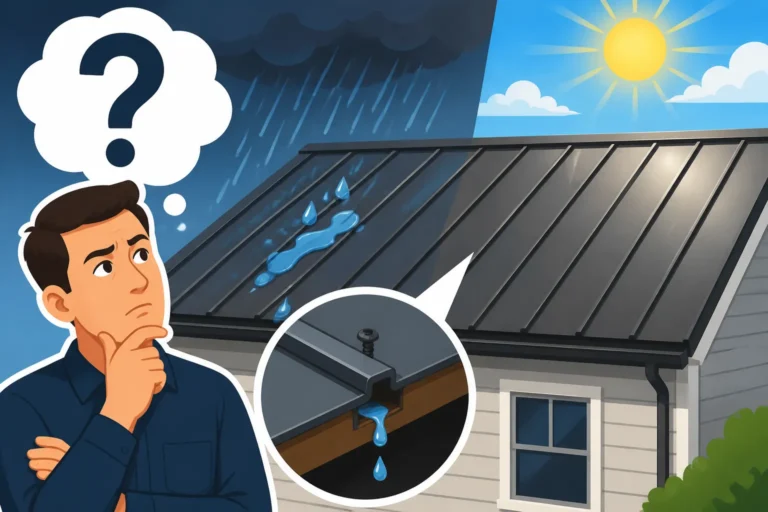
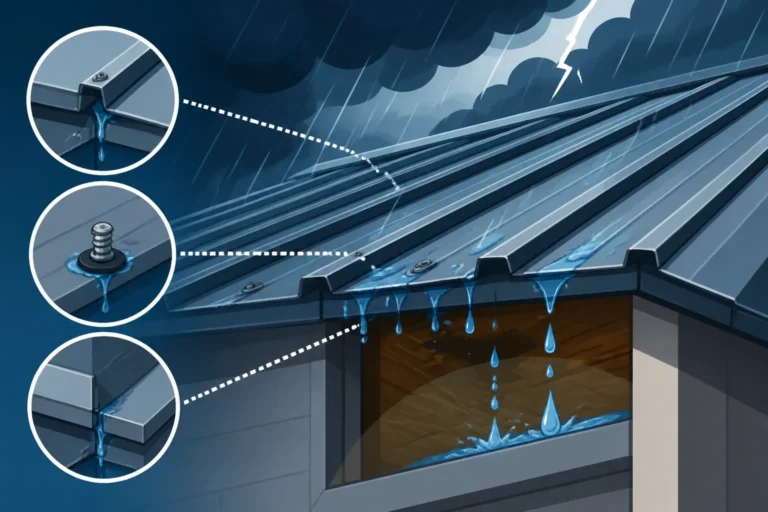
- Visible Fasteners: As the name suggests, these systems involve screws that are driven directly through the metal panels and into the roof deck, with the heads of the screws remaining exposed to the elements. Each screw typically has a rubber or neoprene washer underneath its head to create a watertight seal. While effective initially, these washers are vulnerable to UV degradation and temperature fluctuations, which can cause them to dry out, crack, and fail over time. When a washer fails, it can lead to leaks around the fastener.
- Maintenance Requirements: Because of the exposed fasteners, these roofs generally require more diligent maintenance. Homeowners need to periodically inspect the roof for loose screws or failing washers and replace them as needed, typically every 10-20 years depending on the quality of the fasteners and local climate. If not maintained, failing fasteners can lead to widespread leaks and panel uplift during high winds.
- Overall Lifespan: While the metal panels themselves (e.g., Galvalume steel) might have a lifespan of 40-60 years, the system's effective lifespan is often limited by the longevity of its exposed fasteners. With diligent maintenance, including fastener replacement, an How Much Does a Corrugated Metal Roof Cost can match the panel's lifespan. Without it, the roof may begin to experience issues around the 20-30 year mark, sometimes requiring extensive resealing or refastening.
Stone-Coated Steel Roofing: Durability with Aesthetics
Stone-coated steel roofs are an interesting hybrid. They consist of steel panels (usually Galvalume) that are pressed into various profiles to mimic the look of traditional roofing materials like shingles, tiles, or wood shakes. These panels are then coated with an acrylic base coat, embedded with granular stone chips, and sealed with a clear acrylic overglaze.
- Enhanced Durability: The combination of steel and the granular coating provides exceptional impact resistance, making them highly resilient to hail and physical damage. The stone coating also provides an extra layer of protection against UV rays and noise.
- Long-Term Performance: These roofs are very durable and are typically rated to last 40 to 70 years. The granular coating is bonded tightly to the steel, providing long-lasting protection. Over several decades, extreme UV exposure can cause some slight fading or minor granule loss, but this is usually cosmetic and doesn't compromise the roof's weatherproofing. Unlike asphalt shingles, the granules are less prone to shedding, maintaining their protective qualities.
- Installation: Similar to standing seam, many stone-coated steel systems utilize hidden fasteners or are installed in an interlocking manner, further protecting the integrity of the roof system. This attention to detail in installation contributes to their extended lifespan, making them a wise long-term choice for homeowners who want the durability of metal with a more traditional aesthetic. For those considering this style, it's worth exploring How Much Does a Stone-Coated Steel Metal Roof Cost to understand the investment.
Understanding these profile differences is essential when weighing your options, as each impacts not only the initial cost but also the long-term performance and maintenance commitment.
Maximizing Your Metal Roof's Lifespan
You've made a significant investment in a metal roof, and naturally, you want it to last as long as possible. The good news is that with a bit of proactive attention, you can absolutely help your metal roof reach, and even exceed, its projected lifespan. It's all about consistent care and smart choices.
Regular Inspections and Cleaning
Think of your roof as your home's first line of defense; you wouldn't send a soldier into battle without checking their gear, right? The same goes for your roof. Regular inspections and cleaning are paramount to catching small issues before they snowball into costly problems.
- Annual Visual Checks: At least once a year, preferably in the spring or fall, take a good look at your roof from the ground with binoculars. If safe, a gentle walk-around on the roof itself (wearing soft-soled shoes and exercising extreme caution) can provide a closer look. What are you looking for?
- Debris Buildup: Leaves, branches, and pine needles can accumulate in valleys, around chimneys, or near skylights. This debris traps moisture, which can lead to localized corrosion, especially if the protective coating is compromised. Clear it away gently.
- Gutter Performance: Ensure your gutters are clean and draining properly. Clogged gutters can cause water to back up onto the roof, leading to ice dams in winter or water intrusion under panels.
- Fastener Integrity: For exposed fastener systems, check if any screws are loose, backed out, or if the rubber washers beneath them appear cracked or deteriorated. These are prime candidates for future leaks.
- Sealant Condition: Examine any sealant around flashing, vents, or other penetrations. Look for cracks, shrinking, or signs of failure.
- Surface Condition: Check for any unusual rust spots, bubbling, peeling paint, or signs of oil canning.
- Professional Inspections: Every 3-5 years, or after a major storm (like a severe hail event or hurricane), it's a wise idea to have a professional metal roofing contractor perform a thorough inspection. They have the expertise to spot subtle issues you might miss and can safely access all areas of your roof. They can also provide a detailed assessment of your roof's overall health and recommend preventative measures. Consider leveraging platforms like Modernize to find experienced local inspectors who can give you an honest assessment.
Prompt Repairs and Maintenance
The moment you spot something amiss, act on it. Procrastination is the enemy of a long-lasting roof.
- Address Fastener Issues Immediately: If you find a loose or failing fastener on an exposed fastener roof, don't wait. Loose screws should be tightened, and if the washer is degraded, the entire screw should be removed and replaced with an oversized, high-quality screw designed for metal roofing. This small act can prevent a leak that could cause significant damage to your attic and ceiling.
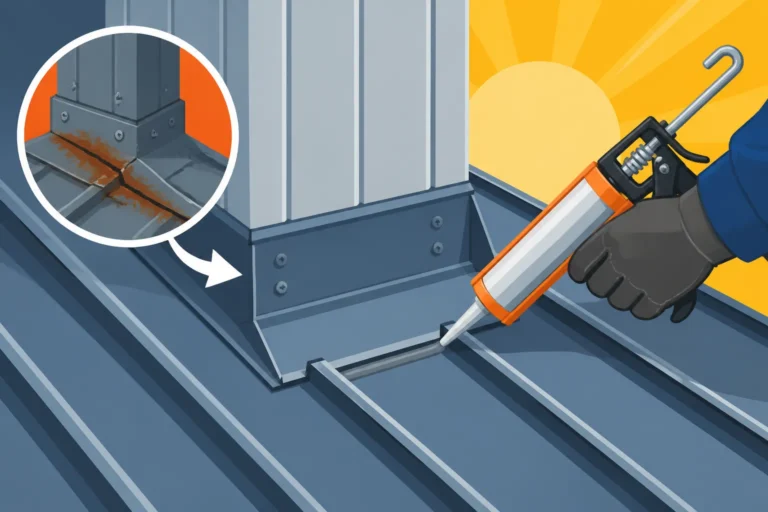
- Sealant Renewal: Cracked or failing sealants should be removed and replaced with high-quality, UV-resistant sealant specifically designed for metal roofs. This is especially important around critical areas like pipes, vents, and chimneys.
- Treating Rust Early: For minor surface rust, especially on cut edges or scratches, it's crucial to clean the area thoroughly, apply a rust-inhibiting primer, and then touch up with matching paint. Catching rust early can prevent it from spreading and compromising the panel. For extensive rust, Metal Roof Rust and Corrosion Treatment might involve larger sections or specific coatings.
- Panel Damage: If a panel is significantly dented or warped (beyond minor oil canning), or if it has a puncture, it's usually best to replace the entire panel. While some dents can be minor, deeper damage can compromise the integrity of the coating or the metal itself. Consulting a specialist is important here.
- Underlayment and Ventilation: Ensure your attic and Metal Roof Underlayment and Ventilation Guide systems are working correctly. Proper ventilation prevents moisture buildup under the roof deck, which can lead to condensation, rust on the underside of panels, and mold growth. This indirect factor is crucial for the overall health of your roof system.
By being proactive with inspections and prompt with repairs, you're not just fixing problems; you're preserving your significant investment and ensuring your metal roof performs optimally for its entire projected lifespan, keeping your home safe and dry for decades.
Signs Your Metal Roof is Nearing the End of Its Life
Even the most durable metal roofs eventually show signs of aging. Knowing what to look for can help you decide when it's time to consider a major Metal Roof Repair vs Replacement: How to Decide. Ignoring these warning signs can lead to more extensive and costly damage to your home.
Visible Degradation and Corrosion
While metal roofs are highly resistant, prolonged exposure to the elements will eventually take its toll. These are some key visual cues that your roof might be reaching the end of its serviceable life:
- Widespread Rust: A few isolated rust spots, especially on cut edges or where paint has been scratched, can often be spot-repaired. However, if you notice widespread rust across multiple panels, particularly in the middle of panels rather than just at edges, it's a significant indicator that the protective coating (like Galvalume or galvanized) has failed. This level of rust compromises the metal's integrity and will likely lead to perforations and leaks. This is a clear Warning Signs Your Metal Roof Needs Attention and typically signals that a replacement is imminent.
- Fading, Chalking, and Peeling Paint: While cosmetic, severe fading and chalking (a powdery residue that comes off when rubbed) indicate that the paint coating is degrading. More critically, if the paint is extensively peeling or bubbling, it means the underlying metal is losing its primary layer of defense against corrosion. Once the paint barrier is gone, the metal becomes exposed to UV rays and moisture, accelerating its breakdown. This isn't just an aesthetic issue; it's a functional one that will shorten the roof's life.
- Loose or Deteriorated Fasteners (Exposed Fastener Roofs): For roofs with exposed fasteners, a major sign of aging is widespread failure of the screw gaskets. If many of the rubber washers are cracked, missing, or have pushed out, they are no longer sealing effectively, creating numerous potential leak points. While individual fasteners can be replaced, if a large percentage are failing, it points to systemic degradation, and attempting to replace hundreds of screws might be a temporary fix for a roof that's otherwise at the end of its life.
Structural Issues and Leaks
Beyond surface aesthetics, more critical structural indicators and the presence of leaks signal a severe decline in your roof's performance.
- Panel Uplift or Warping: While minor oil canning is often cosmetic, significant panel uplift, buckling, or severe warping can indicate major issues. This might be due to improper installation that didn't allow for thermal expansion, or it could be a sign that the underlying decking is failing, or that fasteners are pulling out from weakened substructure. Large gaps created by warped panels are clear entry points for water and wind.
- Persistent Leaks: The most obvious and worrying sign is water getting into your home. If you're experiencing frequent or widespread leaks, especially after addressing individual problem areas, it often means the entire roof system is compromised. Leaks can stem from multiple points – failing seams, corroded panels, or widespread fastener issues – suggesting that the roof is no longer able to maintain a continuous, watertight barrier. Water staining on ceilings, dampness in the attic, or water running down interior walls are undeniable indicators.
- Compromised Seams or Flashing: For standing seam roofs, if the seams are separating or if the flashing around chimneys, skylights, or wall junctions is failing, it creates critical vulnerabilities. While flashing can be repaired, widespread seam failure can be a more complex and costly fix, sometimes signaling the end of the roof's effective lifespan.
- Punctures or Cracks: Any actual holes, large tears, or cracks in the metal panels are critical points of failure. While a small hole might be patchable, multiple or large perforations indicate that the metal itself has reached its fatigue limit or sustained significant damage, making replacement a more viable solution.
If you observe several of these signs, it's definitely time to bring in a professional for an assessment. They can help you determine if repairs are still feasible or if it's genuinely time for a full replacement. Getting quotes from several qualified Metal Roofing Contractors Near Me: How to Find & Vet can help you understand your options and the associated costs.
Comparing Metal Roof Lifespan to Other Materials
When you're weighing the decision to invest in a metal roof, understanding how its longevity stacks up against other common roofing materials is crucial. This comparison highlights not just the initial investment but the long-term value and peace of mind a metal roof can offer.
Metal vs. Asphalt Shingles
This is by far the most common comparison, as asphalt shingles remain the most prevalent roofing material in North America due to their low upfront cost.
- Asphalt Shingles: Typically, conventional 3-tab asphalt shingles last around 15-25 years, while architectural or dimensional shingles might extend to 25-30 years. Even premium laminated shingles rarely exceed 30 years. Their lifespan is limited by their composition: petroleum-based asphalt and fiberglass matting. They are prone to degradation from UV radiation (leading to granule loss, cracking, and brittleness), thermal expansion and contraction (causing curling and lifting), and damage from wind and hail. After their lifespan, they become a significant contributor to landfill waste.
- Metal Roofing: As we've discussed, steel and aluminum metal roofs generally last 40-70 years, with copper and zinc extending to 100 years or more. This means a metal roof can last two to four times longer than an asphalt shingle roof. This vastly superior lifespan translates directly into fewer replacement cycles, saving homeowners significant money and hassle over the decades. You can replace an asphalt roof 2-3 times in the lifetime of a single metal roof, making the initial higher cost of metal more justifiable in the long run. The durability and longevity of metal roofs also contribute to their superior Metal Roof Insurance Savings & Discounts.
Metal vs. Tile and Slate
Tile and natural slate are also known for their impressive longevity, often competing with or exceeding metal in this category.
- Clay and Concrete Tile: These roofs are incredibly durable and resistant to fire, rot, and insects. They can last 50 to 100 years or more, particularly in arid climates. However, they are very heavy, often requiring significant structural reinforcement, and individual tiles can be brittle and prone to breakage from impact or foot traffic. They also require specialized installation and repairs can be costly.
- Natural Slate: Widely regarded as the longest-lasting roofing material, natural slate can last 100 to 200 years or even longer when properly installed and maintained. It is extremely durable, fire-resistant, and aesthetically timeless. Like tile, slate is exceptionally heavy and expensive. Finding skilled installers and quality slate can also be challenging, and individual slates are brittle and can be damaged.
- Metal Roofing: While copper and zinc metal roofs can compete with or even exceed tile and slate in terms of lifespan, steel and aluminum metal roofs offer a slightly shorter, but still exceptional, lifespan of 40-70 years. Metal roofs are significantly lighter than tile and slate, eliminating the need for costly structural reinforcement. They also offer comparable fire resistance and excellent wind and impact resistance. The cost of a metal roof is typically less than natural slate, and often comparable to or less than tile, making it a compelling alternative for homeowners seeking extreme longevity without the high weight or specific brittleness of tile and slate. This comparison is particularly important when considering factors like metal roof cost vs. tile roof cost.
Metal vs. Wood Shakes/Shingles
Wood roofing materials offer a rustic aesthetic but have specific lifespan considerations.
- Wood Shakes/Shingles: Typically made from cedar, redwood, or cypress, these roofs offer a natural look and can last 20-40 years depending on climate, maintenance, and wood quality. Their lifespan is highly dependent on proper ventilation, regular cleaning, and maintenance to prevent rot, moss growth, and insect infestation. They are also highly susceptible to fire and can be a fire hazard in dry climates.
- Metal Roofing: Metal roofs offer superior fire resistance and are impervious to rot, insects, and moss, requiring significantly less maintenance than wood roofs. Their lifespan is typically much longer than wood, often doubling it. For those who love the aesthetic of wood but want the durability of metal, metal shake options or stone-coated steel can mimic the look without the inherent vulnerabilities of natural wood.
In essence, when looking at roofing as a long-term investment, metal consistently stands out for its exceptional lifespan, lower lifetime costs (due to fewer replacements), and superior performance across a range of environmental challenges, making it an incredibly smart choice for durable home protection.
Long-Term Value and Return on Investment (ROI)
Choosing a metal roof isn't just about covering your home; it's a strategic decision that impacts your property's value, energy efficiency, and long-term financial health. The extended lifespan of a metal roof plays a pivotal role in delivering significant return on investment (ROI).
Increased Home Value and Curb Appeal
When it comes time to sell your home, a metal roof is a powerful selling point that can genuinely increase its market value. Potential buyers recognize the benefits of a durable, long-lasting roof.
- Reduced Buyer Concerns: A new or relatively new metal roof eliminates one of the biggest headaches for prospective homeowners: the looming expense of roof replacement. This peace of mind is incredibly valuable and can set your home apart in a competitive market. Buyers know they won't have to worry about this major expense for decades, unlike a home with an asphalt roof nearing the end of its life.
- Enhanced Curb Appeal: Modern metal roofing comes in a vast array of colors, profiles, and finishes, from sleek standing seam to charming stone-coated steel that mimics tile or shake. This versatility allows you to choose a roof that not only protects but also enhances your home's aesthetic appeal, making it more attractive to buyers. A beautiful, well-maintained metal roof can significantly boost your home's curb appeal, making a strong first impression.
- Perceived Quality and Durability: The reputation of metal roofs for strength and longevity translates into a perception of higher quality for your entire home. This can justify a higher asking price and make your property more desirable. Studies have shown that homeowners can recoup a significant portion of their metal roof investment at resale. You can delve deeper into this topic by reading Does a Metal Roof Increase Home Value?.
Long-Term Cost Savings and Payback
While the initial Metal Roof Cost: Complete 2026 Guide can be higher than traditional shingles, the true financial benefits of a metal roof are realized over its long lifespan.
- Fewer Replacements: This is the most obvious and significant saving. Instead of replacing an asphalt roof every 15-30 years, you're likely to install one metal roof that lasts 40, 50, 70, or even 100 years. This eliminates the material, labor, and disposal costs associated with multiple re-roofing projects, which can easily run into tens of thousands of dollars each time.
- Lower Maintenance Costs: Metal roofs are inherently low maintenance compared to other materials. While regular inspections are recommended, you won't be dealing with granule loss, cracking, or frequent shingle blow-offs common with asphalt. This means fewer repair calls and less money spent over the decades.
- Energy Efficiency: Many metal roofs, especially those with lighter colors or special reflective coatings, are highly energy-efficient. They reflect a significant portion of solar radiant heat, keeping your attic and home cooler in warm climates. This can lead to substantial savings on your air conditioning bills, particularly in sunny states like Florida or Arizona. Some homeowners report up to 10-25% savings on cooling costs.
- Insurance Discounts: Thanks to their superior resistance to fire, hail, and high winds, many insurance companies offer Metal Roof Insurance Savings & Discounts. These discounts can be significant, especially in areas prone to severe weather, further reducing your annual homeownership costs.
- Tax Credits and Rebates: While federal tax credits for energy-efficient home improvements can vary year to year, some metal roofs (especially those with "cool roof" technologies) may qualify for local or state incentives. It's always worth checking with your local utility company or government programs.
Considering all these factors, the higher upfront cost of a metal roof effectively pays for itself over its extended lifespan through avoided replacement costs, energy savings, insurance discounts, and increased home value. It's truly an investment in the longevity, protection, and financial health of your home, delivering an impressive Is a Metal Roof Worth It? ROI, Resale & Payback for decades.
Disclaimer
The information provided in this guide is intended for general knowledge and informational purposes only, and does not constitute professional advice. Roofing projects can be complex and dangerous. Always consult with a qualified and licensed roofing contractor for specific advice, inspections, repairs, or installations pertaining to your individual circumstances and local building codes. Material lifespans can vary significantly based on specific product quality, installation, climate, and maintenance.