What Is a Metal Shake Metal Roof?
When you're exploring options for a new roof, the sheer variety can feel overwhelming. You've heard about metal roofs and their incredible durability, but maybe you're picturing a sleek, modern look that doesn't quite fit your home's traditional aesthetic. This guide is here to demystify one of the most exciting advancements in roofing: the metal shake roof, blending classic charm with cutting-edge performance to give you the best of both worlds.
Understanding Metal Shake Roofing
For years, homeowners seeking that classic, rustic curb appeal have turned to wood shake roofs, enduring their notoriously high maintenance and susceptibility to fire, rot, and pests. But what if you could have that same distinctive look with none of the headaches? That's where metal shake roofing comes into its own, offering a compelling alternative that many are discovering.
What Exactly is a Metal Shake Roof?
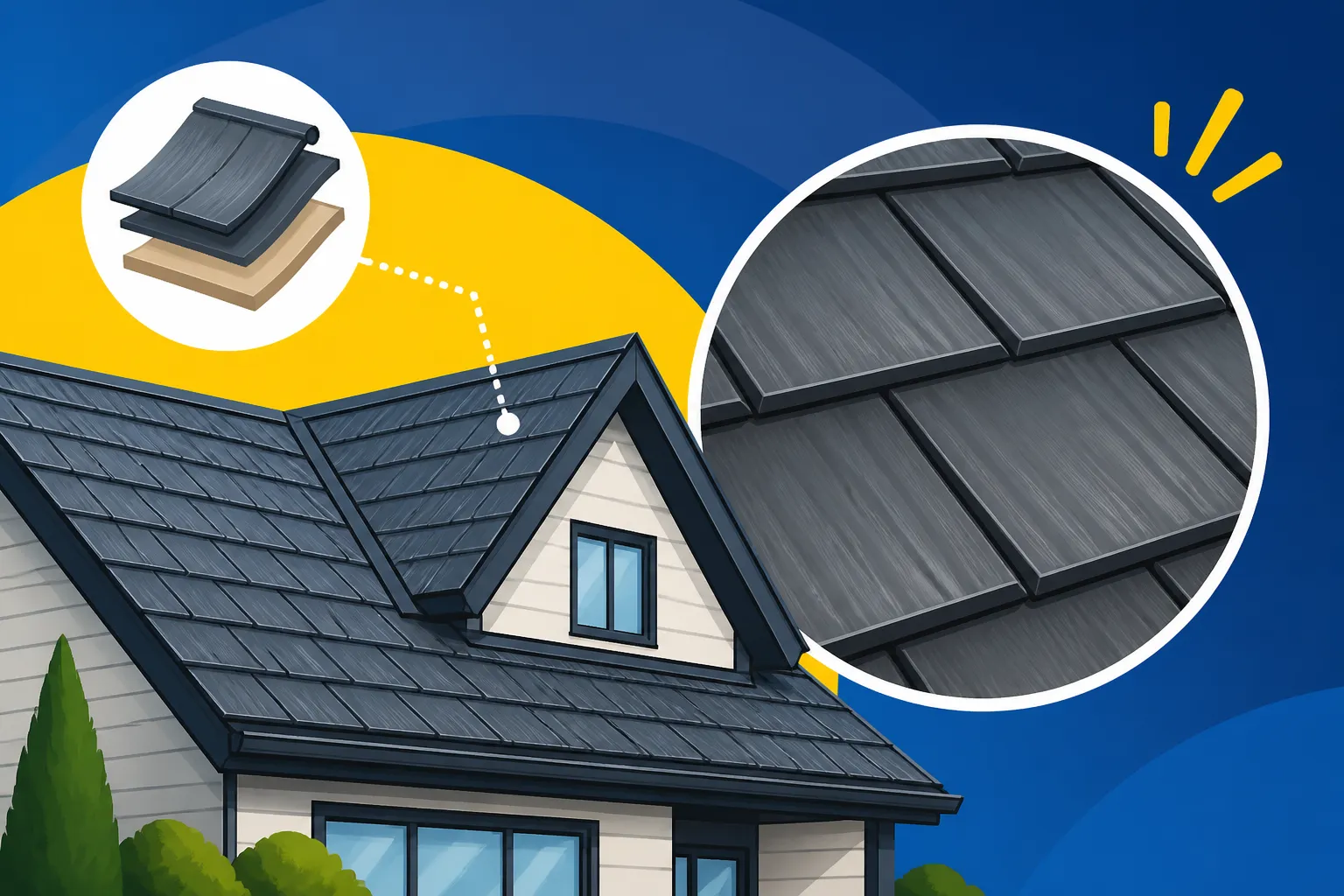
A metal shake roof is essentially a metal roofing system that has been meticulously engineered and manufactured to replicate the appearance of traditional wood shakes, complete with the textured grain, varying panel sizes, and rustic charm. Unlike the long, continuous panels you might envision with modern standing seam roofs, metal shake panels are designed in smaller, often modular pieces. These pieces typically feature deep-drawn patterns, crimps, and contours that mimic the split, irregular edges and rich texture of cedar or other wood shakes. It’s not just a flat piece of metal painted brown; it's sculpted to truly capture that organic, handcrafted feel. This means you get the visual depth and shadow lines that make natural wood so appealing, but in a material that's far superior in performance. Think of it as a master of disguise – it looks like wood but performs like metal.
The Visual Appeal and Design Versatility
One of the biggest selling points of metal shake roofing is its incredible ability to adapt to diverse architectural styles. If you have a craftsman bungalow, a rustic cabin, a sprawling ranch, or even a more traditional colonial home, a metal shake roof can complement its design perfectly. The authentic texture and definition of the panels allow them to blend seamlessly, often enhancing the home's character rather than detracting from it. You won't have to sacrifice your home's aesthetic for the benefits of a metal roof.
Beyond the fundamental texture, these systems offer a stunning array of colors and finishes. While many choose colors that mimic natural wood tones like deep browns, grays, and even weathered cedar reds, you aren't limited. You can find metal shake roofs in various shades, often with multi-tone blends that add even more visual interest and depth, making the roof appear more natural and less uniform. Some manufacturers even offer stone-coated metal shakes, which add a granular, stone-chip finish over the metal base, further enhancing the texture and offering an additional layer of protection and sound dampening. This versatility allows homeowners to select a roofing style that not only protects their home but also significantly boosts its curb appeal and complements existing exterior elements like siding, trim, and landscaping.
Materials and Manufacturing Behind Metal Shake
The magic of a metal shake roof lies not only in its appearance but also in the robust engineering and high-quality materials that make it possible. Understanding these components helps highlight why these roofs are such a sound investment for the long haul.
Common Materials Used
When you talk about metal shake roofing, you're primarily talking about two main base metals: steel and aluminum. Both offer distinct advantages that make them suitable for this profile.
Steel, particularly galvanized steel (steel coated with zinc) or Galvalume (steel coated with aluminum and zinc), is incredibly durable and widely used. It's known for its strength and resistance to impact, which is a huge plus in areas prone to hail. Steel panels are robust, can withstand significant wind uplift, and provide excellent long-term performance. However, steel is heavier than aluminum and requires careful handling to prevent scratching of its protective coatings during installation. If you're wondering about the overall cost structure, our guide on the topic, Metal Roof Cost by Material: Steel vs Aluminum vs Copper vs Zinc, offers a deeper dive into the economics of different materials.
Aluminum is another popular choice, especially in coastal regions or areas with high humidity, because of its inherent resistance to rust and corrosion. Unlike steel, aluminum will never rust, even if its protective coating is scratched. It's lighter than steel, which can simplify installation and reduce structural load on older homes. While aluminum panels are slightly softer than steel, modern manufacturing processes and panel designs make them extremely durable against most weather conditions. Its lighter weight also contributes to lower shipping costs, which can sometimes offset its slightly higher material price point. Both steel and aluminum are excellent choices, with the best option often depending on your specific climate, budget, and desired performance characteristics.
The Manufacturing Process
Creating that authentic wood shake look from metal is a sophisticated process. It typically begins with large rolls of high-quality steel or aluminum sheets. These sheets are then fed into specialized roll-forming machines or stamping presses. Here's where the magic happens: the metal is precisely shaped and formed to create the distinct profile and texture of wood shakes. This isn't just a superficial pattern; it involves creating three-dimensional ridges, valleys, and simulated grain patterns that give the panels their depth and realistic appearance. For example, a company like Modernize helps connect homeowners with contractors who work with these advanced manufacturing processes to ensure a high-quality finished product.
After forming, the panels undergo a multi-layer coating process. This usually starts with a corrosion-resistant primer, followed by several layers of high-performance paint. These coatings, often based on PVDF (Kynar 500) or SMP (Siliconized Modified Polyester) resins, are not just for aesthetics; they provide critical UV resistance, color retention, and protection against weathering, chalking, and fading. For an even more realistic and robust finish, some metal shake roofs are stone-coated. This process involves applying an acrylic resin binder to the formed metal panel, followed by the embedment of natural stone granules. These granules are then sealed with a clear acrylic topcoat, resulting in a roof that has the look and feel of traditional shingles or shakes, but with the unparalleled durability of metal. This intricate manufacturing ensures that the roof not only looks great but also stands up to the elements for decades.
Key Benefits of Choosing Metal Shake
Homeowners are increasingly drawn to metal shake roofing not just for its beauty but for the host of practical advantages it offers. These benefits often provide a compelling return on investment over the lifespan of your home.
Durability and Longevity
One of the most significant reasons to choose a metal shake roof is its exceptional durability and longevity. While traditional wood shakes might last 15-30 years, metal shake roofs are designed to endure for 40-70 years, often outliving the home's original owners. This impressive lifespan is largely due to the inherent strength of the metal itself and the advanced protective coatings applied during manufacturing. Unlike wood, metal doesn't rot, warp, crack, or suffer from insect infestations like termites or carpenter ants. It stands up to harsh weather conditions with remarkable resilience, shrugging off high winds, heavy snow loads, and intense UV exposure that would degrade other roofing materials.
Many metal shake systems boast superior impact resistance, often achieving a Class 4 impact rating, the highest possible. This means they are incredibly resistant to damage from hail, which is a major concern for homeowners in many parts of the country. This level of durability translates into fewer repairs, less maintenance, and ultimately, a much lower total cost of ownership over the decades. Understanding the long-term value is key, which is why we have a detailed piece on Metal Roof Lifespan: How Long Do They Last? to help you compare.
Energy Efficiency and Eco-Friendliness
In today's world, where energy costs and environmental impact are major concerns, metal shake roofs shine. They are inherently energy-efficient, primarily due to their reflective properties. The specialized coatings on metal roofs are designed to reflect a significant portion of the sun's radiant heat away from your home, rather than absorbing it. This "cool roof" effect can dramatically reduce attic temperatures, leading to lower air conditioning demands and, consequently, lower utility bills during hot summer months. Depending on your climate and existing insulation, homeowners often report savings of 10-25% on their cooling costs.
From an ecological perspective, metal roofs are also an incredibly responsible choice. They are typically made from 25-95% recycled content, making them one of the most sustainable roofing materials available. Furthermore, at the end of their exceptionally long life, metal roofs are 100% recyclable, unlike asphalt shingles which largely end up in landfills. Choosing a metal shake roof means you're not just investing in your home, but also making a conscious decision to reduce your environmental footprint.
Low Maintenance and Safety
Another compelling advantage of metal shake roofing is its remarkably low maintenance requirements. Forget the routine repairs, cleaning, and treatments that traditional wood shakes demand. Metal roofs don't need sealing, staining, or regular moss removal. Their smooth, tough surfaces resist the growth of algae, mold, and mildew, and falling leaves and debris tend to slide off rather than accumulating. Annual inspections, perhaps a gentle cleaning with a garden hose, and checking fasteners are generally all that's needed to keep them in pristine condition. This translates into significant time and cost savings over the roof's lifetime.
Beyond ease of care, metal shake roofs offer enhanced safety features for your home. They are non-combustible, meaning they won't ignite from stray sparks or embers, earning them a Class A fire rating—the highest possible. This is a critical safety benefit, especially in areas prone to wildfires or even just stray fireworks. Additionally, unlike wood, metal doesn't invite pests like rodents, squirrels, or insects to nest or chew through your roof, which can prevent costly interior damage. The combination of minimal upkeep and superior protection makes metal shake roofs a smart, safe choice for any homeowner. You can explore more about keeping your roof in top shape with our detailed Metal Roof Maintenance Guide.
Potential Considerations and Drawbacks
While the advantages of metal shake roofing are numerous, it’s important to approach any major home improvement decision with a full understanding of all factors, including potential downsides. Being fully informed helps set realistic expectations and ensures you make the best choice for your home and budget.
Initial Cost
Let's be upfront: the initial investment for a metal shake roof is typically higher than for traditional asphalt shingles or even basic corrugated metal panels. This can be a sticking point for many homeowners, and it's a valid concern. The cost reflects the premium materials (steel or aluminum), the intricate manufacturing processes to create the detailed shake profile, and the specialized installation required. On average, you might find that a metal shake roof can cost anywhere from 2 to 3 times more than a standard asphalt shingle roof. This isn't a small difference, and it often leads homeowners to pause and weigh their options carefully.
However, it’s crucial to look beyond the upfront price tag and consider the long-term value proposition. While the initial outlay is higher, the extended lifespan (40-70 years vs. 15-30 years for asphalt), reduced maintenance costs, potential energy savings, and possible insurance discounts often offset that initial cost significantly over time. When you factor in the lifecycle cost, a metal shake roof can often prove to be a more economical choice over several decades. Our article Is a Metal Roof Worth It? ROI, Resale & Payback breaks down these financial aspects in more detail, showing how that initial investment can pay dividends down the line. It's an investment in your home's future, not just a purchase.
Installation Complexity
Installing a metal shake roof is not a job for just any roofing contractor. Unlike the relatively straightforward process of laying asphalt shingles, metal shake panels require specialized skills, tools, and experience. The interlocking design of many metal shake systems, combined with the need for precise flashing and trim work around vents, chimneys, and valleys, means that a high degree of craftsmanship is essential. An improper installation can lead to leaks, aesthetic issues, and premature failure of the roof system, negating all the benefits of choosing metal.
This complexity underscores the importance of choosing a contractor who is not only licensed and insured but also has a proven track record specifically with metal roofing installations, and ideally, with metal shake systems. You want a team that understands how the panels expand and contract with temperature changes, how to properly seal all penetration points, and how to maintain the aesthetic consistency across the entire roof. Platforms like Modernize can be incredibly useful in connecting homeowners with qualified, experienced metal roofing contractors in their area, helping to ensure that your significant investment is installed correctly and will perform as expected for decades to come. Don't shy away from asking about a contractor's specific experience with Metal Roof Installation Process: Step by Step and their portfolio of past metal shake projects.
Installation and Maintenance Specifics for Metal Shake
Once you've decided a metal shake roof is the right choice for your home, understanding what to expect during installation and how to care for your new roof becomes paramount. These insights will help you communicate effectively with your contractor and ensure the longevity of your investment.
What to Expect During Installation
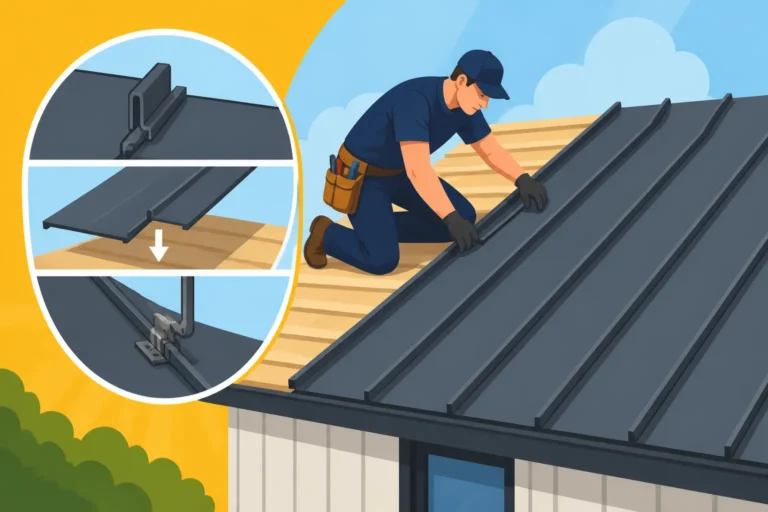
The installation of a metal shake roof, while specialized, generally follows a systematic process designed to ensure durability and weather resistance. First, the old roofing material, if any, will be torn off, and the roof deck will be thoroughly inspected for any damage or needed repairs. This is a critical step to ensure a solid foundation. Next, a high-quality underlayment is installed. This isn't just a basic felt paper; for metal roofs, it's often a synthetic, self-adhering, or high-temperature rated product that provides an extra layer of protection against moisture and acts as a secondary water barrier.
Once the underlayment is in place, the installation of the metal shake panels begins. These are typically installed in courses, starting from the eaves and working upwards towards the ridge. Many metal shake systems are designed with interlocking features that create a tight, weather-resistant seal between panels. Specialized trim pieces are installed along the eaves, gables, ridges, and hips to provide a clean finish and protect vulnerable edges. Flashing is meticulously installed around chimneys, skylights, and other penetrations to prevent leaks. The process is precise and methodical, often taking longer than a traditional shingle installation, but the result is a robust and beautiful roof designed to last for decades. For more on this, our guide on Metal Roof Underlayment and Ventilation Guide offers excellent information.
Caring for Your Metal Shake Roof
One of the beautiful aspects of a metal shake roof is its minimal maintenance, but "minimal" doesn't mean "none." To ensure your roof lasts its projected 40-70 years, a little care goes a long way. The primary focus of maintenance is keeping the roof clear of debris and ensuring proper water flow. Regularly (perhaps twice a year, or after major storms), visually inspect your roof from the ground with binoculars. Look for any accumulation of leaves, branches, or other debris, especially in valleys or around chimneys. While most debris slides off, some might get caught, particularly if you have overhanging trees.
If cleaning is needed, a gentle rinse with a garden hose is usually sufficient to wash away dirt and pollen. Avoid using high-pressure washers, as these can potentially damage the paint finish or dislodge stone granules on stone-coated roofs. Check your gutters and downspouts to ensure they are clear and draining properly, as clogged gutters can lead to water pooling and potential issues. Also, occasionally inspect fasteners and seals, especially around penetrations like vents and pipes, to make sure everything is still tight and secure. While major repairs are rare, addressing any minor issues promptly can prevent them from becoming larger, more costly problems down the line. A proactive approach, aided by a reliable contractor found through services like Modernize, will keep your metal shake roof looking fantastic and performing optimally for generations.
Disclaimer
Please note that the information provided in this article is intended for general guidance and informational purposes only. While we strive to offer accurate and up-to-date content, specific conditions, building codes, and product specifications can vary widely. We strongly recommend consulting with a qualified, licensed, and insured metal roofing professional for personalized advice, accurate cost estimates, and professional installation tailored to your specific project and local regulations. Always verify information with local authorities and product manufacturers before making any decisions.