Galvalume vs Galvanized Steel Roofing
Deciding on a new metal roof for your home is a huge decision, and it can feel like you need a degree in metallurgy just to understand all the options! Many homeowners find themselves scratching their heads when confronted with terms like "Galvalume" and "Galvanized," wondering if there's a real difference or if it's just industry jargon. This guide is here to demystify these two popular steel roofing choices, breaking down their compositions, performance, and what each means for your home’s long-term protection and value.
Understanding the Basics of Steel Roofing
When we talk about metal roofing, steel is often at the top of the list for its strength and durability. But raw steel isn't quite ready for the harsh realities of weather; it needs a protective layer to prevent rust and corrosion, which are its natural enemies. This is where coatings come into play, transforming a strong material into a resilient roofing solution.
Why Steel is a Popular Choice for Roofing
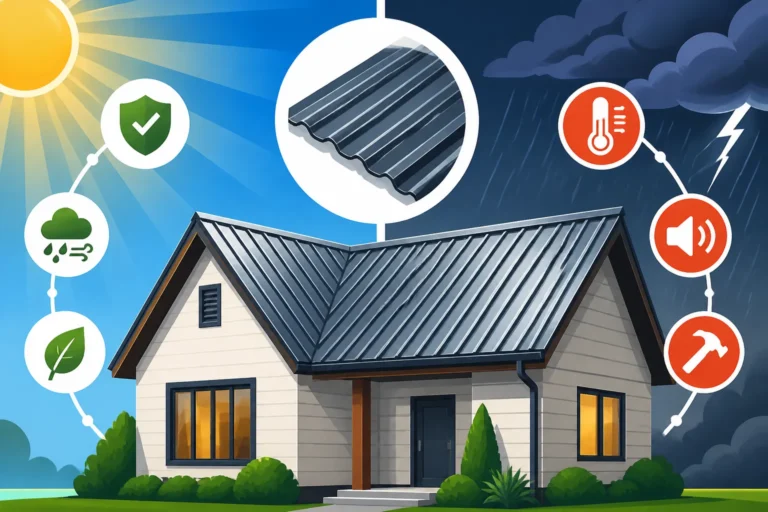
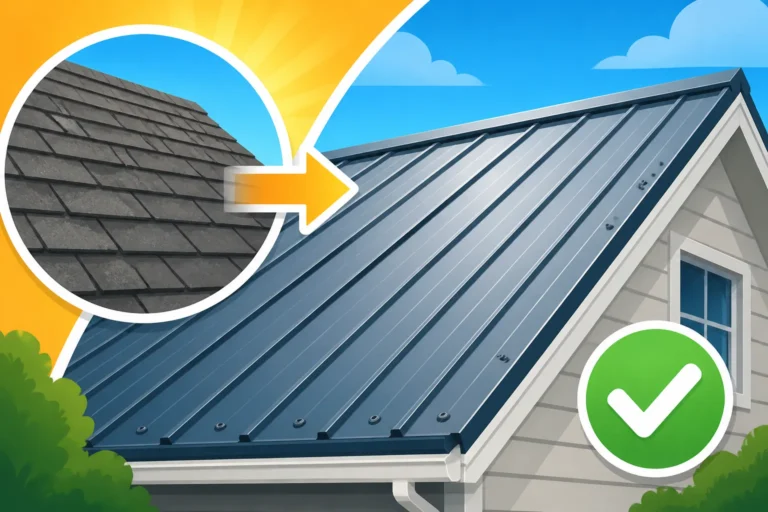
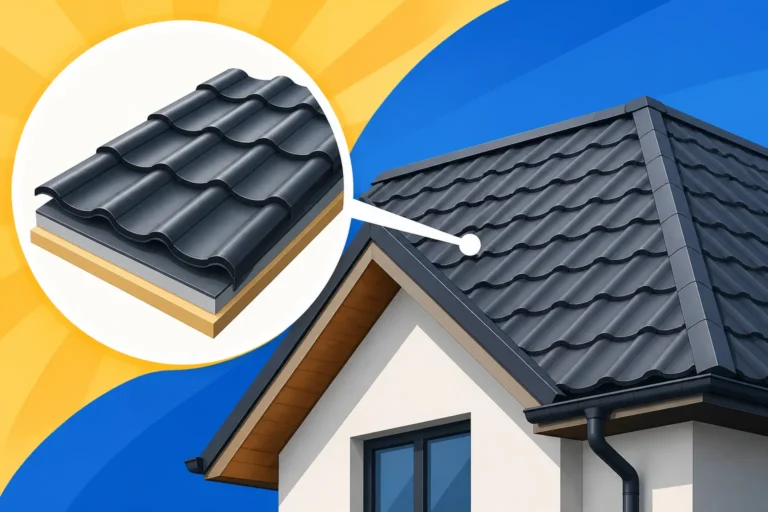
Steel has been a workhorse material in construction for centuries, and for good reason. It’s incredibly strong, able to withstand significant impacts from hail, heavy winds, and even snow loads. Homeowners love that a steel roof offers exceptional fire resistance, something that provides a lot of peace of mind, especially in areas prone to wildfires. Beyond its toughness, modern steel roofing can also be quite aesthetically versatile. You can find steel panels that mimic the look of traditional shingles, slate, or even tile, coming in a vast array of colors to match any architectural style. The underlying strength of steel is why so many people are drawn to metal roofing, but it's the protective coatings that truly unlock its potential to last for decades. If you're weighing the options, it's good to consider the broader context of Metal Roofing Materials Compared: Steel, Aluminum, Copper & Zinc.
The sheer longevity of steel, when properly coated, is another major draw. Unlike organic materials that break down over time due to UV exposure or moisture, steel maintains its structural integrity. This means fewer roof replacements over the lifetime of your home, translating to significant savings and less hassle. It's a robust foundation that, with the right finishing, can truly transform your home's exterior into a fortress against the elements.
The Importance of a Protective Coating
Imagine leaving a bare steel nail outside for a few days—what happens? It rusts. That familiar reddish-brown oxidation is what happens when steel reacts with oxygen and moisture. On a roof, this would lead to rapid deterioration, leaks, and ultimately, structural failure. This is precisely why a protective coating isn't just a nice-to-have; it's absolutely critical for any steel roofing product.
These coatings act as a sacrificial barrier, taking the brunt of environmental exposure so the underlying steel doesn't have to. Without them, even the toughest steel wouldn't stand a chance against rain, snow, humidity, and atmospheric pollutants. The type of coating dictates everything from how long your roof will last to how well it resists scratching and fading, and even how it performs in different climates. Understanding these coatings is the key to understanding the difference between Galvalume and Galvanized steel. It’s a foundational piece of knowledge that empowers you to make an informed decision for one of your home’s most important assets.
Diving Deep into Galvanized Steel Roofing
Galvanized steel has been a staple in construction for well over a century. You’ve probably seen it on everything from corrugated sheds to fencing, and yes, even roofs. It's a reliable choice that has proven its worth through decades of use, though it does have some specific characteristics you’ll want to be aware of.
How Galvanization Works
The term "galvanized" refers to a process where steel is coated with a layer of zinc. This usually happens through a method called hot-dip galvanization. Picture this: a sheet of steel is meticulously cleaned and then submerged into a molten bath of pure zinc. The high temperature causes a metallurgical bond to form between the steel and the zinc, creating a tightly adhered, durable coating.
This zinc layer protects the steel in two primary ways. First, it acts as a physical barrier, preventing moisture and oxygen from reaching the steel surface and causing rust. Think of it like a shield. Second, and perhaps more fascinating, is its sacrificial protection. If the zinc coating gets scratched or damaged, exposing the underlying steel, the zinc will corrode before the steel does. This electrochemical process means the zinc effectively "sacrifices" itself to protect the steel, extending the life of the material even if it sustains minor damage. This dual protection is what makes galvanized steel a robust option, and it's why it's been used reliably in so many applications over the years.
Pros and Cons of Galvanized Steel
Galvanized steel offers a number of compelling advantages, especially concerning its cost-effectiveness and proven track record. It’s generally a more budget-friendly option upfront compared to other metal roofing materials. Its manufacturing process is well-established and widely understood, meaning it's readily available and many contractors are familiar with its installation. The zinc coating, as we discussed, provides excellent corrosion resistance, especially in moderately corrosive environments. For many homes, particularly those not directly on the coast or in heavily industrialized areas, galvanized steel offers ample protection.
However, galvanized steel also has its limitations. While strong, the zinc coating can eventually wear down, especially in harsh conditions. Coastal homes, with their constant exposure to salt spray, can accelerate this process, leading to earlier signs of rust and a reduced lifespan. Furthermore, the aesthetic options for galvanized steel can sometimes be more limited than other types of metal roofing. While it can be painted, the adherence of paint to a smooth galvanized surface requires specific primers and preparation to ensure durability. You might also find that the protective layer is more prone to scratching or scuffing during installation or heavy maintenance, potentially compromising its long-term integrity if not addressed promptly. It's important to understand these nuances, especially when considering the overall Metal Roof Cost: Complete 2026 Guide for your home.
Exploring Galvalume Steel Roofing
Now, let's turn our attention to Galvalume, a somewhat newer, yet increasingly popular, player in the metal roofing arena. While it shares some similarities with galvanized steel, its unique composition sets it apart, offering enhanced performance in many key areas.
The Unique Composition of Galvalume
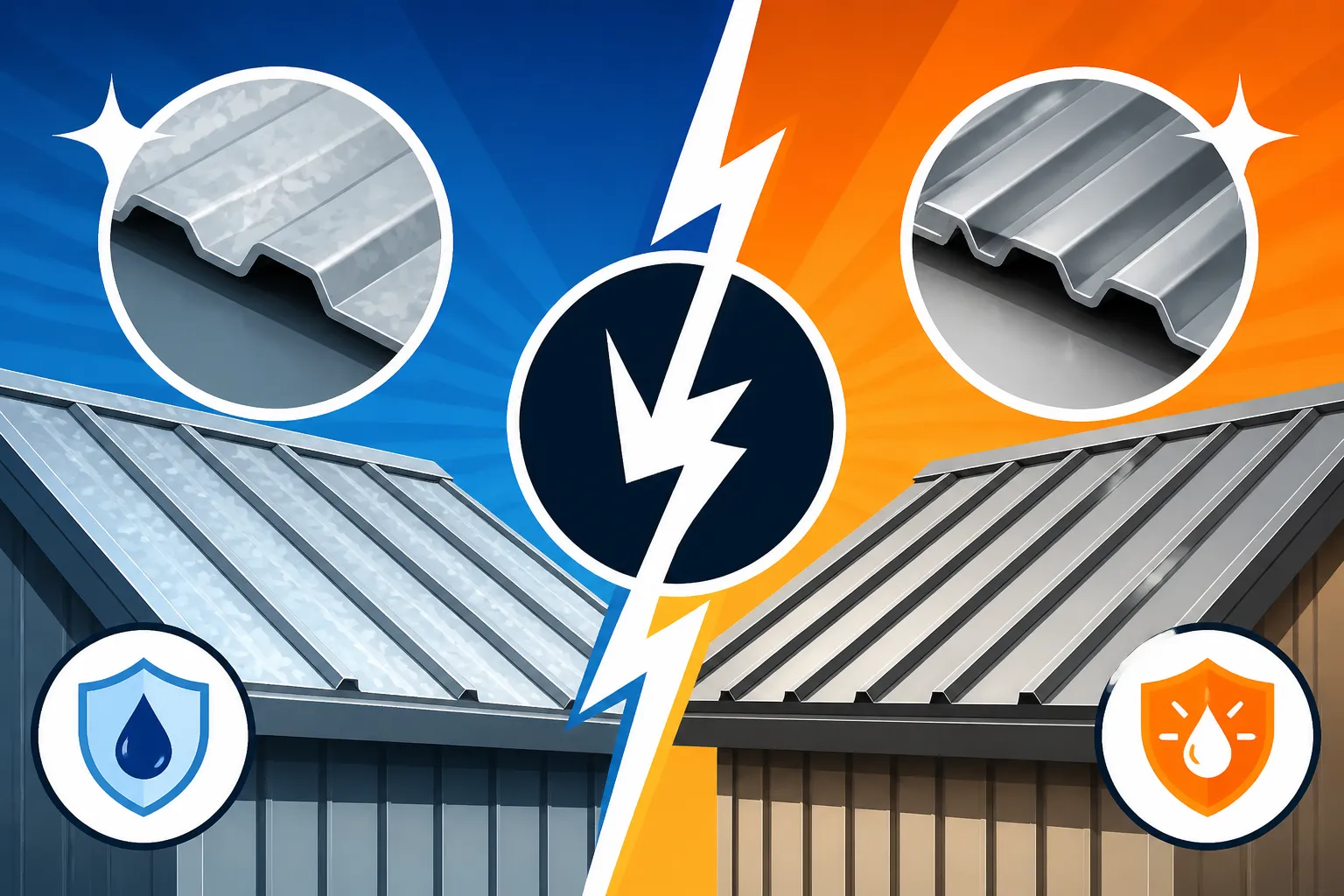
Galvalume steel distinguishes itself with a very specific metallic coating: an alloy of aluminum, zinc, and a touch of silicon. Typically, this coating consists of about 55% aluminum, 43.4% zinc, and 1.6% silicon. Like galvanized steel, the steel sheet is hot-dipped into this molten alloy, creating a strong bond.
The magic of Galvalume lies in this synergistic blend. The aluminum component provides excellent barrier protection, similar to how aluminum naturally resists oxidation. It's fantastic at preventing moisture and oxygen from ever reaching the steel. The zinc, much like in galvanized steel, still offers sacrificial protection at cut edges and scratches, though its proportion is lower. The small addition of silicon helps the coating adhere better to the steel during the manufacturing process, ensuring a smooth, uniform, and durable layer. This multi-faceted approach to protection means Galvalume combines the best attributes of both aluminum and zinc, resulting in a coating that often outperforms traditional galvanized steel in terms of corrosion resistance and longevity.
Pros and Cons of Galvalume Steel
The advantages of Galvalume are pretty significant. Its aluminum-zinc alloy coating provides superior corrosion resistance compared to galvanized steel, especially in acidic rain and saltwater environments. This makes it an excellent choice for homes in coastal areas or regions with higher pollution levels. Galvalume also offers better heat reflectivity, meaning it can help keep your home cooler in hot climates by bouncing more sunlight away from the roof surface, which can lead to energy savings. Plus, it generally has a longer lifespan and comes with more robust warranties, often extending 25-40 years, sometimes even 50 years for the coating. This extended life can be a big factor in justifying the initial investment, making it a valuable long-term asset. When comparing the long-term value, it helps to consider the overall Metal Roof Cost vs Lifespan Value.
However, Galvalume isn't without its considerations. While the zinc component provides some sacrificial protection, it's not as potent as the pure zinc coating of galvanized steel at cut edges. This means that if Galvalume panels are frequently cut or severely scratched, those areas could potentially show signs of rust more quickly if not properly sealed or maintained. The initial cost of Galvalume can also be slightly higher than galvanized steel, though this is often offset by its increased durability and longer lifespan. Furthermore, while it’s great for most roofing applications, it’s not recommended for use with certain agricultural chemicals or animal waste, as these substances can react negatively with the aluminum in the coating. It's always best to consult with a roofing professional to ensure it's the right fit for your specific property and conditions. When looking for experienced contractors, services like Modernize can help you find local experts who understand these material differences and can guide your choice.
Head-to-Head Comparison: Galvalume vs Galvanized
When it comes down to choosing between Galvalume and galvanized steel for your metal roof, understanding their direct performance differences is key. Both are excellent choices, but their strengths truly shine in different scenarios.
Performance in Different Environments
The environment your home is situated in plays a massive role in which steel roofing material will perform best. For homes in urban areas with higher industrial pollution or acid rain, Galvalume generally holds up better due to aluminum's enhanced resistance to chemical corrosion. The aluminum component in Galvalume also makes it a powerhouse in coastal regions. The constant assault of salt spray can quickly degrade a plain zinc coating, but the aluminum in Galvalume provides a stronger barrier against this particular type of corrosion, significantly extending the roof's life.
On the other hand, traditional galvanized steel excels in less aggressive environments. In rural or suburban settings where the air is cleaner and salt exposure is minimal, galvanized steel offers reliable protection at a potentially lower upfront cost. It’s a workhorse for standard conditions, proving its mettle for generations. It’s also important to note that if your roof is likely to endure a lot of physical abrasion, like frequent foot traffic or falling branches, the thicker zinc coating of galvanized steel might offer a bit more initial scratch resistance than the more brittle Galvalume coating, though both can be damaged. Ultimately, knowing your local climate and potential stressors is paramount.
Longevity and Warranty Considerations
When you invest in a metal roof, you're looking for something that will last, and both Galvalume and galvanized steel deliver impressive lifespans compared to traditional asphalt shingles. However, there’s a distinct difference in their expected longevity and the warranties that typically accompany them.
Galvalume roofs often come with extensive warranties, typically ranging from 25 to 40 years for the paint finish and sometimes up to 50 years against perforation from rust. This reflects the manufacturer's confidence in its superior corrosion resistance. Many homeowners find that a well-installed Galvalume roof can easily exceed these warranty periods with proper maintenance. For a deeper dive into what influences these timelines, you might find our article on Metal Roof Lifespan: How Long Do They Last? very helpful.
Galvanized steel roofs, while durable, usually have shorter warranties, often in the range of 20 to 30 years for the coating. This is primarily because the pure zinc coating, while effective, isn't quite as resistant to diverse forms of corrosion over the long haul as the aluminum-zinc alloy in Galvalume. While still a very long-lasting option, especially compared to asphalt, it generally won't match Galvalume's potential for extreme longevity in challenging conditions. The type and duration of the warranty can be a significant indicator of the expected performance and lifespan, so always scrutinize these documents when getting quotes. It’s one of the key questions to ask when comparing bids from different contractors, and companies like Modernize can help you compare these quotes effectively.
Cost Implications and Value Over Time
The upfront cost is often a major factor in any home improvement project, and metal roofing is no exception. Generally, galvanized steel is the more budget-friendly option at the initial purchase and installation phase. This makes it an attractive choice for those looking for the benefits of metal roofing without the highest initial investment. The material cost for galvanized steel can be slightly lower per square foot, which can add up significantly on a larger roof. If you're exploring cost, check out our guide on Metal Roof Cost Per Square Foot.
However, thinking purely about upfront cost can sometimes be short-sighted. Galvalume, while potentially costing 10-25% more initially than galvanized steel, often provides greater long-term value. Its enhanced corrosion resistance means it's less likely to need repairs due to rust, and its longer lifespan can defer replacement costs for decades. When you factor in potential energy savings from better reflectivity and possibly higher resale value, the return on investment for Galvalume can be very compelling over the 30-50+ years it's expected to last. This long-term perspective is crucial for understanding the true value of your investment. It also influences broader questions like Is a Metal Roof Worth It? ROI, Resale & Payback.
Here's a quick comparison table to summarize the key differences:
| Feature | Galvanized Steel | Galvalume Steel |
|---|---|---|
| Coating Composition | 100% Zinc | 55% Aluminum, 43.4% Zinc, 1.6% Silicon alloy |
| Corrosion Resistance | Good, sacrificial protection; less effective in harsh environments (coastal, industrial) | Excellent, barrier & sacrificial protection; superior in harsh environments |
| Heat Reflectivity | Moderate | High, due to aluminum content |
| Scratch Resistance | Good, thicker zinc layer can be more forgiving for minor abrasions | Good, but the coating can be more brittle than pure zinc if severely scratched |
| Typical Lifespan | 20-30 years (coating) | 25-50+ years (coating) |
| Warranty | Shorter (e.g., 20-30 years) | Longer (e.g., 25-40 years, sometimes 50 years) |
| Initial Cost | Generally lower | Generally 10-25% higher than galvanized |
| Performance with Cuts | Excellent sacrificial protection at exposed edges | Good sacrificial protection, but can be less robust than pure zinc at raw edges |
| Ideal Environments | Moderate climates, inland | Coastal, high-pollution, hot climates |
Making the Right Choice for Your Home
Choosing between Galvalume and galvanized steel isn't just about comparing technical specifications; it's about evaluating what makes the most sense for your specific home, budget, and peace of mind. Both are fantastic options, but one might simply be a better fit than the other for your unique situation.
Factors to Consider Before Deciding
When you’re making this important decision, start by looking at your home’s location. Are you right on the coast, where salty air is a daily reality? Or are you nestled inland, far from any major industrial zones? Coastal properties or areas with high acid rain levels will undeniably benefit more from the superior corrosion resistance of Galvalume. On the other hand, if your home is in a milder climate, galvanized steel could offer all the protection you need at a more attractive price point.
Next, consider your long-term goals. Are you planning to stay in your home for decades, or is this a shorter-term residence? If you envision your home as a forever home, the extended lifespan and potentially stronger warranties of Galvalume might make the higher initial investment worthwhile. It's about minimizing future headaches and costs. Also, think about energy efficiency. In very sunny, hot climates, Galvalume's higher reflectivity can translate into noticeable savings on your cooling bills, a factor that contributes to its overall value over time. Finally, don't forget the aesthetic. While both can be painted, the base material can influence available finishes and colors, so ensure the chosen material meets your visual preferences.
Expert Advice on Selecting Your Metal Roof
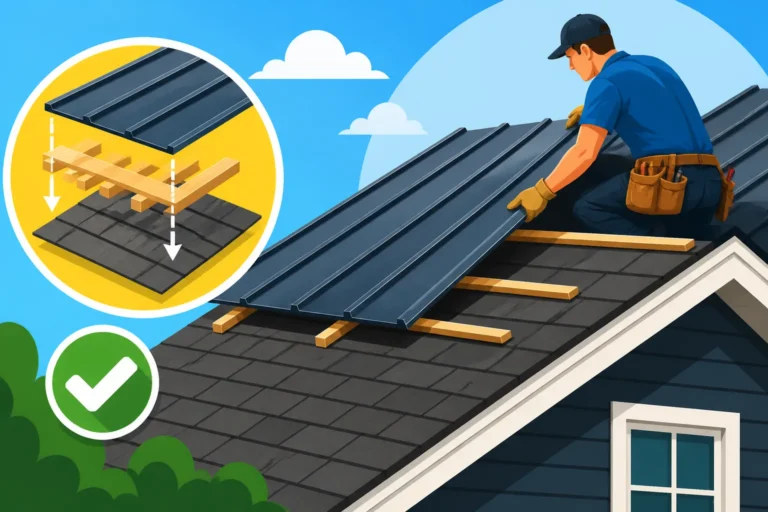
The best advice I can give you is to always seek out professionals who specialize in metal roofing. These aren't your average asphalt shingle installers; metal roofing requires specialized skills and tools for a proper, leak-free installation. Look for contractors who have extensive experience with both Galvalume and galvanized steel and can speak confidently about their nuances. When you're ready to start getting quotes, our guide on How to Hire a Metal Roofing Contractor can provide invaluable tips on what to look for and questions to ask.
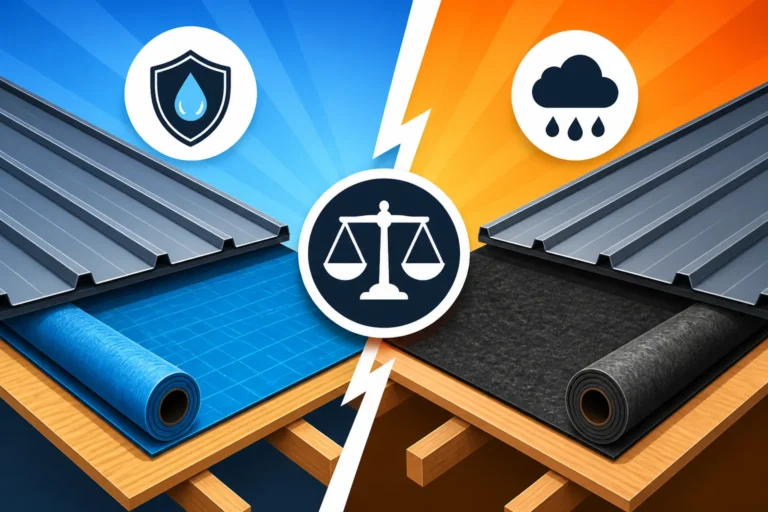
Don't hesitate to ask prospective contractors about the specific coatings they use, the gauge of the steel, and the type of paint finish applied over the metallic coating. High-quality paint systems, like PVDF (Kynar 500) or SMP, play a huge role in fade resistance and overall durability. A good contractor will also explain the importance of proper underlayment and ventilation, which are critical for the long-term performance of any metal roof. They should also be transparent about the warranties offered by the material manufacturers. Ultimately, their expertise will be your greatest asset in making an informed choice that you’ll be happy with for decades to come.
Disclaimer
Please remember that the information provided in this guide is for general informational purposes only. While we strive to offer accurate and up-to-date advice, roofing materials, installation techniques, local building codes, and pricing can vary significantly based on your specific location, contractor, and the unique characteristics of your home. Always consult with qualified local metal roofing professionals and review all product specifications and warranties before making any purchasing or installation decisions.