What Is a Metal Tile Metal Roof?
Choosing a new roof for your home can feel overwhelming, especially with so many options that sound similar but are distinctly different. You might be hearing about "metal roofs" and "tile roofs," and then suddenly, "metal tile roofs" enter the conversation, leaving you wondering if it's just a fancy name or a truly unique product. This guide is here to unravel the mystery of metal tile roofing, explaining exactly what it is, how it's made, and if it's the right choice to protect and beautify your home.
Understanding Metal Tile Roofing: More Than Just Aesthetics
When you picture a tile roof, chances are you're envisioning the classic terracotta of the Mediterranean or the heavy slate of a historic European estate. But what if you could achieve that timeless aesthetic with the modern strength and durability of metal? That's precisely the magic of metal tile roofing. It's a fantastic blend of old-world charm and cutting-edge engineering, designed to give your home a distinctive look while providing superior protection.
What Exactly is a Metal Tile Roof?
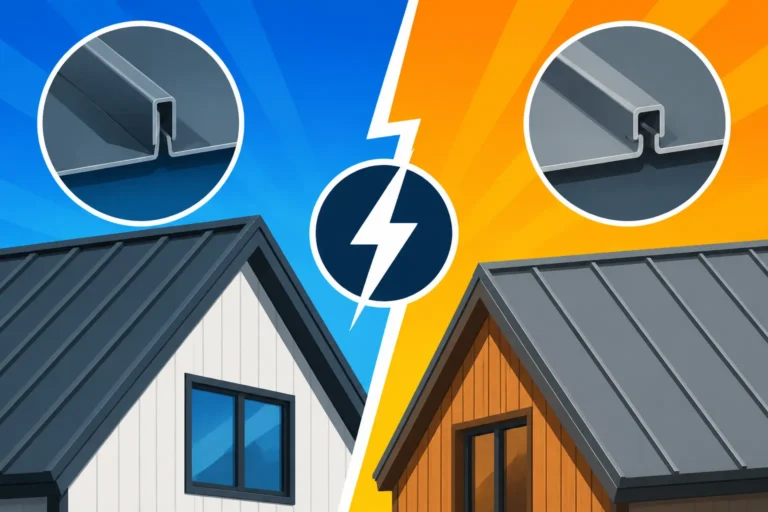
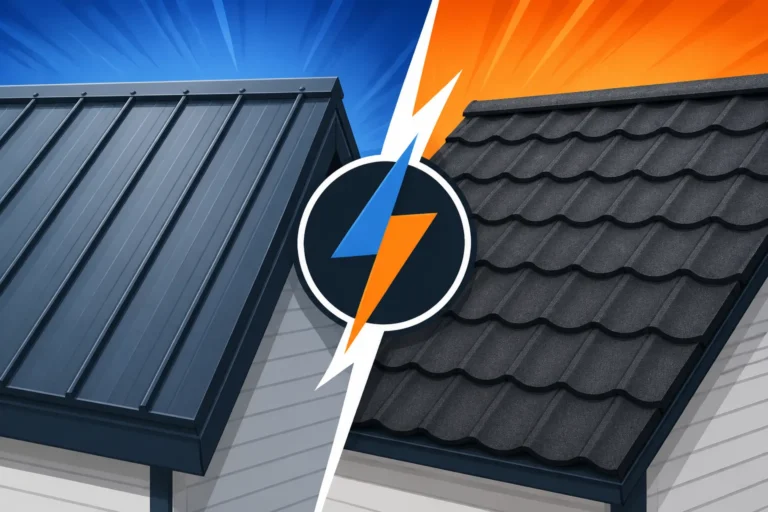
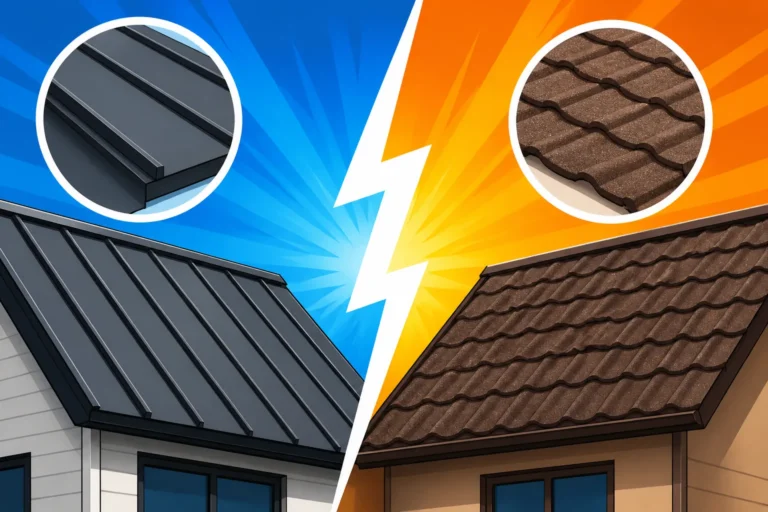
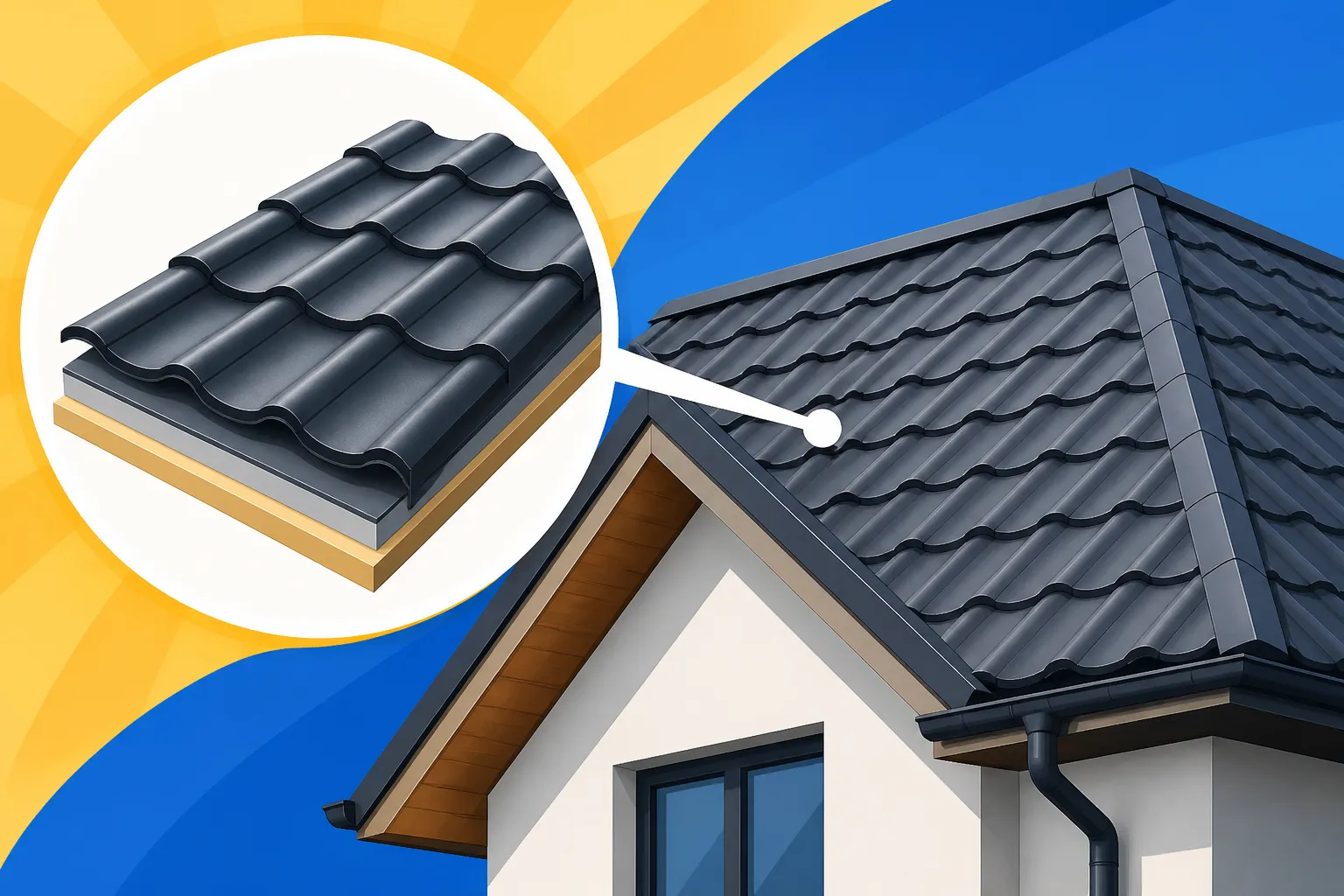
At its heart, a metal tile roof is a roofing system composed of individual metal panels or shingles that are specifically formed and stamped to mimic the appearance of traditional roofing materials like clay tiles, slate, wood shakes, or even asphalt shingles. Unlike large, continuous metal panels such as standing seam or corrugated metal, metal tile systems are designed to create a more segmented, textured look, often replicating the overlapping patterns of conventional tiles.
The crucial difference here isn't just aesthetic. These aren't simply large metal sheets painted to look like tiles; they are precision-engineered pieces, often smaller and interlocking, that create a visually rich and dimensional roof surface. Homeowners often struggle with the heavy weight and brittle nature of traditional clay or concrete tiles, which can lead to structural concerns and breakage. Metal tiles offer a lightweight alternative that bypasses these issues, providing a similar visual impact without the accompanying headaches. It’s about getting the best of both worlds: the beauty you desire and the resilience your home needs.
The Allure of Traditional Looks with Modern Durability
The appeal of metal tile roofing really lies in its ability to offer a sophisticated, traditional aesthetic without the inherent weaknesses of the materials it imitates. Imagine wanting the classic Spanish villa look with its iconic barrel tiles, but living in an area prone to hail or high winds. Traditional clay tiles can be heavy, fragile, and prone to cracking, not to mention their typically high installation and maintenance costs. Metal tiles solve this by being significantly lighter and far more resistant to impact, fire, and extreme weather.
For example, you can find metal tiles stamped to perfectly replicate the deep texture of cedar shakes or the elegant, chiseled lines of natural slate. These designs aren't just superficial; the stamping process creates three-dimensional profiles that cast shadows, giving the roof depth and character. Many manufacturers achieve this by pressing steel or aluminum sheets into these intricate patterns, then applying durable coatings. Some even go a step further with a stone-coated finish, which not only enhances the resemblance to natural materials but also adds an extra layer of protection and reduces reflectivity. This duality means your roof not only looks stunning but also offers performance that outstrips its traditional counterparts, lasting decades longer with minimal fuss.
Key Components of a Metal Tile Roofing System
A complete metal tile roofing system is far more than just the visible tiles themselves. It's a meticulously engineered assembly of components working together to ensure longevity, weatherproofing, and structural integrity. Understanding these parts helps you appreciate the investment you're making.
The primary components include:
- Metal Tile Panels/Shingles: These are the visible elements, formed from various metals (steel, aluminum, copper, zinc) and stamped into specific profiles to mimic traditional tiles or shakes. They are designed to interlock or overlap, creating a continuous, watertight surface.
- Underlayment: Applied directly to the roof deck, this is a crucial barrier beneath your metal tiles. It acts as a secondary layer of protection against moisture, especially important in case water ever breaches the primary roof surface. Modern synthetic underlayments are often preferred over traditional felt for their superior durability and moisture resistance, offering a robust base that contributes to the overall Metal Roof Lifespan: How Long Do They Last?.
- Flashing: These are thin pieces of metal, typically steel or aluminum, installed at vulnerable areas like roof valleys, dormers, chimneys, and skylights. Flashing prevents water from seeping into the roof structure at these junctures, which are common points for leaks if not properly sealed.
- Fasteners: Depending on the specific metal tile system, fasteners can be exposed (visible screws) or concealed (hidden clips or screws). For metal tile systems, concealed fasteners are often preferred for aesthetic reasons and enhanced weather resistance, as they reduce penetration points on the visible roof surface.
- Trims and Accessories: This includes components like ridge caps, gable trims, eave trims, and various sealants. These pieces finish the edges and intersections of the roof, providing both aesthetic appeal and critical weatherproofing. They ensure a tight seal and a polished look for the entire system.
Each component plays a vital role in the performance and longevity of the metal tile roof. A quality installation requires meticulous attention to detail in every layer, ensuring that your investment pays off for decades.
Materials, Profiles, and Coatings for Metal Tile Roofs
The beauty of metal tile roofing isn't just in its ability to replicate classic looks; it's also in the versatility of materials and finishes available. This section delves into the core elements that define a metal tile roof's appearance, performance, and long-term value.
Common Materials Used in Metal Tile Production
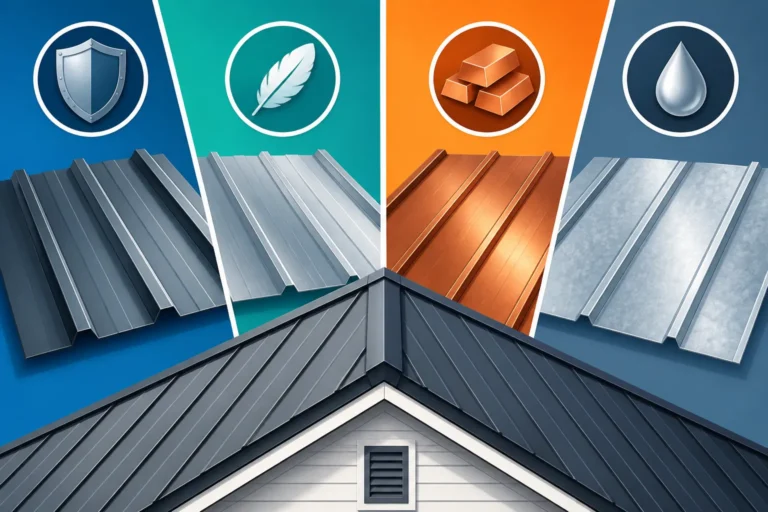
Metal tile roofs are typically crafted from a few key metal types, each bringing its own set of characteristics to the table. The choice of material significantly impacts the roof's cost, durability, weight, and aesthetic.
- Steel: By far the most common and cost-effective option, steel tiles are usually galvanized (coated with zinc) or Galvalume (a zinc and aluminum alloy coating) to prevent rust. They are then pressed into various shapes and coated with a protective paint system. Steel offers excellent strength and durability, making it a popular choice for homeowners looking for a balance of performance and budget. For a deeper dive into the economics, you might explore the Steel Roof Cost Per Square Foot.
- Aluminum: Lighter than steel and inherently corrosion-resistant, aluminum is an excellent choice for coastal areas or regions with high humidity where rust is a major concern. It's more expensive than steel but offers superior longevity and can withstand harsh environments without rusting. Aluminum is also highly malleable, allowing for intricate tile profiles.
- Copper: The grand dame of roofing metals, copper offers unparalleled beauty with its distinctive reddish-brown hue that gradually develops a beautiful blue-green patina over time. It's extremely durable, corrosion-resistant, and virtually maintenance-free. However, copper is significantly more expensive than steel or aluminum, making it a luxury option often chosen for its aesthetic appeal on high-end homes or historic restorations.
- Zinc: Another premium metal, zinc is known for its incredible longevity, self-healing properties (it forms a protective patina that repairs minor scratches), and elegant, matte finish. It's highly resistant to corrosion and requires minimal maintenance. Like copper, zinc comes with a higher price tag but offers exceptional performance and a unique aesthetic that ages gracefully.
Each material choice has implications for the overall Metal Roof Cost: Complete 2026 Guide, so it's wise to weigh your priorities carefully.
Popular Tile Profiles and Their Aesthetic Appeal
The ability of metal tile roofing to mimic traditional materials is truly remarkable, thanks to the precision with which these panels are formed. Manufacturers have perfected profiles that are nearly indistinguishable from their natural counterparts, allowing you to achieve specific architectural styles without the associated drawbacks.
- Clay Tile Mimicry: These profiles often feature prominent barrel or S-shaped curves, replicating the classic look of Spanish or Mediterranean terracotta tiles. They add a distinctive warmth and old-world charm, perfect for stucco or mission-style homes. Modern versions retain the iconic shadows and texture but are lightweight and much less prone to breakage.
- Slate Mimicry: Designed to emulate the elegant, often varied texture of natural slate, these metal tiles feature chiseled edges and a flat profile. They offer a sophisticated, upscale look that is ideal for traditional, colonial, or contemporary homes. The uniform size and consistent quality of metal slate are a distinct advantage over natural slate, which can be prone to inconsistencies and breakage.
- Wood Shake Mimicry: For those who love the rustic charm of wood shakes but worry about fire hazards or rot, metal shake tiles are a perfect solution. These profiles capture the rough, textured appearance and staggered lines of hand-split wood, providing a natural, earthy feel. They are often chosen for cabins, craftsman-style homes, or properties in wooded areas where fire resistance is paramount.
- Shingle Mimicry: Some metal tile systems are designed to look like traditional asphalt shingles, offering a familiar appearance with the enhanced durability of metal. These are often flat or subtly textured and can be an excellent choice for homeowners who want the benefits of a metal roof without a drastically different aesthetic.
The precision in these profiles, combined with sophisticated coloring and stone coatings, makes it difficult to discern them from actual traditional materials once installed, proving that strength doesn't have to come at the expense of beauty.
The Role of Advanced Coatings and Finishes
The surface of a metal tile roof is much more than just a splash of color; it's a sophisticated layer of protection and performance. These advanced coatings and finishes are what give metal tiles their exceptional durability, color retention, and even energy efficiency.
- PVDF (Polyvinylidene Fluoride) Coatings: Often marketed under brand names like Kynar 500 or Hylar 5000, PVDF coatings are considered the gold standard in metal roofing. They offer superior color retention, chalk and fade resistance, and excellent protection against harsh UV rays and chemical exposure. If you're looking for a roof that maintains its vibrant color for decades, a PVDF coating is usually the top recommendation. For more on this, check out our guide on PVDF vs SMP Paint Coatings for Metal Roofs.
- SMP (Silicone Modified Polyester) Coatings: SMP coatings are a more economical alternative to PVDF. They offer good color retention and weather resistance, providing a durable finish that performs well for many years. While they might not match the fade resistance of PVDF in the very long term, they are a solid choice for many residential applications.
- Stone-Coated Finishes: A significant portion of the metal tile market utilizes stone-coated steel. In this process, galvanized or Galvalume steel panels are coated with an acrylic base layer, embedded with ceramic-coated stone granules, and then sealed with a clear acrylic overglaze. This creates a highly textured, extremely durable surface that perfectly mimics natural materials like clay tile, slate, or wood shake. Brands like DECRA and Gerard are well-known for their stone-coated steel products. The stone granules provide an extra layer of protection against impact, reduce noise from rain, and often come with reflective properties that enhance energy efficiency. This is distinct from a basic What Is a Stone-Coated Steel Metal Roof? which can apply to various panel types, not just tiles.
- Specialized Pigments and "Cool Roof" Technology: Many coatings now incorporate specialized pigments designed to reflect more solar radiation, even in darker colors. These "cool roof" technologies can significantly reduce heat absorption, lowering attic temperatures and ultimately leading to lower air conditioning costs. This is a huge benefit, especially in warmer climates, contributing to potential Metal Roof Insurance Savings & Discounts.
These coatings are not just about looks; they are integral to the metal tile roof's ability to withstand decades of sun, rain, wind, and temperature fluctuations, ensuring your home remains protected and beautiful.
The Practical Benefits and Considerations of Metal Tile Roofs
Beyond their striking aesthetics, metal tile roofs offer a host of practical advantages that make them a compelling choice for many homeowners. However, like any significant home improvement, there are also factors to carefully consider before making a decision.
Durability, Longevity, and Weather Resistance
One of the most significant reasons homeowners gravitate towards metal tile roofing is its unparalleled durability and longevity. Unlike asphalt shingles that might last 15-20 years, a properly installed metal tile roof can easily last 40-70 years, often outliving the home's original owners.
- Impact Resistance: Many metal tile systems, especially those made from 24 or 26-gauge steel with stone coatings, achieve a Class 4 impact resistance rating. This is the highest rating available and means they can withstand significant hail impacts without denting or fracturing, a common problem for traditional clay or concrete tiles. This superior resistance is a major selling point in hail-prone regions.
- Wind Resistance: Metal tile roofs are designed to lock together, creating a robust shield against high winds. Many systems are rated to withstand winds exceeding 120-150 mph, making them an excellent choice for hurricane-prone areas. The interlocking design helps prevent individual tiles from lifting or tearing off, which is a common failure point for shingle roofs during severe storms.
- Fire Resistance: Metal is non-combustible, meaning metal tile roofs typically carry a Class A fire rating – the highest possible. This offers superior protection against airborne embers from wildfires or adjacent house fires, a critical safety feature in many parts of the country. This can also lead to lower homeowners insurance premiums.
- Fade Resistance: Thanks to advanced coatings like PVDF and stone granules, metal tile roofs maintain their color and finish exceptionally well over decades. This means your roof will look newer for longer, avoiding the faded, worn appearance that often plagues traditional roofing materials.
These inherent qualities mean less worry for you as a homeowner and a more resilient home in the face of nature's challenges.
Weight, Installation, and Maintenance Factors
While the benefits are clear, it's also important to understand the practicalities of a metal tile roof, from its weight to what's involved in its installation and upkeep.
- Lightweight Advantage: One of the often-overlooked benefits of metal tile roofing is its relatively light weight. Traditional clay or concrete tiles can weigh upwards of 900-1500 pounds per square (100 square feet), often requiring additional structural reinforcement for the roof deck. Metal tiles, by contrast, typically weigh between 50-150 pounds per square. This significantly lighter load reduces stress on your home's structure and can make installation easier and less costly, as it often doesn't require the expensive structural upgrades traditional tile roofs do.
- Specialized Installation: While lighter, installing a metal tile roof is not a DIY project for the faint of heart. It requires specialized knowledge and tools. The panels must be precisely cut, aligned, and fastened to ensure proper interlocking and waterproofing. An inexperienced installer can easily compromise the roof's integrity, leading to leaks or premature failure. This is why it's crucial to find a contractor with specific experience in metal tile systems, perhaps by exploring options like those found via Modernize, which connects homeowners with qualified roofing professionals. The Metal Roof Installation Process: Step by Step is complex, and even more so with intricate tile profiles.
- Low Maintenance: Once installed, metal tile roofs are remarkably low maintenance. They don't absorb water, resist moss and mildew growth, and shed snow and ice efficiently. Routine maintenance usually involves occasional inspections to check for debris buildup in valleys or around penetrations, and ensuring gutters are clear. Unlike wood shakes that require regular treatments or traditional tiles that can crack and need individual replacement, metal tiles generally just need to be left alone to do their job.
Understanding these aspects helps set realistic expectations for your project, from the hiring process to the ongoing care of your new roof.
Cost-Effectiveness and Return on Investment
It's no secret that metal tile roofs typically have a higher upfront cost compared to asphalt shingles. However, looking at the initial price alone tells only part of the story. When you consider the long-term value, metal tile roofs often prove to be a highly cost-effective investment.
- Initial Cost vs. Long-Term Savings: While a metal tile roof might cost 2-3 times more than an asphalt shingle roof initially, its lifespan is typically 2-4 times longer. This means over the lifetime of your home, you might replace an asphalt roof two or three times for every single metal roof installation. When you factor in the cumulative costs of materials, labor, and potential repairs for multiple asphalt roofs, the metal tile option often becomes cheaper in the long run.
- Energy Efficiency: As mentioned, many metal tile roofs feature "cool roof" coatings that reflect solar heat. This can lead to significant energy savings, reducing your cooling costs by 10-25% during hot months. Over decades, these savings can add up considerably, contributing to the roof's overall Metal Roof Cost vs Lifespan Value.
- Increased Home Value: A durable, aesthetically pleasing metal tile roof can significantly enhance your home's curb appeal and resale value. Many buyers see a metal roof as a premium upgrade, appreciating its longevity and low maintenance. Studies often show a strong return on investment for metal roofing installations, sometimes recovering 85-95% of the cost at resale. This contributes to the answer of "Does a Metal Roof Increase Home Value?".
- Insurance Discounts: Due to their superior fire, wind, and impact resistance, many insurance companies offer discounts to homeowners with metal roofs. These savings, combined with fewer claims due to storm damage, further improve the long-term financial picture. It's always a good idea to check with your insurance provider about potential savings before installation.
When evaluating a metal tile roof, it's essential to look beyond the sticker price and consider the total cost of ownership over its entire lifecycle.
Is a Metal Tile Roof Right for Your Home?
Deciding on a new roof is a big commitment, and while metal tile roofing offers many compelling benefits, it's important to weigh all factors against your specific needs and preferences.
When a Metal Tile Roof Makes Sense
A metal tile roof is an excellent choice for a variety of situations and homeowners. If any of these resonate with you, it might be the perfect fit:
- Desire for Specific Architectural Style: If your home's design calls for the distinctive look of clay tiles, slate, or wood shakes, but you need superior performance and durability, metal tile roofing provides an ideal solution. It allows you to maintain the aesthetic integrity of your property without the drawbacks of traditional materials.
- Long-Term Home Ownership: For those planning to stay in their home for many decades, the upfront investment in a metal tile roof is easily justified by its exceptional longevity and minimal maintenance requirements. You'll likely never need to replace your roof again.
- Climate Concerns: In regions prone to extreme weather, such as hurricanes, hailstorms, or wildfires, the Class A fire rating, high wind resistance, and Class 4 impact resistance of many metal tile systems offer unparalleled protection and peace of mind.
- Value and Energy Efficiency: If you're looking for a roofing material that can enhance your home's resale value, potentially lower your insurance premiums, and reduce your energy bills through reflective coatings, metal tile roofing checks all these boxes. It’s a smart investment in both comfort and equity.
- Low Maintenance Preference: For homeowners who prefer to spend their weekends enjoying their home rather than maintaining it, the "set it and forget it" nature of metal tile roofing is highly appealing.
Potential Drawbacks and What to Consider
No roofing material is without its potential downsides, and metal tile roofs are no exception. Being aware of these helps you make an informed decision and mitigates surprises.
- Higher Upfront Cost: As discussed, the initial cost of a metal tile roof is generally higher than asphalt shingles and sometimes even traditional tiles. While the long-term ROI is strong, the initial capital outlay can be a barrier for some budgets.
- Installation Complexity: The specialized nature of metal tile installation means you cannot cut corners on your contractor. An inexperienced installer can lead to significant problems, including leaks, oil canning, or warranty invalidation. You need someone who truly understands How to Find a Standing Seam Roof Specialist or, in this case, a metal tile specialist.
- Noise: While modern metal roofs with solid sheathing and proper underlayment are often much quieter than older installations, some homeowners still perceive them as louder during heavy rain or hail, especially if stone-coated finishes aren't used. The insulation under the roof deck plays a huge role here.
- Oil Canning: This refers to the visual waviness or distortion that can sometimes appear in flat metal panels. While less common with smaller, formed tile panels than with large flat panels, it can still occur, particularly with lighter gauge metals. It's usually a cosmetic issue and doesn't affect performance, but some homeowners find it visually unappealing. Careful installation and material selection can minimize this.
- Repair Challenges: While durable, if a metal tile roof does get damaged, repairing individual sections can be more complex than simply swapping out an asphalt shingle. It often requires specific tools and expertise to properly remove and replace interlocking panels without damaging adjacent ones.
By considering these points, you can weigh them against the many advantages and determine if metal tile is genuinely the best option for your home.
Finding the Right Professional for Installation
The success and longevity of your metal tile roof heavily depend on the quality of its installation. This isn't a project to entrust to just any roofer. You need a specialist who understands the nuances of metal tile systems.
- Specialized Experience: Look for contractors who specifically list metal roofing, and ideally metal tile or stone-coated steel, as a core service. Ask about their experience with the specific type of metal tile profile you are considering. A general shingle roofer might not have the specialized tools, techniques, or training required for a flawless metal tile installation. You can even use services like Modernize to help you connect with qualified local contractors who specialize in metal roofing, streamlining your search for the right professional.
- Certifications and Training: Many metal roofing manufacturers offer certification programs for installers. A contractor with these certifications demonstrates a commitment to using proper installation techniques and understands the manufacturer's specific guidelines. This is crucial for maintaining your warranty.
- References and Portfolio: Don't just take their word for it. Ask for references from past metal tile roof clients and check out their completed projects if possible. A reputable contractor will be proud to show off their work. This is part of the crucial process of vetting contractors, as discussed in our guide on How to Hire a Metal Roofing Contractor.
- Comprehensive Quotes and Contracts: Ensure the contractor provides a detailed quote that breaks down materials, labor, and all associated costs. The contract should clearly outline the scope of work, payment schedule, warranty information, and timelines. Be wary of quotes that seem too good to be true, as they often hide deficiencies. For more info, check out How to Read and Compare Metal Roof Quotes.
Hiring the right professional ensures that your metal tile roof is installed to the highest standards, maximizing its performance, longevity, and your peace of mind.
Metal Tile Roofing Material Comparison
To help you make an informed decision, here's a quick comparison of the most common materials used for metal tile roofing.
| Feature | Steel | Aluminum | Copper | Zinc |
|---|---|---|---|---|
| Durability | Excellent, especially with Galvalume | Excellent, especially against corrosion | Exceptional, virtually maintenance-free | Exceptional, self-healing patina |
| Corrosion Resist. | Good (with zinc/aluminum coating) | Excellent (naturally resistant) | Exceptional (naturally resistant) | Exceptional (naturally resistant) |
| Weight (per sq) | 50-150 lbs | 40-80 lbs | 100-200 lbs | 100-200 lbs |
| Cost | Medium | Medium-High | Very High | Very High |
| Aesthetic | Versatile (mimics many materials) | Versatile (mimics many materials) | Classic reddish-brown, develops patina | Elegant matte grey, develops patina |
| Ideal For | General use, cost-conscious | Coastal areas, lightweight needs | High-end, classic aesthetics | High-end, unique modern aesthetics |
| Common Coatings | PVDF, SMP, Stone-Coated | PVDF, SMP, Stone-Coated | Natural patina, no added coating needed | Natural patina, no added coating needed |
Disclaimer
Please remember that the information provided in this guide is for general informational purposes only and does not constitute professional advice. Roofing costs, material availability, building codes, and contractor licensing can vary significantly by location and change over time. Always consult with local, qualified metal roofing professionals for accurate quotes, specific product recommendations, and expert guidance tailored to your individual project and local regulations.