What Is the Best Metal Roof for Tennessee Weather
Choosing a new roof for your home can feel like an overwhelming decision, especially when you're thinking about investing in a durable solution like metal roofing in a state with such diverse and often unpredictable weather as Tennessee. From scorching, humid summers to icy winters and the constant threat of severe thunderstorms and even tornadoes, your roof truly bears the brunt of the elements. This guide will walk you through the specifics of what makes a metal roof ideal for Tennessee's climate, helping you understand the best options to protect your home for decades to come.
Understanding Tennessee's Unique Climate Challenges
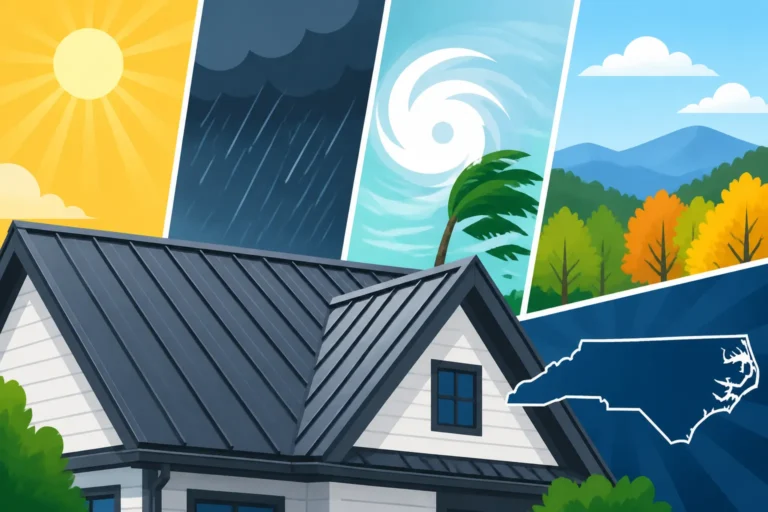
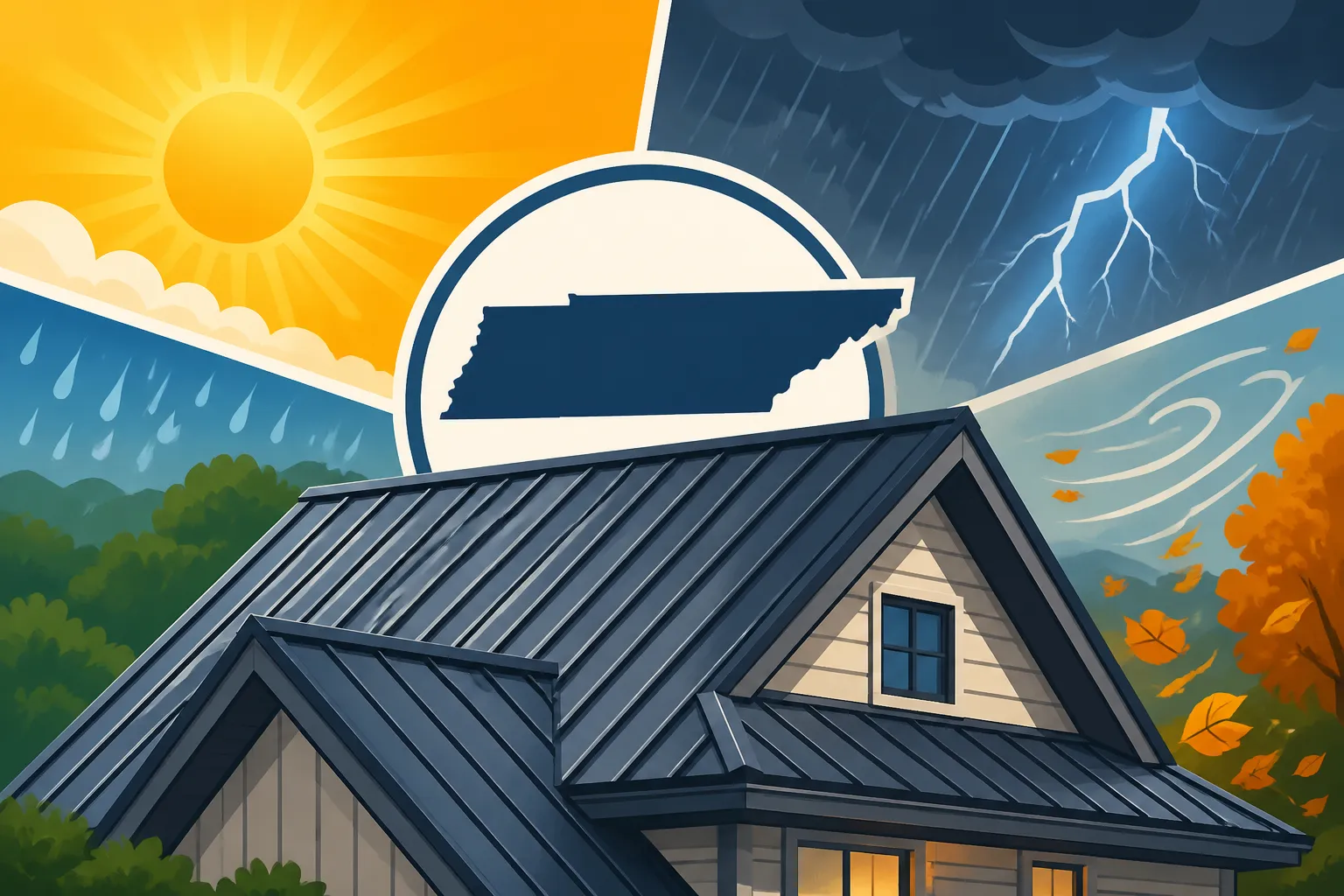
Tennessee isn't just about rolling hills and country music; it's also a state that experiences a wide range of intense weather conditions throughout the year. Homeowners here face a unique set of challenges that need to be carefully considered when selecting a roofing material designed to last. It's not enough to simply pick something pretty; it needs to be resilient.
High Humidity and Summer Heat
The summers in Tennessee can be brutal, characterized by long stretches of high temperatures and intense humidity. This isn't just uncomfortable for us; it can also be tough on a roof. High humidity can contribute to moisture issues, even with materials known for their durability.
Beyond the direct impact on materials, the sun's relentless UV rays can degrade coatings and cause expansion and contraction in roofing panels. A poorly chosen roof can lead to higher energy bills as your AC unit works overtime to combat heat infiltration. This is where the reflective properties of metal roofs truly shine, helping to bounce sunlight away from your home and keep your attic cooler. You want a roof that won't absorb and transfer heat into your living space, but rather deflect it, making your home more comfortable and efficient during those dog days of summer.
Freezing Winters and Ice Hazards
While not as severe as some northern states, Tennessee winters definitely bring their share of freezing temperatures, ice, and occasional heavy snowfall. These conditions present different kinds of stress on a roof. Ice dams can form along eaves, causing water to back up under shingles or panels and potentially leak into your home. The freeze-thaw cycle can also be particularly hard on materials, leading to cracking or warping over time.
A metal roof's smooth, hard surface generally prevents ice and snow from building up as much as on traditional asphalt shingles. However, this also means that when snow does accumulate and then melts, it can slide off in large, potentially dangerous sheets. If you live in an area prone to significant snowfall, you might want to consider adding features like snow guards to manage this. The right underlayment, too, becomes crucial in colder climates to prevent any moisture penetration, even with a robust metal system.
Severe Storms and High Winds
Perhaps one of the most significant concerns for Tennessee homeowners is the frequency and intensity of severe weather events. We're talking about heavy rains, hail, strong winds, and the ever-present threat of tornadoes. These storms can inflict serious damage on roofs, from lifted shingles and punctures to complete structural compromise.
A roof's ability to withstand high winds is paramount. Traditional asphalt shingles are often rated for wind uplift, but metal roofs, especially those with concealed fastener systems like standing seam, can offer superior wind resistance. Hail is another major concern; while some metal roofs are highly resistant to hail damage and can even qualify for insurance discounts, others might show cosmetic dents. Knowing your local storm history and evaluating the wind and hail ratings of different metal roofing options is a non-negotiable step in selecting the best system for your property.
Key Characteristics of an Ideal Metal Roof for Tennessee
Given the diverse and challenging climate of Tennessee, selecting a metal roof isn't a one-size-fits-all situation. You need specific characteristics to ensure longevity, performance, and peace of mind. Let's break down what truly matters.
Material Considerations
The core material of your metal roof is perhaps the most critical decision, directly impacting its durability, aesthetics, and cost. Each metal type brings its own strengths and weaknesses to the table when faced with Tennessee's weather.
Steel, specifically galvanized or Galvalume steel, is a very popular choice due to its strength and cost-effectiveness. Galvanized steel is coated with zinc, while Galvalume uses a blend of aluminum and zinc, offering enhanced corrosion resistance—a huge plus in humid Tennessee. Steel is incredibly strong against wind and hail, though heavy hail can still cause cosmetic dents, especially on thinner gauges. To learn more about specific types of steel roofing, you might find our guide on Galvalume Roof Cost helpful.
Aluminum is naturally rust-resistant, making it an excellent option for areas with high humidity or even coastal influences if you happen to be in a part of the state that gets closer to salty air. It's lighter than steel, which can be an advantage for some roof structures, and it's fantastic at reflecting heat. However, it's also softer than steel, meaning it might be more prone to denting from significant hail.
Copper and zinc are premium options known for their exceptional longevity and unique aesthetic patinas that develop over time. They are extremely durable and resistant to most weather challenges but come with a significantly higher price tag. While beautiful and long-lasting, their higher cost often makes them less common for average residential projects in Tennessee unless a specific architectural style or extreme durability is desired. For a deeper dive, check out our article on Metal Roofing Materials Compared: Steel, Aluminum, Copper & Zinc.
Panel Profile and Fastener Systems
The way your metal roof panels are designed and attached plays a massive role in their performance, especially against wind and water intrusion. In Tennessee, where severe storms are common, this is a non-negotiable factor.
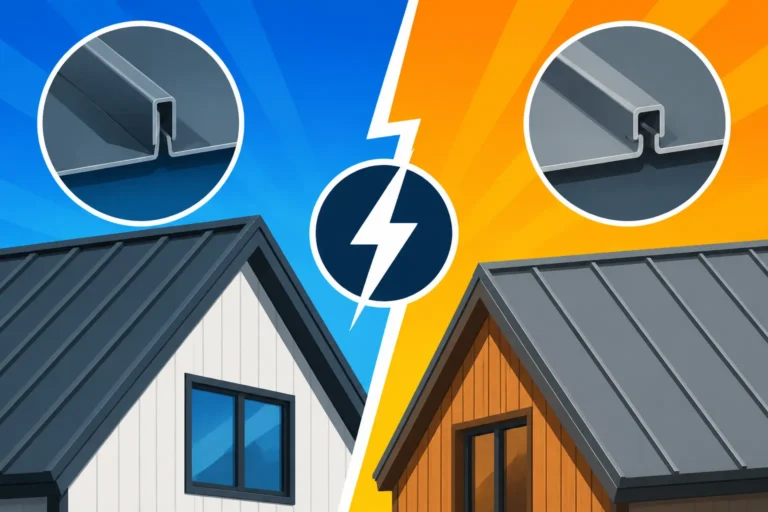
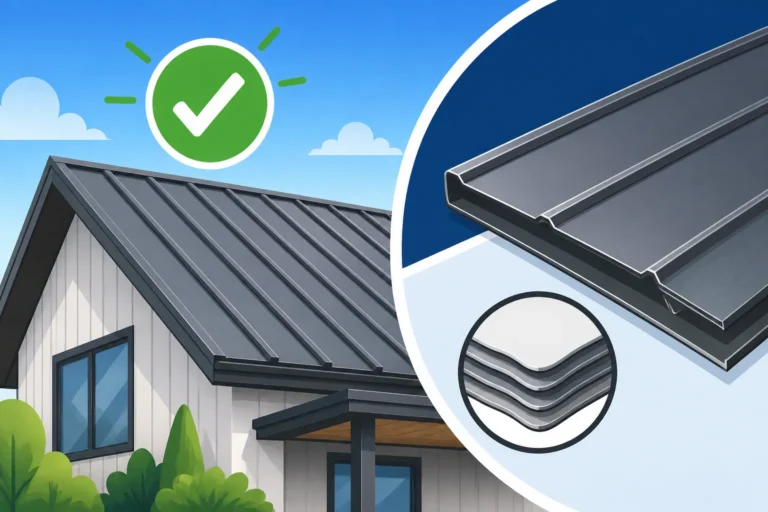
Standing Seam: This is often considered the gold standard for residential metal roofing. Standing seam panels feature raised seams that lock together, concealing the fasteners underneath. This hidden fastener system creates a clean, continuous roof surface with fewer points of entry for water or wind to exploit. The panels are also typically thicker gauge and designed to allow for thermal expansion and contraction, which is essential given Tennessee's temperature swings. The robust interlocking system provides superior wind uplift resistance, making it an excellent choice for mitigating storm damage. You can read more about it in Standing Seam Metal Roof Cost.
Exposed Fastener Systems: These include profiles like corrugated, R-panel, and 5V Crimp. As the name suggests, the fasteners (screws) are driven directly through the metal panel and into the roof deck, leaving them exposed to the elements. While these systems are generally more affordable and often used on barns, sheds, or even some residential applications, they require diligent maintenance. The exposed screws are potential points of failure; their washers can degrade over time, leading to leaks, and they offer less wind resistance than standing seam systems. For the longevity and peace of mind needed in Tennessee, many homeowners prefer to invest in hidden fastener systems. However, if budget is a primary concern and regular maintenance is something you're prepared for, exposed fastener panels can still be a viable option, especially if paired with higher quality screws and sealants.
Coatings and Gauge
The coating on your metal roof does more than just provide color; it's a critical layer of protection against UV radiation, corrosion, and fading. The gauge refers to the thickness of the metal, with lower numbers indicating thicker, more durable material.
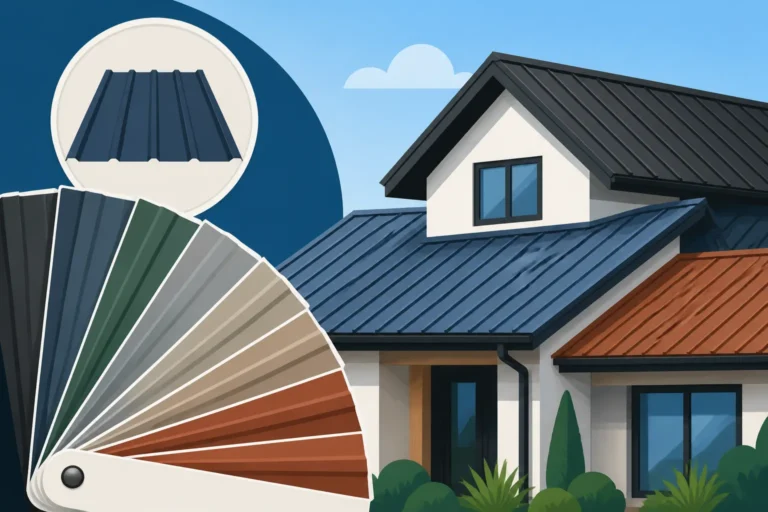
Coatings: High-quality paint systems, like Kynar 500 (PVDF) or SMP (Siliconized Modified Polyester), are crucial for metal roofs in Tennessee. PVDF coatings are renowned for their exceptional color retention, chalk resistance, and resistance to harsh UV rays, which is vital during our intense summer sun. SMP coatings offer good durability at a slightly lower cost. These advanced coatings prevent premature fading and chalking, ensuring your roof looks great and maintains its protective properties for decades. Without a high-quality coating, your metal roof might quickly show its age, losing its aesthetic appeal and potentially compromising its protective layer.
Gauge: For residential applications in Tennessee, 24-gauge or 26-gauge steel or aluminum are common choices. Remember, the lower the gauge number, the thicker the metal. A 24-gauge panel is thicker and more resistant to impact from hail and high winds than a 26-gauge panel. While 29-gauge might be seen on some agricultural buildings, it's generally considered too thin for residential use where durability against storms is a major concern. Investing in a thicker gauge metal will provide greater structural integrity and resistance to denting, offering superior long-term protection against Tennessee's varied and sometimes violent weather. For a full breakdown, explore our article on Metal Roof Gauges Explained: 22, 24, 26 & 29.
Wind and Fire Ratings
When living in a state like Tennessee, which regularly experiences severe weather events, understanding wind and fire ratings for your roof isn't just a good idea—it's essential for your family's safety and your home's integrity. These ratings indicate how well a roofing system will perform under extreme conditions.
Wind Resistance: Metal roofs are renowned for their superior wind resistance compared to many other roofing materials, especially when properly installed. Look for roofs that meet or exceed industry standards such as UL 580 or ASTM E1592, which test for uplift resistance. Many standing seam metal roofs can withstand wind speeds well over 100 mph, with some even rated for 140 mph or higher, making them excellent candidates for regions prone to strong thunderstorms and even tornadoes. The way the panels interlock and are fastened, particularly with hidden fastener systems, dramatically reduces the chances of panels peeling back or detaching during high winds. This means less worry when those spring and summer storms roll through. Knowing your roof can stand up to a microburst or a strong gust provides significant peace of mind. For a comprehensive overview, check out our guide on Metal Roof Wind and Fire Ratings Explained.
Fire Resistance: Metal roofs are non-combustible, giving them a Class A fire rating, which is the highest possible. This means they are extremely resistant to catching fire from external sources like embers from wildfires (though Tennessee doesn't have as many wildfires as some western states, it's still a concern in some wooded areas) or stray fireworks. This inherent fire resistance can be a huge benefit for homeowners, not only for safety but also potentially for insurance savings. Many insurance providers offer discounts for roofs with high fire and wind ratings because they represent a lower risk to the property. This Class A rating is a significant advantage over materials like asphalt shingles, which are more susceptible to fire damage.
Top Metal Roofing Options for Tennessee Homes
Considering all the factors of Tennessee's climate, a few metal roofing options consistently rise to the top as excellent choices for homeowners looking for durability, efficiency, and long-term value.
Standing Seam Metal Roofs
Hands down, standing seam metal roofs are often considered the premier choice for homes in Tennessee. Their design inherently addresses many of the climate challenges discussed.
Pros for Tennessee:
- Superior Wind Resistance: The hidden fastener system and interlocking panels make standing seam incredibly resistant to wind uplift, a critical feature during severe thunderstorms and potential tornado activity. You won't find screws backing out or panels lifting easily.
- Excellent Water Shedding: The raised seams and continuous panels prevent water from pooling or infiltrating, crucial during heavy Tennessee downpours and less prone to ice dam issues.
- Thermal Expansion Management: Designed to allow for expansion and contraction, standing seam panels handle Tennessee's drastic temperature swings from humid summers to freezing winters without buckling or warping.
- Longevity: With proper installation, a standing seam metal roof can last 50-70 years or even longer, offering an exceptional return on investment. This lifespan often means it's the last roof you'll ever need.
- Energy Efficiency: The typically lighter colors and reflective coatings help bounce sunlight away, keeping your home cooler in the intense summer heat and potentially reducing your energy bills significantly.
Considerations:
- Higher Initial Cost: Standing seam is typically the most expensive metal roofing option upfront. However, its longevity and low maintenance often make it more cost-effective over its lifespan. For detailed cost analysis, see our article on Is a Standing Seam Roof Worth the Extra Cost.
- Specialized Installation: Proper installation is crucial for performance. It requires experienced professionals who understand metal roofing intricacies. Finding a reputable contractor is key, and services like Modernize can help connect you with qualified local installers who specialize in these systems.
Stone-Coated Steel Roofs
If you love the look of traditional shingles, tile, or wood shakes but want the durability of metal, stone-coated steel is a fantastic alternative that's well-suited for Tennessee's climate.
Pros for Tennessee:
- Exceptional Hail Resistance: These panels are typically pressed into a durable profile and coated with stone granules, making them incredibly resistant to hail impact. Many stone-coated steel roofs have a Class 4 impact resistance rating, which can lead to significant insurance discounts in hail-prone areas.
- Aesthetic Versatility: They come in a wide range of styles and colors that mimic conventional roofing materials, allowing you to maintain a traditional look while gaining superior protection.
- Wind and Fire Resistant: Like other metal roofs, stone-coated steel offers excellent wind uplift resistance and a Class A fire rating.
- Lightweight: Despite their robust appearance, they are relatively lightweight, which can be beneficial for older homes or those with existing roof structures.
Considerations:
- Granule Loss Over Time: While durable, the stone granules can slowly wear away over many decades, potentially requiring recoating or affecting the aesthetic.
- Cost: Stone-coated steel roofs are generally more expensive than exposed fastener panels but often less than standing seam. To understand the investment, explore Stone-Coated Steel Roof Cost.
- Installation Expertise: Similar to standing seam, proper installation is vital, requiring skilled professionals familiar with these specific panel types.
Corrugated and R-Panel Metal Roofs (with caveats)
These are exposed fastener systems, and while more affordable, they come with important considerations for residential use in Tennessee.
Pros for Tennessee:
- Cost-Effective: They are significantly less expensive than standing seam or stone-coated steel, making metal roofing accessible on a tighter budget.
- Lightweight: Easy to handle and install, which can sometimes translate to quicker installation times.
- Good for Simple Structures: Often a popular choice for detached garages, workshops, or agricultural buildings where the highest aesthetic isn't the primary concern.
Considerations for Tennessee:
- Maintenance: The exposed fasteners are the main drawback. The rubber washers under the screws can degrade over time due to UV exposure and temperature fluctuations, leading to leaks. Regular inspection and potential re-tightening or replacement of screws (every 10-15 years) is often necessary.
- Wind Resistance: While still better than many asphalt shingles, exposed fastener systems typically offer less wind uplift resistance than concealed fastener systems. Strong winds can create more stress on the individual fasteners.
- Aesthetics: The visible fasteners and more utilitarian look might not be preferred for all residential architectural styles.
- Potential for Oil Canning: Due to the thinner gauge often used and the fastening method, these panels can sometimes exhibit oil canning (visible waviness) which is a cosmetic issue.
For a homeowner in Tennessee, if choosing an exposed fastener system, it's absolutely crucial to select higher quality screws with durable EPDM washers and ensure they are installed correctly to mitigate future issues. Understanding the long-term Metal Roof Maintenance Guide will be vital.
| Feature / Material | Standing Seam Steel | Stone-Coated Steel | Exposed Fastener Steel (Corrugated/R-Panel) |
|---|---|---|---|
| Initial Cost | High | Medium to High | Low to Medium |
| Wind Resistance | Excellent | Excellent | Good (with proper fasteners) |
| Hail Resistance | Good (24-gauge) | Excellent (Class 4) | Fair to Good (denting possible) |
| Rust Resistance | Excellent (coated) | Excellent (coated) | Good (coated, but fasteners exposed) |
| Longevity | 50-70+ years | 40-70+ years | 25-40 years (with maintenance) |
| Aesthetics | Modern, Clean | Traditional (mimics shingles/tile) | Industrial, Utilitarian |
| Maintenance | Low | Low | Medium (fastener checks) |
Making Your Choice and Finding the Right Installer
Deciding on the perfect metal roof for your Tennessee home is a big step, but it's only half the battle. The quality of the installation is just as critical as the quality of the materials themselves. A poorly installed premium roof won't perform as expected, leading to frustrations and costly repairs down the line.
Questions to Ask Potential Contractors
Finding the right contractor is paramount, especially with the specialized nature of metal roofing. Don't just go with the first quote you get; do your homework and ask probing questions. This isn't just about price; it's about expertise, reliability, and peace of mind.
Firstly, inquire about their experience specifically with metal roofs. How many metal roof installations have they completed in Tennessee? Ask for references from past clients who had metal roofs installed, particularly those that have weathered a few seasons. A contractor who primarily installs asphalt shingles might not have the specialized tools, training, or crew for metal roofing systems like standing seam.
Next, delve into their licensing, bonding, and insurance. This is non-negotiable. Verify their license with the Tennessee Board for Licensing Contractors. Ensure they are fully insured with workers' compensation and general liability insurance. This protects you from financial responsibility if a worker is injured on your property or if accidental damage occurs during the project. It's a huge red flag if they can't provide current proof of insurance. For more detailed questions, our guide on Questions to Ask a Metal Roofing Contractor Before You Hire can be incredibly helpful.
Finally, discuss warranties. A reputable metal roofing contractor should offer both a manufacturer's warranty on the materials and a workmanship warranty on their installation. Understand the terms, duration, and what specifically is covered. A strong workmanship warranty shows the contractor stands behind their work. Also, ask about the crew's experience and safety protocols – you want a team that is not only skilled but also works safely on your property. Companies like Modernize can often connect you with pre-vetted local contractors who meet these essential criteria, streamlining your search for reliable professionals.
What to Look for in Quotes and Contracts
Once you've narrowed down your choices, you'll receive quotes, and this is where many homeowners get tripped up. Comparing apples to apples can be tricky if you don't know what to look for. Don't just glance at the bottom line.
A detailed quote should clearly itemize all costs: materials (specify type, gauge, and finish), labor, underlayment, flashing, trim, fasteners, and any accessories like snow guards or ridge vents. It should also specify tear-off and disposal costs if your old roof needs to be removed. Be wary of quotes that are significantly lower than others; this often indicates shortcuts in material quality or labor. Our resource on How to Read and Compare Metal Roof Quotes offers an in-depth look at what you should expect.
The contract itself should be comprehensive. It needs to include the project timeline, payment schedule (be cautious of contractors asking for a very large upfront deposit), details of the specific materials and colors chosen, cleanup procedures, and, crucially, the warranty information. Ensure that any promises made during discussions are written into the contract. For instance, if you're told they'll include a specific type of underlayment, make sure it's explicitly stated. A well-written contract protects both you and the contractor, laying out clear expectations for the entire project.
Permits and Local Regulations
Navigating permits and local regulations can be one of the most frustrating parts of any home renovation, and a metal roof installation is no exception. In Tennessee, even though there isn't a statewide licensing requirement for general roofing contractors, local jurisdictions often have their own rules.
It's imperative to understand who is responsible for pulling the necessary permits. Typically, a reputable contractor will handle this process for you, ensuring all work complies with local building codes. This includes structural requirements, ventilation standards, and specific material approvals, especially if you live in a municipality with its own set of ordinances. Failing to secure the proper permits can lead to fines, delays, and even problems with your home insurance or resale value down the line.
Additionally, if your home is part of a Homeowners Association (HOA) in Tennessee, you'll need to check their covenants. Some HOAs have strict rules regarding exterior modifications, including roofing materials, colors, and profiles. While some states have "Right to Dry" laws that protect solar panel installations from HOA interference, similar broad protections for metal roofs are less common. Always get HOA approval in writing before any work begins to avoid potential disputes. Understanding Do You Need a Permit for a Metal Roof? is a great starting point for this often-overlooked but crucial aspect of your metal roof project.
Disclaimer
Please remember that the information provided in this guide is intended for general informational purposes only and should not be considered professional advice. Metal roofing costs, installation procedures, and local regulations can vary significantly based on your specific location, home structure, chosen materials, and contractor. Always consult with multiple qualified, licensed, and insured metal roofing professionals in your area for personalized advice and accurate estimates tailored to your project. Ensure all local building codes and HOA regulations are thoroughly researched and followed before beginning any roofing work.