Can You Reuse Metal Roofing Panels?
It's a common homeowner dream: you're doing a renovation, tearing off an old metal roof, and you start to wonder, "Can I just clean these panels up and use them again, maybe on the shed, or even resell them?" The idea of reusing materials is incredibly appealing, saving money and being eco-friendly, but with metal roofing panels, the reality is often more complex than that hopeful thought. This guide will walk you through the nitty-gritty of whether those old metal roofing panels are truly reusable, what to look out for, and the practicalities of giving them a second life.
The Allure and Reality of Reusing Metal Roof Panels
When you're looking at a stack of perfectly good-looking metal panels being removed from a roof, it's only natural to think about how they could be repurposed. After all, metal roofs are known for their incredible durability and longevity, often outlasting several cycles of traditional asphalt shingles. Why let such a robust material go to waste?
Why the Idea of Reuse is So Appealing
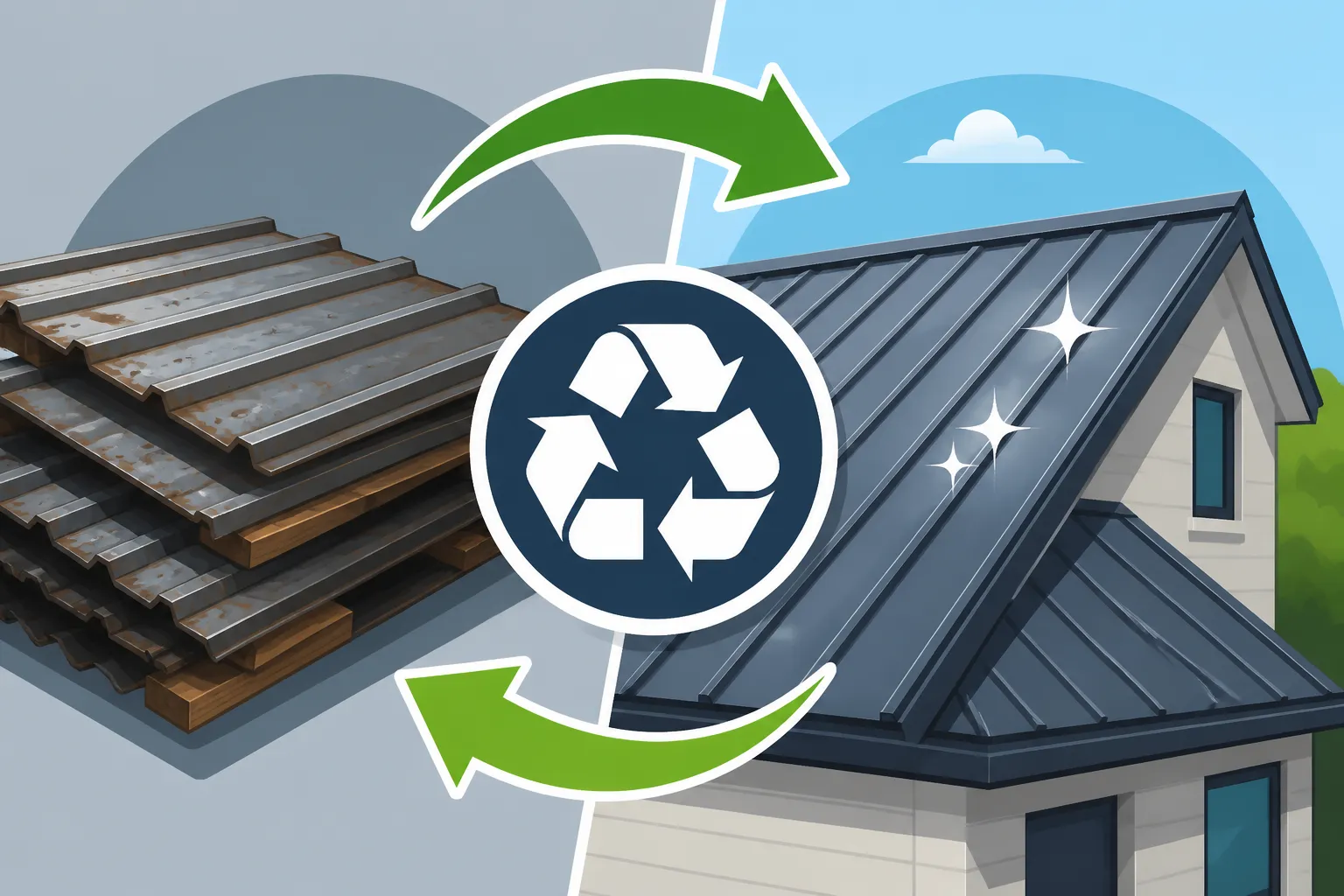
The primary draw of reusing metal roofing panels is, without a doubt, the potential for cost savings. New metal roofing can be a significant investment, especially for high-quality standing seam or copper options. If you could reclaim materials that still have years of life left in them, it would dramatically reduce the material cost for your next project, whether that's a new roof on an outbuilding, a creative accent wall, or even selling them to someone else. There's also a strong environmental benefit; diverting materials from landfills and extending their useful life aligns perfectly with sustainable building practices. For many of us, the appeal of a good DIY project with salvaged materials is also a huge motivator, offering a unique character that new materials just can't replicate. Imagine those weathered corrugated panels adding rustic charm to a new garden shed or an accent wall in a modern farmhouse design.
However, the romantic notion of easy reuse often bumps up against the practical realities of construction and material condition. The effort and specialized skills required to properly remove, clean, and reinstall used panels can quickly negate any initial savings, both in time and potential costs.
The Practical Challenges of Metal Roof Salvage
Before you get too excited about your newfound treasure, it's vital to understand the significant hurdles involved in effectively reusing metal roofing panels. First, the removal process itself is critical. Unlike a simple tear-off where panels might be bent or damaged during demolition, salvaging requires extreme care. Each fastener must be meticulously removed without causing undue stress or holes in the panels. This is especially true for standing seam systems, where the interlocking seams need to be carefully disengaged without deforming the metal. If the panels were installed with exposed fasteners, you'll have hundreds of screw holes that will need to be properly sealed if the panels are to be watertight again, which is a labor-intensive and often problematic endeavor.
Beyond removal, the condition of the panels dictates their suitability for reuse. Even if they appear fine from the ground, closer inspection often reveals hidden damage. Dents, scratches, warped sections, or compromised protective coatings can severely limit their practical application, particularly if you're aiming for a weatherproof roof. Old sealants, debris, and corrosion can also be stubborn to remove, adding another layer of complexity to the restoration process. Furthermore, panels often have specific cuts or profiles tailored to the original roof, making them less adaptable for a new, different-sized, or differently shaped structure.
Factors Determining if Metal Panels are Reusable
The decision to reuse metal roofing panels isn't a simple yes or no. It depends heavily on several key factors, from the current state of the panels to their original composition. Taking the time to assess these aspects can save you a lot of headache and wasted effort down the line.
Condition of the Panels: What to Look For
The most crucial factor is the physical condition of the panels. Begin with a thorough, hands-on inspection. Are there any significant dents or creases? Even minor deformations can compromise a panel's structural integrity and its ability to shed water effectively when reinstalled. Look closely at the finish: are there large areas where the paint or protective coating has chipped, flaked, or faded significantly? While some aesthetic wear might be acceptable for a barn or shed, extensive coating loss can lead to premature rust and corrosion, especially if the base metal is steel. You might even consider having a professional perform a metal roof inspection if you're unsure.
Pay particular attention to the edges and fastener holes. Bent edges or enlarged screw holes from previous installation can make it impossible to create a secure, watertight seal. For exposed fastener systems, every single screw hole needs to be carefully examined. If there's any sign of corrosion around these points, or if the metal itself is thinning, it’s a red flag. Panels that show signs of buckling or "oil canning" (a wavy distortion) might have been under excessive stress or improperly installed previously, and these issues will likely persist upon reinstallation. Remember, the goal is not just to put metal back on a roof, but to create a durable, weather-tight barrier that will perform for years, just like a new roof installation would.
Type and Profile of the Metal Roofing
Not all metal roofing panels are created equal when it comes to reusability. The design and profile play a huge role.
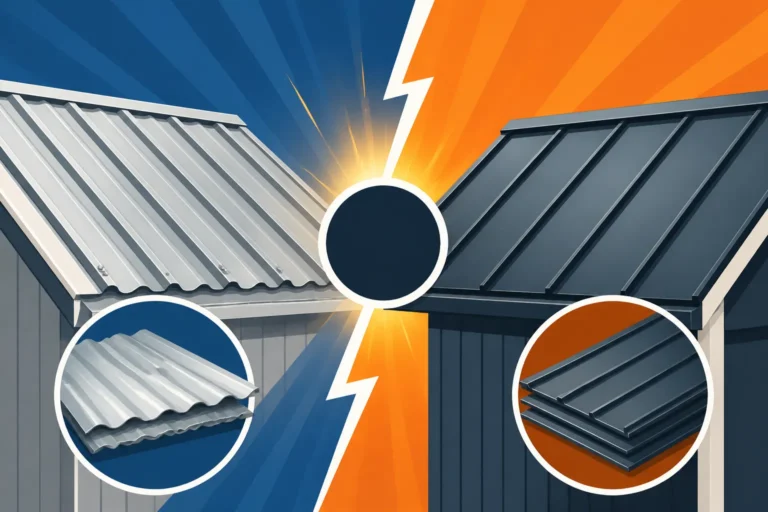
- Standing Seam Panels: These are often the best candidates for reuse. Their concealed fastener system means there are no exposed holes in the panel surface, reducing potential leak points. The panels interlock or are mechanically seamed, making careful removal possible with specialized tools. However, separating those seams without damage requires skill and patience. If you're looking at standing seam metal roof cost, you'll know these are a premium product, so the incentive to reuse is higher, but so is the difficulty.
- Corrugated or Ribbed Panels: These "exposed fastener" systems, like R-panels or 5V Crimp, are very common for agricultural or utility buildings. While the panels themselves can be durable, every screw penetration is a potential weak point. Reusing them means dealing with hundreds of old screw holes. For a utility building, you might just use larger screws and more sealant, but for a residential structure, this is a significant long-term leak risk. You can learn more about what is a corrugated metal roof and its installation challenges.
- Metal Shingles, Shakes, or Tiles: These smaller, interlocking pieces are often designed for a specific fit. Once removed, they can be difficult to piece back together perfectly on a different roof, as their interlocking mechanisms might be damaged during removal. The intricate nature of their installation makes them generally less suitable for straightforward reuse compared to larger panels.
It's also worth considering the gauge of the metal. Thicker, heavier gauge panels (like 24-gauge steel) are more robust and less prone to bending or denting during removal and handling, making them better candidates for reuse than lighter 29-gauge panels. More information can be found in our guide on metal roof gauges explained.
Age and Material Composition
The age of the panels and the type of metal they're made from significantly impact their reusability.
- Age: Even though metal roofs boast impressive lifespans, typically 40-70 years or more, older panels may be nearing the end of their coating's effective life. While the metal itself might still be sound, a worn-out paint system means they'll require recoating sooner, adding to your project costs and labor. An older roof might also be more prone to the invisible stress and fatigue that develops over decades of expansion and contraction. Consider that a metal roof can last for several decades, but its coating might need refreshing after 20-30 years. Our article on metal roof lifespan provides more context.
- Material:
- Steel (Galvanized/Galvalume): Most residential and commercial metal roofs are steel, often coated with zinc (galvanized) or a zinc-aluminum alloy (Galvalume) for corrosion resistance, then painted. These coatings are highly effective, but once compromised by scratches or chips, the exposed steel can rust. If the panels have significant rust, especially through the substrate, they are generally not suitable for reuse where weatherproofing is critical.
- Aluminum: Aluminum panels are excellent for coastal areas because they don't rust. They are lighter and more malleable than steel, which can be both a benefit and a drawback. They're easier to cut and handle, but also more prone to denting and bending during removal. If an aluminum panel is severely creased, it's very difficult to straighten without creating a weak spot. For more on this material, check out metal roofing materials compared.
- Copper or Zinc: These are premium metals known for their exceptional longevity and natural patina. If you're fortunate enough to acquire salvaged copper or zinc panels, they are generally excellent candidates for reuse. Their natural resistance to corrosion means that even if the surface is scratched, the underlying metal remains robust. However, they are soft metals and can be easily dented or creased, which might affect their aesthetic value.
The Process of Safely Removing and Preparing Panels for Reuse
If you've decided that your metal roof panels are good candidates for a second life, the next hurdle is removing them carefully and then getting them ready. This isn't a job for the impatient or ill-equipped.
Tools and Techniques for Careful Removal
Removing metal panels with the intent to reuse them is an art form. It's vastly different from a demolition tear-off. The key is to work slowly and methodically to prevent damage.
Essential Tools:
- Appropriate Fastener Removal Tools: For exposed fastener panels, you'll need a screw gun with the correct bit. For standing seam panels, specialized seam separation tools or panel-specific tools might be necessary, depending on the manufacturer and profile.
- Pry Bars and Hand Tools: Small, non-marring pry bars can help gently lift panels without bending them. Rubber mallets can be useful for tapping seams apart.
- Safety Gear: Always, always prioritize safety. This includes heavy-duty gloves, eye protection, sturdy work boots, and fall protection if working at height.
- Cutting Tools: A metal shear or nibbler might be needed for precise cuts if panels are overlapped or unusually shaped, minimizing damage to adjacent panels. Avoid abrasive cutting tools like angle grinders, which create sparks that can embed in the metal and lead to premature rust.
Techniques for Standing Seam:
For standing seam roofs, the interlocking seams are usually unzipped or disengaged. This often involves specific tools that can separate the crimped or snap-lock seams. Work from one end of the panel to the other, gently prying the seam apart. Avoid brute force, as it can deform the panel edge, making reinstallation impossible. Once the seams are free, carefully remove any clips that secured the panels to the roof deck. These clips are usually concealed underneath the panels. Take care to preserve the clips, as they are essential for reinstallation and are often profile-specific.
Techniques for Exposed Fastener Systems:
With corrugated or ribbed panels, the main challenge is removing the hundreds of screws without stripping them or enlarging the holes. Use a power drill with a clutch set to a low torque setting to gently back out each screw. As each panel is freed, gently lift it to avoid bending the edges. It’s a tedious process, but crucial for maintaining the panel’s integrity. Mark the panels as you remove them to help with reinstallation – sometimes, panels are cut to specific lengths or angles.
Once removed, carefully lower the panels to the ground. Never throw them off the roof, as this will inevitably cause irreparable damage. Stacking them on edge or on a flat surface will prevent warping.
Cleaning and Straightening Salvaged Panels
After removal, your panels will likely be dirty and might have some minor imperfections.
Cleaning:
Start by removing any loose debris, old sealants, and rust spots. A stiff brush or a plastic scraper can tackle most of the surface grime. For more stubborn dirt, mildew, or sap, a mild detergent solution (like dish soap and water) and a soft-bristle brush often work wonders. Rinse thoroughly and allow the panels to dry completely. Avoid harsh chemicals or abrasive cleaners, which can damage the existing coatings. For rust spots, a wire brush might be necessary, followed by a rust-inhibiting primer if you plan to repaint. If you want to know more about keeping your roof pristine, check out our metal roof maintenance guide.
Straightening:
Minor bends or ripples can sometimes be carefully straightened. Lay the panel on a perfectly flat, hard surface. Using a rubber mallet and a wood block, gently tap the affected areas. Work slowly and patiently, applying even pressure. For larger dents or creases, professional metal fabricators might be able to help, but this can quickly outweigh the cost savings of reuse. It's often best to set realistic expectations; severely damaged panels might only be suitable for non-structural, decorative purposes.
Storage Considerations for Future Use
Proper storage is critical to ensure your carefully salvaged panels remain in good condition until you're ready to use them.
- Location: Store panels in a dry, covered area, away from direct sunlight and extreme temperature fluctuations. A garage, shed, or covered carport is ideal. Avoid storing them directly on the ground, as moisture can lead to corrosion.
- Stacking: Stack panels horizontally on sturdy, level supports, such as lumber or concrete blocks. Place spacers (like narrow strips of wood) between each panel or every few panels to allow for air circulation and prevent moisture buildup, which can cause "white rust" on galvanized or Galvalume coatings.
- Protection: Cover the stacked panels with a tarp or breathable cover to protect them from dust, dirt, and accidental damage. Ensure the cover allows for some airflow to prevent condensation.
- Organization: If you have panels of different sizes or conditions, label them clearly. This will make it much easier when you're ready to select panels for your next project.
Remember, improper storage can quickly undo all the effort you put into careful removal and cleaning, leading to warped, scratched, or rusted panels that are no longer usable.
When to Consider Professional Salvage and Installation
While the DIY spirit is strong, sometimes the scope or complexity of reusing metal panels calls for professional help. Understanding when to bring in an expert can save you time, money, and headaches in the long run.
The Expertise of a Specialized Contractor
Attempting to remove or reinstall metal roofing panels, particularly standing seam systems, without proper training or tools can lead to damaged materials, an unsealed roof, or even personal injury. This is where a specialized metal roofing contractor comes into play. Professionals have the experience, the specialized tools, and the techniques to carefully remove panels without compromising their integrity. They understand how different metal roofing types behave and how to handle them properly.
A contractor can also assess the true condition of the panels much more accurately than an untrained eye. They can identify subtle signs of stress, fatigue, or coating damage that might not be obvious to a homeowner. Furthermore, if your goal is to install the salvaged panels on a new structure that requires specific building codes or warranties, professional installation is almost always a must. Trying to DIY a roof with salvaged materials on a primary residence could jeopardize your homeowner's insurance or future resale value if not done correctly. For complex projects, it's often worth consulting services like Modernize, which connects homeowners with experienced roofing professionals who can advise on the feasibility and best practices for using reclaimed materials. A good contractor will tell you upfront if your panels are truly reusable for your intended purpose or if the effort isn't worth it.
Cost vs. Benefit Analysis of Reusing Panels
Ultimately, the decision to reuse metal roofing panels boils down to a thorough cost-benefit analysis. While the initial thought of "free" materials is enticing, the hidden costs can quickly add up.
Considerations for Your Calculation:
- Labor Costs: How much is your time worth? If you're doing the work yourself, factor in the hours for careful removal, cleaning, straightening, and reinstallation. If hiring labor, get quotes for these specific tasks.
- Tool Rental/Purchase: Do you have the specialized tools needed for removal and installation? If not, the cost of renting or buying them will eat into your savings.
- Ancillary Materials: You'll still need new fasteners, sealants, closures, flashing, and possibly new underlayment. These "hidden costs" can be significant. Our guide on metal roof underlayment can help you understand these components.
- Risk of Damage: The higher the risk of damaging panels during removal or reinstallation, the more likely you'll need to purchase new panels to supplement your salvaged stock, diminishing your savings.
- Performance Expectations: For a garden shed, a few dings or imperfect seals might be acceptable. For a primary residence, the need for a perfectly waterproof and aesthetically pleasing roof might mean new materials are the only reliable option.
- Warranty: New metal roofing comes with robust manufacturer warranties. Reused panels, even if installed professionally, will not carry the same warranty protection.
Sometimes, the labor and incidental costs of preparing and reinstalling salvaged panels can approach or even exceed the cost of new, more basic metal roofing options, especially for smaller projects. For example, if you're considering corrugated metal roof cost for a new structure, you might find that the labor to reuse old panels makes new ones more attractive.
| Feature | New Metal Roofing Panels | Reused Metal Roofing Panels |
|---|---|---|
| Material Cost | Higher upfront | Potentially very low or free (material only) |
| Labor Cost | Standard installation time | Higher for careful removal, cleaning, straightening, and reinstallation of individual pieces |
| Condition/Aesthetics | Pristine, uniform, full range of colors/finishes | May have dents, scratches, fading; less uniform |
| Performance | Guaranteed watertight, full manufacturer warranty | Performance depends on original condition and installation quality; no manufacturer warranty |
| Lifespan | Full expected lifespan (40-70+ years) | Reduced lifespan due to age and potential stress from previous use and removal |
| Installation Ease | Straightforward with new, consistent materials | More complex due to varying panel conditions, potential old holes, and intricate handling |
| Leak Risk | Very low when installed correctly | Higher, especially with exposed fastener systems and old holes |
| Environmental Impact | Manufacturing process has an impact, but long lifespan offsets over time | High, diverts waste from landfills, maximizes material utility |
A valuable resource for comparing quotes and finding contractors who are experienced with different project types, including those involving reclaimed materials, is Modernize. They can help you get multiple estimates to truly compare the costs of new versus salvaged installations.
Ultimately, reusing metal roofing panels is certainly possible, but it demands a realistic assessment of the material's condition, the technical skills required, and the total investment of time and resources. For a backyard shed or an aesthetic feature, it can be a fantastic, sustainable option. For a primary roof intended to last decades, the benefits of new materials often outweigh the perceived savings of reuse.
Disclaimer
Please note that the information provided in this guide is for general informational purposes only and does not constitute professional advice. Roofing projects can be complex and dangerous. Always consult with a qualified and licensed metal roofing professional for specific advice tailored to your project and local building codes. Safety should always be your top priority.