What Is the Best Metal Roof for a House?
Choosing the right roof for your home can feel like navigating a maze, especially with so many options promising durability and curb appeal. It's a significant investment, and the last thing you want is buyer's remorse or, worse, a roof that doesn't stand up to your local weather. This comprehensive guide is here to demystify metal roofing, helping you understand the various types available and pinpoint the "best" option for your specific house, climate, and budget, ensuring you make an informed decision that you'll be happy with for decades.
Understanding Your Home's Unique Needs and Climate
Before we even begin to talk about specific metal types or profiles, it's crucial to take a good, hard look at your home itself and the environment it lives in. What works perfectly for a cottage in coastal Florida won't necessarily be the ideal fit for a sprawling ranch in the snowy mountains of Colorado. Every house has its own story, its own set of demands, and its own aesthetic.
Climate Considerations for Metal Roofing
Your local weather patterns are perhaps the single most important factor influencing your metal roof choice. Metal roofs are renowned for their durability, but different metals and coatings perform better under specific environmental stresses.
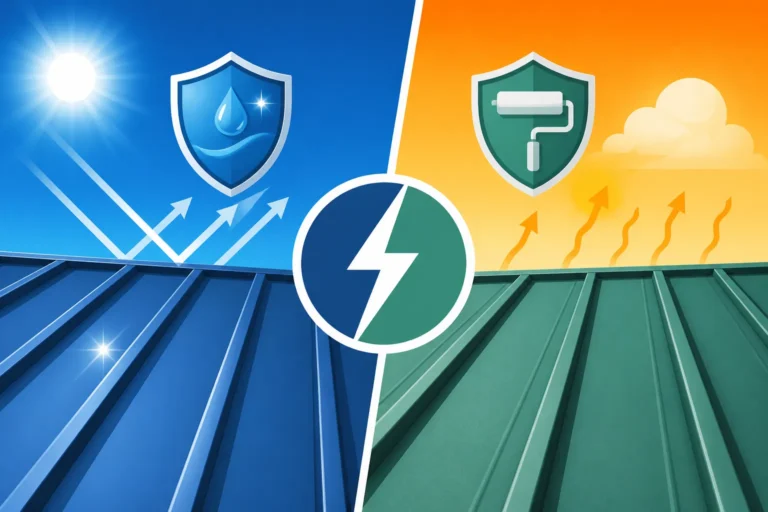
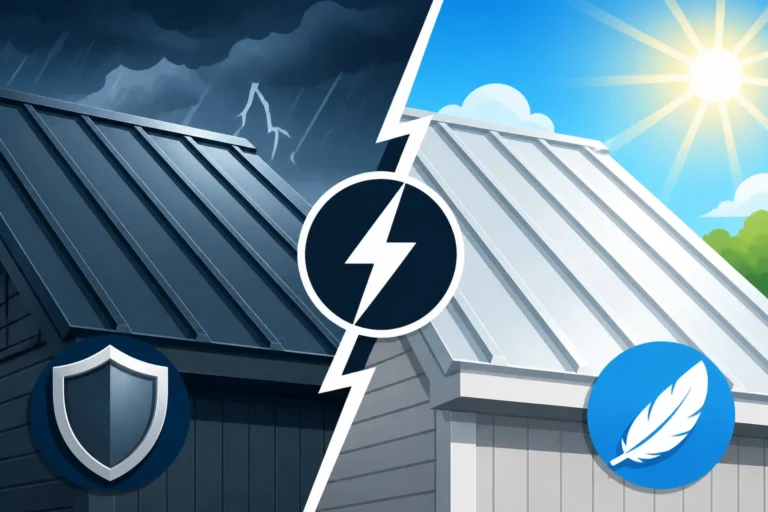
For instance, if you live in an area prone to extreme heat, like much of Arizona or parts of California, you'll want a metal roof with excellent reflective properties to keep your home cooler and reduce energy bills. Lighter colors and special reflective coatings, often made with Kynar 500® (PVDF) or similar finishes, are crucial here. These don't just look good; they actively bounce sunlight away from your home, preventing heat absorption.
On the flip side, if you're dealing with heavy snow and cold climates, such as in the Northeast or Rocky Mountains, the smooth, slick surface of a metal roof can lead to significant snowslides. While this is often seen as a benefit (no heavy snow load sitting on your roof for weeks), it can be dangerous for anything or anyone below. In these cases, you might want to consider the installation of Snow Guards and Winter Metal Roof Issues to manage snow shedding safely. Also, choosing a robust gauge, like a 24-gauge steel, will better withstand heavy ice and snow loads over time.
For homes in coastal areas with salt spray and high humidity, like Florida or parts of the Pacific Northwest, corrosion resistance is paramount. Aluminum is often hailed as the champion in these environments because it naturally forms a protective oxide layer that resists rust, even in the saltiest air. While steel roofs with specialized coatings can work, aluminum offers an extra layer of peace of mind against the relentless elements.
And then there are high-wind areas, including hurricane zones or regions prone to severe thunderstorms. Here, the installation method and panel profile become critical. Standing seam metal roofs, with their hidden fasteners and interlocking panels, are generally superior at resisting wind uplift compared to exposed fastener systems. They are designed to stand up to incredibly strong winds, often exceeding 140-150 mph. Understanding Metal Roof Wind and Fire Ratings Explained is key for ensuring your roof can withstand local conditions.
Roof Pitch and Architectural Style
The aesthetic appeal of your home and its existing architectural style should also guide your selection. A sleek, modern home often pairs beautifully with a clean, continuous What Is a Standing Seam Metal Roof? for its minimalist lines and hidden fasteners. This profile enhances contemporary designs, providing a seamless look that highlights the home's structure.
However, a more traditional or rustic home might look out of place with such a modern roof. For these styles, options like metal shingles, shakes, or tiles that mimic the look of traditional roofing materials—such as wood shakes, slate, or clay tiles—can be a perfect fit. These often come with textured finishes or stone coatings that soften the metallic appearance, blending seamlessly with classic architectural elements. For example, a home with a low-slope roof might benefit from an R-panel or ribbed panel system, which offers excellent water shedding while maintaining a commercial-inspired aesthetic that can work well with certain modern or industrial-farmhouse styles. For homes with very specific design requirements, a company like Modernize can help you connect with contractors who specialize in custom metal roof solutions that respect your home's unique character.
Budget and Long-Term Value
Let's be real, budget is always a factor. While metal roofs typically have a higher upfront cost than asphalt shingles, their long-term value often outweighs the initial expense. You're not just buying a roof; you're investing in decades of protection, minimal maintenance, and potential energy savings.
Consider the Metal Roof Cost: Complete 2026 Guide and think about the entire lifespan. A metal roof can last 50-70 years or even longer, significantly outlasting traditional asphalt shingles which often need replacement every 15-20 years. This means you might only buy one metal roof in your lifetime, compared to two or three asphalt roofs. This extended lifespan contributes to a fantastic return on investment, not to mention the potential Metal Roof Insurance Savings & Discounts that many homeowners enjoy due to metal's superior durability against hail and wind. When weighing costs, remember that the true cost isn't just the price tag today, but the total cost of ownership over its entire life.
Popular Metal Roofing Materials and Their Best Applications
Now that we've considered your home's unique circumstances, let's dive into the various metal roofing materials themselves. Each material offers a distinct blend of durability, aesthetics, and cost, making some better suited for certain applications than others.
Steel Roofing (Galvanized and Galvalume)
Steel is by far the most popular choice for residential metal roofing, and for good reason. It offers an excellent balance of strength, durability, and affordability. When we talk about steel roofs, we're usually referring to either galvanized steel or Galvalume steel.
-
Galvanized Steel: This is steel that has been coated with a layer of zinc, which acts as a sacrificial layer, protecting the steel from rust and corrosion. It's an older, proven technology, and very common for agricultural buildings and some residential applications. While durable, the zinc coating can eventually wear down, especially in harsh environments, making it less ideal for extremely corrosive coastal areas compared to other options. However, for most inland climates, a well-maintained galvanized steel roof with a good paint finish can last for many decades.
-
Galvalume Steel: This is where steel roofing really shines. Galvalume is coated with a mixture of aluminum and zinc (typically 55% aluminum, 43.4% zinc, and 1.6% silicon). This combination leverages the best properties of both metals: the barrier corrosion protection of aluminum and the galvanic protection of zinc. The result is a steel panel that is incredibly resistant to rust and corrosion, performing significantly better than galvanized steel in many environments, including moderate coastal exposure. Galvalume also offers superior heat reflectivity, making it a great choice for hotter climates. Most modern residential steel metal roofs use Galvalume because of its enhanced performance and longer lifespan.
Steel roofs are incredibly versatile and can be formed into almost any profile, from standing seam to metal shingles. They come in a vast array of colors and finishes, allowing homeowners to achieve practically any desired aesthetic. Brands like McElroy Metal and Metal Sales offer a wide range of steel panel options, providing excellent choices for homeowners looking for reliable performance without breaking the bank. For an even deeper dive into this, check out our guide on Metal Roofing Materials Compared: Steel, Aluminum, Copper & Zinc.
Aluminum Roofing
If you live by the ocean or in an area with heavy rainfall and humidity, aluminum roofing might be your best bet. Aluminum is naturally corrosion-resistant, meaning it won't rust, even when exposed to salt spray. This inherent quality makes it a premier choice for homes in coastal and marine environments where other metals might eventually succumb to the elements.
Beyond its rust resistance, aluminum is also incredibly lightweight, which can be an advantage for older homes or structures with less robust framing, as it puts less stress on the roof structure. It’s also an excellent conductor of heat, but when properly coated with reflective pigments, it can be highly energy efficient, bouncing a significant amount of solar radiation away from your home.
The downside? Aluminum is generally more expensive than steel. It's also softer, making it more prone to denting, though modern aluminum panels are designed to be quite robust. Despite the higher cost, its longevity and suitability for specific extreme environments make it a worthwhile investment for many homeowners. Aluminum Roof Cost can give you a better idea of what to expect.
Copper Roofing
For those seeking the ultimate in luxury, longevity, and distinctive aesthetic, copper is an unparalleled choice. Copper roofs are, without a doubt, a premium product. They boast an incredible lifespan, often lasting well over a century, far outliving the homes they protect.
The most striking feature of a copper roof is its evolving beauty. Initially a bright, shiny penny color, copper gradually develops a beautiful, protective green or blue-green patina over time. This patina isn't just visually stunning; it's a natural protective layer that makes the roof virtually maintenance-free and incredibly resistant to corrosion and harsh weather. This makes copper a fantastic choice for homes where a unique, timeless aesthetic is desired, often found on historic homes or high-end custom builds.
Of course, this supreme quality comes with a significant price tag, making copper the most expensive metal roofing material. It also requires specialized installation by experienced craftsmen due to its unique properties and the aesthetic demands. However, for homeowners looking for a legacy roof that will add unparalleled value and beauty, copper is the top-tier option. If you're considering this, our guide on Copper Roof Cost can provide valuable insights.
Zinc Roofing
Much like copper, zinc is another high-end, exceptionally durable, and aesthetically unique metal roofing material. Zinc roofs also develop a natural patina over time, typically moving from a shiny gray to a beautiful matte blue-gray. This patina offers exceptional corrosion resistance and a truly distinctive look that appeals to many architects and homeowners seeking a sophisticated, understated elegance.
One of zinc's most remarkable properties is its "self-healing" ability. Minor scratches and imperfections on the surface will naturally "heal" as the patina reforms over time, extending the roof's aesthetic life and reducing maintenance. Zinc is also incredibly malleable, making it ideal for complex architectural designs and custom fabrication, offering versatility that few other materials can match.
Zinc, like copper, is a significant investment. It's generally more expensive than steel and aluminum but comparable to or slightly less than copper, depending on market conditions and complexity. Its longevity and low maintenance requirements, combined with its unique aesthetic and eco-friendly properties (it's 100% recyclable), make it a fantastic choice for luxury homes and those prioritizing sustainable building practices.
Exploring Metal Roof Profiles and Aesthetics
Beyond the type of metal, the profile or panel style plays a huge role in both the performance and the visual impact of your metal roof. Each profile offers different advantages in terms of installation, durability, and aesthetics, allowing you to fine-tune your choice for the perfect fit.
Standing Seam Metal Roofs
When people think of premium residential metal roofing, they often picture standing seam. This profile features raised, interlocking seams that stand vertically from the roof surface, hence the name. The key advantage of standing seam systems is their hidden fasteners. The panels are attached to the roof deck using clips and screws that are concealed beneath the panels, which means no exposed fasteners to wear out or allow water intrusion over time.
This hidden fastener system significantly contributes to the standing seam's exceptional longevity and weather resistance. It's a favorite in areas with high winds and heavy precipitation because the interlocking seams create a robust, impenetrable barrier against the elements. Aesthetically, standing seam offers a sleek, modern, and clean look that enhances contemporary and traditional homes alike. It creates strong vertical lines that give a sense of height and sophistication to a structure.
There are different types of standing seam, including mechanical seam (where panels are crimped together) and snap-lock (where panels simply snap together). Both offer superb performance, but mechanical seaming often provides slightly better wind resistance and is preferred in the harshest conditions. While Standing Seam Metal Roof Cost is generally higher than exposed fastener systems, the enhanced durability, minimal maintenance, and long lifespan make it a sound investment. If you're aiming for a top-tier metal roof that offers both style and substance, standing seam is usually the go-to choice.
Corrugated and Ribbed Panel Roofs
These profiles are characterized by their wavy (corrugated) or trapezoidal (ribbed) patterns, which give them strength and allow for water runoff. They are typically exposed fastener systems, meaning the screws that attach the panels to the roof deck are visible.
-
Corrugated Metal Roofs: These classic wavy panels are perhaps what many people first imagine when they think of metal roofs, often associated with barns or sheds. However, modern corrugated panels, especially those made with high-quality Galvalume steel and durable paint finishes, are increasingly being used in residential applications, particularly for rustic, farmhouse, or industrial-chic designs. They offer a unique texture and can be quite cost-effective. Check out our guide on Corrugated Metal Roof Cost for more details.
-
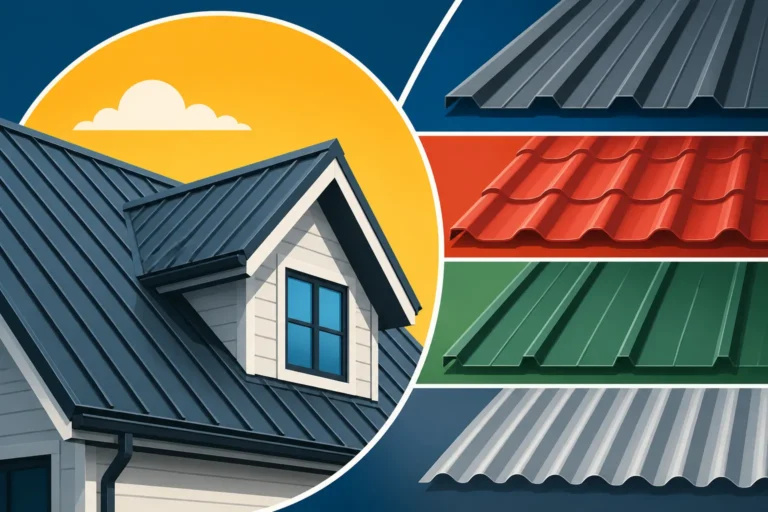
Ribbed Panel Roofs (R-Panel, PBR-Panel, Ag-Panel, 5V Crimp): These panels feature prominent, angular ribs that provide structural integrity and a distinct aesthetic. They are widely used in commercial, agricultural, and industrial buildings but are gaining popularity for residential use, especially for homes with a more modern or utilitarian design. R-panels, for example, are very durable and efficient for large roof areas. 5V Crimp panels offer a more subtle rib pattern, providing a clean look that works well for a classic yet durable roof.
The primary advantage of corrugated and ribbed panel roofs is their affordability and relatively straightforward installation. They are generally less expensive per square foot than standing seam systems. However, because they use exposed fasteners, the rubber washers on the screws can eventually degrade over time, requiring periodic inspection and potential replacement to prevent leaks. This makes them slightly less maintenance-free than standing seam, but still incredibly durable when properly installed and maintained.
Metal Shingles, Tiles, and Slates
If you love the classic look of traditional roofing materials but want the unmatched durability and longevity of metal, then metal shingles, tiles, and slates are fantastic options. These profiles are designed to mimic the appearance of asphalt shingles, clay tiles, wood shakes, or natural slate, but they are made from stamped metal panels (usually steel or aluminum).
- Metal Shingles and Shakes: These are individual metal pieces or large panels designed to look like traditional asphalt or wood shakes. They often have textures and profiles that replicate the grain of wood or the granular surface of asphalt.
- Metal Tiles and Slates: These panels are crafted to emulate the look of clay tiles or natural slate, offering that distinctive European or historic aesthetic without the extreme weight or fragility of genuine tile and slate. Many are stone-coated steel, providing an exceptionally durable finish that resists fading and enhances the traditional look.
The beauty of these options is that you get the aesthetic you desire, often with a wider range of colors than natural materials, combined with the superior performance of metal. They are highly resistant to fire, wind, and hail, and their interlocking designs prevent uplift. Stone-coated steel roofs, for instance, are known for their Class 4 impact resistance rating, which can lead to insurance discounts. The installation process for these can be more involved than large panel systems, but the result is a stunning, long-lasting roof that offers the best of both worlds. Learn more about What Is a Stone-Coated Steel Metal Roof? for an in-depth understanding.
Key Factors to Consider Beyond Material and Profile
Once you've narrowed down your choices based on material and profile, there are still a few critical details that can make a huge difference in the longevity, performance, and ultimate satisfaction with your new metal roof.
Gauge Thickness and Coatings
The thickness of your metal panels, known as the gauge, directly impacts their durability and resistance to impact. For residential applications, you'll typically see gauges ranging from 29 (thinner) down to 22 (thicker). The lower the gauge number, the thicker and stronger the metal.
- 26-gauge and 24-gauge steel are the most common and recommended for residential use, particularly for standing seam systems. A 24-gauge roof offers superior impact resistance against hail and falling debris, and it's less prone to oil canning (a visual waviness in flat metal panels).
- 29-gauge steel is often used for corrugated or exposed fastener panels on agricultural buildings or detached structures like garages, but it's generally considered too thin for a primary residential roof where long-term durability and aesthetics are paramount.
Understanding Metal Roof Gauges Explained: 22, 24, 26 & 29 will help you decide what's right for your home. While a thicker gauge costs more, it's an investment in a tougher, longer-lasting roof.
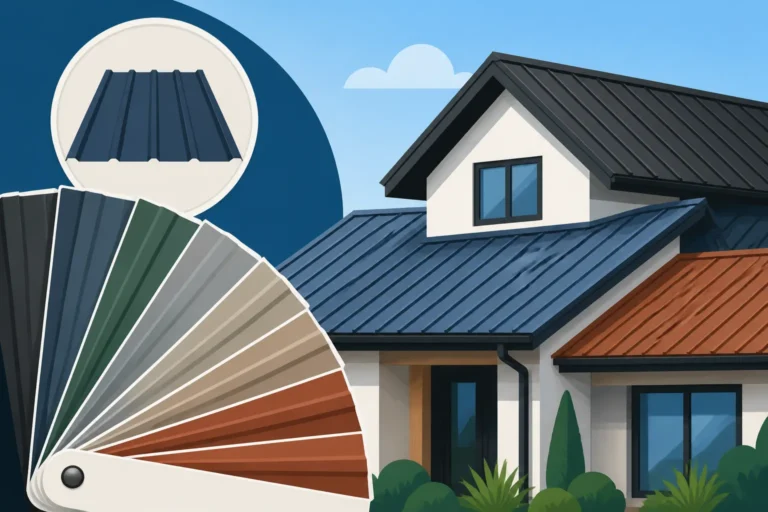
Equally important are the coatings applied to your metal panels. These are not just for color; they provide a vital protective layer that resists fading, chalking, and corrosion. The gold standard for residential metal roofing is a Kynar 500® (or Hylar 5000®) fluoropolymer coating. These high-performance coatings are renowned for their exceptional color retention and resistance to UV degradation, ensuring your roof looks vibrant and new for decades. More economical options like SMP (Silicone Modified Polyester) coatings are also available, offering good performance at a lower price point, but typically with a shorter warranty period for color retention.
When evaluating different quotes, always ask about the gauge and the type of coating. This information is crucial for comparing apples to apples and ensuring you're getting a roof that will truly last.
Installation Expertise
Even the highest quality metal roof material can fail if it's not installed correctly. This isn't a DIY job for most homeowners, nor is it a task for an inexperienced roofer. Metal roofing requires specialized tools, techniques, and an understanding of how metal expands and contracts with temperature changes. A poorly installed metal roof can lead to leaks, panels lifting in high winds, and a significantly shortened lifespan.
Therefore, choosing a reputable and experienced metal roofing contractor is perhaps the most critical decision you'll make in this entire process. Look for contractors who:
- Specialize in metal roofing: Not just general roofers.
- Are licensed, bonded, and insured: This protects you from liability and ensures they're legitimate.
- Offer strong warranties: Both for materials (from the manufacturer) and for their workmanship.
- Have positive references and reviews: Check out their past work and reputation.
Don't be afraid to ask detailed questions about their experience with specific metal types or profiles. For example, installing a standing seam roof is different from installing an R-panel roof, and you want a crew that's adept at the system you choose. Companies like Modernize can help you find qualified professionals in your area. For more guidance on this crucial step, read our article on How to Hire a Metal Roofing Contractor. Getting multiple quotes and understanding How to Read and Compare Metal Roof Quotes will also empower you to make an informed choice.
The Bottom Line: What's the Best Metal Roof for Your House?
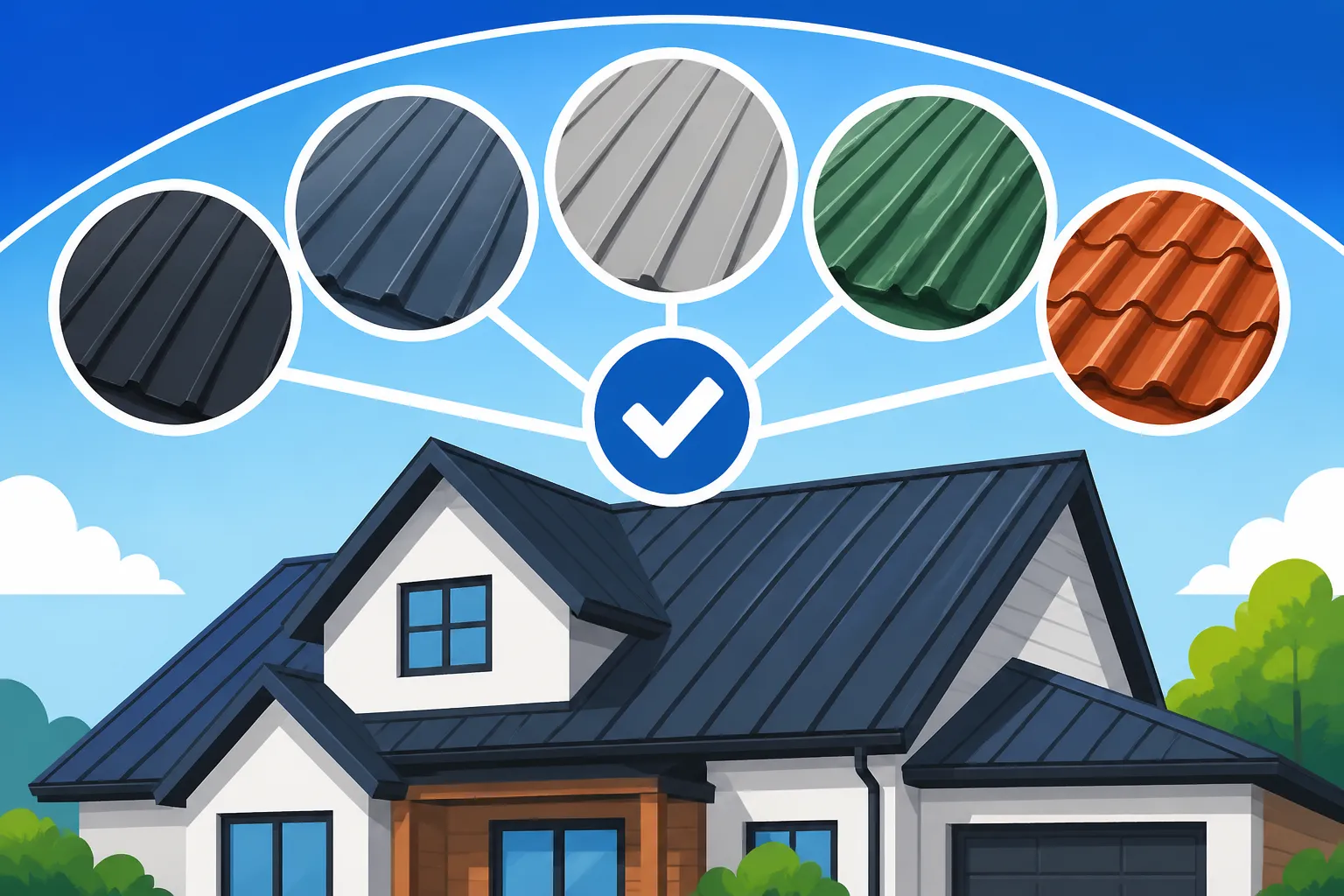
Ultimately, there isn't one single "best" metal roof for every house. The ideal choice is a highly personal one, dictated by a unique blend of factors: your local climate, your home's architectural style, your aesthetic preferences, and, of course, your budget.
For many homeowners, Galvalume steel standing seam or stone-coated steel shingles offer the sweet spot: exceptional durability, great curb appeal, strong warranties, and a cost that, while higher upfront, delivers incredible long-term value and peace of mind. These options stand up well to most climates, look fantastic, and provide decades of protection with minimal maintenance.
However, if you live in a severe coastal environment, aluminum might be the wiser investment due to its unparalleled rust resistance. If you have a historic home or desire a truly unique, long-lasting, and prestigious roof that will only grow more beautiful with age, and budget is less of a concern, then copper or zinc would be the pinnacle choice. If you're on a tighter budget but still want the benefits of metal, a well-installed exposed fastener steel roof can be a very practical and durable option for certain home styles or secondary buildings.
Take the time to assess your specific needs, get several detailed quotes from reputable metal roofing specialists (a service Modernize can facilitate), and don't hesitate to ask all the questions that come to mind. With careful consideration, you'll find the perfect metal roof that will protect your home beautifully for generations to come.
Disclaimer
Please note that this guide provides general information about metal roofing. Building codes, product availability, and recommended installation practices can vary significantly by location. Always consult with a qualified local metal roofing professional and your local building authorities to ensure compliance with all regulations and to receive personalized advice for your specific project.