Do You Need Furring Strips to Install Metal Over Shingles
You’re standing on your lawn, looking up at your tired, old shingle roof, dreaming of that sleek, durable metal upgrade. But then the questions start piling up: Do I really need to tear off all those old shingles? Can I just put metal right over them? And what in the world are "furring strips," and do I need them for that kind of installation? It's a common dilemma, and one that can save you a lot of headache and money if you approach it correctly. This guide will walk you through everything you need to know about using furring strips when installing a metal roof over existing shingles, helping you make a confident, informed decision for your home.
The Core Question: Are Furring Strips Always Necessary for Metal Over Shingles?
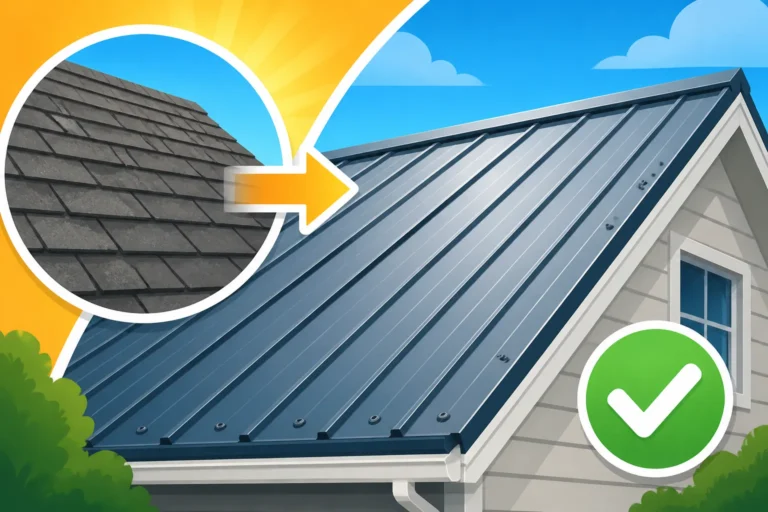
Let's get right to the heart of the matter. Many homeowners are keen on the idea of installing a metal roof directly over their existing asphalt shingles. It sounds like a fantastic way to save on tear-off labor and disposal costs, and often, it is! However, simply laying metal panels directly onto shingles isn't always the best or even a permissible solution. This is where furring strips often come into play, acting as a crucial intermediary.
Understanding the "Why" Behind Furring Strips
Furring strips, essentially long, thin strips of wood or sometimes metal, serve several vital purposes when installing a new roof over an old one. Think of them as creating a strategic air gap and a new, perfectly level substrate.
First and foremost, they create a level plane. Old shingle roofs are rarely perfectly flat. They might have dips, humps, or areas where shingles have curled or settled. If you lay rigid metal panels directly onto an uneven surface, you'll end up with a wavy, unsightly roof that's prone to oil canning and improper fastening. Furring strips are installed strategically to bridge these imperfections, giving your new metal roof a beautifully flat and uniform appearance. Imagine trying to lay a smooth sheet of glass over a crumpled blanket – it just won't work without a flat base underneath.
Secondly, and perhaps most critically, they provide essential ventilation and drainage. Trapping moisture between the new metal roof and the old shingles is a recipe for disaster. This moisture can lead to rot in your roof deck, mold growth, and premature degradation of both the old shingles and the new metal. By creating a continuous air channel between the two roof layers, furring strips allow air to circulate, drying out any condensation that forms and allowing incidental moisture to drain away. This is a huge benefit, especially in humid climates or areas with significant temperature fluctuations. For more on this, check out our comprehensive guide on Metal Roof Underlayment and Ventilation Guide.
Finally, furring strips offer a robust and reliable fastening point. Metal roofing systems, especially those with exposed fasteners, need a solid surface to anchor into. Old shingles are not a structural material; they're just a covering. Fastening directly into them might not provide the necessary holding power, leading to fasteners backing out over time, which can cause leaks and panel movement. Furring strips provide fresh, sound wood (or metal) for screws to grip securely, ensuring the longevity and stability of your new metal roof.
When You Might Get Away Without Them (and the Risks)
While furring strips are often recommended, some specific types of metal roofing or certain installation methods might allow you to skip them, but it’s crucial to understand the risks involved.
For example, some direct-fastened corrugated or R-panel systems can sometimes be installed directly over a single layer of existing asphalt shingles, particularly if the old roof is exceptionally flat and in decent condition. In these cases, the installer might use longer screws that penetrate through the shingles and into the roof deck. The corrugations themselves create a small air gap, offering minimal ventilation. However, this method still carries significant risks. The old shingles will still trap heat and moisture, potentially accelerating rot in the roof deck beneath. Furthermore, the unevenness of the old shingles can still cause the new metal panels to warp or ripple, compromising aesthetics and structural integrity.
Another scenario is when stone-coated steel shingles or tiles are used. These often come with their own integrated fastening systems and are designed to mimic traditional roofing materials. Some manufacturers permit direct installation over existing shingles, especially if the underlying roof is flat and well-maintained. Yet, even in these cases, ventilation remains a concern, and consulting the specific manufacturer's instructions is paramount. Ignoring these guidelines could void your warranty, which leads us to a critical point: always check manufacturer specifications and local building codes.
The biggest risk of skipping furring strips is premature roof failure. Without proper ventilation, the trapped moisture can lead to a host of problems. Imagine a hot summer day in Florida: the metal roof gets intensely hot, then a sudden thunderstorm rolls in, causing rapid cooling. Condensation will form on the underside of that metal panel, dripping onto the old shingles. Without an air gap, that moisture has nowhere to go. Over weeks and months, this can lead to mold, mildew, and rotting of the plywood or OSB roof deck. This isn't just a hypothetical problem; it's a common failure mode for improperly installed metal-over-shingle systems. You might save a few bucks upfront by skipping furring strips, but you'll almost certainly pay more in repairs down the line, potentially negating any long-term savings of a metal roof.
The Benefits of Using Furring Strips for a Metal Roof Overlay
Choosing to install a metal roof over existing shingles with furring strips is often the smartest move, offering a suite of benefits that contribute to the longevity, performance, and overall value of your new roof. It’s an investment that pays off in peace of mind and structural integrity.
Enhancing Ventilation and Preventing Condensation
One of the most powerful reasons to use furring strips is the dramatic improvement in roof ventilation. When you install metal over shingles, you're essentially creating a new, separate roof system. The space created by the furring strips forms a continuous air channel, often called a "vented batten system."
This air channel allows for what's known as convective airflow. Hot air that builds up between the metal and the old shingles (or the roof deck itself) can rise and escape through ridge vents, while cooler air is drawn in through soffit vents. This constant movement of air achieves several things:
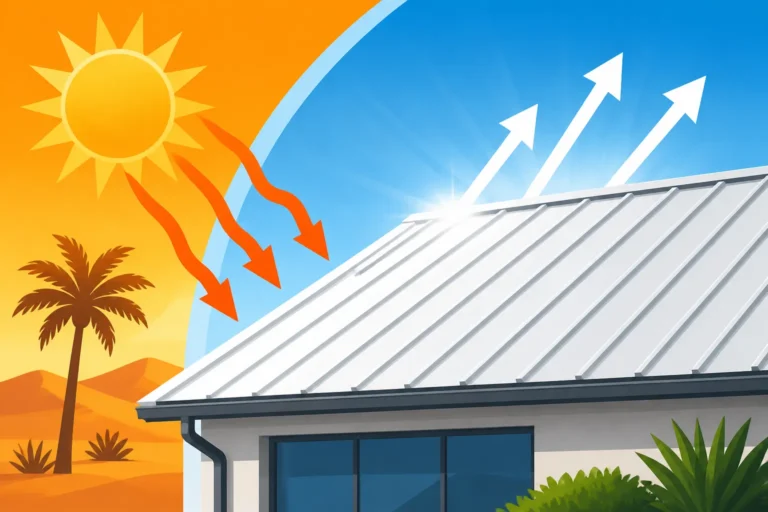
- Reduces Heat Buildup: Metal roofs are excellent at reflecting solar radiation, but some heat can still transfer to the underside. The air gap helps dissipate this heat, leading to a cooler attic and potentially lower energy bills.
- Prevents Condensation: As mentioned, condensation is a serious enemy of roofing systems. When warm, moist air meets the cooler underside of a metal panel, water droplets form. The air gap created by furring strips allows this moisture to dry out quickly before it can cause damage to the roof deck or the old shingle layer underneath. This is especially vital in climates with high humidity or wide temperature swings, like the kind you'd find in Houston or Orlando.
- Improves Moisture Drainage: If any water does somehow get under the metal panels (perhaps from a wind-driven rain or compromised flashing), the air channels provide a pathway for it to drain safely off the roof, rather than getting trapped and soaking into the underlying materials.
This enhanced ventilation not only protects your roof structure but also contributes to the efficiency of your home. It’s a win-win situation for your roof and your wallet.
Creating a Level and Stable Fastening Surface
Think about the life of an old asphalt shingle roof. It's been battered by sun, rain, hail, and wind. Shingles curl, edges lift, and the overall surface can become quite uneven. Trying to install rigid metal panels directly onto this wavy landscape is like trying to put a fitted sheet on a lumpy mattress – it simply won't look good or perform optimally.
Furring strips solve this problem beautifully. Installers meticulously place and shim these strips to create a perfectly flat and uniform plane across the entire roof. This eliminates waviness and oil canning (the visual distortion or rippling that can occur on flat metal panels). A level surface ensures that each metal panel lies flat and interlocks correctly with its neighbors, which is critical for systems like standing seam.
Beyond aesthetics, a level surface is fundamental for the structural integrity and watertightness of the metal roof. When panels are installed on an even plane, they are less likely to experience stress, shifting, or fastener pull-out. This leads to:
- Secure Fastening: Screws penetrate straight into solid wood (the furring strip), providing maximum holding power. This is particularly important for wind resistance.
- Proper Panel Alignment: A level base allows panels to align perfectly, ensuring that seams and overlaps are tight and functional, dramatically reducing the risk of leaks. For more on what components ensure a leak-free system, explore Metal Roof Components & Accessories Explained.
- Enhanced Durability: By minimizing stress on the panels and fasteners, the overall lifespan of the metal roof is extended, making your investment truly pay off over the decades.
Addressing Local Building Codes and Warranty Requirements
Navigating local building codes and understanding warranty specifics can feel like reading a foreign language. However, when it comes to installing a metal roof over existing shingles, these are two non-negotiable areas where furring strips often play a critical role.
Many municipalities, especially in regions prone to severe weather like Florida or coastal areas, have strict building codes regarding roof installations. These codes are designed to ensure public safety and structural resilience. Some codes mandate a specific type of underlayment or ventilation system when re-roofing over existing materials. In many cases, the air gap provided by furring strips helps meet these ventilation requirements, ensuring your installation is up to code. For example, some jurisdictions might require a "cold roof" system or a specific amount of airspace to prevent heat transfer and condensation, and furring strips are a primary method to achieve this. You can dive deeper into regulations with our article on Metal Roof Building Codes Explained.
Equally important are manufacturer warranties. Leading metal roofing manufacturers offer robust warranties, often extending 30-50 years or more, on their materials and finishes. However, these warranties are typically contingent upon proper installation methods. If a manufacturer's guidelines for installing their product over existing shingles specify the use of furring strips – which many do, particularly for standing seam or metal shingle systems – failing to use them could completely void your warranty. Imagine spending thousands on a premium metal roof only to find out your 50-year warranty is worthless because a shortcut was taken during installation!
When you're comparing bids, always ask prospective contractors to detail their proposed installation method for going over existing shingles. A reputable contractor, like those found through services such as Modernize, will be well-versed in local codes and manufacturer requirements and will be transparent about the necessity of furring strips. They should be able to show you how their installation plan adheres to both. Don’t hesitate to ask about Metal Roof Warranties: Workmanship vs Manufacturer to fully understand what’s covered.
The Installation Process with Furring Strips: A Step-by-Step Overview
Understanding why furring strips are important is one thing, but knowing how they're integrated into the installation process gives you a clearer picture of the project. It's a precise job that requires skill and attention to detail, which is why hiring an experienced metal roofing contractor is so crucial. If you're wondering about the overall steps for a metal roof, you can read our Metal Roof Installation Process: Step by Step guide.
Preparing the Existing Roof
Before any new materials go up, the existing shingle roof needs some tender loving care. This isn't just about cleaning; it's about ensuring a sound foundation for the furring strips.
The first step is a thorough inspection of the current shingle roof. The contractor will look for any significant damage, soft spots, or areas of severe rot. While furring strips can bridge minor imperfections, they aren't a magic fix for a severely compromised roof deck. If there are signs of extensive water damage, widespread soft spots, or more than one layer of old shingles, a full tear-off might be recommended instead. Remember, adding a metal roof (even with furring strips) still adds weight, and the underlying structure needs to be solid enough to support it.
Next, any loose or protruding shingles need to be secured or flattened. Large bumps or humps should be addressed to create the most uniform surface possible before the strips are laid. This might involve nailing down curled shingles or removing particularly problematic areas. Any significant debris, such as leaves, branches, or loose granules, will also be cleared. This ensures a clean base and helps prevent foreign objects from interfering with the furring strip placement.
Finally, a high-quality underlayment is typically installed directly over the existing shingles. This acts as a crucial secondary barrier against moisture. Even with the ventilation provided by furring strips, an underlayment offers an extra layer of protection, particularly useful during the installation process or if a rare leak were to develop. There are different types of underlayment, from synthetic to traditional felt, each with its own benefits.
Laying Out and Securing the Furring Strips
This is where the precision work truly begins. The layout of the furring strips is critical for the success of the metal roof installation.
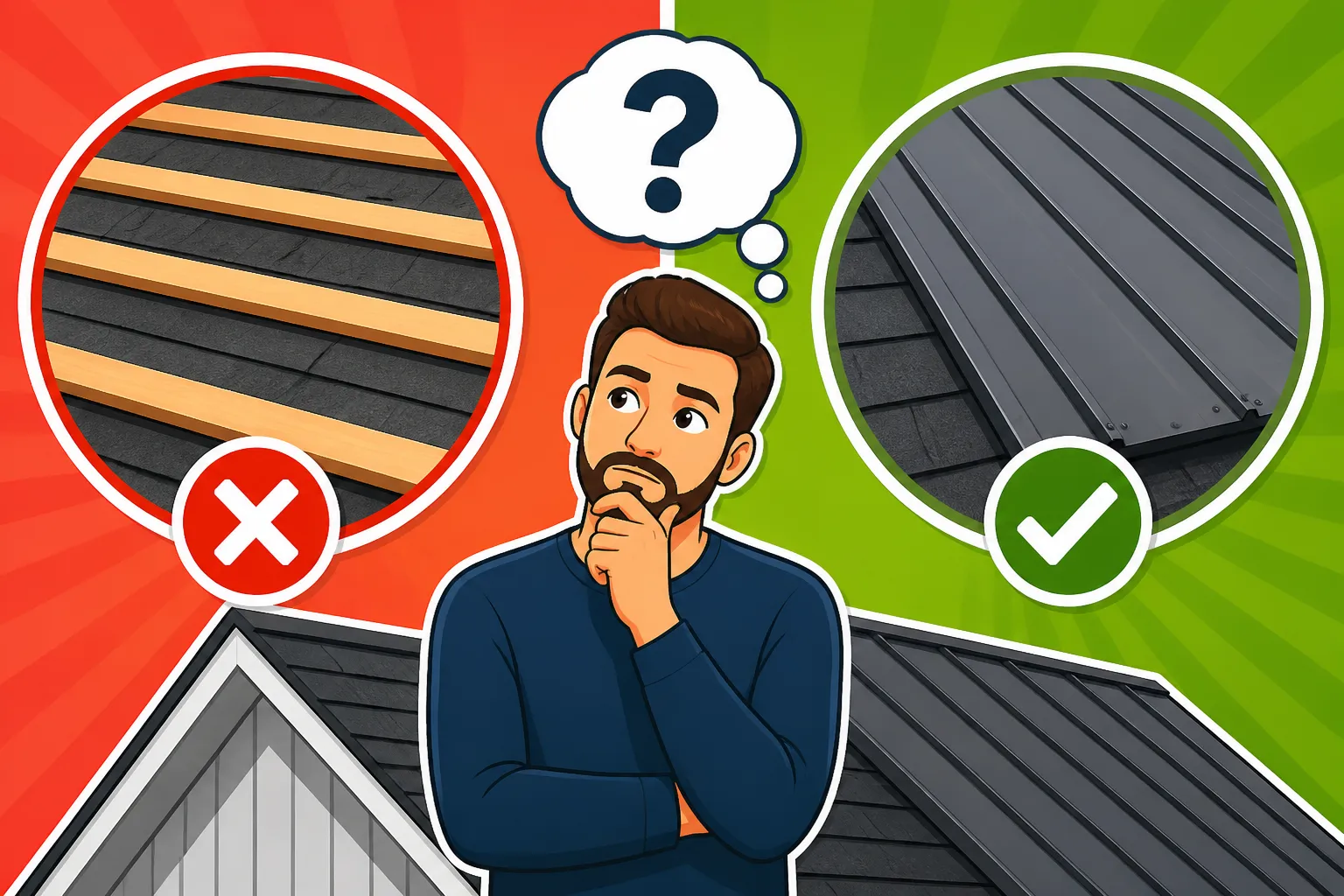
Furring strips are usually 1×3 or 1×4 lumber, treated to resist moisture and insects. They are installed either vertically (perpendicular to the eaves) or horizontally (parallel to the eaves), depending on the metal roofing system being used.
- Vertical Furring Strips: Often used with horizontal metal panels or systems where continuous ventilation from eave to ridge is prioritized. These strips typically run from the eave up to the ridge.
- Horizontal Furring Strips: Commonly used with vertical metal panels (like standing seam) where the panels are fastened directly into the strips. These strips are spaced according to the panel length and fastening points.
The spacing and alignment are incredibly important. Installers use chalk lines and levels to ensure the strips are perfectly straight and evenly spaced. They will typically shim the strips as needed to create that perfectly flat plane, compensating for any dips or humps in the old shingle roof. This might involve placing small pieces of wood or composite material under the strips in certain areas.
Securing the furring strips properly is non-negotiable. They are typically fastened with long screws that penetrate through the old shingles and underlayment, deep into the roof deck (plywood or OSB) or even into the rafters for maximum hold. The type and length of fasteners are chosen to match the thickness of the furring strips and the underlying roof structure, ensuring a secure attachment that can withstand wind uplift and the weight of the new metal roof. This robust fastening creates the solid substrate that the new metal panels will eventually attach to.
Installing the Metal Panels
Once the furring strip grid is securely in place, the stage is set for the main event: installing the metal panels themselves. This is where the benefits of the furring strip system truly shine.
With a perfectly level and stable network of furring strips, the metal panels can be installed with incredible precision. For standing seam panels, the clips are typically fastened directly into the furring strips, which then hold the panels in place. The seams are then mechanically seamed or snapped together, creating a watertight seal. This method benefits immensely from a flat substrate, ensuring the seams engage correctly and consistently across the entire roof. For more details on this popular profile, explore Standing Seam Metal Roof Cost.
For exposed fastener systems (like corrugated or R-panel), the screws that secure the metal panels penetrate directly through the pre-drilled holes in the panel, through the furring strip, and into the roof deck. The furring strip provides the dense wood material needed for the screw threads to grip firmly, unlike the softer, less stable asphalt shingles. This results in a much more secure and long-lasting connection, preventing screws from loosening or backing out over time – a common issue with direct-over-shingle installations that skip furring strips.
The presence of the furring strips also simplifies the management of thermal expansion and contraction inherent in metal roofing. By providing a stable, ventilated layer, the system can better accommodate the subtle movements of the metal panels as temperatures fluctuate throughout the day and seasons. This reduces stress on the fasteners and panels, contributing to the roof's overall durability and preventing issues like buckling or excessive noise. The entire installation, from the initial preparations to the final panel placement, becomes a more reliable and structurally sound process due to the thoughtful inclusion of furring strips.
Potential Downsides and Considerations When Using Furring Strips
While furring strips offer significant advantages, it wouldn't be a realistic discussion without acknowledging their potential drawbacks. Every roofing decision involves trade-offs, and understanding these can help you weigh your options accurately.
Increased Material and Labor Costs
Let's face it, adding an extra layer of material and an additional step to the installation process will inevitably affect the overall project cost. This is often the primary reason homeowners hesitate when furring strips are recommended.
First, there's the cost of the furring strips themselves. While individual strips might not seem expensive, covering an entire roof adds up. You'll need to purchase enough treated lumber to create a grid system, which can amount to hundreds, if not thousands, of dollars depending on the roof size and complexity. For a rough idea of how various factors impact your bottom line, consider our detailed guide on Metal Roof Cost Per Square Foot.
Second, and often more significantly, is the increased labor cost. Installing furring strips is a labor-intensive process. It involves careful measurement, cutting, shimming to ensure a level surface, and securely fastening each strip. This extra work adds hours, if not days, to the installation timeline. Roofers charge for their time and expertise, so more labor translates directly to a higher project price. While installing metal over existing shingles can often be a way to save compared to a full tear-off, the addition of furring strips can narrow that cost gap. You might find that the Tear-Off vs Metal Over Shingles: Cost Difference becomes less pronounced once furring strips are factored in.
It's tempting to try and save money by skipping this step, but as we’ve discussed, the potential long-term costs of a compromised roof often far outweigh the initial savings on materials and labor. When getting quotes, ask for a clear breakdown of costs, distinguishing between a direct overlay and an overlay with furring strips.
Added Roof Height and Weight
Another consideration, though often minor, is the impact on your roof's profile and the overall load it adds to your home's structure.
Furring strips, typically 1×3 or 1×4 lumber, will add approximately 1 to 1.5 inches of height to your roof. This might not sound like much, but it can subtly alter the roofline, particularly at the eaves and gables. While usually not a significant aesthetic concern for most homes, it's something to be aware of. It also means that existing flashing, fascia, and gutter connections might need slight adjustments or extensions to properly integrate with the new, slightly elevated roof surface.
The addition of furring strips also contributes to the overall weight on your roof structure. While metal roofs are generally lighter than many traditional materials (like tile or even some heavy architectural shingles), adding a full grid of lumber beneath them does increase the load. For most residential homes with standard framing, this added weight is well within acceptable limits and poses no structural threat. However, for older homes, homes with existing structural issues, or those with unique architectural designs, it's always wise to have a qualified professional assess the existing roof structure to ensure it can adequately support the additional load. A good roofing contractor will often include this structural assessment as part of their initial evaluation.
Finding the Right Contractor for the Job
This might be the most critical consideration of all. Installing a metal roof, especially over existing shingles with furring strips, is a specialized skill that requires expertise beyond what a general roofing crew might possess.
Not all roofers are equally proficient in metal roofing. Metal panel systems, particularly standing seam, demand precision in measurement, cutting, and fastening. When you add furring strips to the equation, the complexity increases. The contractor needs to understand:
- Proper Shimming and Leveling: The ability to create a perfectly flat plane with furring strips is an art form. An inexperienced installer might lay strips unevenly, leading to a wavy finished roof or improper panel engagement.
- Ventilation Design: They must know how to design the furring strip system to create optimal airflow from eave to ridge, ensuring proper ventilation and moisture management.
- Fastener Selection and Placement: Choosing the correct type and length of screws and understanding appropriate fastening patterns for both the furring strips and the metal panels is vital for structural integrity and warranty compliance.
- Local Codes and Manufacturer Specs: A knowledgeable contractor will be up-to-date on all relevant local building codes and will strictly adhere to the metal panel manufacturer's installation guidelines to ensure your warranty remains valid.
Hiring an underqualified contractor for this specific type of installation is a recipe for disaster. You could end up with a beautiful-looking roof that hides serious underlying problems, leading to premature leaks, mold, and costly repairs down the road. This is why resources like Modernize are so valuable, as they can connect you with experienced, local professionals. Take the time to ask detailed questions about their experience with metal-over-shingle installations, request references, and review their previous work. Learning How to Hire a Metal Roofing Contractor is paramount to a successful project.
Here's a quick comparison of the pros and cons:
| Feature | With Furring Strips | Without Furring Strips (Direct Overlay) |
|---|---|---|
| Ventilation | Excellent airflow, reduces condensation & heat buildup | Minimal to no airflow, high condensation risk |
| Surface Levelness | Creates perfectly flat plane, prevents oil canning | Prone to waviness, oil canning, and panel distortion |
| Fastening Security | Robust, secure attachment to solid wood | Less secure, prone to fastener pull-out from old shingles |
| Moisture Management | Allows drainage and drying | Traps moisture, risk of rot and mold |
| Compliance & Warranty | Often meets codes and maintains manufacturer warranty | May violate codes, risk of voiding warranty |
| Cost (Initial) | Higher (materials + labor) | Lower (saves on materials + labor) |
| Roof Height/Weight | Slightly increased | Minimal increase |
| Durability/Lifespan | Maximized, long-term performance | Compromised, higher risk of premature failure |
Choosing to go with furring strips is an investment in your roof's long-term health and performance, ensuring you get the full benefits of a durable metal roof.
Disclaimer
Please remember that this article provides general information and recommendations. Every roofing project is unique, and local building codes, climate conditions, and the specific state of your existing roof can vary significantly. Always consult with a qualified, licensed, and insured metal roofing contractor in your area for a professional assessment and accurate recommendations tailored to your specific situation. They can provide detailed quotes and ensure your project complies with all local regulations and manufacturer warranty requirements.