Is 26 Gauge Metal Roof Good Enough for a House
Deciding on a new roof can feel like navigating a maze, especially when you start digging into the nitty-gritty details like metal roof gauges. You're probably wondering if that 26-gauge option you've heard about is truly robust enough to protect your most valuable asset, your home, or if it's cutting corners. This comprehensive guide is here to demystify metal roof gauges, specifically focusing on whether 26-gauge metal roofing is a smart and durable choice for residential applications.
Understanding Metal Roof Gauges
When you hear terms like "26-gauge" or "24-gauge" in relation to metal roofing, it's easy to get confused. It sounds technical, and honestly, many homeowners just want to know if it's strong enough! Let's break down what gauge actually means and why it's a critical factor in your roofing decision.
What "Gauge" Actually Means for Metal Roofing
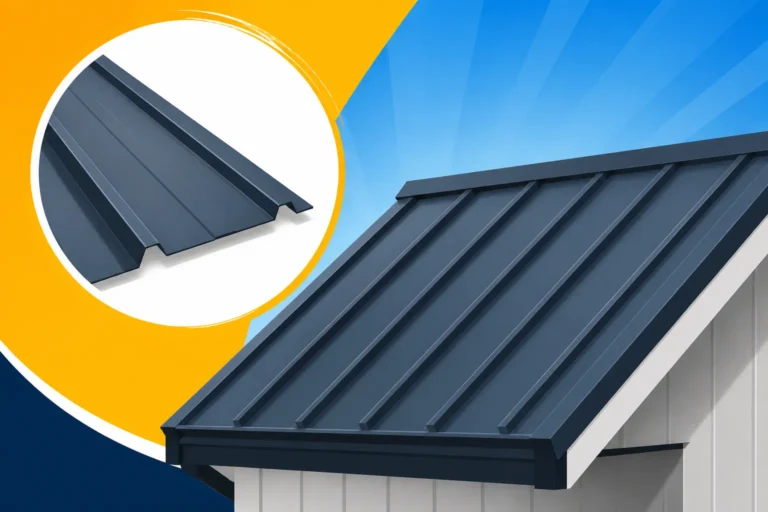
In the world of metal, the term "gauge" refers to the thickness of the metal sheet. Here's the kicker, and this is where it often trips people up: the lower the gauge number, the thicker the metal. So, a 24-gauge panel is actually thicker and therefore generally more rigid and durable than a 26-gauge panel. Conversely, a 29-gauge panel, which has a higher number, is thinner than both 26-gauge and 24-gauge.
This inverse relationship is important to grasp because it directly impacts the material's strength, its resistance to impact, and ultimately, its lifespan and how well it stands up to the elements. Thicker metal means more material, which typically translates to higher costs but also increased resilience. Understanding this fundamental concept is the first step toward making an informed decision about your roof.
Common Residential Metal Roof Gauges
For residential metal roofing, you'll most commonly encounter a few specific gauges. The most popular ranges from 29-gauge to 24-gauge, with 22-gauge sometimes used for specific high-performance or commercial applications that occasionally cross over into luxury residential projects.
- 29-gauge: This is on the thinner side, often used for agricultural buildings, sheds, or very budget-conscious residential projects where extreme durability isn't the absolute top priority. It's lighter and more susceptible to denting.
- 26-gauge: This is a very common choice for residential metal roofing. It strikes a balance between cost-effectiveness and durability, making it a popular option for many homeowners.
- 24-gauge: A step up in thickness and durability from 26-gauge, 24-gauge is often considered a premium residential option. It offers enhanced resistance to dents and dings and is typically recommended for areas with harsher weather conditions or for homeowners seeking maximum longevity.
- 22-gauge: This is the thickest of the commonly discussed options, frequently reserved for commercial buildings or high-end residential projects where superior strength and impact resistance are paramount.
When you're comparing options, don't just look at the price tag; consider the gauge number and what it implies for the structural integrity and long-term performance of your roof. Different manufacturers, like those offered through platforms like Modernize, will provide detailed specifications on the gauges they use.
Is 26 Gauge Metal Roof Good Enough? The Pros and Cons
This is the million-dollar question for many homeowners exploring metal roofing. On one hand, a 26-gauge roof is more affordable and widely available. On the other, the idea of a "thinner" metal can make anyone pause. Let's weigh the advantages and potential drawbacks to help you decide.
Advantages of 26-Gauge Metal Roofing
One of the biggest draws of 26-gauge metal roofing is its cost-effectiveness. When you're looking at the initial investment for a metal roof, which can be significantly higher than traditional asphalt shingles, every bit of savings helps. Opting for 26-gauge over 24-gauge can shave off a noticeable amount from the total project cost, making a durable, long-lasting metal roof more accessible for more homeowners. This makes it a compelling option for those who want the benefits of metal roofing without the top-tier price tag. You might want to explore the overall Metal Roof Cost: Complete 2026 Guide to get a broader understanding of pricing.
Beyond just the price, 26-gauge metal is also lighter than its thicker counterparts. This can sometimes simplify the installation process, potentially reducing labor costs. A lighter roof also puts less stress on your home's existing structure, which can be a consideration for older homes or those with less robust framing. It's still incredibly strong and durable compared to many other roofing materials, but its slightly lighter nature can be an advantage during installation.
Finally, 26-gauge metal roofing is widely available and often comes in a vast array of colors and profiles, from standing seam to corrugated panels. This means you'll have plenty of aesthetic choices to match your home's style. Its popularity ensures that many roofing contractors are highly familiar with working with this gauge, which can lead to smoother, more efficient installations.
Potential Drawbacks and Considerations
While 26-gauge offers many benefits, it's crucial to be realistic about its limitations. The primary concern for many homeowners is durability and dent resistance. Because it's thinner than 24-gauge or 22-gauge, a 26-gauge metal roof is generally more susceptible to denting from significant impacts, such as large hail or falling tree branches. In regions prone to severe weather, especially hailstorms, this can be a significant concern. You might find yourself needing Metal Roof Dent Repair From Hail more frequently if you opt for a thinner gauge in such areas.
Another consideration, though often overstated, is noise. While all metal roofs can be louder during heavy rain or hail compared to asphalt, a thinner gauge might theoretically transmit slightly more sound. However, modern installation techniques, including proper underlayment and decking, largely mitigate this issue. Don't let this be a sole deciding factor without investigating specific soundproofing solutions.
Finally, there's the aesthetic aspect of oil canning. Oil canning refers to visible waviness or distortion in flat metal panels, especially standing seam panels. While not a structural defect, it can be an aesthetic concern. Thinner gauges like 26-gauge, particularly in wider panels, can sometimes be more prone to showing oil canning compared to thicker 24-gauge panels due to their increased flexibility. This is something to discuss with your contractor, as proper installation techniques and panel design can help minimize its appearance.
Factors Influencing the Suitability of 26-Gauge for Your Home
Choosing a metal roof gauge isn't a one-size-fits-all decision. What works perfectly for a home in a mild climate might be inadequate for another facing extreme weather. Several factors should influence your decision on whether 26-gauge is the right fit for your particular house.
Local Climate and Weather Conditions
This is perhaps the most critical factor. Think about the typical weather patterns where you live.
- Hail: If your area frequently experiences hailstorms, especially those with larger hail (golf-ball size or larger), a 26-gauge roof might be more vulnerable to cosmetic denting than a thicker 24-gauge. While such dents are often only aesthetic and don't compromise the roof's integrity, they can be an eyesore and potentially affect resale value. In regions like Texas or Colorado, where hail is common, many homeowners lean towards thicker gauges for peace of mind. For more on this, check out Metal Roof Hail Damage and Insurance Claims.
- Snow Load: In areas with heavy snowfall, the weight of accumulated snow can be substantial. While a 26-gauge roof is structurally sound for most residential applications, a thicker gauge might offer an additional layer of robustness against extreme snow loads, though proper roof design and framing are usually more critical here.
- Wind: Metal roofs are renowned for their excellent wind resistance. Both 26-gauge and 24-gauge, when properly installed with appropriate fasteners and panel profiles, can withstand very high winds. However, thicker gauges can sometimes offer marginal improvements in panel rigidity, which might be a factor in extreme hurricane zones. Proper installation is far more important than a slight gauge difference for wind resistance.
Roof Structure and Pitch
The design of your roof also plays a role. A very steeply pitched roof sheds water and debris more effectively and might experience less direct impact from falling objects or foot traffic, making a 26-gauge a very viable option. On the other hand, a lower-slope roof, while still suitable for metal, might benefit from the added rigidity of a thicker gauge to minimize the appearance of oil canning, especially if you're opting for wider panels. The underlying decking and support structure also contribute to the roof's overall strength and how well it supports the metal panels. You can learn more about how this impacts your decision in our guide on Metal Roof Decking Requirements.
Consider also the profile of the panel. A corrugated or ribbed panel inherently has more structural rigidity than a flat panel due to its shape, even at a 26-gauge. Standing seam panels, particularly those with wider flat pans, might show oil canning more readily in a thinner gauge than a similar panel with narrower pans or a corrugated design.
Type of Metal Panel and Fasteners
The specific type of metal panel you choose will also influence the suitability of 26-gauge.
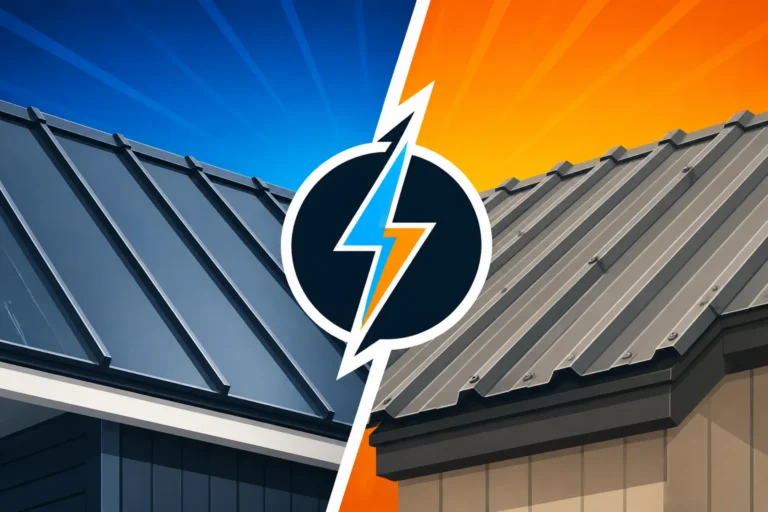
- Exposed Fastener Systems: These systems, often seen with corrugated or R-panel profiles, use screws that go directly through the metal panel into the roof deck. Because the panels are directly secured at multiple points, they tend to be quite rigid, and 26-gauge is often an excellent choice for these systems. The rigidity provided by the fastening pattern helps compensate for the slightly thinner material.
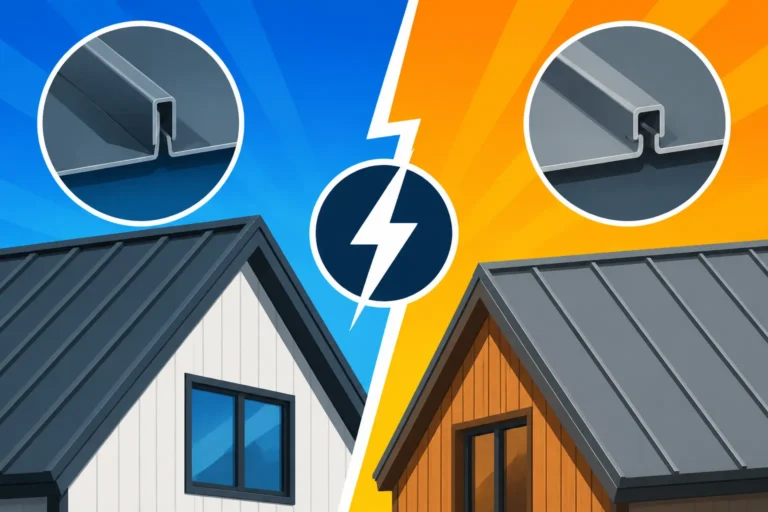
- Concealed Fastener (Standing Seam) Systems: These panels are typically fastened to the roof deck using clips hidden beneath the seams. The metal panels themselves are not punctured by fasteners on the exposed surface. While 26-gauge standing seam is very popular, the larger, flatter pan areas can sometimes make oil canning more noticeable. For homeowners prioritizing a perfectly flat, pristine aesthetic on a standing seam roof, particularly with wider panels, upgrading to 24-gauge might be a worthwhile investment. This difference is also relevant when considering Standing Seam vs Exposed Fastener: Which Lasts Longer.
For both types, the quality and quantity of fasteners are paramount. A poorly installed roof, regardless of gauge, will not perform as expected. This highlights why choosing a reputable contractor is crucial.
Aesthetic Expectations and Home Value
Finally, your personal aesthetic preferences and long-term home value goals should factor into your decision.
- Aesthetics: If you are highly sensitive to minor imperfections and prioritize a perfectly smooth, unblemished roof surface, especially with standing seam, then the increased rigidity of a 24-gauge panel might be more appealing to you, as it has a slightly lower tendency to show oil canning. For most homeowners, however, 26-gauge provides a beautiful, high-quality appearance.
- Home Value: A metal roof is a significant investment that generally increases home value. While a 26-gauge metal roof certainly adds value, a 24-gauge might be perceived as a slightly more premium option, particularly in competitive housing markets or areas where superior durability is highly prized. However, the difference in perceived value between a well-installed 26-gauge and 24-gauge roof is often minimal for the average buyer. You might be interested in whether Does a Metal Roof Increase Home Value? overall.
Working with a reliable contractor who understands your local market and aesthetic goals is key. Platforms like Modernize can help connect you with professionals who can offer tailored advice.
When to Consider Thicker or Thinner Options
While 26-gauge is a fantastic middle-ground, it’s helpful to understand when stepping up or down in gauge might be a better fit for your specific circumstances.
Why 24-Gauge or 22-Gauge Might Be Better
There are definite scenarios where investing in a thicker gauge, like 24-gauge or even 22-gauge, makes a lot of sense.
- Enhanced Durability for Extreme Climates: If you live in an area that regularly gets hit with severe hailstorms, frequent heavy snowfall, or experiences unusually high wind gusts, the added thickness of a 24-gauge or 22-gauge roof provides a significant boost in impact resistance and overall resilience. While a 26-gauge roof is tough, a thicker gauge offers that extra layer of protection against Mother Nature's fiercest moods. This means fewer worries about dents from hail and potentially even better performance in extreme conditions.
- Commercial or High-End Residential Applications: For commercial buildings, industrial properties, or luxury custom homes, the expectation for durability, longevity, and a pristine aesthetic is often higher. A 24-gauge or 22-gauge metal roof aligns with these elevated standards, offering superior strength and a more robust feel. These gauges are also often preferred for standing seam systems on larger, more visible roof planes where a flatter, more substantial appearance is desired. Companies like McElroy Metal and Metal Sales often highlight the benefits of their thicker gauge options for these demanding projects.
- Increased Foot Traffic or Potential for Impact: If your roof design means it might see more foot traffic for maintenance (like accessing solar panels or HVAC units) or if it's located under trees prone to dropping large branches, a thicker gauge will naturally handle these impacts better. It offers more resistance to accidental damage, protecting your investment over the long haul.
- Long-Term Investment and Peace of Mind: For homeowners planning to stay in their home for many decades and wanting the absolute best protection and lowest maintenance concerns, the marginal extra cost for 24-gauge can be a sound investment. It offers an additional level of peace of mind that your roof is as tough as it can be. If you're comparing 24 vs 26 Gauge Metal Roof: Cost Difference, you'll see the premium, but also the long-term value.
When 29-Gauge Might Be Acceptable
On the other end of the spectrum, there are situations where a 29-gauge metal roof, the thinnest commonly used, could be a suitable and economical choice.
- Budget Constraints: Let's be honest, budget is a major factor for almost everyone. If you're really stretching to get a metal roof and the cost of 26-gauge is pushing your limits, 29-gauge offers a more affordable entry point. It still provides many of the benefits of metal roofing—fire resistance, energy efficiency, and a long lifespan—at a lower initial cost. It's often chosen for utility buildings, detached garages, or as an upgrade from older, failing asphalt shingles where cost is the primary driver.
- Non-Structural or Agricultural Applications: For structures like barns, sheds, pole buildings, or carports, where the roof isn't protecting a living space or where the aesthetic demands are less stringent, 29-gauge is frequently used. These applications often prioritize weather protection and cost-effectiveness over maximum dent resistance.
- Less Harsh Climates: In very mild climates with minimal hail, snow, or extreme winds, a 29-gauge roof can perform adequately. It will still outlast asphalt shingles by a wide margin and provide excellent protection against rain and sun. However, it's crucial to be realistic about its limitations regarding impact resistance in any climate.
- Temporary Structures or Short-Term Solutions: If you need a roofing solution for a structure that isn't intended for long-term use or is a placeholder until a more substantial upgrade can be afforded, 29-gauge offers a respectable balance of cost and performance.
It’s always a good idea to discuss these options thoroughly with your contractor, especially if you’re considering going below 26-gauge for a primary residence. They can advise on local codes and common weather challenges.
Metal Roof Gauge Comparison Chart
To help visualize the differences between the common metal roof gauges, here's a quick comparison table:
| Feature | 29-Gauge (Thinnest) | 26-Gauge (Common Residential) | 24-Gauge (Premium Residential) | 22-Gauge (Commercial/High-End) |
|---|---|---|---|---|
| Relative Thickness | Thinnest | Moderate | Thicker | Thickest |
| Cost | Lowest | Moderate | Higher | Highest |
| Dent Resistance | Lowest | Good, but susceptible to larger hail | Very Good, more resistant to hail | Excellent, highly resistant to impact |
| Rigidity/Strength | Adequate for light-duty, agricultural | Good for most residential applications | Better, less prone to oil canning (especially standing seam) | Best, extremely rigid and robust |
| Weight | Lightest | Moderate | Heavier | Heaviest |
| Common Application | Sheds, barns, light commercial, budget residential | Most residential homes, often exposed fastener or snap-lock | Premium residential, higher-wind/hail areas, standing seam | Commercial, industrial, luxury residential (e.g., copper roofs) |
| Likely Lifespan (Avg) | 30-50 years | 40-70 years | 50-70+ years | 50-100+ years |
Note: Lifespan estimates vary greatly based on material type (steel, aluminum, copper), coating, climate, and installation quality.
Expert Recommendations and What to Ask Your Contractor
Navigating the specifics of metal roofing can be complex, and while this guide provides a lot of information, nothing beats localized, expert advice. When you’re making such a significant investment, involving a qualified professional is absolutely essential.
Consulting with a Qualified Professional
The very first step should always be to consult with several reputable metal roofing contractors in your area. They have an intimate understanding of local building codes, common weather patterns, and the performance of different materials and gauges in your specific environment. A good contractor won't just tell you what they can do, but what they recommend based on their experience and your home's unique needs. This is where platforms like Modernize can be incredibly helpful, as they can connect you with pre-vetted professionals.
When you're talking to contractors, pay close attention to their recommendations regarding gauge. Do they primarily work with 26-gauge, or do they often suggest 24-gauge for homes like yours? Ask why they recommend a particular gauge. For example, if you live in a region known for hailstorms, a contractor might strongly advise a thicker 24-gauge or even a Class 4 impact-resistant metal roof to protect your investment and potentially qualify for Metal Roof Insurance Savings & Discounts. Their rationale should align with the considerations discussed above. Finding the right professional is key, so make sure to review our guide on How to Hire a Metal Roofing Contractor.
Key Questions for Your Roofer
To ensure you're making the best decision for your home, come prepared with a list of questions for your potential roofing contractors. Don't be shy about asking for specifics.
- "Based on my home's location and the local climate, what gauge do you recommend for my metal roof, and why?" Listen for detailed explanations that tie back to hail, snow, wind, or aesthetic preferences for your specific roof profile.
- "What are the pros and cons of using 26-gauge versus 24-gauge for my specific project?" A good contractor will clearly outline the trade-offs in terms of cost, durability, and aesthetics relevant to your situation, not just general statements.
- "How might the chosen gauge affect the warranty?" Some manufacturers or contractors might offer different warranty terms based on the metal gauge used. Clarify what's covered for dents, weather damage, and the overall lifespan. For instance, thicker gauges often come with longer or more comprehensive warranties. Understanding Metal Roof Warranties: Workmanship vs Manufacturer is crucial here.
- "What underlayment and fastening system do you plan to use with the chosen gauge, and how does that impact performance?" The gauge isn't the only factor in durability; the quality of the underlayment and the installation method for the fasteners (especially for exposed fastener systems) significantly contribute to the roof's overall resilience and weatherproofing.
- "Are there any specific local building codes or insurance considerations that would favor one gauge over another?" In some high-wind or hurricane-prone areas, local codes might indirectly encourage thicker gauges through specific wind-resistance requirements. Likewise, some insurance providers offer better discounts for more robust roofing materials. This also ties into Metal Roof Building Codes Explained.
- "Can you provide references for homes where you've installed both 26-gauge and 24-gauge roofs?" Seeing examples of their work with different gauges can give you a better idea of the aesthetic outcomes and help you visualize the finished product on your own home.
By asking these detailed questions, you'll not only gain a clearer understanding of your options but also assess the contractor's expertise and professionalism, ensuring you hire someone who truly knows their stuff.
Disclaimer
Please note that the information provided in this article is intended for general guidance and informational purposes only. While we strive to offer accurate and up-to-date content, metal roofing specifications, building codes, local climate considerations, and product availability can vary significantly. Always consult with a qualified, licensed, and insured metal roofing contractor in your local area for personalized advice, accurate estimates, and professional installation services tailored to your specific needs and property.