What Is the Best Metal Roof for Georgia Weather
Living in Georgia means dealing with a wonderfully diverse but often challenging climate. From the scorching, humid summers to the sudden, fierce thunderstorms, not to mention the occasional hail, strong winds, and even winter freezes in the northern parts of the state, your roof takes a beating. Choosing the right roofing material isn't just about curb appeal; it's about protecting your home and wallet from the relentless elements. This comprehensive guide will walk you through the best metal roofing options designed to stand up to Georgia's unique weather patterns, ensuring your home stays safe and comfortable for decades to come.
Understanding Georgia's Unique Climate Challenges
Before we dive into specific roofing types, let's really grasp what your roof in Georgia is up against. It's not a one-size-fits-all situation, and different parts of the state experience distinct weather patterns that demand specific roofing characteristics.
The Relentless Summer Heat and Humidity
Oh, those Georgia summers! They're legendary for a reason. We're talking about months on end where temperatures regularly climb into the 90s, often feeling well over 100 degrees with the humidity. This isn't just uncomfortable for us; it's a constant stressor on your roof. Intense UV radiation can degrade traditional roofing materials like asphalt shingles, causing them to crack, curl, and lose their granules prematurely. The constant expansion and contraction from temperature swings also put enormous strain on seams and fasteners.
Moreover, the pervasive humidity means there's always moisture in the air. While metal roofs are generally less susceptible to mold and mildew growth than other materials, proper ventilation and underlayment are still critical to prevent condensation issues in your attic. An improperly ventilated attic can become an oven, driving up your cooling costs and accelerating the breakdown of everything within the attic space.
Heavy Rain, Thunderstorms, and Hail Risks
If you've spent any time in Georgia, you know our thunderstorms can be epic. They roll in quickly, often bringing torrential downpours, strong winds, and sometimes, hail. Traditional shingles can be scoured by heavy rain, and their granular surface can wear away. Hail, even small pea-sized pellets, can leave impact marks, while larger hailstones can crack or even puncture shingles, leading to immediate leaks. These aren't just minor annoyances; they're direct threats to your home's integrity.
Metal roofs, with their hard, non-porous surfaces, offer a significantly higher level of resistance to these forces. They don't absorb water, and many types are rated to withstand substantial hail impact without damage. The seamless or interlocking panel designs also drastically reduce the potential for leaks that can plague roofs with many individual pieces.
Winter Woes in North Georgia
While most of Georgia might get away with milder winters, folks living in the North Georgia mountains know a thing or two about real winter weather. Freezing temperatures, ice storms, and even significant snowfall aren't uncommon there. A roof needs to be able to shed snow effectively and withstand the freeze-thaw cycles that can create ice dams. Ice dams occur when melted snow refreezes at the colder eaves, preventing further meltwater from draining, forcing it under the roofing material, and causing leaks.
Metal roofs are exceptional at shedding snow and ice due to their smooth, often slick surface. This characteristic means that while ice dams can still technically form, the problem is far less prevalent and usually less severe than with rougher surfaces like shingles. For those in higher elevations, considering snow guards can also be a smart move to prevent sudden, heavy snow slides from damaging gutters or landscaping.
Coastal Carolina Concerns: Salt and Hurricanes
Okay, so technically we're talking about Georgia, but its southeastern coast shares many characteristics with coastal South Carolina and Florida. Areas like Savannah, Brunswick, and the Golden Isles are exposed to salt spray and the constant threat of hurricanes. Salt is a particularly aggressive corrosive agent for many metals. High winds, especially those seen in tropical storms and hurricanes, can lift and peel off entire sections of less robust roofing.
For these coastal regions, the material choice becomes even more critical. Rust-resistant metals and superior fastening systems are non-negotiable. Building codes in these areas, like those influenced by the Florida Building Code and hurricane zones, often have stringent requirements for wind uplift resistance, so your roof needs to be built to exceed those standards.
Why Metal Roofing Shines in Georgia's Diverse Weather
Given the gauntlet of weather conditions a Georgia roof must endure, it's clear why metal roofing has become such a compelling option. Its inherent properties align perfectly with the challenges presented by the state's climate.
Unmatched Durability Against the Elements
One of the primary reasons homeowners choose metal for their roof is its incredible durability. Unlike asphalt shingles, which might need replacing every 15-20 years, a properly installed metal roof can last 40-70 years, sometimes even longer. This long lifespan means fewer replacements over the life of your home, saving you significant money and hassle in the long run. Imagine never having to worry about your roof again!
Metal roofs are non-combustible, offering excellent fire resistance, a major plus in wildfire-prone areas or simply for peace of mind. They resist rot, mildew, and insect infestation, which can be persistent problems in Georgia's humid environment. Furthermore, the robust nature of metal means it holds up exceptionally well against impacts from falling branches or heavy debris that might compromise other roofing materials. When you compare the Metal Roof Cost vs Cost to Repair Old Roof, the long-term savings often speak for themselves.
Superior Energy Efficiency in the Southern Sun
This is where metal roofing truly excels in hot climates like Georgia. Many metal roof products come with "cool roof" coatings, often containing special pigments that reflect a high percentage of solar radiant heat away from your home. This reflectivity can significantly reduce the amount of heat absorbed by your roof and transferred into your attic and living space.
On a blistering July day in Atlanta, an asphalt shingle roof can reach temperatures of 150-180°F, while a reflective metal roof might only hit 100-120°F. This difference translates directly into lower attic temperatures, which means your air conditioning system doesn't have to work as hard to keep your home cool. Homeowners often report noticeable savings on their utility bills after installing a metal roof, sometimes as much as 10-25% on cooling costs. For those interested in long-term financial benefits, exploring articles on Is a Metal Roof Worth It ROI Resale & Payback can provide more detail on these savings.
Resilience Against Wind Uplift and Impact
Georgia's stormy seasons demand a roof that can stand firm against high winds. Metal roofs are engineered for exceptional wind resistance, with many systems rated to withstand wind speeds of 110 mph, 140 mph, or even higher, depending on the panel type and fastening system. This is often significantly better than traditional asphalt shingles, which can begin to lift and tear off in strong gusts, leaving your home vulnerable.
The interlocking or mechanically seamed panels of systems like standing seam roofs create a continuous, robust barrier against uplift forces. For areas especially prone to severe storms, like those in the path of tropical depressions or tornadoes, this superior wind resistance offers a critical layer of protection. Furthermore, metal roofs receive excellent ratings for impact resistance, often achieving Class 4, the highest rating, against hail. This means they can shrug off hailstones that would shatter or dent other roofing materials, potentially leading to significant Metal Roof Insurance Savings & Discounts.
Top Metal Roofing Materials and Profiles for Georgia Homes
Now that we understand why metal roofs are such a great fit for Georgia, let's explore the specific types that will give you the best performance and aesthetic appeal. Each material and profile has its own set of advantages, making it suitable for different homeowner priorities and regional nuances.
Standing Seam Metal Roofs: The Premium Choice
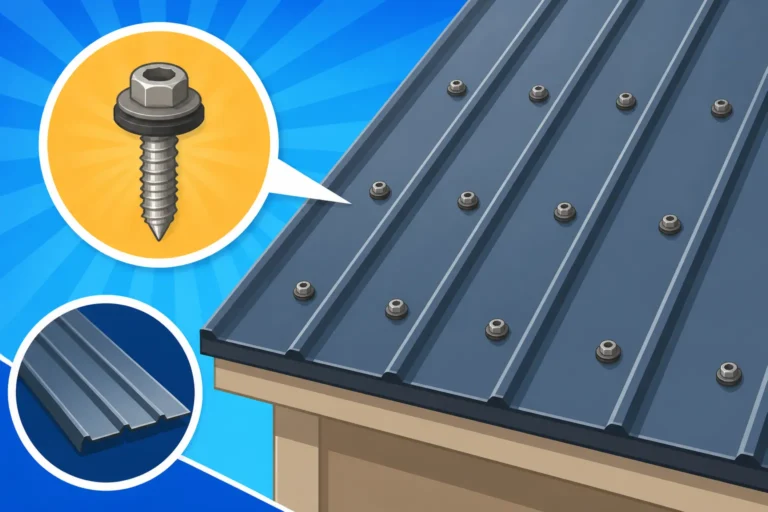
When people think of modern metal roofing, they often picture a standing seam roof. This profile features vertical panels with raised, interlocking seams that hide the fasteners underneath. This hidden fastener system is a game-changer for durability and aesthetics. Because the fasteners aren't exposed to UV light, moisture, or thermal cycling, they last longer and are far less prone to developing leaks over time.
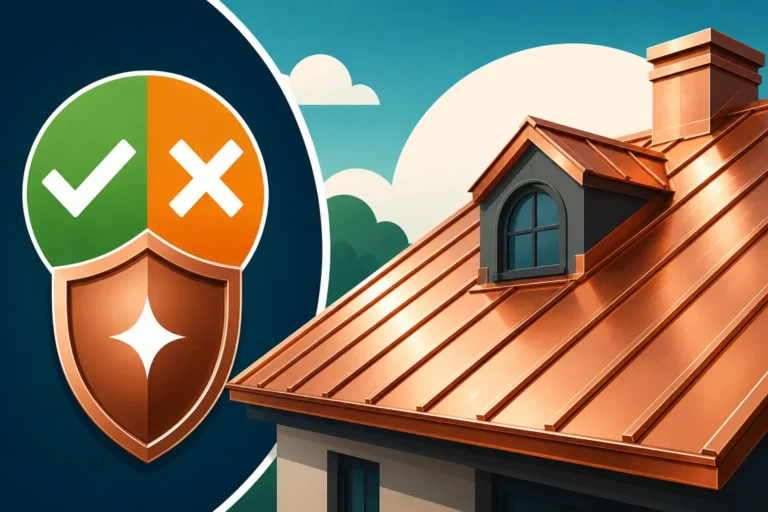
Standing seam roofs are incredibly resilient. They offer superior wind uplift resistance and excellent thermal expansion and contraction capabilities, crucial for Georgia's extreme temperature swings. The continuous panels shed water very efficiently, making them ideal for heavy rains. Available in steel (often Galvalume), aluminum, or even copper, they can be customized with various colors and coatings like Kynar 500 (PVDF), which provides exceptional fade resistance under the intense Georgia sun. While the Standing Seam Metal Roof Cost might be higher upfront, its longevity and low maintenance often make it the most cost-effective solution over its lifespan. For a complete overview, check out our guide on Metal Roof Installation Process: Step by Step.
- Pros for Georgia:
- Excellent Weather Resistance: Hidden fasteners mean fewer leak points and superior protection against heavy rain and high winds.
- Thermal Performance: The continuous panels and reflective coatings significantly reduce heat absorption, lowering cooling costs.
- Longevity: Can last 50-70 years with minimal maintenance.
- Aesthetics: Offers a sleek, modern look that complements many architectural styles.
- Cons for Georgia:
- Higher Initial Cost: Generally one of the more expensive metal roofing options.
- Specialized Installation: Requires experienced, skilled installers to ensure proper seam formation and weather-tightness.
Stone-Coated Steel: Aesthetic Appeal Meets Durability
If you love the look of traditional shingles, tile, or shake but want the benefits of metal, stone-coated steel is an outstanding option. These panels are pressed into various profiles to mimic conventional roofing materials and then coated with an acrylic film and ceramic-coated stone granules. The result is a highly durable metal roof that offers the aesthetic versatility often desired in residential settings.
Stone-coated steel roofs are highly resistant to impact damage, often achieving a Class 4 hail rating. This makes them an excellent choice for areas prone to hailstorms. The granular surface also provides a textured look and feel, and helps to diffuse rain noise, a common concern for some homeowners considering smooth metal panels. They are typically made from Galvalume steel, ensuring good corrosion resistance. While they might not be as reflective as a light-colored smooth metal roof, the air gap created during installation can still provide good thermal performance. Learn more about What Is a Stone-Coated Steel Metal Roof?.
- Pros for Georgia:
- Impact Resistance: Excellent protection against hail and debris.
- Aesthetic Versatility: Mimics traditional roofing materials like tile or shingles, fitting diverse architectural styles.
- Durability: Long lifespan of 40-70 years.
- Noise Dampening: The stone coating helps reduce rain noise.
- Cons for Georgia:
- Cost: Often priced similarly to standing seam, making it a premium option.
- Less Reflective: The granular surface is not as reflective as smooth, light-colored panels, potentially less effective at reducing summer heat gain.
Aluminum Roofing: The Coastal Champion
For homeowners along Georgia's coast, or anyone in extremely humid environments, aluminum roofing deserves serious consideration. Aluminum is naturally resistant to rust and corrosion, even in salty air, unlike steel which requires robust coatings to prevent rust. This makes it an ideal material for homes in Savannah, Brunswick, or near any saltwater body.
Aluminum is also incredibly lightweight, which can be an advantage for certain roof structures. It’s highly energy-efficient, with excellent reflective properties, helping to keep homes cool during the sweltering Georgia summers. While softer than steel and potentially more prone to denting from significant impact, its corrosion resistance in coastal areas often outweighs this drawback. The Aluminum Roof Cost can be higher than steel, but its suitability for harsh coastal conditions can make it the best long-term investment.
- Pros for Georgia:
- Superior Corrosion Resistance: Unmatched performance in coastal and high-humidity environments where salt air is present.
- Lightweight: Reduces structural load on older homes or specific designs.
- Highly Reflective: Excellent for reducing heat absorption and cooling costs.
- Long Lifespan: Similar to steel, lasting 50+ years.
- Cons for Georgia:
- Higher Cost: Often more expensive than steel options.
- Softer Material: More susceptible to denting from heavy hail or impacts compared to steel.
Galvalume Steel: A Robust and Cost-Effective Option
Galvalume steel is a fantastic all-around performer and a very popular choice across Georgia. It’s essentially steel sheet coated with an alloy of aluminum and zinc. This unique coating provides excellent corrosion resistance, outperforming galvanized steel in most environments. The aluminum provides barrier protection, while the zinc offers galvanic protection.
Galvalume is strong, durable, and can be formed into various profiles, including standing seam, corrugated, R-panel, and metal shingles. Its strength makes it resilient against wind and hail, and with proper coatings (like PVDF), it can offer excellent fade resistance and thermal performance. It offers a great balance of performance and cost, often being more affordable than pure aluminum or copper while still providing exceptional longevity and weather resistance. However, it's worth noting that while excellent, it's still not quite as impervious to salt corrosion as pure aluminum, so coastal homeowners should weigh that factor. For those looking for durable and attractive solutions, you might consider Corrugated Metal Roof Cost or R-Panel Metal Roof Cost.
- Pros for Georgia:
- Excellent Corrosion Resistance: The aluminum-zinc coating offers superior protection against rust compared to galvanized steel.
- Strength & Durability: Withstands harsh weather, including wind and hail.
- Versatile: Available in many profiles and colors.
- Cost-Effective: Often a more affordable option than pure aluminum or copper, offering great value.
- Cons for Georgia:
- Less Corrosion Resistant Than Aluminum: While great, it's not the absolute best choice for direct, prolonged salt spray exposure right on the coast.
- Cut Edge Protection: When panels are cut, the exposed steel edge needs proper treatment to maintain its corrosion resistance.
| Metal Roofing Type | Heat Reflection | Wind Resistance | Hail Resistance | Rust/Salt Air Resistance | Typical Lifespan | Cost Factor (1-5, 5 being highest) |
|---|---|---|---|---|---|---|
| Standing Seam (Galvalume/Steel) | Excellent | Excellent (140+ MPH) | Very Good (Class 4) | Very Good | 50-70 Years | 4 |
| Stone-Coated Steel | Good | Excellent (120+ MPH) | Excellent (Class 4) | Very Good | 40-70 Years | 4 |
| Aluminum | Excellent | Excellent (140+ MPH) | Good (can dent) | Excellent | 50-70 Years | 5 |
| Galvalume Steel (Exposed Fastener) | Good | Good (110+ MPH) | Good (Class 4) | Good | 30-50 Years | 2-3 |
Crucial Factors to Consider for Your Georgia Metal Roof
Choosing the right material is a huge step, but there are other critical elements that will influence your metal roof's performance and longevity in Georgia's climate. Don't overlook these details!
The Importance of Gauge and Coating
The gauge of your metal roofing refers to its thickness, with lower numbers indicating thicker metal. For residential applications in Georgia, 24-gauge and 26-gauge are the most common choices for standing seam and ribbed panel roofs. While 29-gauge is used, it's typically for agricultural or light commercial buildings and might not offer the same dent resistance or longevity needed for a home's primary roof. A thicker gauge, like 24-gauge, will provide superior durability against hail, impacts from falling debris, and strong winds. It will also offer a flatter, more substantial appearance. You can delve deeper into this with our guide on Metal Roof Gauges Explained: 22, 24, 26 & 29.
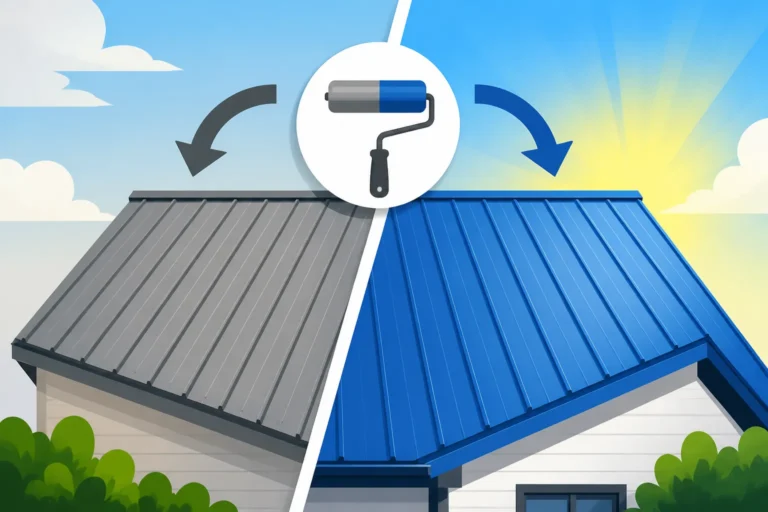
The coating applied to your metal roof is equally vital, especially under the Georgia sun. PVDF (Kynar 500 or Hylar 5000) coatings are considered the gold standard. They offer superior resistance to fading, chalking, and UV degradation, meaning your roof color will remain vibrant for decades. Lesser coatings, like SMP (Silicone Modified Polyester), are more affordable but may not stand up to the intense sun as well over the long term, potentially leading to color fade after 10-15 years. Given Georgia's intense UV exposure, investing in a high-quality PVDF coating is a smart decision for both aesthetics and long-term protection.
Finding the Right Contractor and Installation Expertise
Even the best metal roofing material will underperform if it's not installed correctly. Metal roofing, especially standing seam, requires specialized knowledge, tools, and experience. It's not a job for a general roofer who primarily works with asphalt shingles. You need a contractor with a proven track record of installing metal roofs, specifically the type you're considering. Ask for references, check online reviews, and look for certifications from metal roofing manufacturers.
A skilled installer understands proper fastening techniques, how to handle thermal expansion and contraction, correct flashing details around chimneys and vents, and how to integrate underlayment for optimal performance. They will also be knowledgeable about local Georgia building codes and permitting requirements. Finding a reliable contractor is paramount. Services like Modernize can connect you with experienced, local metal roofing professionals who understand the specific demands of Georgia's climate, helping you gather quotes and make an informed decision. Don't hesitate to ask a lot of questions, including about their crew's experience with metal roofing and their safety protocols. Our guide on How to Hire a Metal Roofing Contractor offers a wealth of tips.
Optimal Underlayment and Ventilation
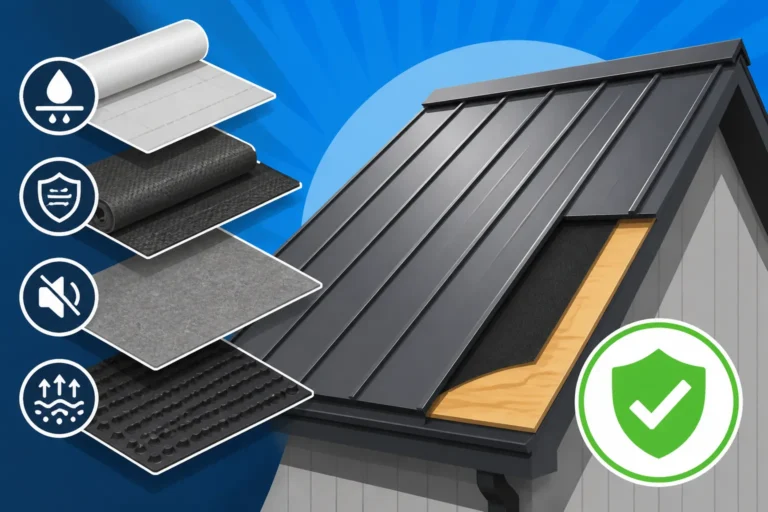
Regardless of the metal roof type you choose, proper underlayment and attic ventilation are non-negotiable in Georgia. The underlayment provides a critical secondary layer of protection against moisture, acting as a last line of defense should any water penetrate the primary roof system. Synthetic underlayments are generally preferred over traditional felt paper for metal roofs because they are more durable, resistant to mold, and can withstand higher temperatures without degrading, which is crucial in Georgia's hot attics. For comprehensive insights, refer to our Metal Roof Underlayment and Ventilation Guide.
Adequate attic ventilation is essential for several reasons. It helps remove hot, moist air from your attic space during the summer, preventing heat buildup that drives up cooling costs and prolongs the life of your roof and insulation. In winter, it helps prevent moisture accumulation that can lead to condensation, mold, and even structural damage. A well-designed ventilation system, often involving continuous ridge vents and soffit vents, ensures consistent airflow, mitigating condensation and keeping your attic temperatures closer to the outside air, making your entire home more efficient and healthy.
Making Your Final Metal Roofing Decision in Georgia
Choosing the best metal roof for your Georgia home is a significant investment that pays dividends in protection, longevity, and energy savings. Don't rush the decision. Take the time to understand the unique challenges your home faces from the Georgia climate, whether it's the intense sun in Macon, the coastal salt spray in Savannah, or the winter snows in Blue Ridge.
Consider the aesthetic you want to achieve, as metal roofs come in a dazzling array of colors, finishes, and profiles, from the sleek lines of a standing seam to the traditional look of a stone-coated steel shingle. Most importantly, partner with a reputable, experienced metal roofing contractor who is familiar with Georgia's climate and building codes. They can guide you through the options, provide accurate quotes, and ensure your new roof is installed to perfection, ready to protect your home for decades. Sites like Modernize are a great place to start your search for local experts who can help bring your metal roofing project to life.
Disclaimer
Please remember that the information provided in this guide is for general informational purposes only. While we strive to offer accurate and up-to-date advice, specific building codes, material availability, and environmental factors can vary significantly by location within Georgia. Always consult with a qualified, licensed metal roofing contractor and local building authorities to ensure compliance with all regulations and to receive personalized recommendations for your specific home and situation.