What Underlayment Is Best for a Metal Roof
Choosing a new roof for your home is already a big decision, filled with questions about materials, styles, and contractors. But one detail often gets overlooked until you're deep into the process: what exactly goes underneath that beautiful new metal roof? Many homeowners assume the decking is enough, or that any old felt paper will do, only to realize the sheer variety and importance of underlayment options. This guide is here to cut through the confusion and help you understand what underlayment is best for a metal roof, ensuring your investment is protected from the ground up.
The Indispensable Role of Underlayment Beneath Your Metal Roof
When you think about a metal roof, you probably picture those sleek, durable panels doing all the heavy lifting, deflecting rain, snow, and sun. And they do! But what many don't realize is that a crucial layer beneath them plays an equally vital, albeit unseen, role in your roof's long-term performance and the integrity of your entire home. Skipping or skimping on underlayment is like building a house without a proper foundation – it might look fine on the surface, but problems are just waiting to brew.
More Than Just a Moisture Barrier
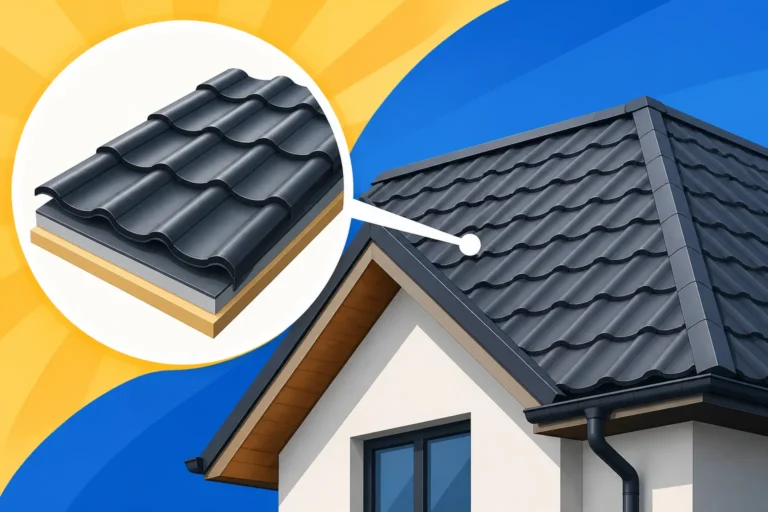
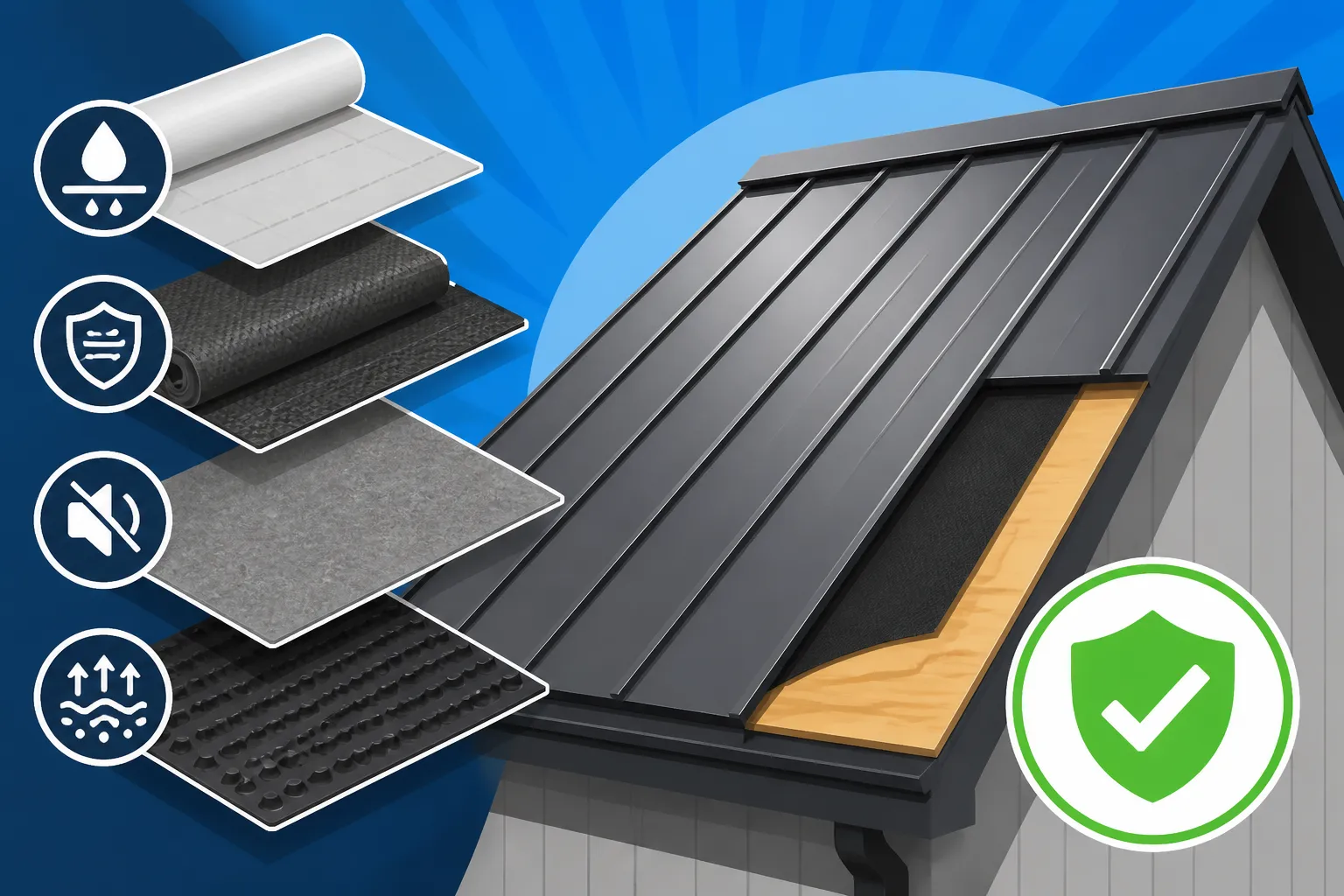
It's common to think of underlayment solely as a waterproofing layer, a backup plan in case a tiny bit of moisture somehow sneaks past your primary metal panels. While that's certainly one of its critical functions, it's far from the only one. Modern metal roof underlayments are engineered to perform a host of duties that extend well beyond simply shedding water. They act as a protective separation layer, preventing the metal panels from directly contacting the roof deck, which can be particularly important in certain climates or with specific decking materials to avoid chemical reactions or abrasion.
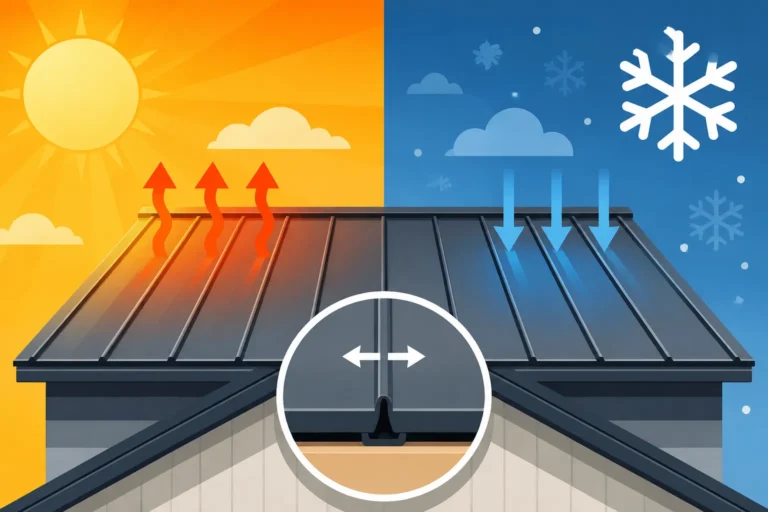
Think about it: your metal roof panels are going to expand and contract with temperature changes throughout the day and seasons. This constant movement, however slight, can create friction against the roof decking. A quality underlayment acts as a slip sheet, allowing the panels to move freely without damaging the decking below. Furthermore, it adds another layer of insulation, contributing to your home's energy efficiency. Some underlayments even boast sound-dampening properties, which can be a relief if you're concerned about Do Metal Roofs Make Noise When It Rains?. It's not just a waterproofing membrane; it's a multi-functional guardian for your roofing system. You might be surprised to learn that many homeowners ask, "Do You Need Underlayment Under a Metal Roof?", and the answer is almost always a resounding yes.
Protecting Your Investment from the Elements
Your metal roof is a significant investment, known for its longevity and resilience. But even the toughest metal panels can face challenges from the elements, especially during extreme weather events. The underlayment provides that vital secondary line of defense that keeps your home dry and secure. Imagine a fierce thunderstorm in Florida, where driving rain and high winds are common. Even if a panel shifts slightly or a fastener point experiences minor wear over decades, a robust underlayment can prevent that moisture from reaching your attic and causing extensive damage like mold, rot, or compromised structural integrity.
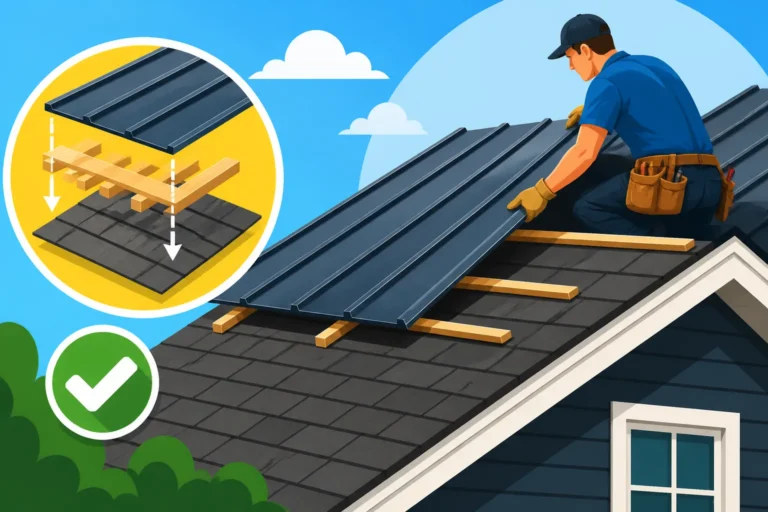
Consider the role of underlayment during the actual Metal Roof Installation Process: Step by Step. There will be periods where the roof deck is exposed before the metal panels are fully installed. A properly laid underlayment protects your home during this vulnerable phase, safeguarding it from unexpected rain showers or morning dew. Without it, even a brief downpour during installation could lead to serious water damage before your roof is even complete. This secondary protection is particularly crucial in areas prone to heavy snow, where ice dams can form and force water uphill under roofing materials. In these scenarios, products like Ice and Water Shield for Metal Roofs become absolutely essential.
Demystifying Metal Roof Underlayment Types
Just like there are various types of metal roofing materials – steel, aluminum, copper, zinc – there are also different kinds of underlayments, each with its own characteristics, benefits, and price points. Understanding these differences is key to making an informed decision that suits your home's specific needs and your budget.
Traditional Felt Underlayment: The Old Guard
For decades, asphalt-saturated felt paper, often referred to as "tar paper" or "roofing felt," was the industry standard. It's relatively inexpensive and has a long history of use under various roofing materials, including metal. Felt underlayment comes in different weights, typically 15-pound and 30-pound, with the 30-pound being thicker and offering more tear resistance. It's usually installed by being rolled out and mechanically fastened with caps or staples to the roof deck.
While felt underlayment is still available and sometimes used, especially for budget-conscious projects, it does have its drawbacks when paired with metal roofs. It can absorb moisture, which can lead to wrinkling or buckling over time, potentially telegraphing through lighter gauge metal panels and creating an uneven appearance. Its longevity is also often shorter than that of a metal roof, meaning it might need replacement sooner than the panels themselves. Furthermore, it's not always the best choice for steep-slope roofs or in very high-wind zones where tear-off can be an issue. However, for certain applications, like a quick roof-over on a shed or a less permanent structure, it can still be a viable, cost-effective option.
Synthetic Underlayments: The Modern Standard
Synthetic underlayments have truly revolutionized the industry, quickly becoming the go-to choice for most metal roofing installations. Made from woven or spun polypropylene or polyethylene, these products are incredibly lightweight, strong, and resistant to tearing. They are typically much lighter than felt paper, making them easier for installers to handle, and often come in wider rolls, speeding up the installation process. Leading brands in this space include products from companies like Atlas Roofing Corporation or Deck-Armor by GAF.
One of the biggest advantages of synthetic underlayments is their superior moisture resistance. They repel water rather than absorbing it, meaning they won't rot, mold, or become a food source for insects. This also makes them more dimensionally stable, so they're less likely to wrinkle or buckle, ensuring a smoother surface for your metal panels. Many synthetic underlayments are also permeable, allowing any trapped moisture vapor from the attic to escape, which is crucial for preventing condensation issues. They generally offer much better traction for installers, making the job safer, especially on steeper pitches. Given the long lifespan of a metal roof, which can be 50 years or more, pairing it with a durable synthetic underlayment that can last just as long simply makes sense.
Self-Adhering (Ice and Water Shield) Underlayments: The Premium Protector
For the ultimate in protection, particularly in harsh climates or on low-slope roofs, self-adhering underlayments, often called "ice and water shield," are the top-tier choice. These products have an adhesive backing that forms a watertight seal directly to the roof deck, creating an impenetrable barrier against water penetration. They're typically made from rubberized asphalt or specialized polymers, which gives them incredible flexibility and sealing capabilities.
The major benefit of self-adhering underlayments is their ability to self-seal around fasteners. When a screw or nail penetrates the material, the rubberized asphalt flows around the shank, creating a watertight gasket that prevents leaks. This is especially critical at vulnerable areas like eaves, valleys, around chimneys, skylights, and along roof penetrations. In regions like the Northeast, where heavy snow and ice dams are common, building codes often mandate their use along the eaves. Similarly, in hurricane-prone states like Florida, the Florida Building Code, particularly for HVHZ (High-Velocity Hurricane Zone) areas, often requires specific self-adhering underlayments to meet stringent Florida Metal Roof Codes: FBC, HVHZ & Approvals for enhanced wind and water resistance. While more expensive than felt or even standard synthetics, the unparalleled protection and peace of mind they offer make them a worthwhile investment for many homeowners.
Navigating Your Choices: Factors for Selecting the Best Underlayment
Choosing the right underlayment isn't a one-size-fits-all decision. What works perfectly for a home in sunny Arizona might not be ideal for a mountain cabin in Colorado. Several key factors should guide your selection to ensure you're getting the best protection for your specific situation.
Climate, Roof Pitch, and Panel Type Considerations
The climate where your home is located plays a huge role. If you live in an area with heavy rainfall, strong winds, or significant snowfall, you'll need an underlayment that can stand up to those challenges. For instance, in cold climates, the threat of ice dams means an ice and water shield is almost always recommended along the eaves and in valleys to prevent water backup. In hot, humid climates, breathability can be a concern to prevent moisture buildup within the roof assembly.
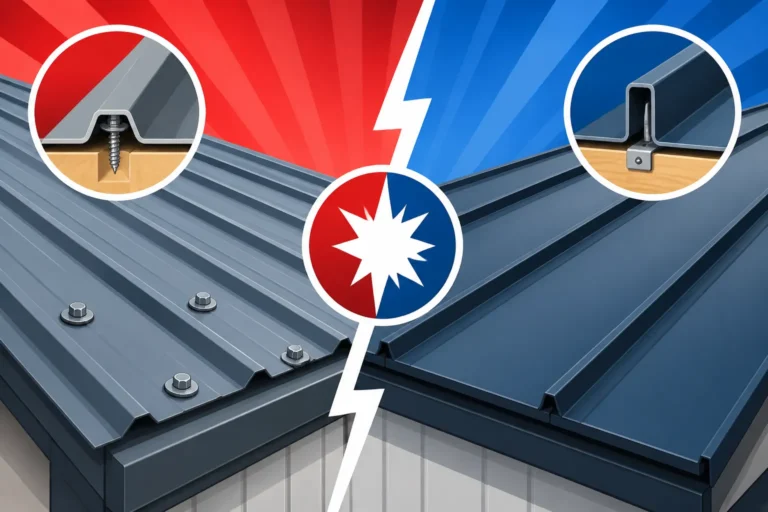
The pitch of your roof also matters. On very steep roofs, water sheds quickly, reducing the risk of pooling. However, on low-slope metal roofs, water moves much slower, increasing the chance of it finding its way through tiny gaps or fastener points. For these flatter profiles, a self-adhering underlayment is often paramount for superior waterproofing. Different metal panel types, such as Standing Seam vs Corrugated Metal Roof, might also have varying underlayment recommendations. For a premium, concealed fastener system like standing seam, a high-quality synthetic or self-adhering underlayment helps maintain the sleek finish and provides critical protection against moisture driven by wind. For exposed fastener systems, the self-sealing properties of certain underlayments are a huge benefit.
Understanding Manufacturer Specifications and Warranty Requirements
This is a big one, and often overlooked! Metal roofing manufacturers invest heavily in testing their products and determining the optimal installation methods and compatible components. Ignoring their recommendations can not only lead to performance issues but also void your roof's warranty. Many manufacturers will specify the type of underlayment required to maintain their warranty coverage. For example, some might require a specific synthetic underlayment or mandate ice and water shield in certain areas.
Always check the product data sheets and installation guides for your chosen metal roofing system. If you're working with a contractor, ensure they are familiar with these specifications. A reputable contractor, like those you can find through services like Modernize, will always prioritize following manufacturer guidelines to ensure your Metal Roof Warranties: Workmanship vs Manufacturer remain intact. This due diligence ensures that if an issue arises years down the line, you're covered. It's not just about what underlayment you think is best, but what the manufacturer says is best for their product. For premium standing seam systems, for example, many manufacturers recommend a specific type of underlayment, and you can delve deeper into What Is the Best Underlayment for Standing Seam? for those details.
Budget, Lifespan, and Installer Expertise
Of course, cost is always a factor in any home improvement project. While felt underlayment is the cheapest upfront, its shorter lifespan and lesser performance often mean it's not the most cost-effective solution in the long run for a metal roof that can last 50+ years. Synthetic underlayments offer a fantastic balance of performance and value, while self-adhering membranes are the most expensive but provide unmatched protection. It's important to consider the overall Metal Roof Cost: Complete 2026 Guide and how the underlayment cost fits into the total investment, especially when you factor in the labor for installation.
The lifespan of the underlayment should ideally match or exceed that of your metal roof. It makes little sense to install a metal roof designed to last half a century over an underlayment that will degrade in 15-20 years. Replacing underlayment often means removing your metal panels, which is a costly and disruptive process. Finally, don't underestimate the importance of installer expertise. Even the best underlayment won't perform correctly if it's not installed properly. Hiring a contractor with extensive experience in metal roofing will ensure that the underlayment is laid flat, with proper overlaps, sealed seams, and correct fastening techniques. Asking about their experience with various underlayment types and their specific installation methods is a good way to vet potential installers.
Installation Insights and Long-Term Performance
While selecting the right underlayment is crucial, its actual performance hinges significantly on how it's installed. Even the most technologically advanced underlayment can fail if the installation isn't meticulous. It's a system, and every component, including the underlayment, needs to be handled with care and precision.
Proper Application is Key to Performance
The old adage "measure twice, cut once" certainly applies to underlayment installation. Proper overlapping of seams, especially in shingle fashion (starting from the bottom of the roof and working upwards), ensures that water flows over, not under, the overlaps. Fastening methods are also critical. For mechanically fastened underlayments, the type and spacing of fasteners (staples, cap nails, plastic cap fasteners) must comply with manufacturer specifications and local building codes, especially in high-wind regions. Too few fasteners, or fasteners that aren't sealed, can compromise the underlayment's integrity.
Self-adhering underlayments require an even more precise application. The roof deck must be clean, dry, and free of debris for the adhesive to bond properly. In some cases, a primer might be necessary to enhance adhesion. Bubbles or wrinkles need to be carefully rolled out to ensure full contact with the deck and prevent water from getting trapped. Temperature also plays a role; many self-adhering membranes have temperature limitations for installation to ensure optimal adhesion. A skilled roofing crew, like those found through Modernize's network of professionals, understands these nuances and takes the time to ensure every roll is perfectly placed and sealed, creating a truly watertight envelope.
Integrating Underlayment with Other Roof Components
The underlayment doesn't exist in a vacuum; it's an integral part of your entire roofing system. Its proper integration with other components, like drip edge, flashing, and ventilation systems, is essential for seamless performance. For instance, the drip edge at the eaves often goes over the underlayment, ensuring that any water that might get past the metal panels is directed off the roof and into the gutters, rather than wicking back up into the fascia or roof deck. At valleys, multiple layers of self-adhering underlayment are often used to create a highly resilient water barrier before valley metal is installed.
Consider the complexity of flashing around chimneys, skylights, and pipe boots. The underlayment needs to be carefully cut and integrated with these flashing details to maintain a continuous waterproof layer. Gaps or poor transitions at these points are common areas for leaks down the line. Finally, don't forget the importance of proper attic ventilation. Even the best underlayment can't fully compensate for a poorly ventilated attic where condensation can build up. A healthy roof system involves adequate airflow to prevent moisture accumulation above and below the roof deck, working in harmony with your chosen underlayment.
Underlayment Comparison Table
To help you visualize the differences and make a more informed decision, here's a comparative look at the main types of underlayment commonly used with metal roofs:
| Feature | Asphalt Felt (e.g., #15 or #30) | Synthetic Underlayment (e.g., RhinoRoof, Titanium) | Self-Adhering (Ice & Water Shield) |
|---|---|---|---|
| Material | Asphalt-saturated organic felt | Woven/spun polypropylene or polyethylene | Rubberized asphalt, polymers |
| Cost (per sq ft) | Low ($0.05 – $0.15) | Medium ($0.15 – $0.40) | High ($0.50 – $1.50+) |
| Weight | Heavy (35-50 lbs per roll) | Very Light (2-5 lbs per roll) | Medium to Heavy (40-60+ lbs) |
| Tear Strength | Low | Very High | High |
| Water Barrier | Good (but can absorb moisture) | Excellent (water repellent) | Superior (watertight seal, self-sealing) |
| Durability/Lifespan | 15-20 years | 30-50+ years | 30-50+ years |
| UV Resistance | Poor | Good to Excellent (varies by product) | Good to Excellent |
| Walkability/Traction | Poor (slippery when wet) | Excellent (non-slip surface) | Good |
| Breathability | Good | Excellent (many are vapor permeable) | Low (vapor barrier) |
| Typical Use | Budget-conscious, temporary roofs, as secondary layer | Standard for most metal roofs, good value | Critical areas (eaves, valleys), low-slope, high-wind/snow zones |
Note: Costs are approximate and can vary widely based on brand, region, and market conditions.
Final Thoughts on Underlayment for Your Metal Roof
Choosing the best underlayment for your metal roof might seem like a small detail in the grand scheme of things, but it's a decision with significant long-term implications for your home's protection and the longevity of your entire roofing system. While traditional felt has served its purpose for years, modern synthetic and self-adhering underlayments offer vastly superior performance, durability, and peace of mind, especially when you consider the lifespan of a metal roof.
Always prioritize manufacturer recommendations, factor in your local climate and roof pitch, and most importantly, work with a knowledgeable and experienced metal roofing contractor. They can guide you through the options, explain the benefits of each, and ensure that your chosen underlayment is installed correctly, providing the robust foundation your beautiful new metal roof deserves. Investing a little more in a quality underlayment upfront can save you a world of trouble and expense down the road, ensuring your home stays dry and protected for decades to come.
Disclaimer
Please remember that this article provides general information and should not be considered professional advice. Building codes, product specifications, and installation techniques can vary significantly by location and specific product. Always consult with a qualified, licensed roofing professional and refer to local building codes and manufacturer instructions for your specific project.