Do Metal Roofs Make Noise When It Rains?
One of the biggest worries I hear from homeowners considering a metal roof is the potential for it to sound like a drum solo every time it rains. It’s a completely valid concern; nobody wants to trade a peaceful evening for a cacophony of drops hitting metal. The good news is that the common image of a super noisy metal roof is largely a myth, especially when it comes to modern residential installations. This guide will walk you through exactly why those old stereotypes don't typically apply today and what truly influences the sound of rain on your metal roof, helping you understand what to expect.
The Truth About Metal Roof Rain Noise: Fact vs. Fiction
Let's address the elephant in the room right away: will a metal roof be loud when it rains? The short answer is, probably not as loud as you imagine, and often, not significantly louder than other roofing materials. The long answer involves diving into the nuances of what makes a metal roof noisy and how modern construction almost always mitigates those factors. Many people base their assumptions on experiences with old, uninsulated barns or sheds, which simply aren't comparable to a properly installed residential metal roof.
Why the Stereotype Exists: Old Barns and Uninsulated Roofs
The image of a metal roof clattering loudly during a rainstorm isn't entirely baseless. Historically, and still in agricultural or utilitarian buildings, metal roofs were often installed directly over exposed rafters or purlins. Imagine a thin sheet of metal with nothing underneath it but open air. When a raindrop hits that metal, the entire panel can vibrate, creating a resonant cavity effect – essentially turning your roof into a giant drum. There’s no dampening material, no insulation, and no solid decking to absorb the impact or sound waves.
These older installations often used thinner gauge metals, which are more prone to flexing and vibrating. A light rain might just create a gentle tapping, but a heavy downpour or hailstorm could indeed be quite startling. For structures like a detached garage or a workshop, this might not be a major concern, but for a home where peace and quiet are paramount, it’s a non-starter. This historical context is why the "noisy metal roof" myth persists, despite significant advancements in residential roofing.
Modern Metal Roofing and Sound Dampening Technologies
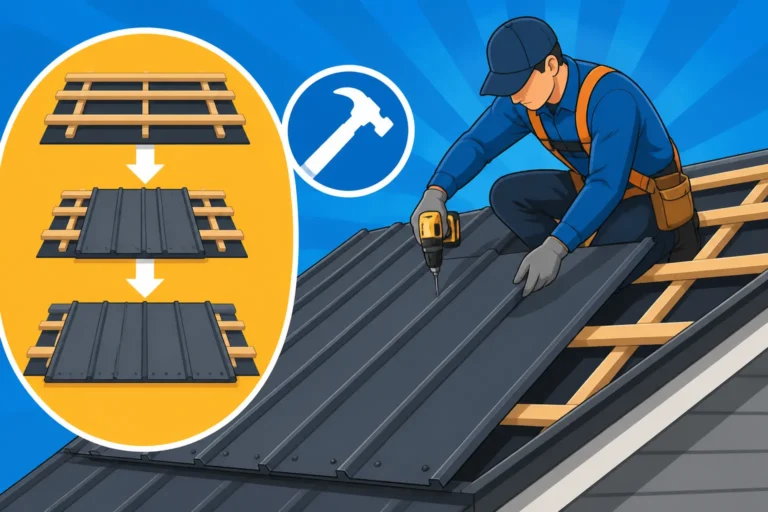
Fast forward to today, and modern residential metal roofing systems are designed with sound mitigation as a key consideration. The typical installation on a home is vastly different from that old barn. For starters, most metal roofs are installed over a solid roof deck, usually plywood or oriented strand board (OSB). This solid substrate acts as a crucial barrier, absorbing much of the impact noise before it can even enter your attic space, let alone your living areas. Think of it like a soundproofing panel directly beneath your roof.
Beyond the solid deck, there are layers of protection and sound dampening. A high-quality underlayment, often a synthetic felt or ice and water shield, is installed over the decking. This layer adds another cushion, further dampening sound and providing an essential waterproof barrier. Then, the attic itself is filled with insulation – fiberglass, cellulose, or spray foam – which is incredibly effective at blocking and absorbing sound transmission from above. When you combine these elements, the sound of rain hitting the metal panels is dramatically reduced, often to a gentle patter that many homeowners find quite soothing, or even unnoticeable, especially in rooms below a well-insulated attic.
Factors Influencing Rain Noise on a Metal Roof
The reality is that not all metal roofs are created equal when it comes to sound. Several factors play a significant role in how much noise you might hear during a rain event. Understanding these elements can help you make informed decisions when choosing and installing your new metal roof. It’s not just about the metal itself, but the entire system working together.
Roof Decking and Substrate
The foundation of your metal roof, specifically what lies directly beneath the metal panels, is perhaps the single most important factor in noise reduction.
-
Solid Decking (Plywood/OSB): Most residential metal roofs are installed over a continuous, solid roof deck, much like asphalt shingles. This creates a robust barrier that greatly dampens the sound of rain. The dense material absorbs the kinetic energy of raindrops, preventing the metal panels from vibrating excessively. If your existing roof has a solid deck, installing a metal roof over it will inherently be much quieter than if it were installed over an open frame. For example, if you're replacing asphalt shingles with a metal roof, you'll likely retain that solid decking, ensuring a good level of soundproofing. This is covered in more detail in guides like What Goes Under a Metal Roof? Layers Explained.
-
Open Framing (Purlins/Strapping): In some applications, particularly agricultural buildings, carports, or certain types of low-slope commercial roofs, metal panels might be installed directly over purlins or furring strips, leaving an air gap beneath. This is where the drumming sound originates. Without a solid barrier, the metal has more room to vibrate, and the air cavity amplifies the sound. While this method can be cost-effective for non-residential uses, it's generally not recommended for homes where quiet is desired, unless significant additional insulation is planned for the attic space.
Underlayment and Insulation
These unseen layers are your secret weapons against rain noise. They do far more than just protect against moisture; they are critical for acoustic performance.
-
Underlayment: Applied directly over the roof deck, the underlayment provides an essential buffer. Materials like synthetic underlayment or specialized self-adhering membranes (ice and water shield) offer a slight cushioning effect. This small gap and resilient layer further absorb impacts and prevent direct metal-to-deck contact that could transmit vibrations. A quality underlayment is standard in most residential metal roof installations, contributing significantly to a quieter home. For more on this, check out Metal Roof Underlayment and Ventilation Guide.
-
Attic Insulation: This is perhaps the unsung hero of metal roof sound dampening. Whether it's blown-in cellulose, fiberglass batts, or spray foam, robust attic insulation acts as a massive sound absorber. It literally traps sound waves, preventing them from traveling down into your living spaces. Homes with ample, high-quality insulation will experience vastly less rain noise than those with minimal or no attic insulation. Spray foam insulation, in particular, due to its dense, monolithic nature, is excellent for both thermal and acoustic performance.
Panel Profile and Gauge
The physical characteristics of the metal panels themselves also play a role in how they react to rain.
-
Panel Profile: Different styles of metal roofing offer varying degrees of rigidity.
- Standing Seam: These panels feature raised seams that lock together, creating a very strong, rigid roofing surface. This inherent rigidity makes them less prone to flex and vibrate, often resulting in less noise compared to other profiles. They are a popular choice for their sleek look and performance, and you can learn more about them in What Is a Standing Seam Metal Roof?.
- Corrugated/Exposed Fastener Panels: While still durable, panels with an exposed fastener system, like classic corrugated or R-panels, tend to be thinner and have less structural rigidity than standing seam. The fasteners that go directly through the panel can also allow for more direct sound transmission, and slight loosening over time could potentially increase noise. However, even these panels, when installed over a solid deck and proper underlayment, are often much quieter than people expect. We often discuss these differences in our Standing Seam vs Corrugated Metal Roof comparison.
-
Gauge (Thickness): Metal roofing is available in various gauges, which refers to the thickness of the metal. A lower gauge number indicates thicker metal (e.g., 24 gauge is thicker than 29 gauge). Thicker, heavier gauge metal is inherently more rigid and less prone to vibration, thus producing less noise when impacted by rain or hail. Residential applications typically use 24 or 26 gauge steel or aluminum, which provide excellent durability and sound performance. Learn more about thickness in our guide on Metal Roof Gauges Explained: 22, 24, 26 & 29.
Installation Quality
Even the best materials can fall short if the installation isn't up to par. A meticulous and experienced installer makes a huge difference.
- Proper Fastening: Securely fastened panels are less likely to rattle or vibrate. Loose panels can create unwanted noise, especially during windy conditions or heavy rain. A skilled contractor will ensure all fasteners are correctly applied and that panels are properly seated and secured according to manufacturer specifications.
- Sealing and Flashing: Gaps and unsealed areas around flashing points or vents can also become pathways for sound. Proper sealing helps create a continuous, sound-dampening envelope for your roof.
- Expansion and Contraction: Metal naturally expands and contracts with temperature changes. A good installer accounts for this movement during installation, using techniques and components that allow for movement without causing panels to buckle, rub, or make popping noises. If the panels are too tightly constrained, thermal expansion and contraction could create subtle creaking or popping sounds.
Strategies to Minimize Metal Roof Rain Noise
If the thought of rain noise is still holding you back from a metal roof, rest assured that there are several proactive steps you can take to ensure your home remains a peaceful sanctuary. It's all about making smart choices in materials and installation.
Choosing the Right Materials and Profile
Selecting the right components for your metal roof system is foundational to minimizing noise. Don't just pick the cheapest option; invest in a system designed for residential comfort.
- Solid Roof Decking: Always, always insist on a full, solid roof deck for your home. If your existing roof has an open framing system, or if you're building new, make sure plywood or OSB sheeting is part of the plan. This dense, continuous surface will be your primary sound barrier, significantly muting the impact of rain. Trying to save money by opting for an open-frame installation on a residence will likely lead to regret later when the heavens open.
- Higher Gauge Metal: Thicker metal panels are more rigid and less prone to drumming. For residential use, 24-gauge steel or aluminum is an excellent choice, providing a balance of durability, longevity, and superior sound dampening. While 26-gauge is common and still very good, stepping up to 24-gauge often offers noticeable benefits in rigidity and quietness. The initial cost difference is usually minor when considering the overall investment.
- Standing Seam or Metal Shingles: These profiles generally offer better acoustic performance. Standing seam panels, with their concealed fasteners and interlocking design, create a very stable and quiet surface. Metal shingles, often made from thicker gauges and featuring multiple layers or a stone-coated finish (like those from Modernize, for example, which connect homeowners with contractors specializing in durable, quiet roof systems), also excel at absorbing sound. If you’re truly concerned about noise, these are profiles worth exploring. Different materials also have varying acoustic properties, and you can compare them in our guide, Metal Roofing Materials Compared: Steel, Aluminum, Copper & Zinc.
Enhancing Insulation and Attic Ventilation
Your attic is a prime location for soundproofing, and effective insulation can make an enormous difference in how much rain noise you perceive indoors.
- Robust Attic Insulation: This is perhaps the most impactful step you can take. If your attic is currently under-insulated, adding more insulation will not only improve your home's energy efficiency but also significantly reduce sound transmission.
- Fiberglass Batts or Blown-in Cellulose: These are common and effective. Blown-in cellulose, with its dense, fibrous nature, is particularly good at trapping sound waves. Ensure a sufficient R-value (a measure of thermal resistance) for your climate, as higher R-values generally mean better sound dampening.
- Spray Foam Insulation: For superior sound and thermal performance, closed-cell spray foam insulation is an excellent, albeit more expensive, option. It creates an air-tight seal, effectively blocking both heat transfer and sound transmission. It fills every nook and cranny, eliminating air gaps that sound could otherwise travel through.
- Proper Attic Ventilation: While not directly soundproofing, good ventilation helps manage moisture and temperature, preventing conditions that could lead to other roof noises or issues. A well-ventilated attic prevents condensation, which, while usually silent, ensures the integrity of your insulation and decking over time. Adequate ventilation ensures your entire roofing system functions optimally, contributing to overall structural stability that indirectly impacts noise. Proper ventilation strategies are crucial and are discussed in resources like Do Metal Roofs Need a Vapor Barrier?.
Professional Installation and Modern Techniques
Even with the best materials, a poor installation can undermine all efforts to reduce noise. This is where selecting a reputable and experienced contractor becomes paramount.
-
Experienced Metal Roofing Contractors: Do your homework and hire a contractor specializing in metal roof installation. They understand the nuances of working with metal, including proper fastening techniques, expansion and contraction considerations, and the importance of a tight, secure fit. A qualified installer will ensure that panels are not loose or rattling. Sites like Modernize can connect you with pre-vetted local roofing professionals who have a track record of quality work. Don't hesitate to ask specific questions about their experience with metal roofing and their approach to minimizing noise. Our guide on How to Hire a Metal Roofing Contractor offers excellent advice on this.
-
Concealed Fasteners: For the quietest installation, especially with standing seam systems, opt for concealed fasteners. These fastening clips are hidden beneath the panels, allowing the metal to expand and contract freely without creating friction points that could generate noise. Exposed fastener systems, while durable, can sometimes be slightly noisier if the screws loosen over time.
-
Underlayment Application: Ensure your contractor uses a high-quality underlayment and installs it meticulously. A properly laid underlayment, often self-adhering, creates a smooth, cushioned surface for the metal panels, further reducing vibration and impact noise. This attention to detail in every layer of the roof system contributes to the overall acoustic performance.
Additional Soundproofing Measures (If Needed)
For those extremely sensitive to sound, or in very specific circumstances, there are additional measures you could consider, though they are rarely necessary for a typical residential metal roof.
- Sound-Dampening Coatings: Some specialized coatings can be applied to the underside of metal panels during manufacturing or even after installation. These viscoelastic materials convert vibration into low-level heat, effectively dampening sound. This is more common in commercial applications or for custom roofs, but it’s an option.
- Acoustic Ceiling Tiles: In an interior room where sound is a major concern (like a recording studio or a bedroom for a light sleeper), installing acoustic ceiling tiles or panels can provide an extra layer of sound absorption, regardless of the roof type.
- Double Layer Decking: In rare cases, where maximum soundproofing is absolutely critical, a second layer of roof decking with an air gap or a sound-dampening membrane in between can be installed. This creates a highly effective mass-air-mass sound barrier, but it adds significant cost and complexity.
Real-World Experiences and Expectations
It's one thing to talk about technical specifications and installation methods, and another to understand what it actually sounds like to live under a metal roof during a rainstorm. Setting realistic expectations is key.
What to Expect During Different Rain Events
The sound of rain on your metal roof isn't a constant, monolithic experience; it changes with the intensity of the precipitation.
- Light Rain: For many homeowners with properly installed and insulated metal roofs, light rain is barely audible, if at all. You might hear a gentle, almost soothing patter, much like you would with an asphalt shingle roof. Some people actually find this subtle ambient sound quite pleasant and relaxing, akin to white noise. It's certainly a far cry from the drumming sensation people often fear.
- Heavy Downpours: During a torrential downpour, the sound will naturally intensify. However, with good decking and insulation, it's typically still muted and less jarring than expected. You'll definitely be aware that it's raining heavily, but it shouldn't be so loud that it disrupts conversations or sleep. It becomes more of a consistent rush or whoosh rather than distinct thumps. Think of it as a deep hum, not a sharp crackle.
- Hailstorms: This is where things get genuinely noisy, regardless of your roof type. Hail hitting any hard surface, be it metal, asphalt, or tile, will create significant noise. A metal roof will likely amplify this sound due to the direct impact on the metal. However, it's important to remember that hailstorms are typically infrequent and short-lived events. While loud, the benefit of a metal roof is its superior durability against hail damage compared to many other materials, meaning less chance of costly repairs after the storm passes. This trade-off is often well worth it for homeowners in hail-prone regions.
Comparing Metal to Other Roofing Materials
When considering noise, it's helpful to put metal roofs into perspective with other common roofing materials. Many assume metal is inherently louder, but this isn't always the case.
| Feature | Metal Roof (Modern Residential) | Asphalt Shingle Roof | Tile Roof |
|---|---|---|---|
| Sound Profile | Muted patter, gentle hum | Muted patter, soft hiss | Muted tap, dull thud |
| Heavy Rain | Noticeable but dampened | Noticeable, often diffused | Slightly muffled |
| Hail Impact | Loud, but durable | Less loud, more prone to damage | Moderate, durable |
| Primary Noise Source | Panel vibration, if not well insulated | Impact absorption by granular surface | Impact absorption by dense material |
| Factors for Quietness | Solid decking, underlayment, insulation, gauge, profile, professional install | Solid decking, underlayment, insulation, shingle mass | Solid decking, underlayment, dense tile material |
As you can see, a modern metal roof, properly installed, often falls within a similar acoustic range to other roofing types. It's rarely the extreme outlier the stereotype suggests. In fact, some homeowners report that the sounds are simply different rather than louder. The soft "ping" of lighter rain or the gentle rush of a downpour can be a pleasant change from the dull thud of asphalt shingles. For a deeper dive into how metal compares to other materials, explore Metal Roof vs Asphalt Shingles: Full Comparison.
Long-Term Benefits Outweigh Minor Noise Concerns
Ultimately, when you weigh the potential for a slightly different rain sound against the extensive list of benefits that a metal roof offers, the decision often leans heavily in favor of metal. A metal roof is an investment in your home's future, offering unparalleled durability, a lifespan that can exceed 50-70 years, and excellent energy efficiency.
Many metal roofs, particularly those with cool-roof coatings, reflect solar radiant heat, helping to lower cooling costs significantly in warmer climates. They are also incredibly fire-resistant and highly resistant to high winds, making them a wise choice for extreme weather areas. Add to that their low maintenance requirements and the fact that they often increase your home's resale value, and any minor concerns about rain noise tend to fade into the background. Most people who make the switch to a metal roof find that the perceived noise issue was largely unfounded and quickly adjust to the new acoustic environment, enjoying the myriad of other advantages for decades to come.
Disclaimer
Please note that this guide provides general information based on typical residential metal roofing installations. Actual noise levels can vary greatly depending on specific materials, installation quality, local weather conditions, and individual home construction. Consulting with a qualified metal roofing contractor for a personalized assessment of your home is always recommended.