Metal Roof vs Tile Roof
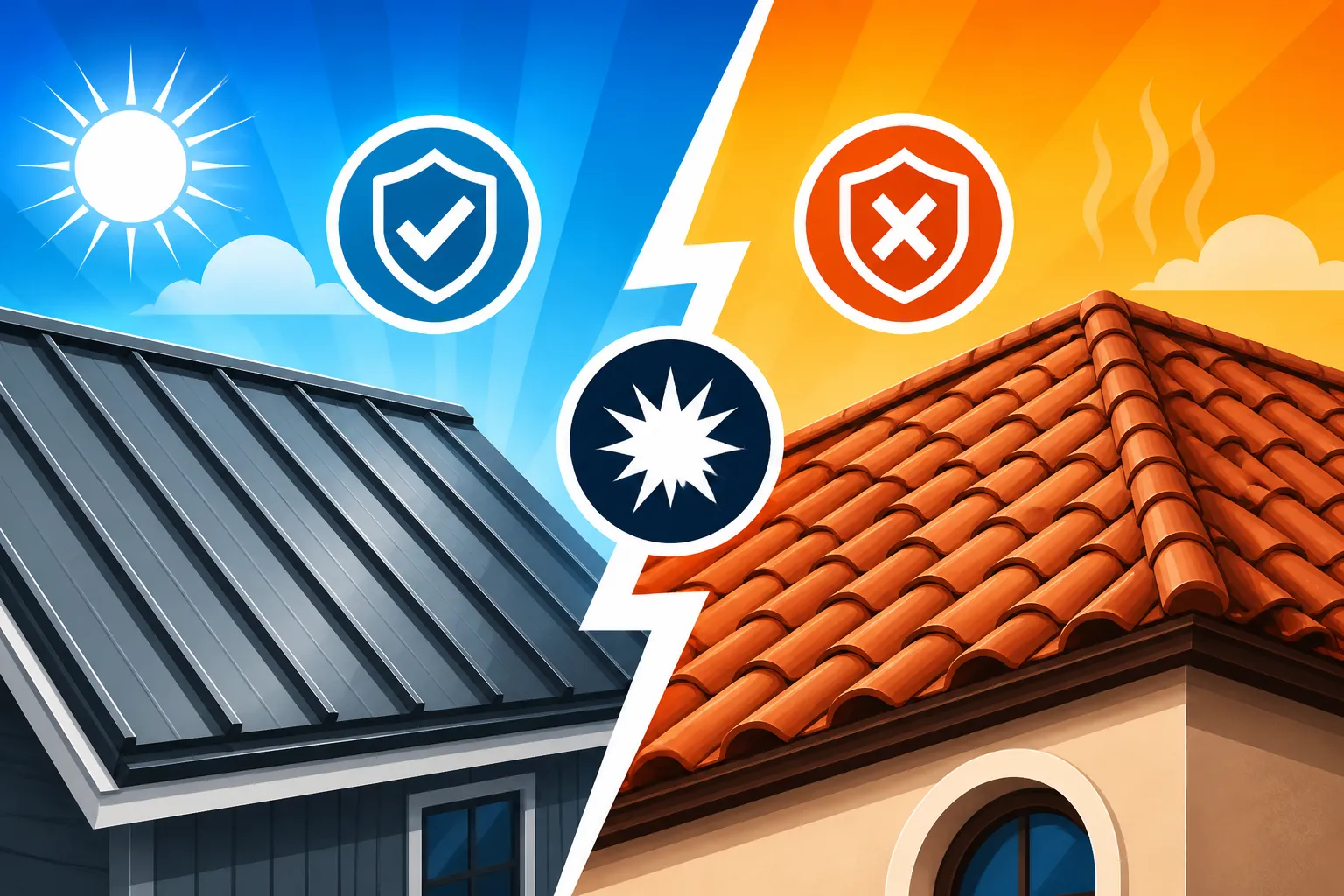
Deciding on a new roof is one of those big homeowner decisions that can feel overwhelming, especially when you're weighing options that come with significant investment and promise long-term durability. Many people find themselves torn between the sleek, modern appeal and robustness of a metal roof, and the classic, Old-World charm and substantial feel of a tile roof. Each option has its unique characteristics, performance metrics, and aesthetic implications for your home, and understanding these differences thoroughly is key to making a choice you'll be happy with for decades to come. This guide will walk you through a detailed comparison, helping you understand the nuances of metal roof vs tile roof systems so you can choose the best fit for your home and lifestyle.
Understanding Metal Roofing Systems
Metal roofing has surged in popularity over the last few decades, shedding its industrial image to become a highly sought-after residential roofing material. When homeowners think of metal, they often picture agricultural buildings or commercial spaces, but today's residential metal roofs are incredibly diverse in style, color, and texture, designed to complement a wide array of architectural styles. The advancements in manufacturing and coating technologies have made metal roofs a formidable competitor to traditional roofing materials, offering an impressive blend of durability and aesthetic appeal.
Common Metal Roofing Materials and Profiles
The world of metal roofing is far more varied than many homeowners initially realize. It's not just one type of metal; it's a whole family of materials, each with its own characteristics, cost, and best-use scenarios. Understanding these differences is crucial when considering a metal roof for your home.
One of the most common materials is steel, often coated with zinc and aluminum (Galvalume) or pure zinc (Galvanized) for enhanced corrosion resistance. Steel is highly durable and cost-effective, making it a popular choice. Another excellent option is aluminum, which is significantly lighter and naturally resistant to rust, making it ideal for coastal areas where salt spray is a concern. Copper roofs, while at the higher end of the price spectrum, offer unparalleled longevity and develop a beautiful patina over time, adding a unique character to any home. Zinc roofs share many of copper's benefits, including extreme durability and a self-healing patina, though they are also a premium material. For a deeper dive into these material specifics, you can explore our guide on Metal Roofing Materials Compared: Steel, Aluminum, Copper & Zinc.
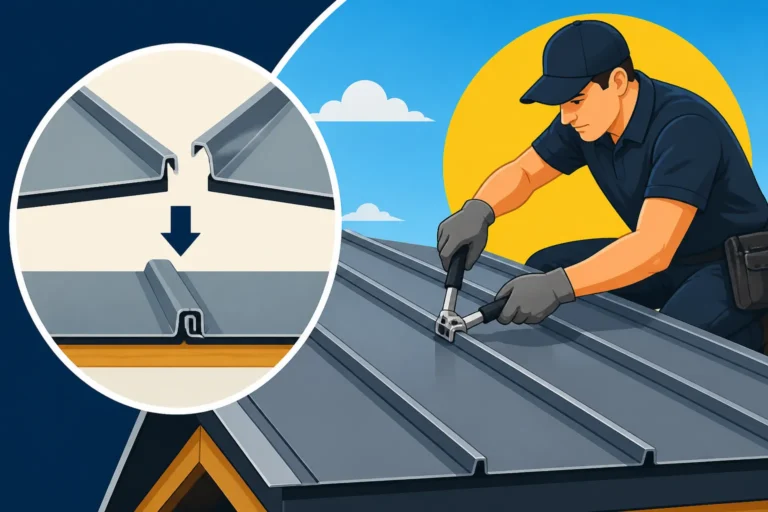
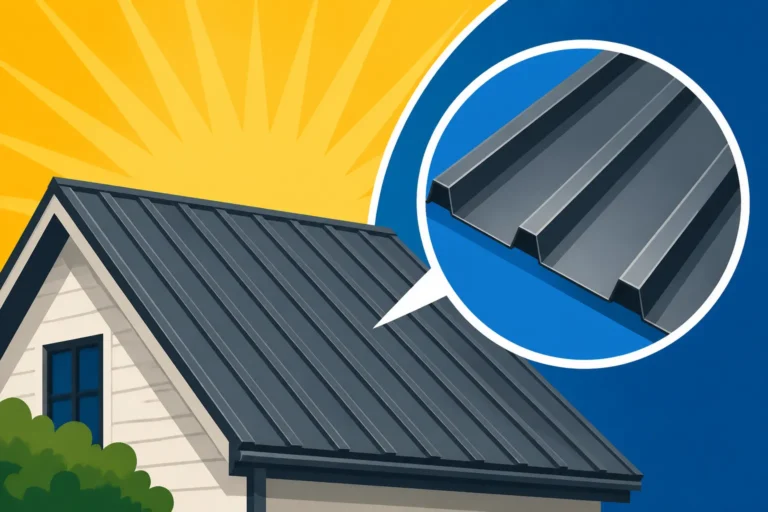
Beyond materials, metal roofs come in various profiles. Standing seam is arguably the most recognized high-end residential metal roof, characterized by its raised, interlocking seams that run vertically up the roof slope. These concealed fasteners offer superior weather resistance and a clean, modern aesthetic. Then there are metal shingles, which mimic the look of traditional asphalt, wood shake, or slate shingles but with the enhanced durability of metal. Corrugated metal roofs, often seen on barns or more rustic homes, feature wavy patterns and are typically more budget-friendly. Ribbed panels, R-panels, and 5V Crimp are other utilitarian profiles that are durable and cost-effective, sometimes used in residential applications for a specific look. Our article on Metal Roofing Types Explained: Profiles & Panels provides an even more comprehensive overview of the many styles available. Each profile has specific installation requirements and visual impacts, significantly influencing the overall cost and appearance of your finished roof.
Advantages of Metal Roofs
The benefits of choosing a metal roof are numerous and often cited by satisfied homeowners and industry experts alike. One of the most significant advantages is their incredible longevity. While traditional asphalt shingles might last 15-20 years, a properly installed metal roof can easily last 40 to 70 years, sometimes even longer, which we discuss further in Metal Roof Lifespan: How Long Do They Last?. This extended lifespan means less frequent replacement, translating to long-term savings and reduced hassle.
Another huge benefit is their exceptional durability against the elements. Metal roofs are highly resistant to fire, rot, mildew, and insects. They can withstand incredibly high winds – often rated to resist gusts up to 140-160 mph, making them an excellent choice for areas prone to hurricanes or severe storms. This resilience can even lead to Metal Roof Insurance Savings & Discounts in some regions, a pleasant bonus for homeowners. For example, a home in Florida with a robust standing seam metal roof might qualify for significant wind mitigation credits due to its superior performance in tropical storms.
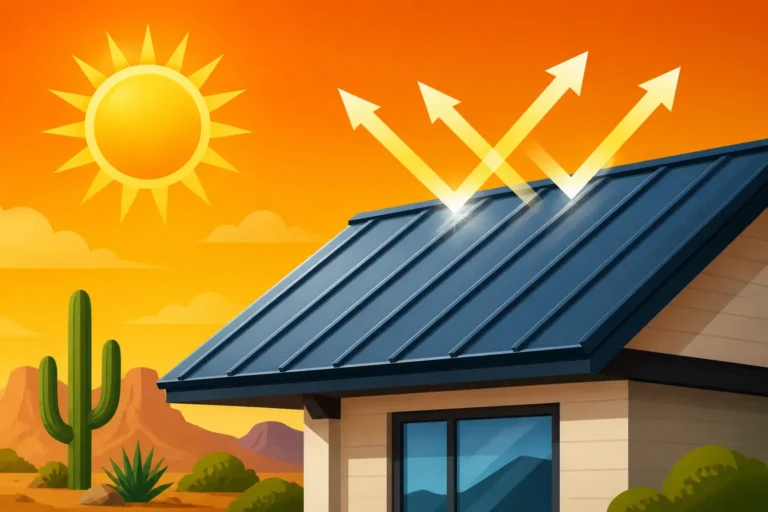
Beyond durability, metal roofs are also remarkably energy-efficient. Many modern metal roofing systems feature reflective coatings that bounce sunlight away from your home, reducing heat absorption and subsequently lowering cooling costs in warmer climates. This "cool roof" technology can make a noticeable difference in your energy bills, especially during scorching summers. They're also made from a high percentage of recycled content and are 100% recyclable at the end of their long life, making them an environmentally conscious choice.
Potential Drawbacks of Metal Roofs
While metal roofs offer many compelling advantages, it's also important to consider their potential downsides before making a decision. The most commonly cited drawback is the upfront cost. Generally, a metal roof has a higher initial price tag than a traditional asphalt shingle roof. While this investment pays off in the long run through extended lifespan and lower maintenance, it can be a significant barrier for some homeowners. For context on pricing, our Metal Roof Cost: Complete 2026 Guide can provide a comprehensive breakdown.
Another consideration is noise. While modern advancements in insulation and installation techniques have greatly mitigated this, some homeowners worry about rain or hail noise on a metal roof. With proper underlayment and decking, this is rarely an issue for insulated homes, but it's a common misconception that needs to be addressed. If you have a poorly insulated attic or a very thin gauge metal, you might notice the sounds more, but most residential installations are designed to be relatively quiet.
Then there's the possibility of "oil canning," which refers to the visual waviness or distortion that can occur in flat metal panels. While it doesn't affect the structural integrity or performance of the roof, it can be an aesthetic concern for some. This phenomenon is often due to stresses within the metal itself or improper installation, and reputable manufacturers and installers take steps to minimize its occurrence. Finally, finding a highly skilled contractor who specializes in metal roof installation is critical. Poor installation can lead to leaks, premature wear, and voided warranties, making it essential to choose your installer wisely. Resources like Modernize can help you connect with qualified metal roofing contractors in your area.
Exploring Tile Roofing Systems
Tile roofing evokes images of sun-drenched Mediterranean villas, historic Spanish missions, or charming bungalows with a distinct, earthy character. It's a roofing material steeped in history, known for its enduring beauty and the impressive thermal mass it provides. For homeowners seeking a classic, sophisticated, and incredibly long-lasting aesthetic, tile is often at the top of their list.
Popular Tile Roofing Materials
Tile roofs primarily come in three main material types, each offering a distinct look, weight, and performance profile. The most common is clay tile, celebrated for its natural beauty and incredible durability. Clay tiles are made from natural clays that are fired in kilns, much like pottery. They come in a variety of shapes, from the traditional half-cylinder "barrel" tiles (often seen in Spanish or Mediterranean architecture) to flat shingles, and colors ranging from terra cotta reds to various blends and glazes. Their natural color won't fade over time, and they are impervious to rot and insects.
Next, we have concrete tile, which offers a more budget-friendly alternative to clay while still providing excellent durability. Concrete tiles are made from a mixture of sand, cement, and water, then molded into various shapes and often pigmented to mimic the appearance of clay, slate, or even wood shakes. They are heavier than clay tiles but offer similar benefits in terms of fire resistance and longevity. Concrete tiles are widely available and can be customized to achieve specific aesthetic goals, offering a broader range of colors and profiles than natural clay.
Lastly, there's slate tile, which technically falls under the "tile" umbrella due to its individual piece construction, but is a natural stone product. Slate is a premium roofing material renowned for its unparalleled lifespan, natural beauty, and sophisticated appearance. Each slate tile is unique, with variations in color and texture that create a truly distinctive roof. Slate is incredibly dense and waterproof, making it one of the most durable and long-lasting roofing options available, often lasting well over a century. However, its significant weight and high cost mean it requires specialized installation and a robust roof structure to support it.
Benefits of Tile Roofs
Tile roofs, regardless of the specific material, bring a host of benefits that make them a compelling choice for many homeowners. Their most immediate appeal is aesthetic. They offer a timeless, elegant look that can significantly enhance a home's curb appeal and property value. Whether it's the warm, rustic feel of terra cotta clay or the sophisticated, old-world elegance of slate, tile roofs possess an undeniable charm that stands out from more conventional roofing materials.
Beyond beauty, tile roofs are incredibly durable and long-lasting. Clay and concrete tiles can easily last 50 to 100 years or more, often outliving the home they protect. Slate roofs are even more impressive, frequently lasting 100-200 years. This extreme longevity means homeowners rarely, if ever, need to replace their roof, making it a "forever roof" investment for many.
Tile roofs are also highly resistant to environmental factors. They are non-combustible, offering excellent fire protection – a significant advantage in wildfire-prone areas. They are resistant to rot, insects, and mildew, which can plague other roofing materials. Their heavy mass also provides excellent thermal insulation, helping to stabilize indoor temperatures and reduce energy consumption. In hot climates, the air circulation beneath the curved tiles of many clay roofs also helps to dissipate heat, contributing to a cooler home. This makes them a strong contender for homeowners prioritizing both durability and energy efficiency in warmer regions.
Challenges of Tile Roofs
Despite their many virtues, tile roofs do come with certain challenges that prospective homeowners should be aware of. The primary hurdle for many is the sheer weight of the material. Tile roofs, especially clay and concrete, are significantly heavier than asphalt shingles or even most metal roofs. A square of clay or concrete tile (100 square feet) can weigh anywhere from 800 to 1,500 pounds, while slate can be even heavier. This means that your home's underlying roof structure and framing must be robust enough to support the added load. Older homes, or those not originally designed for tile, may require costly structural reinforcement before tile can be installed, which adds to the overall project expense.
Another notable drawback is the initial cost. Tile roofs, particularly slate and high-quality clay, are among the most expensive roofing materials, often rivaling or exceeding the cost of premium metal roofs. The materials themselves are costly, and the installation is highly specialized, requiring experienced craftsmen. This specialized labor also contributes to a higher Metal Roof Labor Cost, comparatively, and even higher for tile. Breakage is also a concern. While individual tiles are very durable, they can be brittle. If someone walks on the roof improperly or a heavy object falls on it, individual tiles can crack or break, requiring replacement.
Installation can be more complex and time-consuming than other roofing types, and finding skilled contractors familiar with tile roofing is crucial. Not every roofer has the expertise to properly install tile, which can affect the roof's performance and longevity. Finally, while tile roofs are low maintenance in many respects, keeping the underlying gutters clear of debris and occasionally cleaning the tiles themselves can be necessary, especially in humid or shaded environments where moss or algae might grow.
A Deep Dive into Durability and Lifespan
When investing in a new roof, one of the most critical factors is how long it will last and how well it will stand up to the elements over its lifetime. Both metal and tile roofs are renowned for their exceptional durability, far surpassing materials like asphalt shingles. However, there are nuances in their longevity and how they perform under different stresses.
Metal Roof Longevity Expectations
Metal roofs are often lauded as a "once in a lifetime" roofing solution, and for good reason. Depending on the material, gauge, and quality of installation, a metal roof can last anywhere from 40 to 70 years, with some premium materials like copper and zinc potentially lasting over 100 years. This longevity is a significant advantage, as it means you may never have to replace your roof again within your lifetime, or certainly during your homeownership period.
The secret to metal's extended lifespan lies in its inherent properties. Steel and aluminum panels, especially those coated with high-performance finishes like Kynar 500 (PVDF) or SMP (Siliconized Modified Polyester), are extremely resistant to rust, corrosion, fading, and chalking. These coatings are designed to withstand harsh UV radiation, acid rain, and extreme temperature fluctuations without significant degradation. For example, a quality standing seam metal roof, installed by a certified professional, will often come with a 30- to 50-year finish warranty on top of the material warranty, providing immense peace of mind. This means the roof not only performs for decades but also retains its aesthetic appeal. Comparing a metal roof's initial cost to its lifespan value reveals how it becomes a cost-effective choice over many years.
Tile Roof Durability and Weather Resistance
Tile roofs are equally impressive when it comes to durability, often matching or exceeding metal in terms of raw lifespan. Clay and concrete tiles typically last 50 to 100 years, while natural slate roofs are legendary for lasting 100 to 200 years, sometimes even longer in ideal conditions. It's not uncommon to see ancient buildings across Europe with their original clay or slate roofs still performing admirably after centuries.
Tile's durability stems from its robust, inert composition. Clay tiles are fired at extremely high temperatures, making them incredibly hard and dense. Concrete tiles cure to a similar hardness. This inherent strength makes them resistant to fire, rot, and insect damage. They also perform exceptionally well in hot climates, as their mass helps to buffer against temperature swings, and the airspace created by their installation pattern allows for excellent ventilation, preventing heat buildup. In terms of weather resistance, tile roofs can endure high winds and hail, although individual tiles can be brittle and prone to cracking under direct, sharp impact or if walked on improperly. Unlike metal, which can dent, tile tends to chip or shatter. For guidance on assessing damage, see our content on Metal Roof Storm, Hail & Wind Damage.
Factors Influencing Roof Lifespan
While manufacturers provide general lifespan estimates, the actual duration your metal or tile roof will last depends on several critical factors that homeowners should consider. The quality of materials is paramount. A cheap, thin gauge metal panel with a basic coating won't last as long as a premium 24-gauge steel panel with a Kynar finish, just as a lower-grade concrete tile might not outlast a high-fired clay tile.
Installation quality is arguably the most significant factor. Even the best materials can fail prematurely if not installed correctly. Proper fastening, correct underlayment installation (see Metal Roof Underlayment and Ventilation Guide), accurate flashing details, and adherence to manufacturer specifications are crucial. A shoddy installation can lead to leaks, panel separation, or accelerated wear, drastically cutting short the roof's expected lifespan. This highlights the importance of choosing a reputable, experienced contractor, which resources like Modernize can help facilitate.
Local climate and environmental conditions also play a role. A roof in a mild, dry climate will likely last longer than one subjected to extreme temperature swings, frequent hailstorms, heavy snow loads, or salty coastal air. For instance, an aluminum metal roof might be favored in coastal areas due to its natural corrosion resistance, while certain tile types are historically prevalent in regions with intense sun. Finally, regular maintenance can extend the life of any roof. Keeping it clean, addressing minor issues promptly, and performing periodic inspections can prevent small problems from escalating into costly repairs.
Comparing Costs: Installation, Materials, and Long-Term Value
The financial aspect is almost always a primary consideration when choosing a new roof. While both metal and tile roofs represent a significant investment compared to conventional options like asphalt shingles, understanding the breakdown of their costs – from initial purchase to long-term savings – is essential for making an informed decision.
Upfront Costs of Metal vs Tile
When you're first getting quotes, the sticker shock for both metal and tile can be considerable, but it’s crucial to understand what drives those numbers. Generally, metal roofing tends to have a wide range of upfront costs, with corrugated and exposed fastener panels being more affordable, while premium standing seam systems can be quite expensive. For example, a basic exposed fastener metal roof might start around $8-$10 per square foot installed, whereas a high-end standing seam metal roof could easily run $15-$30 per square foot or more, depending on the material (steel vs. copper), gauge, and complexity of your roof. Our detailed article on Standing Seam Metal Roof Cost offers a specific breakdown.
Tile roofs, on the other hand, typically start at a higher baseline. Concrete tiles might begin around $10-$15 per square foot installed, with quality clay tiles ranging from $18-$40 per square foot. Natural slate, being the premium option, can easily soar past $45-$60 per square foot, making it one of the most expensive roofing materials available. The material itself is heavier and more labor-intensive to manufacture, and installation requires specialized skills and tools. The higher weight of tile often necessitates additional structural reinforcement for your home, which is an extra cost that might not be immediately obvious in a roofing quote. Always ensure quotes are comprehensive, covering all necessary structural work and accessories. When you're ready to gather estimates, a platform like Modernize can connect you with experienced roofers who can provide detailed quotes.
Long-Term ROI and Resale Value
While the initial cost of metal and tile roofs is higher, their long-term value proposition is where they truly shine. Both materials offer an excellent return on investment (ROI) over their extensive lifespans. Because they last so much longer than asphalt, you avoid multiple replacement costs, which can quickly add up over 30-50 years. This long-term cost-effectiveness is a major selling point. Is a Metal Roof Worth It? ROI, Resale & Payback delves into this in detail.
Beyond avoiding future replacement costs, both metal and tile roofs can significantly increase your home's resale value and curb appeal. A new, high-quality metal or tile roof is a major asset that prospective buyers will recognize and appreciate. It signals durability, low maintenance, and energy efficiency, all highly desirable traits. Studies often show that homes with metal roofs can recoup a high percentage of their installation cost at resale and even sell faster. Tile roofs, particularly in architectural styles where they are traditional (e.g., Spanish, Mediterranean, or Southwestern homes), can command a premium and attract specific buyers looking for that authentic aesthetic. The enhanced durability and lower insurance premiums (for metal, especially) also contribute to their attractive ROI.
Hidden Costs and Maintenance Budgeting
When budgeting for a new roof, it's wise to consider not just the upfront installation but also any potential "hidden costs" and ongoing maintenance expenses. For metal roofs, potential hidden costs might include the need for specific underlayment materials, specialized flashing around chimneys or skylights, or the removal and disposal of old roofing materials (a "tear-off"). Some intricate roof designs can also increase the labor cost for metal. However, once installed, metal roofs are remarkably low maintenance. Routine inspections, clearing gutters, and occasionally cleaning off debris are usually all that's required. Repairs are typically straightforward, involving replacing a damaged panel or resealing fasteners. Our guide on Hidden Costs of a Metal Roof offers more insights here.
For tile roofs, the structural reinforcement discussed earlier can be a significant hidden cost if your home isn't already set up for heavy roofing. Breakage during installation or from unexpected impacts can also add to expenses if not properly accounted for. While tile roofs are incredibly durable, they do require specific considerations. Walking on them, for instance, requires training to avoid breaking tiles. If individual tiles do break, they need to be replaced, which can be a specialized job to ensure color matching and proper sealing. While tile itself doesn't rot or attract pests, the underlayment and flashing can still be susceptible to wear and tear over time, requiring periodic inspection and potential replacement to prevent leaks. Overall, both options offer low ongoing maintenance compared to asphalt, but metal tends to be slightly more forgiving in terms of repair complexity.
Aesthetics, Style, and Curb Appeal
The visual impact of your roof is undeniable; it's one of the largest and most visible components of your home's exterior, setting the tone for its architectural style and overall curb appeal. Both metal and tile roofs offer distinct aesthetic profiles that can dramatically enhance your property, but they achieve this through different means.
Design Versatility of Metal Roofing
Modern metal roofing has shed its industrial past and evolved into an incredibly versatile design element. It's no longer just corrugated panels; today's metal roofs can emulate a wide variety of traditional roofing materials, offering homeowners the benefits of metal without sacrificing their desired aesthetic. You can find metal shingles designed to look exactly like asphalt shingles, cedar shakes, or even genuine slate tiles. These stamped metal panels come in a vast array of colors, from classic grays and browns to vibrant reds and blues, and sophisticated earth tones. This means you can achieve the classic look of a slate roof or a wood shake roof with the superior durability and longevity of metal.
Standing seam metal roofs, with their clean lines and minimalist profile, lend themselves perfectly to contemporary and modern architectural styles, as well as traditional farmhouses and bungalows seeking an updated look. The choice of panel width, seam height, and color can drastically alter the roof's appearance, allowing for a high degree of customization. Furthermore, the reflectivity and unique sheen of metal can create interesting plays of light and shadow, adding depth and character that other materials simply cannot. If you're looking for flexibility to match your home's existing style or to make a bold architectural statement, metal roofing offers an impressive palette of options.
Classic Charm and Regional Appeal of Tile
Tile roofing, by contrast, is known for its distinctive, classic charm that often evokes specific architectural traditions and regional aesthetics. The most iconic form, the Mediterranean or Spanish "barrel" tile (S-tile or mission tile), instantly transports you to sun-drenched coastal regions. These tiles, with their undulating curves, create a dynamic roofscape rich in texture and shadow, perfectly complementing stucco walls and arched doorways. They are integral to Spanish Colonial, Mediterranean Revival, and Southwestern architectural styles.
Beyond barrel tiles, flat profile tiles, which can mimic slate or wood shakes, offer a more subdued but equally elegant look. These are often used in European-inspired homes or designs where a more understated, yet still substantial, appearance is desired. The natural colors of clay and the earthy tones of concrete tiles blend seamlessly with natural landscapes, providing a warm and inviting feel. In regions like Florida, Texas, or California, where Mediterranean and Spanish architectural influences are strong, tile roofs are not just a design choice but often a nod to historical authenticity, adding significant regional character and appeal. For many, the substantial, sculptural quality of a tile roof adds a level of grandeur and permanence that is simply unmatched.
Matching Your Home's Architecture
The key to a successful roofing choice, especially when weighing metal vs. tile, lies in how well the material integrates with and enhances your home's architectural style. For a modern minimalist home, the clean lines of a standing seam metal roof in a sleek gray or black might be the perfect complement, enhancing its contemporary aesthetic. For a traditional Craftsman bungalow, metal shingles mimicking wood shakes could provide the period-appropriate look with modern durability.
On the other hand, a Spanish-style hacienda simply demands the sculptural beauty of clay barrel tiles. A classic Tudor might look best with flat slate tiles or concrete tiles designed to emulate slate, maintaining its European charm. It's not just about what looks good in isolation but how the roof contributes to the overall architectural narrative of your home. Consider the existing facade materials, window styles, and surrounding landscape. A great way to visualize this is to look at homes with similar architecture in your area or to use online design tools that allow you to preview different roofing materials and colors on your home's exterior. Ultimately, both metal and tile can elevate curb appeal, but they do so with very different, yet equally powerful, stylistic statements.
Performance in Varied Climates
A roof's primary job is to protect your home from the elements, and how well it performs under various climatic conditions is a critical consideration. Both metal and tile roofs excel in durability, but their specific strengths can make one a better choice depending on your local weather patterns.
Metal Roof Performance in Extreme Weather
Metal roofs are true workhorses when it comes to extreme weather. They are renowned for their ability to withstand punishing conditions, making them a top choice in areas prone to severe storms. For instance, in regions with high winds, a properly installed standing seam metal roof is incredibly robust. Its interlocking panels and concealed fasteners resist uplift forces that can tear away other roofing materials during hurricanes or severe thunderstorms. Many metal roofs are tested and certified to withstand winds exceeding 140 mph, making them an excellent choice for hurricane-prone areas like the Gulf Coast or the Atlantic seaboard. Our article on Best Metal Roof for High Wind Areas offers more specific guidance.
In areas with heavy snowfall, metal roofs are also highly advantageous. Their slick, hard surface allows snow and ice to shed off easily, preventing heavy snow loads from accumulating and reducing the risk of ice dam formation. This "snow-shedding" capability can be a double-edged sword, though, as large sheets of snow can slide off rapidly, posing a hazard to anything below. Installing snow guards is a common solution in colder climates to manage snow shedding safely. Furthermore, metal's non-combustible nature makes it an excellent choice in wildfire-prone regions, earning Class A fire ratings that offer superior protection against ember ignition.
Tile Roof Resilience to Heat and Wind
Tile roofs have a long history of performing exceptionally well in hot, sunny climates. Their inherent thermal mass helps to absorb heat during the day and release it slowly at night, minimizing dramatic temperature swings inside the home. More importantly, the way many traditional clay tiles are installed—with air space beneath the curved profiles—creates natural ventilation that helps dissipate heat from the roof deck. This "cool roof" effect can significantly reduce air conditioning costs in scorching climates like those found in the Southwest or Mediterranean regions.
While often associated with warmth, tile roofs also demonstrate good resilience against strong winds. When properly installed and fastened, individual tiles can resist considerable uplift. However, their primary vulnerability in extreme weather comes from impact. Large hail or falling debris, which might only dent a metal roof, can crack or shatter individual tiles, necessitating repairs. That said, the sheer weight of a tile roof also provides a certain stability against wind uplift, acting as a natural ballast. In hurricane-prone coastal areas, specific fastening techniques and sealant applications are crucial to ensure tiles remain secure.
Energy Efficiency and Insulation
Both metal and tile roofs can contribute significantly to your home's energy efficiency, though they do so through different mechanisms. Metal roofs often leverage advanced reflective coatings, such as cool pigments that reflect solar radiation rather than absorbing it. This can reduce the roof surface temperature by a considerable margin, leading to less heat transfer into your attic and home. The ENERGY STAR program certifies many metal roofing products for their solar reflectance, highlighting their ability to lower cooling costs. This is particularly beneficial in hot, sunny climates.
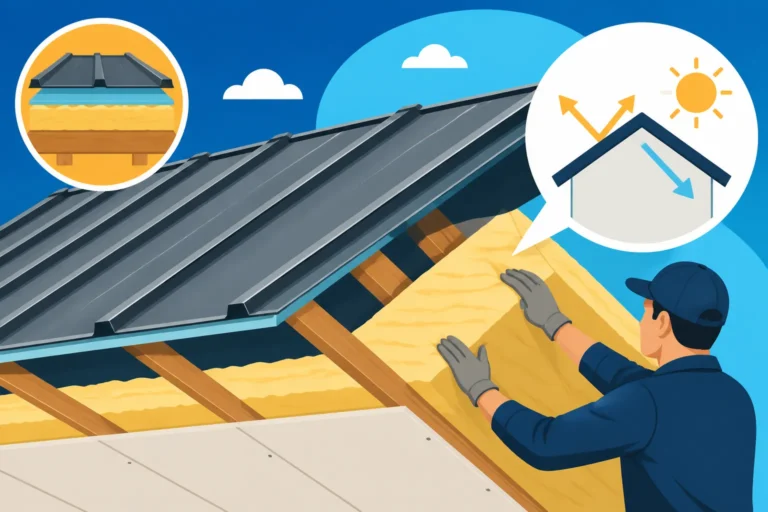
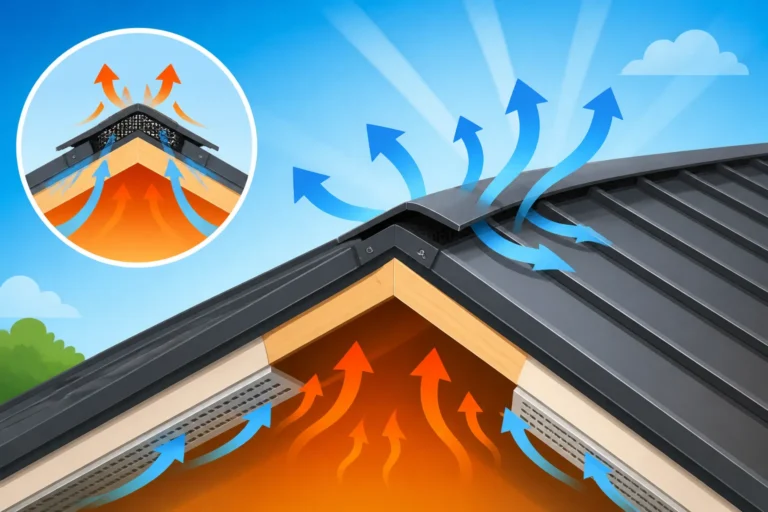
Tile roofs, as mentioned, use their thermal mass and inherent ventilation to achieve energy efficiency. Their heavy, dense materials slow down heat transfer, while the air pockets beneath many tile profiles allow warm air to escape, preventing heat buildup. In cooler climates, this thermal mass can also work in reverse, helping to retain heat within the home. The key for both systems is proper attic ventilation and adequate insulation in the attic space, which work in tandem with the roofing material to create a truly energy-efficient envelope. For example, a home in Phoenix with a light-colored, reflective metal roof or a well-ventilated clay tile roof would experience noticeable savings on its cooling bill compared to a dark asphalt shingle roof.
Installation and Maintenance Considerations
The process of getting a new roof and what it takes to keep it in prime condition are practical aspects every homeowner needs to evaluate. Both metal and tile roofing require specialized installation techniques and have distinct maintenance profiles.
Installation Complexity and Timeframe
Installing either a metal or a tile roof is a job best left to experienced professionals. This isn't a DIY project for the faint of heart, given the precision required and the high value of the materials.
Metal roof installation, especially for standing seam systems, is a highly skilled trade. It involves precise measurements, careful panel cutting, and specific fastening techniques to ensure a weather-tight seal and aesthetic appeal. While a corrugated metal roof might be installed more quickly, a standing seam roof typically takes longer than an asphalt shingle roof. The panels are often custom-fabricated on-site or pre-cut to exact specifications, requiring careful handling to prevent damage. Proper flashing around penetrations like chimneys, vents, and skylights is critical to prevent leaks. The entire Metal Roof Installation Process: Step by Step needs to be meticulously followed for optimal performance and warranty validity. You'll want to choose a contractor who truly specializes in metal, ideally one who is manufacturer-certified. Platforms like Modernize can assist in finding such qualified local professionals.
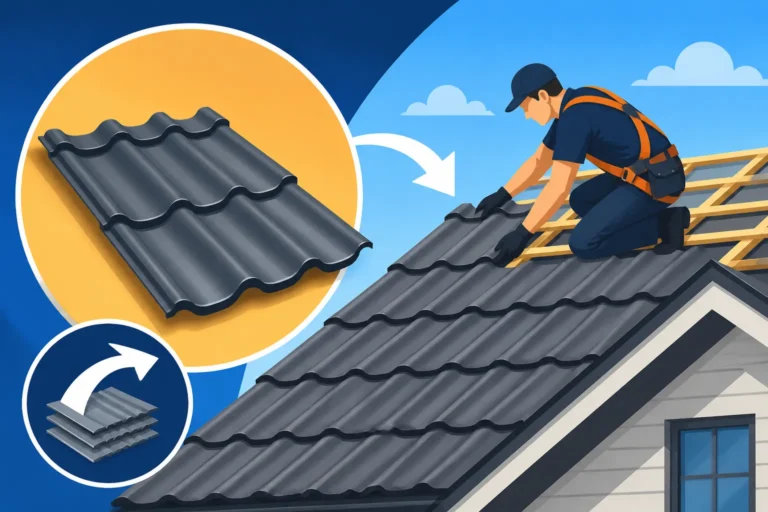
Tile roof installation is often even more intricate and labor-intensive. Due to the weight of the tiles, the existing roof deck might need reinforcement, which adds significant time and complexity before any tiles are even laid. Each tile needs to be individually placed, aligned, and often fastened, especially in high-wind zones, following precise patterns to ensure proper water shedding and aesthetic consistency. The curves and contours of many tile types require a craftsman's touch, and proper underlayment, batten systems, and flashing are crucial. The process can take considerably longer than a metal roof installation, sometimes weeks for a large or complex roof, compared to days or a week for metal. This extended timeframe contributes to the higher labor costs associated with tile roofs.
Routine Maintenance for Both Roof Types
One of the big selling points for both metal and tile roofs is their relatively low maintenance compared to other roofing materials. They don't typically require the frequent repairs or shingle replacements that asphalt roofs might demand.
For metal roofs, routine maintenance primarily involves keeping the roof clean of debris, especially in valleys and around penetrations, to ensure proper water flow. Checking fasteners periodically for any signs of backing out or sealant degradation is wise, particularly for exposed fastener systems. While the advanced coatings on modern metal roofs are incredibly durable, an occasional gentle cleaning can help maintain their aesthetic appeal, especially in areas with significant dust or pollution. If minor scratches or chips occur, touch-up paint can usually be applied to prevent rust and maintain appearance. Overall, the durable nature of metal means less hands-on maintenance than many alternatives.
Tile roofs also boast low maintenance in terms of material degradation. They won't rot, attract insects, or degrade under UV light. However, their individual nature means that occasional inspections for cracked or broken tiles are a good idea. These can occur from severe impacts (e.g., a falling branch) or improper foot traffic. Replacing a broken tile is a straightforward process for an experienced roofer, but it's essential to address promptly to prevent water intrusion. In humid or shaded areas, moss or algae can sometimes grow on tiles, which may require gentle cleaning to maintain appearance and prevent moisture buildup underneath. Keeping gutters and valleys clear is also crucial for tile roofs to ensure water drains effectively.
Repair Scenarios and Costs
Even the most durable roofs may require repairs at some point, whether due to unforeseen damage or age. Understanding the typical repair scenarios and associated costs can help in budgeting for the long term.
For metal roofs, common repairs include addressing minor leaks (often around fasteners or flashing), repairing dents from severe hail or falling objects, or replacing a damaged panel. If a standing seam panel is severely damaged, a skilled roofer can typically remove and replace the individual panel without disturbing the entire roof. Fastener issues are common for exposed fastener systems over many years, as washers can degrade; replacing these is a relatively simple and inexpensive repair. For insights into common fixes, refer to our guide on Metal Roof Leak Repair Guide. The cost of metal roof repair varies widely depending on the extent of the damage and the type of metal, but often involves targeted intervention rather than a full section replacement.
Tile roof repairs typically involve replacing individual broken or cracked tiles. This can occur due to impacts, extreme temperature cycling causing expansion/contraction stress, or improper foot traffic. While straightforward for a professional, it requires careful handling to avoid damaging adjacent tiles. Finding exact color-matched replacement tiles, especially for older roofs or custom blends, can sometimes be a challenge, potentially leading to slight color variations. The cost per tile is higher than, say, a single asphalt shingle, but the infrequency of repairs often balances this out. However, if structural issues or widespread underlayment failure occurs, tile roof repair can become significantly more complex and expensive, sometimes necessitating partial or full re-installation. For serious dilemmas, our guide on Metal Roof Repair vs Replacement: How to Decide provides a framework for weighing options.
| Feature / Aspect | Metal Roof | Tile Roof |
|---|---|---|
| Lifespan | 40-70+ years (Copper/Zinc 100+) | 50-100+ years (Slate 100-200+) |
| Materials | Steel (Galvalume/Galvanized), Aluminum, Copper, Zinc | Clay, Concrete, Slate |
| Profiles/Styles | Standing Seam, Shingles, Corrugated, R-Panel, etc. | Barrel (S-tile), Flat, Interlocking, Spanish |
| Weight | Light-Moderate (0.7-1.5 lbs/sq ft) | Heavy (8-15 lbs/sq ft, requires structural support) |
| Upfront Cost (per sq. ft. installed) | $8 – $30+ (depends on material/profile) | $10 – $60+ (depends on material) |
| Durability | Excellent: fire, wind (140+ mph), rot, insects, impact (dents) | Excellent: fire, wind (good), rot, insects, impact (breaks/cracks) |
| Energy Efficiency | High reflectivity (cool roofs), lowers AC costs | Thermal mass, ventilation (cools in hot climates) |
| Maintenance | Low: routine cleaning, fastener checks | Low: routine cleaning, replace broken tiles |
| Noise | Minimal with proper insulation/decking | Minimal |
| Installation | Specialized, precise, custom fabrication | Highly specialized, labor-intensive, structural checks |
| Resale Value | High, modern appeal | High, classic/regional appeal |
Disclaimer
Please remember that the information provided in this guide is intended for general informational purposes only. Roofing projects are complex and dependent on numerous variables, including local building codes, specific material choices, geographical location, and contractor rates. Always consult with multiple qualified and licensed metal roofing professionals for personalized advice, detailed estimates, and to ensure compliance with all local regulations before making any decisions about your home's roof.