24 vs 26 Gauge Metal Roofing: Which Is Best?
Choosing a new roof is a huge decision, and when you start looking into metal roofing, you quickly realize there's a whole new language to learn – especially when it comes to "gauge." It's frustrating to be faced with terms like 24-gauge versus 26-gauge and not fully grasp what they mean for your home's protection and your wallet. This guide is here to clear up that confusion, helping you understand the real differences between these popular metal roof gauges so you can make an informed choice.
Understanding Metal Roof Gauge: What Does It Really Mean?
When you’re talking about metal roofing, the term "gauge" refers to the thickness of the metal. It’s one of those things that feels a bit counterintuitive at first glance, like many aspects of home improvement. You'd think a higher number would mean thicker, right? But with metal gauge, it's actually the opposite: the lower the gauge number, the thicker the metal panel. So, a 24-gauge panel is thicker than a 26-gauge panel, and a 29-gauge panel (often found on agricultural buildings) is thinner still. This inverse relationship can definitely throw homeowners for a loop, but once you get the hang of it, it becomes a straightforward indicator of a panel's heft.
The gauge of your metal roof has a direct impact on its performance, durability, and even its aesthetic appeal over the decades. It's not just a minor specification; it's a fundamental characteristic that influences how your roof stands up to harsh weather, resists impacts, and maintains its sleek appearance. While a thinner gauge might seem like a way to save a few bucks upfront, understanding the long-term implications for your home is key to avoiding costly regrets down the line. It's a foundational element to consider in your overall Metal Roof Cost: Complete 2026 Guide.
The Inverse Relationship of Gauge and Thickness
It truly can feel like a trick question when you first encounter metal gauge numbers. We're so used to "more equals more" in daily life – more money means more purchasing power, a higher score means better performance. But in the world of metal roofing, a 24-gauge steel panel is measurably thicker and often stronger than a 26-gauge steel panel. Think of it like a heavyweight boxer versus a featherweight: the lower number (24) represents the more substantial option, while the higher number (26) is the lighter contender.
This system traces back to older manufacturing practices and wire gauges, which simply stuck around in roofing. For residential metal roofing, you'll most commonly encounter gauges ranging from 29 (thinnest, often for utility buildings or DIY projects) to 22 (thickest, typically reserved for high-end custom homes or commercial applications). The most popular choices for homes, and the focus of our discussion today, are indeed 24-gauge and 26-gauge. Understanding this basic principle is your first step towards demystifying metal roofing specifications and confidently discussing your options with a contractor.
Why Thickness Matters for Your Roof
So, why fuss over a millimeter or two of metal thickness? The gauge, or thickness, of your metal roofing panels directly correlates with several crucial performance characteristics that will affect your home for decades. First and foremost, a thicker gauge means enhanced durability. It stands up better to physical impacts, whether that's falling branches, hailstones, or even foot traffic during maintenance. A robust panel is less likely to dent, warp, or suffer damage from unexpected events.
Secondly, thickness contributes significantly to the roof's structural integrity and resistance to issues like "oil canning." Oil canning refers to the visible waviness or distortion in flat metal panels, a purely aesthetic phenomenon that doesn't affect performance but can detract from your roof's appearance. Thicker gauges, by their very nature, are more rigid and less prone to this visual imperfection, particularly in broad, flat panels like those found in standing seam systems. Lastly, the gauge impacts the roof’s longevity and how it handles expansion and contraction due to temperature changes. A thicker panel is often more stable and can withstand these forces better over its extended lifespan.
Diving Deep into 26 Gauge Metal Roofing
The 26-gauge metal roof is a very popular choice for homeowners, and for good reason. It strikes a balance that often appeals to those looking for the benefits of metal roofing without the absolute highest upfront investment. While it might be a lighter option than its 24-gauge counterpart, it still offers significant advantages over traditional asphalt shingles, especially in terms of longevity and resistance to many common roofing woes.
Many homeowners find the cost-effectiveness of 26-gauge appealing when they're transitioning to metal. It’s a smart way to get into a durable, energy-efficient roofing system, and when installed correctly, it provides excellent protection. Often made from Galvalume steel, a popular material that combines steel's strength with aluminum's corrosion resistance, 26-gauge panels come with tough, long-lasting paint finishes designed to resist fading and chalking. It’s important to remember that even as a thinner option, it’s still engineered for performance.
Characteristics and Common Applications
When we talk about 26-gauge metal roofing, we're typically looking at steel panels, most often with a Galvalume coating for enhanced corrosion resistance, though galvanized steel is also common. The actual thickness of a 26-gauge steel panel is approximately 0.019 inches. While this might sound thin on paper, it's a remarkably strong material that offers substantial protection. These panels frequently feature high-quality paint systems, such as SMP (Silicone Modified Polyester) or PVDF (Polyvinylidene Fluoride) coatings, which are crucial for resisting UV degradation, fading, and chalking over time.
You'll commonly see 26-gauge metal roofing on residential homes, particularly where homeowners are balancing budget with the desire for a long-lasting, low-maintenance roof. It's a favorite for agricultural buildings like barns and sheds, as well as light commercial applications. It's also a go-to for residential "exposed fastener" metal roofing systems, such as corrugated or R-panel profiles, where the fasteners are visible on the surface of the panels. These profiles inherently have more rigidity due to their bends and ribs, allowing for a slightly thinner gauge to still offer good performance. For a broader understanding of different material costs, check out our guide on Metal Roof Cost by Material: Steel vs Aluminum vs Copper vs Zinc.
Pros and Cons of 26 Gauge
Let's break down the real-world advantages and disadvantages of opting for a 26-gauge metal roof.
Pros of 26 Gauge:
- Cost-Effective: This is often the primary driver for choosing 26-gauge. The material cost per square foot is generally lower than thicker gauges, making it a more accessible entry point into metal roofing. This can significantly impact your Metal Roof Cost Per Square Foot.
- Lighter Weight: Being thinner, 26-gauge panels are lighter. This can translate to easier and faster installation, potentially reducing labor costs. It also puts less strain on your existing roof structure, which might be a consideration for older homes or certain types of construction.
- Good for Specific Applications: For structures like sheds, detached garages, or even some residential homes with very steep pitches, 26-gauge offers excellent protection. Its lighter weight is a particular advantage in these scenarios.
- Still Highly Durable: Compared to asphalt shingles, even 26-gauge metal roofing is a major upgrade. It's fire-resistant, wind-resistant, and can last for decades with proper installation and care.
Cons of 26 Gauge:
- More Prone to Dents: The thinner nature of 26-gauge metal means it's more susceptible to denting from hail, falling debris, or heavy impacts. While modern metal roofs are robust, a severe hailstorm could leave more noticeable cosmetic damage on a 26-gauge panel compared to a thicker one.
- Increased Risk of Oil Canning: While not a structural issue, oil canning (the wavy appearance of flat metal panels) is more likely to occur with thinner gauges, especially on flatter, standing seam panels. If a perfectly smooth aesthetic is paramount, this is a consideration.
- Less Impact Resistance: For homes in areas prone to very large hail or frequent heavy storms, the slightly lower impact resistance might be a concern. While still good, it's not as robust as its thicker counterparts.
- Potentially Shorter Aesthetic Life: While the protective coating will last, the cosmetic integrity (freedom from dents or ripples) might diminish faster than a 24-gauge roof under similar conditions, potentially requiring Metal Roof Repair vs Replacement: How to Decide sooner for aesthetic reasons.
Exploring 24 Gauge Metal Roofing
Now, let's turn our attention to the 24-gauge metal roof. For many homeowners and roofing professionals, 24-gauge is considered the sweet spot for premium residential metal roofing, especially when it comes to standing seam systems. It offers an exceptional blend of durability, aesthetic appeal, and long-term performance that justifies its higher initial investment. This is often the choice for those who view their roof as a long-term asset, seeking maximum protection and minimal maintenance for decades to come.
When you invest in a 24-gauge metal roof, you're not just buying a covering for your home; you're investing in peace of mind. Its substantial feel and superior strength translate into a roof that's built to withstand the elements, maintain its pristine appearance, and potentially even boost your home's resale value significantly. It's often associated with architectural-grade systems and boasts features that contribute to a truly high-performance envelope for your house.
Features and Ideal Scenarios
The 24-gauge metal roofing panel typically measures around 0.023 inches thick for steel. This seemingly small increase in thickness over 26-gauge makes a significant difference in performance characteristics. Often, 24-gauge panels are crafted from high-quality steel (Galvalume being a popular choice for its protective properties), but you'll also find it in premium metals like aluminum or even copper for custom applications. These panels are almost exclusively paired with top-tier PVDF (Kynar 500 or Hylar 5000) paint coatings, which are renowned for their exceptional color retention, chalk resistance, and overall longevity, often backed by 30- to 40-year finish warranties.
The "gold standard" application for 24-gauge metal roofing is in standing seam systems for high-end residential homes and demanding commercial projects. Its inherent rigidity minimizes oil canning, providing a sleek, smooth aesthetic that homeowners often desire. Ideal scenarios for 24-gauge include homes in regions with frequent severe weather, such as heavy hail or high winds, where superior impact and wind resistance are paramount. It's also favored for architectural designs where the roof is a prominent visual feature, and long-term aesthetic integrity is a key priority. For more on this, consider reading about Standing Seam Metal Roof Cost.
Pros and Cons of 24 Gauge
Let’s delve into the specific advantages and considerations of choosing 24-gauge metal for your roof.
Pros of 24 Gauge:
- Superior Durability and Impact Resistance: The increased thickness of 24-gauge panels makes them significantly more resistant to dents from hail, falling branches, or other impacts. This is a major advantage for homeowners in storm-prone regions, potentially saving you from costly repairs or premature replacement.
- Reduced Oil Canning: Because it's a more rigid material, 24-gauge metal is far less prone to the cosmetic issue of oil canning, especially in wider, flatter panels. This ensures your roof maintains a consistently smooth and high-quality appearance for its entire lifespan.
- Enhanced Wind Resistance: The added rigidity contributes to better performance in high-wind conditions. When properly installed with robust fastening systems, a 24-gauge roof is less likely to lift or buckle under extreme wind loads, a critical factor for homes in hurricane zones or open areas.
- Longer Aesthetic Lifespan: With better resistance to dents and oil canning, and often paired with premium coatings, a 24-gauge metal roof maintains its pristine appearance longer, contributing to a higher curb appeal and potentially a better Does a Metal Roof Increase Home Value?.
- Better Warranties: Manufacturers often provide stronger, longer warranties for their 24-gauge products, reflecting their confidence in the material's superior performance and longevity. This can include both material and finish warranties, offering greater peace of mind.
Cons of 24 Gauge:
- Higher Material Cost: There’s no getting around it – 24-gauge metal costs more per square foot than 26-gauge. This upfront investment is a significant consideration for many budgets. You'll definitely want to include this in your Metal Roof Cost Calculator: How to Estimate.
- Heavier Panels: The added thickness means increased weight. While most residential structures can handle it, very old or structurally compromised roofs might require additional reinforcement, which could add to installation costs. This can also make installation slightly more challenging for installers.
- Potentially Higher Installation Costs: Due to the weight and often the more intricate installation methods associated with architectural-grade systems (like standing seam), labor costs can sometimes be higher for 24-gauge installations. Experienced contractors are essential for precise handling and installation.
- Less DIY Friendly: While still possible, DIY installation of 24-gauge standing seam panels is more challenging due to the panels' size, weight, and the specialized tools often required for seaming. Most homeowners opt for professional installation.
Cost Implications and Long-Term Value
When you're trying to decide between 24-gauge and 26-gauge metal roofing, it's natural to focus on the immediate sticker price. However, looking solely at the upfront cost can be a pitfall. A roof is a long-term investment, and the real value emerges when you consider the total cost of ownership over its entire lifespan. Understanding the subtle differences in material, labor, and maintenance can help you see which gauge truly offers the best return on investment for your specific situation.
Many homeowners turn to platforms like Modernize to get multiple quotes, and it's during this process that the nuances of pricing become clear. It's not just about the raw material; it's about how that material impacts installation time, potential future repairs, and even how long your roof retains its aesthetic appeal. Factoring in these elements allows you to weigh the immediate savings against the long-term benefits and potential costs.
Material and Installation Cost Differences
Let's talk numbers, because that's where the rubber meets the road for most homeowners. Generally, 24-gauge metal roofing panels will be 10-25% more expensive per square foot for the material alone compared to 26-gauge. This difference can add up substantially over the entire roof area. For example, if a 26-gauge standing seam roof costs around $10-$14 per square foot installed, a 24-gauge standing seam roof might run $12-$18 per square foot installed, varying greatly by location, contractor, and specific panel profile. You can see how this affects your overall Metal Roof Cost by State and City.
Beyond the material, installation costs can also vary. While 26-gauge panels are lighter and sometimes quicker to maneuver, 24-gauge panels, especially those for standing seam systems, often require more specialized equipment and a highly skilled crew to handle their weight and ensure a flawless finish. This means that while the raw material cost is a factor, the labor component can also see a slight increase for 24-gauge installations. However, this isn't always a huge differential as labor is often priced based on complexity and time, and a skilled crew might install both gauges with similar efficiency. When getting quotes, always ask contractors to break down material vs. labor to truly compare apples to apples, a tip we emphasize in our guide on How to Read and Compare Metal Roof Quotes.
Durability, Lifespan, and Return on Investment
Here's where the long-term value of a thicker gauge really shines. While both 24-gauge and 26-gauge metal roofs are incredibly durable and will outlast asphalt shingles by a significant margin, the 24-gauge option typically offers enhanced longevity and lower lifetime maintenance. Its superior dent resistance means you'll likely face fewer cosmetic repairs, especially if you live in an area prone to hail or falling debris. Over 50 years, those saved repair costs can easily offset the initial higher material price.
Consider a scenario in Oklahoma, a state known for its severe weather. A 24-gauge roof might shrug off hailstones that could leave minor, albeit cosmetic, dents on a 26-gauge roof. While insurance might cover significant damage, avoiding those claims and the associated hassle is a value in itself. This inherent robustness contributes to a higher effective lifespan, ensuring your roof provides uninterrupted protection for longer. This also translates to a better return on investment over time. A home with a pristine 24-gauge metal roof is often more appealing to future buyers, potentially commanding a higher sale price and contributing to the Is a Metal Roof Worth It? ROI, Resale & Payback. The initial investment pays dividends through fewer headaches and greater long-term asset value.
Factors Beyond Gauge: A Holistic View
While gauge is undeniably a critical factor in selecting your metal roof, it’s not the only piece of the puzzle. Focusing solely on thickness without considering other aspects would be like judging a book by one chapter. The performance, longevity, and appearance of your metal roof are a complex interplay of material, profile, coating, installation quality, and environmental factors. To truly make the best decision for your home, it’s important to zoom out and look at the bigger picture.
Thinking holistically helps prevent common oversights. For instance, a super thick gauge might seem great, but if it’s an exposed fastener system in a high-wind area, the fasteners themselves become a point of vulnerability regardless of the panel's thickness. Similarly, the best gauge in the world won’t perform optimally if the installation is shoddy. That's why it's so important to thoroughly vet your contractors and ensure they understand the entire roofing system, not just the gauge.
Panel Profile and Fastener Type
The choice of panel profile and fastener system plays a huge role in how the gauge performs and which gauge is even appropriate. There are generally two main categories: hidden fastener systems and exposed fastener systems.
Hidden Fastener Systems (e.g., Standing Seam):
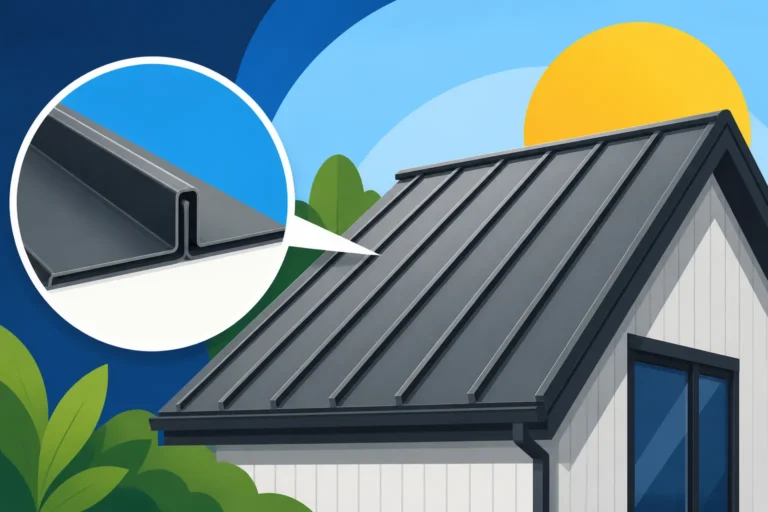
Standing seam metal roofs are characterized by their sleek, continuous panels that are fastened to the roof deck with clips concealed beneath the surface. These systems typically use heavier gauge metals, most commonly 24-gauge or even 22-gauge. Why? Because the flat, broad sections of a standing seam panel rely on the thickness and rigidity of the metal itself to resist oil canning and maintain a smooth appearance. A thinner gauge (like 26-gauge) in a standing seam profile would be more susceptible to waviness, detracting from the high-end aesthetic. The hidden fasteners also contribute to greater weather resistance and a cleaner look. If you're considering this option, our guide on What Is a Standing Seam Metal Roof? can provide more detail.
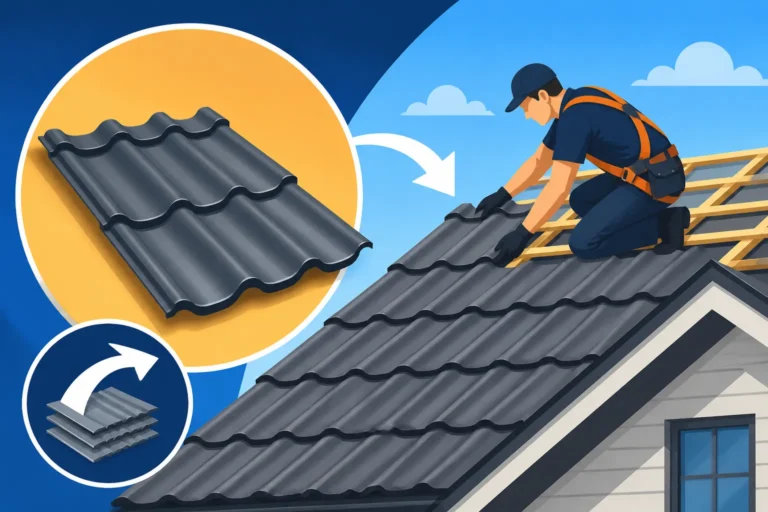
Exposed Fastener Systems (e.g., Corrugated, R-Panel, 5V Crimp):
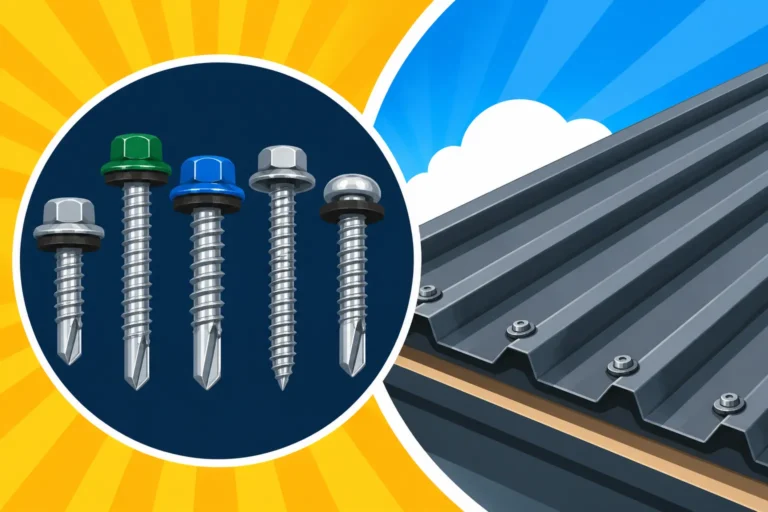
These panels have visible screws or fasteners that penetrate through the metal and into the roof deck. While they offer excellent performance and are generally more budget-friendly than standing seam, they often utilize thinner gauges, such as 26-gauge or even 29-gauge. The reason thinner gauges work well here is because the corrugated or ribbed profiles of these panels provide inherent rigidity and strength. The bends and curves in the metal help prevent oil canning and provide structural integrity, even with a lighter material. Common examples include What Is a Corrugated Metal Roof? or What Is a R-Panel Metal Roof?. While a 24-gauge exposed fastener panel would be exceptionally durable, it's often an unnecessary expense given the inherent strength of the profile.
Climate, Aesthetics, and Warranty Considerations
Beyond the physical properties of the panel, your climate, desired aesthetic, and the specifics of the warranty should heavily influence your gauge decision.
Climate:
- High Wind Areas: If you live in a region prone to hurricanes, tornadoes, or strong gusts (think coastal Florida or the plains of Texas), a thicker 24-gauge metal roof with a robust standing seam profile is often the superior choice. Its added rigidity and secure fastening provide better uplift resistance, protecting your home when it matters most.
- Hail Prone Regions: States like Colorado, Oklahoma, and parts of Texas frequently experience severe hailstorms. Here, the enhanced impact resistance of 24-gauge can significantly reduce the risk of dents and cosmetic damage, potentially saving you headaches with insurance claims for "cosmetic damage exclusions."
- Heavy Snow Loads: While metal roofs are excellent at shedding snow, a thicker gauge can better withstand the static load of heavy snow accumulation, especially on lower-sloped roofs.
Aesthetics:
As we've discussed, oil canning is less prevalent with thicker gauges, particularly on standing seam panels. If you desire a perfectly flat, clean look for your roof, 24-gauge is almost always the preferred option. Homeowners investing in a premium look often find the extra cost for 24-gauge worth it to achieve that crisp, architectural finish.
Warranty:
Always, always, always dig into the warranty details. Manufacturers often offer longer and more comprehensive warranties for their thicker gauge products. This can include extended material warranties and finish warranties (covering fading, chalking, and peeling). A 24-gauge panel, especially when paired with a high-quality PVDF coating, might come with a 30- to 40-year finish warranty, whereas a 26-gauge panel might have a 20- to 30-year warranty. Understanding these distinctions is crucial, as the warranty is your long-term assurance of performance. Our detailed guide on Metal Roof Warranties: Workmanship vs Manufacturer is an invaluable resource for navigating this complex topic. Remember that choosing a reputable installer, perhaps one found through Modernize, who is certified by the manufacturer can also impact your warranty coverage.
Making the Right Choice for Your Home
Deciding on the right metal roof gauge isn't about finding a universally "best" option, but rather finding the best fit for your unique home, budget, and priorities. There's no one-size-fits-all answer, and what works perfectly for your neighbor's cabin might not be ideal for your suburban home. The key is to approach the decision with an informed perspective, weighing all the factors we've discussed against your personal circumstances and desired outcomes.
It's a big investment, and you want to feel confident that you're making a choice that will protect your home and enhance its value for decades. Don't rush the process, and empower yourself with knowledge before you commit.
Assessing Your Budget and Priorities
Before you even start talking to contractors, take some time to realistically assess your financial situation and clearly define what you want most from your new roof.
Budget: What is your absolute comfortable spending limit? Be honest with yourself. While a 24-gauge standing seam roof offers superior benefits, if it stretches your finances too thin, it might not be the most responsible choice. However, remember to look at the Metal Roof Cost vs Lifespan Value – sometimes a higher upfront cost translates to lower costs over the roof’s lifetime. Consider options like Metal Roof Financing Options if a higher-gauge roof is your ideal.
Priorities: What matters most to you?
- Durability and Impact Resistance? If you live in a hail-prone area or have large trees, prioritizing a 24-gauge for its superior dent resistance might be wise.
- Aesthetics? If a perfectly smooth, architectural look with minimal oil canning is paramount, especially for a prominent standing seam roof, then 24-gauge is likely your best bet.
- Long-Term Value and Low Maintenance? Both gauges offer this, but 24-gauge generally provides a slight edge in reducing cosmetic issues and potential minor repairs over its extended lifespan.
- Upfront Cost Savings? If your budget is tighter, and you're okay with the potential for minor cosmetic imperfections or live in a milder climate, a 26-gauge exposed fastener system can be an excellent, more affordable entry into metal roofing.
- Weight Considerations? For very old homes, the lighter weight of 26-gauge might be a subtle benefit, though most structures can easily handle either.
There's no shame in choosing a 26-gauge roof if it aligns with your budget and priorities; it's still a fantastic roofing material. The "best" roof is the one that meets your specific needs and provides you with lasting satisfaction.
Consulting with Professionals and Getting Quotes
Once you have a clearer idea of your budget and priorities, the next crucial step is to engage with experienced metal roofing professionals. This isn't the time for a quick, online estimate – you need expert advice tailored to your home and local conditions.
Seek Out Metal Roofing Specialists: Not all roofers are equally skilled in metal roofing. Look for contractors who specialize in metal installations, particularly the type of panel (standing seam vs. exposed fastener) you are considering. Platforms like Modernize can help you connect with local, vetted contractors who are experienced in metal roofing.
Ask the Right Questions: When getting quotes, don't be shy. Ask about:
- The specific gauge of metal being quoted.
- The type of metal (Galvalume steel, aluminum, etc.) and the brand of the panel.
- The paint system (PVDF or SMP) and its associated warranty.
- The panel profile (standing seam, corrugated, R-panel, etc.).
- Details about the underlayment and fastening system.
- Their experience with the chosen gauge and profile.
- References for similar projects they've completed.
Our article on Questions to Ask a Metal Roofing Contractor Before You Hire offers a comprehensive list to guide your conversations.
Get Multiple, Detailed Quotes: Always get at least three quotes from different contractors. Ensure each quote is itemized and clearly specifies the gauge, material, coating, and installation method. This allows you to compare bids accurately, as outlined in our guide on How to Compare Metal Roof Bids Apples to Apples. A good contractor won't just give you a price; they'll educate you on why they recommend a particular gauge and system for your home, considering its pitch, location, and your long-term goals.
By combining your own thoughtful assessment with expert professional guidance, you’ll be well-equipped to choose between 24-gauge and 26-gauge metal roofing, ensuring your home receives the durable, beautiful, and long-lasting protection it deserves.
| Feature | 24 Gauge Metal Roofing | 26 Gauge Metal Roofing |
|---|---|---|
| Thickness | Approximately 0.023 inches (steel) – Thicker | Approximately 0.019 inches (steel) – Thinner |
| Cost | Higher upfront material and potential labor costs | Lower upfront material and potential labor costs |
| Durability | Superior impact resistance, less prone to dents | Good impact resistance, more prone to minor dents |
| Oil Canning | Significantly reduced risk, especially for flat panels | Higher risk, especially for flat standing seam panels |
| Rigidity | More rigid, better structural integrity | Less rigid, relies more on profile for strength |
| Common Use | High-end residential, architectural standing seam, commercial | General residential, agricultural, exposed fastener systems |
| Wind Resistance | Excellent | Very good |
| Aesthetic Life | Longer-lasting pristine appearance | Long-lasting, but cosmetic integrity may diminish faster |
| Warranties | Often longer and more comprehensive (e.g., 30-40 yr finish) | Typically good (e.g., 20-30 yr finish) |
| Weight | Heavier | Lighter |
Disclaimer
Please remember that the information provided in this guide is for general informational purposes only and does not constitute professional advice. Roofing projects are complex and require the expertise of qualified professionals. Always consult with a licensed and insured metal roofing contractor for specific recommendations tailored to your property, local building codes, and individual needs. Material costs, labor rates, and product availability can vary significantly by location and change over time.