How to Compare Metal Roof Bids Apples to Apples
Getting three different quotes for a new roof only to find they are thousands of dollars apart is a special kind of stress. You are likely staring at paperwork that uses different terminology, lists different materials, and offers vague promises that make it nearly impossible to tell who is giving you a fair deal and who is cutting corners. This guide solves that confusion by teaching you how to strip away the jargon and compare metal roof bids on a perfectly level playing field.
Understanding Why Metal Roof Bids Vary So Wildly
It is incredibly common to feel like you are being pranked when one contractor quotes you $15,000 and the next says $28,000 for the exact same house. You might wonder if the expensive guy is just trying to fund his next vacation or if the cheap guy is planning to disappear halfway through the job. The reality is usually found in the details of the scope of work. Metal roofing is not a "one size fits all" product; it is a complex system involving dozens of integrated components.
When you start your search, perhaps using a platform like Modernize to find local pros, you’ll notice that each business has a different way of calculating their overhead and profit. A small, two-man crew might have very low overhead because they don’t pay for a fancy showroom or a fleet of branded trucks, but they might also lack the robust insurance or project management of a larger outfit. Conversely, a large company might charge more but offer a much longer workmanship warranty and a dedicated point of contact for your project.
The Hidden Complexity of Materials
Not all steel is created equal. One contractor might be quoting a 29-gauge exposed fastener system, while another is quoting a 24-gauge standing seam system. To the untrained eye, they both look like "metal roofs," but the performance, lifespan, and Metal Roof Labor Cost associated with them are vastly different. If one bid doesn't specify the metal thickness or the paint system (like PVDF versus SMP), they are likely quoting the cheapest possible option to win the job on price alone.
You also have to look at the "trim package." This includes things like the ridge caps, gable trim, and drip edges. A high-quality bid will specify that these are made from the same gauge and finish as the panels. A budget bid might use thinner, generic trim that fades at a different rate than your roof, leading to a mismatched look in five to ten years. Validating these material differences is the first step in ensuring you aren't comparing a luxury sedan to a base-model compact car.
Labor Expertise and Local Market Rates
Installing metal is much more of a craft than installing asphalt shingles. While many general roofers can "bang out" a shingle roof in a day, a proper metal installation requires specialized tools and a deep understanding of thermal expansion and contraction. If you see a massive discrepancy in labor, it’s often because one contractor is using a highly trained, specialized crew while the other is using general laborers who might be learning on your house.
Local market rates also play a role. A contractor in a high-cost area like Seattle or San Francisco will naturally have higher bids than someone in a rural part of the Midwest. This isn't just about greed; it’s about the cost of doing business, including workers' compensation insurance, which is significantly higher for roofing than for other trades. If a bid seems too good to be true, the contractor might be misclassifying their employees or skipping out on essential insurance coverages.
Overhead and Insurance Realities
A reputable contractor carries general liability insurance and workers' compensation. These aren't just boxes to check; they are your protection against a lawsuit if a worker falls off your roof. When you compare bids, you are also comparing the level of protection you are buying. A "trunk-and-a-ladder" contractor might save you $4,000, but if they aren't properly insured, you are the one on the hook for any accidents on your property.
Furthermore, consider the "office" support. Does the company have a project manager? Do they handle the permitting process? Taking the time to understand Who Pulls the Permit: Contractor or Homeowner? is vital, as a contractor who asks you to pull the permit is often trying to avoid being the "contractor of record," which is a major red flag for insurance and liability.
Breaking Down the Components of a Professional Quote
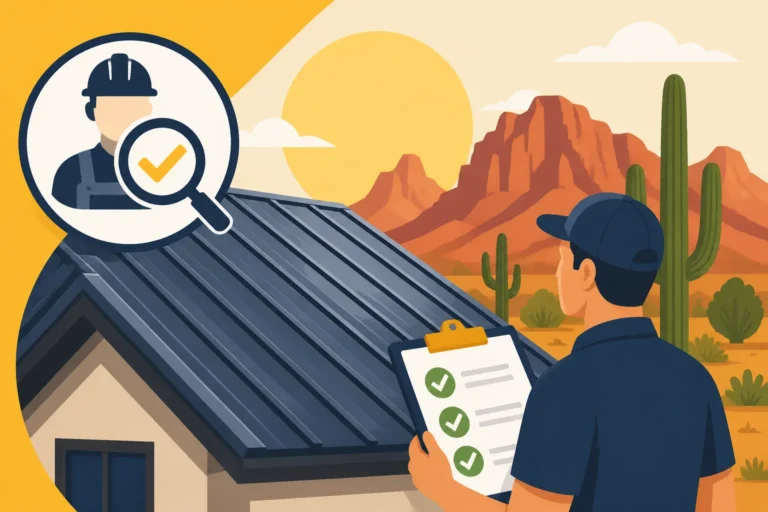
A professional metal roofing quote should be several pages long, not a single number scribbled on the back of a business card. If you are using Modernize to connect with professionals, expect to see a higher level of detail in their documentation. You want to see every single piece of the system listed out so you can verify that "Apples to Apples" comparison.
If a contractor simply writes "Install new metal roof," you have no way of knowing what you are actually getting. You need to see the brand of the metal, the gauge of the steel, the type of underlayment, and even the type of fasteners being used. Without this level of detail, the contractor can swap in cheaper materials mid-project to increase their profit margin without you ever knowing.
Material Specifications: Beyond the Surface
The first thing you should look for is the metal gauge. In the world of metal roofing, a lower number means thicker metal. For residential applications, 24-gauge is the gold standard for standing seam, while 26 or 29-gauge is common for corrugated or ribbed panels. If one bid uses 24-gauge and the other uses 29-gauge, the 24-gauge bid will naturally be more expensive because the material itself costs more and is more durable.
Next, look for the paint finish. Look for names like Kynar 500 or Hylar 5000 (PVDF coatings). These are high-end finishes that resist fading and chalking for decades. If the bid mentions "siliconized modified polyester" (SMP), it’s a good product, but it is a step down from PVDF. Comparing these finishes is critical because a roof that looks great for 10 years but then fades into a chalky mess was not a good investment. Learning How to Read and Compare Metal Roof Quotes will help you spot these specific chemical names in the fine print.
The Importance of Underlayment and Accessories
What goes under the metal is just as important as the metal itself. Standard felt paper is generally a poor choice for metal roofs because the metal can get hot enough to stick to the felt and tear it. High-quality bids will specify a synthetic underlayment or, even better, a high-temp "ice and water shield" in valleys and along the eaves.
Don't forget the fasteners. For an exposed fastener roof, you want screws with EPDM washers that are UV-resistant. For a standing seam roof, the clips should be made of a compatible metal to prevent galvanic corrosion. A detailed bid will also list things like pipe boots (the seals around your plumbing vents) and specify if they are standard plastic or high-grade silicone. If these are missing from the bid, you might find yourself facing "hidden costs" once the old roof is torn off.
Labor and Craftsmanship Breakdown
The labor portion of the bid should ideally be separated from the material cost. This allows you to see exactly what you are paying for the "hands on the tools." Metal roofing requires a lot of "flashing" work around chimneys, dormers, and valleys. This is where most leaks occur, and it is also where the most labor is spent.
A cheap bid often skimps on the flashing, using "caulk-and-walk" methods instead of proper metal-to-metal interlocking folds. Ask the contractor how they handle transitions. If they say they use a lot of sealant, be wary. A true metal roof should rely on gravity and metal engineering to shed water, with sealant used only as a secondary backup. It is also worth investigating How Many Metal Roofs Should a Contractor Have Installed before trusting them with a complex residential project.
The "Red Flag" Checklist: Spotting Low-Ball Bids
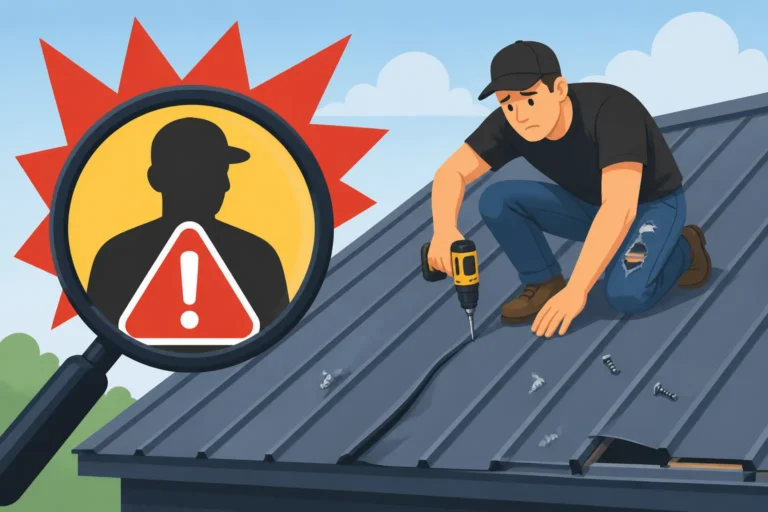
When you see a bid that is 30% lower than the others, your first instinct might be to celebrate. However, in the construction world, a low-ball bid is often a warning sign. It usually means the contractor has missed a significant part of the scope, is planning to use inferior materials, or is not paying their crew a living wage.
One of the most common ways to hide a low price is by excluding the "tear-off." Some contractors will quote for "re-covering" your existing roof with metal. While this can be done, it isn't always the best practice. You should definitely check Tear-Off vs Metal Over Shingles: Cost Difference to decide which route is right for you, but make sure all your bids are quoting the same method.
Missing Line Items and Vague Language
Vague language is the enemy of a successful project. Terms like "as needed" or "standard materials" give the contractor an out if things get difficult. For example, if your roof deck has rotten wood, a good bid will specify the cost per sheet of plywood replacement. A vague bid will leave that as an open-ended "extra," which can lead to a massive bill at the end of the project.
Another common omission is debris removal. Does the quote include the cost of the dumpster and the labor to haul away your old shingles? If it doesn't say "includes disposal and site cleanup," you might find a pile of old roofing in your yard and a $500 invoice from a waste management company that you weren't expecting.
Lack of Licensing or Insurance Proof
Never hire a contractor who cannot provide a current certificate of insurance and a valid state license. Some "contractors" are actually just handymen who don't have the legal right to pull roofing permits. You can usually How to Tell If a Roofing Contractor Is Licensed by checking your state's online database.
When you get your bids, ask for the contractor’s license number and the name of their insurance carrier. A legitimate pro, such as those you might find through Modernize, will have these documents ready to go. If they hesitate or tell you they'll "send it later," move on to the next bid. The risk of an uninsured worker getting injured on your property is simply too high.
Subcontractor Reliance vs. In-House Crews
Ask who will actually be doing the work. Many large roofing companies are actually sales organizations that sub out the entire job to the lowest-bidding local crew. While subcontracting isn't inherently bad, it can lead to a lack of quality control. If the person who sold you the roof isn't the one supervising the installation, things can get lost in translation.
A bid from a company with in-house crews is often slightly higher because they provide benefits, training, and consistent wages to their workers. This usually results in a much higher quality of installation. If you are comparing two bids, knowing which one uses dedicated employees can explain a significant portion of the price difference. You should always be able to How to Check Roofing Contractor References and specifically ask those references about the crew that showed up at their house.
Specific Questions to Level the Playing Field
To truly compare bids, you need to be the one driving the conversation. When the contractors come out to measure your roof, give them a list of "must-haves" so they are all quoting the same scope. This might include a specific color, a specific type of ridge vent, or a requirement that they use a magnetic sweep of your yard every day to pick up fallen screws.
If you don't set the ground rules, each contractor will quote what they prefer to install, which is often what they get the best deal on at the local supply house. By being specific, you force them to compete on the same level.
Warranty Depth: Workmanship vs. Manufacturer
This is one of the most misunderstood parts of a roofing quote. A "50-year warranty" usually only covers the material (the metal itself), and it is often prorated. It does not cover the labor to fix a leak. You need to look for the "Workmanship Warranty," which is provided by the contractor.
A standard workmanship warranty is usually 2 to 5 years, but elite contractors may offer 10 or 25 years. If one bid includes a 2-year warranty and the other includes a 10-year warranty, that has a real dollar value. You are essentially pre-paying for peace of mind. Make sure you understand the difference by reading Metal Roof Warranties: Workmanship vs Manufacturer before you sign anything.
Project Management and Communication
How does the contractor handle communication? Do they have an online portal where you can see photos of the progress? Do they have a dedicated project manager who will be on-site? These "soft" features don't show up as materials on a roof, but they make the difference between a smooth experience and a two-week nightmare of unanswered phone calls.
Ask each contractor how they handle weather delays or unexpected repairs. A professional will have a clear, written plan for protecting your home if it rains mid-installation. If they don't have a plan, or if they seem annoyed by the question, that is a huge indicator of how they will treat you once they have your deposit.
| Feature | Bid A (High-End) | Bid B (Mid-Range) | Bid C (Low-Ball) |
|---|---|---|---|
| Material | 24-Gauge Standing Seam | 26-Gauge Ribbed Panel | 29-Gauge Corrugated |
| Finish | PVDF (Kynar 500) | SMP | Polyester |
| Underlayment | High-Temp Self-Adhered | Synthetic Felt | Standard Felt |
| Tear-Off | Included | Included | Not Mentioned |
| Permits | Contractor Pulls | Contractor Pulls | Homeowner Pulls |
| Workmanship | 10 Years | 2 Years | None |
| Insurance | Full GL & Workers Comp | Full GL & Workers Comp | General Liability Only |
Making the Final Decision
Once you have your bids and you've filled out your comparison table, the "best" choice is rarely the cheapest one. It’s also not always the most expensive one. The best choice is the contractor who provided the most transparent bid and took the time to answer your questions without being pushy.
If you are still feeling stuck, consider using a third-party service like Modernize to see how other homeowners have rated these specific pros. Sometimes, seeing a pattern of "professional and tidy" in reviews is the tie-breaker you need when the numbers are close.
Balancing Cost vs. Value
Think about how long you plan to stay in the home. If this is your "forever home," spending the extra $5,000 for a 24-gauge standing seam roof with a PVDF finish is a no-brainer. Over 40 years, that extra cost is negligible. However, if you are planning to sell in three years, a mid-range ribbed panel might provide the "curb appeal" you need without the massive investment.
Don't forget to look at the long-term ROI. A high-quality metal roof can often lower your insurance premiums. Be sure to ask Does a Metal Roof Increase Home Value? and check with your local insurance agent. Sometimes the more expensive roof pays for itself in just a few years through these hidden savings.
Trusting Your Gut and Vet References
Finally, don't ignore your intuition. Did the contractor show up on time for the estimate? Were they respectful of your property? Did they listen to your concerns about your prize-winning rose bushes under the eaves? If a contractor is sloppy during the sales process, they will almost certainly be sloppy during the installation.
Always call at least two recent references. Don't just ask "did they do a good job?" Ask specific questions like: "Did they stay on schedule?" "Did the final price match the bid?" and "How did they leave the job site at the end of every day?" If a contractor is hesitant to provide references, or if the references seem "staged," that is a signal to keep looking. You are about to spend a significant amount of money; you deserve to work with someone who is proud of their track record. You might even want to ask Questions to Ask a Metal Roofing Contractor Before You Hire to see how they handle a bit of healthy scrutiny.
Disclaimer
This guide is for informational purposes only. Metal roofing costs, material availability, and local building codes vary significantly by region and specific project requirements. Always verify a contractor's licensing, bonding, and insurance status with your local and state authorities before signing a contract or providing a deposit. The author and publisher are not responsible for any financial losses or construction issues resulting from the use of this information.