How to Tell If a Metal Roof Quote Is Too Good to Be True
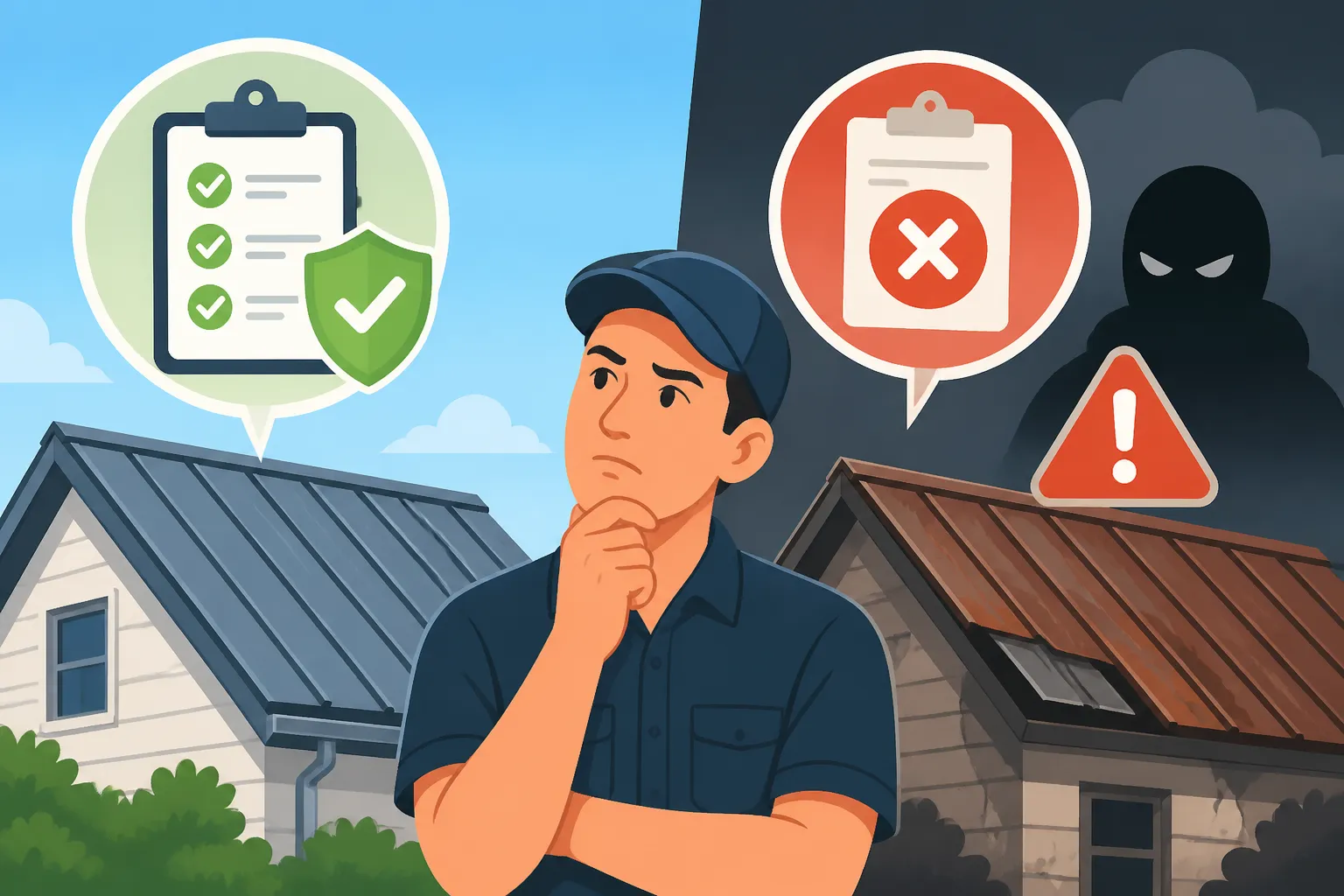
It’s an exciting moment when you decide to invest in a beautiful, long-lasting metal roof for your home. You start gathering quotes, and then, bam! One comes in significantly lower than all the others, making your eyes light up with the prospect of massive savings. But that little voice in your head immediately whispers, "Is this too good to be true?" It’s a common, gut-wrenching feeling, and you're right to be cautious. This guide will help you decipher those suspiciously low metal roof quotes, identify the red flags, and ensure you're getting a quality roof, not just a cheap one.
The Lure of a Low Price: What Makes a Quote Suspicious?
When a metal roof quote arrives that’s drastically lower than the competition, it can feel like hitting the jackpot. However, this often signals that corners are being cut, or critical elements are being overlooked. The promise of significant savings might sound wonderful, but the reality can lead to headaches, premature repairs, and ultimately, higher costs down the road. It’s crucial to understand where these "savings" might be coming from.
One of the most frequent areas for cost-cutting is in the materials themselves. A legitimate contractor will typically quote a specific gauge of metal (like 24-gauge or 26-gauge for residential properties), a certain metal type (steel, aluminum, copper), and a high-quality paint finish like PVDF, which offers superior fade and chalk resistance. A suspiciously low quote might be using thinner, less durable metal like 29-gauge, a less resilient paint system, or even recycled materials that don't meet industry standards. They might not be transparent about the actual material specifications, leaving you with a roof that won’t stand the test of time or the elements as promised. To get a better sense of standard pricing, it helps to understand the full picture of your potential investment, as detailed in our guide on Metal Roof Cost: Complete 2026 Guide.
Another common trick is to omit crucial components from the estimate. A metal roof isn't just panels; it includes essential accessories like flashing, trim, fasteners, and underlayment. A lowball quote might leave out high-quality synthetic underlayment, use cheaper, exposed fasteners instead of hidden ones for a standing seam system, or neglect proper flashing around chimneys, skylights, and valleys. These omissions save the contractor money initially but create significant vulnerabilities for leaks and structural damage over time. Imagine getting a new car without tires or an engine, just the body—that’s what a stripped-down roof quote can feel like.
Finally, the labor aspect can heavily influence a quote. Installing a metal roof, especially a standing seam system, requires specialized skills, experience, and the right tools. A contractor offering a rock-bottom price might be doing so by paying their crew sub-standard wages, hiring inexperienced or uninsured workers, or rushing through the installation process. This dramatically increases the risk of shoddy workmanship, which can void warranties, lead to improper sealing, and cause fasteners to back out prematurely. Remember, a metal roof is a long-term investment, and the quality of the installation is just as important as the quality of the materials. Our guide on Metal Roof Labor Cost can help you understand what goes into fair pricing for installation.
Beyond the Sticker Price: Other Red Flags to Watch For
While a low price is the most obvious red flag, there are several other warning signs that should make you pump the brakes on a contractor, regardless of how attractive their quote might seem. These non-price-related issues often point to an unreliable or even fraudulent operation, putting your home and your investment at serious risk.
One significant red flag is a lack of detail in the quote itself. A professional, trustworthy contractor will provide an itemized quote that clearly outlines all materials, labor costs, project timelines, and payment schedules. If your quote is just a single, vague number or has minimal breakdown, how can you possibly compare it fairly to other bids? It leaves too much open to interpretation and allows the contractor to swap out materials or add "unexpected" costs later. You should also be wary of intense pressure tactics, like "this price is only good if you sign today" or "we have an opening tomorrow, but it'll be gone by the end of the week." Reputable companies don't need to strong-arm you; they stand by the quality of their work and services. To learn more about what a detailed quote should include, check out our article on How to Read and Compare Metal Roof Quotes.
Another warning sign is a contractor demanding an unusually large upfront deposit, especially if they ask for cash only. While a deposit is normal to cover initial material costs, anything above 10-20% of the total project cost before work has even begun should raise an eyebrow. Some less scrupulous individuals might collect a hefty deposit and then disappear, leaving you out of pocket with no roof work done. This is particularly prevalent with "storm-chaser" contractors who move from disaster area to disaster area. Always insist on a written contract and a transparent payment schedule. Our guide on Normal Deposit and Payment Schedule for a Roof provides more insight into what's standard practice.
Finally, pay close attention to the contractor's willingness to provide documentation, references, and a clear contract. If they seem evasive about showing proof of insurance, licensing, or bonding, or if they resist putting everything discussed into a formal written agreement, it's a huge red flag. A proper contract should cover the scope of work, materials, timeline, payment terms, and warranty information. Without this, you have very little recourse if something goes wrong. Beware of vague promises and handshakes; a metal roof is a major investment, and it deserves a serious, legally binding agreement. Many of these issues are common themes addressed in Metal Roofing Scams and Red Flags to Avoid.
Due Diligence: Vetting a Metal Roofing Contractor
Receiving a quote that feels "too good to be true" should always be your cue to double down on vetting the contractor. This isn't just about protecting your wallet; it's about protecting your home and ensuring the safety and longevity of your new metal roof. Taking the time for thorough due diligence can save you immeasurable stress and expense down the line.
First and foremost, always, always verify the contractor's credentials. This means checking their licensing, insurance, and bonding. A legitimate metal roofing contractor will be licensed to operate in your state or locality, carrying general liability insurance to cover any accidental damage to your property and workers' compensation insurance for their crew. Bonding provides financial protection if the contractor fails to complete the job or doesn't pay their subcontractors. Don't just take their word for it; ask for proof and verify it with the issuing authorities. For example, in Texas, you might check with the Registrar of Contractors. These are non-negotiable protections for you as a homeowner. Our comprehensive article, Licensed vs Insured vs Bonded: What's the Difference, elaborates on why each of these is critical.
Next, dive deep into their reputation. Ask for local references and actually call them. Ask about their experience with the contractor, the quality of the work, adherence to timelines, and how any issues were handled. Beyond direct references, check online reviews on platforms like Google, Yelp, and the Better Business Bureau. While no company has a perfect record, look for consistent patterns of complaints, especially those regarding shoddy work, unresponsiveness, or unmet promises. A contractor with a strong, positive local presence and a history of satisfied customers is always a better bet than a fly-by-night operation. When interviewing potential companies, our guide on Questions to Ask a Metal Roofing Contractor Before You Hire can arm you with essential questions.
Finally, leverage resources designed to connect you with reputable professionals. Services like Modernize can be incredibly helpful here. They specialize in connecting homeowners with pre-vetted, local contractors for various home improvement projects, including metal roofing. Using such a service can streamline your search, ensuring that the contractors you receive quotes from have already passed a basic level of scrutiny. While still requiring your own due diligence, it can significantly reduce the risk of encountering truly problematic companies. Remember, the goal isn't just to find a contractor; it's to find the right contractor. To facilitate this process, consider reading How to Hire a Metal Roofing Contractor.
Ensuring Apples-to-Apples Comparisons
When you're sifting through several metal roof quotes, it’s not enough to simply compare the bottom-line price. To truly understand if a quote is too good to be true, you need to ensure you're comparing "apples to apples." This means every quote should be based on the same scope of work, materials, and expectations. Without this detailed comparison, a seemingly lower price could actually be for an inferior product or service.
Start by examining the specifics of the proposed materials. Are all contractors quoting the same metal type (e.g., steel, aluminum), the same gauge (e.g., 24-gauge, 26-gauge), and the same profile (e.g., standing seam, corrugated, metal shingle)? For instance, a quote for a corrugated metal roof will almost always be lower than one for a standing seam metal roof, simply due to material and labor differences. Even within standing seam, there are variations like snap-lock versus mechanically seamed panels, which impact cost and installation complexity. A quote that fails to specify these details might be planning to use cheaper alternatives. Always confirm the coating type, too; PVDF coatings like those from Sherwin-Williams or AkzoNobel are typically more durable and expensive than SMP coatings.
| Feature Comparison | Legitimate Quote | Suspiciously Low Quote |
|---|---|---|
| Material Gauge | Specified (e.g., 24ga steel) | Vague, or thinner gauge (e.g., 29ga) |
| Panel Type | Standing Seam, Stone-Coated | Corrugated, basic exposed fastener |
| Coating | PVDF (Kynar 500/Hylar 5000) | SMP, or unspecified |
| Underlayment | Synthetic, ice & water shield | Felt, or unspecified/omitted |
| Fasteners | Hidden (for standing seam) | Exposed, lower quality |
| Flashing/Trim | Detailed, high-quality | Minimal, generic, or omitted |
| Labor Costs | Itemized, experienced crew | Undisclosed, inexperienced crew |
| Warranty | Manufacturer & Workmanship | Vague, or only material |
| Deposit Req. | 10-20% | >20% or cash-only |
| Contract Detail | Itemized, clear terms | Vague, minimal detail |
Next, confirm the scope of work is identical across all bids. Does each contractor include a full tear-off of your old roof, or are some proposing to install the metal roof over existing shingles? The latter can be a cost-saving measure but might not be suitable for all roofs or code requirements, and it won't allow for a full inspection of your roof deck. Also, check for details about ventilation, drip edges, and any necessary carpentry repairs. If a quote is significantly lower, it might be because they’ve excluded important preparatory work or essential components. Our guide on Metal Roof Underlayment and Ventilation Guide underscores the importance of these often-overlooked elements.
Finally, pay close attention to the warranty details. A strong metal roof warranty should include both a manufacturer’s warranty on the materials (typically 30-50 years for fade and chalk resistance) and a workmanship warranty from the installer (often 5-10 years, sometimes more). A "too good to be true" quote might come with a minimal or non-existent workmanship warranty, leaving you exposed if installation errors lead to leaks or other issues. Don't be afraid to ask for a sample warranty to review before signing any contracts. The upfront savings from a low-cost, low-warranty roof can quickly be overshadowed by future repair expenses. Knowing what to expect regarding guarantees is crucial, so consider reading up on Metal Roof Warranties: Workmanship vs Manufacturer. Getting multiple, detailed bids from reputable companies, perhaps through platforms like Modernize, and asking pointed questions about everything included (and excluded) is the best way to avoid being duped by a seemingly cheap offer that ultimately costs you more.
Disclaimer
The information provided in this article is intended for general guidance and informational purposes only, and does not constitute professional advice. Roofing projects should always be undertaken by qualified and experienced professionals. Homeowners should conduct their own thorough research and consult with multiple licensed and insured roofing contractors before making any decisions or signing any contracts. Building codes and regulations vary by location, and it is the homeowner's responsibility to ensure compliance with all local requirements.