What License Does a Roofer Need in Georgia
Navigating the world of home renovations, especially something as critical as a new roof, can feel like trying to solve a puzzle with half the pieces missing. One of the biggest head-scratchers for homeowners in Georgia often revolves around what kind of license a roofer actually needs, and frankly, the rules aren't always as straightforward as you'd hope. It can leave you feeling confused and wondering if you're truly hiring a legitimate professional. This comprehensive guide is here to untangle that knot of confusion, helping you understand the specifics of roofing contractor licensing in Georgia so you can make informed decisions and protect your investment.
The Georgia Licensing Landscape: A Nuance for Roofers
When you're looking to upgrade your home with a beautiful and durable metal roof, the first thing on your mind is often finding a reliable contractor. You'd think that a state like Georgia, with its bustling housing market and occasional intense weather, would have a clear, statewide licensing requirement for roofers, right? Well, prepare for a bit of a surprise, as the reality is a little more nuanced than many assume.
No State-Level Roofing License? Understanding the Reality
It's a common misconception that every professional trade has a specific license issued at the state level. In Georgia, however, there isn't a specific state-issued trade license exclusively for roofing contractors. This means that unlike plumbers or electricians who must pass state-mandated exams and meet specific criteria to get a state license for their specialty, a roofer whose work is solely limited to roofing and doesn't exceed a certain project value isn't typically required to hold a statewide "roofing contractor" license by the state of Georgia itself. This lack of a specific state-level certification can sometimes make it harder for homeowners to distinguish between experienced, reputable roofers and fly-by-night operations. It puts the onus on you, the homeowner, to do a little extra digging to ensure you're working with a truly qualified professional.
The Importance of Local Business Licenses and Permits
Just because the state doesn't issue a trade license specifically for roofing doesn't mean roofers in Georgia can operate without any form of official recognition. Far from it! Every legitimate roofing company in Georgia, regardless of its size, must hold a business license issued by the city or county where they operate. This local business license, sometimes called an occupational license, is essential for any company doing business within that jurisdiction. For instance, a roofing company working in Atlanta will need an Atlanta business license, while one in Savannah will need a Savannah business license.
Beyond the general business license, every individual roofing project also requires a permit from the local building department. This is a critical step that ensures the work being done adheres to local building codes, safety standards, and structural requirements. Imagine you're getting a new metal roof installed in Fulton County; the contractor will need to pull a permit from the county's building department. This process usually involves submitting plans and having inspections done at various stages of the project. If a contractor suggests skipping the permit, that's a massive red flag you absolutely cannot ignore, as it not only compromises the safety and integrity of your roof but can also lead to issues with your homeowner's insurance or when you decide to sell your home. Always ensure your contractor pulls the necessary permits for your project. You can learn more about this in our detailed guide on Do You Need a Permit for a Metal Roof?.
General Contractor Licenses vs. Specialty Roofers
The distinction between a general contractor and a specialized roofing contractor is incredibly important in Georgia, especially concerning licensing requirements. While many roofers operate solely within their niche, larger projects or those involving more than just roofing might bring state general contractor licensing into play.
When a General Contractor's License Applies
In Georgia, if a construction project exceeds a certain monetary threshold (which is currently $2,500), and involves more than just a single trade, or if the contractor is overseeing multiple trades, a state-issued general contractor license is typically required. The Georgia State Licensing Board for Residential and General Contractors, under the Secretary of State's Professional Licensing Boards Division, issues these licenses. So, if your roofing project is part of a larger home renovation that includes structural changes, extensive carpentry, or other elements beyond just installing the metal panels, your contractor may need a Georgia General Contractor (GC) license.
For example, if you're not just replacing your roof, but also having a significant portion of your roof decking replaced, or altering the roofline, a GC might be necessary. This license ensures a broader understanding of building codes, project management, and structural integrity. If a roofing company acts as the prime contractor for a larger job, even if they're primarily doing the roof, and the total project value exceeds $2,500, they usually need to hold a residential or general contractor license. It’s crucial to understand this distinction because an unlicensed general contractor can put you at significant risk, from shoddy workmanship to legal battles down the line. Always ask to see their license and verify it with the Georgia Secretary of State's office.
The Case for Dedicated Roofing Companies
On the flip side, many highly skilled and reputable roofing companies in Georgia operate as specialty contractors, focusing exclusively on roofing installations and repairs. If their work is strictly limited to roofing and doesn't exceed the general contractor threshold or involve other trades, they may not possess a state general contractor license – and that's perfectly acceptable within Georgia's current regulations. These companies often have deep expertise in specific types of roofing, such as metal roofing, and might even be specialized in particular profiles like standing seam or stone-coated steel.
The advantage of a dedicated roofing company is their singular focus. They eat, sleep, and breathe roofs. They understand the nuances of various materials, from Steel Roof Cost Per Square Foot to Copper Roof Cost Per Square Foot, and the intricacies of installation processes. When you're seeking a metal roof, finding a specialist who truly understands the product, its proper installation, and maintenance can be invaluable. You might want to ask specific questions tailored to their expertise, such as those found in our guide on Questions to Ask a Standing Seam Metal Roof Contractor. While they might not have a state GC license, their local business license, insurance, and manufacturer certifications (which we'll cover next) become even more crucial indicators of their professionalism and quality.
Beyond the License: Crucial Credentials to Look For
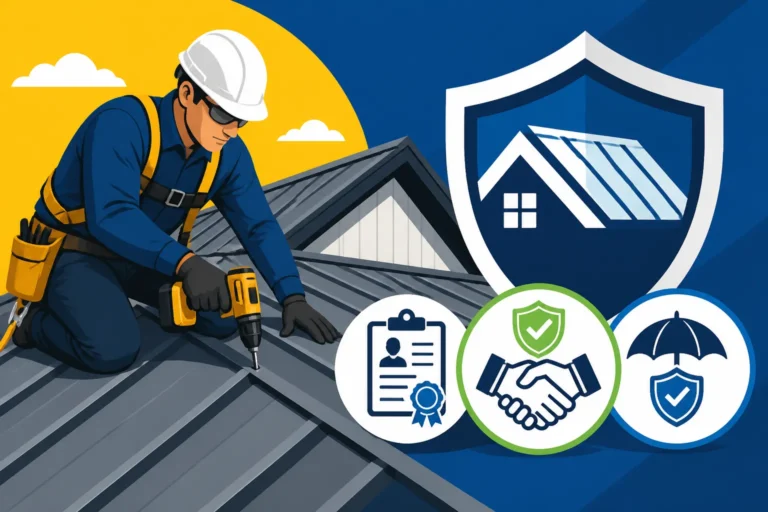
Given Georgia's unique licensing landscape, focusing solely on a state-issued roofing license can be misleading. Smart homeowners know that the best contractors come with a suite of credentials that demonstrate their reliability, skill, and commitment to their customers. When you're evaluating potential roofers for your metal roof project, these are the non-negotiables you should always investigate. You might even use a service like Modernize to help you connect with vetted local professionals who meet these important criteria.
Insurance, Bonding, and Worker's Comp: Your Safety Net
Perhaps even more important than a specific trade license is ensuring your roofing contractor carries proper insurance and bonding. This isn't just a suggestion; it's an absolute necessity for your protection.
- General Liability Insurance: This is your first line of defense. General liability insurance protects you, the homeowner, in case of property damage or injury caused by the roofing contractor or their crew during the project. Imagine a scenario where a heavy metal panel accidentally slips and crashes through your living room window, or a contractor's ladder falls and damages your prized landscaping. Without adequate general liability insurance, you could be left footing the bill for those repairs yourself. Always ask for a current certificate of insurance directly from their provider, not just a copy from the contractor, and verify its validity. This is a critical step, which we elaborate on in our article, How to Check If a Roofer Is Insured.
- Worker's Compensation Insurance: This protects the contractor's employees in case they get injured on your property. Roofing is a dangerous job, and accidents, unfortunately, happen. If a worker falls from your roof and the contractor doesn't have worker's comp, you, as the property owner, could potentially be held liable for their medical bills and lost wages. This is a risk you simply cannot afford to take. Again, always verify the certificate of worker's comp insurance.
- Bonding: While not always mandatory, bonding provides an extra layer of financial protection. A contractor's bond acts as a guarantee that they will complete the job as per the contract and meet their financial obligations. If they fail to do so, you can make a claim against the bond to recover losses. It's a testament to a contractor's financial stability and commitment to their word.
When you're comparing bids, never let a lower price tempt you into hiring an uninsured or unbonded contractor. The potential savings are minuscule compared to the catastrophic financial risk you would be assuming.
Manufacturer Certifications and Experience
For metal roofing, specialized knowledge is key. Look for contractors who have taken the extra step to become certified by the manufacturers whose products they install. Brands like DECRA vs Boral Metal Roofing, McElroy Metal vs Metal Sales Metal Roofing, or Englert vs PAC-CLAD Metal Roofing often offer specific training and certification programs for installers.
- What Manufacturer Certification Means for You: These certifications mean the contractor has undergone specific training directly from the manufacturer on the proper installation techniques for their products. This isn't just about knowing how to put a roof on; it's about understanding the nuances of that particular metal panel, its fastening system, flashing details, and warranty requirements. A contractor with a manufacturer certification is more likely to install your metal roof correctly, maximizing its lifespan and ensuring the manufacturer's warranty remains valid. This is often a non-negotiable for homeowners looking for optimal performance and protection. Our article on Manufacturer-Certified Metal Roof Installers Explained dives deeper into why this matters.
- Experience with Metal Roofing: Ask how many metal roofs they've installed, and specifically, how many of the type of metal roof you're considering. Installing a standing seam metal roof, for instance, requires a different skillset and specialized tools than installing traditional asphalt shingles. A contractor with a long track record of successful metal roof installations will be able to navigate complex rooflines, ensure proper flashing around chimneys and vents, and expertly handle metal panel cutting and sealing. Don't be afraid to ask for photos of their previous work or even addresses of completed projects you can drive by.
Reputation, References, and Reviews
In the absence of a direct state roofing license, a contractor's reputation becomes paramount. This is where modern tools and old-fashioned due diligence really shine.
- Online Reviews and Ratings: Start by checking online review platforms like Google, Yelp, and the Better Business Bureau. Look for consistent positive feedback regarding their professionalism, communication, quality of work, and adherence to timelines. Pay attention to how the contractor responds to negative reviews, as this can often tell you a lot about their customer service commitment. Services like Modernize can also provide access to pre-screened contractors with established reputations.
- References from Past Clients: Always ask for at least three references from recent clients who had similar metal roofing projects done. When you call these references, ask detailed questions:
- Were they satisfied with the final product?
- Was the project completed on time and within budget?
- How was communication throughout the process?
- Were there any issues, and if so, how were they resolved?
- Would they hire this contractor again?
- Proof of Local Presence: A legitimate contractor will have a physical office or a well-established local presence. Be wary of contractors who only operate out of a truck or don't have a verifiable business address, especially after a storm. Storm chasers, unfortunately, are a real problem and often lack the proper credentials and local ties to stand behind their work. A reliable local contractor will be there to honor their Metal Roof Warranties: Workmanship vs Manufacturer.
By prioritizing these crucial credentials – proper insurance, bonding, manufacturer certifications, and a stellar reputation – you can confidently select a qualified metal roofing contractor in Georgia, even with the state's unique licensing environment.
Here’s a quick overview of what to look for:
| Credential Type | Description | Why it Matters for You | Verification Method |
|---|---|---|---|
| Local Business License | Required by the city/county for any business operating within their jurisdiction. | Ensures the business is legally registered to operate in your area. | Check with local city/county business licensing office. |
| Project Permit | Required for almost all roofing jobs to ensure compliance with local building codes. | Guarantees structural integrity, safety, and code compliance, protecting your home's value and insurance. | Your contractor pulls it; verify with local building department. |
| General Contractor License | State-issued license (Residential or General) for projects exceeding $2,500 involving multiple trades or general oversight. | Critical if your roofing project is part of a larger renovation or exceeds the value threshold. | Verify with Georgia Secretary of State's Professional Licensing Boards. |
| General Liability Insurance | Covers property damage or bodily injury caused by the contractor or their crew during the project. | Protects your property and finances from accidental damage or injury claims. | Request a Certificate of Insurance directly from the insurer. |
| Worker's Compensation | Covers medical expenses and lost wages for workers injured on the job. | Prevents you from being liable for contractor employee injuries on your property. | Request a Certificate of Insurance directly from the insurer. |
| Bonding (Optional but Good) | Financial guarantee that the contractor will complete the work per contract and pay subcontractors/suppliers. | Offers an additional layer of financial protection if the contractor defaults on the contract. | Request bond certificate; verify with bonding company. |
| Manufacturer Certifications | Specific training and approval from metal roofing product manufacturers. | Ensures proper installation techniques, validates warranties, and indicates specialized expertise. | Ask for certificates; verify with the manufacturer. |
| Strong References/Reviews | Feedback from past clients and online ratings. | Indicates a contractor's reliability, quality of work, and customer satisfaction track record. | Check online platforms (BBB, Google), call past clients. |
Final Considerations When Hiring a Roofer in Georgia
Choosing a contractor for your new metal roof is a significant decision. Beyond licenses and certifications, there are practical steps you can take to ensure a smooth and successful project. Remember, a cheap price isn't always a good deal in the long run, especially when it comes to something as vital as your roof.
Getting Multiple Quotes and Reviewing Contracts
It's always a smart move to get multiple quotes, ideally from at least three different reputable contractors. This allows you to compare not just prices, but also the scope of work, materials proposed, and proposed timelines. Don't just focus on the bottom line. Really dig into How to Read and Compare Metal Roof Quotes, looking at the details of the materials, the underlayment, flashing, and any included warranties. A good quote will be detailed and transparent.
Once you've chosen a contractor, thoroughly review the contract before signing anything. This document should clearly outline everything, including project start and completion dates, payment schedules, specific materials to be used, waste disposal, warranty information (both workmanship and manufacturer), and what happens in case of unexpected issues. Don't hesitate to ask questions or request clarifications on anything you don't understand. A reputable contractor will be happy to walk you through every clause. Our guide on What a Metal Roof Contract Should Include can help you prepare for this crucial step.
Communication and Transparency
A hallmark of a professional contractor is clear and consistent communication. From the initial consultation to project completion, they should be responsive to your questions and proactive in providing updates. If a contractor is difficult to reach or vague in their responses during the bidding process, it's a sign of potential communication issues down the road. You want a contractor who will clearly explain the Metal Roof Installation Process: Step by Step, address any concerns about Metal Roof Underlayment and Ventilation Guide, and keep you informed every step of the way.
Remember, while Georgia’s state-level licensing for general roofers might seem ambiguous, a diligent approach to checking local licenses, insurance, manufacturer certifications, and reputation will ensure you find a qualified and trustworthy professional to install your metal roof. Don't cut corners on your research; your home's protection depends on it.
Disclaimer
Please note that licensing and permit requirements can change, and interpretations may vary by municipality. Always verify the most current requirements with your local building department and the Georgia Secretary of State's Professional Licensing Boards Division before engaging any contractor. This article is intended for informational purposes only and does not constitute legal or professional advice.