Copper Roof Cost Per Square Foot
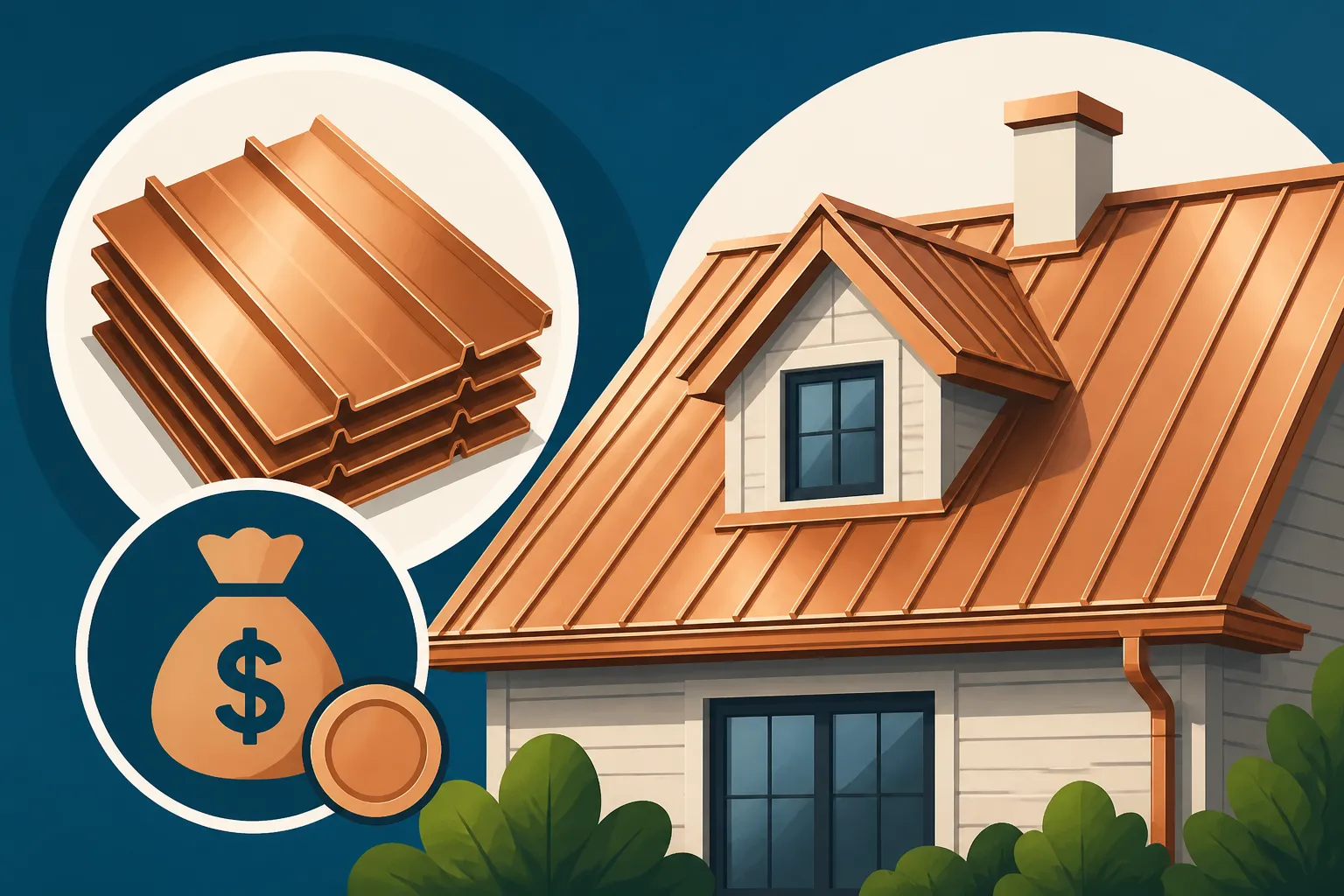
Thinking about replacing your roof can feel like a huge mountain to climb, especially when you're dreaming of something as luxurious and long-lasting as copper. Many homeowners get a little gulp in their throat when they first hear the potential price tag for a copper roof, often wondering if it's truly worth the significant investment. This guide is here to demystify the Copper Roof Cost Per Square Foot, helping you understand what drives these figures, what to expect, and how to plan effectively for this premium roofing choice.
Understanding the Allure and Investment of Copper Roofing
Copper roofs have captivated homeowners for centuries, gracing everything from historic churches to modern architectural marvels. It's not just about curb appeal; there's a deep-seated value that comes with choosing copper, but it certainly comes with a unique price point that sets it apart from other roofing materials.
Why Copper Stands Out: Aesthetics, Longevity, Performance
When you think of a copper roof, the first thing that often comes to mind is its stunning visual transformation. Initially, copper gleams with a bright, coppery-orange luster, reflecting sunlight beautifully. But the magic truly happens over time as it develops that iconic verdigris patina – a soft, earthy blue-green hue that gives it an unparalleled aged elegance. This natural aging process is what many homeowners cherish, making each roof a unique masterpiece. It’s a living finish, constantly evolving, and it’s something you just don’t get with other materials.
Beyond the undeniable beauty, copper boasts incredible longevity. We're talking about a roof that can easily last 100 years or more with proper installation and minimal maintenance. Think about that: it’s quite possibly the last roof you’ll ever need to install on your home. This durability is largely due to copper's natural resistance to corrosion, rust, fire, and even mildew. It stands up to harsh weather conditions, from heavy snow loads to blistering sun and driving rain, without degrading or losing structural integrity. Because it’s a lightweight material, it often doesn't require extra structural support for your roof deck, which can be a relief during installation. For more on the lifespan, check out [How Long Does a Copper Roof Last?].
The Initial Sticker Shock: Why Copper is Expensive
Let's not sugarcoat it: copper roofing is one of the most expensive options on the market, often significantly more than even high-end asphalt shingles or other metal roofing types like steel or aluminum. This high upfront cost is often the biggest hurdle for homeowners, and it's important to understand why it's so pricey before you dismiss it entirely.
The primary reason for the high cost lies in the material itself. Copper is a precious metal, and its price is tied to global commodity markets, similar to gold or silver. It’s a finite resource, and the extraction, processing, and manufacturing into roofing panels or shingles require substantial energy and specialized equipment. Unlike readily available steel or aluminum, copper's inherent value drives its cost up. As of early 2024, copper prices have seen fluctuations, but generally remain at a premium level due to demand from various industries, including electronics and renewable energy. This means that if you're looking at a copper roof, you're investing in a valuable commodity that also happens to protect your home.
Secondly, the specialized nature of copper roofing installation plays a huge role. Working with copper is an art form. It requires highly skilled craftsmen who understand its unique properties, how it expands and contracts, and the intricate flashing and soldering techniques necessary to ensure a watertight, beautiful finish. This isn't a job for just any roofer; it demands experienced professionals who specialize in metal, particularly copper. The tools, techniques, and time involved in achieving a flawless copper roof command higher labor rates compared to more common roofing materials.
Breaking Down Copper Roof Cost Per Square Foot
When you start diving into the actual numbers for a copper roof, it's easy to feel overwhelmed. The "per square foot" figure is a great starting point, but it's crucial to understand what's baked into that number. It’s not just the raw material; it’s a complex interplay of material specifics, the labor involved, and a host of project-specific details.
Material Costs: The Core of the Investment
The material itself is often the largest component of your overall copper roof cost. The price of copper roofing can range significantly, typically from $15 to $40 per square foot for the materials alone, though these figures can fluctuate with market prices. This range accounts for various factors that directly impact the cost of the raw copper.
- Copper Prices: As mentioned, copper is a commodity. Its market price can go up or down, so what you pay for the material today might be different next year. Generally, the price per pound of copper directly translates to the cost of your roofing panels.
- Gauge (Thickness): Like other metal roofs, copper comes in different gauges, which refers to its thickness. A lower gauge number means a thicker panel. For residential roofing, common gauges include 16 oz, 20 oz, and occasionally 24 oz. Thicker copper (lower gauge) is more durable and resistant to dents but is also significantly more expensive due to the increased amount of metal used. For instance, a 20 oz copper panel will cost more per square foot than a 16 oz panel. While 16 oz copper is common, a thicker 20 oz or 24 oz might be recommended for areas prone to heavy hail or for those seeking even greater longevity and structural rigidity.
- Type of Copper Roofing: Not all copper roofs are the same. You'll encounter different styles and profiles, each with its own material requirements and manufacturing complexity.
- Standing Seam: This is a popular choice for copper and generally considered the most premium. It involves long, continuous panels with raised seams that interlock, hiding the fasteners. The material cost for standing seam copper is at the higher end of the spectrum, partly due to the precision manufacturing of the panels and the greater amount of copper involved in the seam. For more details, you might want to look into How Much Does a Standing Seam Metal Roof Cost.
- Copper Shingles or Tiles: These offer a different aesthetic, mimicking traditional shingles but with the durability of copper. They might be pressed or formed into various shapes, such as tiles, shakes, or diamond patterns. While they use less continuous material than standing seam, the manufacturing process for individual shingles can sometimes add to the cost.
- Flat Seam or Batten Seam: Less common for residential use but used in certain architectural styles, these involve smaller flat panels joined by soldered seams or battens. These are very labor-intensive but use copper efficiently.
Labor Costs: The Art of Installation
The installation of a copper roof is a precise, time-consuming job that demands specialized expertise, making labor a significant portion of the total cost. You can expect labor costs for a copper roof to fall anywhere from $8 to $25 per square foot, but again, this can vary wildly based on your region, the complexity of your roof, and the specific contractor.
- Specialized Skills: Installing copper isn't like nailing down asphalt shingles. Roofers need to be proficient in metal fabrication, soldering, and understanding how copper behaves with temperature changes. Poor installation can lead to leaks, oil canning, and a drastically reduced lifespan, negating the entire point of investing in copper. Therefore, reputable contractors with proven experience in copper command higher rates for their specialized knowledge and craftsmanship. You'll want to find a contractor who really knows their way around this material, and checking out How to Find a Copper Roof Installer can be a great starting point.
- Complexity of the Installation: A simple, straightforward gable roof will naturally be less labor-intensive than a roof with multiple dormers, valleys, hips, and skylights. Each angle, penetration, and junction requires meticulous cutting, bending, flashing, and often soldering to ensure a watertight seal and a flawless appearance. These complexities add significant time and skill to the project, driving up labor hours and, consequently, costs.
- Geographic Location: Labor rates vary significantly across different states and cities. A skilled copper roofing installer in a high cost-of-living area like Los Angeles or New York will charge more than one in a less expensive region. This is true for almost any home improvement project, but especially so for specialized trades.
Additional Factors Influencing the Final Price
Beyond the material and direct labor, several other elements can subtly, or not so subtly, influence the final price tag for your copper roof.
- Roof Complexity: As hinted at above, the more intricate your roofline, the higher the cost. Steep pitches also increase installation time and safety measures, leading to higher labor costs. Think about a quaint Victorian home with turrets and multiple gables versus a simple ranch house. The former will always be more expensive to roof with copper.
- Geographic Location: We touched on this for labor, but local material availability and shipping costs can also play a role. If you're in an area where copper roofing supplies are not readily available, transportation costs could creep into your total. State and local regulations, including building codes and permit fees, can also impact the final price. For instance, Metal Roof Cost by State and City provides a broader perspective on how location affects pricing.
- Old Roof Tear-Off: If you currently have an existing roof that needs to be removed before the copper can be installed, that's an additional cost. Tear-off involves labor for removal, disposal fees for the old materials, and potentially a permit. While it might seem like a small detail, it can add several dollars per square foot to your overall project. If you're wondering about this specific aspect, Tear-Off vs Metal Over Shingles: Cost Difference might be a useful read.
- Underlayment and Accessories: High-quality underlayment is essential for any metal roof, and especially for copper, to protect the roof deck and provide an additional moisture barrier. Specialized flashing, trim pieces, snow guards (if applicable), and ventilation components all contribute to the final cost. These items are often necessary for proper installation and longevity, so don't be tempted to skimp on them. You can learn more about this in Metal Roof Underlayment Cost.
- Warranties: Reputable contractors and manufacturers offer warranties on both materials and workmanship. While these are invaluable for peace of mind, they are factored into the overall pricing. A comprehensive warranty means the company stands behind its product and installation, which is a sign of quality. For an in-depth look, see Metal Roof Warranties: Workmanship vs Manufacturer.
Comparing Copper Roofing Options and Their Costs
When you're serious about a copper roof, you'll quickly realize that "copper roof" isn't a single item. There are different styles and forms, each with its own aesthetic appeal and, of course, a distinct price point. Understanding these options will help you make a more informed decision that balances your budget with your vision.
Different Copper Panel Profiles and Their Price Points
The choice of copper panel profile significantly impacts both the look of your roof and its cost. The installation complexity and the amount of material waste can vary between profiles.
-
Standing Seam Copper Roofing:
- Description: This is arguably the most recognizable and coveted copper roofing style. It features long, continuous panels with vertical seams that are crimped or mechanically seamed together, effectively hiding fasteners from view. This creates a sleek, modern, and highly durable surface.
- Cost: Standing seam copper is generally the most expensive option, often ranging from $25 to $40 per square foot installed. The high cost is due to the premium material (often thicker gauges like 20 oz), the precision required for fabrication, and the specialized labor involved in creating those robust, watertight seams. It’s an investment in both aesthetics and unparalleled performance. For those considering this option, you'll want to consult resources like Standing Seam Metal Roof Cost.
- Pros: Exceptional longevity (100+ years), superior weather resistance, sleek aesthetic, hidden fasteners, excellent thermal performance.
- Cons: Highest upfront cost, highly specialized installation.
-
Copper Shingles, Shakes, or Tiles:
- Description: These mimic traditional roofing materials but offer the unique properties of copper. They come in various patterns – often diamond, slate, or shake profiles – providing a more textured and traditional appearance than standing seam. They are installed similarly to asphalt shingles, overlapping to create a water-shedding surface.
- Cost: Copper shingles typically fall in the range of $18 to $35 per square foot installed. While the material itself might be slightly less per piece than a large standing seam panel, the labor involved in installing many individual pieces can still be substantial. The complexity of the specific shingle design also influences the price.
- Pros: Classic, aesthetic appeal, excellent durability, fire resistance, lighter weight than traditional tiles.
- Cons: Still a high upfront cost, potential for more seams than standing seam (though well-designed systems are robust). If you're curious about this style, you can learn more from Metal Shingle Cost.
-
Flat Seam or Batten Seam Copper Roofing:
- Description: Flat seam copper roofs consist of smaller, flat panels joined by soldered seams, creating a virtually impenetrable surface. Batten seam utilizes vertical battens over the seams, giving a more pronounced architectural look. These are less common for entire residential roofs but are often seen on cupolas, domes, or lower-slope sections.
- Cost: These can range from $20 to $45+ per square foot installed, largely depending on the intricacy of the design and the sheer amount of hand-soldering required. The labor component for these historical and artisanal methods is very high.
- Pros: Extremely durable and watertight (especially flat seam), unique architectural appearance, suitable for complex shapes.
- Cons: Very high labor costs, prolonged installation time, rarely used for entire primary roofs today.
Weighing the Long-Term Value Against Upfront Costs
It's undeniable that the initial cost of a copper roof is significant. However, a truly savvy homeowner looks beyond the immediate expense to the long-term value and return on investment. This is where copper really starts to shine.
- Exceptional Lifespan: As we've discussed, a copper roof can last 100 years or more. Compare that to asphalt shingles, which typically last 20-30 years, or even other metal roofs that might last 50-70 years. Over the course of a century, you would likely replace an asphalt shingle roof 3-5 times. Each replacement comes with material, labor, and disposal costs that quickly add up. When you amortize the cost of a copper roof over its lifetime, it often becomes surprisingly competitive, if not cheaper, than constantly replacing less durable materials. Consider exploring Metal Roof Cost vs Lifespan Value for a deeper dive into this comparison.
- Minimal Maintenance: Copper roofs require very little maintenance beyond routine inspections and keeping gutters clear. They don't rust, rot, or support organic growth. This saves you money on cleaning, repairs, and premature replacement over the decades.
- Increased Home Value: A copper roof is a significant upgrade that dramatically enhances your home's curb appeal and resale value. It signals quality, durability, and luxury to potential buyers. In many real estate markets, homes with copper roofs command a premium and tend to sell faster. This is an investment that pays dividends, not just in protection but in property appreciation. For further insights on how this might affect your property, consider reading Does a Metal Roof Increase Home Value?.
- Energy Efficiency: While not as widely advertised as its beauty or longevity, copper roofs can contribute to your home's energy efficiency. They reflect solar radiant heat, reducing heat gain in warmer climates and potentially lowering cooling costs. This "cool roof" effect can lead to ongoing energy savings.
- Insurance Benefits: In some regions, particularly those prone to severe weather like hurricanes or hail, a durable, fire-resistant metal roof like copper may qualify for insurance discounts. Its Class A fire rating and excellent wind resistance can be very attractive to insurers. Learn more about potential savings in Metal Roof Insurance Savings & Discounts.
Smart Strategies for Budgeting Your Copper Roof
Deciding to invest in a copper roof is a big step, and managing the financial aspect requires a smart approach. You don't want any surprises when it comes to such a substantial home improvement project.
Getting Accurate Quotes and Avoiding Hidden Costs
The key to a successful copper roofing project, both financially and structurally, starts with the quoting process. Don't rush this stage!
- Get Multiple Detailed Quotes: This is crucial for any roofing project, but especially for copper. Contact at least three reputable metal roofing contractors who have specific experience with copper. Ask them for itemized bids that clearly separate material costs, labor costs, underlayment, flashing, tear-off (if applicable), and any other associated fees. Don't just accept a single lump sum. Compare these bids meticulously. You want to compare apples to apples, not apples to oranges. A detailed article like How to Read and Compare Metal Roof Quotes can be incredibly helpful here.
- Understand What's Included (and Excluded): Ensure the quotes specify the copper gauge (e.g., 16 oz, 20 oz), the specific panel profile (e.g., standing seam, shingles), the type of underlayment, and all necessary trim and flashing. Does it include disposal of your old roof? What about permits? Are there any allowances for unforeseen issues? Clarity here prevents sticker shock later.
- Ask About Warranties: A good quote will also clearly outline the warranty for both the material and the workmanship. A strong warranty is your protection for decades to come.
- Beware of Lowball Bids: If one quote is significantly lower than the others, be extremely cautious. It might indicate a less experienced contractor, inferior materials, or hidden costs that will surface later. For such a specialized and expensive material, quality and expertise should never be compromised for a slightly lower price. Be on the lookout for Metal Roofing Scams and Red Flags to Avoid.
- Local Market Research: Before even getting quotes, do some preliminary research on copper roof cost by state and city or even more specifically, Copper Roof Cost Per Square Foot in your particular area to set realistic expectations.
Exploring Financing and Insurance Benefits
While a copper roof is a long-term investment, the upfront capital can be substantial. Exploring your financing options and understanding potential insurance benefits can help make the project more manageable.
- Home Equity Loans or HELOCs: Many homeowners leverage their home equity to finance significant improvements like a new roof. These loans often offer competitive interest rates and longer repayment terms, making the monthly payments more affordable.
- Contractor Financing: Some roofing companies partner with lenders to offer their own financing programs. It's worth asking about these, but always compare them to other options to ensure you're getting a good rate.
- Personal Loans: While generally having higher interest rates than home equity products, a personal loan can be an option for those who don't want to tap into their home's equity.
- Federal and Local Incentives: Depending on your location, there might be local or federal tax credits or rebate programs for energy-efficient home improvements, which a reflective copper roof might qualify for. These are not always available, but it's worth checking with your local energy department or a tax professional.
- Insurance Savings: As mentioned earlier, a durable metal roof like copper often qualifies for discounts on homeowners insurance, especially in areas prone to high winds, hail, or wildfires. Contact your insurance provider before installation to see what discounts might apply and what documentation they require (e.g., proof of Class A fire rating, Class 4 impact resistance, wind mitigation inspection results). Over the lifetime of the roof, these savings can be substantial. You can gain more insight into this by looking at Metal Roof Insurance Savings & Discounts.
By thoroughly researching, getting detailed bids, and exploring all financing and potential savings avenues, you can confidently budget for and enjoy the lasting beauty and performance of a copper roof on your home.
Copper Roof Cost Per Square Foot: A Summary Table
To give you a clearer picture of the general cost ranges we've discussed, here's a handy table summarizing the estimated costs per square foot for copper roofing. Remember, these are averages and can vary significantly based on the specific project and market conditions.
| Factor | Estimated Range (Per Square Foot) | Notes |
|---|---|---|
| Material Cost | $15 – $40 | Varies by copper market price, gauge (thickness), and panel profile (standing seam usually highest). |
| Labor Cost | $8 – $25 | Highly dependent on roof complexity, pitch, geographic location, and installer's expertise with copper. |
| Total Installed Cost | $23 – $65+ | This is your "all-in" range, before any tear-off or complex accessory costs. |
| Tear-Off (Optional) | $1 – $5 | Cost to remove and dispose of existing roofing materials. |
| Underlayment & Accessories | $1 – $3 | High-quality synthetic underlayment, flashing, trim, fasteners, and sealant costs. |
This table provides a snapshot, but always rely on detailed, itemized quotes from qualified professionals for your specific project.
Disclaimer
Please note that all cost estimates and figures provided in this guide are approximations based on general market trends and information available as of our last update. Material prices, labor rates, and local regulations can vary significantly based on geographic location, specific project requirements, economic conditions, and the individual contractor. It is highly recommended to obtain multiple detailed quotes from qualified, licensed, and insured local metal roofing contractors to get the most accurate pricing for your specific copper roofing project. This guide is for informational purposes only and should not be considered professional financial or construction advice.