Metal Roofing Scams and Red Flags to Avoid
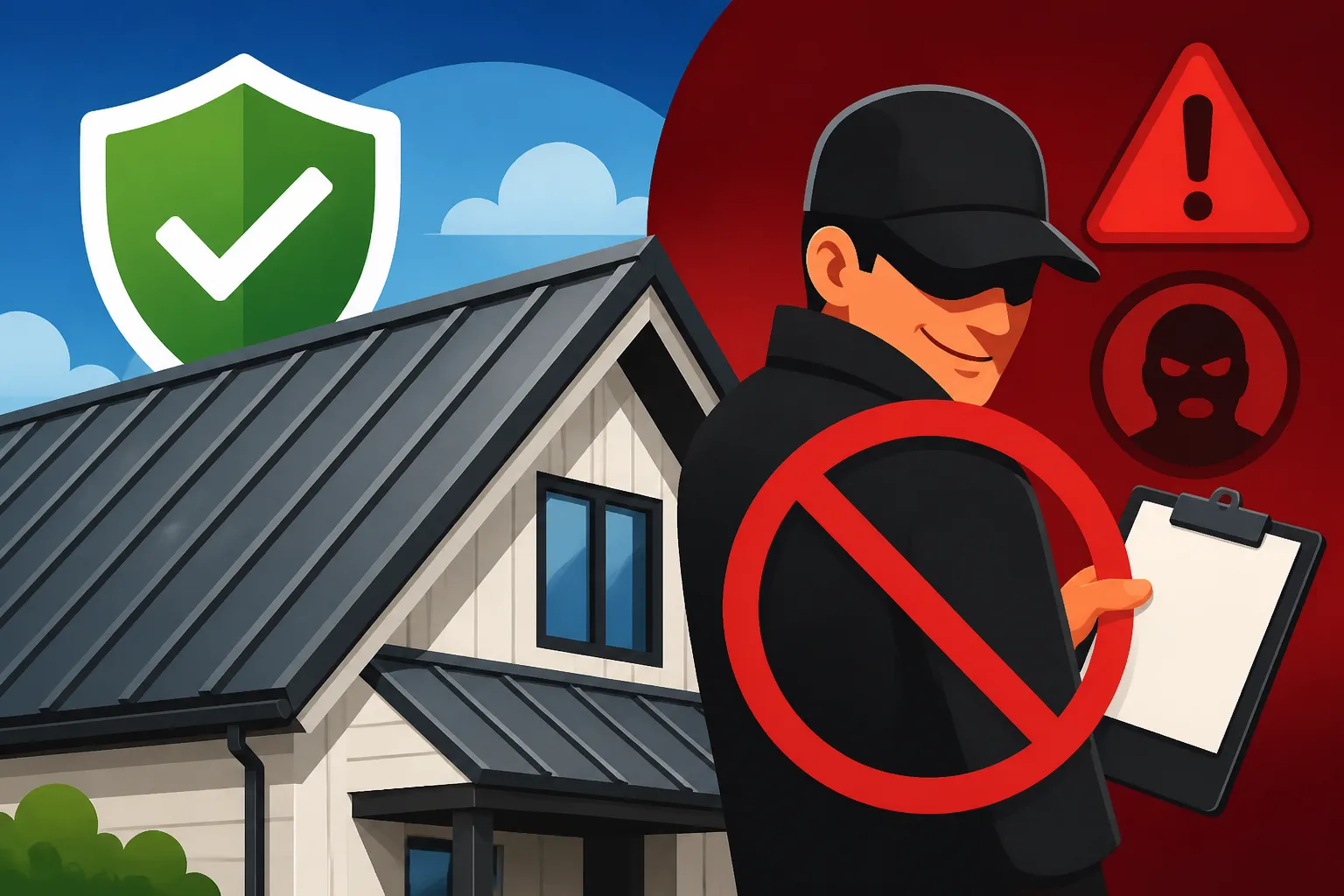
Homeowners are often blindsided by predatory contractors who exploit the high cost of metal roofing to disappear with deposits or install substandard materials. This guide provides a comprehensive roadmap to identifying deceptive practices, vetting installers, and ensuring your investment is protected from the industry’s most common scams and red flags before you sign a single document.
The Rise of Metal Roofing Fraud and Why You Are a Target
Metal roofing is a premium product, and because it is significantly more expensive than traditional asphalt shingles, it attracts a certain type of dishonest individual. These scammers know that if they can convince you to hand over a deposit for a project that might cost $25,000 to $40,000, their "payday" is massive compared to a standard shingle job. They prey on the fact that most homeowners do not know the technical differences between various metal gauges or paint systems, making it easy to overpromise and underdeliver.
High Material Costs and Tempting Deals
The sheer cost of materials like standing seam panels or copper creates a psychological opening for scammers. When you receive a legitimate quote for $30,000 and another person comes along offering the "same thing" for $18,000 because they have "leftover materials from a big commercial job," it is incredibly tempting to believe them. This is almost always a lie. High-quality metal is rarely ordered in such massive excess that a contractor can discount it by 40%.
In cities like Houston or Charlotte, where roofing demand is constant, scammers often use the high price of steel as an excuse to demand massive upfront payments. They will tell you that they need the money immediately to "lock in the price" before it rises again next week. While material prices do fluctuate, a reputable company has the credit lines and vendor relationships to manage this without asking you to shoulder 100% of the risk.
The Complexity of Metal vs Asphalt Installation
Installing a metal roof requires a completely different skill set than nailing down shingles. Scammers often rely on the homeowner’s lack of technical knowledge to hide their incompetence. They might use an "exposed fastener" system while charging you for a "standing seam" system, knowing you might not recognize the difference until the roof starts leaking at the screw holes five years later.
Because metal involves specialized tools like seamers, benders, and specific flashing techniques, an underqualified contractor is a major red flag. They may talk a big game about their experience, but if they cannot explain the difference between a mechanical seam and a snap-lock profile, you are likely dealing with someone who is hoping to learn on your dime—or worse, someone who plans to cut corners that will ruin your home’s structural integrity.
Storm Chasers and Geographic Vulnerability
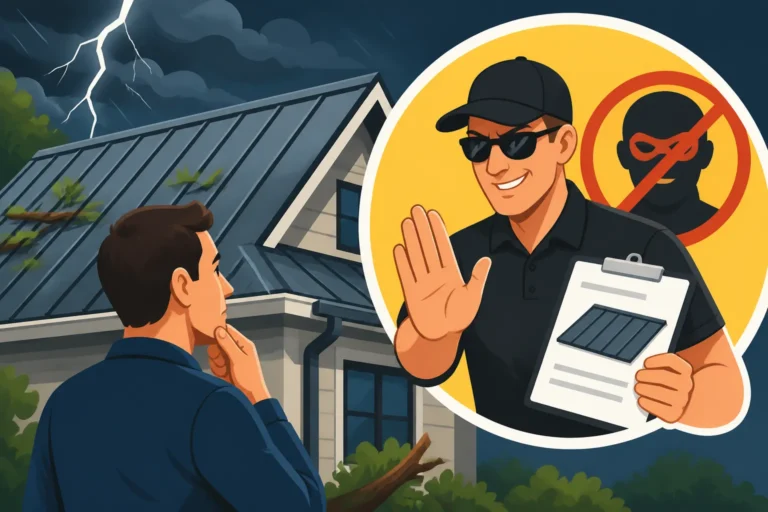
After a major hail storm or hurricane hits an area like the Florida coast or the Oklahoma plains, "storm chasers" descend in droves. These are companies that move from state to state, following the path of destruction. They are experts at navigating insurance claims, but they are rarely experts at metal roofing. They want to get the insurance check, slap on the cheapest metal possible, and move to the next disaster zone before you notice the shoddy workmanship.
The problem with storm chasers is the lack of accountability. If your roof starts leaking in two years, that contractor is already three states away. They often use local "fronts"—renting an office space for a month to appear local—but their crews and leadership have no ties to the community. Always check how long a company has truly been operating in your specific zip code before trusting them with a high-stakes metal installation.
Common Metal Roofing Scams to Watch Out For
Understanding the specific "plays" in the scammer’s playbook is your best defense. These tactics haven't changed much over the decades, but they have become more sophisticated with the use of digital editing for fake reviews and professional-looking (but empty) websites. By recognizing these patterns early, you can shut down a bad deal before it costs you thousands of dollars.
The Door Knocker and the Free Inspection
It starts with a knock on the door. A clean-cut person tells you they were "just doing a roof down the street" and noticed some damage on yours from the recent storm. They offer a free inspection, and surprise, they find "devastating" damage that requires a full replacement. In some cases, unscrupulous contractors have been caught actually creating damage during these inspections by using a ball-peen hammer to mimic hail dents on metal panels.
If you didn't call them, don't let them on your roof. A reputable contractor is usually busy enough with referrals and legitimate leads that they don't need to solicit door-to-door. If you are concerned about damage, use a trusted platform like Modernize to find professionals who have already been vetted for quality and reliability. This ensures the person walking on your roof is there to help, not to manufacture a claim.
High Pressure Sales and Limited Time Offers
If a contractor tells you the price is only valid if you sign "right now," walk away. This is a classic high-pressure tactic designed to stop you from doing your due diligence. They don't want you to get other quotes or check their references. They might claim they have a crew in the area for only 48 hours or that a specific color of metal is on a clearance sale that ends at midnight.
A legitimate metal roofing quote should be valid for at least 30 days, or at the very least, a week if the steel market is particularly volatile. You should never feel bullied into a five-figure investment. If the salesperson is making you uncomfortable or using "take-it-or-leave-it" language, it’s a massive red flag. Always take the time to read through Questions to Ask a Metal Roofing Contractor Before You Hire before putting pen to paper.
The Front Loaded Payment Scam
This is perhaps the most devastating scam. The contractor asks for a massive down payment—sometimes 50% or more—claiming they need it to "purchase the materials." Once the check clears, they either disappear entirely or deliver a few bundles of cheap underlayment to your driveway to make it look like they are starting, only to never return.
While a deposit is normal, it should be reasonable. You can learn more about what to expect in our guide on Normal Deposit and Payment Schedule for a Roof. Generally, you should never pay more than 25-33% upfront for a residential project. If they insist on a huge chunk of cash before a single panel arrives on your property, they are likely using your money to pay off the materials for the previous job they botched, or they are planning to skip town.
Critical Red Flags During the Quoting Process
The quoting stage is your "first date" with a contractor. If they are messy, vague, or dishonest now, imagine how they will act when they are halfway through tearing off your old roof and it starts to rain. Paying attention to the small details in their presentation can save you from a lifetime of leaks and litigation.
Lack of a Detailed Written Estimate
If a contractor hands you a handwritten note or a vague one-page document that just says "Replace roof with metal – $22,000," do not accept it. A professional metal roofing estimate should be several pages long. It should specify the gauge of the metal (e.g., 24-gauge vs 26-gauge), the brand of the manufacturer, the type of paint coating (like PVDF/Kynar 500), and exactly how they plan to handle the flashing and transitions.
Vague language allows the contractor to swap in cheaper materials later. For example, if they just write "Steel Roof," they might install a 29-gauge agricultural panel meant for barns instead of the 24-gauge standing seam you discussed. Understanding How to Read and Compare Metal Roof Quotes is vital because it allows you to spot where a scammer is being intentionally blurry about the details to hide their profit margins.
Unwillingness to Provide Local References
A proud craftsman wants to show off their work. If a contractor gets defensive when you ask for the addresses of three metal roofs they have installed in your city in the last year, they are hiding something. They might claim "customer privacy," but in reality, most happy homeowners are perfectly fine with someone driving by to look at their roof from the street.
When you do get references, actually check them. Don't just call the number provided—drive by the house. Look for "oil canning" (wavy appearance), crooked seams, or rusted fasteners. If the contractor only shows you photos on an iPad, be wary. Those photos could be stolen from a manufacturer’s website or a competitor. You need to see real-world proof that they can handle the specific complexities of Metal Roofing Contractors Near Me: How to Find & Vet their local reputation.
Vague Warranty Terms and Fine Print
Scammers love to use the word "Lifetime Warranty" because it sounds great, but without a written document explaining what that means, it is worthless. There are two types of warranties: the manufacturer’s warranty (on the material) and the contractor’s workmanship warranty. A scammer will often conflate the two, making you think the manufacturer covers leaks caused by poor installation. They don't.
If the contractor cannot provide a written workmanship warranty that lasts at least 5 to 10 years, they don't trust their own work. Furthermore, be careful with "pro-rated" warranties that lose value every year. For a deep dive into what you should see in a contract, check out our guide on Metal Roof Warranties: Workmanship vs Manufacturer. If the fine print says they aren't responsible for "incidental damage" or "minor leaks," keep looking for a professional.
Warning Signs During Installation and Material Handling
Even if the quoting process goes well, you must stay vigilant once the work begins. Some of the most common scams happen in the transition between the office and the job site. This is where "material swapping" and "corner cutting" occur, often out of the homeowner's sight.
Material Swapping Switching Gauges
Steel panels look very similar to the untrained eye, regardless of their thickness. A common scam involves quoting a high-quality 24-gauge steel (which is thicker and stronger) but actually delivering 26-gauge or 29-gauge material. The thinner metal is significantly cheaper for the contractor, allowing them to pocket thousands of dollars in "hidden" profit.
You can verify this by checking the labels on the bundles when they are delivered to your yard. Most reputable manufacturers like McElroy Metal or Petersen Aluminum will have the gauge and specifications printed on the packaging or even on the underside of the panels. If you see "29 Ga" on a residential house project, stop the job immediately. You can find more details on this in our comparison of How to Spot an Underqualified Metal Roofer.
Skipping Underlayment or Using Substandard Accessories
A metal roof is a system, not just a series of panels. One of the most common ways scammers cut costs is by using cheap, felt-paper underlayment instead of the high-temperature synthetic underlayment required for metal. Because metal roofs get much hotter than shingles, cheap underlayment can actually melt or degrade, leading to massive leaks that are nearly impossible to trace.
Similarly, look at the fasteners. On an exposed-fastener roof, the screws must have EPDM rubber washers that are UV-resistant. Cheap screws will have plastic washers that crack within two years under the sun in places like Phoenix or Miami. If you see the crew using "generic" boxes of screws with no branding, they are likely cutting corners on the very parts that keep the water out.
Poor Fastener Installation and Workmanship Shortcuts
Watch how the crew installs the panels. If they are using "zigzag" patterns for screws or over-tightening them until the washers bulge out, they are setting you up for failure. Metal expands and contracts with the heat. If it is pinned too tightly, the panels will buckle and the screw holes will widen over time.
Another major red flag is how they handle the "valleys" and "hips" of the roof. If they are just globbing caulk or roofing cement into the gaps instead of using custom-bent metal flashing, your roof will leak within the first year. Caulk is a temporary fix, not a professional roofing solution. If you see tubes of "all-purpose sealant" being used as a primary water barrier, you are looking at a Storm-Chaser and Door-Knocker Roofing Scams classic move.
| Feature | Reputable Contractor | Red Flag Contractor |
|---|---|---|
| Initial Deposit | 10% to 33% (Max) | 50% or more upfront |
| Estimate Detail | Itemized with gauge/brand/paint | One-page "lump sum" price |
| Address/Office | Permanent local physical office | P.O. Box or truck-based "office" |
| Insurance | Provides proof of GL & Workers Comp | Claims "I'm covered" but shows no proof |
| References | Local addresses from 12+ months ago | Only "stock" photos or hand-picked calls |
| Pressure | Quote is valid for 30 days | "Sign today for this special price" |
How to Vet a Metal Roofing Contractor Like a Pro
Vetting a contractor is about more than just reading a few Google reviews. You have to be an investigator. Scammers can buy fake reviews for a few hundred dollars, but they can't fake a long-standing relationship with the state licensing board or a major manufacturer.
Verifying Licenses Insurance and Bonding
Never take a contractor's word that they are "licensed and insured." Ask for the policy numbers and the names of the carriers. Then, call the insurance agent to ensure the policy is active. Many shady contractors will buy a policy, get the certificate, and then cancel the policy to save money. If a worker falls off your roof and the contractor isn't insured, you could be held liable.
Furthermore, understand the difference between being licensed and being bonded. A bond is a pool of money that you can claim against if the contractor fails to finish the job or pay their subcontractors. This is your ultimate safety net. You can learn more about these nuances in Licensed vs Insured vs Bonded: What's the Difference. If they can't produce a current bond, they aren't a top-tier professional.
Checking Manufacturer Certifications
The best metal roofing manufacturers (like Sheffield Metals or Englert) have "certified installer" programs. To get these certifications, a contractor has to go through training and prove they have the right equipment. More importantly, manufacturers will often only offer their best "NML" (No Measuring Limit) warranties if the roof is installed by one of their certified pros.
If a contractor claims they are installing a specific brand of metal, call that manufacturer and ask if the contractor is in good standing. If the manufacturer says, "We've never heard of them," you have caught the contractor in a lie. Using platforms like Modernize can help you skip this step by connecting you with pros who already maintain high standards and verified credentials.
Looking at Recent Local Projects and Reviews
When looking at reviews, don't just look at the star rating. Read the text. Are the reviews all from the same week? That’s a sign of a "review blast" to cover up a bad reputation. Look for reviews that mention "metal" specifically. A company might be great at asphalt shingles but terrible at metal.
Look for longevity. A contractor who has been in business for 10 years in the same town has survived multiple seasons of weather and customer scrutiny. If the company was "Founded in 2024," proceed with extreme caution. They might be a "Phoenix company"—one that went bankrupt under a different name to avoid debts and lawsuits, only to rise again under a new name with a clean slate.
Protecting Yourself Legally and Financially
The contract is your only weapon if things go wrong. Most homeowners sign whatever is put in front of them because they are tired of the sales process, but this is the most dangerous moment. You must ensure the paperwork reflects every verbal promise made during the "honeymoon" phase of the sales pitch.
Understanding Lien Waivers and Payment Schedules
This is the "silent killer" of roofing projects. In many states, if your contractor doesn't pay the supplier who provided the metal panels, that supplier can put a lien on your house—even if you paid the contractor in full. To prevent this, you must demand a "Release of Lien" or "Lien Waiver" for every payment you make.
This document states that the contractor and their suppliers have been paid for the work done to date and waive their right to place a lien on your property. If a contractor hesitates or claims they "don't do those," they are likely in financial trouble. For more on this critical protection, read Lien Waivers and Roofing: What to Know. It is the single most important document you can have in your file.
What a Rock Solid Contract Must Include
A good contract is boring because it is so detailed. It should include the start and end dates (with weather allowances), the exact brand and color of the metal, the gauge of the steel, and a specific plan for debris removal. It should also state who is responsible for obtaining permits. If a contractor asks you to pull the permit, it usually means they aren't licensed or they owe the city money.
Include a "Change Order" clause. This ensures that if they find rotten wood under your old roof, they can't just charge you whatever they want to fix it. The contract should specify a "per sheet" price for plywood replacement. This prevents "sticker shock" at the end of the job when they tell you they had to replace the entire deck and it costs an extra $5,000.
Handling Disputes and Incomplete Work
Never pay the final 10% of the bill until a final inspection has been performed and you have walked the property. Scammers will often leave the "little things" unfinished—like the ridge caps or the gutters—once they have the bulk of the money. If you hold back that final payment, you have leverage to get them to come back and pick up the stray nails and finish the trim.
If a dispute arises, keep all communication in writing (email or text). If they stop showing up, send a "Notice of Default" via certified mail. This creates a paper trail that you will need if you have to file a claim against their bond or go to small claims court. Remember, a reputable pro will want to resolve issues to protect their reputation; a scammer will simply stop answering the phone.
Professional Resources and Next Steps
The goal of a metal roofing project is to never have to worry about your roof again for 50 years. Achieving that peace of mind requires starting on the right foot with a trustworthy partner. Don't let the fear of scams paralyze you—instead, let it motivate you to do the research that ensures a successful installation.
Working with Trusted Platforms
In the digital age, you don't have to guess who is legitimate. Platforms like Modernize have revolutionized how homeowners find contractors by doing the heavy lifting for you. They verify that the companies in their network are established, professional, and capable of handling high-end materials like metal. Instead of rolling the dice on a flyer you found on your windshield, you can start your journey with a pre-screened professional who understands the value of their reputation.
Reporting Fraud to Authorities
If you believe you have been the victim of a roofing scam, don't just stay quiet. Report it to your State Attorney General’s office and the Better Business Bureau. If they claimed to be working with your insurance company, call your adjuster. Insurance fraud is a serious crime, and the special investigative units (SIU) of insurance companies have significant resources to track down and prosecute fraudulent contractors.
By reporting these individuals, you prevent them from victimizing your neighbors. Many "storm chasers" count on homeowners being too embarrassed to admit they were scammed. There is no shame in being targeted by a professional con artist, but there is power in taking action to stop them. If you suspect an insurance-related scam, you can also read up on Metal Roof Insurance Claim After a Storm to see if your experience matches the standard legal process.
Disclaimer
The information provided in this guide is for informational purposes only and does not constitute legal, financial, or professional advice. Roofing regulations and licensing requirements vary significantly by state and municipality. Always consult with a licensed local contractor and review your specific local building codes before beginning any home improvement project. Neither the author nor this publication is responsible for any actions taken based on the content of this article.