How to Find a Metal Roofing Contractor in Louisiana
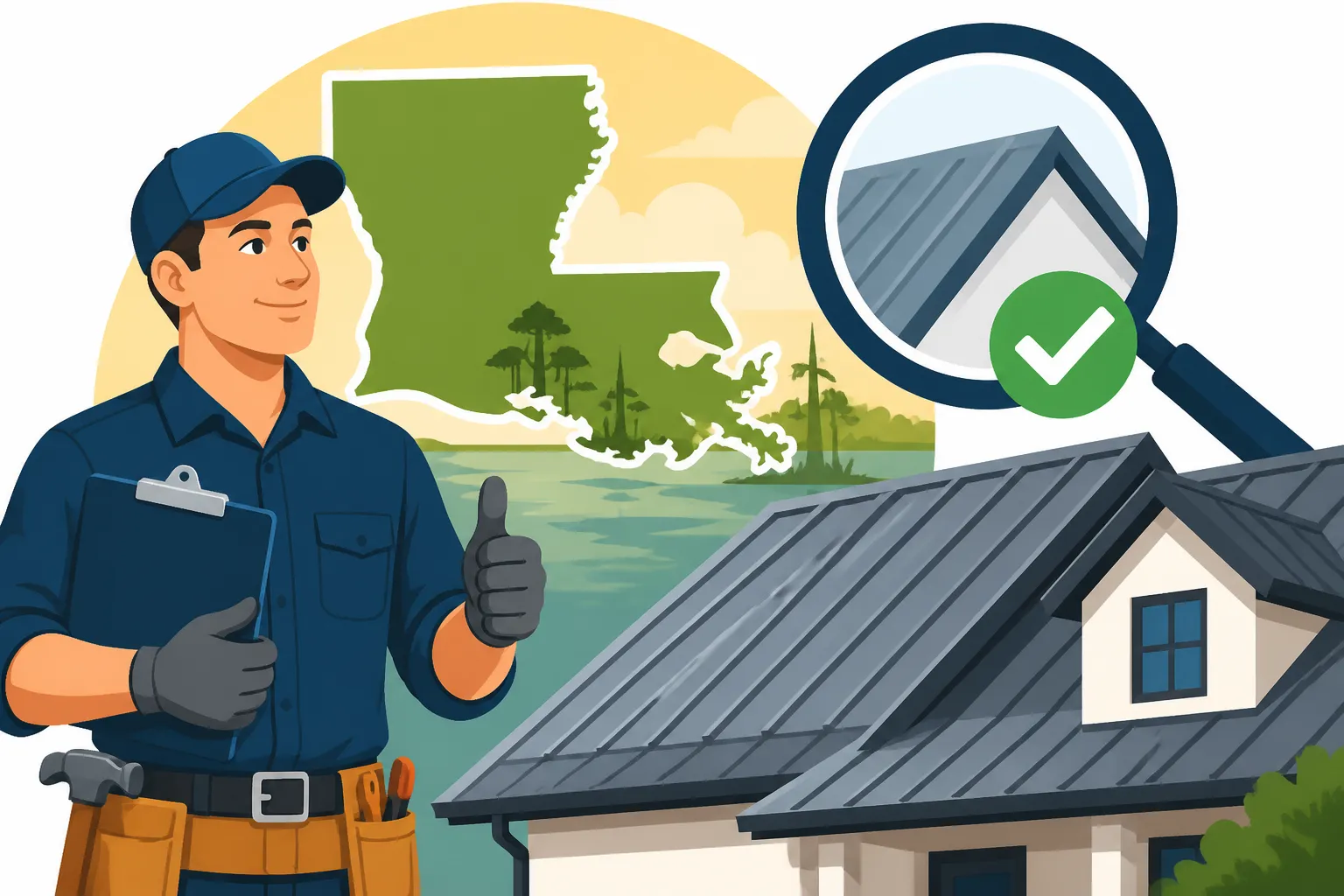
Finding a reliable metal roofing contractor in Louisiana can feel like navigating a swampy bayou blindfolded. You're trying to protect your home, often the biggest investment of your life, from the fierce Gulf Coast weather, but you’re met with a confusing mix of local regulations, varying expertise, and the ever-present worry of choosing the wrong person. This comprehensive guide is here to cut through the fog, offering you actionable steps and crucial insights to confidently select a top-notch metal roofing expert for your Louisiana home.
Understanding Louisiana's Unique Roofing Landscape
Louisiana isn't just a state; it's a climate with its own personality, especially when it comes to roofing. The relentless heat, oppressive humidity, and the very real threat of hurricanes mean that a roof here isn't just a hat for your house – it's a shield. This environment profoundly influences the type of materials suitable for your home and, crucially, the kind of expertise your chosen contractor must possess.
The Impact of Weather on Roofing Choices
When you live in a place like Louisiana, your roof faces a constant barrage. Summers are scorching, leading to intense UV exposure that can degrade lesser materials quickly. Then there's the humidity, a persistent factor that promotes mold, mildew, and corrosion if not properly managed. But the true test often comes during hurricane season. Tropical storms and hurricanes bring incredible wind speeds, torrential rain, and sometimes even hail, all of which can wreak havoc on a roof not designed to withstand them.
For these reasons, metal roofing has gained immense popularity across the state, from the historic homes in New Orleans to the sprawling ranches in Lafayette. Materials like steel and aluminum, often coated with durable finishes like Kynar 500 or Hylar 5000, offer superior resistance to these harsh conditions. However, even the best materials are only as good as their installation. A contractor experienced in installing metal roofs in high-wind zones, ensuring proper fastening, sealing, and flashing, is non-negotiable. They understand that a simple nail might suffice elsewhere, but in Louisiana, we need specialized fasteners and meticulous attention to detail to ensure your roof can truly stand up to a Category 3 storm. This also often means ensuring your chosen roof meets specific wind-load requirements, especially in coastal parishes.
Navigating Local Building Codes and Regulations
Louisiana doesn't have a one-size-fits-all approach to building codes. While the Louisiana State Uniform Construction Code Council (LSUCCC) adopts codes based on national standards like the International Residential Code (IRC) and International Building Code (IBC), local jurisdictions often have their own amendments, particularly concerning roofing and wind resistance. This is especially true for those living in parishes along the Gulf Coast, where stricter High-Velocity Hurricane Zone (HVHZ) requirements might be in place, similar to what you'd find in Florida. You'll want a contractor who not only knows these state-level codes inside and out but is also intimately familiar with the specific requirements of your parish and city.
For example, homeowners in Jefferson Parish might face different requirements than someone in Shreveport or Baton Rouge. These codes dictate everything from the type of underlayment required, to the fastening schedule of metal panels, and even the necessary wind uplift ratings. Ignoring these regulations can lead to serious problems down the line, including failed inspections, insurance claim denials, and even structural damage to your home. A truly reputable contractor will not only be aware of these nuances but will also handle the permit process for you, ensuring all necessary approvals are obtained before work begins. This is a huge relief, as navigating the bureaucracy of local government can be a headache, to say the least. Understanding the process for obtaining a permit is critical for any major roofing project.
Your Step-by-Step Guide to Finding Local Experts
Finding a metal roofing contractor isn't just about picking the first name that pops up in a search engine. It's about a systematic approach to ensure you're connecting with qualified professionals who truly understand the specific needs of a metal roof in Louisiana.
Starting Your Search: Where to Look Beyond a Quick Google
While a quick Google search is a natural first step, it shouldn't be your only avenue. Think of it as casting a wide net before you start reeling in the right fish. Start by asking friends, family, and neighbors who have recently had metal roofs installed. Personal recommendations carry significant weight because they come from someone who has lived through the process and can attest to the contractor's reliability, quality of work, and communication. Word-of-mouth is still king in many Louisiana communities.
Beyond personal connections, consider local building supply stores or specialty metal roofing distributors in your area, such as those found in Baton Rouge or Alexandria. These businesses often work closely with contractors and can provide recommendations for installers they trust and whose work they see regularly. They have an insider's view of who's doing quality work with their materials. Another often-overlooked resource is professional organizations like the Louisiana Home Builders Association or the Roofing Contractors Association of Texas (some Louisiana contractors may be members if they work across state lines or align with similar professional standards). While not exclusively for metal roofing, these associations often have directories of reputable members.
Leveraging Networks and Online Platforms
Once you have a preliminary list, it's time to broaden your search and dig deeper online. Specialized contractor-finding platforms can be invaluable. Websites like Modernize, for instance, can connect you with pre-vetted metal roofing contractors in your area, streamlining the initial search process and saving you a lot of time and hassle. These platforms often allow you to specify your project needs, and then they match you with professionals who fit the bill.
Don't forget to dive into online reviews. Sites like Google, Yelp, and the Better Business Bureau offer a treasure trove of insights from previous customers. Look not just at the star ratings, but at the content of the reviews. Are there consistent complaints about communication, missed deadlines, or quality issues? Or do customers praise professionalism, attention to detail, and a willingness to go the extra mile? Pay close attention to how contractors respond to negative feedback; a professional response can often be more telling than a string of perfect reviews. Remember that while a few negative reviews are normal, a pattern of serious issues is a red flag you should never ignore. This research is crucial in helping you gauge a company's reputation and reliability.
Vetting Potential Contractors: What to Scrutinize
Once you have a shortlist of potential metal roofing contractors, the real work begins: vetting them thoroughly. This is where you separate the true professionals from the fly-by-night operators. This stage is critical to avoiding potential pitfalls and ensuring your investment is protected.
Verifying Licenses, Insurance, and Bonding
This is perhaps the most crucial step in vetting any contractor, especially for a significant project like a metal roof. In Louisiana, roofing contractors, particularly for residential projects over a certain threshold, generally need to be licensed by the Louisiana State Licensing Board for Contractors (LSLBC). You can easily check a contractor's license status on the LSLBC website. Do not skip this step! An unlicensed contractor is a massive liability; if anything goes wrong, you'll have little to no recourse. It's also important to understand What License Does a Roofer Need in Louisiana.
Equally important are insurance and bonding. Ask for proof of both general liability insurance and workers' compensation insurance. General liability protects your property from damage caused by the contractor or their crew. Workers' compensation protects you from being held liable if a worker is injured on your property. Without it, you could be on the hook for medical bills and lost wages. A contractor who is unwilling or unable to provide up-to-date certificates of insurance should be immediately disqualified. Bonding, while not always legally required for residential projects, offers an extra layer of protection, guaranteeing that the contractor will complete the job according to the contract, or you'll be compensated. Make sure you understand the difference between Licensed vs Insured vs Bonded: What's the Difference.
The Importance of References and Portfolio
A contractor's past work speaks volumes about their quality and reliability. Always ask for a list of recent references, specifically those for metal roofing projects. Don't just take the list and run; actually call those references. Ask about their experience with the contractor, the quality of the work, adherence to timelines, communication, and how any issues were handled. If possible, drive by some of their completed projects to see the work firsthand. Are the lines clean? Is the flashing properly installed? Does the overall job look professional? This step provides invaluable insight into the contractor's real-world performance. A good contractor will be proud to share their portfolio and connect you with satisfied clients. You can learn a lot from How to Check Roofing Contractor References.
Beyond references, ask to see a portfolio of their metal roofing work, particularly projects in Louisiana. This will give you an idea of their experience with different metal roof types – whether it's Standing Seam Metal Roof Cost, Corrugated Metal Roof Cost, or something more specialized like Stone-Coated Steel Roof Cost. A seasoned metal roofing contractor will demonstrate an understanding of the unique challenges and aesthetic considerations that come with these materials.
Decoding Estimates and Contracts
Once you've narrowed your choices, you'll receive estimates. Don't settle for just one; aim for at least three detailed quotes. This allows you to compare not just prices, but also the scope of work, materials, and proposed timelines. A comprehensive estimate should itemize everything: material costs (including the type and gauge of metal, and any coatings), labor, tear-off (if applicable), underlayment, flashing, fasteners, permits, and waste disposal. Be wary of unusually low bids, as they often signal shortcuts in materials, labor, or a lack of proper insurance. Understanding How to Read and Compare Metal Roof Quotes is a critical skill.
The contract is your legal protection. Ensure it's clear, detailed, and includes everything discussed, such as project start and end dates, payment schedules, specific materials to be used, warranty information, and a clear scope of work. It should also address what happens if unforeseen issues arise or if there are delays. Never sign a contract you don't fully understand or that feels incomplete. If a contractor pressures you to sign immediately or demands a large upfront payment, consider that a major red flag. Typically, a reasonable deposit is around 10-30%. For more on protecting yourself, see Metal Roofing Scams and Red Flags to Avoid.
Essential Questions to Ask Before Making a Decision
Choosing a metal roofing contractor isn't just about reviewing documents; it's also about having thorough conversations. These discussions will help you gauge their expertise, professionalism, and whether they’re the right fit for your home. Don't be shy about asking direct, probing questions. Remember, you're making a significant investment.
Inquiring About Experience and Specialization
You wouldn't hire a general practitioner for heart surgery, so why would you hire a general roofer for a specialized metal roof installation? Ask about their specific experience with metal roofing projects.
- "How many metal roofs have you installed in the last year, particularly in areas like [Your City/Parish]?" This question helps determine their current activity and local experience.
- "What types of metal roofing systems do you specialize in (e.g., standing seam, corrugated, metal shingles)?" Different systems require different skills. If you're set on a standing seam metal roof, you want a contractor who lives and breathes standing seam.
- "Can you provide examples of similar projects you've completed recently?" A contractor should be able to show you photos or even give you addresses of homes with metal roofs they've installed. This demonstrates pride in their work and confidence in their capabilities.
- "How do you handle unforeseen structural issues that might arise once the old roof is removed?" This gauges their preparedness and problem-solving skills, which are vital for a smooth project.
A truly experienced metal roofing contractor in Louisiana will be able to speak confidently about high-wind fastening techniques, proper thermal expansion and contraction management, and how they address specific challenges like ventilation in humid climates. They will also be able to explain the pros and cons of different metal materials, like steel versus aluminum, in the local climate context.
Understanding Warranties and Post-Installation Support
A metal roof is a long-term investment, often lasting 50 years or more. Because of this, warranties are a huge part of your peace of mind. You need to understand what's covered and for how long.
- "What types of warranties do you offer – both on materials and workmanship?" There are typically two types of warranties: the manufacturer's warranty on the metal panels themselves, and the contractor's warranty on the installation workmanship. You need both. A good workmanship warranty should ideally be 10-25 years. Learn more about Metal Roof Warranties: Workmanship vs Manufacturer.
- "Is the workmanship warranty transferable if I sell my home?" This is a critical question for resale value. A transferable warranty can be a huge selling point.
- "What is your process for handling warranty claims or post-installation issues?" Understanding their responsiveness and procedures for addressing future problems will give you confidence in their long-term commitment. A reliable contractor, even after the final payment, should be available for follow-up questions or minor adjustments.
You're looking for a contractor who stands behind their work and the materials they install, offering clear, comprehensive warranties. Remember, a cheap roof with a weak warranty is often more expensive in the long run. By asking these detailed questions, you'll gain a clearer picture of their commitment to quality and customer service, helping you find a truly reputable metal roofing company in Louisiana.
Here’s a quick checklist to help you compare your options:
| Feature/Question | Why It Matters | Your Contractor's Response/Score |
|---|---|---|
| LSLBC License | Legal requirement, ensures basic competence. | Verification via LSLBC website. |
| General Liability Ins. | Protects your property from contractor damage. | Current Certificate of Insurance (COI) provided. |
| Workers' Comp Ins. | Protects you from liability if a worker is injured. | Current COI provided. |
| Local Experience | Familiarity with specific LA weather/codes. | Can cite specific local projects and talk about local challenges (e.g., hurricane prep). |
| Metal Roof Specialization | Expertise in correct installation techniques for longevity. | Can detail experience with standing seam, corrugated, etc., and show a relevant portfolio. |
| References Provided | Direct feedback from past clients. | At least 3 recent metal roofing references, readily available. |
| Detailed Estimate | Transparency on all costs, materials, and labor. | Itemized breakdown of materials, labor, permits, disposal, and clearly outlines scope. |
| Clear Contract | Legal protection, covers scope, timeline, payment, warranties. | Comprehensive, readable, includes start/end, payment, materials, and warranty details. See What a Metal Roof Contract Should Include. |
| Material Warranty | Manufacturer's guarantee on the roofing product. | Specifics on duration (e.g., 20-50 years), type (e.g., Galvalume, aluminum), and coverage. |
| Workmanship Warranty | Contractor's guarantee on their installation quality. | Specifics on duration (e.g., 10-25 years), what it covers, and transferability. |
| Communication Style | Ease of reaching them, clarity of explanations. | Responsive, clear answers to questions, proactive updates. |
| Permit Handling | Ensures project compliance with local laws. | Contractor handles all permit applications and inspections. |
Remember, don't rush the process. Take your time, do your due diligence, and you'll find a metal roofing contractor in Louisiana that you can trust to protect your home for decades to come.
Disclaimer
Please note that this article provides general information and recommendations. Building codes, licensing requirements, and contractor practices can vary by specific parish, city, and evolve over time. Always verify current regulations with your local authorities and the Louisiana State Licensing Board for Contractors (LSLBC) before beginning any project. It is always recommended to consult with multiple qualified professionals to obtain accurate and personalized advice for your specific situation.