How to Find a Metal Roofing Contractor in Washington
Trying to find a reliable contractor for a metal roof in Washington State can feel like searching for a needle in a very wet haystack. With so many options out there, and the specific demands of our Pacific Northwest weather, it's easy to get overwhelmed and worry about making the wrong choice. This comprehensive guide will walk you through exactly how to identify, vet, and select the best metal roofing contractor to ensure your home is protected for decades to come.
Why Finding the Right Metal Roofing Contractor in Washington Matters
It’s no secret that Washington weather can be… well, temperamental. From the constant drizzle on the west side to the snowy winters in the mountains and the intense summer sun in Eastern Washington, our roofs face a lot. That’s why picking just any roofer simply won't cut it when it comes to metal roofing. You need someone who understands the local climate and the nuances of metal installation.
The Unique Challenges of Washington Weather
Here in Washington, we're not just dealing with average rain; we often contend with sustained downpours, heavy snow loads, and strong winds, especially near the coast or in higher elevations. This means your metal roof isn't just a pretty facade; it's your home's primary defense. A poorly installed metal roof, even one made of high-quality materials, can lead to leaks, drafts, and even structural damage over time. Imagine investing in a beautiful, durable metal roof only to find it failing after a few harsh winters because the flashing wasn't properly sealed or the fasteners weren't installed correctly for expansion and contraction. It's a truly frustrating scenario that can be entirely avoided with the right contractor.
Beyond precipitation, moss and algae can be a persistent problem in our damp climate. While metal roofs are naturally more resistant to moss growth than asphalt shingles, proper installation techniques, like ensuring good drainage and ventilation, are still crucial to prevent moisture buildup and keep your roof looking pristine. A contractor familiar with these regional issues will know to recommend and install appropriate underlayment and ventilation systems, as detailed in a comprehensive Metal Roof Underlayment and Ventilation Guide, ensuring your roof performs optimally.
Protecting Your Investment with Expert Installation
A metal roof is a significant investment in your home, often costing more upfront than traditional asphalt shingles. However, that higher initial cost is offset by its incredible longevity and durability. We're talking about a roof that can last 50 years or more! But that impressive lifespan is entirely dependent on the quality of the installation. Think about it: a high-end sports car still won't perform if the mechanic doesn't know how to tune it. The same goes for your roof.
An experienced metal roofing contractor understands the specific techniques required for different metal roofing types, whether it's the intricate seams of a standing seam roof, the proper fastening of corrugated panels, or the precise placement of metal shingles. They know how to handle the thermal expansion and contraction of metal, prevent oil canning, and ensure all penetrations (like vents and chimneys) are flawlessly sealed. This expertise directly impacts your roof's long-term performance, energy efficiency, and eligibility for manufacturer warranties. Without it, you could be facing premature repairs, voided warranties, and the stress of ongoing problems. Knowing the ins and outs of Metal Roof Installation Process: Step by Step helps you appreciate the complexity and the need for skilled hands.
Initial Steps to Identify Potential Contractors
Okay, so you're convinced you need a metal roof and a great contractor. But where do you even start looking? The good news is, in this day and age, you have a lot of resources at your fingertips. The key is to cast a wide net initially and then narrow it down strategically.
Leveraging Online Search and Local Directories
Your first stop should definitely be online. A quick search for "metal roofing contractors Seattle," "metal roof Spokane," or "roofing Bellingham" will bring up a host of local companies. Don't just click on the first few sponsored ads. Take your time to browse through several pages of results. Look for contractors with well-designed websites that specifically highlight their metal roofing services, showcasing past projects and detailing their expertise.
Websites like Yelp, Google Maps, Angi (formerly Angie's List), and Houzz are invaluable for finding contractors and reading customer reviews. Pay attention not just to the star ratings, but to the content of the reviews. Do people mention professionalism, timeliness, and quality workmanship? Are there specific mentions of metal roofing projects? Be wary of companies with very few reviews or an overwhelming number of negative ones, especially those that highlight poor communication or unresolved issues. For a streamlined approach to getting multiple quotes from vetted professionals, platforms like Modernize can be incredibly helpful. They connect homeowners with pre-screened contractors in their area, making the initial search much less daunting and saving you a lot of time calling around.
Tapping into Your Network: Referrals and Word-of-Mouth
Before the internet, word-of-mouth was the way to find a good contractor, and it's still incredibly powerful today. Talk to your neighbors, friends, family members, and even local real estate agents or home inspectors. Has anyone had a metal roof installed recently? Were they happy with the process and the result? A personal referral often comes with an added layer of trust because someone you know has already vetted the company.
Think about people in your community who might have a professional network related to home improvement. Local builders, architects, or even employees at your local lumber yard or hardware store often have insights into which contractors are reputable and do quality work with metal roofing materials. Don't underestimate the power of seeing a metal roof you admire on a local home; if it looks great, don't be shy about knocking on the door (during reasonable hours, of course!) and asking who did the work.
Vetting Contractors: What to Look For Beyond the Quote
Once you have a list of potential contractors, it's time to put on your detective hat. The price tag on a quote is important, but it's far from the only factor. A cheap quote might save you money upfront, but it could cost you dearly in the long run if the work isn't up to par.
Licensing, Bonding, and Insurance in Washington State
This is non-negotiable, folks. In Washington, contractors are regulated by the Department of Labor & Industries (L&I). Every contractor performing work in Washington must be registered with L&I, have a bond, and carry liability insurance. This protects you in case of shoddy work, property damage, or injuries on the job site. You can easily verify a contractor's license, bond, and insurance status through the L&I website by searching for their name or registration number. This single step can save you immense heartache. Make sure their registration is active and that they don't have a history of unresolved complaints.
Furthermore, ensure they have workers' compensation insurance for their crew. If a worker gets injured on your property and the contractor doesn't have proper coverage, you, as the homeowner, could be held liable. It's a scary thought, but an easily preventable risk. Don't be afraid to ask for proof of all these documents and verify them yourself. Understanding Metal Roof Contractor Licensing, Bonding & Insurance is fundamental to protecting yourself.
Experience with Metal Roofing Systems
Metal roofing isn't a one-size-fits-all product. There are various materials like steel, aluminum, copper, and zinc, and different profiles such as standing seam, corrugated, ribbed panel, and metal shingles. Each requires specific installation techniques and expertise. You don't want a contractor who primarily installs asphalt shingles trying to learn standing seam on your expensive new roof. Ask about their specific experience with metal roofing, particularly the type you are considering.
- How many metal roofs have they installed in the last year?
- Do they have experience with the specific material and profile you're interested in (e.g., Standing Seam Metal Roof Cost, Corrugated Metal Roof Cost, or Stone-Coated Steel Roof Cost)?
- Do they have a dedicated metal roofing crew, or do they use subcontractors? (If subcontractors, ensure they are also properly licensed and insured.)
- Can they provide addresses of recently completed metal roof projects in your area? This allows you to drive by and see their work firsthand.
A contractor who can confidently discuss the pros and cons of different gauges (like 24 vs 26 gauge metal roof), coatings (PVDF vs SMP), and ventilation strategies demonstrates real expertise.
Checking References and Online Reviews
Online reviews are a great starting point, but don't stop there. Ask the contractor for a list of at least three recent references—ideally within the last 6-12 months—who had similar metal roofing work done. When you call these references, ask specific questions:
- Were they satisfied with the final product?
- Was the project completed on time and within budget?
- How was communication throughout the process?
- Were there any unexpected issues, and how were they handled?
- Did the crew keep the work site clean and tidy?
- Would they hire this contractor again?
Look for consistent themes in both positive and negative feedback. A company that consistently delivers on promises and maintains clear communication is a strong contender. Be wary if a contractor is reluctant to provide references.
Understanding Warranties and Post-Installation Support
A good metal roof should come with two main types of warranties:
- Manufacturer's Warranty: This covers the materials themselves (panels, coatings, fasteners) against defects, fading, or other failures. These can range from 20 to 50 years, or even lifetime.
- Workmanship Warranty: This covers the installation. It ensures that if the roof leaks or fails due to faulty installation, the contractor will fix it. This is often 5-10 years, but some reputable companies offer longer periods.
Ask about both types of warranties. What specifically do they cover? What voids the warranty? Is the warranty transferable if you sell your home? A strong warranty package reflects the contractor's confidence in their work and commitment to standing behind their product. It's also important to understand their process for post-installation support. What happens if you have a question or a minor issue a year down the road? Will they be responsive? This is a crucial area to discuss, and reading a dedicated article on Metal Roof Warranties: Workmanship vs Manufacturer can help you prepare.
Getting and Comparing Quotes in Washington
Once you've narrowed down your list to 2-3 highly qualified contractors, it's time to get detailed quotes. This isn't just about comparing the bottom line; it's about comparing apples to apples, ensuring each quote covers the same scope of work and quality of materials.
The Importance of Detailed, Written Estimates
Never, ever accept a verbal quote for a metal roof. Insist on a written, detailed estimate that breaks down all costs. This protects both you and the contractor by clearly outlining expectations. A good estimate should include:
- Materials: Specific type of metal (e.g., Galvalume steel), gauge, panel profile (e.g., Standing Seam vs Corrugated), color, brand, and any special coatings.
- Scope of Work: Clearly outline what will be done, including tear-off of old roofing (if applicable, refer to Cost to Replace Shingles With a Metal Roof), underlayment installation, flashing details, trim, ventilation, and cleanup.
- Labor Costs: How labor is calculated and what it includes.
- Permit Fees: Who is responsible for pulling the permit (usually the contractor) and its cost. Understanding Do You Need a Permit for a Metal Roof? is important here.
- Timeline: Start and estimated completion dates.
- Payment Schedule: Clearly defined payment milestones.
- Warranty Information: Details on both material and workmanship warranties.
A vague estimate with just a single lump sum figure is a major red flag. It leaves too much open to interpretation and can lead to unexpected costs down the line. Remember, a comprehensive Metal Roof Cost: Complete 2026 Guide will show you all the variables that go into the total price.
What a Comprehensive Metal Roof Estimate Should Include
Let's dive a little deeper into what those details should look like. For a metal roof, the estimate should specify:
- Metal Material & Gauge: For example, "24 gauge Galvalume steel, Kynar 500 finish, Standing Seam profile, Color: Slate Gray." This level of detail ensures you know exactly what you're paying for. Different gauges, like 24 gauge vs 26 gauge metal roof, have different costs and durability.
- Underlayment: Specify the type (e.g., synthetic underlayment, ice and water shield in critical areas). Given Washington's rainfall, a high-quality underlayment is essential.
- Fasteners: Are they exposed or concealed? What type of screws and washers will be used? This is critical for preventing leaks, as explored in Why Is My Metal Roof Leaking at the Screws?.
- Flashing & Trim: Details for eaves, rake, valleys, wall transitions, and penetrations (chimneys, skylights, vents). These are critical areas for leak prevention and require meticulous work. Check out Metal Roof Trim and Flashing Cost for more info.
- Ventilation: Ridge vents, soffit vents, and any other components to ensure proper attic ventilation, which is crucial for prolonging roof life and preventing condensation.
- Site Protection & Cleanup: How will they protect your landscaping, siding, and deck during the project? What's their cleanup process for debris and old roofing materials?
If any of these details are missing, ask the contractor to add them. It's your right to know exactly what you're paying for. Getting multiple bids and ensuring they all use the same specifications allows you to truly How to Compare Metal Roof Bids Apples to Apples. And if you're struggling to even get detailed estimates, a service like Modernize can help facilitate that process by connecting you with contractors who are prepared to provide comprehensive quotes.
Avoiding Common Pitfalls: Red Flags and Lowball Bids
When you're getting quotes, some red flags should make you pause:
- Pressure Tactics: Any contractor who pressures you to sign a contract immediately or offers a "today-only" discount. Reputable contractors will give you time to review their proposal.
- Cash-Only Deals: This is a huge warning sign. It often indicates they are trying to avoid taxes, workers' comp, or other legal obligations, which puts you at serious risk.
- Excessively Low Bids: If one quote is significantly lower than the others, be extremely cautious. It might indicate corners being cut on materials, labor, insurance, or permits. Ask why their bid is so much lower. Sometimes it's a legitimate efficiency, but often it's a sign of trouble.
- Lack of References or Reluctance to Provide Documentation: As mentioned before, if they can't or won't provide proof of licensing, insurance, or references, walk away.
- Unclear Contracts: A contract that is vague, full of jargon you don't understand, or lacks detailed specifications. Everything should be clearly spelled out.
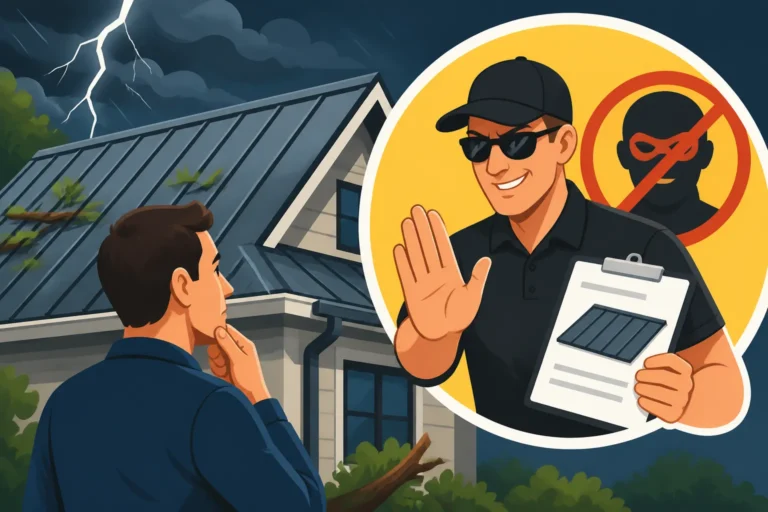
- Storm Chasers: Be especially wary of contractors who show up uninvited after a major storm, claiming they just happened to be in the area. While some legitimate roofers go door-to-door, many are "storm chasers" who do quick, shoddy work and then disappear. Always verify their local presence and reputation. This is something often detailed in articles about Storm-Chaser and Door-Knocker Roofing Scams.
Trust your gut feeling. If something feels off, it probably is.
Key Questions to Ask Prospective Metal Roofers in Washington
Once you've done your initial vetting and reviewed quotes, you'll likely have a few top contenders. This is your chance to ask some pointed questions that will help you make a final decision.
Inquiring About Their Process and Crew
Understanding how they work is just as important as knowing what they'll do.
- "What is your typical project timeline for a metal roof of my size and complexity?" This helps manage expectations and ensures they have the capacity to complete your project in a reasonable timeframe. Keep in mind that How Long Does Metal Roof Installation Take? can vary greatly.
- "Will you be using your own employees or subcontractors for the installation?" If they use subcontractors, ask about their vetting process, and ensure the subcontractors are also licensed and insured. It's important to understand the difference between Subcontractors vs In-House Roofing Crews.
- "Who will be my main point of contact throughout the project, and how will communication be handled?" Clear, consistent communication is vital for a smooth project.
- "What safety measures do you have in place for your crew and my property?" Roofing is inherently dangerous work. A professional contractor will have a robust safety plan.
- "How do you protect the property around my home during tear-off and installation?" This shows respect for your home and ensures your landscaping, driveway, and other elements aren't damaged.
- "How will you handle debris and waste removal?" You want to ensure they plan for proper disposal and leave your property spotless.
Discussing Project Specifics and Material Expertise
These questions delve into their technical knowledge and problem-solving abilities.
- "Given my roof pitch and the typical weather conditions in [Your Washington City], what type of metal panel and gauge do you recommend, and why?" A good contractor won't just quote what you asked for; they'll offer informed recommendations. For example, knowing the specific best metal roof for Washington weather could inform their advice.
- "How do you address potential issues like condensation or noise with metal roofs?" This shows their understanding of common concerns and their solutions. For instance, Do Metal Roofs Make Noise When It Rains? is a common question.
- "What brand of metal roofing materials do you typically use, and why do you prefer them?" Reputable contractors often have preferred brands they trust for quality and warranty support. Examples could include McElroy Metal, Metal Sales, or Englert.
- "How do you handle flashing around complex roof features like skylights, dormers, or chimneys to ensure watertight seals?" These are critical areas where leaks often occur if not installed perfectly.
- "What is your policy regarding change orders if unexpected issues arise during the project?" Be prepared for the possibility of rotten decking or other hidden problems once the old roof is removed. A transparent process for change orders is essential.
By asking these detailed questions, you'll gain a much clearer picture of the contractor's professionalism, expertise, and commitment to quality. This diligent process, sometimes supported by platforms like Modernize that help filter reputable contractors, will lead you to a metal roofing partner you can truly trust.
| Vetting Criterion | Why It Matters for Washington Metal Roofs | What to Ask/Look For |
|---|---|---|
| L&I Registration | Legal & Protection: Ensures contractor is legitimate, bonded, and insured, protecting you from liabilities. | Verify active license, bond, and insurance on the Washington L&I website. Ask for certificates of insurance (liability & workers' comp). |
| Metal Roof Experience | Quality & Longevity: Metal roofing requires specialized skills for our unique weather (rain, snow, expansion/contraction). | "How many metal roofs have you installed in the last year?" "Do you have specific experience with your chosen metal type/profile?" Ask for photos/addresses of past projects. |
| Local Knowledge | Climate Resilience: Understanding Washington-specific challenges like persistent rain, moss, and snow loads is crucial. | "How do you ensure proper ventilation and drainage for our climate?" "What underlayment do you recommend for heavy rainfall?" |
| Detailed Quote | Transparency & Budget Control: Prevents hidden costs and ensures all aspects of the job are covered. | Insist on a written breakdown of materials (gauge, type, brand, finish), labor, permits, tear-off, and warranty. Compare quotes line-by-line. |
| References/Reviews | Reputation & Reliability: Provides insight into past customer experiences and contractor's professionalism. | Ask for 3 recent references with similar projects. Check Google, Yelp, BBB for consistent positive feedback and how negative feedback was addressed. |
| Warranties | Long-Term Assurance: Protects your investment against material defects and installation errors. | Clarify both manufacturer and workmanship warranty terms, coverage, duration, and transferability. |
Choosing a metal roofing contractor in Washington State is a big decision, one that directly impacts the safety and value of your home for decades to come. It’s easy to feel rushed or overwhelmed, but taking the time to thoroughly research, vet, and compare contractors will pay dividends in the long run. By prioritizing experience, proper licensing, clear communication, and comprehensive quotes, you’ll find a reputable professional who can install a beautiful, durable metal roof built to withstand everything our beautiful Pacific Northwest weather throws at it. Don't settle for anything less than the best; your roof is too important.
Disclaimer
Please note that the information provided in this article is intended for general guidance and informational purposes only. While we strive to offer accurate and up-to-date content, building codes, permitting requirements, contractor licensing, and specific product recommendations can vary significantly by location and may change over time. Always consult with a qualified, licensed, and insured local metal roofing contractor and your local building department to ensure compliance with all applicable regulations and to obtain personalized advice for your specific project. We do not endorse any specific brand or contractor mentioned herein, and homeowners should always conduct their own thorough due diligence.