How to Spot a Roofing Scam After a Storm
It’s a truly awful feeling when a major storm rolls through, leaving behind a trail of damage, especially to your home’s most critical protector: its roof. The stress of dealing with insurance, repairs, and finding a trustworthy contractor is immense. Unfortunately, these vulnerable times are exactly when predatory "storm chasers" emerge, looking to take advantage of homeowners. This guide is here to walk you through the tell-tale signs of a roofing scam after a storm, helping you protect your home and your wallet from unscrupulous actors.
Understanding the Landscape of Post-Storm Scams
When a severe weather event hits – be it a hurricane, a fierce hailstorm, or a tornado – it often leaves communities reeling. Homeowners are left with damaged properties, and the urgent need for repairs can create a chaotic environment. This chaos, sadly, is a prime breeding ground for disreputable contractors, often referred to as "storm chasers." These individuals or companies swoop into affected areas from out of state, capitalizing on the immediate demand for roofing services. They might seem like a godsend at first, appearing quickly when local contractors are overwhelmed, but their practices can lead to shoddy work, abandoned projects, and significant financial loss for unsuspecting homeowners. It’s a frustrating reality that when you’re most in need, you have to be extra vigilant.
The Immediate Aftermath: How Storm Chasers Operate
Right after a major storm, you might notice a sudden influx of unfamiliar trucks and crews in your neighborhood. These aren't necessarily legitimate local businesses expanding their operations; often, they are storm chasers who track weather patterns and deploy to disaster zones. They understand the urgency you feel to get your roof fixed and the pressure to quickly file an insurance claim. This urgency becomes their biggest leverage. They might knock on your door, often without you even calling them, claiming to have noticed damage on your roof that you weren't even aware of. They might offer a "free inspection," which often serves as an opportunity to fabricate or exaggerate damage to secure a contract.
One common tactic involves offering to handle the entire insurance claim process for you. While some reputable contractors can assist with documentation, a storm chaser might insist on communicating solely with your insurance company, sometimes even attempting to sign documents on your behalf. This can be a huge red flag, as it creates a barrier between you and your insurer, making it difficult to understand the true scope of work or cost. They want to control the narrative, often inflating costs or promising repairs that aren't truly covered, leaving you in a lurch when the insurance payout doesn't match their inflated invoice.
Why They Target Vulnerable Areas
The reason storm chasers flock to disaster-stricken areas is purely opportunistic. Local, reputable contractors often have a backlog of work, existing relationships, and a reputation to uphold. They might be slower to respond due to high demand, creating a void that storm chasers are eager to fill. These transient companies typically lack local ties, licenses, or long-term accountability. They move from one disaster zone to the next, making it incredibly difficult to track them down if issues arise after they've completed (or abandoned) a job. Their business model thrives on quick, high-volume jobs with minimal oversight, which means cutting corners is often part of the plan. They're not interested in building a lasting relationship; they're interested in making a quick profit and moving on to the next town.
Key Red Flags to Watch Out For
Navigating the post-storm period requires a sharp eye and a healthy dose of skepticism. Many scam artists rely on your immediate need and lack of knowledge about roofing repairs. By understanding the common warning signs, you can better protect yourself from falling victim to their schemes. It’s not about being distrustful of everyone, but about being smart and cautious when your home's integrity is on the line.
Unsolicited Visits and High-Pressure Sales
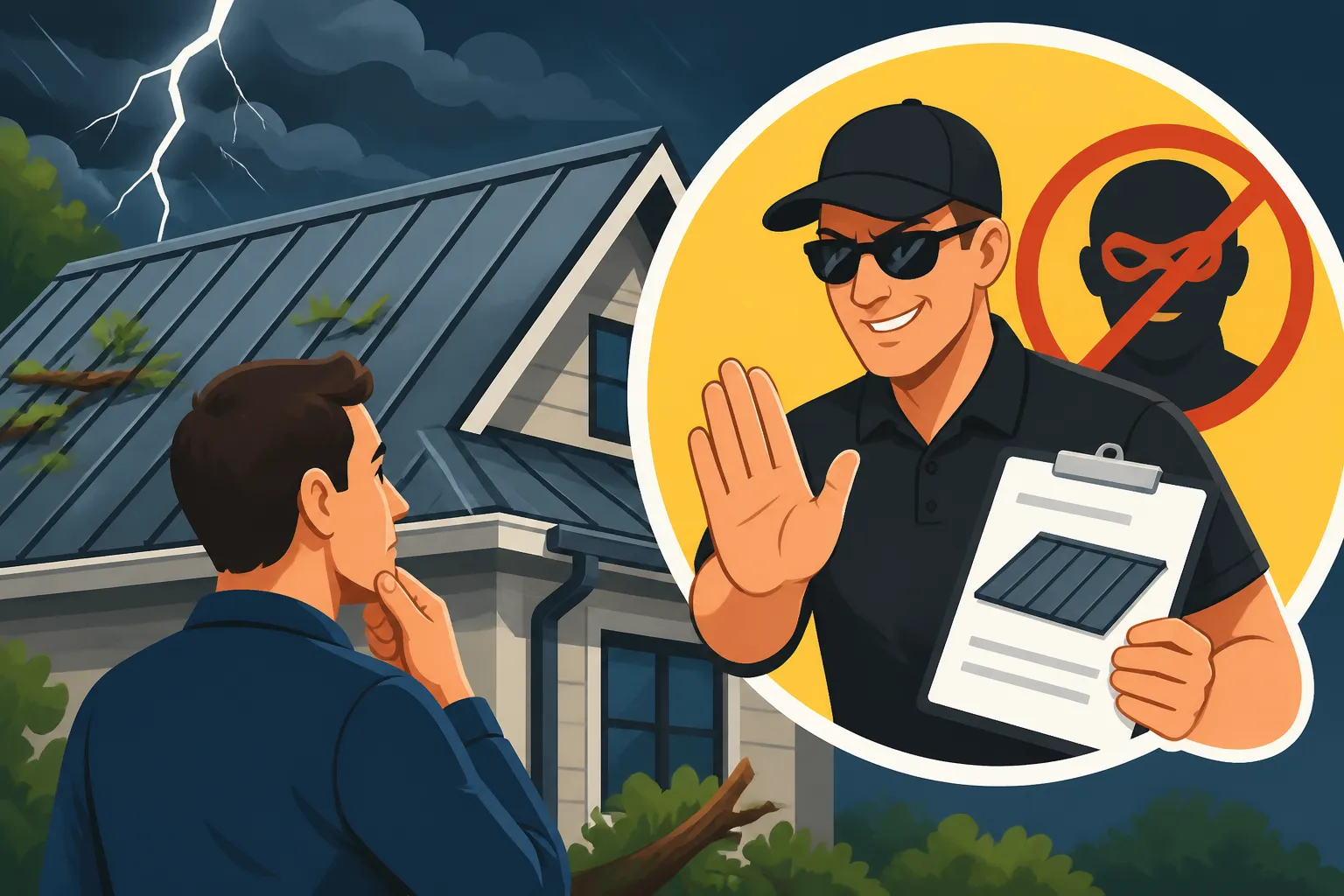
One of the most immediate and glaring red flags is an unsolicited visit from a roofing contractor. If someone shows up at your door, uninvited, shortly after a storm and claims they've already inspected your roof (from the ground, usually) and found significant damage, proceed with extreme caution. Legitimate contractors typically rely on referrals, advertising, or direct inquiries from homeowners. While a local company might do some neighborhood canvassing, a sudden influx of unknown companies aggressively soliciting business is suspicious. They’ll often use high-pressure tactics, pushing you to sign a contract "right now" because materials are scarce, prices are rising, or their crew is "in the area" and can start immediately. Don't fall for this urgency; a reputable contractor will give you time to consider your options.
Another variation of this is when they offer a "free roof inspection" but then suddenly produce pieces of damaged shingles or fascia that they claim came from your roof, even if it looks perfectly fine to you. Sometimes, they even go as far as creating damage themselves to convince you to sign a contract. Always verify damage with your own eyes, if possible and safe, or through your insurance adjuster. Never let a contractor climb onto your roof without proper safety gear and your explicit permission, as they could cause damage or injury.
Lack of Local Presence and Vague Information
Storm chasers are, by nature, transient. They often operate out of temporary offices or even just from their vehicles, with P.O. boxes instead of physical addresses. If a contractor doesn't have a verifiable local address, a long-standing local phone number, or local references, that's a major warning sign. Ask for proof of their local business license and check if their physical address exists and is indeed a business location. Be wary of contractors who only accept cash payments or demand large upfront deposits. A legitimate contractor will have established banking relationships and typically won't ask for more than a reasonable deposit, if any, before materials are delivered.
Furthermore, they might be vague about their company name, their experience, or their crew. If they can't clearly articulate their process, the materials they use, or provide specific details about their business, it’s a sign they might be hiding something. A reputable company will be transparent and proud of its work. When you're considering a significant investment like a new roof, you need to understand exactly who you're dealing with. The platform Modernize can be a valuable tool to help you connect with vetted, local professionals who have a track record in your community, helping you avoid these fly-by-night operators.
Sketchy Contracts and Demands for Upfront Cash
This is where many homeowners get into real trouble. A legitimate roofing contract should be detailed, clear, and easy to understand. It should outline the scope of work, materials to be used, project timeline, payment schedule, and warranty information. If a contractor presents you with a vague, one-page agreement, or one that’s full of blank spaces, do not sign it. Be especially wary if they pressure you to sign an "Assignment of Benefits" (AOB) form, which gives them the right to deal directly with your insurance company and collect payment, potentially cutting you out of the process entirely. While these can sometimes be legitimate, they are also heavily abused by scammers.
Demanding full or a substantial upfront payment in cash is perhaps the biggest red flag of all. Reputable contractors typically require an initial deposit to cover material costs, usually no more than 10-30% of the total project cost, with subsequent payments tied to project milestones. If they ask for 50% or more upfront, especially in cash, they could disappear with your money, leaving you with no roof and no recourse. Never pay cash without a receipt, and ideally, avoid cash payments altogether for major home repairs. Always pay with a check or credit card, which provides a paper trail and potential avenues for dispute if things go wrong. For more insights on financial aspects, you might want to read about Normal Deposit and Payment Schedule for a Roof.
| Feature | Reputable Contractor Signs | Scam/Storm Chaser Red Flags |
|---|---|---|
| Solicitation | By referral, advertising, or homeowner inquiry | Unsolicited door-knocking, aggressive canvassing |
| Local Presence | Established local office, local phone number, verifiable address | P.O. Box, temporary address, out-of-state license plates |
| Vetting | Provides local references, clear licensing/insurance info | Vague on details, no local references, refuses to show credentials |
| Contract | Detailed, itemized, clear scope of work, warranties | Vague, one-page, blank spaces, pressured AOB signing |
| Payment | Deposit for materials (10-30%), payments tied to milestones | Demands large upfront cash, 50%+ upfront |
| Insurance Claim | Assists with documentation, encourages homeowner communication | Insists on handling claim exclusively, pressures AOB |
| Price | Provides detailed estimate, explains variations | Too-good-to-be-true prices, vague pricing, changes mid-job |
| Permits | Pulls all necessary permits before work begins | Avoids permits, tells homeowner to pull them |
How to Vet a Legitimate Contractor
Finding a trustworthy metal roofing contractor after a storm can feel like an overwhelming task, but it’s absolutely essential for your peace of mind and the longevity of your roof. Don't rush into a decision; taking the time to properly vet potential contractors will save you countless headaches and potential financial losses down the line. Remember, your roof is a significant investment, and you deserve a professional who will treat it as such. This is where organizations like Modernize can truly shine, helping you streamline the search for qualified, reputable professionals in your area.
Checking Licenses, Insurance, and Local Credentials
The first and arguably most important step is to verify a contractor's credentials. Any legitimate roofing contractor should be properly licensed, insured, and bonded. This isn't just a formality; it protects you. A license ensures they meet state or local requirements for skill and knowledge. Insurance, specifically general liability and workers' compensation, protects you from liability if a worker is injured on your property or if damage occurs during the project. You can usually verify licenses through your state's contractor licensing board or your local building department. For example, knowing How to Verify a Roofing License by State can be invaluable. Don't just take their word for it; ask for proof and verify it independently.
Furthermore, ensure they have a strong local presence. Look for contractors with a physical office in your area, not just a P.O. box. Check their local business registration and look up their track record with the Better Business Bureau (BBB). Are there numerous complaints? How were they resolved? Search for online reviews on platforms like Google, Yelp, or industry-specific sites. While a few negative reviews are normal for any business, a pattern of unresolved issues, particularly regarding quality of work, disappearing acts, or contractual disputes, should raise a red flag. A contractor deeply invested in their community will have a reputation to protect.
Asking for References and Reviewing Past Work
A reputable contractor will be more than happy to provide you with a list of recent customers you can contact. Don't just glance at the list; actually call those references. Ask about their experience with the contractor: Was the work completed on time and within budget? Was the communication clear? Were they satisfied with the quality of the work? Did the contractor handle permits and inspections properly? You can also ask to see examples of their completed work in your area. Driving by a few houses they’ve worked on can give you a tangible sense of their quality and attention to detail.
Beyond customer references, inquire about their supplier references. A contractor with good standing among material suppliers often indicates responsible business practices. Suppliers can attest to a contractor's payment history and reliability, which are key indicators of a stable and trustworthy operation. When looking for a metal roofing specialist, specifically ask for references related to metal roof installations, as it's a specialized skill.
Getting Multiple, Detailed Quotes
Never settle for just one estimate, especially after a storm. Get at least three detailed quotes from different contractors. This allows you to compare not just the price, but also the scope of work, materials, and proposed timelines. Beware of quotes that are significantly lower than others, as this often indicates shortcuts in materials, labor, or a lack of proper insurance and permits. A proper quote for metal roofing should break down costs for materials (e.g., specific type of metal like steel, aluminum, or copper, gauge, coating), labor, underlayment, flashing, fasteners, tear-off (if needed), disposal, and any other associated fees.
Make sure all quotes specify the exact materials they plan to use, including the brand and model of the metal panels, underlayment, and accessories. A contractor should be able to explain why they recommend certain materials. If you’re getting a Standing Seam Metal Roof Cost quote, it should specify the panel profile, gauge, and finish. For a deeper dive into understanding estimates, check out How to Read and Compare Metal Roof Quotes. A comprehensive quote demonstrates transparency and professionalism, making it easier for you to make an informed decision.
Protecting Yourself Before and After the Work
Even after you've thoroughly vetted a contractor, the process isn't over. Protecting your investment and ensuring a smooth project requires careful attention to the contractual agreement, payment schedule, and understanding your warranty rights. This vigilance ensures that your new metal roof will serve you well for decades to come, providing the protection and value you expect.
Understanding the Contract and Payment Schedule
Before any work begins, make sure you have a signed, written contract that clearly outlines every aspect of the project. This document is your primary protection, so read it thoroughly, and don't hesitate to ask questions about anything you don't understand. The contract should include:
- Detailed Scope of Work: What specific tasks will be performed? Will old materials be torn off? What type of underlayment will be used? What are the specifics of the metal roofing system (material, profile, color, gauge)?
- Materials: Exact specifications for all materials, including brand names, models, and quantities.
- Timeline: Start and estimated completion dates.
- Total Cost: The fixed price for the entire project.
- Payment Schedule: Clearly defined installments, tied to project milestones (e.g., 10-20% upfront, another payment upon material delivery, final payment upon satisfactory completion). Never make a final payment until the job is 100% complete and you've inspected the work.
- Warranty Information: Details about both manufacturer warranties for materials and the contractor's warranty for workmanship.
- Permits: Who is responsible for pulling necessary permits (it should always be the contractor).
- Cleanup: How and when debris will be removed from your property.
If a contractor tries to rush you or says "it's standard, just sign," be very cautious. A good contractor wants you to be informed. It's also critical to ensure that a clause is included regarding who is responsible for damage to your property during the construction process. This is where adequate insurance is paramount. Understanding What a Metal Roof Contract Should Include can help you ensure you're covered.
Verifying Permits and Manufacturer Certifications
For almost any significant roof replacement or repair, a building permit is required by your local municipality. This isn't just bureaucratic red tape; it ensures that the work complies with local building codes and standards. A permit also triggers inspections by local building officials at various stages of the project, providing an extra layer of quality control. Insist that your contractor obtains all necessary permits before any work begins. If they tell you a permit isn't needed, or suggest you pull it yourself, this is a serious red flag and often a tactic used by unethical contractors to avoid official oversight. Understanding Do You Need a Permit for a Metal Roof? is crucial.
Many metal roofing manufacturers offer certifications to contractors who have undergone specific training and demonstrated proficiency in installing their products. For example, a company might be certified by a major metal roofing manufacturer like McElroy Metal or Sheffield Metals. These Manufacturer-Certified Metal Roof Installers Explained are often able to offer enhanced material warranties that are only available through certified installers. Asking for proof of such certifications can give you confidence in their expertise with specific metal roofing systems and materials. This shows a commitment to quality and ongoing education within the industry.
Understanding Warranties and Final Inspection
A comprehensive metal roof typically comes with two types of warranties: a material warranty from the manufacturer (covering defects in the roofing product itself, often 30-50 years or even lifetime) and a workmanship warranty from the installer (covering their installation work, usually 5-25 years). Make sure you receive copies of both. Understand what is covered, for how long, and what might void the warranty. For instance, improper maintenance could void certain warranties. Detailed information on Metal Roof Warranties: Workmanship vs Manufacturer is essential reading.
Before making your final payment, conduct a thorough final inspection of the completed work. Walk around your home, checking for any debris left behind, proper flashing installation around chimneys and vents, and the overall aesthetic quality of the roof. Look for any loose panels, exposed fasteners (if it’s an exposed fastener system), or signs of damage to gutters or siding. If it's safe to do so, inspect the roof itself or have your insurance adjuster or another independent professional do a final check. Document any concerns with photos and bring them to the contractor's attention immediately. Do not release final payment until all issues are satisfactorily resolved. By following these steps and remaining vigilant, you can successfully navigate the challenges of post-storm repairs and enjoy a durable, beautiful metal roof for many years.
Disclaimer
Please remember that the information provided in this article is for general guidance and informational purposes only, and does not constitute professional advice. Roofing projects can be complex, and local regulations, material availability, and individual home conditions vary widely. Always consult with licensed and insured metal roofing professionals for specific advice tailored to your situation. This content is not intended to replace the advice of qualified experts in the field.