What License Does a Roofer Need in Arizona
Finding a reliable roofing contractor can feel like navigating a maze, especially when you’re trying to understand all the local rules and regulations. It’s not just about getting a good price; it’s about ensuring the person working on your home is legitimate, qualified, and accountable. This guide is here to demystify the specific licensing requirements for roofers in Arizona, helping you protect your investment and ensure a smooth, worry-free metal roof installation or repair.
Understanding the Arizona Registrar of Contractors
When you're looking for a roofer in the Grand Canyon State, the first and most important entity you need to know about is the Arizona Registrar of Contractors (ROC). Unlike some states where individual cities or counties handle licensing, Arizona centralizes its contractor licensing through the ROC. This agency is responsible for licensing and regulating contractors, and let me tell you, they’re pretty thorough about it. Their role is to protect the public from shoddy workmanship and unscrupulous business practices, which is a huge relief for homeowners like us.
They set the standards for financial responsibility, technical knowledge, and ethical conduct. If a contractor isn't licensed by the ROC, they're not legally permitted to perform contracting work that requires a permit, which most roofing jobs certainly do. This isn't just a technicality; it’s a critical layer of protection for you as a homeowner. Imagine hiring someone, only to find out they don’t have the right credentials, and then something goes wrong with your roof. You’d be left with limited recourse, and that’s a headache nobody wants.
The Importance of a Valid ROC License
Having a valid ROC license means a contractor has met specific state-mandated criteria, which is a big deal. It signals that they’ve proven their experience, passed necessary exams, and posted a bond. This bond is especially important because it provides a financial safety net for homeowners if a contractor fails to complete a project or performs substandard work. It's a guarantee that if things go sideways, you have a mechanism to seek compensation.
Beyond the financial protection, a licensed contractor is typically more committed to adhering to local building codes and industry best practices. They know their work is under scrutiny, and maintaining their license depends on their reputation and compliance. This translates directly to higher quality work on your home. When you’re investing in a durable solution like a metal roof, you want that assurance. You can learn more about the broader requirements in our comprehensive guide on Metal Roof Contractor Licensing, Bonding & Insurance.
How to Verify a Contractor's License
One of the easiest and most crucial steps you can take is to verify a contractor's license directly through the Arizona Registrar of Contractors website. Their online search tool is incredibly user-friendly. All you need is the contractor's name or license number, and you can pull up their current license status, any disciplinary actions, and their specific license classifications. This is a non-negotiable step before you even think about signing a contract or handing over any money.
It’s not enough for a contractor to just say they’re licensed; you need to see the proof. And if they hesitate to provide their license number, consider that a major red flag. Companies like Modernize often connect homeowners with pre-vetted contractors, which can give you a head start, but even then, a quick verification on your own provides peace of mind. Taking this simple step helps you avoid Metal Roofing Scams and Red Flags to Avoid that unfortunately pop up from time to time.
Specific Roofing License Classifications in Arizona
The Arizona ROC issues different types of licenses based on the scope and nature of the work. For roofing specifically, it's not a one-size-fits-all situation. You'll typically encounter specific classifications designed for contractors who specialize in roofing, ensuring they have the specialized knowledge and experience for your metal roofing project.
It’s important to understand these distinctions because a general contractor, while licensed, might not have the in-depth roofing expertise you need for a specialized installation like a standing seam metal roof. Always aim for a contractor whose license directly reflects their roofing specialization.
Residential Roofing Licenses (R-42)
For most homeowners looking to install or repair a metal roof on their primary residence, the license you’ll be looking for is the R-42 Residential Roofing contractor license. This classification specifically authorizes contractors to perform all types of residential roofing work. This includes everything from shingle removal to installing complex metal roofing systems, underlayment, flashing, and ventilation.
A contractor holding an R-42 license has demonstrated proficiency in residential roofing practices, safety standards, and relevant building codes. This is incredibly important because residential roofing has unique challenges compared to commercial work, often involving steeper pitches, different structural considerations, and specific aesthetic requirements that homeowners value. When getting bids, don't be shy about asking about their specific R-42 experience, especially with materials like steel, aluminum, or copper.
Commercial Roofing Licenses (C-42)
While less common for individual homeowners, it’s good to know that there's also a C-42 Commercial Roofing contractor license. This license is geared towards roofing projects on commercial and industrial buildings. Commercial roofing often involves larger scale operations, different material applications (like low-slope membrane roofs, though metal is also common), and distinct building codes and safety regulations.
If you happen to own a commercial property and are considering a metal roof, you’ll want to ensure your contractor holds this C-42 classification. While some contractors might hold both R-42 and C-42 licenses (known as a dual license), confirming the specific class relevant to your project is always a smart move. It ensures they’re not only licensed but licensed for the exact type of work you need done.
General Building Contractor Licenses (B-1, B-2, and CR-42)
Sometimes, you might encounter a B-1 General Commercial Contractor or B-2 General Residential Contractor who claims they can do roofing. While these general licenses allow a contractor to oversee and coordinate various trades, they don't necessarily signify specialization in roofing. A B-1 or B-2 contractor often subcontracts specific work, like roofing, to a specialty licensed contractor (like an R-42 holder).
There's also a CR-42 Residential and Commercial Roofing license, which is a combined license for those who do both. If your project is part of a larger renovation being handled by a general contractor, it's crucial to ensure that any roofing sub-contractor they use also holds the appropriate R-42 or CR-42 license. You should always ask about the licenses of any subcontractors working on your property, not just the primary contractor. This diligence ensures every hand touching your roof is qualified. For a deeper dive into vetting contractors, check out our guide on How to Find a Standing Seam Roof Specialist.
Requirements for Obtaining a Roofing License in Arizona
Getting an Arizona contractor license, especially a specialized one like the R-42 or C-42, isn't something a contractor can just do overnight. The ROC has a rigorous process designed to ensure that only qualified, experienced, and financially stable individuals and companies are granted licenses. Understanding these requirements gives you a better appreciation for the legitimacy of a licensed professional and reinforces why it’s so vital to hire one.
These requirements filter out unqualified individuals, reducing the risk of homeowners falling victim to poor workmanship or unfinished projects. When a contractor talks about their licensing journey, you’ll hear them mention these key steps.
Experience and Examination
To even apply for a license, the qualifying party for a contractor (typically the owner or a designated employee) must demonstrate a substantial amount of practical experience. For most classifications, including roofing, this means four years of verifiable experience within the last ten years, specifically at a journeyman level, or as a foreman, supervisor, or contractor in the specific trade. This isn't just theory; it's hands-on, on-the-job knowledge.
Beyond experience, applicants must pass two critical exams:
- Business Management Exam: This test covers general business practices, legal aspects of contracting, financial management, and Arizona-specific laws. It ensures the contractor understands the administrative and regulatory side of running a business.
- Trade Exam: This exam is specific to the classification, so for an R-42 license, it would focus exclusively on residential roofing principles, materials, installation techniques, safety, and relevant building codes. This is where their actual roofing knowledge is tested.
If you're interviewing a contractor, feel free to ask them about their experience and certifications. Reputable contractors are often proud to share their qualifications. Many professionals use platforms like Modernize to showcase their verified credentials, making it easier for homeowners to connect with licensed experts.
Financial Responsibility and Bonding
Another crucial hurdle for Arizona contractors is demonstrating financial responsibility. The ROC wants to ensure that contractors have the financial wherewithal to complete projects and handle unexpected issues without leaving homeowners in the l lurch. This often involves providing financial statements or other proof of fiscal stability.
Furthermore, licensed contractors are required to obtain a Registrar of Contractors bond. The amount of this bond varies based on the license classification and the estimated annual volume of work, but it typically ranges from a few thousand dollars up to $15,000 for residential licenses. This bond is a consumer protection mechanism. If a licensed contractor performs defective work, abandons a job, or fails to pay for materials, a homeowner can file a claim against this bond to recover damages. It's essentially an insurance policy for you, the homeowner, ensuring that even if the contractor makes a mistake, you have a financial recourse. This topic is expanded upon in our article on Licensed vs Insured vs Bonded: What's the Difference.
Insurance Requirements
Beyond the ROC bond, a legitimate roofing contractor in Arizona will also carry robust insurance policies. These are vital for protecting both the contractor and, more importantly, you as the homeowner, from potential liabilities.
Here are the key insurance types to look for:
- General Liability Insurance: This is paramount. It covers property damage and bodily injury that might occur on your property during the roofing project. For instance, if a tool falls and breaks a window, or a worker accidentally damages your landscaping, general liability insurance would cover the costs. Without it, you could be on the hook.
- Workers' Compensation Insurance: If the roofing company has employees, they are legally required to carry workers' compensation insurance. This covers medical expenses and lost wages for workers injured on the job. If a contractor doesn't have this, and a worker gets hurt on your roof, you could potentially be held liable for their injuries, which is a scary thought.
Always ask for proof of insurance and verify it directly with the insurance provider. A certificate of insurance should list you as an additional insured for the duration of the project, offering an extra layer of protection. This due diligence ensures you're not dealing with an How to Spot an Underqualified Metal Roofer who cuts corners on essential protections.
The Pitfalls of Unlicensed Contractors
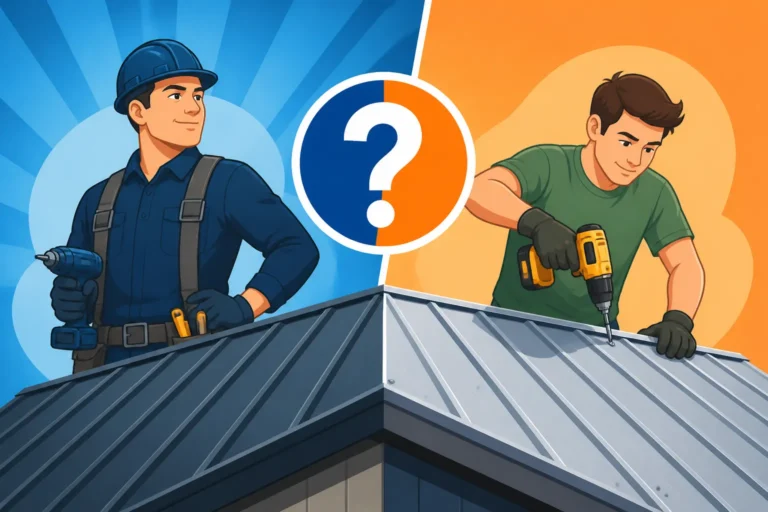
It can be tempting to go with the lowest bid, especially in today's economy. Sometimes, those incredibly low prices come from unlicensed contractors who operate outside the legal framework. While it might seem like a way to save money upfront, hiring an unlicensed roofer in Arizona is a gamble with potentially severe financial and legal repercussions. The risks far outweigh any perceived savings.
When you weigh the long-term value of a metal roof, which can last 50 years or more, cutting corners on the installation by choosing an unlicensed contractor simply isn't worth it. You're investing in your home's future, and that investment needs to be protected.
Lack of Protection and Recourse
The biggest problem with unlicensed contractors is the complete lack of consumer protection. Remember that ROC bond we talked about? If you hire an unlicensed contractor and they botch the job, disappear with your money, or cause significant damage, you have no recourse through the Registrar of Contractors. The ROC cannot mediate disputes or provide financial relief because the contractor isn't under their jurisdiction. This means you’d have to pursue legal action through civil courts, which can be a lengthy, expensive, and often fruitless endeavor if the contractor doesn't have assets.
Furthermore, unlicensed contractors typically don't carry adequate insurance. If a worker is injured on your property, or if your home sustains damage during the project, you could find yourself personally liable for medical bills, property repairs, and legal fees. This risk alone should be enough to deter anyone from going this route.
Substandard Workmanship and Warranty Issues
Unlicensed contractors often lack the necessary experience, training, and adherence to building codes. This can lead to shoddy workmanship that compromises the integrity and longevity of your metal roof. Imagine paying for a beautiful new standing seam roof, only for it to start leaking a year later because critical flashing details were missed, or the panels weren't installed according to manufacturer specifications.
What about warranties? Most reputable metal roofing manufacturers require their products to be installed by licensed professionals to honor their material warranties. Similarly, any workmanship warranty offered by an unlicensed contractor is likely worthless if they go out of business or simply vanish. A properly installed metal roof should come with strong Metal Roof Warranties: Workmanship vs Manufacturer guarantees, which only licensed and reputable companies can provide.
Permitting and Legal Issues
In Arizona, almost all significant roofing projects require a building permit. Licensed contractors are familiar with this process and will pull the necessary permits before starting work. Unlicensed contractors often try to skirt this requirement to save time and money, or because they know their work won't pass inspection.
If work is done on your home without a required permit, it can cause significant problems down the line. You might face fines from your city or county, be forced to tear off and redo the work, and it can create major hurdles when you try to sell your home. A home inspection report will flag unpermitted work, potentially scaring off buyers or forcing you to fix it at your own expense before a sale can close. Always confirm that your contractor will pull all necessary permits.
How to Choose a Licensed and Reputable Arizona Roofer
Navigating the world of contractors can feel overwhelming, but with the right information, you can make an informed decision and hire a roofer who will do an excellent job on your Arizona home. Beyond just verifying their license, there are other crucial steps you should take to ensure you're working with a true professional.
Remember, this is a significant investment. Taking the time upfront to properly vet your contractor will save you countless headaches and potential costs down the road.
Get Multiple Detailed Quotes
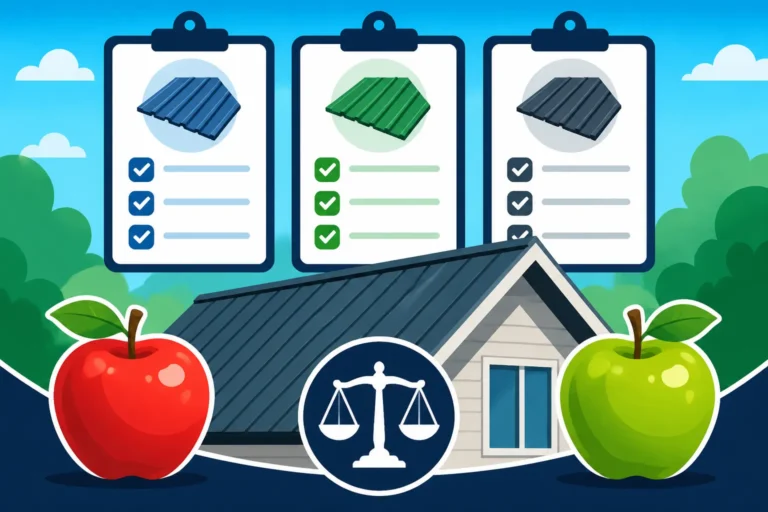
Once you've confirmed a contractor is licensed, the next step is to obtain at least three detailed quotes for your metal roofing project. This isn't just about comparing prices; it's about comparing the scope of work, materials, and proposed timelines. A good quote should be comprehensive, breaking down costs for materials, labor, tear-off (if applicable), underlayment, and any other components.
Be wary of quotes that are significantly lower or higher than the others. A too-low bid might indicate corner-cutting, while an excessively high bid could be overcharging. Use these quotes to ask specific questions and ensure you're comparing apples to apples. Platforms like Modernize can help you connect with several pre-screened contractors, streamlining the process of getting competitive bids. Our guide on How to Read and Compare Metal Roof Quotes offers a deep dive into this process.
Check References and Reviews
A contractor's past work and reputation speak volumes. Ask for references from previous clients, especially those who had similar metal roofing projects done. Call those references and ask about their experience: Was the project completed on time and within budget? Was the communication clear? Were they satisfied with the quality of the work and the cleanup?
Also, check online reviews on platforms like Google, Yelp, and the Better Business Bureau. Look for consistent patterns – overwhelmingly positive reviews are great, but also pay attention to how a contractor responds to any negative feedback. A professional contractor will address concerns constructively and seek to resolve issues. This provides valuable insight into their customer service and problem-solving skills.
Review the Contract Thoroughly
Before you sign anything, read the contract very carefully. A solid metal roofing contract should be detailed and clearly outline every aspect of the project. This includes:
- Scope of Work: A precise description of what will be done, including removal of old roofing, installation of underlayment, metal panels, flashing, and ventilation.
- Materials: Specific types, brands, and colors of metal roofing materials, fasteners, and coatings.
- Timeline: Start and completion dates, including any provisions for delays due to weather or unforeseen circumstances.
- Payment Schedule: A clear breakdown of payments, typically with an initial deposit, progress payments, and a final payment upon satisfactory completion. In Arizona, deposits are often capped at 10% or $1,000, whichever is less, for residential projects.
- Warranties: Details on both the material warranty from the manufacturer and the workmanship warranty from the contractor.
- Insurance and Permits: Confirmation that the contractor will pull all necessary permits and provide proof of insurance.
Never feel rushed or pressured to sign a contract. If anything is unclear, ask for clarification in writing. A reputable contractor will be happy to explain everything and ensure you feel comfortable. For a detailed checklist, refer to What a Metal Roof Contract Should Include.
Table: Key Arizona Roofing License Requirements at a Glance
To give you a quick reference, here's a summary of the fundamental requirements for a residential roofing license in Arizona.
| Requirement | Description | Why it Matters for Homeowners |
|---|---|---|
| ROC License Type | Primarily R-42 Residential Roofing Contractor (or CR-42 for combined) | Ensures specialization and knowledge of residential roofing codes and practices. |
| Experience | 4 years verifiable experience (journeyman, foreman, supervisor level) within the last 10 years | Guarantees hands-on skill and practical knowledge of roofing installation. |
| Exams Passed | Business Management Exam & Roofing Trade Exam | Verifies understanding of business operations, legal obligations, and specific roofing techniques. |
| ROC Bond | Required, amount varies (e.g., $4,250 – $15,000 for residential) | Provides financial protection if the contractor defaults or performs substandard work. |
| General Liability Ins. | Required (strongly recommended for homeowner protection) | Covers accidental damage to your property or injuries on site, protecting you from liability. |
| Workers' Comp Ins. | Required if contractor has employees | Protects you from liability if a worker is injured on your property. |
| Permitting | Contractor pulls required building permits | Ensures work meets local building codes and avoids future legal or resale issues. |
| Background Check | For the qualifying party | Helps ensure the individuals leading the company have a clean record. |
By focusing on these key aspects – verifying licenses, getting thorough quotes, checking references, and meticulously reviewing contracts – you’ll be well-equipped to choose a qualified and trustworthy metal roofing contractor in Arizona. This diligent approach is your best defense against potential problems and your assurance of a beautiful, long-lasting metal roof.
Disclaimer
The information provided in this article is intended for general informational purposes only and does not constitute legal or professional advice. Licensing requirements and regulations can change, and it is always recommended to consult with the Arizona Registrar of Contractors (ROC) or a legal professional for the most current and specific guidance regarding your particular situation.